
I made duchess potatoes for the first time the year Saad was in kindergarten, right before a big Eid dinner at my in-laws' house. I'd seen them in a YouTube video and thought — how hard can it be? Very hard, apparently, when you don't know that your potato mixture needs to cool slightly before you add the egg yolks. I scrambled the yolks straight in, ended up with flecks of cooked egg throughout, and quietly served something else that night.
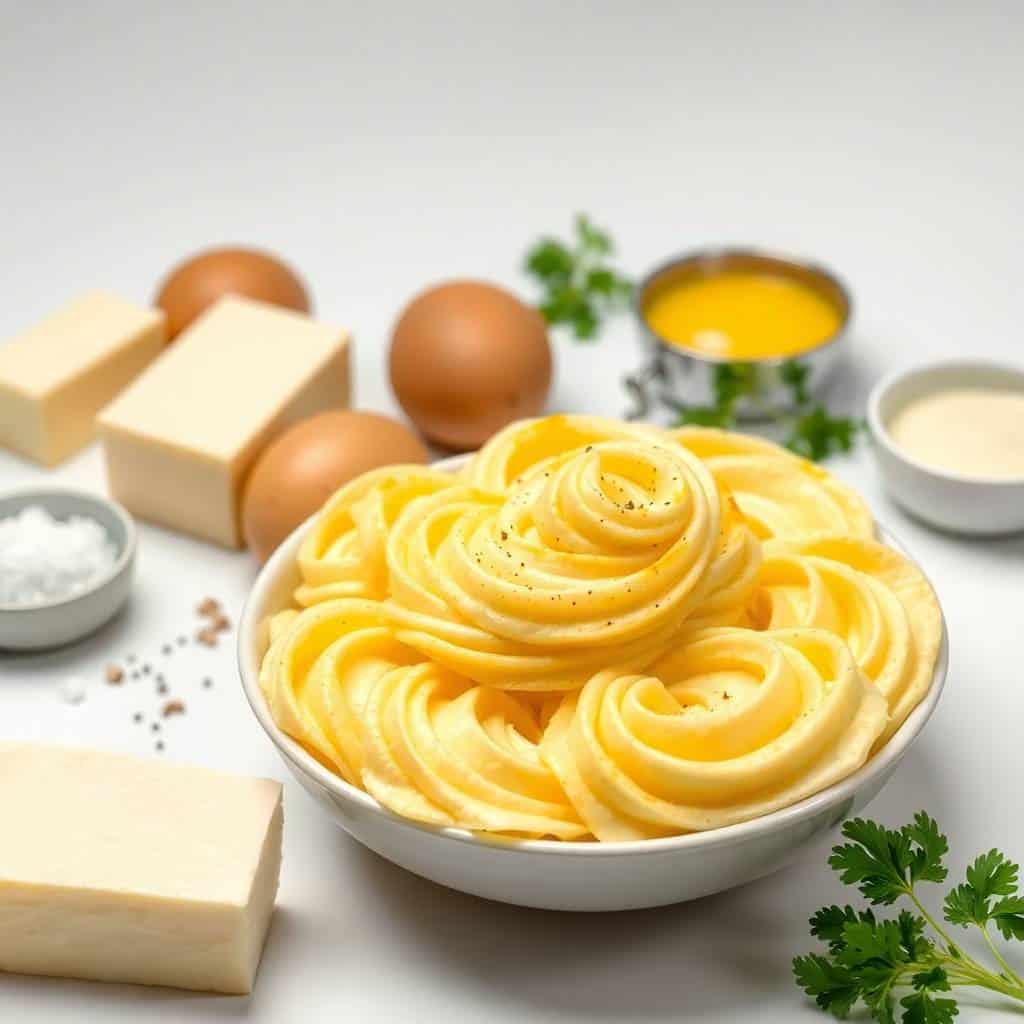
Now I make these regularly, and they've become the one side dish I actually feel proud to put on the table. The technique is straightforward once you know the steps in the right order: boil, mash, mix, cool, pipe, bake. What makes them special isn't any exotic ingredient — it's the egg yolks folded into butter and cream that give the piped swirls their structure and their beautiful golden color in the oven.
My husband likes these alongside something rich and saucy — the Garlic Butter Brazilian Steak is his current favorite pairing. The potatoes cut through the richness perfectly. I tend to make a full batch even for smaller dinners because everyone wants more than one rosette.
One honest heads-up: you do need a piping bag and a star tip for the classic ridged look. A ziplock bag with the corner snipped works in a pinch, but the swirls won't hold their shape as cleanly during baking. A basic piping kit from Walmart or Amazon runs about $8 and is worth having around. The ridges are what crisp up in the oven — smooth blobs won't give you the same result.
Why You'll Love This Recipe
- They look impressive without being complicated: Most people see duchess potatoes at restaurants or on fancy cooking shows and assume they're difficult. They're really not — the ingredients are basic and the process is forgiving. Once I got the technique down, the whole thing takes me about 45 minutes start to finish, and the visual payoff is way out of proportion to the effort.
- Make-ahead friendly in a real, practical way: You can pipe these onto the baking sheet the morning of your dinner party, cover them loosely with plastic wrap, and refrigerate until you're ready to bake. No last-minute mashing and scrambling while your guests are arriving. I do this for Eid and holiday dinners — baking time is about 20 minutes, so I just pop them in while we're finishing the first course.
- The texture is genuinely different from regular mashed potatoes: The egg yolks and the oven time give the outside a slight crispness while the inside stays soft and buttery. It's the same base ingredients as mashed potatoes, but the result eats completely differently. My husband, who is perfectly happy with a bowl of plain mash, always reaches for these first when they're on the table.
- Endlessly customizable without breaking the recipe: The base recipe is simple enough that you can fold in roasted garlic, grated Parmesan, fresh chives, or a pinch of cayenne without messing anything up. I've made the cheese version more times than I can count. It also works with sweet potatoes if you want a completely different flavor profile.
- Works for a weeknight dinner or a holiday table: I've made these on a regular Tuesday and I've made them for a table of twenty. They scale up easily — just double or triple the batch. On a weeknight I pair them with whatever protein I'm making. For bigger occasions I put them on a platter and they look like I spent twice as long in the kitchen.
Ingredients
- 2 pounds russet potatoes, peeled and cut into chunks
- 4 tablespoons unsalted butter
- ½ cup heavy cream (or half-and-half if that's what you have)
- 2 large egg yolks
- Salt, to taste
- White pepper, to taste (black pepper works too)
- Pinch of nutmeg, optional
Directions
- Boil the potatoes: Place the peeled potato chunks in a large pot and cover with cold salted water. Bring to a boil and cook for 15–20 minutes until completely tender when poked with a fork. Drain them really well — any extra water in the mix will make the rosettes collapse in the oven.
- Mash until smooth: Return the drained potatoes to the pot and mash over low heat for a minute to let steam escape. Use a potato masher or, if you have one, a ricer — the ricer gives you a smoother result and less chance of gummy potatoes. I use a regular masher and it works fine.
- Add butter and cream: Stir in the butter and heavy cream gradually, mixing until the potatoes are smooth and creamy. Season with salt, white pepper, and nutmeg if you're using it. Taste and adjust — duchess potatoes need to be well seasoned or they'll taste flat after baking.
- Add the egg yolks: This is the step that tripped me up the first time. Let the potato mixture cool for 5 minutes before adding the egg yolks. If the potatoes are too hot, the yolks will cook on contact and you'll get streaks of scrambled egg. Stir the yolks in gently until the mixture is smooth and uniform.
- Pipe onto the baking sheet: Line a baking sheet with parchment paper. Transfer the potato mixture into a piping bag fitted with a large star tip. Pipe rosettes or swirls about 2 inches wide, leaving a little space between each one. The ridges from the star tip are important — they're what will crisp and brown during baking.
- Bake until golden: Preheat your oven to 400°F (200°C). Bake for 20–25 minutes until the edges and tips are golden brown. Don't pull them out too early — the color is the sign that the outside has crisped up properly.

Tips for Success
- Use russet potatoes, not waxy ones: Russets are starchy and dry out nicely after boiling, which gives you a fluffy, pipe-able mash. Waxy potatoes like red or Yukon Gold have more moisture and hold together differently — they can work, but the piped shape may spread during baking. I tried Yukon Gold once out of curiosity and the rosettes flattened. Russets every time since.
- Don't skip draining and drying the potatoes properly: After boiling, drain them well and return them to the hot pot for a minute or two over low heat. This evaporates the extra moisture and is the difference between a mixture that holds its shape and one that slumps. I learned this after my first batch came out pudgy and soft instead of defined.
- Don't overmix once the egg yolks go in: Overworked potatoes release starch and get gummy — you don't want that here, especially since the egg yolks are the last addition. Stir just until everything is incorporated and the mixture looks smooth. Stop before you're tempted to keep going.
- Season more than you think you need to: Potatoes absorb salt in a way that makes under-seasoning really obvious once they're baked. Season the water, season the mash, and taste it before it goes into the piping bag. The nutmeg is optional but it adds a subtle warmth that works well with buttery potato — don't overdo it, just a small pinch.
- If you're making ahead, don't add the egg yolks until just before piping: The yolks can make the mixture loosen slightly if it sits too long before baking. What I do: make the buttery mash, refrigerate it, then warm it gently, fold in the yolks, and pipe. This gives you maximum flexibility when you're managing a full holiday meal.
Variations
- Parmesan and chive: Fold ¼ cup of finely grated Parmesan and 2 tablespoons of chopped fresh chives into the potato mixture before piping. The Parmesan adds a savory depth and the chives keep it feeling fresh. This is my most-made version — I served it alongside the Crockpot Garlic Parmesan Chicken Pasta once and it was a very good decision.
- Roasted garlic version: Squeeze out half a head of roasted garlic and mash it into the potato mixture before adding the yolks. Roasted garlic is sweet and mellow, not sharp, so it blends in beautifully. I pair these with something simply cooked — roasted chicken, a plain steak — so the garlic flavor has room to come through.
- Spiced version: Add ½ teaspoon of smoked paprika and a pinch of cayenne to the mix. This isn't traditional, but it adds a warmth that works well if you're pairing these with something like a chili-glazed protein. The paprika also makes the baked color slightly deeper and more dramatic on the plate.
- Sweet potato duchess potatoes: Substitute sweet potatoes for the russets. The bake time is similar, but sweet potatoes have more moisture so you may want to reduce the cream slightly. They turn a beautiful deep orange and have a natural sweetness that works really well for Thanksgiving or any fall dinner table.
- Dairy-free version: Use plant-based butter (I like Country Crock Plant Butter) and full-fat coconut milk or oat cream in place of the heavy cream. The texture is very close to the original. The coconut milk adds a very faint sweetness which I actually like, but if you don't, oat cream is more neutral. The egg yolks are what hold everything together, so don't skip those.
Serving and Storage
Serving
Serve duchess potatoes straight from the oven while the outside is still crisp. They're a natural with roasted meats — the Garlic Butter Brazilian Steak is a great pairing, and so is a simple roasted chicken. They also work well alongside Garlic Roasted Cherry Tomatoes, which adds color and acidity to the plate. In Pakistan we tend to serve everything family-style, so I put the rosettes on a big platter and let people take what they want.
Storage
Store leftovers in an airtight container in the fridge for up to 3 days. To reheat, put them back on a baking sheet and warm in a 375°F oven for about 10 minutes — this brings back some of the crispness on the outside. The microwave technically works but makes them soft throughout, which is fine if that's what you have, just not ideal. They can also be frozen before baking: pipe onto the sheet, freeze solid, then transfer to a freezer bag. Bake from frozen at 400°F for about 25–30 minutes.

Frequently Asked Questions
Can I make duchess potatoes ahead of time?
Yes, and this is honestly one of the best things about them. Pipe the rosettes onto your parchment-lined baking sheet, cover loosely with plastic wrap, and refrigerate for up to 24 hours. When you're ready, bake straight from the fridge at 400°F — they may need an extra 3–5 minutes since they're starting cold.
Can I freeze duchess potatoes?
Yes. Pipe them onto a tray and freeze until completely solid, then transfer to a zip-top freezer bag. They'll keep for up to a month. Bake from frozen at 400°F for 25–30 minutes — no need to thaw first. I keep a batch in the freezer during the holiday season for exactly this reason.
Why are my duchess potatoes not holding their shape?
Two most likely causes: too much moisture in the potato mixture, or the mixture was overmixed after the yolks went in. Make sure you drain the potatoes thoroughly and dry them in the hot pot before mashing. Also, stir only until the egg yolks are just incorporated — overworking releases starch and makes the mix slack and sticky.
Can I use a different type of potato?
Russets are the best choice because they're starchy and dry out well after boiling. Yukon Golds can work but they're creamier and wetter, so the piped shape may spread during baking. Waxy potatoes like red potatoes aren't ideal — the texture doesn't mash to the same smooth consistency you need for clean piping.
I don't have a piping bag — can I still make these?
A zip-top bag with one corner snipped off gives you a workable piping bag in a pinch — the rosettes won't have defined ridges, but they'll still look tidy. If you have no bag at all, you can spoon neat mounds onto the sheet and use a fork to press ridges into the top. The result won't look the same but it'll taste identical.
DUCHESS POTATOES
Ingredients
- 2 pounds potatoes peeled and cut into chunks
- 4 tablespoons unsalted butter
- ½ cup heavy cream
- 2 large egg yolks
- Salt to taste
- Pepper to taste
- Pinch of nutmeg optional
Instructions
- Cook Potatoes: Boil potatoes in salted water until tender, about 15–20 minutes. Drain well.
- Mash Potatoes: Mash potatoes until smooth. Stir in butter, cream, egg yolks, salt, pepper, and nutmeg if using.
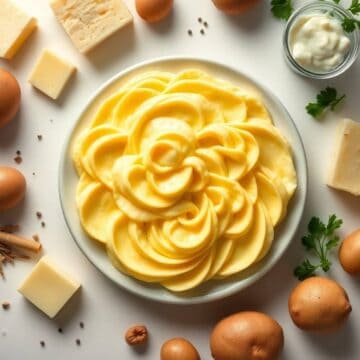
- Pipe Potatoes: Transfer mixture to a piping bag fitted with a large star tip. Pipe potatoes into swirls or rosettes on a baking sheet lined with parchment paper.
- Bake: Preheat oven to 400°F (200°C). Bake for 20–25 minutes until golden brown on top.
- Serve: Serve warm as a side dish with your favorite main course.
Notes
- Make Ahead: Potatoes can be mashed and piped ahead of time; store in the fridge until baking.
- Customizing the Flavor: Add garlic, chives, or cheese for extra flavor.
- Serving Suggestions: Serve alongside roasted meats, poultry, or holiday meals.
- Allergy-Friendly Options: Use plant-based butter and cream for a dairy-free version.
- Storage Tips: Store leftovers in an airtight container in the fridge for up to 2 days; reheat in the oven.
I keep coming back to this recipe because it genuinely delivers something a bowl of regular mash can't — that contrast between the slightly crisp golden ridges and the soft, buttery interior underneath. It's a small thing, but it makes the whole eating experience different. I've served these at Eid dinners, at Christmas with my in-laws, at a random Tuesday dinner when I had some extra russets to use up. They work every time.
If you're planning a bigger dinner and need a dessert that matches the effort level of these potatoes — something that looks polished without requiring a whole afternoon — the Cherry Lemon Cheesecake is what I usually reach for. Both can be prepped a day ahead, which is exactly how I like to manage a holiday kitchen.
The scrambled-egg disaster of my first attempt feels very far away now. Once you get the temperature timing right and your potato mix is properly dried out before mashing, this recipe becomes one of those reliable ones you stop thinking about and just make. I double the batch every single time because a single batch disappears before I've even sat down. 🥔✨
If you liked this recipe, here are a few more you might want to try:
- Garlic Butter Brazilian Steak — a perfect main to serve alongside these potatoes
- Garlic Roasted Cherry Tomatoes — a simple, colorful side that rounds out the plate
- Crockpot Garlic Parmesan Chicken Pasta — the Parmesan version of these potatoes is a natural pairing
- Cherry Lemon Cheesecake — a make-ahead dessert that matches the elegance of this menu
- Caramel Apple Cinnamon Rolls — for when you want something sweet and indulgent after dinner



Comments
No Comments