
Building a well-stocked pantry is one of the most practical things I have ever done for my cooking — and it took me an embarrassingly long time to figure that out. For years I would start a recipe, get three ingredients in, and realize I was missing something basic. Garlic powder. Apple cider vinegar. Baking soda. The kind of ingredient that you do not think about until you desperately need it at 6pm on a Tuesday. Stocking my pantry essentials properly changed the way I cook entirely — meals come together faster, last-minute dinners are actually possible, and baking happens spontaneously rather than requiring a grocery run first.
A well-stocked pantry is not about having every ingredient imaginable crammed into every available shelf. It is about having the right ingredients consistently available — the ones that form the backbone of most recipes, that have a reasonable shelf life, and that give you genuine flexibility in what you can cook on any given day. Whether you are making a quick weeknight pasta, a slow-cooked curry, a batch of chocolate chip cookies, or a simple soup from whatever is in the fridge, a loaded pantry means you already have most of what you need. The fresh ingredients are the only variable.
I have organized this guide into clear categories — long shelf life basics, spices and herbs, dry goods, tinned staples, condiments, baking essentials, dairy, fresh produce, and freezer staples — so you can work through each section and build your pantry systematically rather than guessing. I also include the storage and organizational tips that have made the biggest difference in how my own pantry functions day to day. For more kitchen setup guidance, see my Kitchen Essentials guide and my Essential Pantry Staples post.
Nothing is more frustrating than wanting to cook after a long day and finding the pantry bare. Let me walk you through everything you need so that never happens again.
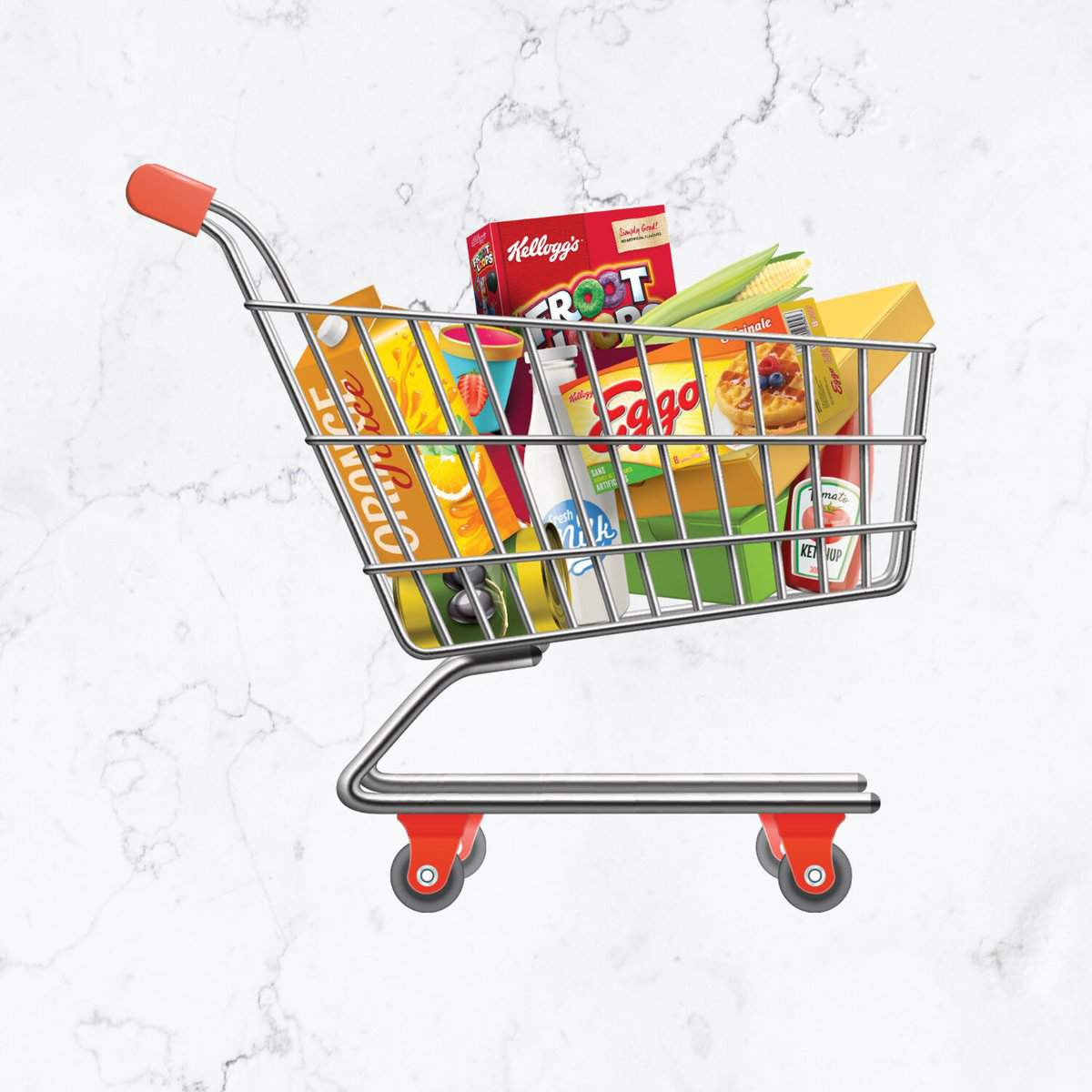
YOUR BASIC SHOPPING LIST FOR PANTRY ESSENTIALS
Certain pantry items appear in almost every recipe across every cuisine. These are the non-negotiables — the items with a long shelf life that you can buy in bulk and always have on hand. Running out of any of these is what causes the frustrated last-minute grocery runs.
Long Shelf Life Basics
- Salt — fine sea salt, pink Himalayan salt, or kosher salt. Keep at least two types: fine for cooking and flaky for finishing.
- Black pepper — whole peppercorns for a pepper grinder give far better flavor than pre-ground. Pre-ground works in a pinch.
- Extra-virgin olive oil — for dressings, sautéing, drizzling, and finishing. The quality matters more in raw applications than in cooking.
- Neutral frying oil — canola, vegetable, or peanut oil. High smoke point makes these essential for high-heat cooking, stir-frying, and deep frying.
- Apple cider vinegar — for dressings, marinades, sauces, and quick pickling.
- White vinegar — for cleaning, pickling, and any recipe that needs a sharp acidic note.
SPICES AND HERBS
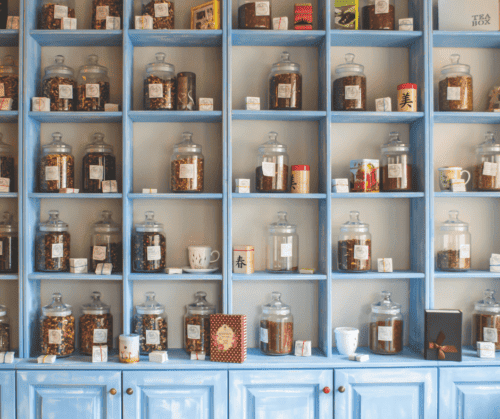
Spices and herbs are what transform a collection of basic ingredients into a meal with character. They are also one of the most cost-effective pantry investments — a well-stocked spice shelf means you can cook convincingly across multiple cuisines without buying specialty ingredients. When stored properly in airtight containers away from heat and light, most ground spices hold their potency for 1 to 2 years, and whole spices last even longer.
- Garlic powder — adds savory depth quickly without the prep of fresh garlic. Essential for spice rubs, marinades, and seasoning blends.
- Chicken stock powder — a fast way to add umami and depth to soups, rice, sauces, and braises without needing homemade stock on hand.
- Dried basil — for tomato sauces, pasta dishes, pizza seasoning, and Italian-inspired cooking.
- Dried oregano — Mediterranean and Mexican cooking staple. One of the most versatile dried herbs in the pantry.
- Dried thyme — adds an earthy, herby quality to roasted meats, soups, and vegetable dishes.
- Ground cumin — essential for South Asian, Middle Eastern, and Mexican cooking. One of the most-used spices in my kitchen.
- Smoked paprika — adds color, mild heat, and a smoky depth to roasted vegetables, proteins, and soups. More complex than regular paprika.
- Ground cinnamon — used in both sweet and savory cooking. Essential for baking and for adding warmth to rice dishes and curries.
- Ground coriander — pairs naturally with cumin and is a cornerstone of South Asian and Middle Eastern spice blends.
- Ground ginger — for baking, marinades, and Asian-inspired sauces and soups.
- Chilli powder — for heat in curries, soups, rubs, and marinades. Adjust the amount to your tolerance.
- Chilli flakes — for adding heat at the end of cooking or as a finishing seasoning on pasta, pizza, and roasted vegetables.
- Bay leaves — essential for soups, stocks, braises, and rice dishes. Add whole at the start and remove before serving.
- Garam masala — a warming South Asian spice blend that is indispensable for curries, marinades, and rice dishes.
DRY PANTRY ESSENTIALS
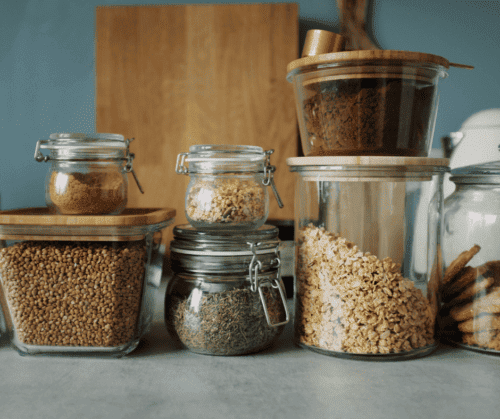
Dry pantry essentials form the structural backbone of most home-cooked meals. Pasta, grains, legumes, and flour are the items that turn a handful of fresh ingredients into a complete, satisfying dinner. These almost always have a long shelf life and can be bought in larger quantities to reduce grocery trips. I keep my dry goods in airtight glass or plastic containers labeled with the purchase date — this makes it easy to track freshness and keeps everything organized.
- Pasta and noodles — keep at least 2 to 3 varieties: spaghetti, penne, and a short pasta like rigatoni or farfalle cover most pasta dishes. Rice noodles are useful for Asian recipes. My weeknight dinner rotation would not function without a reliable pasta selection.
- Rice — basmati for South Asian and Middle Eastern dishes, long-grain white rice for everyday cooking, and jasmine for Thai and Southeast Asian recipes. Rice is the most versatile grain in the pantry.
- Grains and lentils — bulgur wheat, dried chickpeas, red and yellow lentils, and kidney beans. These are economical, high in protein, and essential for soups, salads, and curries.
- Breadcrumbs — for coating, topping, and binding. Both plain and panko breadcrumbs have their uses — panko creates a crispier crust than regular.
- Tea and coffee — not just for drinking. A small amount of instant coffee or espresso powder added to chocolate baked goods deepens the flavor significantly. I add it to every chocolate recipe I bake.
- Nuts — almonds, walnuts, peanuts, pine nuts, and cashews. These serve as snacks, additions to salads and grain bowls, and as ingredients in baking. Store in airtight containers or in the freezer for maximum freshness.
- Dried fruit — raisins, apricots, and dates. Useful in baking, grain salads, and as a natural sweetener in sauces and tagines.
- Rolled oats — for porridge, overnight oats, baking, and as a binder in patties and meatballs. One of the most versatile dry goods in the pantry.
- All-purpose flour — the backbone of baking. Also used for dredging, thickening sauces, and making roux. Keep it stored in an airtight container; in humid climates, store in the refrigerator to prevent spoiling.
- Milk powder — a long-shelf-life alternative to fresh milk. Useful for baking, adding creaminess to sauces, and for cooking when fresh milk is unavailable.
TINNED FOOD STAPLES
Canned and tinned food is one of the most underrated sections of a well-stocked pantry. These items have extremely long shelf lives — often several years when stored in a cool, dark place — and they are genuinely nutritious, convenient, and economical. A well-stocked tinned shelf means you can put together a complete meal even when the fridge is near-empty.
- Canned beans — black beans, red kidney beans, and chickpeas are the three I always have on hand. They go into salads, curries, soups, and side dishes and are ready in seconds compared to dried beans. Also try them in my keto side dishes for low-carb meal ideas.
- Canned tomatoes — diced, crushed, and tomato paste are all worth keeping. They are the base of pasta sauces, soups, curries, and stews. Good-quality canned tomatoes produce a noticeably better sauce than low-quality ones.
- Canned fish — tuna, sardines, and salmon. These are fast sources of protein that go into salads, sandwiches, pasta, and rice bowls without any cooking required.
- Canned fruit — peaches, pineapple, and cherries are the most versatile. They can be used for quick desserts, baking, and as a topping for ice cream or yogurt when fresh fruit is not available.
- Condensed milk — a pantry workhorse for desserts. Used in no-bake cheesecakes, fudge, flan, and countless other sweet recipes. Its long shelf life means you can always have it on hand for a spontaneous baking project.
- Coconut milk — essential for Thai curries, soups, and dairy-free baking. Full-fat coconut milk also whips into a coconut cream for dairy-free desserts.
CONDIMENTS AND SAUCES
Condiments and sauces are the finishing touches that take a meal from flat to layered and complex. A well-curated condiment shelf means you can build flavor quickly — a good marinade, a flavorful sauce base, or the right dipping condiment can transform even the simplest protein or vegetable into something worth eating. These items typically have a long shelf life once opened and stored in the refrigerator.
- Mustard — yellow mustard for sandwiches and hot dogs; Dijon mustard for salad dressings, sauces, and marinades. Dijon is the more versatile of the two in cooking.
- Mayonnaise — the base of countless cold sauces, salad dressings, coleslaw, and sandwich spreads. Also works as a moisture-retaining coating for baked or grilled chicken.
- Ketchup — a household essential. Works as a dipping sauce, a burger topping, and as an ingredient in barbecue sauces and glazes.
- Hot sauce — for adding heat to marinades, soups, eggs, and sauces. A bottle of your preferred hot sauce is one of the most useful condiments in the pantry.
- Soy sauce — forms the base of Chinese, Japanese, and Korean cooking. Also works in marinades, dipping sauces, and as an umami booster in non-Asian dishes. Low-sodium soy sauce is a good option if you are watching salt intake.
- BBQ sauce — for grilling, glazing, and as a dipping sauce. A good BBQ sauce is also useful as a base for other sauces and marinades.
- Peanut butter — for sandwiches, smoothies, Asian-inspired sauces, and baking. Both smooth and crunchy have their place — I keep smooth for cooking and crunchy for spreading.
- Jam or preserves — for breakfast, baking, and as a glaze for meats. Strawberry and apricot are the most versatile flavors to keep on hand.
BAKING ESSENTIALS
If you bake even occasionally, having these essentials consistently stocked means you can start a recipe without a grocery run. The most important thing to know about baking essentials is that leavening agents — baking soda and baking powder — expire, and expired leavening is one of the most common causes of baking failures. Check the dates on yours regularly and replace them every six months after opening. For baking inspiration using these essentials, see my 27 Easy Homemade Cake Recipes and my Chocolate Cookies.
- Baking soda — shelf life is 6 months from opening. Essential for cookies, quick breads, and any recipe with an acidic ingredient like buttermilk or brown sugar. Always keep a fresh supply.
- Baking powder — shelf life is 6 months from opening. The most commonly used leavening for cakes, muffins, and pancakes. Test by dropping a teaspoon in hot water — it should bubble actively. If it does not, replace it.
- Active dry yeast — once opened, store in the refrigerator and use within 4 months, or freeze and use within 6 months. Essential for bread, pizza dough, and yeasted pastries.
- Cream of tartar — stabilizes whipped egg whites for meringues and soufflés, and helps prevent sugar crystallization in candy making. A small jar lasts a long time.
- Pure vanilla extract — the single most important flavor enhancer in sweet baking. Always use pure extract rather than imitation — the flavor difference is significant and noticeable in finished baked goods.
- Brown sugar — for cookies, cakes, marinades, and sauces. The molasses in brown sugar adds moisture and a caramel-like depth that white sugar cannot replicate.
- White granulated sugar — the standard sweetener for most baking and cooking applications.
- Powdered sugar (icing sugar) — for frostings, glazes, and dusting. Also used in some cookie and pastry recipes where granulated sugar would be too coarse.
- Unsweetened cocoa powder — essential for chocolate baking. Dutch-process gives a deeper color and smoother flavor; natural cocoa gives a sharper, more acidic chocolate note. Both are worth having if you bake chocolate recipes regularly.
- Cornstarch (cornflour) — for thickening sauces, gravies, and pie fillings, and for creating a tender crumb in cakes and cookies when used alongside flour.
- Semi-sweet chocolate chips — for cookies, cakes, brownies, and ganache. Keep a bag in the pantry and you are always one bowl away from a chocolate baked good.
DAIRY ESSENTIALS
Dairy products do not have the long shelf life of pantry dry goods, but they are essential enough to always keep stocked. Most of these live in the refrigerator rather than the pantry shelf, but they are just as fundamental to day-to-day cooking and baking. Buy what you will use within the week and replenish regularly.
- Whole milk — for cooking, baking, sauces, and coffee. Whole milk produces richer results than low-fat milk in most baking applications.
- Eggs — one of the most essential ingredients in cooking and baking. Keep at least a dozen on hand at all times. Eggs serve as a binder, leavener, emulsifier, and protein source across hundreds of recipes.
- Butter — unsalted for baking (so you control the salt level), salted for everyday cooking and spreading. Keep both. Store extra butter in the freezer — it keeps for up to 6 months.
- Heavy cream — for ganache, whipped cream, cream sauces, and adding richness to soups and mashed potatoes. A carton of heavy cream in the fridge opens up a wide range of recipes.
- Cheese — cheddar and mozzarella are the two most versatile. Parmesan is worth keeping for pasta, risotto, and soups. Cream cheese is essential if you bake cheesecakes or make dips and frostings.
- Plain yogurt or sour cream — for marinades, dressings, baking (it adds moisture and a slight tang), dips, and as a topping for curries and soups.
FRESH PRODUCE ESSENTIALS
Fresh produce has a shorter lifespan than pantry staples, so buy what you will actually use within the week rather than loading up and wasting. That said, certain fresh produce items are worth keeping consistently on hand because they appear in so many recipes across so many cuisines — they are the fresh building blocks that your pantry dry goods and spices are designed to work with. For ideas on how to use seasonal fresh produce, see my 29 Easy Spring Dinner Recipes and my 31 Best Summer Dinner Ideas.
- Garlic — used in virtually every savory cuisine in the world. A full head of garlic lasts 1 to 2 weeks at room temperature and up to a month in the refrigerator.
- Onions — yellow onions for cooking, red onions for raw applications like salads and pickles. Keep a bag of yellow onions and a few red onions at all times.
- Ginger — fresh ginger root lasts up to 3 weeks in the refrigerator, or can be frozen whole and grated directly from frozen when needed. Essential for South Asian, East Asian, and Middle Eastern cooking.
- Lemons — for juice and zest in baking, salad dressings, marinades, and as a finishing acid that brightens any dish. A few lemons should always be on the counter.
- Potatoes — one of the most versatile vegetables in any cuisine. Store in a cool, dark, well-ventilated place away from onions. See my Fried Potatoes and Onions and my Garlic Parmesan Potato Wedges for easy potato recipes.
- Tomatoes — for salads, sauces, and cooking. Buy what you will use within a few days — refrigerating tomatoes dulls their flavor significantly.
- Bell peppers — versatile in stir-fries, salads, roasted dishes, and stuffed preparations. Keep a mix of colors for visual variety.
- Carrots — long shelf life for a fresh vegetable — up to 3 to 4 weeks refrigerated. Useful in soups, salads, roasting, and snacking.
- Leafy greens — spinach, lettuce, or kale for salads and sides. Use within a few days of purchase for best freshness.
- Bananas and apples — the two most versatile fruits for snacking and baking. Overripe bananas are excellent for banana bread and muffins — never throw them away.
FREEZER STAPLES
The freezer is an extension of your pantry — not a place to put things you are not sure what to do with, but a deliberate storage system for ingredients that make your cooking life significantly easier. Freezer staples last 3 to 6 months and mean you always have a protein, a vegetable, and a starch available even when the fridge and fresh pantry are low. When freezing items, place them in zip-lock bags, remove as much air as possible, and write the purchase date on the bag so you know when to rotate.
- Meat — keep a variety of cuts and proteins: boneless chicken breasts and thighs, ground beef, sausages, and at least one bone-in cut for soups and braises. Portion and freeze individual servings so you only defrost what you need. For chicken dinner ideas, see my 35 Easy Chicken Recipes.
- Prawns and fish — individually quick-frozen prawns and fish fillets are one of the most practical freezer staples. They defrost in 20 to 30 minutes in cold water and cook in minutes, making them ideal for fast weeknight dinners.
- Bread — freezing bread is one of the most effective ways to prevent waste and always have a bread option on hand. Slice before freezing and toast directly from frozen — no thawing required. Works equally well for sandwich bread, sourdough, and rolls.
- Frozen vegetables — peas, corn, mixed vegetables, and spinach. Frozen vegetables are flash-frozen at peak freshness and are often more nutritious than fresh vegetables that have been sitting for several days. Keep a selection for quick stir-fries, soups, and sides.
- Frozen fruit — berries, peaches, and mangoes. Flash-frozen fruit is ideal for smoothies, baking, and sauces. Some fruits — particularly berries — taste better frozen than fresh out of season. My Easy Frozen Fruit Salad is a quick and crowd-pleasing use of frozen fruit.
- Butter — store extra butter in the freezer for up to 6 months. Defrost in the refrigerator overnight when needed. This ensures you never run out of butter mid-bake.
- Vanilla ice cream — for a quick dessert, a milkshake, or alongside warm baked goods. A container of good vanilla ice cream in the freezer means a dessert is always 30 seconds away.
PRO TIPS FOR STOCKING AND ORGANIZING YOUR PANTRY
- Use Airtight Containers and Labels: Transfer dry goods — flour, sugar, pasta, grains, and spices — into clear airtight containers as soon as you bring them home. Label each container with the contents and the date you opened it. This keeps the pantry visually organized, prevents pantry moths and moisture damage, and makes it immediately obvious when something is running low or has been sitting too long.
- Write the Open Date on Leavening Agents: Baking soda and baking powder both lose potency over time, and an expired leavening agent is one of the most common causes of flat, dense baked goods. Write the date you opened the package directly on the container and replace every 6 months. Test baking powder by dropping a teaspoon in hot water — it should bubble vigorously. Test baking soda the same way with a few drops of vinegar.
- Keep a Running Grocery List: Place a notepad on the refrigerator or use a notes app on your phone specifically for pantry restocking. The moment you notice something getting low — the last tablespoon of cocoa, the last can of chickpeas — add it to the list immediately. This prevents the frustrating situation of reaching for an ingredient mid-recipe and finding it gone.
- Rotate Stock — First In, First Out: When restocking the pantry, always move older items to the front and place new purchases behind them. This ensures older stock gets used before it expires rather than sitting at the back while you reach for the new item. This principle — first in, first out — is used in professional kitchens and works equally well in a home pantry.
- Refrigerate Flour and Grains in Hot or Humid Climates: In very warm or humid environments, flour, semolina, and dried lentils can develop mold or attract insects faster than in a temperate climate. Storing them in airtight containers in the refrigerator extends their shelf life significantly and prevents spoiling. This is especially important for whole wheat and alternative flours, which have a higher fat content and go rancid faster than all-purpose flour.
- Date Your Freezer Items: When freezing meat, fish, or any prepared food, place it in a zip-lock bag with as much air removed as possible, then write the purchase or freeze date clearly on the bag with a permanent marker. Freezer items do not last indefinitely — most meats keep well for 3 to 6 months, and fish is best used within 2 to 3 months. Dated bags prevent the guessing game and ensure quality.
- Do a Full Inventory Before Every Major Shop: Before a big grocery run, take everything out of the pantry, check what you have, and then make your list based on what is actually missing or low. This prevents buying duplicates of items you already have and ensures you restock the things that are actually gone. It takes about 10 minutes and saves money and frustration consistently.
For a beginning cook, the highest-priority pantry essentials are: salt, black pepper, extra-virgin olive oil, garlic powder, dried oregano, all-purpose flour, granulated sugar, baking soda, baking powder, vanilla extract, soy sauce, and canned tomatoes. These ingredients appear across the widest range of everyday recipes and will serve you in savory cooking, baking, and sauce-making without requiring specialty knowledge. Build from this foundation and add spices and specialty items as your cooking expands.
Ground spices hold their best flavor for 1 to 2 years when stored in airtight containers away from heat, light, and moisture. Whole spices — such as whole peppercorns, whole cumin, and cinnamon sticks — last 3 to 5 years under the same conditions. The best test for a spice's potency is to smell it — a spice that has lost its aroma has lost most of its flavor. Replace spices that smell flat or faint, and write the date you opened each jar on the bottom so you can track their age easily.
Baking soda is pure sodium bicarbonate — it requires an acidic ingredient in the recipe (buttermilk, yogurt, lemon juice, brown sugar, cocoa powder) to activate and produce carbon dioxide for leavening. Baking powder already contains an acid (cream of tartar) and a base (baking soda), so it activates with moisture and heat without needing an additional acidic ingredient. Many recipes use both: baking soda reacts quickly with acidic ingredients for immediate lift, while baking powder provides a second rise in the oven's heat. Never substitute one directly for the other without adjusting quantities.
All-purpose flour stored in an airtight container in a cool, dry pantry shelf will stay fresh for 6 to 8 months. In hot or humid climates, transfer flour to an airtight container and store in the refrigerator — this extends the shelf life to up to 1 year and prevents moisture damage and pantry insects. Whole wheat flour, almond flour, and other alternative flours have a higher fat content and go rancid more quickly — refrigerate or freeze these and use within 3 to 6 months. Always bring refrigerated flour to room temperature before baking for best results.
For fast weeknight cooking, the most valuable pantry items are: canned tomatoes (for pasta sauces and curries), canned chickpeas and beans (protein ready in seconds), pasta and rice (fast, reliable carbohydrates), soy sauce and garlic powder (flavor builders), frozen chicken and prawns (fast-thawing proteins), and chicken stock powder (instant depth in any sauce or soup). With these items consistently stocked, you can produce a complete, flavorful dinner in 30 minutes from pantry and freezer alone, without needing a grocery run.
A well-stocked pantry is one of the most quietly powerful things you can do for your cooking. It changes the daily experience of making food — from a stressful scramble to find ingredients to a creative process where the ingredients are already there and the only question is what to make with them. Once you build it up properly, maintaining it becomes second nature: a quick scan, a running list, and a regular restock is all it takes.
Start with the basics — the long-shelf-life essentials, a core spice collection, and a reliable dry goods selection — and build from there. For more kitchen setup guidance, see my Kitchen Essentials guide. And for putting your stocked pantry to work, browse my Quick and Easy Recipes, my 25 Cheap Dinners for a Family, and my 27 Best Healthy Dinner Recipes — every one of them is built on exactly the pantry essentials listed here. 🥄🧄🫙


Comments
No Comments