
Growing up watching my mother cook, I was always fascinated by the spice shelf — the rows of little jars, each one containing something that could completely transform a dish depending on how much you used, when you added it, and what you combined it with. Spices are the soul of cooking, and nowhere is this more true than in Indian and Pakistani cuisine, where a single dish might use eight or ten spices layered at different stages of cooking to build a flavor so complex it is genuinely impossible to replicate without understanding what each spice contributes. I have spent years learning this, and this guide is everything I know compiled in one place.
Whether you are cooking Indian cuisine for the first time or trying to understand why your curry does not taste quite like the one from your favorite restaurant, the answer almost always comes down to spices — which ones, in what quantity, added at what stage, and prepared how. The difference between a flat, one-dimensional curry and a deeply layered, aromatic one is not more oil or more time on the stove. It is the correct use of the right spices at the right moment.
This guide covers the key spices used in Indian, Pakistani, and Western cooking — what each one tastes like, how I personally use it in my own kitchen, and how spices are deployed across different cooking techniques from marination to tarka. I also cover how to roast spices for maximum flavor and how to store your spice collection so nothing loses its potency. For more on building your full kitchen pantry, see my Pantry Essentials guide and my Essential Pantry Staples post.
Let me take you through the spice world — one flavor at a time.
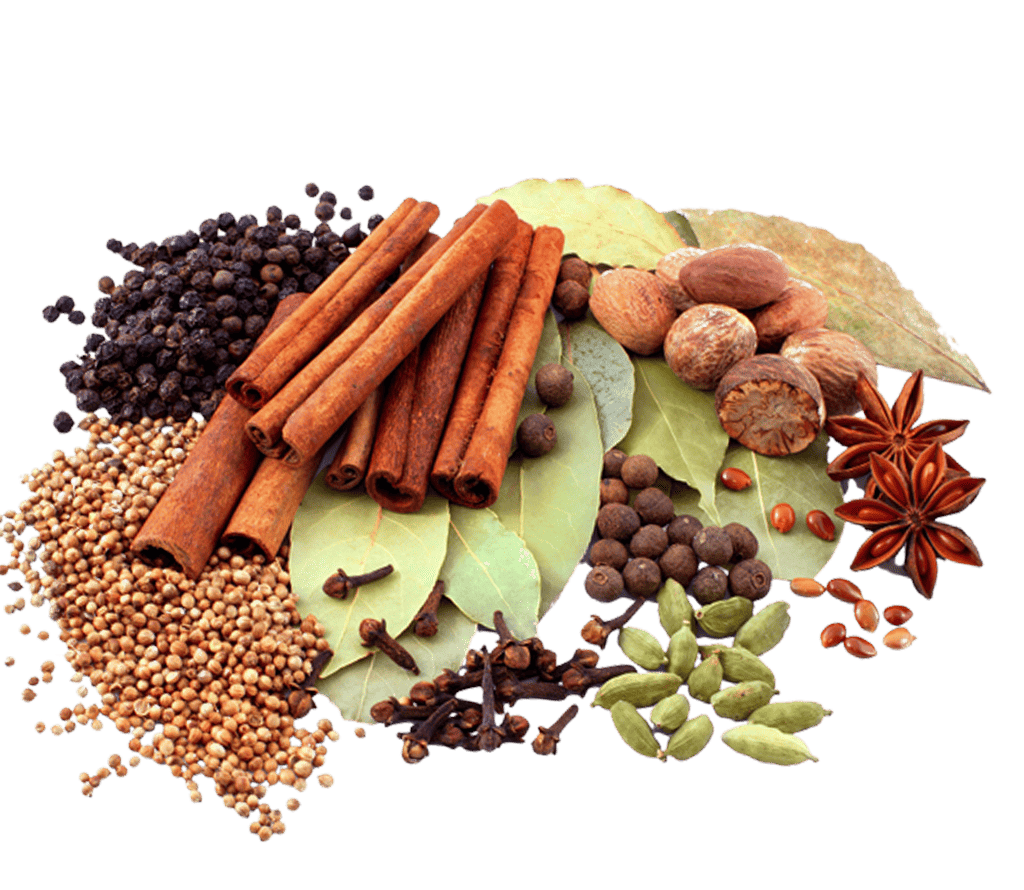
SPICES IN INDIAN, PAKISTANI, AND WESTERN CUISINE
Spices play a fundamentally different role in Eastern cooking versus Western cooking, and understanding this difference changes how you approach both cuisines. In Indian and Pakistani cooking, spices are not background flavoring — they are the architecture of the dish. Red chili powder, turmeric, coriander, cumin, and garam masala are not added in small amounts to season a central ingredient. They are added in combinations specifically designed to create a flavor profile that is the point of the dish. The meat or vegetable is the vehicle; the spices are the destination.
In Western and European cooking, spices tend to play a more supporting role — enhancing, brightening, or warming a dish's central ingredient without overwhelming it. Cinnamon in a dessert adds sweetness and depth but steps back from the fruit or chocolate it accompanies. Black pepper — historically called the king of spices — provides heat and sharpness that seasons without dominating. This restraint is a deliberate culinary philosophy, not a limitation. Both approaches produce extraordinary food; they simply define the relationship between spice and ingredient very differently.
KEY INDIAN SPICES AND HOW TO USE THEM
India is the land of spice. Indian cuisine is famous worldwide for its layered, complex use of various spices — each one contributing heat, color, aroma, or depth to a dish. Most Indian recipes use spices in combinations rather than individually, and understanding what each spice contributes on its own is the foundation for understanding how they interact together. These are the spices I use most frequently in my own cooking.
Red Chilli Powder
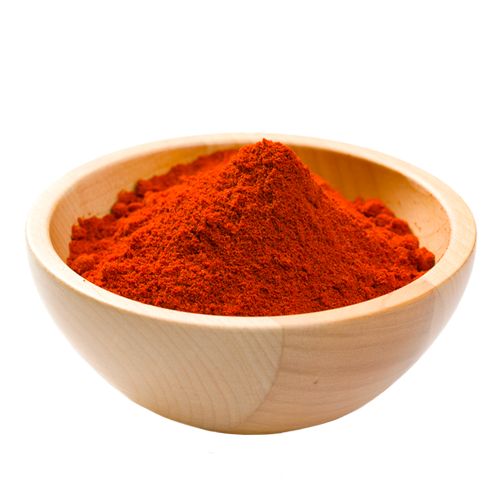
- Red chilli powder is the most universally present ingredient in any Indian or Pakistani pantry — it sits on the spice shelf of practically every home in the Subcontinent. There are hundreds of varieties, ranging dramatically in heat level. Kashmiri chilli powder is the mildest, prized for the deep red color it imparts to dishes without excessive heat — it is what gives many restaurant curries their vivid color. Bhut Jolokia, or Ghost pepper powder, sits at the other extreme and is not for the faint-hearted. I always advise starting with less than you think you need and adjusting from there. Unlike most spices, chilli heat is cumulative — you can always add more, but you cannot take it back once it is in the pot.
Turmeric — Haldi Powder
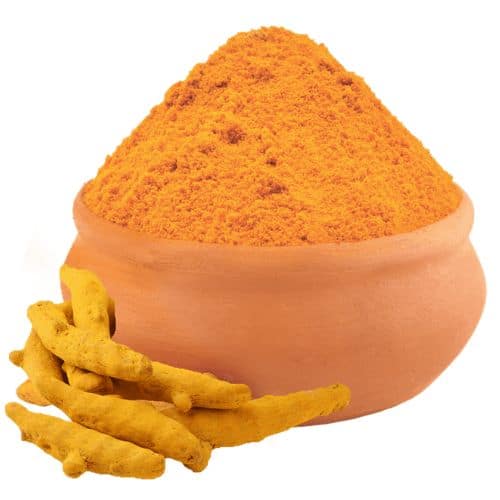
- Turmeric (haldi) is responsible for the distinctive golden-saffron color that defines so many Indian curries. Despite its dramatic visual impact, turmeric is used in very small quantities — typically ¼ to ½ teaspoon — because a little goes an enormous way. Too much turmeric makes food bitter and medicinal rather than flavorful. Beyond color, turmeric adds a mildly earthy, slightly bitter undertone that is part of the flavor foundation of most Indian and Pakistani gravies. It is also well established as a medicinal spice with anti-inflammatory and antioxidant properties. Turmeric stains everything it touches — clothes, cutting boards, wooden utensils — so be forewarned and use gloves if you are handling fresh turmeric root.
Coriander Powder — Dhania Powder
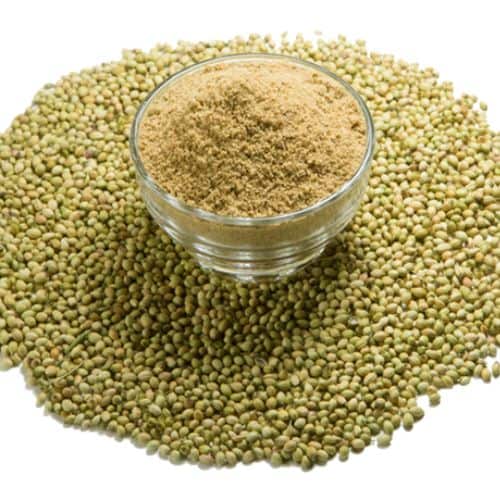
- Coriander powder (dhania) is made by finely grinding coriander seeds and has a warm, earthy, slightly citrusy flavor that is one of the most important base notes in Indian and Pakistani cooking. It is a staple in virtually every savory dish and appears in most gravy-based recipes alongside cumin and chilli powder as part of the core spice trio. Some recipes call for finely ground coriander, while others use it coarsely crushed for texture. Whole coriander seeds are commonly used in spice rubs, marinades, and tarkas — when they hit hot oil, they pop and release a wonderfully aromatic fragrance. The seeds and the powder are not directly interchangeable in recipes; they contribute different textures and intensities of the same fundamental flavor.
Garam Masala
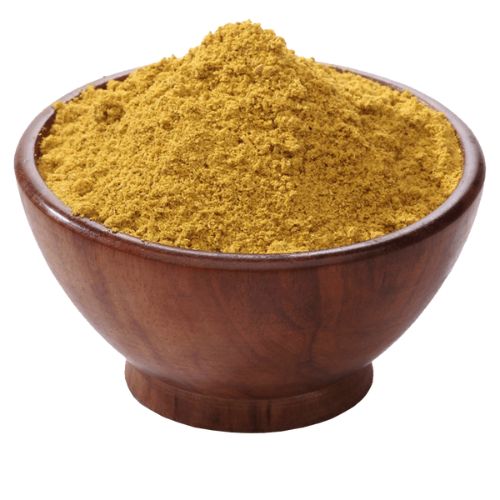
- Garam masala is the backbone of Indian and Pakistani cooking and one of the most complex and important spice blends in any world cuisine. The name literally translates to "hot spice blend" — not hot as in chilli heat, but hot as in warming, in the Ayurvedic sense of spices that raise body temperature. Every family and every region has a slightly different garam masala recipe, and the spice ratios reflect personal and regional preferences. The core components typically include cumin, cinnamon, nutmeg, cardamom, black peppercorn, cloves, and bay leaf — all dry-roasted and ground together. I always make my own garam masala in small batches because freshly roasted and ground spices produce a noticeably more aromatic and flavorful result than store-bought pre-ground blends. Garam masala is typically added at the end of cooking to preserve its aromatic quality, though some recipes add it at the gravy stage as well.
Cumin Seeds — Zeera
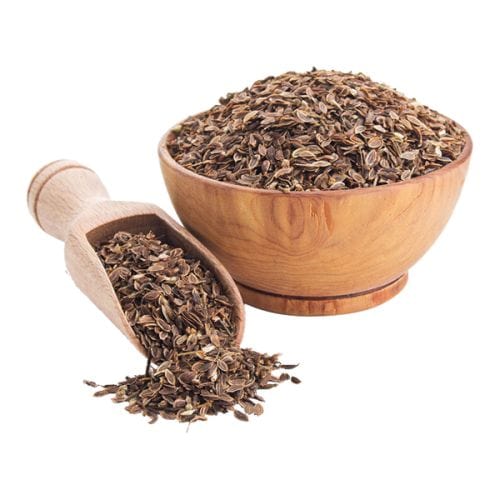
- Cumin seeds (zeera) are one of the most essential whole spices in Indian and Pakistani cooking. They look similar to caraway seeds but taste entirely different — earthy, nutty, and warm rather than anise-like. Whole cumin seeds are the signature tarka spice: added to hot oil or ghee at the very beginning of cooking, they sizzle, pop, and release a deeply fragrant aroma that perfumes the entire dish. This technique — bloom the whole spice in fat before adding anything else — is one of the most foundational principles of South Asian cooking and produces a result that ground cumin simply cannot replicate. One important caution: cumin seeds burn very quickly. Watch them constantly from the moment they hit the pan, and have your next ingredient ready to add the moment they start to pop and darken. Burnt cumin is acrid and will ruin the dish.
Cinnamon — Dalchini
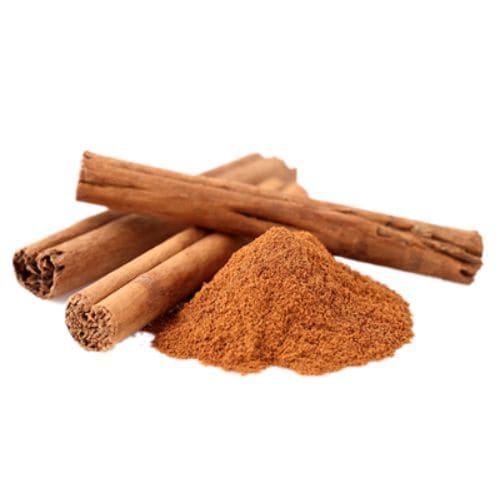
- Cinnamon (dalchini) is a common Indian spice that is equally at home in sweet and savory dishes — a versatility that surprises many Western cooks. There are two primary varieties: Cassia (what most people know as cinnamon) and Ceylon (true cinnamon). Cassia is stronger, more pungent, and less expensive, which is why it dominates in South Asian cooking. Ceylon is subtler, more complex, and generally considered higher quality, though its lighter flavor means it can be lost in heavily spiced dishes. In my cooking, I add a whole cinnamon stick to the oil at the start of any meat-based curry, biryani, or pilaf — it fries gently in the fat and releases a beautiful woody-sweet fragrance that becomes part of the flavor foundation of the entire dish. Ground cinnamon appears in many spice blends including garam masala.
Green Cardamom — Choti Elaichi
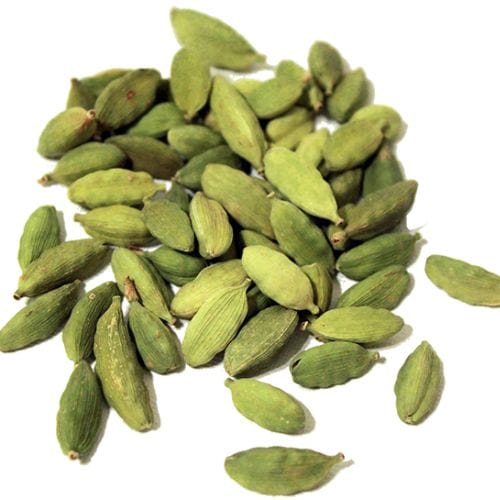
- Green cardamom (choti elaichi) is one of the most distinctive and aromatic spices in the entire Indian pantry. It has a complex flavor profile — floral, slightly minty, camphor-like, and mildly sweet — that is unlike anything else in cooking. It is used extensively across the Subcontinent in both savory and sweet dishes, from biryani and qorma to kheer and chai. When using green cardamom in savory cooking, I always fry the whole pods in oil or ghee before adding any other ingredient — this releases the volatile aromatic oils trapped inside the pod and perfumes the fat that will coat everything else in the dish. One important note: bite into a cooked cardamom pod and the flavor is intensely bitter and perfumey. Most people do not eat the pods themselves; they are added for flavor and left whole to be avoided at the table.
Black Cardamom — Bari Elaichi
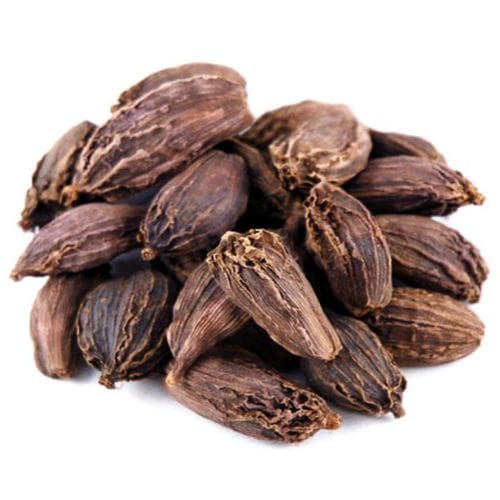
- Black cardamom (bari elaichi) is the smokier, more assertive sibling of green cardamom. The pods are roasted over an open flame during processing, which gives them their dark color and a distinctly smoky, camphor-like aroma that green cardamom does not have. While green cardamom works in both sweet and savory contexts, black cardamom is exclusively a savory spice — it would be out of place in a dessert. I use it primarily in biryani, pilaf, qorma, and keema, where its smokiness adds a deep, complex background note that is difficult to identify by name but immediately missed when it is absent. Like green cardamom, the pods are not meant to be eaten — add them whole and let diners know to set them aside.
Fenugreek — Methi
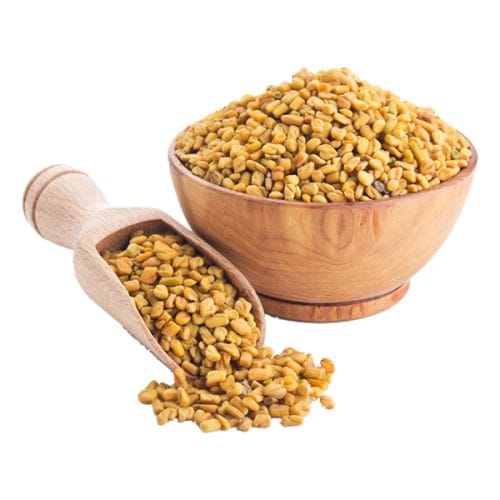
- Fenugreek (methi) has one of the most distinctive aromas of any spice in the Indian pantry — a warm, slightly bitter, maple-like scent that is instantly recognizable. The seeds are notably bitter and must be used in small quantities to avoid overwhelming a dish. The dried leaves (kasuri methi) are much milder and have a pleasant herby quality that bridges the gap between a spice and an herb — which is why fenugreek is sometimes categorized as both. I use dried fenugreek leaves most frequently in butter chicken, qorma, and lamb dishes, added in the final minutes of cooking. Just a small pinch crushed between the palms and scattered into the pot releases an aroma that elevates the entire dish to something more complex and authentic. It is one of those ingredients that you do not notice when it is there but immediately miss when it is absent.
Mustard Seeds — Rai
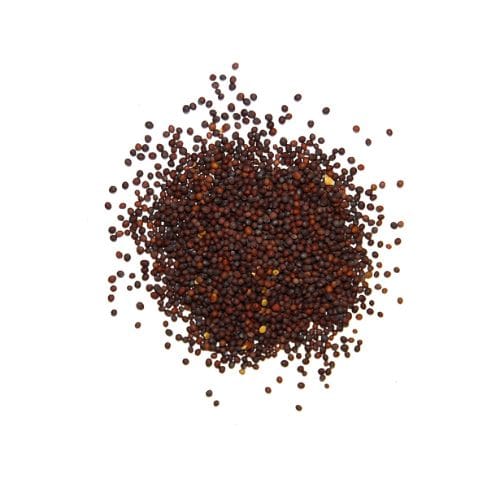
- Mustard seeds (rai) come in black, brown, and yellow varieties. Black mustard seeds are the most commonly used in Indian and Pakistani cooking and are one of the signature tarka spices — added to hot oil, they pop energetically and release a sharp, nutty, slightly pungent aroma. The popping is a signal that they have bloomed properly and are ready to have the next ingredient added. Undercooked mustard seeds are sharp and raw-tasting; properly bloomed ones are nutty and aromatic. They add a distinctive flavor to daal tadka, vegetable dishes, and pickle-style preparations. Yellow mustard seeds are milder and appear more in pickling and some Bengali dishes.
Cloves — Laung
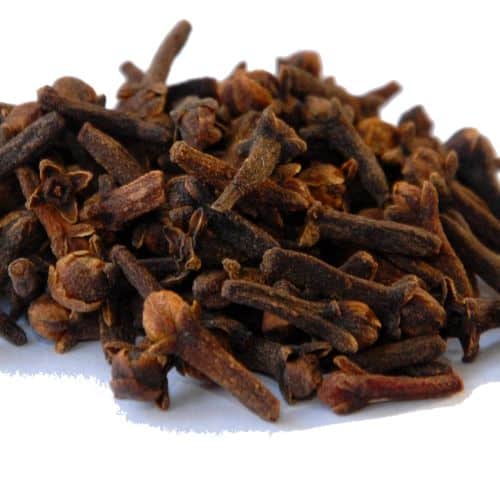
- Cloves (laung) have one of the most intense, concentrated flavors of any spice in the pantry — sweet, warm, and almost medicinal, with a numbing quality similar to clove oil. This intensity is why restraint is essential: I add only 3 to 4 whole cloves to most of my dishes. Even at this small quantity, cloves make a significant contribution. They appear in biryani, qorma, and meaty dishes in South Asian cooking, and in garam masala and sweet baked goods in Western cooking. Biting into a whole clove is an intensely unpleasant experience — like all the spices I add whole, cloves are meant to perfume the dish and be set aside when encountered. When used correctly, they add a deep, warm, complex note that is central to the character of many beloved dishes.
Nutmeg — Jaifal
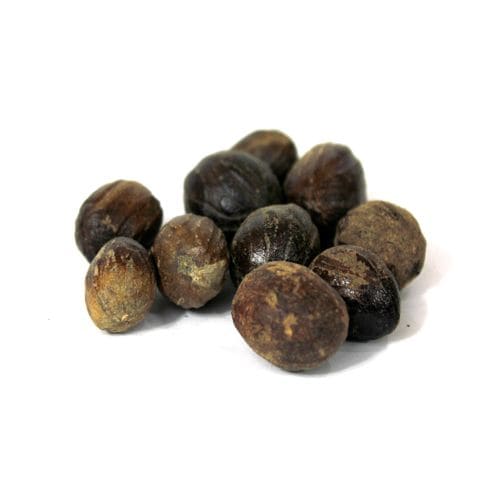
- Nutmeg (jaifal) is a warm, slightly sweet, complex spice that looks like a hard walnut in the shell. It is used in small quantities — a few shavings or a pinch of ground nutmeg — because its flavor is quite powerful and can tip from complex to overwhelming quickly. In Indian cooking, nutmeg is a component of garam masala and appears in qorma, where its warmth rounds out the other spices beautifully. You can shave it fresh using a microplane directly into the dish, grind it, or add it whole and remove it after cooking. Freshly grated nutmeg has a significantly more vibrant and complex flavor than pre-ground nutmeg from a jar, and the difference in dishes where nutmeg plays a noticeable role is worth the extra step.
Mace — Javitri
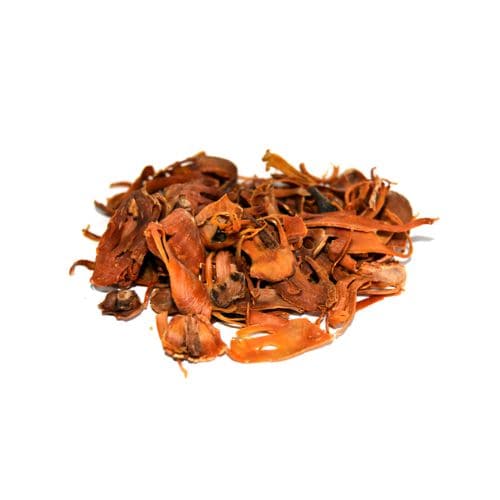
- Mace (javitri) is the lace-like dried outer covering of the nutmeg seed, which means the two spices share a similar flavor profile — warm, sweet, and aromatic. However, mace is significantly stronger than nutmeg, and even a single small piece (one blade of mace) is enough to spice a dish intended for four. This is one of the spices where the risk of using too much is highest — it is far better to use less and taste as you go. Mace appears in garam masala, biryani, and elaborate meat dishes where it contributes a warmth and depth that is slightly different from nutmeg's profile.
Carom Seeds — Ajwain
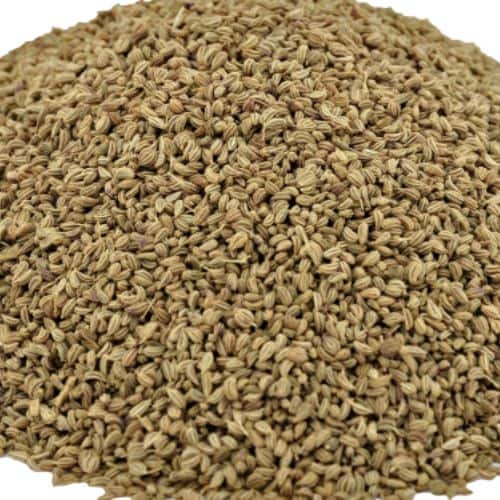
- Carom seeds (ajwain) are frequently confused with thyme because of visual similarity, but they are entirely different plants with an entirely different flavor — sharp, pungent, and almost medicinal, with a distinct thymol quality. Each tiny seed carries an intensely concentrated flavor, meaning a very small amount — often less than half a teaspoon — is sufficient for an entire dish. I typically grind ajwain before using it to distribute the flavor more evenly. It appears in tarkas for daal, in fish curry, and in snacks like pakora and samosa filling, where it adds a characteristic pungent note that is central to the authentic flavor of those dishes. Ajwain also has traditional medicinal use as a digestive aid, which is one reason it appears so frequently in fried snack recipes.
Fennel Seeds — Saunf
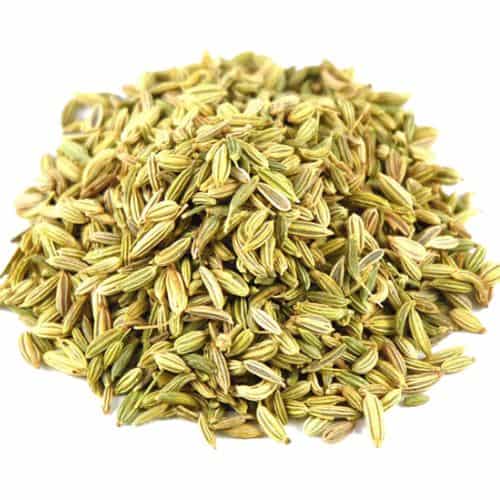
- Fennel seeds (saunf) have a sweet, anise-like flavor that is softer and more delicate than star anise, though the two share a similar aromatic profile. In Indian cooking, saunf appears in curries, desserts, and spice-infused teas. It is also traditionally chewed after meals as a natural digestive and breath freshener — a small bowl of fennel seeds is a common sight at the exit of Indian restaurants for this reason. Beyond flavor, fennel seeds have documented medicinal uses including relief from anemia and digestive discomfort. When added to tarka, they soften the sometimes harsh combination of cumin and mustard seeds with a sweeter, more aromatic note.
Star Anise
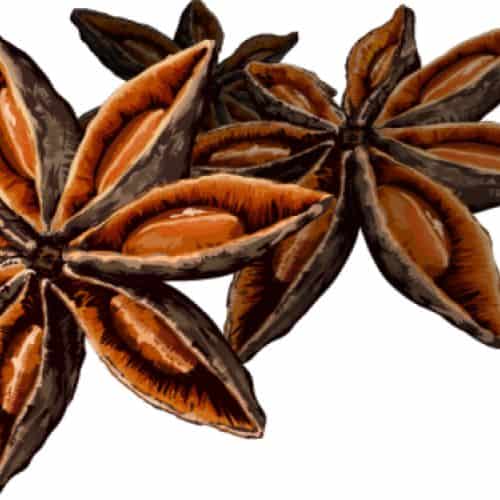
- Star anise is one of the most visually striking spices in the pantry — its eight-pointed star shape is immediately recognizable — and its flavor is similar to fennel but more intense and slightly more complex. I use it in my garam masala blend and in chutneys and curry-style sauces where a deeper anise note is wanted. Star anise also makes a delicious medicinal tea when steeped in hot water — warming, aromatic, and genuinely soothing. In Chinese five-spice powder, star anise is the dominant flavor and the reason that spice blend has such a distinctive character. Use it whole and remove before serving.
Black Pepper
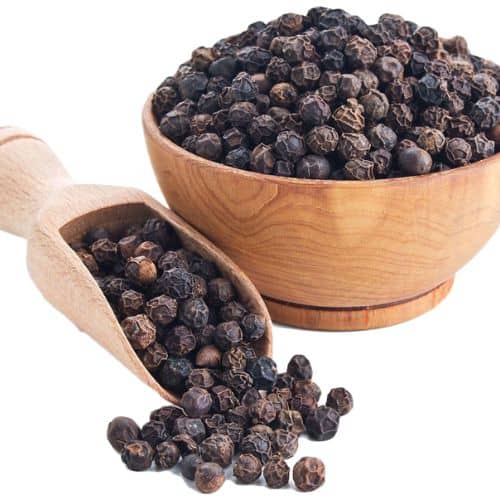
- Black pepper is rightly called the king of spices — it is one of the most widely used seasonings in the entire world and appears across virtually every cuisine on earth. Its heat is unique: earthy and warm rather than sharp, and it hits the palate before any other flavor in a dish, acting as a kind of flavor primer. In Indian cooking, black peppercorns are used whole in garam masala, biryani, and tarka, and ground black pepper appears as a finishing seasoning. Freshly ground black pepper from whole peppercorns is significantly more aromatic and complex than pre-ground pepper from a can — the volatile oils that carry the flavor dissipate quickly once the peppercorn is cracked. Always grind your own for the best result.
Curry Leaves — Curry Patta
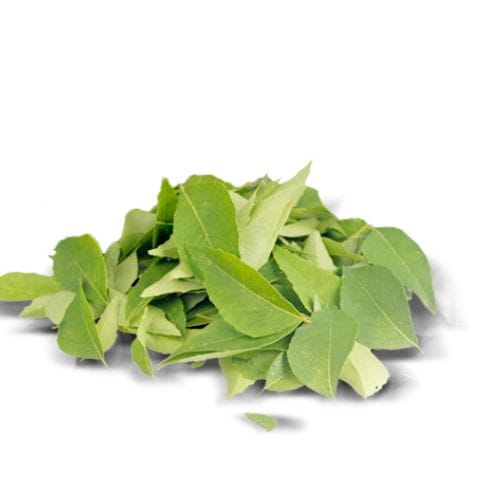
- Curry leaves (curry patta) straddle the line between spice and herb and are one of the most distinctive aromatics in South Indian and Sri Lankan cooking. They taste best when used fresh rather than dried — the dried version loses most of its characteristic flavor and is a poor substitute. When fresh curry leaves hit hot oil in a tarka, they sizzle dramatically and release a bright, sharp, almost citrusy aroma that is completely unique. I let them sizzle in the oil for a minute or two before adding the next ingredient, which allows the oil to absorb their flavor before it carries that flavor throughout the dish. The leaves add a sharp, almost acidic freshness to curries and daal that no other ingredient can replicate. If you can find fresh curry leaves, buy them and freeze whatever you do not use immediately — they freeze very well.
Tez Patta — Indian Bay Leaf
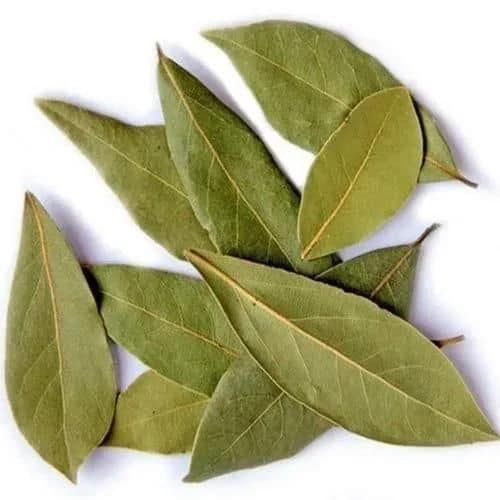
- Tez patta is often compared to the Western bay leaf and functions similarly — added whole at the beginning of cooking to infuse flavor into the oil, stock, or gravy, and removed before serving. However, tez patta comes from the cassia tree (the same tree that produces cassia cinnamon) and has a distinctly different flavor from Mediterranean bay leaves — more cinnamony, slightly clove-like, and warmer in character. I add tez patta to the tarka for daal recipes, to biryani, and to any long-cooked curry where it has time to release its flavor into the dish. Never eat it — the leaves are tough and unpleasant to chew. Remove them before serving or let guests know to set them aside.
Garlic — Lehsun
- Garlic (lehsun) is not technically a spice — it is a bulb vegetable — but its role in Indian and Pakistani cooking is so central that it belongs in any discussion of flavor-building. Most South Asian home cooks keep a jar of garlic-ginger paste in the refrigerator at all times, ready to go into virtually any savory dish. Garlic adds a savory, slightly pungent depth that most meat-based Indian and Pakistani dishes are built on. It is added to meat both to reduce the gamey odor and to add flavor. I use freshly minced garlic in almost all of my savory recipes — the intensity and complexity of fresh garlic is significantly better than garlic powder for most applications, though garlic powder has its place in dry rubs and marinades.
Ginger — Adrak
- Ginger (adrak) and garlic are used together in the majority of Indian and Pakistani recipes — rarely one without the other. In the classic garlic-ginger paste, ginger is always used in a smaller ratio than garlic because its flavor is more powerful and can easily dominate. Fresh ginger has a bright, zesty, slightly peppery quality that dried ground ginger does not fully replicate. For cooking, I always prefer fresh ginger — grated or pasted — in savory dishes, and reserve ground ginger for baking where the dried spice integrates more smoothly into batters and doughs. Ginger also has significant documented health benefits as an anti-inflammatory and digestive aid.
Mango Powder — Aamchoor
- Aamchoor (mango powder) is made from sun-dried unripe mangoes ground to a fine powder. It provides a tangy, sour, fruity acidity that is completely different in character from lemon juice or tamarind — it is dry and concentrated, making it ideal for situations where you want acidity without adding liquid. Aamchoor appears in chaat masala seasoning, samosa fillings, naan fillings, and chutneys, where it provides the signature tart quality that makes these dishes so distinctive. It is a spice I reach for when a dish needs brightness and lift without any additional moisture.
HOW TO USE INDIAN AND PAKISTANI SPICES DURING COOKING
Understanding which spices to use is only half the knowledge. The other half — and the part that separates authentic-tasting Indian and Pakistani food from approximations of it — is understanding when and how to add those spices during the cooking process. The same spice added at different stages of cooking produces meaningfully different results.
Marination
- In Indian cuisine, most meat and poultry marinations start with yogurt as the base. The yogurt acts as a tenderizer — its lactic acid gently breaks down muscle fibers over the marination period — and as a carrier for spices. I typically flavor yogurt marinades with red chilli powder, turmeric, coriander powder, cumin, and salt, plus ginger-garlic paste as the aromatic backbone. Recipes like chicken tikka, butter chicken, and kebabs all use this marination framework. The minimum marination time is 30 minutes, but overnight produces significantly more flavorful and tender results. Never skip the marination step in recipes that call for it — it is where a large portion of the flavor development happens.
Blooming Whole Spices in Fat (Tarka / Tempering)
- Tarka — or tempering — is the technique of frying whole spices in hot oil or ghee before adding any other ingredient. This is one of the most fundamentally important techniques in Indian and Pakistani cooking. When whole spices hit hot fat, the heat draws out their essential oils and volatile aromatic compounds, which then dissolve into the fat. That fat then carries those flavors throughout every ingredient that is subsequently cooked in it. The same spice added raw to a dish at a later stage would contribute only a fraction of the flavor depth. Common tarka spices include cumin seeds, mustard seeds, curry leaves, cinnamon, cardamom, cloves, and tez patta. Watch them carefully — whole spices bloom quickly and burn even more quickly.
Adding Ground Spices to the Gravy (Masala Stage)
- After the whole spices have bloomed and the onions and tomatoes have been cooked down into a soft, fragrant base, ground spices — red chilli powder, turmeric, coriander powder, salt, and sometimes garam masala — are added to this masala. I let the gravy simmer on medium heat for 8 to 10 minutes after adding the ground spices, stirring regularly and adding small splashes of water if the mixture sticks. This simmering time is essential — it cooks out the raw, powdery taste of the ground spices and integrates them fully into the masala. Ground spices added and immediately covered with liquid never fully cook out, which is why restaurant-quality curries always have a more complex, fully-integrated spice flavor than rushed home versions.
KEY WESTERN SPICES AND HOW TO USE THEM
Western and European cuisines use a more restrained spice palette, where individual herbs and spices typically enhance or complement the central ingredient rather than forming the structural flavor foundation of the dish. This restraint is a deliberate culinary philosophy that produces very different results from Indian cooking — neither approach is better, they simply have different goals. Here are the key spices and herbs in Western cooking and how I use them.
- Salt and Pepper: The foundational seasonings of Western cooking. Salt is not a spice but a mineral that amplifies every other flavor in a dish — undersalting is the most common reason home-cooked food tastes flat. Black pepper — the king of spices — adds warmth, earthiness, and a distinctive kick that seasons the palate before other flavors register. Always season with both throughout the cooking process, not just at the end.
- Allspice: Despite the name, allspice is not a blend — it is a single dried berry that tastes like a combination of cinnamon, clove, and nutmeg. Available whole or ground, it is used in both savory and sweet applications: meat marinades, Jamaican jerk seasoning, stews, baked goods, and even some drinks. Its complexity makes it one of the most versatile single spices in Western cooking.
- Cinnamon: In Western baking, cinnamon is the defining spice of comfort — apple pie, cinnamon rolls, snickerdoodles, oatmeal. Its sweet, warm, slightly pungent aroma pairs beautifully with fruit, chocolate, and baked goods. Use it with restraint — too much cinnamon overpowers everything else in the dish rather than complementing it.
- Cloves: In Western cooking, cloves appear in marinades, stocks, spiced wines and ciders, sweet breads, and some cookies. Their warm, sweet-pungent flavor works in both savory and sweet contexts, but like in Indian cooking, a little goes a very long way. Cloves also appear as a traditional garnish for baked ham — pressed into the skin in a diamond pattern before glazing.
- Coriander: Used fresh, dried, or ground, coriander has a slightly lemony, floral flavor that is central to Mexican, Middle Eastern, and Mediterranean cooking. Ground coriander appears in curries, marinades, and meat rubs. Fresh coriander leaves (cilantro) are used extensively as a garnish across Asian, Latin American, and Middle Eastern cuisines — and are one of the most polarizing flavors in cooking due to a genetic variation that causes some people to perceive them as soapy.
- Cumin: One of the most globally used spices, cumin has an earthy, musky, warm flavor that is central to Mexican, Tex-Mex, Middle Eastern, and Indian cooking. In Western applications, it appears in chili, taco seasoning, hummus, and roasted vegetable dishes. It can be used as whole seeds bloomed in fat, ground in spice blends, or dry-roasted and ground for a deeper, more toasted character.
- Paprika: Made from dried ground red peppers ranging from mild bell peppers to spicier varieties, paprika is as much about color as it is about flavor. Sweet paprika adds a mild, slightly fruity pepper flavor; smoked paprika (pimenton) adds a deep, smoky complexity that is genuinely transformative in stews, roasted meats, and soups. Paprika is essential in Hungarian, Spanish, and Mediterranean cooking and is a useful addition to spice rubs for grilled or roasted proteins.
- Cayenne Pepper: A variety of dried and ground red chilli pepper with a sharp, clean heat. Cayenne is used when you want pure heat without the sweetness of paprika — in soups, stews, marinades, hot sauces, and spice rubs for meat and poultry. It has a more immediate, penetrating heat than paprika and should be used in small, controlled quantities.
- Basil: The defining herb of Italian cooking, basil has a sweet, slightly peppery, anise-like flavor that is most vibrant when used fresh. It appears in pesto, caprese salad, pizza, and pasta, and is almost always added at the end of cooking or used raw, since heat destroys its delicate flavor very quickly. Sweet basil is the most common variety in Western cooking; Thai basil has a more assertive, licorice-like quality used in Southeast Asian dishes.
- Thyme: An essential herb in French cooking and throughout European cuisine, thyme has an earthy, slightly lemony, herby flavor that pairs exceptionally well with meat, poultry, and tomato-based dishes. Unlike basil, thyme holds up well to heat and can be added early in cooking. It combines naturally with oregano, rosemary, and bay leaves in classic herb blends like bouquet garni and herbes de Provence.
- Oregano: Probably the most recognizable herb in Western cooking — the quintessential pizza topping. Oregano has a mellow, earthy, slightly peppery aroma that works in tomato sauces, salsa, burritos, enchiladas, meat marinades, and Mediterranean dishes. Many people confuse oregano with ajwain (carom seeds) due to a superficial aroma similarity, but they come from different plant families and are not interchangeable. Dried oregano is actually more potent than fresh, unlike most other herbs — a rare exception.
- Parsley: One of the most widely used herbs in Western cooking, parsley has a clean, slightly peppery flavor that makes it useful both as a garnish and as an ingredient in pasta, sauces, salads, and meat dishes. Some cooks use parsley as a substitute for coriander, but this is a significant flavor substitution — coriander has a far stronger, more distinctive smell and flavor. Basil, oregano, or thyme are better alternatives to parsley than coriander in Western recipes.
- Bay Leaves: Bay leaves are added whole at the start of cooking and removed before serving. They have a herby, slightly floral flavor similar to thyme and oregano, and are most effective in long-cooked dishes — soups, stews, braises, and stocks — where extended cooking time allows their subtle flavor to infuse the liquid. Dry bay leaves are more potent than fresh for most applications. Never eat them — the texture is unpleasant and they are not meant to be consumed.
HOW TO ROAST SPICES FOR MAXIMUM FLAVOR
Dry-roasting spices before using them — or before grinding them — is one of the most effective techniques for deepening and intensifying spice flavor. The heat drives off moisture from the surface of the spice, concentrates the volatile aromatic compounds, and produces new flavor molecules through the Maillard reaction. The result is a noticeably deeper, more complex, more toasted flavor that raw or pre-ground spices cannot match. This is how I make my own garam masala, and the difference compared to store-bought is dramatic.
- Always use whole spices for roasting — whole spices retain their essential oils far better than pre-ground ones. Pre-ground spices are already depleted and produce little additional flavor improvement from dry-roasting.
- Use a dry pan — no oil — add the whole spices to a cold, dry pan. Starting from cold prevents uneven roasting where the outside burns before the inside heats properly.
- Use medium heat and stir or shake the pan constantly. Spices go from perfectly toasted to burnt very quickly — never walk away from a dry-roasting spice. You are looking for a deepening of color and the release of a fragrant, toasted aroma.
- Remove from heat the moment they start to brown and immediately transfer to a cool plate or bowl. The residual heat in the pan will continue to cook them if you leave them in it, and burnt spices cannot be salvaged.
- Cool completely before grinding — hot spices release moisture as steam when they go into the grinder, which creates clumping and uneven grinding. Let them cool to room temperature on the plate, then grind in a spice grinder or high-powered blender to a fine powder.
FUSION COOKING AND SPICE BLENDING
Fusion cooking — combining elements from different culinary traditions to create new dishes — is one of the most exciting developments in modern cooking, and spices are central to what makes it work. Asian-style pasta that combines Italian noodles with soy sauce, sesame oil, and chilli is a fusion dish. Korean fried chicken served in burger buns is a fusion dish. The results of these combinations often succeed because the spices and sauces from one tradition pair unexpectedly well with the format of another. Understanding your spice vocabulary — knowing what cumin, star anise, paprika, and fenugreek each contribute on their own — gives you the foundation to experiment with these combinations confidently and creatively rather than guessing.
HOW TO STORE SPICES TO PRESERVE THEIR FLAVOR
The most common reason home-cooked food with all the right ingredients still tastes flat is spices that have lost their potency. Ground spices have a limited flavor life — the volatile aromatic compounds that carry their flavor dissipate over time, especially when exposed to heat, light, and air. Storing spices correctly makes a genuine, measurable difference in how your food tastes. Here is how I manage my own spice collection.
- Store in airtight containers — glass jars with tight-fitting lids are ideal. Oxygen is one of the main enemies of spice freshness; minimizing air exposure slows the degradation of volatile compounds significantly.
- Minimize air space in the container — if you buy spices in bulk and transfer to a smaller jar, use the smallest jar that will hold the quantity. A half-full jar contains more air than a full one, accelerating flavor loss.
- Store in a cool, dark place away from the stove — heat and light are the two fastest degraders of spice quality. A shelf directly above or beside the stove looks convenient but is the worst possible storage location. A pantry shelf, a drawer, or a cabinet away from any heat source is ideal. Dark-colored or opaque jars provide additional light protection.
- Never sprinkle directly from the jar over a steaming pot — the steam rises into the jar, introducing moisture that causes clumping and dramatically accelerates flavor loss. Always measure your spice into a small bowl or the palm of your hand before adding to the dish.
- Write the open date on every jar — ground spices are at their best within 6 to 12 months of opening. Whole spices last significantly longer — up to 2 to 4 years — because the outer surface protects the interior aromatic compounds until the spice is cracked or ground. The best test: smell the spice. If the aroma is faint or flat, the flavor will be too. Replace it.
The five most essential Indian spices for any beginner are: red chilli powder, turmeric, coriander powder, cumin (seeds and ground), and garam masala. These five appear in the majority of Indian and Pakistani recipes and form the flavor backbone of most curries, gravies, and rice dishes. Once you are comfortable using these consistently, adding whole spices like cinnamon, cardamom, and cloves to your tarka will add the next level of complexity and authenticity to your cooking.
Garam masala and curry powder are both spice blends, but they have different flavor profiles and are used differently. Garam masala is a warming blend of whole spices — cumin, cinnamon, cardamom, cloves, black pepper, nutmeg — typically added at the end of cooking to preserve its aromatic quality. Curry powder is a British colonial creation that combines turmeric, coriander, cumin, fenugreek, and other spices into a single powder designed to approximate the flavor of Indian curries in a single product. Authentic Indian and Pakistani cooking does not use curry powder — it builds flavor by layering individual spices at different stages of cooking.
Properly bloomed whole spices show clear visual and sensory signals. Cumin and mustard seeds will sizzle, pop, and release a distinctly toasted, nutty aroma — the popping is the water inside the seed being expelled by the heat. Cinnamon sticks will darken slightly and the oil around them will become fragrant. Curry leaves will sizzle aggressively and release a bright, sharp aroma. Cardamom pods will puff very slightly. The key signal across all whole spices is fragrance — the oil should smell noticeably aromatic. This typically takes 30 to 60 seconds at medium-high heat. Do not walk away during this process; the window between properly bloomed and burnt is very short.
In many cases, yes — but with an important adjustment. Whole spices that are bloomed in oil at the start of cooking are not directly substitutable with pre-ground versions, because ground spices added at the same stage will burn before they can properly infuse the fat. If you only have ground cumin and the recipe calls for whole cumin seeds in tarka, add the ground cumin to the onion or tomato stage instead of the oil stage. The quantity ratio is approximately 1 teaspoon ground cumin for every 1 tablespoon of whole cumin seeds, since ground spices are more concentrated. The flavor depth will be somewhat less than the original technique produces, but the dish will still be flavorful.
Ground spices are at their best quality within 6 to 12 months of opening. Whole spices last significantly longer — 2 to 4 years — because the outer surface protects the interior aromatic compounds. The most reliable test is your nose: smell the spice directly from the jar. A fresh, potent spice will have a strong, clear aroma. A spice past its prime will smell faint, flat, or musty. If it barely smells like anything, it will barely taste like anything in your food. Replace it. Always store spices in airtight containers in a cool, dark place away from the stove, and write the date you opened each jar on the bottom so you can track their age.
Understanding spices is one of the most rewarding investments you can make in your cooking. Once you know what each spice contributes — its flavor, its best cooking stage, its correct quantity, and how it interacts with other spices — your cooking changes permanently. You stop following recipes mechanically and start cooking intuitively, adjusting and building flavor with genuine understanding of what you are adding and why.
Experiment freely — try different combinations, taste as you go, dry-roast your own garam masala, and explore the tarka technique with different combinations of whole spices. Every great cook has a personal spice vocabulary built through years of cooking and tasting. This guide gives you the foundation. The rest comes from your own kitchen. 🌶️🧄✨
For recipes that put these spices to work, browse my Indian recipes, my 31 Easy Curry Recipes, and my complete Pantry Essentials guide to build the rest of your kitchen foundation alongside your spice collection.



Comments
No Comments