
Kitchen Essentials: The 5 Must-Have Categories Every Home Cook Actually Needs
If there's one thing I've learned after years of cooking daily for my family, it's this: a great kitchen isn't built on owning every gadget on the market. It's built on owning the right ones. Over the years, I've accumulated my fair share of single-use tools that ended up gathering dust in a drawer, and I've slowly worked my way back to a handful of pieces I genuinely cannot cook without.
This guide is exactly that — the kitchen essentials I personally use in my own kitchen, organized into five simple categories. No banana slicers. No avocado-shaped tools. Just the workhorses that earn their counter space every single week.
Whether you're setting up a brand-new kitchen, upgrading old pieces, or trying to declutter what you already have, this list will help you decide what's actually worth keeping. I've learned the hard way that quality beats quantity every time, and I'd rather invest in one excellent pan than three mediocre ones that warp after a few months.
Let's go through each category — what I use, why I use it, and what to look for when you're shopping.
What Are Kitchen Essentials, Really?
Kitchen essentials are the tools you reach for again and again — the ones that are durable, multi-purpose, and reliable. Long before fancy gadgets existed, home cooks were making incredible meals with a heavy pan, a sturdy spoon, and a sharp knife. That tells you most of what you need to know: less is genuinely more in the kitchen.
You don't need to buy everything at once, either. Building a well-equipped kitchen is a journey — you figure out what you actually use through trial and error, and you slowly replace cheap pieces with better ones as your budget allows. With just a few solid essentials, you can cook nearly anything, from a slow-simmered crockpot meal to a quick weeknight dinner.
Below, I've broken everything down into five categories. Feel free to skip past anything that doesn't apply to your cooking style — for example, if you don't bake, you can skim the bakeware section. But for most home cooks, these five categories cover about 95% of what you'll actually use.
1. Pots and Pans
If I had to name the single most important category in any kitchen, this would be it. Good pots and pans make every other part of cooking easier. The single biggest mistake I see new home cooks make is buying thin, cheap pans — they heat unevenly, food sticks and burns, and you end up blaming the recipe when the real problem is the pan.
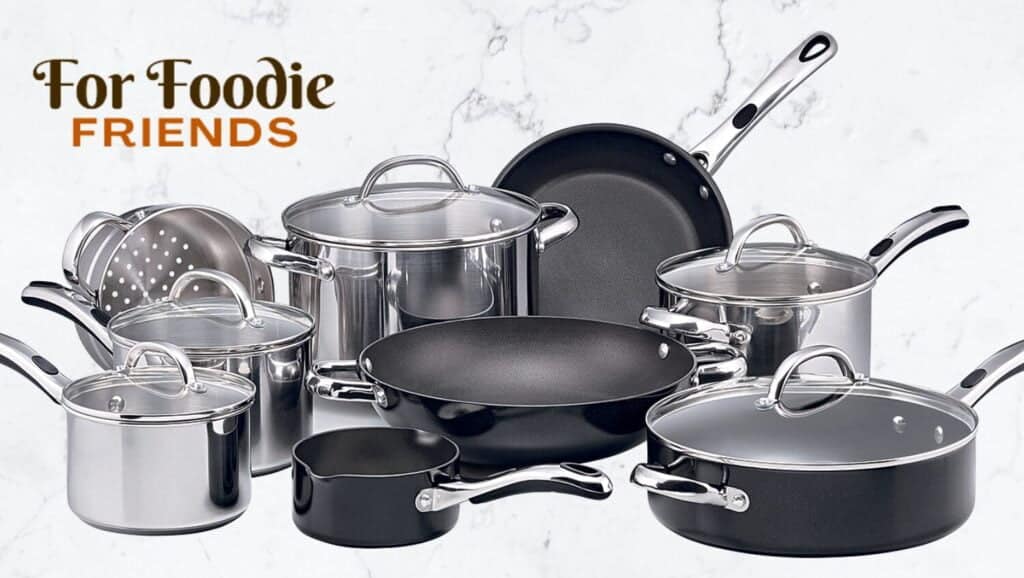
Look for pans with a heavy, thick base — that's what gives you even heat distribution and proper browning. Here are the pieces I personally consider non-negotiable:
- 2-Liter Saucepan — For sauces, gravies, reheating leftovers, melting butter, and small batches of grains. This is one of the pans I reach for almost daily.
- 6-Liter Stockpot — For pasta, large soups, stews, boiling rice for a crowd, and stocks. If you cook for a family, this is essential.
- 8-Inch Skillet/Frying Pan — Perfect for eggs, single portions, toasting spices, and small sautés. The smallest workhorse in my kitchen.
- 10-Inch Skillet/Frying Pan — My most-used pan, hands down. Big enough for family-size sautés and stir-fries.
- Deep-Covered Pan — For curries, braised dishes, and anything that needs to simmer slowly with a lid. If you cook South Asian food regularly like I do, this one is non-negotiable.
- Cast-Iron Skillet — Once seasoned properly, this pan lasts forever and gives you the best sear on meats and the most beautiful crust on cornbread.
My buying tip from years of trial and error: Avoid pans with plastic handles — they can't go into the oven and they degrade over time. Look for metal handles and, where possible, glass lids so you can see what's happening inside without lifting them and losing steam.
2. Bakeware
Even if you're not an avid baker, a few solid pieces of bakeware will serve you well — they're useful for roasting vegetables, baking casseroles, and reheating leftovers, not just cakes and cookies.
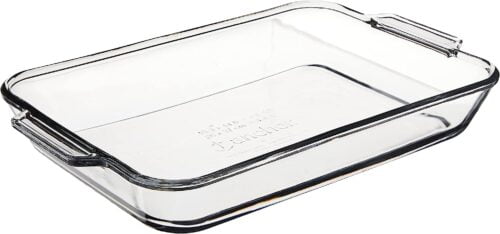
- Glass or Ceramic Baking Dishes — Genuinely some of the most versatile pieces in my kitchen. I use them for casseroles, roasted vegetables, baked desserts, and even for storing leftovers in the fridge or freezer.
- Baking Sheet (Sheet Pan) — Essential for cookies, roasted veggies, sheet-pan dinners, and as a tray to catch drips under other pans in the oven. I'd recommend owning at least two. Great for baked dishes like crunchy hot honey chicken and easy cookie recipes.
- Muffin or Cupcake Tin — Not just for muffins. I use mine for individual breakfast egg cups, mini quiches, and portioned desserts.
- Pizza Pans — If homemade pizza is part of your routine, two good pizza pans in different sizes are worth the investment.
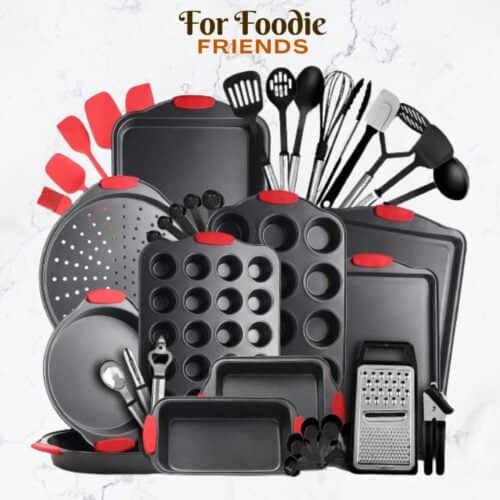
A quick note on bakeware materials — this confused me for years, so here's the honest breakdown:
- Aluminum — Lightweight and conducts heat well, but it can react with acidic ingredients like tomatoes. Best for general baking, not for acidic dishes.
- Stainless Steel — The most durable and non-toxic option. It heats more slowly, which can mean slightly longer cooking times, but it lasts a lifetime.
- Non-Stick — Easiest to clean and use, which is why most home bakers prefer it. The trade-off is that the coating scratches if you use metal utensils, and the darker surface tends to brown the bottoms of baked goods faster, so you may need to lower your oven temperature slightly.
3. Kitchen Tools and Gadgets
This is where most kitchens go wrong — too many single-purpose gadgets and not enough good fundamentals. Here's the honest, stripped-back list of what I actually use day in and day out:
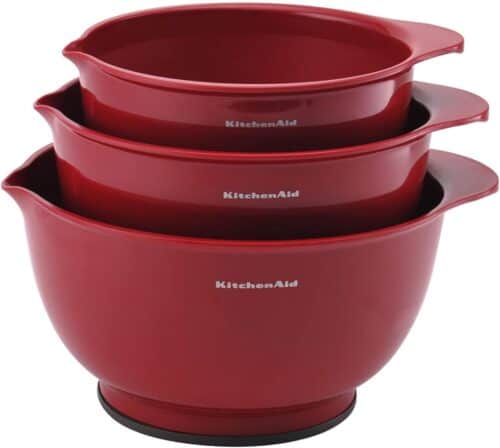
- Mixing Bowls (set of 3 or more) — Glass or stainless steel, in graduated sizes. You'll use them every single day, often more than one at a time. They double for prep, marinating, mixing, and even serving.
- Cutting Boards — Keep at least two: one for raw meat and one for vegetables and ready-to-eat foods. This is a basic food safety habit that's worth taking seriously.
- Measuring Cups and Spoons — Stainless steel is the most durable and won't warp or stain. A nested set takes up almost no drawer space.
- Glass Liquid Measuring Cup — Separate from your dry measuring cups. A good 2-cup Pyrex measuring jug doubles as a small mixing bowl and goes in the microwave.
- Spoons, Spatulas, and Whisks — You can never have too many. Wooden spoons for hot pans, silicone spatulas for non-stick surfaces, and a sturdy metal whisk.
- Colander or Strainer — For draining pasta, rinsing rice, washing produce. A large one plus a small fine-mesh strainer covers nearly every need.
- Chef's Knife — If you upgrade only one thing in your kitchen this year, make it your knife. A good 8-inch chef's knife will change how you feel about cooking. It's the tool I reach for most, and I genuinely believe it's worth investing in a quality one.
- Rolling Pin — For doughs, rotis, pie crusts, and cookies. A simple wooden one works perfectly.
- Can Opener — A small thing, but a flimsy can opener is one of the most frustrating tools in a kitchen. Buy a sturdy one.
4. Storage and Supply Items
An organized kitchen runs on good storage. These are the supply items I keep stocked at all times, because running out of any of them mid-recipe is genuinely annoying:
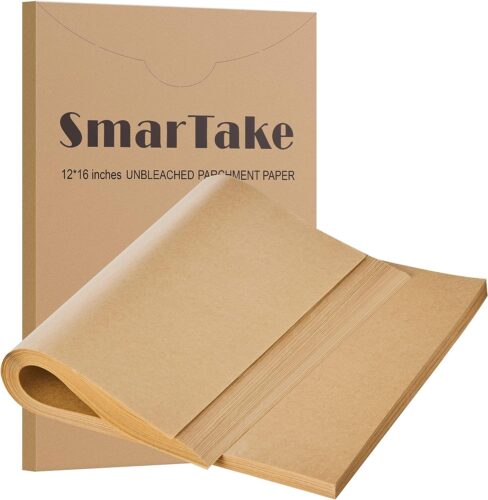
- Parchment Paper — Line your baking sheets and pans with it and your cleanup time drops to almost nothing. Worth its weight in gold.
- Aluminum Foil — The most versatile supply item in any kitchen. I use it for covering dishes, lining grills, wrapping leftovers, and tenting roasts as they rest.
- Cling Wrap (Plastic Wrap) — Useful for covering bowls, wrapping dough as it rests, and protecting food in the fridge.
- Resealable Storage Containers — A matched set with lids that actually fit makes a real difference. I prefer glass for leftovers because it doesn't stain and goes straight from fridge to microwave.
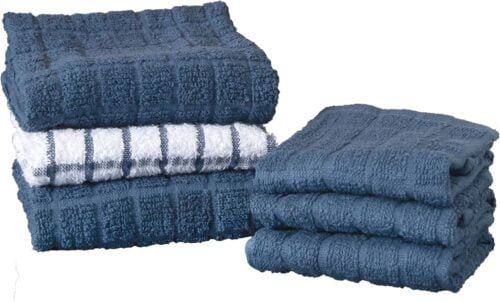
- Kitchen Towels — Keep a stack of cotton kitchen towels on hand. They're better than paper towels for most jobs and cost less in the long run.
My buying tip on food storage: When buying airtight containers, choose glass, stainless steel, or food-grade BPA-free plastic. Cheap plastic containers can leach chemicals into your food, especially when used with hot leftovers, and they stain and warp quickly anyway. The slightly higher cost of good glass containers pays for itself.
5. Electrical Appliances
This is the category where I'm the most ruthless. There are countless single-purpose appliances on the market — yogurt makers, quesadilla makers, egg cookers — and honestly, most of them aren't worth the counter space. Before buying any new appliance, I ask myself: will I use this at least once a week? Does it do something multiple tools can't? If the answer to either is no, I skip it.
Here are the appliances I think genuinely earn their place:
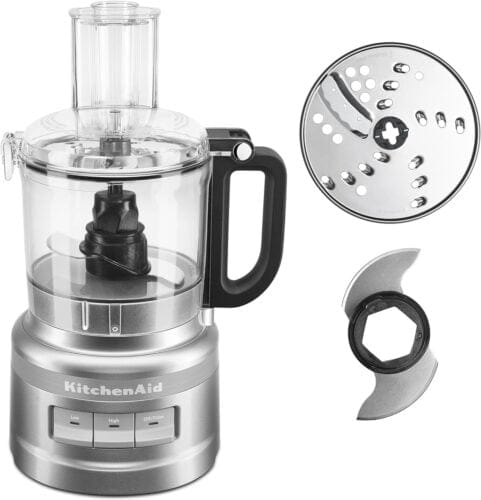
- Food Processor — A good one with a large bowl, a chopper, and a blender jug replaces about five different tools. I use mine for grinding spice pastes, making chutneys, kneading dough, and chopping large quantities of vegetables. Worth the investment.
- Hand Mixer — If you bake even occasionally, this saves your arm and gives you better results than whisking by hand. Cakes, whipped cream, and frostings come together in a fraction of the time.
- Immersion Blender — A relatively new addition to my kitchen, and one I now can't imagine being without. You can blend soups directly in the pot, make sauces, and whip up small batches without dirtying a full blender.
- Pressure Cooker — If you cook beans, lentils, or tough cuts of meat regularly, a pressure cooker cuts cooking time by more than half. Mine has lasted years and saves me hours every week.
My buying tip on appliances: Always go for well-known, established brands. They cost more upfront, but they last significantly longer and usually come with better warranties. I've replaced cheap appliances three or four times before finally buying the quality version I should have bought from the start — it's a lesson I learned the expensive way.
Bringing It All Together
If you're feeling overwhelmed by kitchen clutter, the best thing you can do is take everything out of your cabinets and ask yourself, honestly, when was the last time I used this? If the answer is more than a year ago, it's probably safe to let it go.
The truth is, the best cooking happens with simple, well-chosen tools. You don't need a kitchen that looks like a professional restaurant — you need a kitchen that works for the way you cook. Start with the basics in each of these five categories, upgrade slowly as your budget allows, and resist the temptation of the latest gadget unless you're absolutely sure you'll use it.
For more on building out the rest of your kitchen, check out my guide on pantry essentials — the spices, oils, and dry goods every well-stocked kitchen should have.
Frequently Asked Questions
What are the essential items for a new kitchen?
For a brand-new kitchen, focus on the basics first: a quality chef's knife, a couple of cutting boards, a set of mixing bowls, measuring cups and spoons, a 10-inch skillet, a saucepan, a stockpot, a baking sheet, and a few essential utensils like a wooden spoon, silicone spatula, and whisk. Once you have these covered, you can build out from there based on what you actually cook.
How do I decide which kitchen gadgets are worth buying?
My rule is simple: if a gadget only does one thing and I won't use it at least once a week, I skip it. Multi-purpose tools that earn their counter space are always a better investment than single-use gadgets that look exciting but end up in a drawer.
Is it worth spending more on quality cookware?
In my experience, yes — especially for the pieces you use daily, like your main skillet and your chef's knife. Cheap cookware warps, develops hot spots, and needs to be replaced every few years. A quality pan, properly cared for, can last decades. I'd rather own three excellent pans than ten mediocre ones.
What's the most important kitchen tool to invest in first?
A good chef's knife, without question. A sharp, well-balanced 8-inch chef's knife makes every part of cooking faster, safer, and more enjoyable. If you upgrade only one thing in your kitchen this year, make it your knife.
What are some current kitchen trends?
Some of the bigger trends I've noticed include smart appliances that connect to your phone, open shelving in place of upper cabinets, sustainable and eco-friendly materials, bolder color choices in cookware and small appliances, and multi-functional kitchen layouts that double as workspaces or family gathering areas. That said, trends come and go — focus on what works for your actual cooking habits before chasing a look.


Comments
No Comments