
My husband doesn't really love stir-fry — except for this one. I've made it probably forty times over the last few years, and he still asks what's for dinner on nights I haven't planned it, hoping it's this. That's how I knew it was worth writing down properly.
What makes this work is the sauce. It's not complicated — soy sauce, oyster sauce, hoisin, a little sesame oil and rice vinegar — but the balance is right. Not too sweet, not too salty, and it clings to the beef instead of pooling at the bottom of the pan. The beef itself goes in over high heat and comes out in under three minutes, so it stays tender instead of turning into shoe leather, which is what happened every single time before I figured out the heat and timing.
I make this on weeknights when I haven't thought ahead. It's genuinely thirty minutes, sometimes less if the beef is already sliced. My husband eats it over rice. Saad will eat it over noodles and only noodles, which means I usually cook both. On the nights I make this alongside something like honey garlic butter corn, dinner feels way more put-together than the effort deserves.
One thing to set expectations on: this isn't a Chinese restaurant stir-fry. I don't have a commercial wok burner, and you probably don't either. What we can get at home is still really good — browned beef, crisp-tender peppers, glossy sauce — just don't expect the smoky wok breath (that's a whole separate thing that requires equipment most home kitchens don't have). Use the heaviest skillet or wok you own, crank the heat, and you'll get close enough.
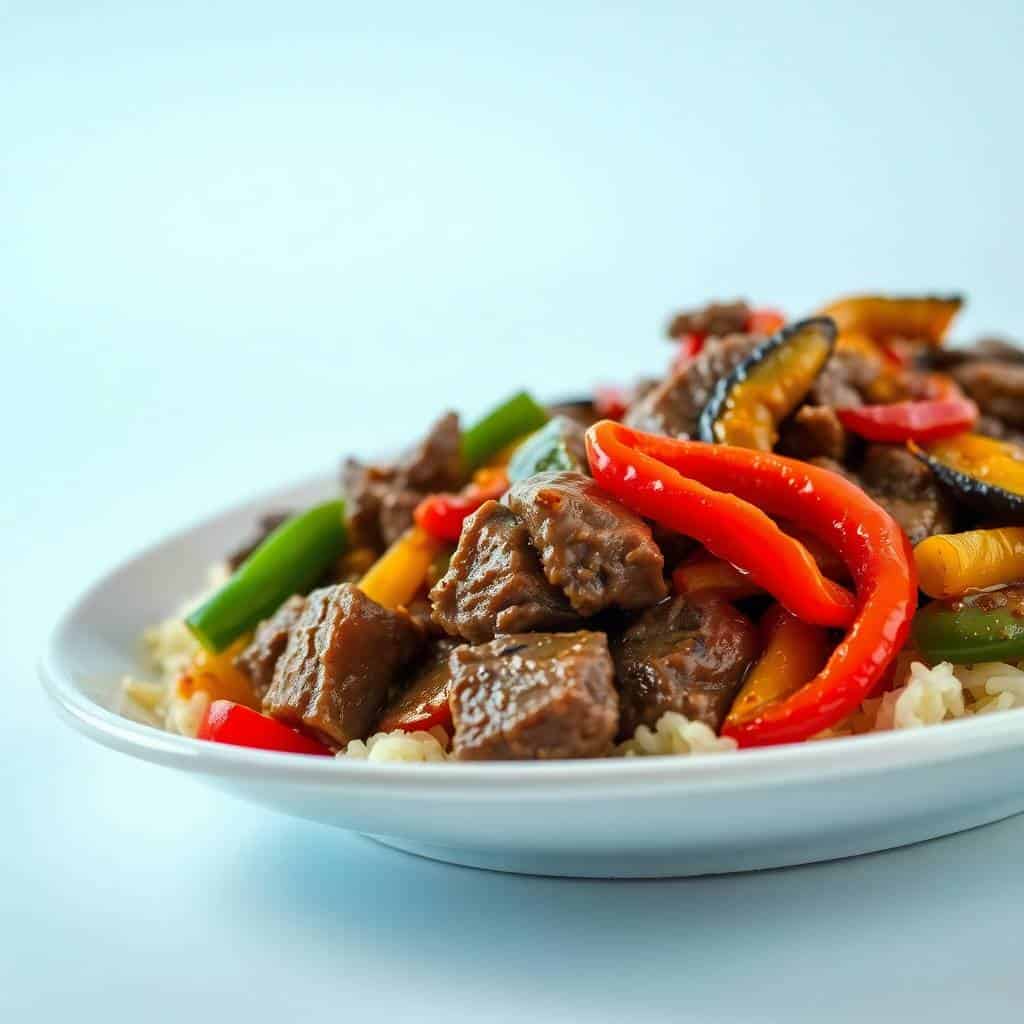
Why You'll Love This Recipe
- Genuinely thirty minutes start to finish: I timed this on a Tuesday night while helping Saad with homework. Twenty-eight minutes, including slicing the beef. The sauce takes two minutes to whisk together, the beef cooks fast over high heat, and the vegetables go in the same pan right after. There's almost no downtime.
- One pan, almost no cleanup: The beef comes out, vegetables go in, beef goes back in. Everything happens in the same skillet. On nights I'm already behind on dishes, this matters more than I'd like to admit.
- The sauce actually sticks to the food: A lot of stir-fry recipes I tried before this one left all the sauce at the bottom of the pan. The cornstarch in the marinade and the high heat here help it cling properly. Every bite has flavor, not just the first one.
- You can customize it based on what's in the fridge: I've made this with just two peppers when I was out of the third color. I've thrown in snap peas, mushrooms, even leftover broccoli. The sauce works with whatever vegetables you have, so it's a great use-up-the-fridge meal toward the end of the week.
- The leftovers are actually good: Most stir-fries get soggy overnight. This one holds up reasonably well because the peppers were cooked to crisp-tender, not mushy. I reheat it in a hot skillet for two minutes instead of the microwave and it comes back close to fresh.
Ingredients
- 1 lb beef sirloin or flank steak, thinly sliced against the grain
- 2 tablespoons vegetable oil, divided
- 1 red bell pepper, thinly sliced
- 1 yellow bell pepper, thinly sliced
- 1 green bell pepper, thinly sliced
- 1 medium onion, sliced
- 2 cloves garlic, minced
- 1 tablespoon fresh ginger, grated (or ½ teaspoon ground ginger in a pinch)
- 2 green onions, chopped (for garnish)
- 1 tablespoon sesame seeds, optional (for garnish)
For the Sauce:
- ¼ cup soy sauce (use tamari for gluten-free)
- 1 tablespoon oyster sauce
- 1 tablespoon hoisin sauce
- 1 tablespoon rice vinegar
- 1 teaspoon sesame oil
- 1 tablespoon honey or brown sugar
- 1 teaspoon cornstarch (helps the sauce thicken and cling)
Directions
- Make the sauce: Whisk together the soy sauce, oyster sauce, hoisin sauce, rice vinegar, sesame oil, honey, and cornstarch in a small bowl until smooth. Set it aside. Doing this first means you're not scrambling for ingredients while your beef is sitting in a hot pan.
- Slice the beef: Cut the beef into thin strips, cutting against the grain. This is the most important step for tenderness — if you cut with the grain, even a good cut of beef ends up chewy. If the beef is slightly frozen (like 20 minutes in the freezer), it slices much more cleanly.
- Cook the beef: Heat 1 tablespoon of vegetable oil in a large skillet or wok over medium-high heat until it's shimmering. Add the beef in a single layer — don't pile it up — and cook for 2 to 3 minutes, turning once, until browned. Pull it out and set it aside. It doesn't need to be fully cooked through at this stage; it'll finish in the sauce.
- Stir-fry the vegetables: Add the remaining tablespoon of oil to the same pan. Add the bell peppers, onion, garlic, and ginger and stir-fry over medium-high heat for about 4 minutes. You want the peppers to be just softened at the edges but still have some bite to them — not mushy.
- Bring it all together: Return the beef to the pan and pour the sauce over everything. Stir well so everything is coated and cook for another 2 minutes until the sauce thickens and turns glossy. That's when you know it's done.
- Garnish and serve: Take the pan off the heat. Scatter the green onions and sesame seeds over the top if you're using them. Serve immediately over steamed rice or noodles.
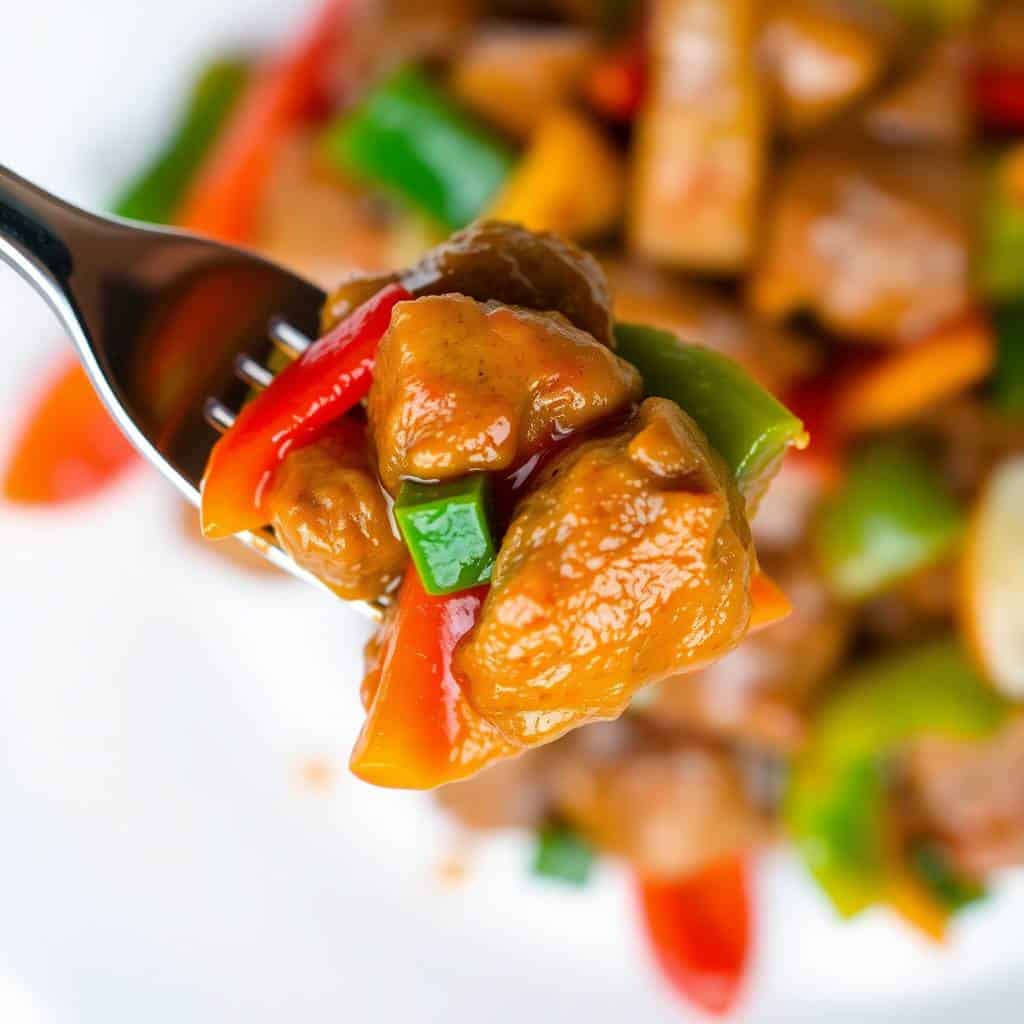
Tips for Success
- Don't skip cutting against the grain: I learned this the hard way the first few times I made stir-fry. The direction you cut the beef makes a bigger difference than the cut of meat. Look at the muscle fibers running through the steak and cut perpendicular to them. It takes ten extra seconds and the result is completely different.
- High heat the whole time: Stir-fry needs to move fast over high heat. If you cook over medium, the beef steams instead of sears and the vegetables go limp. I know it feels aggressive, but that's what the technique requires. Use your heaviest pan — a cast iron skillet or a heavy wok — so the heat stays consistent when you add cold ingredients.
- Cook the beef in batches if needed: If you crowd the pan, the beef releases moisture and ends up gray and steamed rather than brown and seared. I have a 12-inch skillet and even then I sometimes do two batches with a full pound of beef. It adds three minutes total. Worth it every time.
- Mix the sauce before you start cooking: Once the beef hits the pan, everything moves fast. If you're still measuring out soy sauce while the vegetables are in the skillet, something will overcook. I mix the sauce while the beef is still in the freezer chilling for slicing — it takes two minutes and eliminates the scramble.
- Don't walk away from the pan: This is not a recipe where you can stir it once and go check your phone. Stir-fry is constant motion — that's literally what the name means. Stay at the stove, keep things moving, and it comes together quickly. The whole active cooking time is maybe twelve minutes.
Variations
- Beef and broccoli version: Swap out one of the bell peppers for a cup of broccoli florets. Add the broccoli a minute before the peppers since it takes slightly longer to soften. This is the version I make most often in winter when peppers are expensive and broccoli is cheap and everywhere.
- Spicy version: Add a teaspoon of chili garlic sauce or a pinch of red pepper flakes to the sauce. My husband adds extra chili to his bowl anyway, so I usually keep the base mild and let everyone adjust. If you want it genuinely hot, a teaspoon of sriracha stirred into the sauce before you pour it in does the job.
- Crispy beef version: Toss the sliced beef in 2 tablespoons of cornstarch before cooking. It creates a light crust that stays slightly crisp even after the sauce goes in. This is closer to the takeout texture if that's what you're going for. I make this version when I have an extra five minutes and want it to feel more special.
- Tofu swap for a vegetarian version: Use extra-firm tofu, pressed and cubed, in place of the beef. Pan-fry the tofu first until golden on all sides before proceeding with the vegetables. The sauce works just as well, but double-check that your oyster sauce is vegetarian or swap it for a vegetarian oyster sauce (mushroom-based ones are easy to find).
- Add mushrooms: Sliced cremini or shiitake mushrooms go in with the bell peppers and add a meaty texture that makes the dish feel more substantial. I usually add them when I'm stretching a pound of beef to feed more people. This is the version I make when I need the dish to go further without buying more meat.
Serving and Storage
Serving
Serve this immediately after it comes off the heat — that's when the beef is juiciest and the peppers still have some snap to them. We serve it over jasmine rice most nights (my husband's preference), but Saad insists on noodles, so I keep both options going in parallel. If you want something lighter, it also works in lettuce cups, similar to how I do shrimp lettuce wraps — less filling, more fresh. A sprinkle of extra sesame seeds and some sliced green onion on top makes it look pulled-together without any extra effort.
Storage
Store leftovers in an airtight container in the fridge for up to 3 days. When reheating, use a hot skillet with a tiny splash of water or soy sauce rather than the microwave — it brings the sauce back to life and the beef doesn't turn rubbery. The microwave works in a pinch but the texture suffers. I wouldn't freeze this one; the peppers go watery after freezing and thawing and it's not worth it.
Frequently Asked Questions
Can I use frozen bell peppers instead of fresh?
You can, but thaw and pat them completely dry first. Frozen peppers hold a lot of water, and if that water hits your hot pan, the whole stir-fry steams instead of fries. Fresh peppers are worth buying for this recipe — they hold their shape and crunch in a way frozen ones don't.
What cut of beef works best here?
Flank steak and sirloin are my go-to choices. Flank steak is leaner and has a slightly more intense flavor; sirloin is a bit more forgiving if you cook it a touch too long. I've also used ribeye when it was on sale at Costco and it was excellent, just richer. Whatever you use, slice it thin and against the grain — that matters more than the specific cut.
Can I make this stir-fry ahead of time?
You can prep ahead — slice the beef, mix the sauce, and chop the vegetables up to a day in advance and store them separately in the fridge. But I'd cook it fresh right before eating. Stir-fry takes under 15 minutes of active time and it's genuinely better fresh than reheated. Pre-prepping makes it feel even faster on a busy night.
How do I make this gluten-free?
Use tamari instead of soy sauce — it's the easiest swap and the flavor is almost identical. Also check your oyster sauce and hoisin sauce labels, since both can contain wheat. There are gluten-free versions of both available at most grocery stores now, or you can find them at Walmart or Amazon without issue.
My sauce isn't thickening — what's wrong?
Two things usually cause this: the heat is too low, or you forgot the cornstarch. The sauce needs to hit a proper simmer in the pan to activate the cornstarch and thicken. If it's still thin after two minutes, turn the heat up and give it another minute while stirring constantly. It thickens fast once the temperature is right — don't walk away from it at that point.
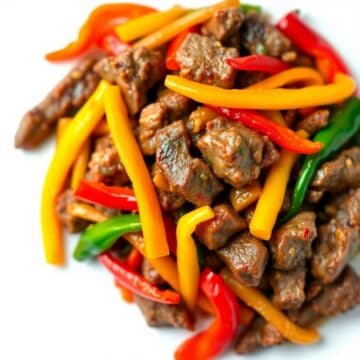
BEEF STIR-FRY WITH BELL PEPPERS
Ingredients
For the Stir-Fry:
- 1 lb beef sirloin or flank steak thinly sliced
- 2 tablespoons vegetable oil
- 1 red bell pepper sliced
- 1 yellow bell pepper sliced
- 1 green bell pepper sliced
- 1 medium onion sliced
- 2 cloves garlic minced
- 1 tablespoon fresh ginger grated
For the Sauce:
- ¼ cup soy sauce
- 1 tablespoon oyster sauce
- 1 tablespoon hoisin sauce
- 1 tablespoon rice vinegar
- 1 teaspoon sesame oil
- 1 tablespoon honey or brown sugar
Instructions
Prepare the Sauce:
- In a small bowl, whisk together the soy sauce, oyster sauce, hoisin sauce, rice vinegar, sesame oil, and honey. Set aside.
Cook the Beef:
- Heat 1 tablespoon of vegetable oil in a large skillet or wok over medium-high heat. Add the sliced beef and cook for 2-3 minutes, stirring occasionally until browned. Remove the beef from the skillet and set aside.
Stir-Fry the Vegetables:
- In the same skillet, add the remaining tablespoon of oil. Add the bell peppers, onion, garlic, and ginger. Stir-fry for about 4 minutes until the vegetables are tender but still crisp.
Combine and Serve:
- Return the cooked beef to the skillet and pour in the sauce. Stir well to combine and cook for an additional 2 minutes to heat everything through.
- Serve immediately with steamed rice or noodles.
Notes
- Make Ahead: The stir-fry can be prepared ahead and stored in the fridge for up to 2 days. Reheat before serving.
- Customizing the Flavor: Add chili flakes for a spicy kick or a dash of lime juice for extra freshness.
- Storage Tips: Store leftovers in an airtight container in the fridge for up to 2-3 days.
- Allergy-Friendly: Use tamari instead of soy sauce for a gluten-free version.
This is one of those recipes I keep coming back to because it genuinely fits into a real weeknight — not a Sunday when I have an hour and good intentions, but a Tuesday when I'm tired and everyone is hungry and I need something on the table in thirty minutes. The fact that it's also something my husband actually looks forward to eating makes it a permanent part of the rotation.
What I like most about it is how forgiving it is once you get the technique down. I've made it with two peppers instead of three. I've used brown sugar when I was out of honey. I've skipped the sesame seeds a dozen times. It's always good. The sauce is the anchor — get that right and the rest of it takes care of itself.
If you're looking for another quick dinner that comes together in a similar way, my Caprese chicken casserole is worth bookmarking too — different flavor profile entirely, but the same idea of minimal prep and a result that feels more effortful than it actually was. Some nights that's exactly what you need.
Make it once and you'll have it memorized by the second time. That's the kind of recipe I try to share here. 🥢🥩✨
If you liked this, here are a few more recipes worth trying:
- Shrimp Lettuce Wraps — light, fast, and great for nights when you want something fresh
- Caprese Chicken Casserole — an easy baked dinner that's low on effort and high on flavor
- Honey Garlic Butter Corn — a side dish that goes with almost everything, including this stir-fry
- Marry Me Chicken Pasta — a creamy, crowd-favorite pasta that's weeknight-friendly
- Cream of Vegetable Soup — when you want something warm and simple on a slower



Comments
No Comments