
My husband doesn't really love seafood — except for this one. The first time I made these Baltimore crab cakes, he went back for thirds and asked me when I was making them again. That was about two years ago, and they've been a regular in my kitchen ever since.
What makes these work is the same thing that makes Maryland-style crab cakes famous: mostly crab, barely any filler. I use just enough crushed saltine crackers to hold things together, Old Bay seasoning (you can find it at Walmart or any major grocery store), and a little Dijon mustard that adds a quiet sharpness you won't even notice by name but you'll definitely miss if it's gone. The jumbo lump crab does all the heavy lifting — don't bury it under breadcrumbs and you're most of the way there.
I make these most often in summer — they show up on my easy summer dinner rotation every year. They work as a starter before something light, or as a full dinner with a green salad and some bread. Zainab eats hers plain. My husband adds an embarrassing amount of tartar sauce. I go with lemon and leave it at that.
One thing I want to set expectations on: the chilling step is not optional in my kitchen. I skipped it the first time I made these and two of the cakes fell apart in the pan completely. Thirty minutes in the fridge before frying makes a real difference. Also — be gentle when you flip them. I use a wide, thin spatula and move slowly. They're not like a burger patty; they'll crack if you're rough with them.
Why You'll Love This Recipe
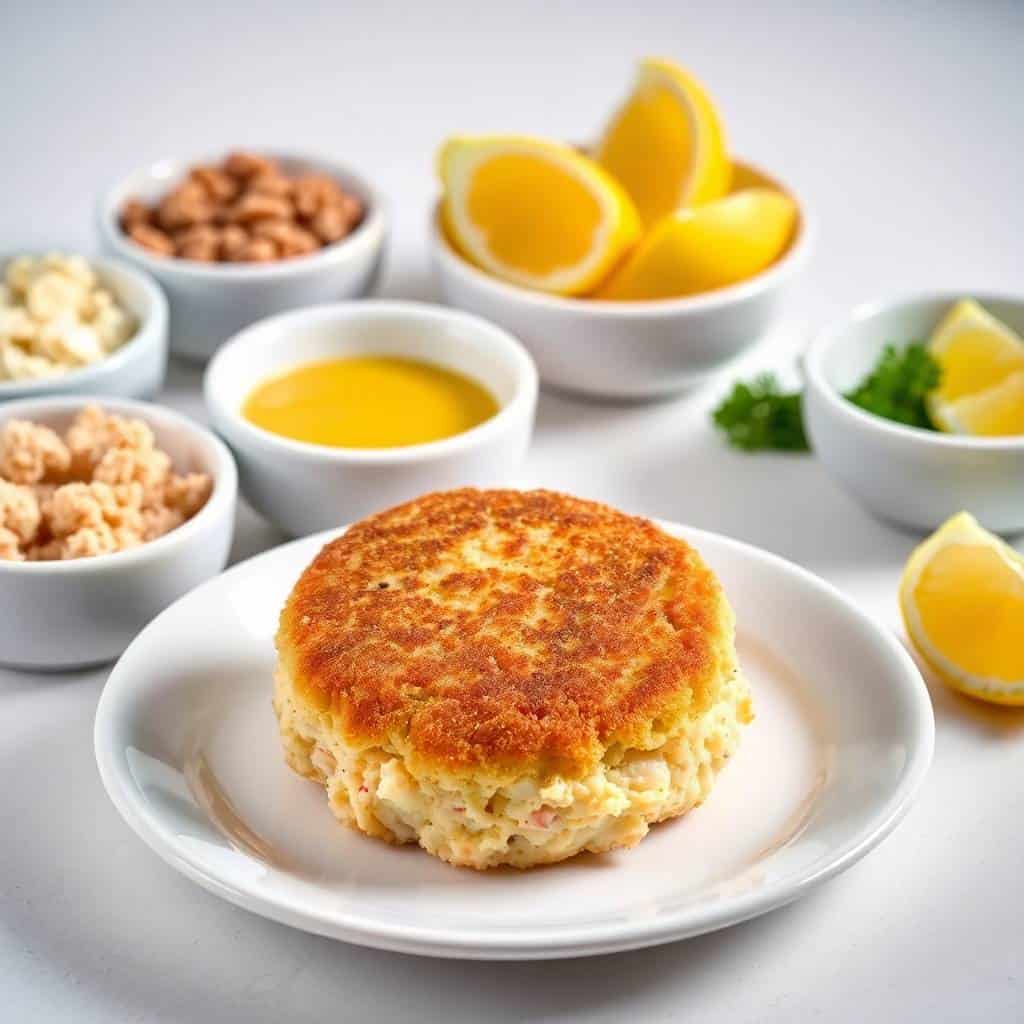
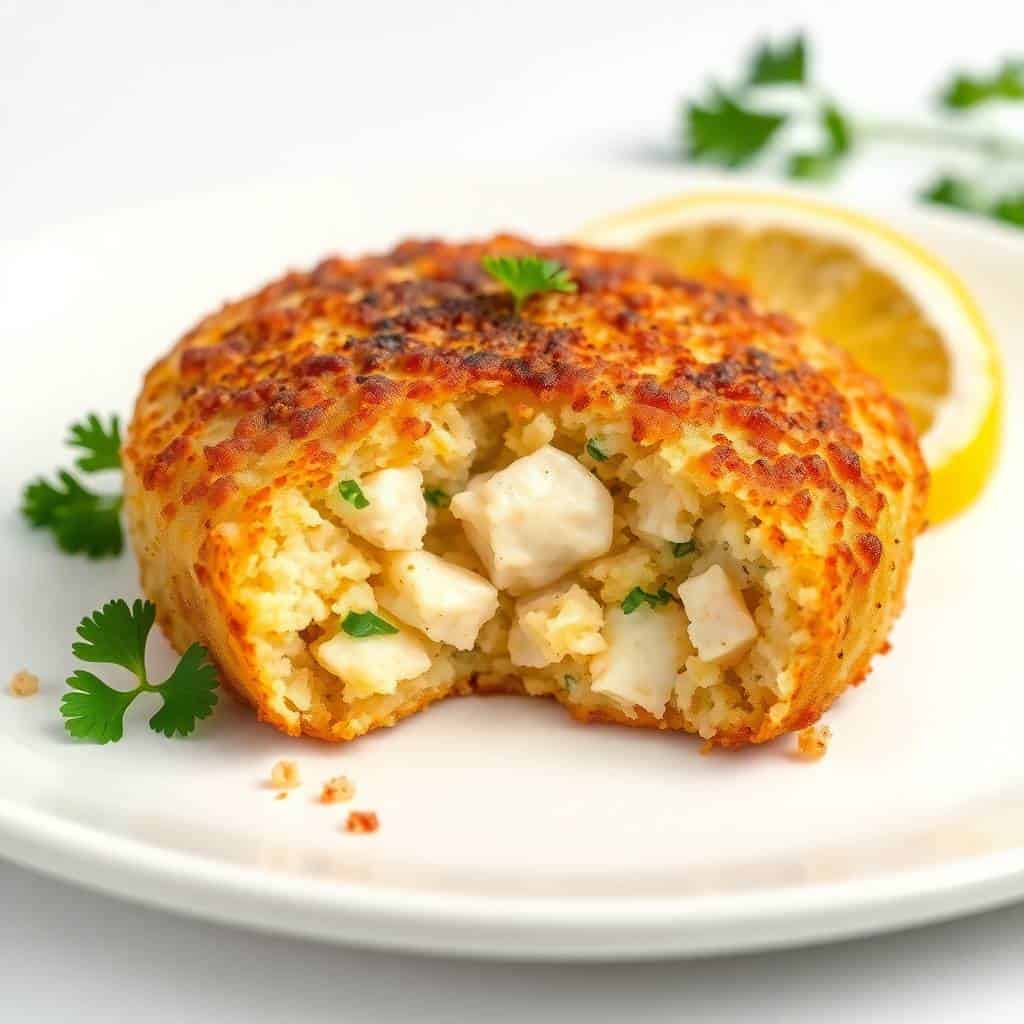
- It tastes like actual crab: Because most of it is actual crab. A lot of crab cake recipes pile in so much filler that you're basically eating a bread patty with crab flavoring. This recipe uses just enough binder to keep things together and nothing more. When you cut into one, you see real lumps of crab meat — not a dense, uniform cake.
- Comes together fast: The mixing takes maybe 10 minutes. The chilling is hands-off. The actual frying is under 10 minutes. On a weeknight, I can have these on the table in about 50 minutes including the chill time, or 20 minutes if I prepped the mixture earlier in the day.
- No fancy equipment needed: Just a large mixing bowl, a heavy skillet, and a spatula. I use the same skillet I use for everything — a 12-inch cast iron that cost me about $25. A nonstick pan works just as well if that's what you have.
- You can make them ahead: I've formed the crab cakes the night before and kept them covered in the fridge overnight. They cook perfectly the next day and honestly hold together even better after sitting that long. This is really useful if you're making them for guests and don't want to be shaping patties while people are already at the table.
- Works as a starter or a main: Two crab cakes with a side salad is a solid dinner. Three smaller ones as a starter before something like baked mac and cheese makes for a really good dinner party spread. I've done both and they work equally well.
Ingredients
- 1 pound jumbo lump crab meat (fresh or refrigerated, picked over for shells)
- ½ cup crushed saltine crackers (about 12 crackers)
- ½ cup mayonnaise
- 1 large egg, beaten
- 1 tablespoon Dijon mustard
- 1 tablespoon Worcestershire sauce
- 1 teaspoon Old Bay seasoning (find it at Walmart, Kroger, or most major grocery stores)
- 1 teaspoon fresh lemon juice
- 2 tablespoons fresh parsley, chopped
- Salt and pepper to taste
- 2 tablespoons unsalted butter or vegetable oil, for frying
- Optional: lemon wedges and tartar sauce for serving
Directions
- Mix the crab base: In a large bowl, combine the mayonnaise, egg, Dijon mustard, Worcestershire sauce, Old Bay, lemon juice, and parsley. Stir these together first before adding the crab — it makes it easier to distribute everything evenly without having to stir too hard once the crab goes in.
- Add the crab and crackers: Add the crab meat and crushed saltines to the bowl. Fold everything together gently using a spatula or your hands. You want the mixture to just come together — if you overmix, the crab breaks up into small flakes and you lose that nice chunky texture. Stop as soon as there are no dry pockets.
- Form the cakes: Divide the mixture into 6 to 8 equal portions and shape each into a patty roughly 1 inch thick. Place them on a parchment-lined baking sheet or a plate. Don't skip the parchment — they can stick.
- Chill: Cover the tray loosely and refrigerate for at least 30 minutes. This step firms up the cakes and helps them hold their shape in the pan. I've tried skipping it. Don't skip it.
- Fry the cakes: Heat butter or oil in a large skillet over medium heat. Once it's shimmering, carefully lower the crab cakes in using a wide spatula. Don't move them for the first 3 to 4 minutes — let that crust form before you try to flip. Flip once, gently, and cook another 3 to 4 minutes on the other side until deep golden brown.
- Drain and serve: Transfer the cooked cakes to a plate lined with paper towels for a minute, then serve warm with lemon wedges and tartar sauce if you're using them.
Tips for Success
- Pick over the crab meat carefully: Even good-quality refrigerated crab meat sometimes has small shell pieces in it. I spread the crab out on a plate and go over it with my fingers before adding it to the bowl. It takes two minutes and saves someone from biting into something crunchy they didn't sign up for.
- Don't overmix — ever: I say this in the directions and I'll say it again here because it's the single thing that separates a good crab cake from a mediocre one. The moment you start stirring aggressively, the lumps break down and you end up with something closer to a fish patty. Fold, don't stir. Stop early.
- Cold cakes into a hot pan: Take the crab cakes straight from the fridge into a pan that's already up to temperature. The contrast of cold cake meeting hot fat is part of what creates that crust. If your pan isn't hot enough yet, the cakes just sit there and slowly steam instead of fry — you get a grey, soft exterior instead of a golden one.
- Cook in batches if your pan is small: Crowding the pan drops the temperature and the cakes steam rather than fry. I cook four at a time in my 12-inch skillet and do two batches. Yes, it takes longer. The second batch is worth the wait.
- Use the widest, thinnest spatula you own: I have a thin flexible fish spatula that I reach for every time I make these. It slides under the cake without breaking the crust. A thick burger flipper tends to catch on the edge and crack the patty. If you don't have a fish spatula, a wide offset spatula works. Just move slowly and commit to the flip — hesitating is what causes breaks.
Variations
- Baked instead of fried: Brush the cakes with a little melted butter and bake at 400°F (200°C) for 12 to 15 minutes, flipping once halfway through. They don't get quite the same crust as pan-fried, but they still taste really good and it's a lot more hands-off. I do this when I'm making a double batch and don't want to stand at the stove.
- Spicy version: Add ¼ teaspoon cayenne pepper or a teaspoon of finely minced jalapeño to the mix. It adds just enough heat to notice without overpowering the crab. My husband does this every single time and swears it's better. He might be right.
- Gluten-free option: Swap the saltines for gluten-free crackers or use almond flour instead. The texture is slightly different — a little softer — but it holds together fine after chilling. I've made this version for a friend who can't have gluten and she said she couldn't tell much of a difference.
- Crab cake sandwiches: Serve in a soft potato bun with shredded lettuce, a slice of tomato, and remoulade or tartar sauce. This is the version I make for a casual weekend lunch. It's also how I use up any leftover cakes from dinner the night before — Zainab loves them this way cold the next morning, which is a little unusual but I'm not arguing with it.
- Mini party cakes: Divide the mixture into 12 to 14 smaller patties instead of 6 to 8. They cook a little faster — about 2 to 3 minutes per side — and work beautifully as appetizers. I served these before a big family dinner once and they were gone before I even sat down.
Serving and Storage
Serving
Serve these warm, straight from the pan. Lemon wedges are non-negotiable for me — a squeeze right before eating brightens everything. Tartar sauce is the classic pairing, but a simple remoulade (mayonnaise, a little hot sauce, capers, and lemon) is even better if you have five minutes to mix one. A light green salad on the side rounds out the meal. If you're serving them as a main course, a cup of tomato soup or something like this quick weeknight chicken stir fry on the side makes for a varied spread when you're feeding people with different tastes.
Storage
Store leftover cooked crab cakes in an airtight container in the fridge for up to 3 days. To reheat, place them in a skillet over medium-low heat for about 3 minutes per side — the microwave works in a pinch but you lose the crust entirely. You can also freeze uncooked, formed crab cakes: lay them flat on a parchment-lined tray, freeze until solid (about 2 hours), then transfer to a zip-lock bag. They keep well for up to 2 months. Cook from frozen in a covered skillet over medium-low heat, adding a few extra minutes per side.

Frequently Asked Questions
Can I use canned crab meat instead of fresh?
You can, but it matters which kind. High-quality refrigerated lump crab (the kind you find in the seafood section, not the shelf-stable tins) works well. If you're using shelf-stable canned crab, drain it very thoroughly and pat it dry — excess moisture will make the cakes fall apart. The flavor won't be as sweet as fresh, but it still makes a solid crab cake.
How do I keep crab cakes from falling apart while cooking?
Three things: don't skip the chill time, don't overmix the batter, and make sure your pan is hot before the cakes go in. The chill firms up the mixture so it holds shape. Overmixing breaks down the crab into fine pieces that don't bind as well. And a properly heated pan creates an immediate crust that locks the cake together from the outside in.
Can I make these ahead of time?
Yes — this is actually one of my favorite things about this recipe. I form the cakes, cover the tray with plastic wrap, and refrigerate them up to 24 hours before cooking. They hold together even better after sitting overnight. If you're making them for a dinner party, this is the move: all the prep is done and you just fry them when guests arrive.
Can I freeze crab cakes?
Freeze them uncooked rather than cooked — they reheat much better that way. Lay the formed cakes on a parchment-lined tray and freeze until solid, then transfer to a freezer bag. They keep for up to 2 months. Cook straight from frozen in a covered skillet over medium-low heat, adding a couple of extra minutes per side.
What's the best way to reheat leftover crab cakes?
A skillet over medium-low heat, about 3 minutes per side. This keeps the outside crisp and warms the inside through without drying it out. You can also use a 350°F oven for about 10 minutes, flipping once. The microwave is fine if you're in a hurry, but the crust goes soft — still tasty, just different.
BALTIMORE CRAB CAKES RECIPE
Ingredients
- 1 lb lump crab meat picked over for shells
- ½ cup breadcrumbs panko recommended
- 2 tablespoons mayonnaise
- 1 large egg beaten
- 1 teaspoon Dijon mustard
- 1 teaspoon Worcestershire sauce
- 1 teaspoon Old Bay seasoning
- 1 tablespoon fresh lemon juice
- 2 tablespoons chopped fresh parsley
- Salt and pepper to taste
- 2 –3 tablespoons vegetable oil for frying
Instructions
- Prepare Crab Mixture: In a large bowl, gently combine crab meat, breadcrumbs, mayonnaise, egg, mustard, Worcestershire sauce, Old Bay seasoning, lemon juice, parsley, salt, and pepper. Avoid overmixing to keep lumps intact.
- Form Cakes: Shape mixture into 6–8 patties, about ¾ inch thick.
- Chill (Optional): Chill crab cakes in the fridge for 15–20 minutes to help them hold together while cooking.
- Cook: Heat oil in a large skillet over medium heat. Fry crab cakes 3–4 minutes per side or until golden brown and heated through.
- Serve: Serve immediately with tartar sauce, lemon wedges, or your favorite dipping sauce.
Notes
- Make Ahead: Prepare crab mixture and refrigerate for up to 2 hours before cooking.
- Storage: Store cooked crab cakes in an airtight container in the fridge for up to 2 days.
- Customizing: Add a pinch of cayenne for a spicy kick or finely diced bell peppers for extra texture.
I'm not from Maryland and I'll be honest about that — this isn't a recipe passed down from a Chesapeake Bay grandmother. It's a recipe I researched, tested, got wrong a couple of times, and eventually landed on a version that tastes genuinely good and that my family actually requests. The jumbo lump crab and the Old Bay are non-negotiable. Everything else I've adjusted over time to suit what works in my kitchen.
What I keep coming back to is how simple the technique is once you understand the two or three things that actually matter: don't overmix, don't skip the chill, and respect the crab. Everything else is just details. I've made these for casual weeknight dinners and for slightly more put-together occasions, and they work in both contexts without changing a single thing.
If you're looking for something to round out a full dinner, I usually follow these with something sweet — lately it's been the no-bake Italian tiramisu I've been making on repeat. The combination sounds odd but the contrast works really well after something savory and seafood-forward.
Give these a real shot — the chilling step, the gentle folding, all of it — and I think you'll see why they've stayed in my kitchen rotation for two years running. 🦀✨
If you liked this recipe, here are a few more from my kitchen worth checking out:
- 21 Easy Summer Dinner Recipes — a full roundup for warm-weather cooking
- The Best Homemade Baked Mac and Cheese — a crowd-approved side that works alongside almost anything
- Chicken Stir Fry — fast, weeknight-friendly, and on the table in 25 minutes
- Authentic Italian Tiramisu (No-Bake) — the dessert I make when I want to end a meal on a high note
- Dump and Bake Taco Pasta Casserole — for the nights when I need dinner to basically make itself


Comments
No Comments