
My husband doesn't ask for much in the kitchen — except that his steak tastes like Texas Roadhouse. That's been the standing request in our house for the past two years, ever since we had dinner there on a trip and he came home convinced that restaurant steaks are categorically better than anything I could cook at home. Challenge accepted.
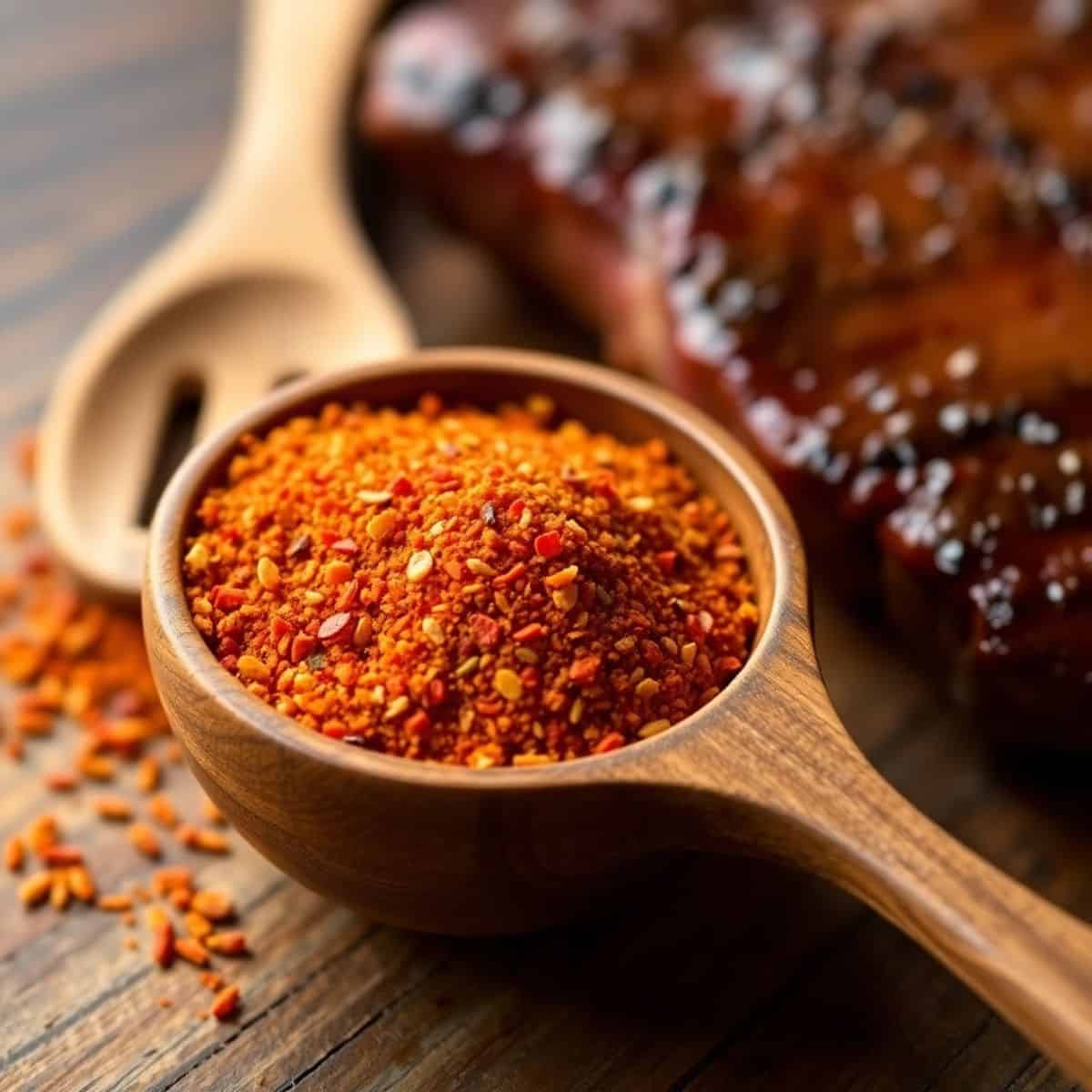
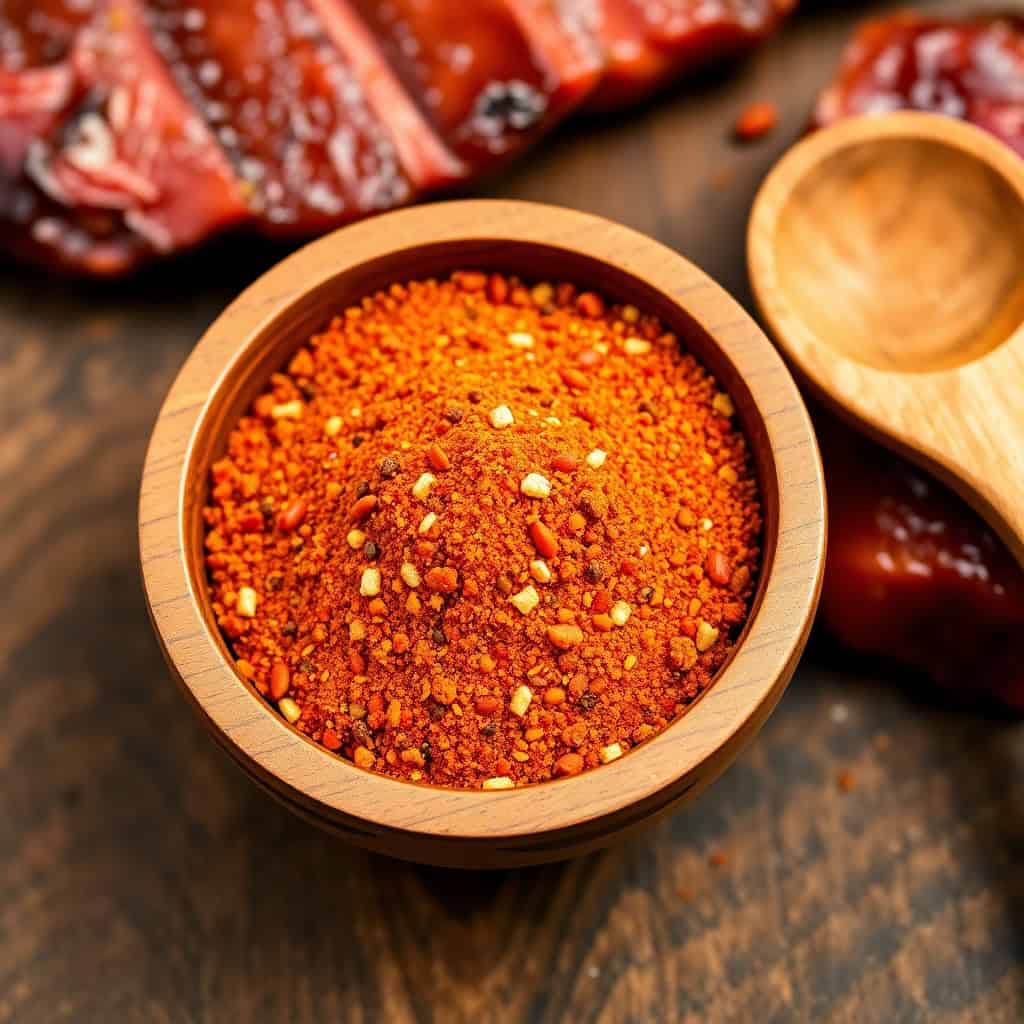
I spent a while testing different spice ratios before I landed on this blend. The version I'm sharing now uses smoked paprika instead of regular, plus a small amount of turmeric and coriander — two spices I wouldn't have thought to reach for in a steak rub, but they add a warmth and depth that pulls everything together. It's not a one-to-one copy of what Texas Roadhouse uses (I honestly don't think anyone outside their kitchen knows exactly what that is), but it gets close enough that my husband stopped complaining, which is good enough for me.
I make a double batch of this almost every time because it disappears fast. We use it on steaks obviously, but also on burgers, grilled chicken thighs, and occasionally on roasted potatoes when I'm out of ideas. If you've made my Carne Guisada and loved the seasoning on that, this rub is a different direction — drier, smokier, built for high-heat cooking.
One thing I want to set expectations on: let the seasoned steak rest before it hits the pan. I used to rush this step and skip straight to cooking. The difference in flavor when you let it sit for even 30 minutes is real — the salt has time to pull moisture to the surface and then reabsorb it, taking the spices along for the ride. I know 30 minutes feels like forever when you're hungry, but it matters.
Why You'll Love This Recipe
- It comes together in under 5 minutes: All you're doing is measuring spices into a bowl and stirring. There's no cooking, no waiting, no equipment beyond a spoon and a jar. I mix mine up while the steak is coming to room temperature and it's done before I've even picked a pan.
- You probably have everything already: Every spice in this blend is a standard pantry staple — nothing exotic, nothing you need a specialty store for. Salt, pepper, smoked paprika, garlic powder, onion powder, chili powder, turmeric, coriander, a pinch of cayenne. That's it. Check your spice drawer before you go shopping.
- Way cheaper than pre-made rubs: The little jars of steak seasoning at the store can run $6-8 each and give you maybe enough for three or four steaks. This recipe makes enough to season 8-10 steaks and costs a fraction of that, especially if you buy spices in bulk from Costco or the Walmart spice aisle.
- Works on more than just steak: My family puts this on chicken thighs, pork chops, and burgers regularly. I've even shaken a little onto roasted vegetables when I wanted something smokier than my usual olive-oil-and-salt situation. It's a genuinely useful rub to keep in the rotation.
- You control what goes in it: Store-bought rubs sometimes have fillers, anti-caking agents, or more sodium than I want. When I make this at home, I know exactly what's in the jar. I can pull back on salt for a low-sodium version, skip the cayenne for Zainab who doesn't love heat, or double the smoked paprika when my husband wants extra smoke flavor.
Ingredients
- 2 tablespoons kosher salt
- 2 teaspoons coarse black pepper (freshly ground if you have it)
- 1 teaspoon smoked paprika
- 1 teaspoon garlic powder
- 1 teaspoon onion powder
- ½ teaspoon turmeric
- ½ teaspoon ground coriander
- ½ teaspoon brown sugar
- ¼ teaspoon cayenne pepper (optional — leave it out if you're cooking for kids)
Directions
- Step 1: Measure your spices. Add all the spices into a small bowl — kosher salt, black pepper, smoked paprika, garlic powder, onion powder, turmeric, coriander, brown sugar, and cayenne if you're using it. I do this one at a time just to make sure I don't lose count of where I am.
- Step 2: Mix it together. Stir or whisk until everything is evenly combined. If your brown sugar has clumped, break it up with the back of a spoon before mixing — otherwise you'll get sweet pockets in an otherwise savory rub, which isn't what we want.
- Step 3: Store it or use it right away. Transfer the blend to an airtight container — a small mason jar works perfectly. Label it with the date so you know when you made it. If you're using it today, generously coat both sides of your steak, rub it in gently, and let the meat rest at least 30 minutes before cooking.
Tips for Success
- Use kosher salt, not table salt: I made this with table salt the first time and the steak came out far too salty. Kosher salt has larger, coarser crystals than table salt, which means the same volume of kosher salt actually contains less sodium. It also forms a better crust on meat. Diamond Crystal and Morton are both fine — just don't swap in the same quantity of fine table salt or iodized salt.
- Freshly ground pepper makes a difference here: I know it's one extra step but if you have a pepper mill, use it. Pre-ground pepper goes stale faster and loses its sharpness. This rub has a relatively small list of ingredients, so each one pulls its weight — fresh-ground pepper gives you that bite that pre-ground just can't match anymore.
- Don't be shy with the amount: A thin dusting won't do much. You want a visible, even coat on both sides of the steak. Press the rub in gently with your hands rather than just sprinkling it on top — this helps it stick and start working into the surface of the meat. I use roughly 1½ to 2 teaspoons per side for a standard ribeye or strip steak.
- Let it rest before and after cooking: I already mentioned letting the seasoned steak sit before cooking, but the rest after cooking matters just as much. Pull the steak off heat, tent it loosely with foil, and wait 5-7 minutes before cutting. Cut too early and all those juices run out onto the cutting board instead of staying in the meat where they belong.
- Check your spices aren't ancient: This is the tip I always forget to mention until it's too late. Old dried spices lose their potency. If your smoked paprika has been sitting in the back of the cabinet for two years, it's going to give you very little flavor. Rub a pinch between your fingers — if it barely smells like anything, it's time for a new jar. Walmart and Aldi both have affordable spice options if you need to restock.
Variations
- Extra smoky version: Double the smoked paprika to 2 teaspoons and add ½ teaspoon of chipotle powder if you can find it. This is my husband's preferred version — he asks for it whenever we're grilling outside. The chipotle adds a slow-building heat that's different from the sharp heat of cayenne.
- Sweeter, caramelized crust: Increase the brown sugar to 1 full teaspoon. The sugar caramelizes under high heat and creates a gorgeous dark crust — especially good if you're pan-searing in a cast iron skillet. Just watch the heat carefully because the sugar can burn if your pan is too far past screaming-hot.
- Coffee rub version: Add 1 tablespoon of finely ground dark-roast coffee to the blend. This sounds unusual but it works — the coffee deepens the savory notes without making the steak taste like your morning cup. I tried this version on a whim and my husband couldn't identify what was different, just that he liked it more than usual.
- Herb-forward version: Add ½ teaspoon dried rosemary and ½ teaspoon dried thyme to the base recipe. This shifts the rub toward something more reminiscent of how steaks are seasoned in European-style cooking. It pairs really well with a lemon butter sauce on the side — a bit like the approach I use on my Grilled Salmon with Lemon Dill Sauce, just adapted for beef.
- Use it on chicken or shrimp: This rub isn't only for red meat. I've used it on chicken thighs before roasting and on shrimp before a quick sear. For shrimp, use it more lightly — the salt is dominant at full quantity on something small and delicate. About half the usual amount works well. If you like bold seasoning on seafood, check out how I use a similar approach on my Honey Garlic Shrimp.
Serving and Storage
Serving
Pat your steak dry with a paper towel before applying the rub — moisture on the surface prevents a good crust from forming. Apply the seasoning generously to both sides, press it in lightly with your palm, and let the steak sit at room temperature for at least 30 minutes. If you have more time, season it, cover it loosely, and let it sit in the fridge for up to 4 hours. Longer than that and the salt starts to draw out too much moisture.
Cook your steak however you prefer — cast iron pan-sear, grill, or broiler all work well with this rub. In Pakistan we'd typically braise beef low and slow, but for this seasoning you want high heat and a short cook time so the spices char slightly on the outside while the center stays juicy. Rest the cooked steak for at least 5 minutes before slicing.
Storage
Store the dry spice blend in a small airtight jar — a mason jar or any clean spice jar works. Keep it somewhere cool and dark, like your pantry or a cabinet away from the stove. Heat and light degrade spices faster than most people realize, so don't keep it next to the oven. The blend will stay flavorful for up to 6 months. Give it a shake before each use since the denser spices (like the salt) settle to the bottom.

Frequently Asked Questions
Can I use table salt instead of kosher salt?
You can, but use about half the amount — table salt is finer and denser, so 2 tablespoons of it would make the rub unbearably salty. I'd start with 1 tablespoon of table salt, mix the rest of the spices, then taste a tiny pinch and adjust from there. The texture of the rub will also be slightly different without the coarse salt crystals.
How long does this seasoning blend keep?
Up to 6 months in an airtight container stored away from heat and light. After that the spices start losing their potency rather than going bad — it won't hurt you, it just won't taste as strong. I usually make a fresh batch every 3-4 months because we go through it fast enough that it never lasts longer than that anyway.
Can I use this seasoning on meats other than steak?
Yes, and I do it regularly. Chicken thighs, pork chops, and ground beef for burgers all work well with this blend. For smaller or more delicate proteins like shrimp, use a lighter hand — maybe half the quantity you'd use on a steak. I've even sprinkled a little on roasted potatoes and it was genuinely good.
How much should I use per steak?
For a standard 8-10 oz steak, I use about 1½ teaspoons per side — enough to form a visible, even coating. Don't dust it lightly and expect big flavor. Press it in with your palm rather than just shaking it on top. More contact with the meat means more flavor in the crust.
Is this seasoning gluten-free?
The ingredients themselves are naturally gluten-free, but spices can sometimes be processed in facilities that also handle gluten-containing products. If you're cooking for someone with celiac disease or a serious gluten sensitivity, check that each spice is labeled certified gluten-free. McCormick labels their spices clearly, which is why I often reach for that brand when gluten is a concern.
TEXAS ROADHOUSE STEAK SEASONING
Ingredients
- 2 tablespoon kosher salt
- 2 teaspoon coarse black pepper
- 1 teaspoon smoked paprika
- 1 teaspoon garlic powder
- 1 teaspoon onion powder
- ½ teaspoon turmeric
- ½ teaspoon ground coriander
- ½ teaspoon brown sugar
- ¼ teaspoon cayenne pepper (optional for heat)
Instructions
- Combine: Mix all spices in a bowl.
- Store: Store in an airtight container.
Notes
- Make Ahead: Texas Roadhouse Steak Seasoning can be made ahead and stored in an airtight container at room temperature for up to 6 months.
- Customizing the Flavor: Adjust the spice level by adding extra black pepper or a pinch of cayenne. For a smoky touch, mix in smoked paprika.
- Serving Suggestions: Use this seasoning on steaks, burgers, or grilled chicken. It also works well on roasted vegetables and even popcorn for a savory kick.
- Allergy-Friendly Options: To make this seasoning gluten-free, ensure all spices are certified gluten-free. For a low-sodium version, reduce the salt and add more garlic or onion powder for flavor.
- Storage Tips: Keep the seasoning in a cool, dry place in an airtight container to maintain its freshness. Shake before use, as some spices may settle.
This is one of those recipes that I kept putting off writing down because it felt too simple to bother — it's just spices in a bowl. But my husband has been asking me to post it for months, and honestly, now that I've written it all out, I realize how many small things actually matter: the kosher salt versus table salt swap, the rest time, keeping the jar away from the stove. Simple recipes still have their logic.
I keep a jar of this in my spice cabinet at all times now. On nights when I have no plan for dinner, knowing the seasoning is already done is one less decision to make. I grab whatever cut of beef is in the fridge, coat it with the rub, let it sit while I figure out the sides, and dinner is sorted. If you're the kind of cook who also does a lot of other proteins through the week, this pairs just as well with chicken as it does beef — I've also used it loosely on Crispy Bang Bang Chicken nights when I wanted a smokier flavor profile instead of the usual sauce.
I'm not going to claim this is an exact match to what Texas Roadhouse uses in their kitchen — I have no idea what their actual recipe looks like and I'm not pretending otherwise. What I can tell you is that my husband stopped bringing up Texas Roadhouse after I started making this, which is the closest thing to a stamp of approval I'm going to get from him. 🥩✨
If you make this, I'd love to know what you put it on. Leave a comment below and let me know. And if you're looking for more recipes to use on a grill night, here are a few I'd reach for:
- Carne Guisada — deeply seasoned braised beef that's worth every minute of cook time
- Honey Garlic Shrimp — fast, bold, and good alongside a steak if you're feeding a crowd
- Grilled Salmon with Lemon Dill Sauce — for when someone at the table doesn't want beef
- Crispy Bang Bang Chicken — the kids' request every single time we fire up the grill
- Heaven on Earth Cake — because every grill night deserves a proper dessert after



Comments
No Comments