
Zainab's broccoli detection rate is essentially 100% — she can identify broccoli florets by color at a distance of approximately three feet, through a serving dish lid, and has on at least two occasions detected broccoli in a dish I believed I had disguised successfully with cheddar sauce heavy enough to coat every surface. Broccoli is not the right vegetable to hide in mac and cheese when Zainab is at the table.
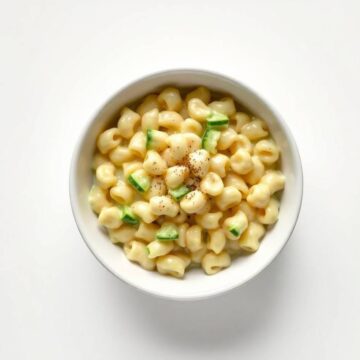
Zucchini is different. When zucchini is grated on the small holes of a box grater and then squeezed completely dry in a clean kitchen towel until every possible drop of moisture is removed, the resulting dry zucchini shreds are pale green, nearly colorless, and so fine that they disappear entirely into a sharp cheddar sauce — their color becomes the sauce's color, their texture becomes the sauce's texture, and the finished mac and cheese looks, tastes, and behaves exactly like a mac and cheese with no vegetables in it whatsoever.
Saad has eaten this mac and cheese six times. He has not detected the zucchini once. On the third occasion, I told him after he finished that there were vegetables in it, and he looked at his empty bowl, looked at me, said "that's not true," and walked away. That is the specific level of invisibility this recipe achieves.
My husband noticed something was different on his second bowl of this mac and cheese — he paused, looked at the sauce, and said "did you put something in this?" — and then ate a third bowl before I told him what it was. His response was that he would not have believed it from the taste alone, which is the most useful thing a hidden vegetable mac and cheese can achieve.
My mother in Pakistan's response to the concept of hiding vegetables in children's food was a recognition rather than a revelation — she has always made the sabzi in our family in ways that distribute the vegetable through the dish rather than presenting it as a distinct component, and her observation was that the difference between visible and invisible vegetables in a child's meal is primarily a matter of how they are processed rather than whether they are present.
The squeezing step is non-negotiable. Un-squeezed grated zucchini contains so much water that adding it to a cheddar sauce will break the sauce within minutes — the water releases into the roux, the fat separates, and the resulting sauce is a greasy, thin, slightly green-tinged liquid rather than the thick golden cheese sauce the recipe requires. Squeeze the zucchini in a clean kitchen towel until you cannot squeeze any more water out. Then squeeze again. The pile of grated zucchini that started at approximately 1 cup will have reduced to approximately ⅓ cup of dry, tightly compressed shreds. That is the correct result.
This recipe uses the same one-pan method as my One-Pan Cheesy Hot Dog Mac — the pasta cooks directly in milk and broth, the starch from the pasta thickens the sauce as it cooks, and the whole thing comes together in one pan in 25 minutes with no separate sauce-making step, no roux to whisk, and no colander required.
Whether you are managing a picky eater with a broccoli detection rate that makes traditional vegetable hiding impossible, feeding children who are genuinely refusing all vegetables in a phase you need to navigate around rather than through, or simply looking for a mac and cheese that is denser, creamier, and more nutritious than the standard version without tasting like it, this hidden zucchini mac and cheese is the recipe.
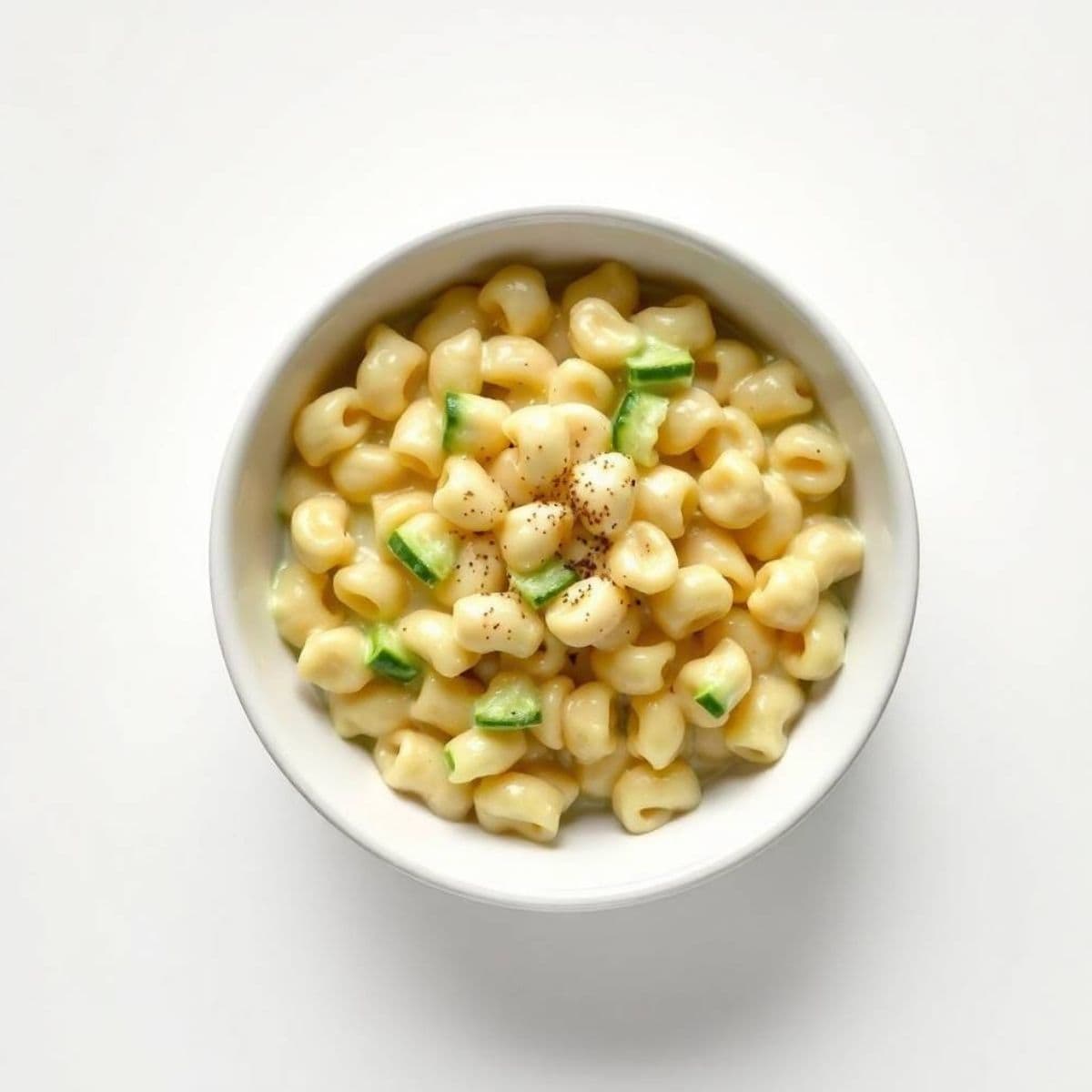
Why You'll Love This Hidden Zucchini Mac and Cheese
- Completely undetectable — Saad has eaten it 6 times without identifying the zucchini: The combination of grating on the smallest holes and squeezing dry eliminates the color, texture, and structural presence of the zucchini in the finished dish. It becomes part of the sauce matrix rather than a visible component. The finished mac and cheese looks, smells, and tastes identical to a standard sharp cheddar mac. Even a seven-year-old who told me "that's not true" when informed of the vegetables ate it six times without evidence.
- One pan, 25 minutes, no colander: The pasta cooks directly in the liquid, which thickens into the sauce as the starch releases — the same method as my One-Pan Cheesy Hot Dog Mac adapted for the zucchini-hiding version. No separate sauce-making, no roux, no draining pasta into a colander and then making a separate cheese sauce. Everything happens in one pan in a specific sequence that takes 25 minutes from cold start to table.
- Sharper, creamier, better than boxed: Sharp cheddar, a small amount of cream cheese, mustard powder, and a splash of hot sauce produce a mac and cheese that is objectively better than the blue box version in every dimension — creamier sauce, more complex flavor, denser texture — while taking approximately the same amount of time to make from scratch as the box version takes from a packet.
Ingredients
- 1 medium zucchini (approximately 8 oz), grated on the small holes of a box grater and then squeezed completely dry in a clean kitchen towel — this is the most important step in the recipe
- 8 oz dry elbow macaroni or small pasta shape
- 2 cups whole milk
- 1 cup low-sodium chicken or vegetable broth
- 2 tablespoon unsalted butter
- 2 cups sharp cheddar cheese, grated from a block (not pre-shredded — the coating on pre-shredded cheese prevents it from melting correctly into the sauce)
- 2 oz cream cheese, cubed
- 1 teaspoon mustard powder — essential, not optional; it suppresses the eggy flavor that cheese sauces develop without it and amplifies the cheddar sharpness
- ½ teaspoon garlic powder
- ¼ teaspoon onion powder
- ¼ teaspoon black pepper
- ½ teaspoon salt (start here, adjust at the end — the cheddar adds significant salt)
- A few dashes of hot sauce (Frank's or similar — the amount used here adds flavor, not heat, and is not detectable by children)
Directions
- Step 1: Grate and squeeze the zucchini — this step cannot be rushed. Grate the zucchini on the smallest holes of a box grater directly into the center of a clean, dry kitchen towel. Gather the corners of the towel together and twist to form a tight bundle. Squeeze firmly over the sink for 30-45 seconds. Open the towel, scrape the zucchini shreds into a pile in the center, re-close the towel, and squeeze again. Repeat until no more liquid releases. The correct result: the grated zucchini pile has reduced significantly in volume, feels dry to the touch, and the towel has absorbed a significant amount of green-tinged liquid. Set the dry zucchini aside.
- Step 2: Combine pasta, liquid, and butter in one pan. In a medium saucepan, combine dry pasta, milk, broth, butter, mustard powder, garlic powder, onion powder, black pepper, and salt. Stir to combine. Bring to a boil over medium-high heat, stirring frequently — the milk will foam and could boil over if left unattended, so watch it and reduce the heat as soon as it reaches a full boil.
- Step 3: Cook at a steady simmer, stirring frequently. Reduce to a steady simmer (medium-low) and cook, stirring every 1-2 minutes, for 10-12 minutes until the pasta is just cooked through and the liquid has thickened significantly. The sauce at this point should be thick enough to coat the back of a spoon — it should look like a thick bechamel. If it seems very thick before the pasta is done, add a splash more milk. If it seems thin after the pasta is done, continue simmering 2-3 more minutes.
- Step 4: Add the squeezed zucchini. With the heat still on medium-low, add the squeezed dry zucchini shreds to the pan. Stir to distribute thoroughly. The zucchini shreds will disappear almost immediately into the thickened sauce — look for them carefully and you will see them, but casually glancing at the pan you will see only the sauce. Cook 2 minutes, stirring, so the zucchini heats through completely and has time to fully integrate into the sauce.
- Step 5: Add the cheese and cream cheese off the heat. Remove the pan from the heat. Add the grated cheddar in two additions, stirring completely between each — adding it all at once can cause clumping. Add the cubed cream cheese and stir until completely melted into the sauce. Add hot sauce. Taste the sauce at this point — adjust salt, pepper, and mustard powder as needed. The sauce should be thick, glossy, and deeply cheesy. If it seems too thick, stir in 2-3 tablespoons of warm milk.
- Step 6: Serve immediately. Mac and cheese sauce thickens rapidly as it cools. Serve directly from the pan into bowls without waiting — it is at its best and most saucy in the first 5 minutes after finishing. If it thickens too much before serving, add a splash of warm milk and stir over low heat for 60 seconds.
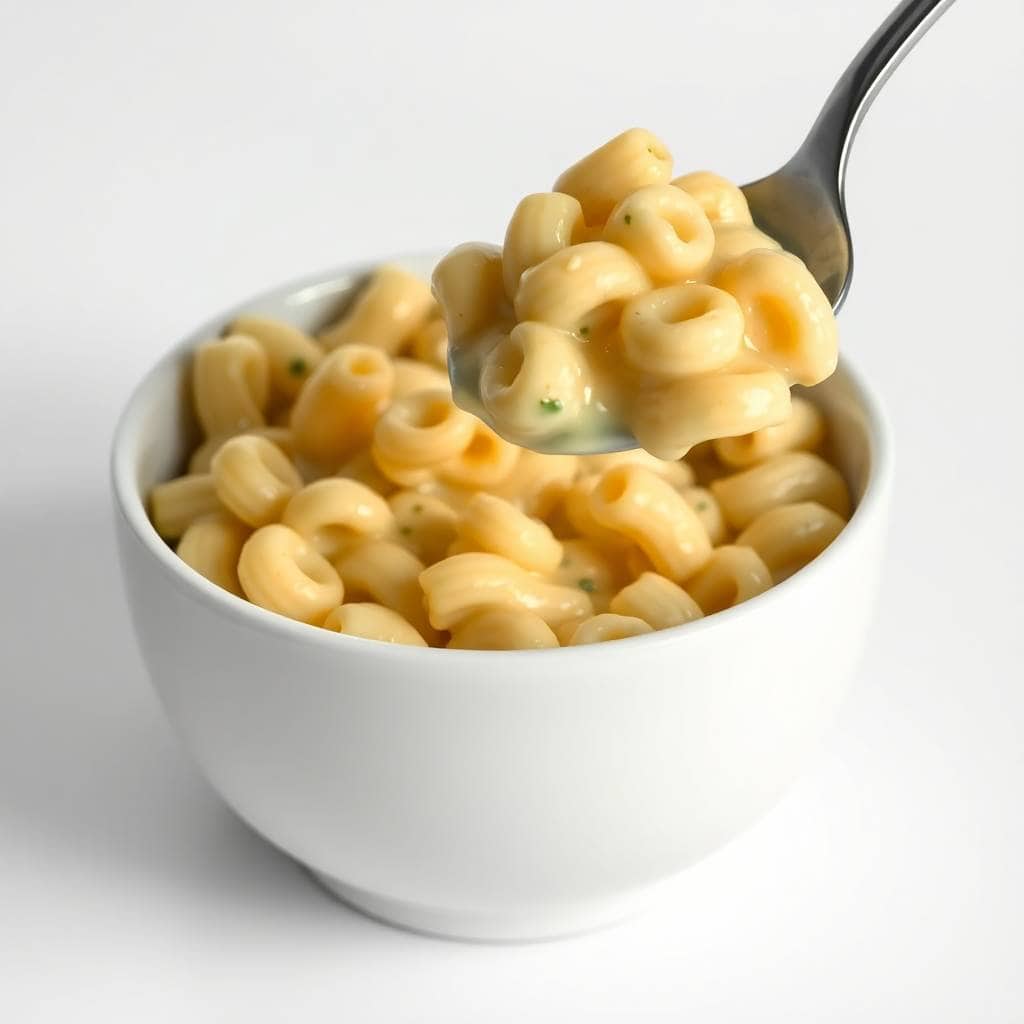
Tips for Perfectly Hidden Zucchini
- Use the small holes of the box grater, not the large holes. Large-hole grated zucchini produces long shreds that remain visible in the finished sauce and have enough structure to be detected texturally. Small-hole grated zucchini produces fine shreds that are short enough to distribute through the sauce matrix and thin enough to become essentially invisible. The hole size is the difference between "hidden" and "sort of hidden but Zainab will find them."
- The towel must be dry before you use it. A damp kitchen towel cannot absorb additional moisture from the zucchini — use a completely dry towel, and if the towel becomes fully saturated during squeezing (which happens with a very large or very watery zucchini), switch to a second dry towel and continue squeezing. The goal is maximum moisture removal.
- Grate your own cheddar. Pre-shredded cheese contains cellulose or potato starch coatings to prevent clumping in the bag. These coatings prevent the cheese from melting into the smooth, glossy sauce that makes this mac and cheese work — they produce a grainy, slightly separated sauce instead. Block cheddar grated at home melts cleanly into the sauce in 60 seconds of stirring. Sharp or extra-sharp specifically.
- Add the cheese off the heat. Adding cheese to an actively simmering sauce causes the proteins to seize and the fat to separate, producing a broken, greasy sauce rather than a smooth one. Remove the pan from the heat completely before adding the cheese and the cream cheese, and use the residual heat of the pan and the pasta to melt everything smoothly.
Variations
- Pakistani-American spiced version (for adults at the same table): After serving the children's portions, stir ½ teaspoon Kashmiri chili powder, ¼ teaspoon garam masala, and a pinch of turmeric into the remaining mac and cheese in the pan. The spice version changes the color and flavor completely while the zucchini remains equally hidden — our adult portion of this dinner is a genuinely spiced mac and cheese that no one associates with the children's version from the same pan.
- Hidden spinach version: Replace the zucchini with 2 cups fresh baby spinach, very finely chopped (not grated — spinach does not need squeezing), stirred in at the same step. The spinach adds a faint green tint to the sauce but becomes too fine to be detected texturally. For children who respond to color changes rather than texture, the spinach version is more likely to be noticed than the zucchini version — use your own household's specific detection history to decide which vegetable to deploy.
- Hidden butternut squash version: Replace the zucchini with ½ cup roasted butternut squash puree, stirred in at the cheese-adding step. The squash adds sweetness and color — the sauce turns a deeper golden rather than the standard cheddar yellow, which some children notice and some don't. The butternut squash version adds approximately 3x more beta-carotene than the zucchini version and has a noticeably sweeter flavor that most children prefer.
- Broccoli version (for households without Zainab-level broccoli detection): Replace the zucchini with ½ cup broccoli florets, steamed until very soft and then mashed to a paste with a fork. The paste stirs into the sauce and is less visible than chopped broccoli, though a determined detector will find the color difference. Use this version only with children who are not currently in an active broccoli-rejection phase.
Serving and Storage
How to Serve
Serve immediately from the pan — mac and cheese sauce thickens rapidly as it cools and the best texture window is the first 5 minutes after finishing. For children: bowl with a child-appropriate portion, served hot, with whatever accompaniment they accept at the table. For adults: same bowl with the spiced version from the same pan base, served with a simple green salad that provides the vegetable component I know Saad did not receive from the mac and cheese regardless of what I put in it.
How to Store
Refrigerator: airtight container, up to 3 days. The mac and cheese will solidify completely in the refrigerator — this is normal and the texture is fully restored during reheating. To reheat: add 2-3 tablespoons of milk per serving to the container, microwave covered at 70% power for 90 seconds, stir, microwave another 60 seconds, stir again. The milk restores the creamy sauce texture. Do not reheat without adding milk — the sauce becomes grainy without the additional liquid. Do not freeze — the sauce separates on thawing and cannot be restored.
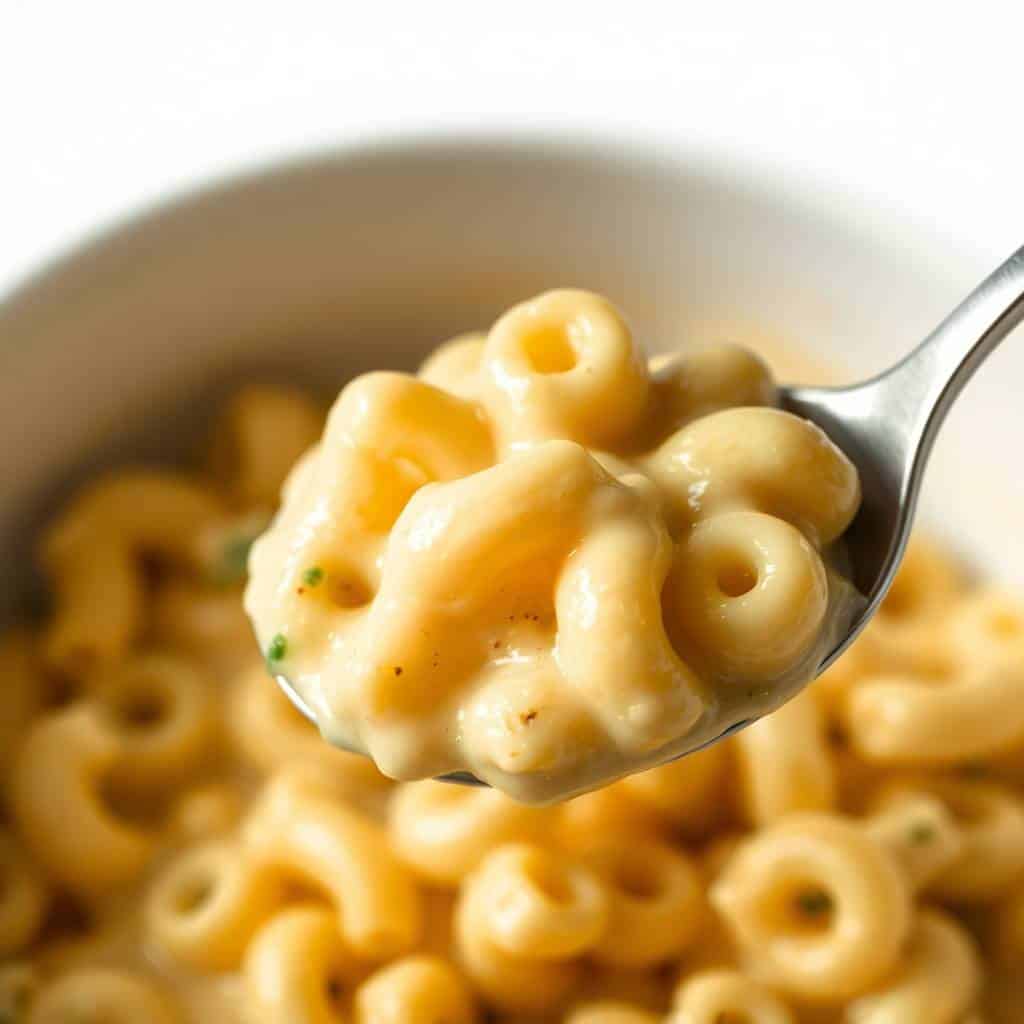
Related Recipes You'll Love
- One-Pan Cheesy Hot Dog Mac for Toddlers
- One-Pot Budget Chicken and Spring Vegetable Rice
- 17 No-Oven Summer Dorm Recipes
- 23 Simple Dinner Ideas
- 20 Single-Serve Summer Dinners
Can I add the zucchini without squeezing it first?
No — this is the one step that cannot be modified or skipped. Un-squeezed grated zucchini contains enough water that adding it to the cheese sauce will break the sauce within minutes — the water releases, the fat separates, and the result is a greasy, thin, slightly green sauce rather than the thick glossy cheddar sauce the recipe produces. The squeezing step takes approximately 2 minutes and is the technical foundation that makes this recipe work.
How much zucchini can I hide before the mac and cheese starts tasting different?
The recipe's 1 medium zucchini (approximately 8 oz raw, reducing to about ⅓ cup after squeezing) is the maximum that can be added without a detectable flavor change in the finished dish. Beyond this quantity, the zucchini's mild vegetable flavor begins to come through even after squeezing, and the texture of the sauce changes slightly. The current ratio has been tested specifically for undetectability — six times, by Saad, who did not detect it once.
HIDDEN ZUCCHINI MAC AND CHEESE PICKY EATERS BEG FOR
Equipment
- Large pot
- Saucepan
- Colander
- Whisk
- Grater
Ingredients
For the Pasta:
- 2 cups elbow macaroni
- 1 teaspoon salt (for boiling water)
For the Hidden Veggie Base:
- 1 ½ cups zucchini, finely grated and squeezed dry
- 2 tablespoons butter
- ½ teaspoon garlic powder
For the Cheese Sauce:
- 2 cups milk
- 2 cups cheddar cheese, shredded
- 2 tablespoons cream cheese
- 1 tablespoon flour
- ½ teaspoon salt
- ¼ teaspoon black pepper
Optional Topping:
- ½ cup breadcrumbs
- 2 tablespoons parmesan cheese
Instructions
Cook Pasta
- Boil macaroni in salted water until al dente. Drain and set aside.
Prepare Zucchini
- Grate zucchini and squeeze out excess moisture using a clean towel.
Cook Veggie Base
- Melt butter in a pan, add zucchini and garlic powder, and cook for 3–4 minutes until softened.
Make Cheese Sauce
- Whisk milk, flour, cream cheese, salt, and pepper in a saucepan. Heat until slightly thickened, then stir in cheddar cheese until smooth.
Combine
- Add cooked pasta and zucchini mixture into the cheese sauce. Stir until fully coated.
Optional Bake
- Top with breadcrumbs and parmesan, then bake at 180°C (350°F) for 10 minutes until golden.
Serve
- Serve warm and creamy for the ultimate kid-friendly comfort meal.
Notes
- Picky Eater Approved: Zucchini is fully hidden in the creamy cheese sauce.
- Extra Creamy: Cream cheese makes it ultra smooth and rich.
- Veggie Boost: Add spinach or cauliflower for more nutrition.
- Freezer Friendly: Freeze portions for up to 2 months.
- Best Served Hot: Cheese sauce thickens as it cools, so serve immediately.



Comments
No Comments