
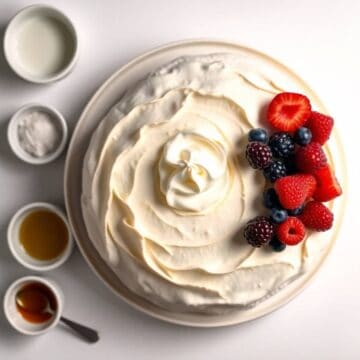
Pavlova is an elegant and airy dessert that has earned its place as a crowd-pleaser on any festive table. This delicate meringue-based treat originated in honor of ballerina Anna Pavlova. Its lightness makes it a perfect ending to rich meals or lunches.
Whether you're planning a celebration or just want to indulge in something special, pavlova adds beauty and sophistication to your menu. The fruit toppings offer freshness and vibrant colors, making every slice visually stunning.
Making pavlova might seem intimidating, but it’s surprisingly achievable with the right guidance and a few helpful tricks. The ingredients are simple—egg whites, sugar, cornstarch, and vinegar—but the method is where the magic lies.
Pavlova is incredibly versatile. You can tailor it to the seasons by topping it with berries, passionfruit, kiwi, or stone fruits. A swirl of lemon curd or chocolate can add depth and intrigue. Once you master the base, this dessert becomes your canvas.
This dessert is ideal for entertaining. It can be made ahead of time and stored until ready to serve, allowing the meringue to maintain its texture. Its impressive appearance and delicious taste make it a show-stopping centerpiece for any table.
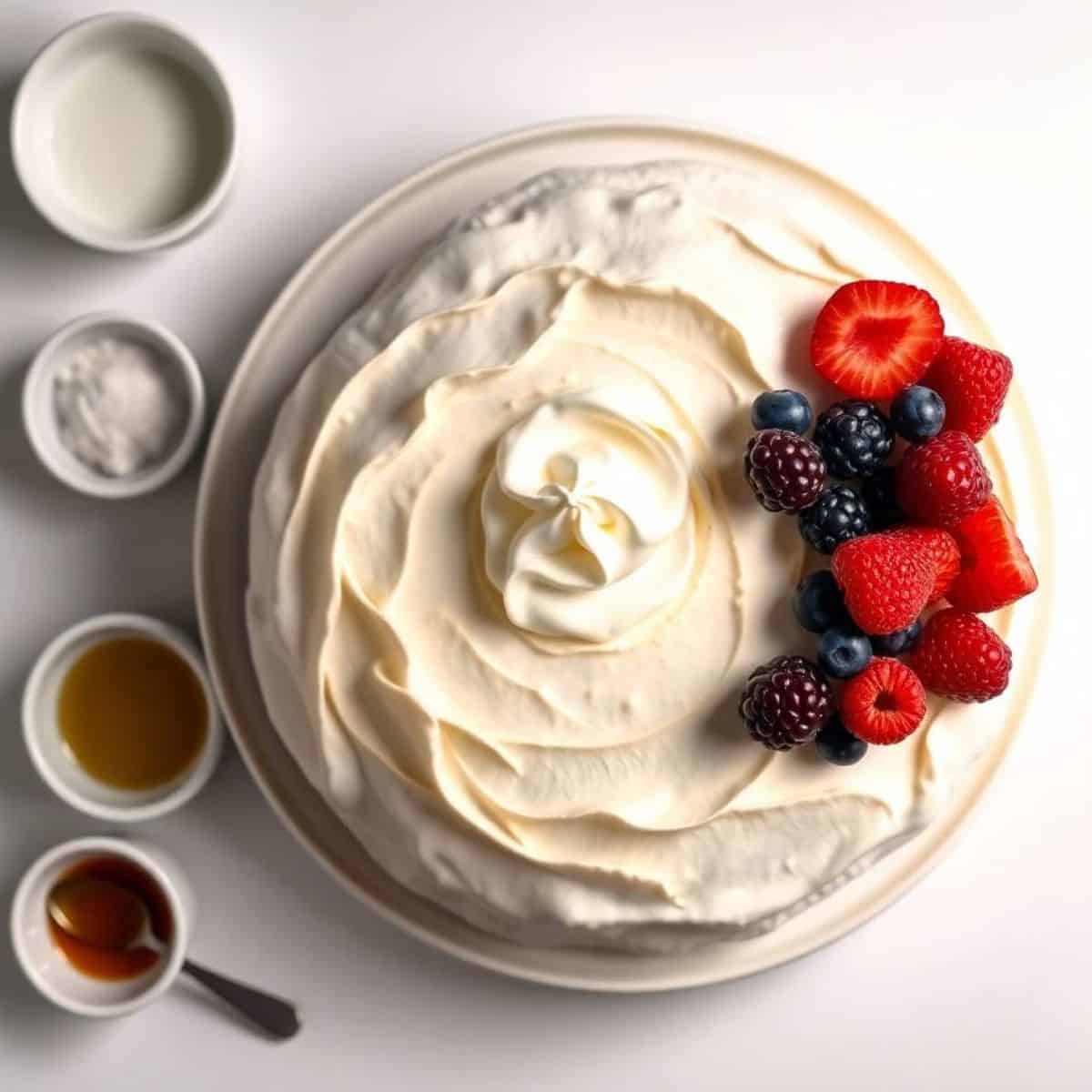
WHY YOU WILL LOVE THIS RECIPE
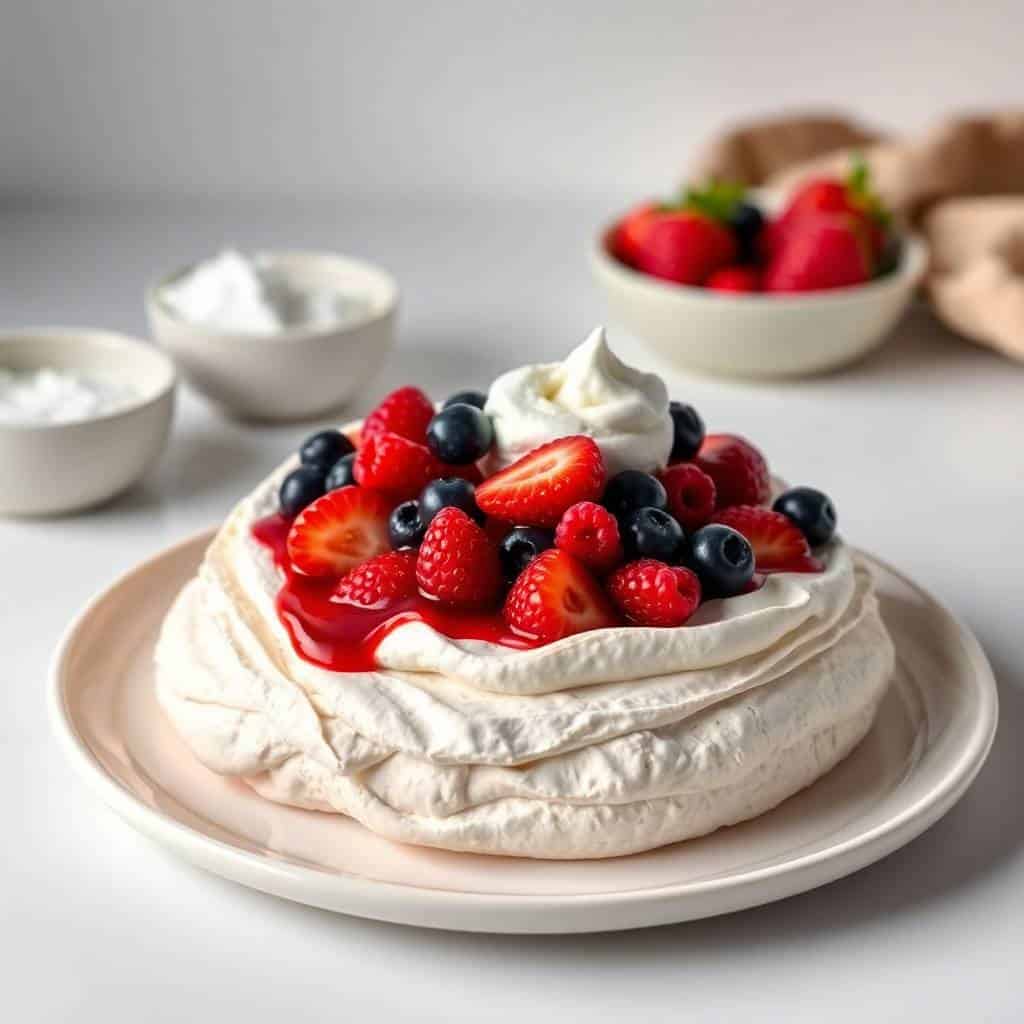
- Elegant Presentation: This dessert’s stunning appearance makes it ideal for impressing guests at parties, holidays, or special gatherings.
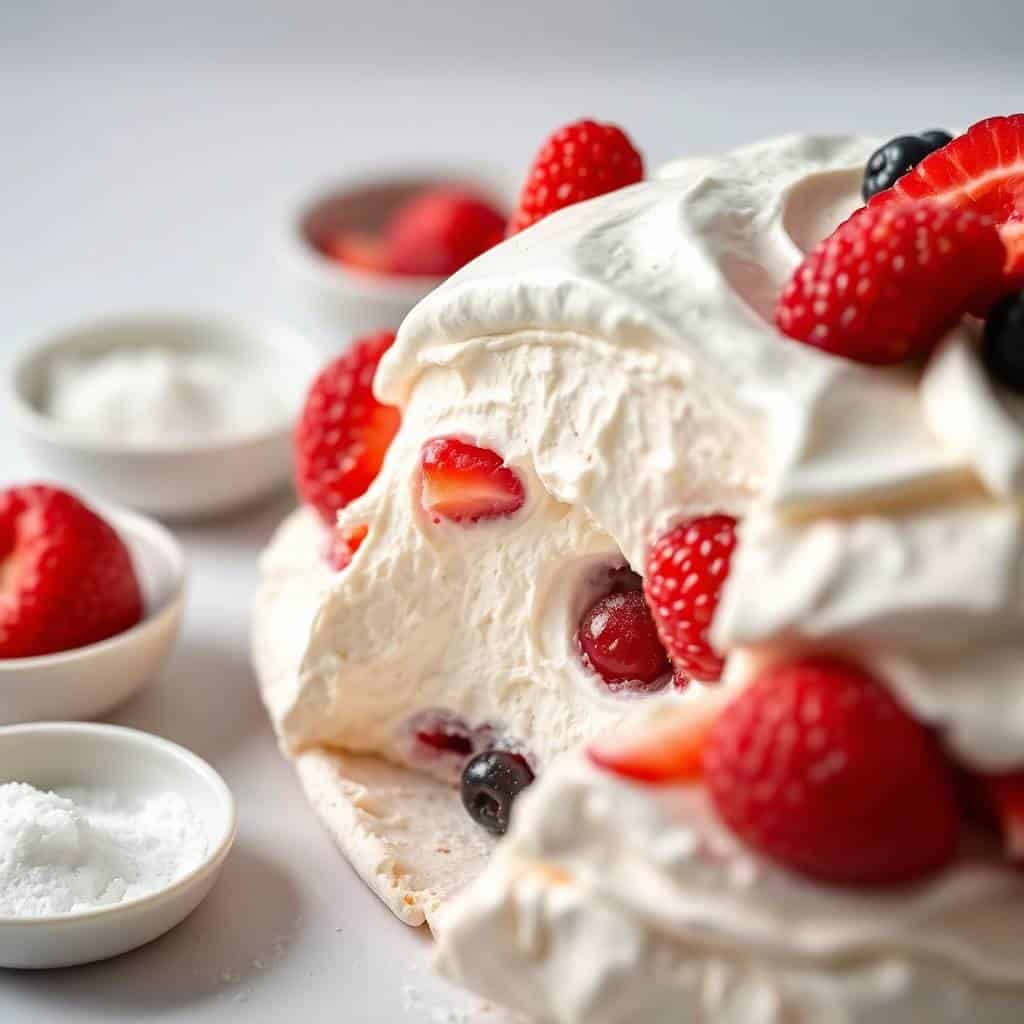
- Light Texture: The crispy exterior and soft, marshmallowy inside offer a delightful textural contrast in every bite.
- Simple Ingredients: Made with basic pantry staples like egg whites and sugar—no fancy ingredients required for amazing results.
- Customizable Toppings: You can easily switch up the fruits or sauces for seasonal variety or personal preference.
- Make-Ahead Friendly: The base can be made ahead of time and assembled just before serving for stress-free hosting.
- Naturally gluten-free diet: This recipe is perfect for those avoiding gluten without sacrificing flavor or indulgence.
- Crowd Favorite: It’s always a hit with guests and family, even those who don’t typically have a sweet tooth.
INGREDIENTS
- 4 large egg whites (room temperature)
- 1 cup (200g) caster sugar
- 1 teaspoon white vinegar
- 1 tablespoon cornstarch
- 1 teaspoon vanilla extract
- 1 cup heavy whipping cream
- 2 tablespoons powdered sugar
- Fresh fruit (e.g., strawberries, kiwi, blueberries, passionfruit)
DIRECTIONS
- Step No.1: Preheat the oven
Preheat your oven to 250°F (120°C). Line a baking sheet with parchment paper. Draw a circle (about 7-8 inches) to guide your meringue shape.
- Step No.2: Beat the egg whites
In a clean, dry bowl, beat the egg whites on medium speed until soft peaks form. The mixture should be airy and hold its shape.
- Step No.3: Add sugar gradually
Add the sugar slowly, one tablespoon at a time, while beating on high speed. Continue until the mixture is glossy and forms stiff peaks.
- Step No.4: Add remaining ingredients
Gently fold in vinegar, cornstarch, and vanilla extract using a spatula. Be careful not to deflate the mixture while incorporating.
- Step No.5: Shape the meringue
Spoon the meringue onto the parchment paper and shape it into a circle with slightly higher edges, creating a well in the center.
- Step No.6: Bake and cool
Bake for 90 minutes. Turn off the oven and let the pavlova cool inside with the door slightly ajar to prevent cracking.
- Step No.7: Whip the cream
Whip the heavy cream with powdered sugar until soft peaks form. Spread it into the center of the cooled pavlova.
- Step No.8: Add toppings and serve
Top with fresh fruit just before serving. Serve immediately to enjoy the contrast of textures at its best.
TIPS FOR SUCCESS
- Room Temperature Eggs: Egg whites whip better when not cold, giving you more volume and a stable meringue.
- Clean Bowl is Crucial: Make sure your bowl is grease-free; any fat can prevent your egg whites from whipping properly.
- Slow Sugar Addition: Add sugar gradually to ensure it dissolves completely and creates a glossy, stiff meringue.
- Don’t Overbeat: Stop once stiff peaks form—overbeating can cause the meringue to collapse in the oven.
- Cool Gradually: Let the pavlova cool slowly in the oven to reduce the risk of cracks from sudden temperature changes.
- Use Cornstarch & Vinegar: These help create the soft center while keeping the outer shell crisp and structured.
- Assemble Just Before Serving: Add toppings right before serving to maintain the pavlova’s crispness and texture.
VARIATIONS
- Chocolate Pavlova: Fold in 1 tablespoon cocoa powder for a chocolatey twist that pairs beautifully with cherries or raspberries.
- Mini Pavlovas: Make individual servings by shaping smaller meringue rounds; great for portion control and presentation.
- Lemon Curd Pavlova: Swirl lemon curd into the whipped cream or drizzle on top for a tangy contrast to the sweetness.
- Berry Medley Topping: Use a mix of strawberries, raspberries, blueberries, and blackberries for a vibrant, antioxidant-rich finish.
- Tropical Style: Top with mango, kiwi, and passionfruit for a bright, refreshing tropical flavor perfect for summer.
- Nutty Crunch: Sprinkle toasted almonds or crushed pistachios over the cream for added texture and flavor complexity.
- Caramel Drizzle: Add a drizzle of salted caramel sauce for a decadent dessert that satisfies every sweet tooth.
SERVING AND STORAGE
Serving
Serve immediately after topping with cream and fruit to preserve the crisp shell and soft center texture.
Storage
Store undecorated pavlova in an airtight container at room temperature for up to 2 days. Assemble only before serving.
FAQ
Yes, you can bake the meringue a day in advance. Store it in an airtight container and add toppings before serving.
Cracking is usually due to sudden temperature changes. Let the pavlova cool slowly in the oven to prevent this.
Caster sugar is preferred for better dissolution, but granulated sugar can work if beaten long enough to fully dissolve.
Berries, kiwi, passionfruit, and mango are excellent choices. Avoid overly juicy fruits that can make the meringue soggy.
Yes, pavlova is naturally gluten-free diet, making it a great dessert option for those with gluten sensitivities or allergies.
This recipe ensures your pavlova is crisp on the outside while remaining soft and luscious, a true hallmark of this dessert.
By following a few simple tips, even a novice baker can achieve impressive results that rival any bakery version.
Pavlova always earns applause at gatherings, thanks to its dramatic appearance and refreshing flavor profile.
Whether you stick to classic berries or experiment with tropical themes or chocolate, the versatility of pavlova keeps it exciting.
So, gather your eggs and sugar, and start whisking. With this pavlova recipe, you’re on your way to creating a masterpiece.
PAVLOVA RECIPE
Ingredients
- 4 large egg whites at room temperature
- 1 cup granulated sugar
- 1 teaspoon cornstarch
- 1 teaspoon white vinegar
- 1 teaspoon vanilla extract
- 1 cup heavy whipping cream
- 2 tablespoons powdered sugar
- 1 teaspoon vanilla extract for whipped cream
- Fresh fruits for topping berries, kiwi, passionfruit, etc.
Instructions
- Preheat Oven: Preheat oven to 250°F (120°C). Line a baking sheet with parchment paper and draw a 7-inch circle as a guide.
- Prepare Meringue: In a clean bowl, beat egg whites until soft peaks form. Gradually add granulated sugar, one tablespoon at a time, until stiff and glossy peaks form. Fold in cornstarch, vinegar, and vanilla extract gently.
- Shape Pavlova: Spoon meringue onto prepared parchment within the circle, shaping into a disk with slightly raised edges.
- Bake: Bake for 1 hour, then turn off the oven and leave pavlova inside for 1 hour to cool completely.
- Prepare Whipped Cream: Whip heavy cream with powdered sugar and vanilla extract until soft peaks form.
- Assemble and Serve: Top cooled pavlova with whipped cream and fresh fruits. Serve immediately.
Notes
- Make Ahead: Meringue base can be made a day in advance; store in an airtight container at room temperature.
- Flavor Variations: Add lemon zest or cocoa powder to meringue for a different flavor.
- Serving Suggestions: Serve as a centerpiece dessert at parties or holidays.
- Storage Tips: Assemble with cream and fruits just before serving to maintain crispness; do not refrigerate fully assembled pavlova.

Comments
No Comments