
I've made a lot of pasta in my life, but one-pot garlic parmesan pasta is the one I come back to on nights when I have nothing left in me. Thirty minutes, one pot, and somehow it always tastes like I tried harder than I did. The pasta cooks directly in the broth, the starch thickens everything into this silky, velvety sauce, and by the time I'm done, the kitchen barely looks touched.
What makes this recipe work — really work — is the technique of cooking the pasta in broth instead of plain water. The liquid reduces and concentrates, the starch from the pasta naturally thickens it, and you end up with a sauce that coats every strand without adding a ton of extra cream. I do add a splash of heavy cream at the end, but honestly the base is doing most of the work before that even goes in. I've tried shortcuts and this is genuinely one of the better ones I've found.
My husband asks for this at least twice a month, which is saying something because he's usually more excited about things like my Crockpot Tuscan Garlic Chicken. Zainab likes this plain with nothing added. My husband piles on extra parmesan and a pinch of red pepper flakes. I usually make a big pot and somehow there are no leftovers.
One thing I want to set expectations on: this is not a traditional Italian pasta dish. There's no separate water pot, no emulsified pan sauce — it's an American-style one-pot weeknight shortcut, and I'm honest about that. But if you're looking for dinner on the table fast without destroying your kitchen, this does the job. Use freshly grated parmesan, not the stuff in the green shaker can. That one detail changes everything.
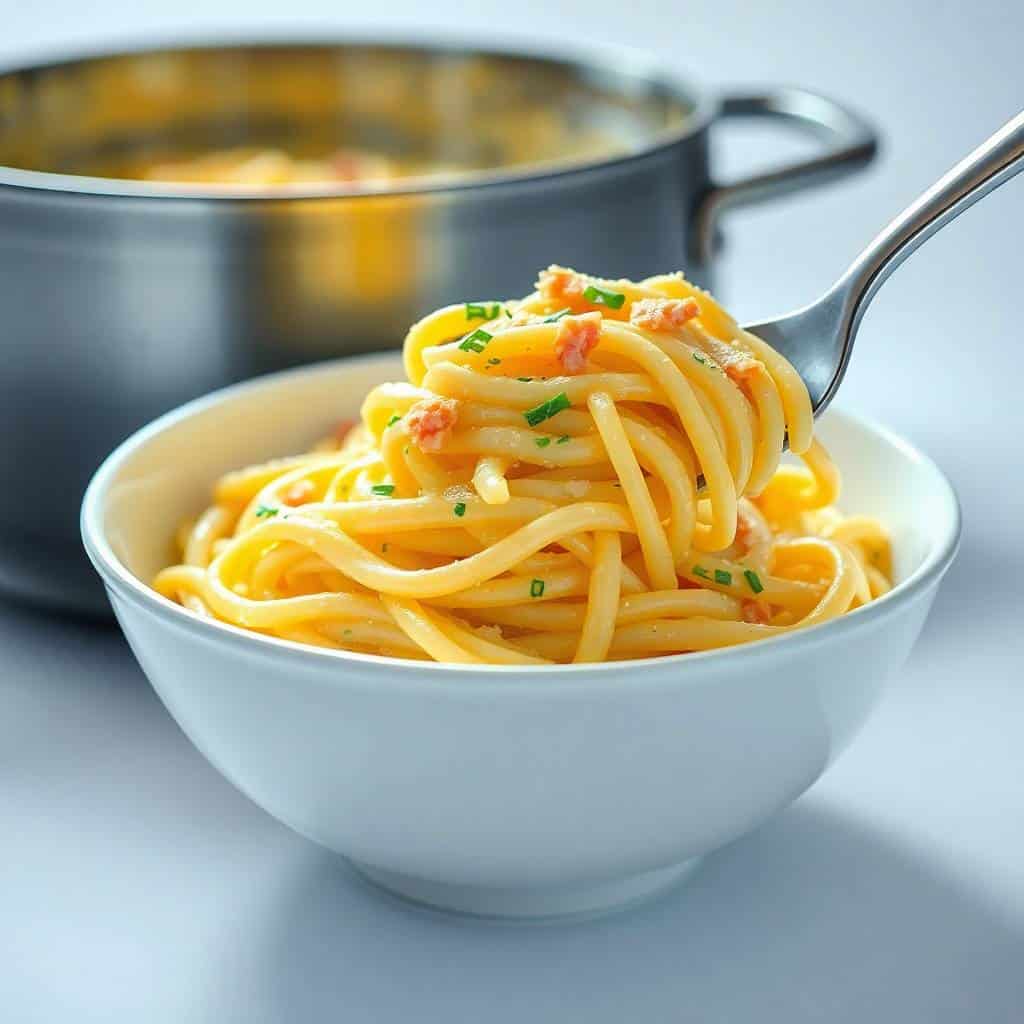
Why You'll Love This Recipe
- One pot, minimal cleanup: I'm not exaggerating when I say I sometimes choose what to cook based on how many dishes I'll have to wash afterward. This is a one-pot situation — pasta, broth, garlic, cream, cheese, done. The pot barely needs soaking. On school nights when I'm running on fumes, that matters more than I'd like to admit.
- The sauce thickens itself: You're not making a separate béchamel or roux. The pasta releases starch as it cooks in the broth, and that starch is what turns the liquid into a creamy, clingy sauce. I find this genuinely clever — the pasta is doing double duty. When you add the parmesan at the end, it just melts right in and the whole thing comes together without any whisking or fussing.
- Ready in about 30 minutes: From cold pan to table, this takes me around 25 to 30 minutes. That includes the time it takes to mince the garlic and grate the cheese. I make a double batch on hungrier nights because a single pot disappears fast in my house — this is one of those recipes where I've learned the hard way that more is always the right call.
- A solid base you can actually customize: On its own it's a creamy garlic parmesan pasta — simple, satisfying. But it's also a base I use to use up whatever is in the fridge. Leftover rotisserie chicken, a handful of frozen peas, some wilted spinach — they all work. It's one of those recipes that quietly rescues the end-of-week produce situation.
- Kid-approved without negotiation: Zainab eats this without complaint, which in our house is a high bar. No picking out vegetables, no asking what the specks are. Garlic, butter, cheese, pasta — she's in. It's one of the few dinners where I'm not plating three different versions for three different people.
Ingredients
- 12 oz (340g) spaghetti or your favorite pasta
- 4 cups chicken broth (or vegetable broth to keep it vegetarian)
- 3 tablespoons unsalted butter
- 1 tablespoon olive oil
- 4 garlic cloves, minced
- ½ cup heavy cream (optional, but I always add it)
- 1 cup freshly grated parmesan cheese (not the pre-shredded kind)
- Salt and black pepper, to taste
- Fresh parsley, chopped (optional, for garnish)
Directions
- Step 1: Sauté the garlic. Heat the olive oil and butter together in a large, deep pot over medium heat. Add the minced garlic and stir it around for about 1 to 2 minutes until it smells fragrant. Don't let it go golden or brown — you want soft and sweet, not bitter.
- Step 2: Add the pasta and broth. Add the dry pasta directly to the pot, then pour in the broth. Stir everything together and bring it to a boil over medium-high heat. The pasta should be mostly submerged — if your pot is wide, push the strands down as they soften.
- Step 3: Simmer until the pasta is cooked. Reduce the heat to medium-low and let it simmer uncovered for 12 to 15 minutes, stirring every couple of minutes so the pasta doesn't stick to the bottom. By the end, most of the liquid should be absorbed and the sauce should look thick and starchy.
- Step 4: Add the cream and parmesan. Pour in the heavy cream and add the freshly grated parmesan. Stir continuously for about a minute until the cheese melts completely and the sauce looks creamy and smooth. If it's thicker than you want, splash in a little extra broth and stir it through.
- Step 5: Season and taste. Add salt and black pepper to taste. The broth and parmesan both carry a lot of salt, so taste before you add anything — you might need less than you expect.
- Step 6: Serve immediately. Spoon into bowls, scatter parsley on top if you're using it, and get it on the table while it's hot. This sauce tightens up as it sits, so don't leave it waiting.
Tips for Success
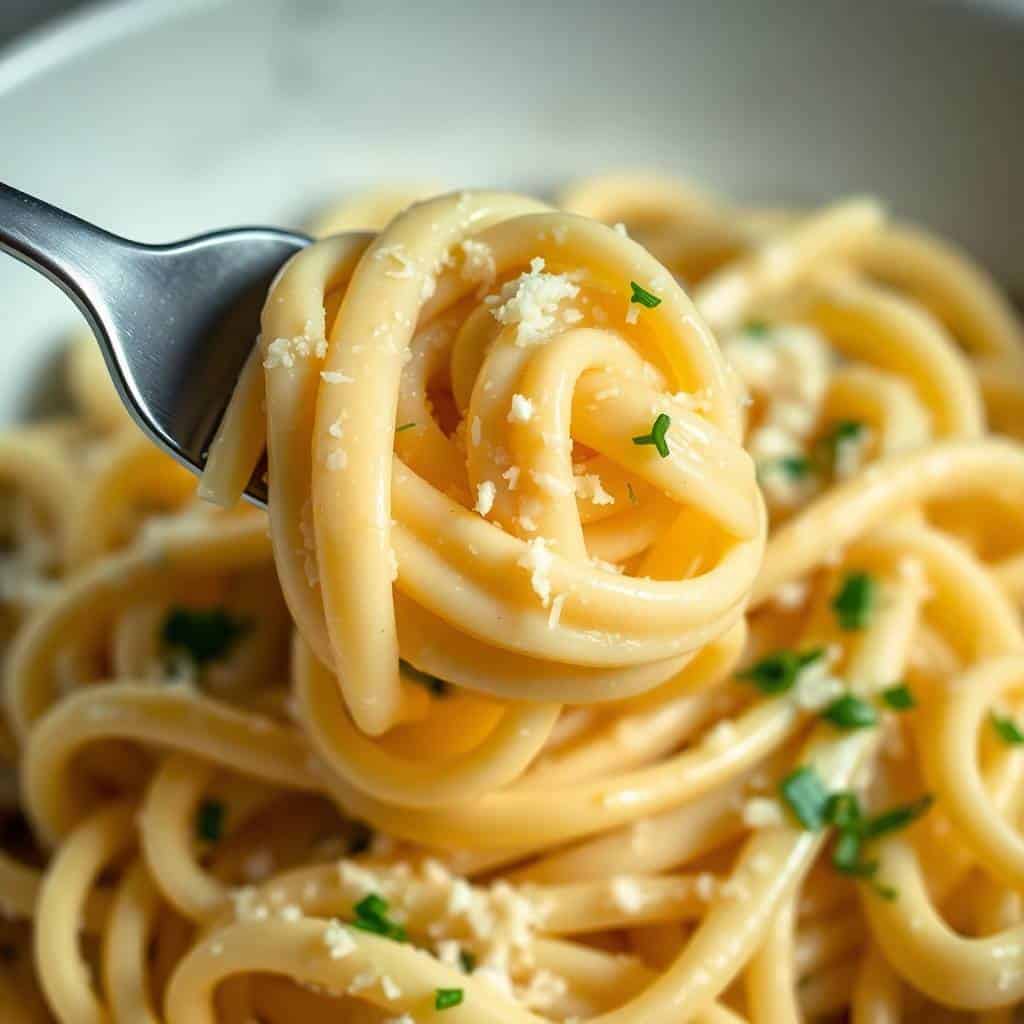
- Grate the parmesan yourself: I know this sounds fussy but it genuinely matters here. Pre-shredded parmesan has anti-caking powder coating it, and when you add it to a hot sauce, it doesn't melt — it clumps into little grainy bits. I learned this the unpleasant way on my first attempt. A block of parmesan from the store and a box grater takes three minutes and makes a completely different sauce.
- Stir more than you think you need to: Unlike regular boiled pasta where you just walk away, this pot needs attention. The pasta sitting on the bottom can stick and scorch if you leave it alone too long. I stir every two minutes or so during the simmer. It sounds like a lot but it's really just hovering nearby, which I'm doing anyway while I sort out what else is for dinner.
- Pull the pasta just before it's fully done: Al dente means there's still a slight bite in the center. Because the pasta keeps absorbing the starchy liquid even off the heat, if you cook it until it seems done, it'll be overcooked by the time you're eating it. I usually taste a strand at the 12-minute mark and decide from there.
- Adjust the liquid based on your pot: A wide shallow pot will lose liquid faster than a tall narrow one. If the broth is absorbing too quickly before the pasta is cooked through, add another half cup of broth or hot water and keep going. If the sauce looks too thin when the pasta is done, just simmer it for another minute or two uncovered — it thickens fast.
- Serve it right away: This pasta is genuinely at its best the moment it comes off the stove. As it cools, the sauce thickens into something closer to glue. If you're plating for a few people, move quickly. If you need to hold it for a few minutes, keep the heat on the lowest setting and add a splash of broth to keep things loose.
Variations
- Add rotisserie chicken: This is my most-used variation. I shred whatever's left of a rotisserie chicken and stir it in right after the cream and cheese. It makes the whole thing more filling without any extra cooking. My husband prefers it this way — he says the plain pasta version is too light for him as a main course, which I understand.
- Stir in spinach or peas: A big handful of baby spinach dropped in right at the end wilts into the sauce in about 30 seconds and adds some green without changing the flavor much. Frozen peas work the same way — just add them in the last 5 minutes of simmering. This is how I get vegetables into the meal without anyone making a face.
- Spicy version: Add a pinch of red pepper flakes when you sauté the garlic. My husband does this every single time — he keeps a little dish of red pepper flakes next to the stove for this exact purpose. It adds a low background heat that works really well against the richness of the parmesan sauce.
- Lemon zest at the end: Grate about a teaspoon of lemon zest over the pasta right before serving. It cuts through the richness in a way that feels lighter and brighter. I started doing this after a version I made in winter felt a bit heavy, and the lemon fixed it completely. A squeeze of lemon juice works too if you don't have a zester.
- Mushroom version: Sauté a cup of sliced mushrooms in the butter before you add the garlic. Let them cook down and give up their moisture — this takes about 5 minutes. Then proceed with the rest of the recipe as normal. The mushrooms add an earthy depth that makes the whole dish feel more substantial.
Serving and Storage
Serving
Serve this straight from the pot while it's hot. I usually put it on the table with a simple green salad and sometimes garlic bread if I have a baguette around. It works as a standalone dinner or as a side next to something protein-heavy like my Crockpot Tuscan Garlic Chicken. A final shower of freshly grated parmesan on top doesn't hurt. My husband always adds more cheese at the table anyway, so I've stopped trying to control that.
Storage
Store leftovers in an airtight container in the fridge for up to 3 days. When you reheat it, the sauce will have thickened considerably — add a splash of chicken broth or a little cream and stir it over low heat until it loosens up again. Don't microwave it straight from the fridge without adding that liquid, or you'll end up with clumpy pasta. It won't be as good as fresh, but it's still a decent lunch the next day.
Frequently Asked Questions
Can I use a different type of pasta?
Yes, any long pasta works well here — fettuccine, linguine, and angel hair all do fine. Short pasta like penne or rigatoni will also work, but you may need to adjust the cooking time since the shapes are thicker and take longer to cook through. Just keep tasting and adjust the liquid if needed as you go.
Can I make this vegetarian?
Swap the chicken broth for vegetable broth and you're done — the rest of the recipe stays exactly the same. I've made it both ways and honestly the flavor difference is minimal because the garlic and parmesan carry most of the weight. Use a good-quality vegetable broth, not the watery kind, for the best result.
Why is my sauce coming out gritty instead of smooth?
Almost always this comes down to the parmesan. Pre-shredded cheese has anti-caking agents on it that don't melt cleanly into sauces — they leave a grainy texture. Grate a fresh block yourself, even if it takes an extra few minutes. Also make sure you're stirring it in off the heat or on very low heat; adding cheese to a hard boil can cause it to seize up rather than melt smoothly.
Can I make this ahead of time?
This is best made and served immediately — the sauce thickens a lot as it sits and the pasta keeps absorbing liquid even after it's off the heat. That said, you can prep ahead by mincing the garlic and grating the cheese earlier in the day, which makes the actual cooking time even faster. If you do have leftovers, reheat gently on the stove with a splash of broth to loosen the sauce back up.
Can I freeze this pasta?
I wouldn't freeze it. Cream-based pasta sauces tend to separate when frozen and thawed, and the pasta texture goes soft and mushy. It's the kind of recipe that's better made fresh — it only takes 30 minutes, so I just make it the night I need it. If you're cooking for one or two people, halve the recipe so you're not left with a large batch to deal with.
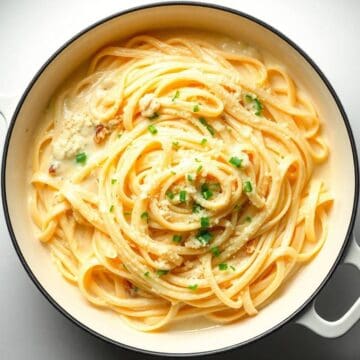
ONE-POT GARLIC PARMESAN PASTA RECIPE
Ingredients
- 12 oz 340g spaghetti or your favorite pasta
- 4 cups chicken broth or vegetable broth for vegetarian
- 1 cup grated Parmesan cheese
- 4 cloves garlic minced
- 2 tablespoons unsalted butter
- ½ cup heavy cream optional for extra creaminess
- Salt and pepper to taste
- 1 tablespoon olive oil
- Fresh parsley chopped (optional for garnish)
Instructions
Cook the Pasta:
- In a large pot or deep skillet, combine pasta, chicken broth, minced garlic, olive oil, and butter. Bring to a boil over medium-high heat.
Simmer:
- Reduce heat and simmer, stirring occasionally, until pasta is cooked and most of the liquid is absorbed, about 12–15 minutes.
Add Cheese and Cream:
- Stir in Parmesan cheese and heavy cream (if using). Season with salt and pepper to taste. Continue to stir until the sauce is creamy and well combined.
Serve:
- Garnish with fresh parsley if desired and serve immediately.
Notes
This is one of those recipes I genuinely keep in my back pocket for the kind of evening where I open the fridge, stare at it for two minutes, and close it again. Pasta, broth, garlic, butter, parmesan — almost everything is a pantry staple. I don't have to plan for it in advance, and I'm not running to a specialty store for anything unusual. That accessibility is a big part of why I make it so often.
I'll also say: this is not authentic Italian cooking, and I'm not pretending it is. Real Italian pasta dishes involve separate processes, quality ingredients, and a lot of technique I'm still learning. This is a practical home-cook shortcut that produces something genuinely good on a Tuesday night. I think being honest about that is more useful than overclaiming. If you want something with more depth and a longer cook time, my Beef Curry is worth the afternoon. But this? This is Tuesday-at-6pm food, and it earns its place.
If you're looking for something rich and warming in a completely different direction, my Cheesy Hamburger Potato Soup is another one that comes together fast and feeds a hungry family without much fuss. And if you want something lighter alongside this pasta — a crisp salad, maybe — I usually keep things simple on the side when the main dish is already this rich and satisfying. Don't overthink the accompaniments.
Make it once and you'll have the steps memorized — it's that straightforward. Freshly grated parmesan, real butter, good broth, and a pot you can actually see the bottom of. That's really all it takes. 🍝❤️
If you liked this, you might want to try these too:
- Crockpot Tuscan Garlic Chicken (Creamy Sun-Dried Tomato Sauce)
- Cheesy Hamburger Potato Soup
- Beef Curry
- Chocolate Dipped Strawberry Cheesecake (Showstopper Dessert)
- Thumbprint Cookies



Comments
No Comments