
Hormonal health is increasingly recognized as one of the most fundamental pillars of overall wellbeing — and food is one of the most powerful tools available for supporting the body's natural hormonal balance. These hormone balancing recipes celebrate the foods most consistently identified by nutritional research as supportive of hormonal health: omega-3-rich seeds and fish, cruciferous vegetables, fiber-rich legumes, adaptogenic herbs, and the balanced blood sugar meals that prevent the insulin spikes that disrupt virtually every other hormonal system.
These hormone balancing recipes are not a prescription or medical treatment — they are genuinely delicious meals built around foods that nutrition science consistently identifies as supportive of the liver's hormone metabolism, gut health's role in estrogen clearance, blood sugar stability, and the micronutrients most involved in hormone production and regulation.
Every recipe in this collection tastes genuinely extraordinary first — the hormone-supporting properties are a welcome additional benefit of eating foods that would be on any thoughtful cook's weekly menu regardless of health considerations.
These 17 best hormone balancing recipes make supporting your hormonal health the most delicious part of any wellness journey. Let's cook!
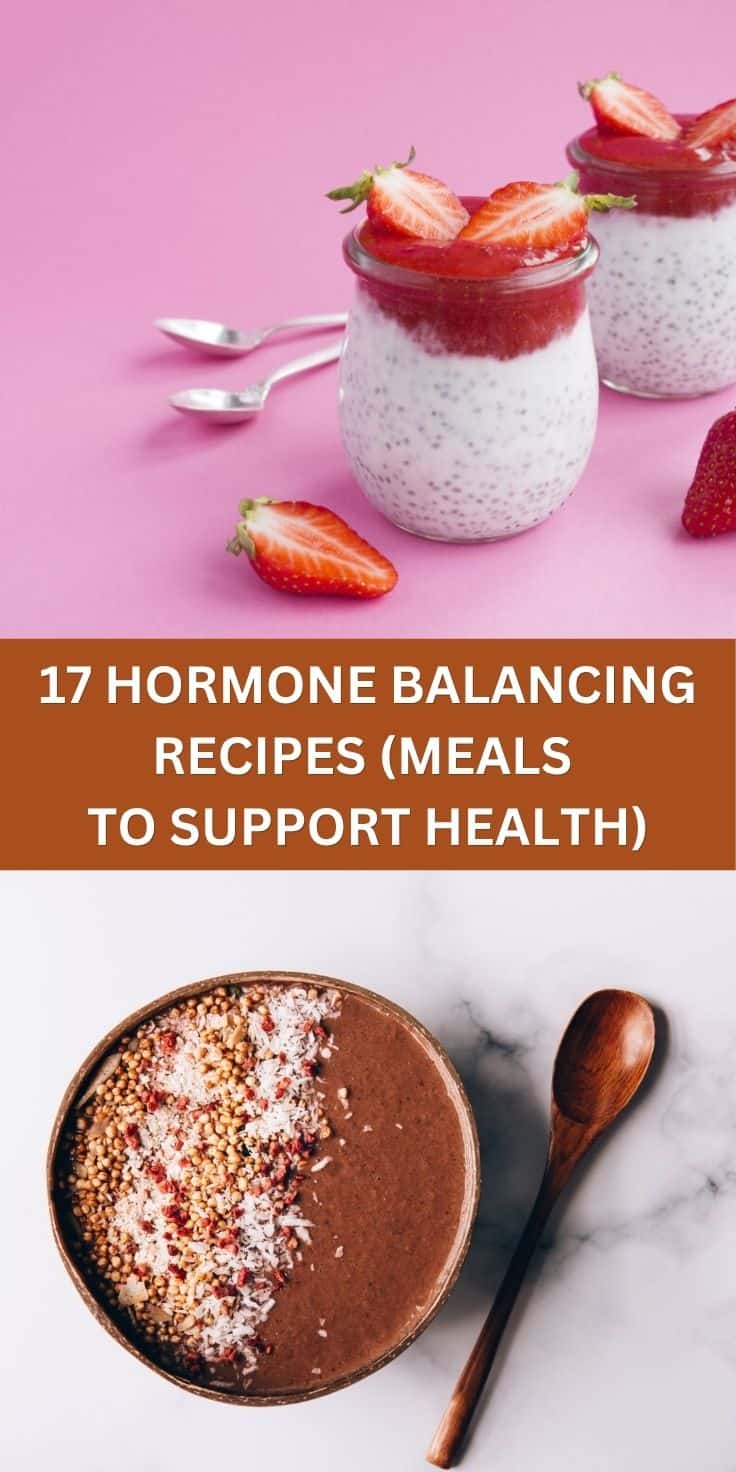
Hormone Balancing Recipes for Every Meal of the Day
17. Seed Cycling Smoothie (Follicular Phase)
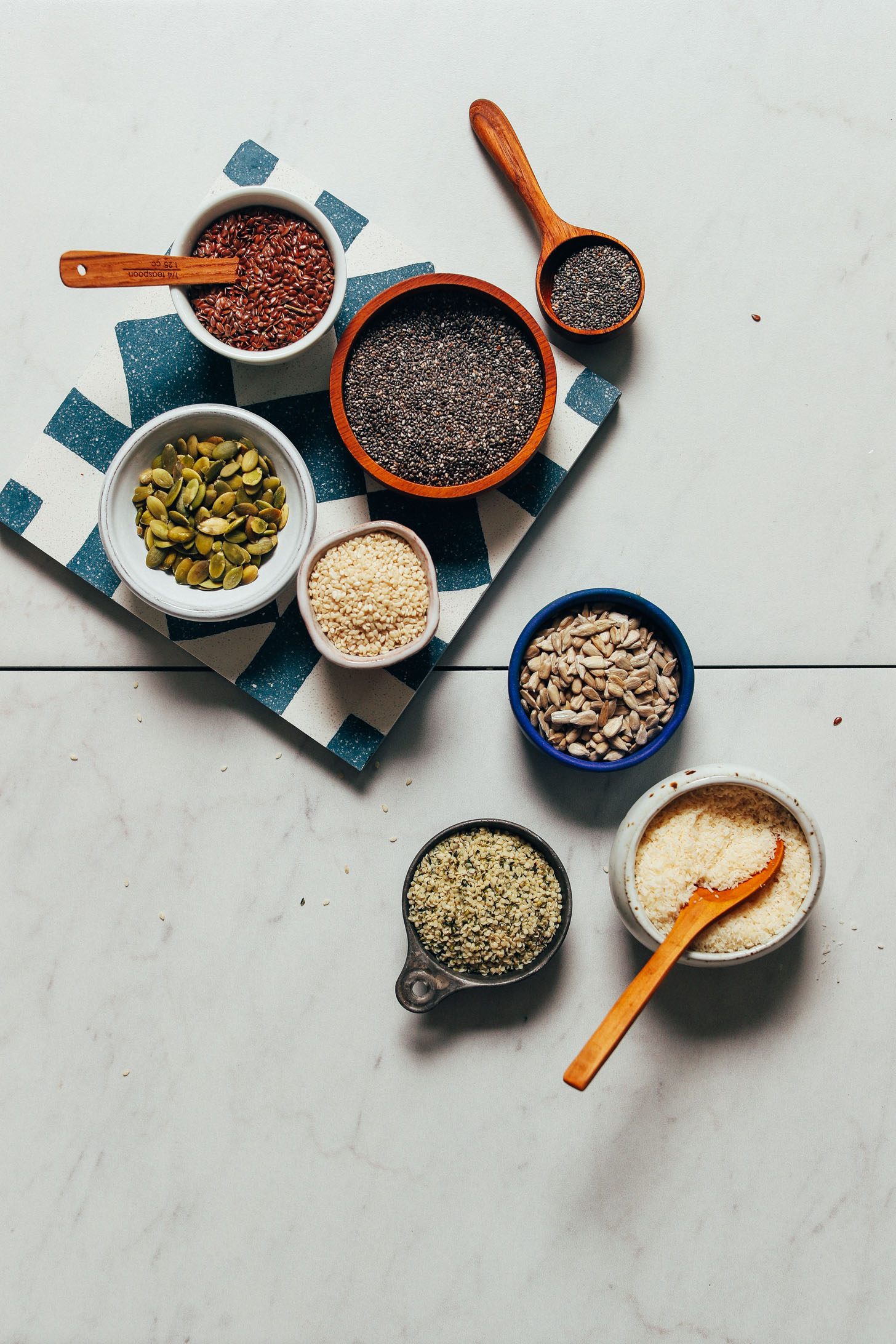
A creamy smoothie built around pumpkin seeds and ground flaxseed — the seed cycling combination for days 1-14 of the menstrual cycle that supports estrogen production and regulation. Pumpkin seeds provide zinc (essential for progesterone production in the luteal phase) and flaxseeds provide lignans that support healthy estrogen metabolism. One of the most elegant, evidence-informed hormone balancing recipes for daily use.
Ingredients:
- 1 tablespoon ground flaxseed (lignans support estrogen metabolism)
- 1 tablespoon pumpkin seeds (zinc, magnesium)
- 1 cup frozen mango or pineapple
- 1 banana
- 1 cup coconut milk or almond milk
- 1 teaspoon turmeric powder
- ½ teaspoon cinnamon
- 1 teaspoon honey
- Pinch of black pepper (for turmeric absorption)
Instructions:
- Add all ingredients to a high-powered blender. For the most effective hormone support from flaxseed, use freshly ground flaxseed rather than pre-ground — flaxseed's lignans are most bioavailable when the seed coat is freshly broken. Grind whole flaxseeds in a coffee grinder in small batches and store in the refrigerator for up to 2 weeks. Whole flaxseeds pass through the digestive system largely undigested and provide very little hormonal benefit.
- Blend on highest speed for 90 seconds until completely smooth. The pumpkin seeds should be completely broken down — any remaining visible pumpkin seed pieces indicate insufficient blending. Taste and adjust honey — the mango and banana provide natural sweetness but the turmeric adds a slightly bitter note that some people prefer to offset with a touch more honey.
- This smoothie is specifically designed for days 1-14 of the menstrual cycle (follicular phase). During the luteal phase (days 15-28), switch to sesame seeds and sunflower seeds — sunflower seeds provide vitamin E that supports progesterone production while sesame provides lignans that support hormone clearance during the second half of the cycle.
- Drink immediately for maximum nutrition informational benefit. The warm golden color from turmeric and mango makes this a beautiful, vibrant start to any morning. Consumed consistently throughout the appropriate phase of the cycle, seed cycling smoothies are one of the most practical and genuinely enjoyable approaches to nutritional hormone support available.
16. Cruciferous Vegetable Stir-Fry
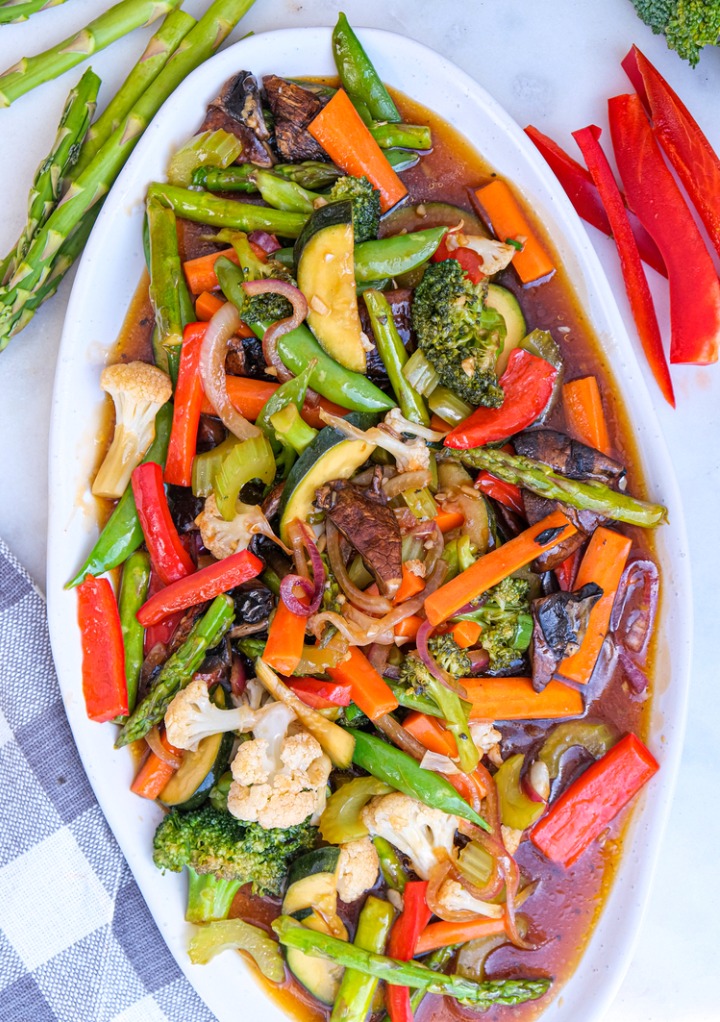
Broccoli, cauliflower, brussels sprouts, and kale stir-fried with garlic, ginger, and a sesame-ginger sauce — cruciferous vegetables contain DIM (diindolylmethane) and indole-3-carbinol, compounds that support the liver's Phase 2 detoxification of excess estrogen. One of the most evidence-backed categories of hormone-supporting foods and one of the most delicious when prepared with proper high-heat caramelization.
Ingredients:
- 2 cups broccoli florets
- 1 cup cauliflower florets
- 1 cup Brussels sprouts, halved
- 2 cups kale, stems removed and torn
- 4 cloves garlic, minced
- 1-inch fresh ginger, grated
- Sauce: 3 tablespoon tamari, 1 tablespoon sesame oil, 1 tablespoon rice vinegar, 1 teaspoon honey, ½ teaspoon red pepper flakes
- Sesame seeds, brown rice for serving
Instructions:
- Whisk sauce ingredients together and set aside. The tamari (or soy sauce) provides the umami base while sesame oil adds aromatic depth and rice vinegar brightens the whole sauce — this combination makes cruciferous vegetables genuinely craveable rather than something eaten out of obligation. Heat a large wok or heavy skillet over the highest heat until smoking.
- Add Brussels sprouts first — they need the most cooking time. Stir-fry without moving for 2-3 minutes until the flat cut sides develop deep golden caramelization. Add broccoli and cauliflower and stir-fry 3-4 more minutes until both begin showing charred edges and are tender-crisp throughout when pressed.
- Add garlic and ginger — stir constantly 30 seconds until extremely fragrant. Add kale and toss until wilted — about 2 minutes. The kale wilts quickly and becomes silky from the residual oil in the pan. Pour sauce over everything and toss vigorously for 60-90 seconds until all vegetables are evenly glazed.
- Serve immediately over brown rice. Scatter sesame seeds generously across the top. For maximum DIM bioavailability from cruciferous vegetables, serve with a small amount of healthy fat — the sesame oil in the sauce and any added olive oil increase the absorption of DIM and other fat-soluble compounds from the vegetables. Aim for cruciferous vegetables at least 4-5 times per week for meaningful hormone support.
15. Salmon and Avocado Grain Bowl
:max_bytes(150000):strip_icc():format(webp)/__opt__aboutcom__coeus__resources__content_migration__serious_eats__seriouseats.com__images__2016__06__20160702-salmon-rice-bowl3-30cfd40dfc5941d8b992f5fbb543031c.jpg)
Wild salmon and avocado over brown rice with edamame, pickled ginger, cucumber, and a tahini-miso dressing — omega-3 fatty acids from salmon are essential for prostaglandin production which regulates menstrual cycles, and the healthy monounsaturated fats in avocado are the direct building blocks for steroid hormones including estrogen, progesterone, and testosterone. One of the most hormone-supportive single meals possible.
Ingredients:
- 5 oz wild salmon fillet, baked or grilled
- ½ ripe avocado, sliced
- ½ cup cooked brown rice
- ½ cup shelled edamame
- 1 tablespoon pickled ginger
- ½ English cucumber, sliced
- Tahini miso dressing: 2 tablespoon tahini, 1 tablespoon white miso, juice of 1 lemon, 1 teaspoon honey, 1 teaspoon grated ginger, 2 tablespoon warm water — whisk smooth
- Sesame seeds and microgreens
Instructions:
- Bake salmon at 400°F for 12-14 minutes until it flakes easily. While salmon bakes, prepare the tahini-miso dressing — white miso is a fermented food that supports gut health, which is directly linked to hormone balance through the estrobolome (the collection of gut bacteria that metabolize estrogen). A healthy gut microbiome properly clears used estrogen from the body; an impaired gut microbiome recirculates it, contributing to estrogen dominance.
- Build the bowl with intention — each component contributes to hormonal health in a different way. Brown rice provides fiber that supports estrogen clearance through the digestive system. Edamame provides phytoestrogens that have a modulating effect on estrogen receptors. Pickled ginger supports digestion and liver function, both central to hormone metabolism.
- Arrange all components in distinct sections across the bowl so each ingredient is visible and identifiable. The composed arrangement also makes eating intentional — you're aware of what you're eating and why it's supportive of your health goals, which is itself a meaningful aspect of food-as-medicine eating.
- Drizzle tahini-miso dressing over the entire bowl. Scatter sesame seeds and microgreens across the surface. The combination of omega-3s from salmon, healthy fats from avocado and tahini, phytoestrogens from edamame, and fermented miso creates one of the most comprehensively hormone-supportive bowls possible in a genuinely beautiful, satisfying format.
14. Blood Sugar Balancing Breakfast Bowl
:max_bytes(150000):strip_icc():format(webp)/LWWD-Chocolate-Strawberry-Shake-Beauty-V1-1x1-0147cec0e883408f985b75853d26ad41.jpg)
A protein-fat-fiber breakfast combining Greek yogurt, berries, ground flaxseed, walnuts, and a small amount of low-glycemic sweetener — designed specifically to prevent the blood sugar spike and crash cycle that disrupts insulin, cortisol, and ultimately every other hormonal system. Stable blood sugar is the foundation of hormonal balance and this breakfast bowl achieves it through the most delicious possible format.
Ingredients:
- 1 cup full-fat plain Greek yogurt
- ½ cup mixed berries (low glycemic, high antioxidant)
- 1 tablespoon ground flaxseed
- ¼ cup walnuts, roughly chopped
- 1 tablespoon almond butter
- 1 teaspoon raw honey (minimal, for flavor)
- ½ teaspoon cinnamon
- 1 tablespoon hemp seeds
Instructions:
- The structural principle of this hormone balancing breakfast: protein + fat + fiber eaten together at the start of the day before any carbohydrates — this combination is the most effective dietary approach to preventing the morning cortisol spike that triggers insulin dysregulation. Greek yogurt provides the protein, walnuts and almond butter provide the fat, and flaxseed and berries provide the fiber. This sequence creates a stable blood sugar curve throughout the morning.
- Spoon Greek yogurt into a wide bowl. Immediately add almond butter in a swirl on top — eating fat with dairy protein slows digestion and extends the satiety and blood sugar stability that this breakfast is designed to create. Scatter berries across the surface — their low glycemic index means they add sweetness without the insulin spike of higher-sugar fruits.
- Add ground flaxseed, hemp seeds, walnuts, and cinnamon — cinnamon specifically has documented effects on insulin sensitivity and blood sugar regulation and is one of the most evidence-backed culinary ingredients for hormonal balance. A consistent daily dose of ½ teaspoon of true Ceylon cinnamon is associated with improved insulin sensitivity over time.
- Drizzle a very small amount of raw honey in a thin spiral as the final touch — the small amount adds flavor and the raw honey retains beneficial enzymes without providing enough glycemic load to undermine the blood sugar stability the bowl is designed to create. Eat this breakfast every morning consistently for the most meaningful hormonal benefit from dietary change.
13. Maca and Cacao Energy Balls
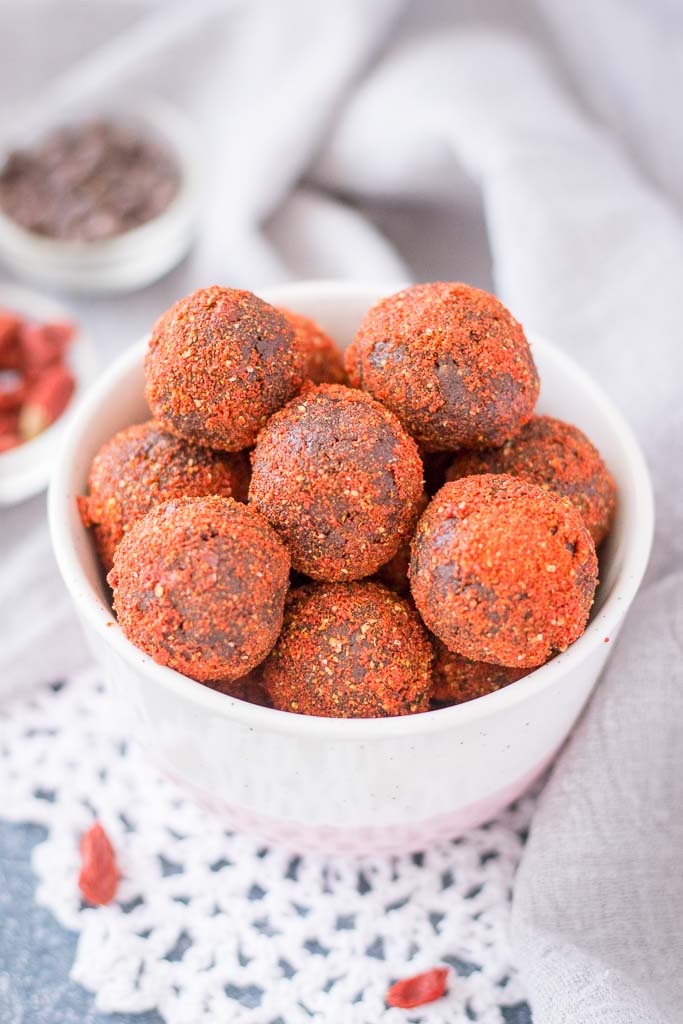
No-bake energy balls made with maca powder, raw cacao, almond butter, oats, and dates — maca is one of the most studied adaptogenic foods for hormonal support, with evidence for supporting hypothalamic-pituitary function which regulates cortisol, thyroid hormones, and sex hormones. Combined with cacao's magnesium content (essential for progesterone production), these are hormone balancing recipes at their most snackable.
Ingredients (makes 16 balls):
- 1 cup old-fashioned oats
- ½ cup almond butter or cashew butter
- 6 Medjool dates, pitted and soaked in warm water 10 minutes
- 2 tablespoons maca powder (start with 1 tablespoon if new to maca)
- 2 tablespoons raw cacao powder
- 1 tablespoon ground flaxseed
- 2 tablespoons mini chocolate chips
- Pinch of sea salt
Instructions:
- Drain and roughly chop the soaked dates — soaking softens them and makes them much easier to blend evenly into the mixture. Process drained dates in a food processor until they form a thick paste. Add almond butter, maca powder, raw cacao, ground flaxseed, and salt. Process until completely combined and the mixture has a uniform dark brown color throughout.
- Transfer to a large bowl. Add oats and chocolate chips and mix thoroughly with your hands or a wooden spoon — the mixture should be stiff enough to hold a ball shape when pressed and not sticky enough to coat your palms. If too sticky, add 2 tablespoons more oats. If too dry to hold together, add 1 tablespoon more almond butter.
- Roll into balls using about 1½ tablespoons of mixture per ball — a small cookie scoop ensures consistent sizing. Roll firmly between your palms to create smooth, compact balls. Place on a parchment-lined baking sheet. The rolling takes about 5 minutes for the entire batch.
- Refrigerate minimum 30 minutes until firm. Store in a sealed container in the refrigerator for up to 2 weeks or freeze for up to 3 months. Eat 1-2 balls as a mid-afternoon snack for sustained energy and a small dose of maca's adaptogenic support. Maca powder has an earthy, slightly nutty, malt-like flavor that pairs beautifully with cacao and almond butter in a way that makes these genuinely delicious rather than medicinal-tasting.
12. Warming Spearmint Tea

Fresh or dried spearmint brewed into a light, refreshing herbal tea — spearmint is one of the most studied herbs for hormonal support in women, with several small studies demonstrating anti-androgenic effects that may support conditions of hormone imbalance involving excess androgens. One of the simplest hormone balancing recipes requiring only spearmint and hot water, best consumed twice daily.
Ingredients:
- 2 tablespoons fresh spearmint leaves (or 1 teaspoon dried spearmint)
- 2 cups boiling water
- Honey to taste (optional)
- Fresh lemon wedge (optional)
Instructions:
- Place fresh spearmint leaves in a teapot or heatproof mug. Pour boiling water over the leaves. Cover and steep for 5-7 minutes — longer steeping creates a more concentrated brew with stronger flavor and more potent phytocompound extraction. Don't over-steep past 10 minutes as the tea can become bitter.
- Strain the tea through a fine mesh strainer into a clean cup. The finished tea should be pale green with a bright, refreshing mint aroma. The flavor of spearmint tea is considerably lighter and sweeter than peppermint tea — it's genuinely pleasant to drink rather than medicinally sharp.
- Add honey if desired — raw honey preserves its beneficial enzymes and adds a pleasant sweetness without significantly affecting the hormonal properties of the spearmint. A squeeze of fresh lemon adds vitamin C which supports iron absorption alongside the tea.
- Drink 2 cups daily — one in the morning and one in the afternoon — for consistency. The research on spearmint's hormonal effects used daily consumption over weeks rather than occasional use. Spearmint tea is specifically supportive for women — it's one of the most targeted and evidence-informed hormone balancing recipes available from a simple, widely available culinary herb.
11. Flaxseed Overnight Oats
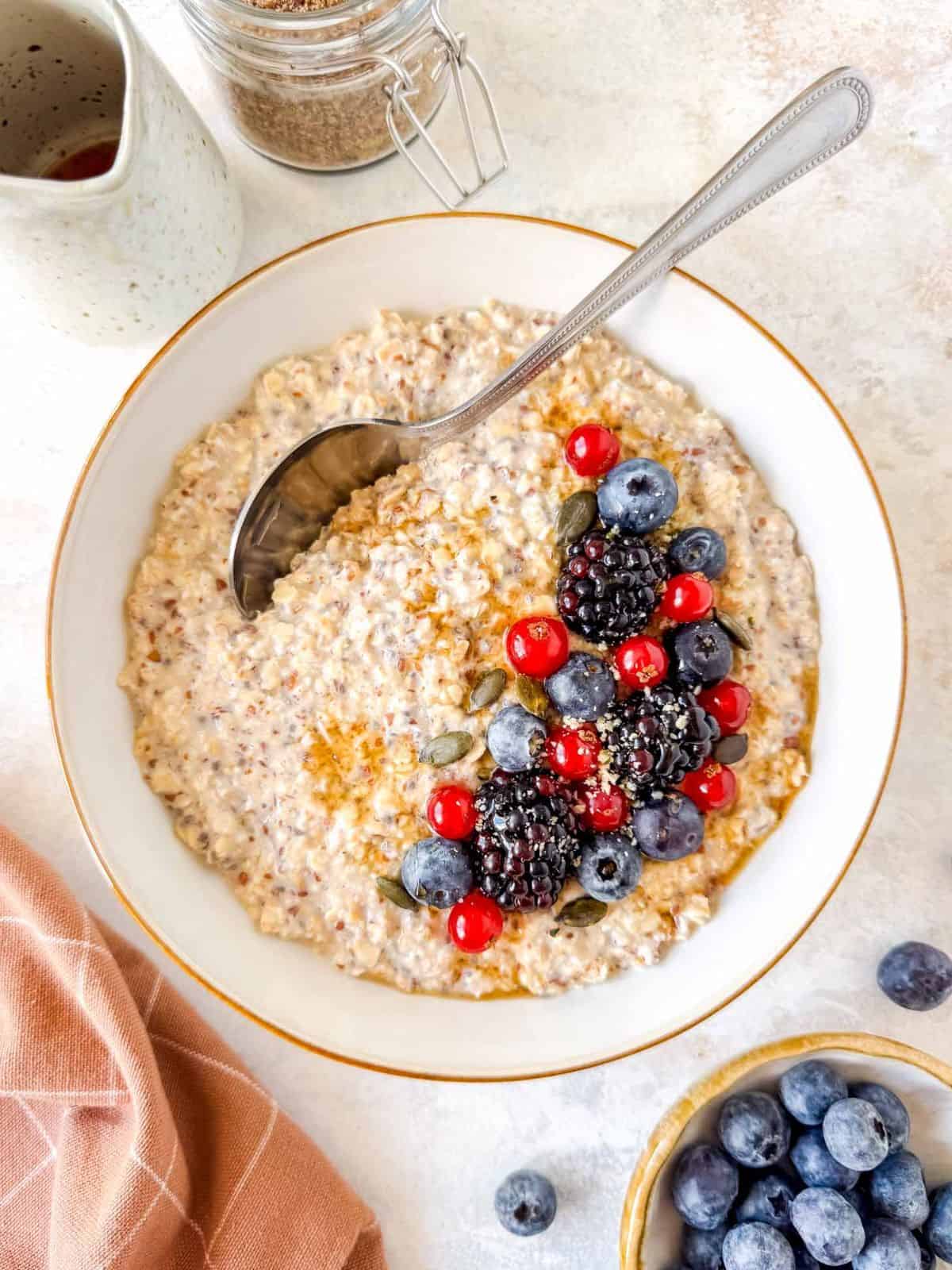
Overnight oats with a generous amount of freshly ground flaxseed — flaxseed contains more lignans than any other food, and lignans are phytoestrogens that modulate estrogen receptor activity in both directions (supporting levels when low and competing with excess estrogen when high). One of the most practical and effortless hormone balancing recipes for daily consumption.
Ingredients:
- 1 cup old-fashioned rolled oats
- 2 tablespoons freshly ground flaxseed (must be ground for bioavailability)
- 1¼ cups plain kefir or almond milk
- 1 tablespoon chia seeds
- 1 teaspoon cinnamon
- 1 tablespoon maple syrup
- Fresh berries and sliced almonds for topping
Instructions:
- Grind flaxseed fresh if possible — the lignans in whole flaxseeds are largely unavailable because the tough seed coat passes through the digestive system intact. Ground flaxseed releases the lignans completely. Buy whole flaxseeds and grind in a small coffee grinder — grind a week's worth at once and store in a sealed container in the refrigerator. Pre-ground flaxseed also works well if kept refrigerated and used within 2 weeks of grinding.
- Combine oats, freshly ground flaxseed, kefir or almond milk, chia seeds, cinnamon, and maple syrup in a jar. Stir very thoroughly — the chia seeds and flaxseed both need to be evenly distributed to hydrate properly overnight. Cover and refrigerate overnight or minimum 6 hours.
- Prepare 5 jars on Sunday for the entire week — this is one of the most effective meal prep strategies for consistent hormone-supporting food consumption. Consistent daily flaxseed consumption is significantly more effective than occasional larger doses for the hormonal modulating effect of lignans.
- In the morning, stir and adjust consistency with additional milk if too thick. Top with fresh berries, sliced almonds, and a small extra sprinkle of ground flaxseed. Berries' antioxidants support the liver function that's central to healthy hormone metabolism. The almond topping provides vitamin E, which is specifically important for progesterone support during the luteal phase of the cycle.
10. Ashwagandha Golden Milk
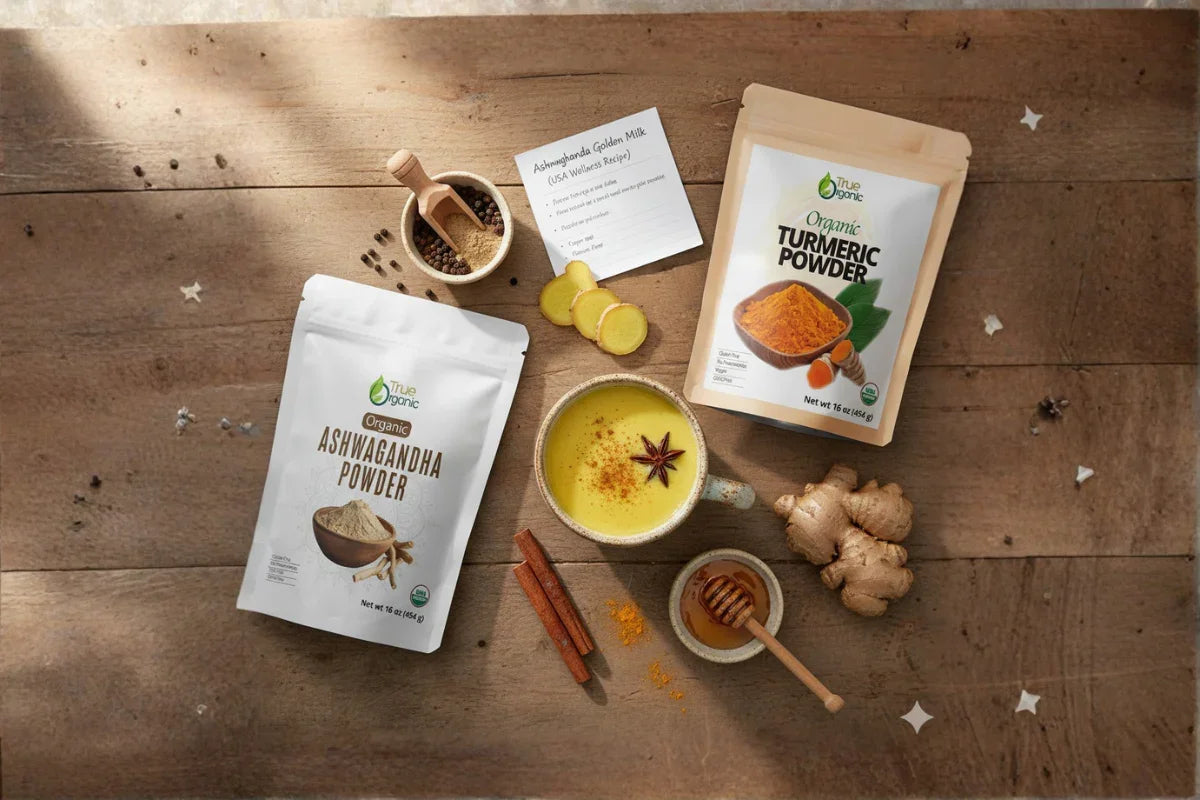
Warm milk with ashwagandha, turmeric, cinnamon, ginger, and honey — ashwagandha is the most extensively studied adaptogenic herb for cortisol regulation, with multiple clinical trials showing significant reductions in cortisol levels and self-reported stress after 60 days of consistent use. Since elevated cortisol disrupts virtually every other hormone in the body, cortisol support is foundational to overall hormonal balance.
Ingredients:
- 2 cups whole milk, oat milk, or coconut milk
- ½ teaspoon ashwagandha powder (start with ¼ teaspoon if new to it)
- ½ teaspoon turmeric
- ½ teaspoon cinnamon
- ¼ teaspoon fresh ginger, grated
- ¼ teaspoon black pepper
- 1-2 teaspoons raw honey
- Small pinch of cardamom
Instructions:
- Combine all ingredients except honey in a small saucepan over medium heat. Whisk continuously while heating to prevent the powders from settling to the bottom and creating lumps. Heat until the milk is steaming hot and just beginning to simmer at the edges — about 4-5 minutes. Never boil as this degrades some of the heat-sensitive compounds in both turmeric and ashwagandha.
- Taste before adding honey — ashwagandha has a distinctive earthy, slightly bitter flavor that some people find pleasant and others find challenging. If the earthiness is too pronounced for your taste, start with ¼ teaspoon and gradually increase to the full ½ teaspoon over 2-3 weeks as your palate adjusts. Honey effectively masks much of the earthiness when added at the right amount.
- For a frothier latte-style preparation, blend briefly after heating — 20 seconds in a blender creates a beautiful foam. Alternatively, use a handheld milk frother directly in the saucepan after removing from heat for the same effect with less cleanup.
- Drink in the evening — ashwagandha's cortisol-lowering and mildly sedative properties make it most appropriate as an evening ritual rather than a morning drink. Consistent evening consumption over 60 days is when the clinical research shows the most meaningful effects on cortisol levels and subjective stress. This makes ashwagandha golden milk one of the most ritual-worthy and evidence-supported hormone balancing recipes for daily use.
9. Liver-Supporting Beet and Carrot Salad

Shredded raw beets and carrots with apple cider vinegar, fresh herbs, and good olive oil — raw beets contain betaine and betalains that specifically support liver Phase 1 and Phase 2 detoxification pathways, which are responsible for metabolizing and clearing used hormones from the body. This simple daily salad is one of the most targeted liver-supporting hormone balancing recipes available.
Ingredients:
- 2 medium raw beets, peeled and shredded on a box grater
- 2 large carrots, shredded
- 2 tablespoons raw apple cider vinegar with the mother
- 2 tablespoons good olive oil
- 1 tablespoon fresh lemon juice
- 1 tablespoon fresh parsley, chopped
- 1 teaspoon honey
- Salt and cracked pepper
- Optional: 1 tablespoon ground flaxseed mixed in
Instructions:
- Shred beets on the coarse side of a box grater — wear gloves or accept temporarily pink hands. Raw beets are significantly more liver-supportive than cooked beets for this application since heat degrades betaine, the specific compound most directly involved in methylation and Phase 2 liver detoxification. This is one of the few hormone balancing recipes where raw specifically outperforms cooked preparation.
- Combine shredded beets and carrots in a bowl. Whisk apple cider vinegar, olive oil, lemon juice, and honey together until emulsified. Pour over the shredded vegetables and toss thoroughly. Season generously with salt and pepper. Let sit 10-15 minutes before eating — the brief marination softens the raw beet slightly and intensifies all the flavors.
- Add chopped parsley and ground flaxseed if using. The fresh parsley provides parsley's own liver-supporting compounds while adding fresh herbal flavor. Ground flaxseed adds lignans that complement the beets' hormone support through a different mechanism — together they create a more comprehensively hormone-supportive salad than either ingredient alone.
- Eat a small portion of this raw beet and carrot salad daily as a consistent practice rather than a large occasional serving — the liver-supporting effects are cumulative and consistent daily small amounts are more effective than irregular large amounts. This salad keeps refrigerated 2-3 days and can be made in larger batches on Sunday for the week.
8. Magnesium-Rich Dark Chocolate Mousse

A light, airy dark chocolate mousse made with high-cacao dark chocolate and coconut cream — magnesium is one of the most important minerals for hormonal health, involved in progesterone production, cortisol regulation, and managing PMS symptoms. Dark chocolate (70%+ cacao) is one of the highest food sources of magnesium available, making this genuinely indulgent dessert one of the most delicious hormone balancing recipes imaginable.
Ingredients (serves 4):
- 6 oz dark chocolate, 70%+ cacao, finely chopped
- 1 (14 oz) can full-fat coconut cream, refrigerated overnight
- 2 tablespoons maple syrup
- 1 teaspoon vanilla extract
- Pinch of sea salt
- Fresh berries and a sprinkle of cacao nibs for serving
Instructions:
- Open the refrigerated coconut cream can without shaking it — the cream will have separated to the top with the liquid below. Scoop out only the solid white cream into a chilled bowl, leaving the liquid (save for smoothies). Whip the cold coconut cream with an electric mixer on high speed for 3-4 minutes until it reaches stiff peaks — it whips identically to heavy cream. The cold temperature is essential — warm coconut cream won't whip.
- Melt dark chocolate using a double boiler method until completely smooth. Cool for 10-15 minutes until at room temperature but still liquid — hot chocolate added to the whipped coconut cream will deflate it completely. Stir maple syrup, vanilla, and salt into the cooled melted chocolate.
- Fold the chocolate mixture into the whipped coconut cream in three additions — fold gently each time to preserve the volume. Some visible chocolate streaks after the first addition are fine. By the third addition the mousse should be completely uniform in color. Divide into individual serving cups or glasses.
- Refrigerate 2-4 hours until firm. Top each mousse with fresh berries and a sprinkle of raw cacao nibs before serving — cacao nibs add crunch and an additional concentrated dose of magnesium and flavonoids. This dessert delivers a genuinely meaningful amount of magnesium per serving and is one of the most joyful hormone balancing recipes for anyone who loves chocolate.
7. Zinc-Rich Pumpkin Seed Pesto Pasta
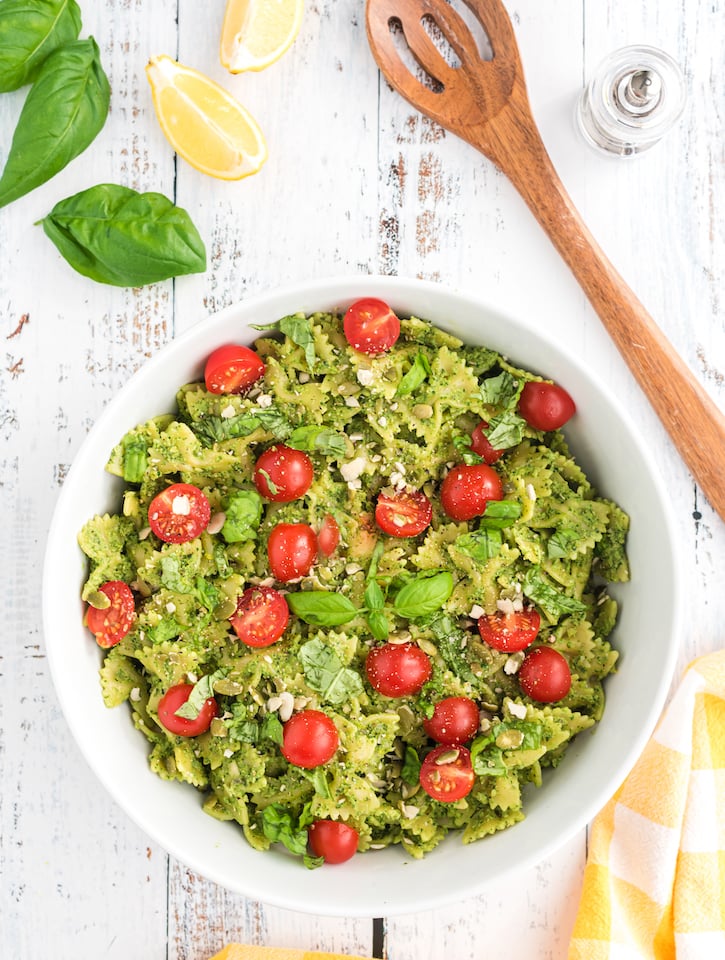
Pasta tossed in a vibrant green pumpkin seed pesto — pumpkin seeds are one of the highest plant sources of zinc, a mineral critical for progesterone production, thyroid hormone function, and overall hormonal balance. Traditional pesto uses pine nuts; this version uses pumpkin seeds throughout, creating a more nutritionally powerful sauce with a beautifully nutty, slightly earthy flavor that's genuinely extraordinary.
Ingredients:
- 12 oz pasta (linguine or penne)
- 1 cup raw pumpkin seeds, toasted
- 2 cups fresh basil leaves
- ½ cup Parmesan, grated
- 3 cloves garlic
- Juice of 1 lemon
- ½ cup good olive oil
- Salt and black pepper
- Cherry tomatoes and extra pumpkin seeds for serving
Instructions:
- Toast pumpkin seeds in a dry skillet over medium heat for 4-5 minutes, tossing frequently, until they begin popping and smell toasted and nutty. Cool slightly. Process toasted pumpkin seeds, basil, Parmesan, garlic, and lemon juice in a food processor until roughly chopped. With the processor running, pour olive oil in a slow steady stream until the pesto reaches a smooth, slightly textured consistency. Season generously with salt and pepper.
- Cook pasta in heavily salted boiling water until al dente. Reserve 1 cup pasta water before draining. The pasta water is essential for creating a silky, cohesive pesto sauce — its starch and salt emulsify with the olive oil-based pesto to create a sauce that coats every piece of pasta rather than pooling at the bottom.
- Toss drained pasta with pumpkin seed pesto in the pot over very low heat, adding pasta water tablespoon by tablespoon until the sauce coats every strand. The low heat warms the pesto gently — high heat would brown the fresh basil and create a bitter flavor.
- Serve immediately in warm bowls with halved cherry tomatoes, extra toasted pumpkin seeds scattered across the surface, and additional Parmesan grated at the table. The pumpkin seed pesto keeps refrigerated for 5 days with a thin layer of olive oil on the surface — having it ready makes this one of the most effortlessly repeatable hormone balancing recipes throughout the week.
6. Anti-Androgen Spearmint Iced Tea
:max_bytes(150000):strip_icc():format(webp)/Health-GettyImages-1344984510-13ffe863df884b4f930e90abd952553f.jpg)
Chilled spearmint tea with lemon, honey, and sparkling water — all the hormonal support of the warming spearmint tea in a refreshing cold-weather alternative. Spearmint's documented anti-androgenic effects make it one of the most targeted hormone balancing recipes available, and this cold version makes consistent daily consumption genuinely pleasant year-round without requiring a warm beverage habit.
Ingredients (makes 4 glasses):
- 6 tablespoons fresh spearmint leaves (or 3 teaspoon dried)
- 4 cups boiling water
- 2 tablespoons raw honey
- Juice of 2 lemons
- Ice and sparkling water for serving
- Fresh mint and lemon slices for garnish
Instructions:
- Steep spearmint in boiling water for 7-10 minutes — a longer steep than the warm version since this tea will be diluted with ice and sparkling water. The longer steep extracts more of the beneficial phytocompounds and creates a more concentrated base that remains flavorful when chilled and diluted.
- Strain the tea and add honey while still warm — the warmth dissolves honey immediately and evenly. Stir until completely dissolved. Add lemon juice. Cool to room temperature, then transfer to a pitcher and refrigerate until cold — minimum 2 hours.
- To serve: fill glasses with ice. Pour chilled spearmint tea to half full. Top with sparkling water for effervescence. Stir gently. Garnish with a fresh mint sprig and a lemon slice placed on the rim of the glass.
- Store the unsparkling chilled tea base in a sealed pitcher in the refrigerator for up to 5 days — add sparkling water only at serving time to preserve the carbonation. Drinking 2 glasses daily (each made from approximately 1 tablespoon of fresh spearmint) is consistent with the amounts used in the research studies on spearmint's hormonal effects.
5. Omega-3 Chia Pudding
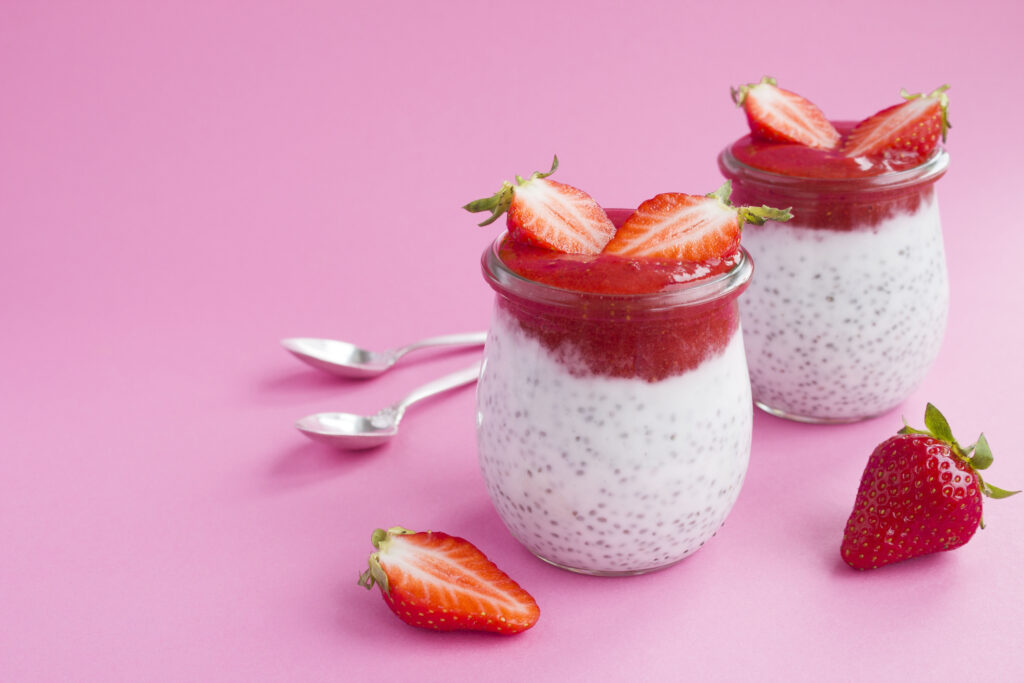
Chia seeds soaked overnight in coconut milk with vanilla and honey — chia seeds are extraordinary sources of ALA omega-3 fatty acids (the plant form) and the richest source of lignans among all seeds after flaxseed. The coconut milk's medium-chain fatty acids provide the healthy fats that are essential building blocks for steroid hormone production, making this an outstanding hormone-supporting breakfast or dessert.
Ingredients (serves 2):
- ¼ cup chia seeds
- 1 cup full-fat coconut milk
- ½ cup almond milk
- 1 tablespoon honey or maple syrup
- 1 teaspoon vanilla extract
- Pinch of sea salt
- Toppings: fresh mango, kiwi, toasted coconut flakes, additional chia seeds, hemp seeds
Instructions:
- Combine chia seeds, coconut milk, almond milk, honey, vanilla, and salt in a jar. Stir very thoroughly for 2 minutes — chia seeds clump aggressively if not actively stirred immediately after adding liquid. After initial stirring, wait 5 minutes and stir again to break up any clumps that have formed. Cover and refrigerate overnight or minimum 4 hours.
- Check consistency in the morning — the chia pudding should be thick and spoonable with a texture similar to tapioca pudding. If it's too thick, stir in 2-3 tablespoons additional milk. If it's still watery with seeds that haven't hydrated, the seeds may need more time or the brand of chia seeds may need a higher ratio of seeds to liquid.
- Prepare toppings immediately before serving — fresh tropical fruits like mango and kiwi that are high in vitamin C help convert plant-based ALA omega-3s into the more active forms EPA and DHA (though conversion is limited). This makes vitamin C-rich fruit toppings a genuinely complementary addition to this hormone-supporting recipe rather than merely decorative.
- Layer the chia pudding with toppings in a tall glass for the most beautiful presentation — pudding, fruit, coconut flakes, more pudding, more fruit. Or simply spoon into a bowl and arrange toppings across the surface. Hemp seeds added to the topping contribute their own complete amino acid profile and omega-3 content, further amplifying the hormone-supporting nutritional profile of this recipe.
4. Fiber-Rich Lentil Dal

Red lentils cooked with turmeric, ginger, cumin, and coconut milk into a deeply warming, silky dal — dietary dietary fiber benefits is one of the most critical but overlooked components of hormonal health, as it binds to excess estrogen in the digestive system and promotes its clearance rather than reabsorption. Red lentils are one of the highest fiber legumes available and one of the most delicious hormone balancing recipes for consistent weekly consumption.
Ingredients:
- 1½ cups red lentils, rinsed
- 1 large onion, diced
- 4 cloves garlic, minced
- 2-inch fresh ginger, grated
- 1 (14 oz) can full-fat coconut milk
- 2 cups vegetable broth
- 2 teaspoon turmeric, 1 teaspoon cumin, 1 teaspoon coriander, ½ teaspoon black pepper
- Juice of 1 lemon, salt, olive oil
- Fresh cilantro and plain yogurt for serving
Instructions:
- Heat olive oil in a large pot over medium heat. Sauté diced onion 8-10 minutes until very soft and beginning to turn golden. Add garlic and ginger 2 minutes. Add all spices and stir constantly for 1-2 minutes, blooming them in the hot oil — spice blooming is the most important step for depth of flavor and also increases the bioavailability of turmeric's anti-inflammatory curcumin.
- Add rinsed red lentils, coconut milk, and vegetable broth. Stir well, season generously with salt and black pepper. Bring to a boil, reduce to a simmer, and cook uncovered for 20-25 minutes, stirring every 8-10 minutes, until red lentils have completely dissolved into the liquid and the dal is thick, silky, and deeply golden from the turmeric.
- Add lemon juice and stir — the acid brightens all the flavors dramatically and is particularly important in this recipe since turmeric's flavor can be earthy and flat without adequate acid balance. Taste and adjust salt, lemon, and spices. The dal should taste boldly seasoned, warmly spiced, and bright from the lemon.
- Serve over brown rice or with warm whole grain flatbread alongside. Top each bowl with a generous amount of fresh cilantro — cilantro contains phytonutrients that support liver detoxification and hormone metabolism. Add a spoonful of plain Greek yogurt or kefir which adds probiotics that support the gut microbiome's role in healthy estrogen clearance. This dal improves overnight and is one of the most practical hormone balancing recipes for weekly batch cooking.
3. Walnut and Berry Hormone-Supporting Salad
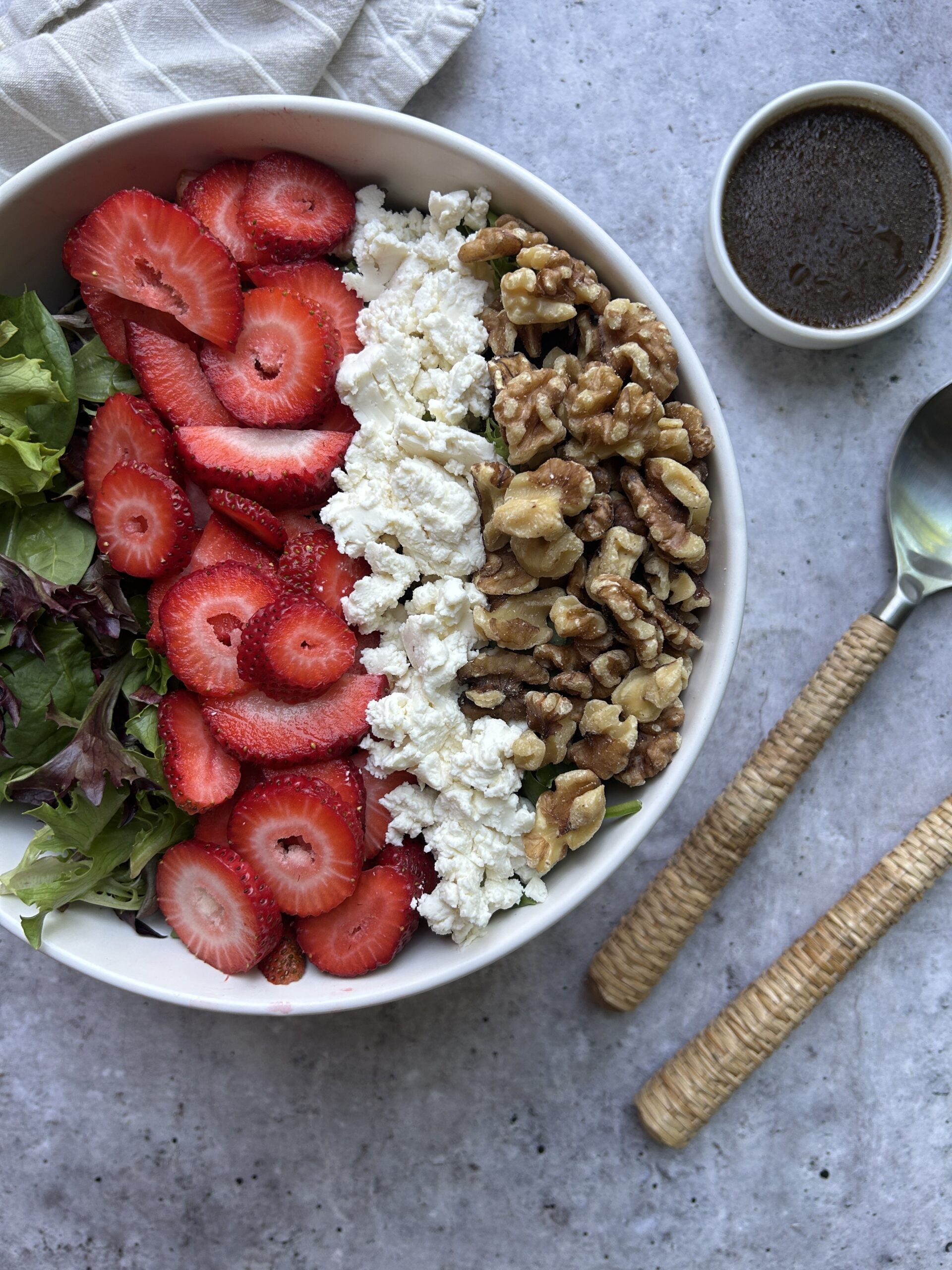
Baby spinach with walnuts, mixed berries, pumpkin seeds, avocado, and a flaxseed vinaigrette — every single ingredient in this salad contributes meaningfully to hormonal health: spinach's magnesium, walnuts' omega-3s, berries' antioxidants, pumpkin seeds' zinc, avocado's hormone-building fats, and flaxseed's lignans create one of the most comprehensively hormone-supportive salads imaginable in a genuinely beautiful format.
Ingredients:
- 4 cups baby spinach
- ½ cup walnuts, toasted
- ½ cup mixed berries (blueberries, raspberries, blackberries)
- ¼ cup pumpkin seeds, toasted
- ½ ripe avocado, sliced
- 2 oz goat cheese, crumbled
- Flaxseed vinaigrette: 1 tablespoon ground flaxseed, 3 tablespoon olive oil, 2 tablespoon apple cider vinegar, 1 teaspoon honey, 1 teaspoon Dijon, salt and pepper — whisk until emulsified
Instructions:
- Make the flaxseed vinaigrette by whisking all ingredients together — the ground flaxseed creates a slightly thicker, creamier dressing than a standard vinaigrette. The apple cider vinegar with the mother adds its own prebiotic benefit, and the Dijon acts as emulsifier. Taste and adjust balance — it should be pleasantly tangy with an earthy background note from the flaxseed.
- Place baby spinach in a large bowl. Add most of the walnuts and pumpkin seeds and toss briefly with just enough vinaigrette to coat lightly. Arrange dressed spinach on a large serving platter for the most beautiful composed presentation.
- Arrange all remaining toppings in distinct areas across the spinach: avocado slices fanned alongside one edge, berries scattered in colorful clusters throughout, crumbled goat cheese in small pieces, and the remaining walnuts and pumpkin seeds distributed across the surface.
- Drizzle remaining vinaigrette over the entire composed salad. The visual result should be a genuinely beautiful plate that communicates care and intention — a salad that looks extraordinary is eaten more consistently than a salad that looks perfunctory, and consistency is the foundation of all meaningful dietary support for hormonal health. Serve immediately after dressing.
2. Thyroid-Supporting Brazil Nut Snack Mix
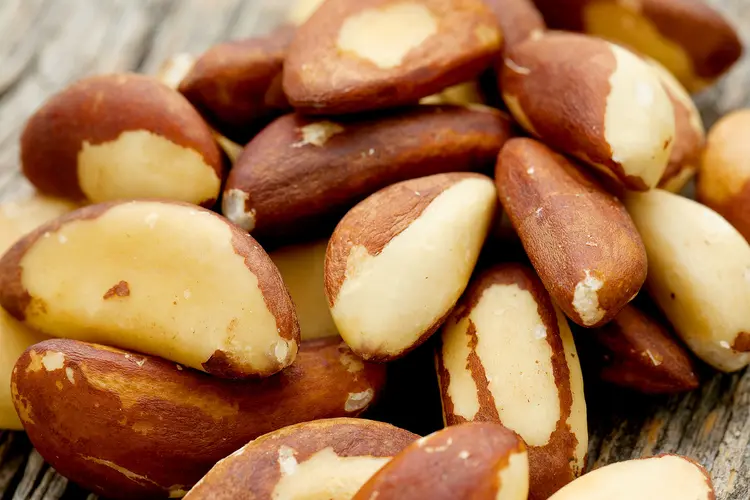
Brazil nuts, pumpkin seeds, sunflower seeds, dark chocolate chips, and dried tart cherries — Brazil nuts are the single richest food source of selenium, the mineral most essential for thyroid hormone production and conversion (T4 to the active T3 form). Just 2-3 Brazil nuts per day provides the entire recommended daily selenium intake. This snack mix makes hitting that target genuinely effortless and delicious.
Ingredients (makes 8 servings):
- 1 cup Brazil nuts (limit to 2-3 per day — selenium overdose is possible with very high amounts)
- ½ cup pumpkin seeds, lightly toasted
- ½ cup sunflower seeds, lightly toasted
- ¼ cup dark chocolate chips (70%+)
- ¼ cup dried tart cherries
- Pinch of sea salt and cinnamon
Instructions:
- Toast pumpkin seeds and sunflower seeds separately in a dry skillet over medium heat for 3-4 minutes each until fragrant and beginning to golden — toasting brings out their nutty flavor dramatically and makes them significantly more enjoyable as a snack component. Cool completely before mixing with chocolate chips to prevent melting.
- Combine all ingredients in a bowl and toss to mix evenly. The combination of Brazil nuts' selenium, pumpkin seeds' zinc, sunflower seeds' vitamin E, dark chocolate's magnesium, and tart cherries' antioxidants creates a genuinely comprehensive micronutrient profile for thyroid and overall hormonal support in a 2-tablespoon portion.
- Portion into individual snack bags or small containers — 2 tablespoons per container provides 2-3 Brazil nuts (the optimal daily selenium dose) alongside the other hormone-supporting seeds and chocolate. Pre-portioning prevents the easy tendency to overeat Brazil nuts, which can cause selenium toxicity when eaten in very large amounts.
- Store at room temperature for up to 2 weeks or refrigerate for up to 1 month. Eat one portion daily as a mid-afternoon snack. The combination of healthy fats, protein from the seeds, and small amount of dark chocolate creates a genuinely satisfying snack that stabilizes blood sugar — itself a hormone-balancing benefit — while delivering targeted micronutrient support for thyroid function and broader hormonal health.
1. The Complete Hormone Balancing Eating Guide
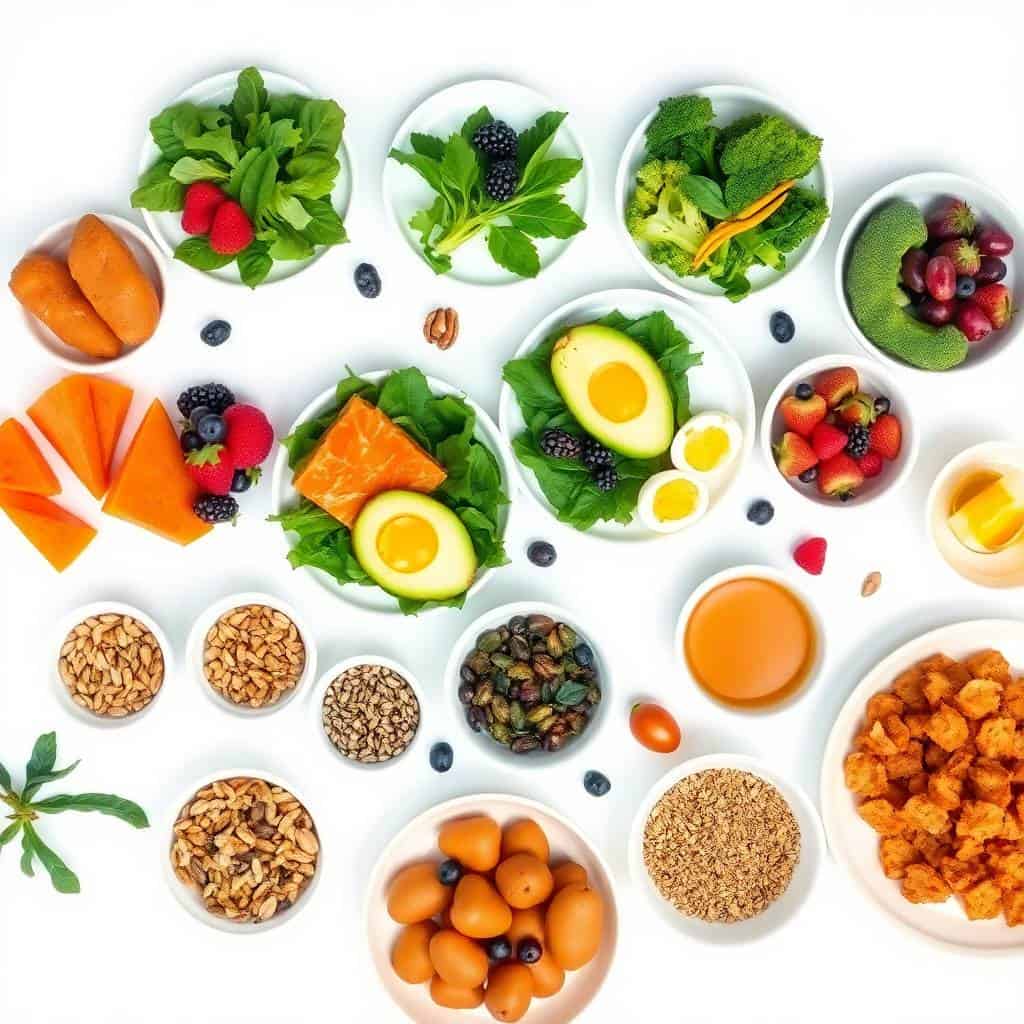
The definitive guide to eating for hormonal health — covering the key foods and nutrients that most powerfully support hormonal balance, the dietary patterns most associated with hormonal health in research, the foods most consistently associated with hormonal disruption, and the simple daily food habits that make meaningful hormonal support genuinely effortless and sustainable.
Key Nutrients for Hormonal Health:
- Omega-3 fatty acids: Essential for prostaglandin production and reducing inflammatory hormonal disruption — found in wild salmon, sardines, walnuts, flaxseed, chia seeds
- Zinc: Required for progesterone production and thyroid function — found in pumpkin seeds, oysters, beef, chickpeas
- Magnesium: Involved in progesterone production, cortisol regulation, and PMS symptom management — found in dark chocolate (70%+), leafy greens, pumpkin seeds, almonds
- Selenium: Essential for thyroid hormone production and T4-to-T3 conversion — found in Brazil nuts (2-3 daily), wild salmon, eggs
- Vitamin B6: Supports progesterone production and helps manage PMS — found in chickpeas, salmon, potatoes, bananas
- Vitamin E: Supports progesterone production in the luteal phase — found in sunflower seeds, almonds, olive oil, avocado
- Fiber: Supports estrogen clearance through the gut — found in legumes, cruciferous vegetables, flaxseed, oats
- DIM (diindolylmethane): Supports healthy estrogen metabolism — found in all cruciferous vegetables (broccoli, cauliflower, Brussels sprouts, kale)
Instructions:
- Prioritize blood sugar stability above all else: Insulin dysregulation from blood sugar spikes disrupts every other hormonal system — cortisol, estrogen, progesterone, testosterone, and thyroid all cascade from insulin stability. Every meal built on protein + fat + fiber before carbohydrates is the single most broadly hormone-supportive dietary practice available and the foundation upon which all other hormone-balancing eating rests.
- Eat cruciferous vegetables daily: Broccoli, cauliflower, Brussels sprouts, kale, arugula, and cabbage contain DIM and indole-3-carbinol that specifically support liver Phase 2 estrogen metabolism. Aim for at least one serving daily — lightly cooked (steaming, roasting) rather than raw optimizes DIM availability for most people.
- Support the liver intentionally: The liver metabolizes and clears all steroid hormones — a liver under stress from alcohol, processed foods, or excess sugar cannot efficiently clear used hormones, contributing to imbalance. Raw beets, dandelion greens, artichokes, garlic, and green tea all support liver Phase 1 and Phase 2 detoxification pathways and should be included regularly.
- Important disclaimer: These hormone balancing recipes are not medical advice and should not replace medical treatment for diagnosed hormonal conditions. Hormonal health is complex and influenced by many factors beyond diet. Always work with a qualified healthcare provider — ideally one with specific training in functional or integrative medicine — for individualized guidance on hormonal health concerns. Dietary changes are most effective as a complement to appropriate medical care rather than a substitute for it. Browse our anti-inflammatory recipes for more recipes that support overall health alongside these hormone balancing meals.
FAQs About Hormone Balancing Recipes
What foods are best for balancing hormones naturally?
The foods most consistently identified in nutritional research as supportive of hormonal balance are: wild fatty fish (omega-3s), cruciferous vegetables (DIM for estrogen metabolism), flaxseed (lignans), pumpkin seeds (zinc for progesterone), dark chocolate and leafy greens (magnesium), Brazil nuts (selenium for thyroid), and fiber-rich foods generally (for hormone clearance). According to endocrinology research, the endocrine system is profoundly influenced by nutritional status and dietary patterns across the lifespan.
What is seed cycling and does it work?
Seed cycling involves eating specific seeds during different phases of the menstrual cycle — flaxseed and pumpkin seeds during days 1-14 (follicular), sesame and sunflower seeds during days 15-28 (luteal). The scientific evidence is limited to small studies and anecdotal reports, but the foods involved are nutritionally excellent regardless of the cycling protocol. It's generally safe to try and well worth the minimal effort given the seeds' overall nutritional value. For more health-focused recipes see our gut health recipes.
How long does it take for dietary changes to affect hormones?
Meaningful hormonal changes from dietary intervention typically take 3-6 months of consistent eating pattern changes to manifest as measurable differences in blood hormone levels. Subjective improvements in symptoms like PMS, energy, and sleep often appear within 4-8 weeks. Consistency over months rather than perfection over days is the key principle — these hormone balancing recipes are most effective as sustainable daily habits rather than short-term protocols.
Should I avoid soy for hormone balance?
The scientific consensus on soy and hormonal health is nuanced — the phytoestrogens in whole soy foods (edamame, tempeh, tofu, miso) appear to have a modulating rather than disrupting effect on estrogen receptors in most research on human populations. Highly processed soy isolates found in protein powders and processed foods are more concerning. Whole soy foods in moderate amounts are generally considered safe and potentially beneficial for most people. For more balanced nutrition information, browse our high protein meals.
Share This Post!
If you loved these hormone balancing recipes, share this post with every woman who wants to support her hormonal health through genuinely delicious food! Pin it, share it on Facebook, or send it to a friend who's been asking about eating for hormonal balance. 🌿✨





Comments
No Comments