
Gut health is one of the most rapidly expanding areas of nutritional science — and it turns out the foods that most powerfully support a healthy gut microbiome are also some of the most delicious ingredients in any kitchen. These gut health recipes celebrate fermented foods, prebiotic-rich vegetables, fiber-dense legumes, and probiotic beverages that nourish the trillions of beneficial bacteria that science increasingly recognizes as central to overall health, immunity, mood, and digestion.
The gut microbiome thrives on two categories of food — probiotics (live beneficial bacteria found in fermented foods) and prebiotics (the fiber-rich foods that feed those beneficial bacteria). The most effective gut health approach combines both consistently in genuinely delicious everyday meals rather than in supplements or specific protocols.
These gut health recipes are genuinely delicious first and gut-supportive second — because the most effective health eating pattern is one that's consistently enjoyable rather than occasionally perfect and frequently abandoned.
These 17 best gut health recipes will make eating for your microbiome the most delicious part of any healthy eating plan. Let's eat!

Gut Health Recipes for Every Meal of the Day
17. Homemade Kefir Smoothie
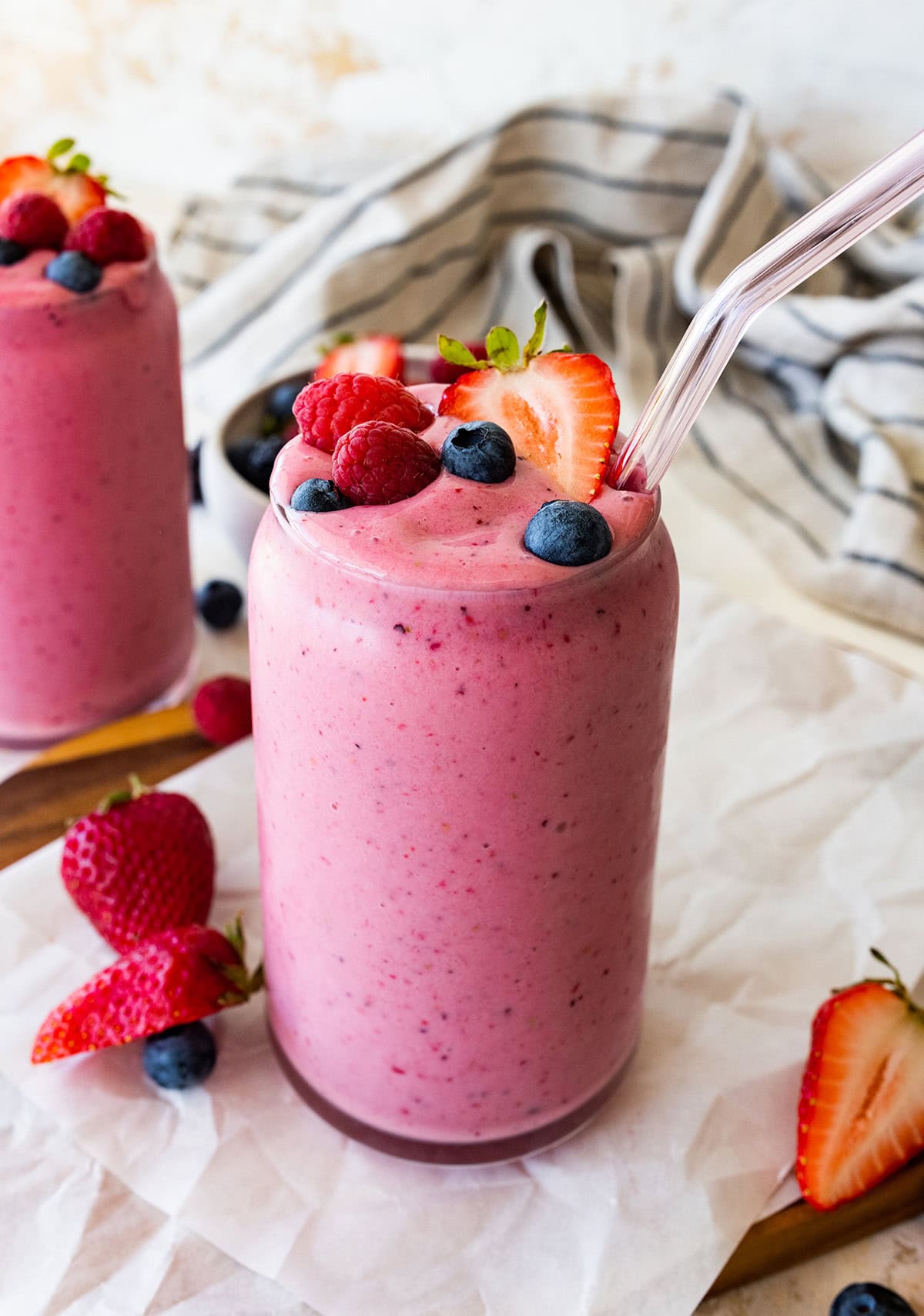
Kefir blended with frozen berries, banana, and honey — one of the most probiotic-dense breakfast smoothies possible. Kefir contains 3-5 times more probiotic cultures than yogurt and is one of the most extensively studied fermented foods for gut health benefits. This smoothie delivers a genuinely significant probiotic dose alongside fiber from the berries and banana in a completely delicious format.
Ingredients:
- 1 cup plain kefir (full-fat for best texture and probiotic density)
- 1 cup frozen mixed berries
- 1 frozen banana
- 1 tablespoon honey
- 1 tablespoon ground flaxseed (prebiotic fiber)
- ½ teaspoon vanilla extract
- Optional: 1 tablespoon collagen peptides for additional gut-lining support
Instructions:
- Add kefir to the blender first — liquid at the bottom helps process frozen ingredients without motor strain. Add ground flaxseed next so it gets fully incorporated rather than sitting on top. Add frozen banana, frozen berries, honey, and vanilla. Blend on high speed for 60-90 seconds until completely smooth.
- Taste and adjust honey — kefir has a natural tanginess that varies between brands and batches, and the amount of sweetener needed varies accordingly. The smoothie should taste pleasantly tart-sweet, strongly of berries, and have a thick, creamy consistency from the kefir and frozen banana. Add collagen peptides if using and blend for another 15 seconds.
- Pour and drink immediately. Unlike some smoothies that can wait, probiotic smoothies are best consumed quickly after blending as exposure to air and room temperature begins reducing the viability of the live cultures. The practical window is within 30-60 minutes of blending for full probiotic benefit.
- This gut health smoothie recipe is most effective as a consistent daily habit rather than an occasional drink. The combination of kefir's live cultures (probiotics) with flaxseed's fiber (prebiotic) creates a synbiotic effect — delivering both beneficial bacteria and the specific food they need to establish and thrive in the gut simultaneously.
16. Kimchi Fried Rice

Kimchi — one of the world's most probiotic-dense fermented foods — stir-fried with day-old rice, eggs, garlic, and sesame oil for one of the most delicious and gut-health-supportive dinners possible in 15 minutes. Kimchi's fermentation produces billions of Lactobacillus bacteria and the cooking process used here (adding kimchi at the end over low heat) preserves more live cultures than high-heat cooking.
Ingredients:
- 2 cups cooked rice, day-old and cold (cold rice stir-fries without clumping)
- 1 cup kimchi, roughly chopped — plus kimchi juice from the jar
- 3 large eggs
- 4 cloves garlic, minced
- 3 green onions, thinly sliced
- 2 tablespoons sesame oil
- 1 tablespoon tamari or soy sauce
- 1 tablespoon gochujang or sriracha (optional)
- Sesame seeds and fried egg for topping
Instructions:
- Heat sesame oil in a large wok or skillet over high heat. Add garlic and cook 30 seconds until fragrant. Add cold day-old rice — the key to non-clumpy fried rice is starting with cold, dry rice. Press and stir the rice against the hot pan, breaking up any clumps, for 3-4 minutes until the rice is heated through and beginning to develop crispy bits from contact with the hot pan.
- Push rice to one side. Crack eggs into the empty space and scramble them lightly — stir just until the eggs are about 80% set, then mix the scrambled eggs through the rice. Add tamari and kimchi juice from the jar — the kimchi juice is extraordinarily flavorful and adds its own probiotic benefits to the dish.
- Add gochujang if using and stir thoroughly. Remove from heat — this is the critical step for preserving the probiotic cultures. Add kimchi after removing from the heat rather than cooking it in the hot pan, which would kill most of the live cultures. Stir the kimchi through the off-heat rice quickly.
- Transfer to bowls immediately. Top with sliced green onions, sesame seeds, and a fried egg placed on top with a runny yolk that breaks into the rice when eaten. The finished dish should be fragrant from the sesame, spicy from the kimchi, savory from the eggs, and deeply satisfying — one of the most genuinely craveable gut health recipes in the collection.
15. Miso Soup with Tofu and Wakame
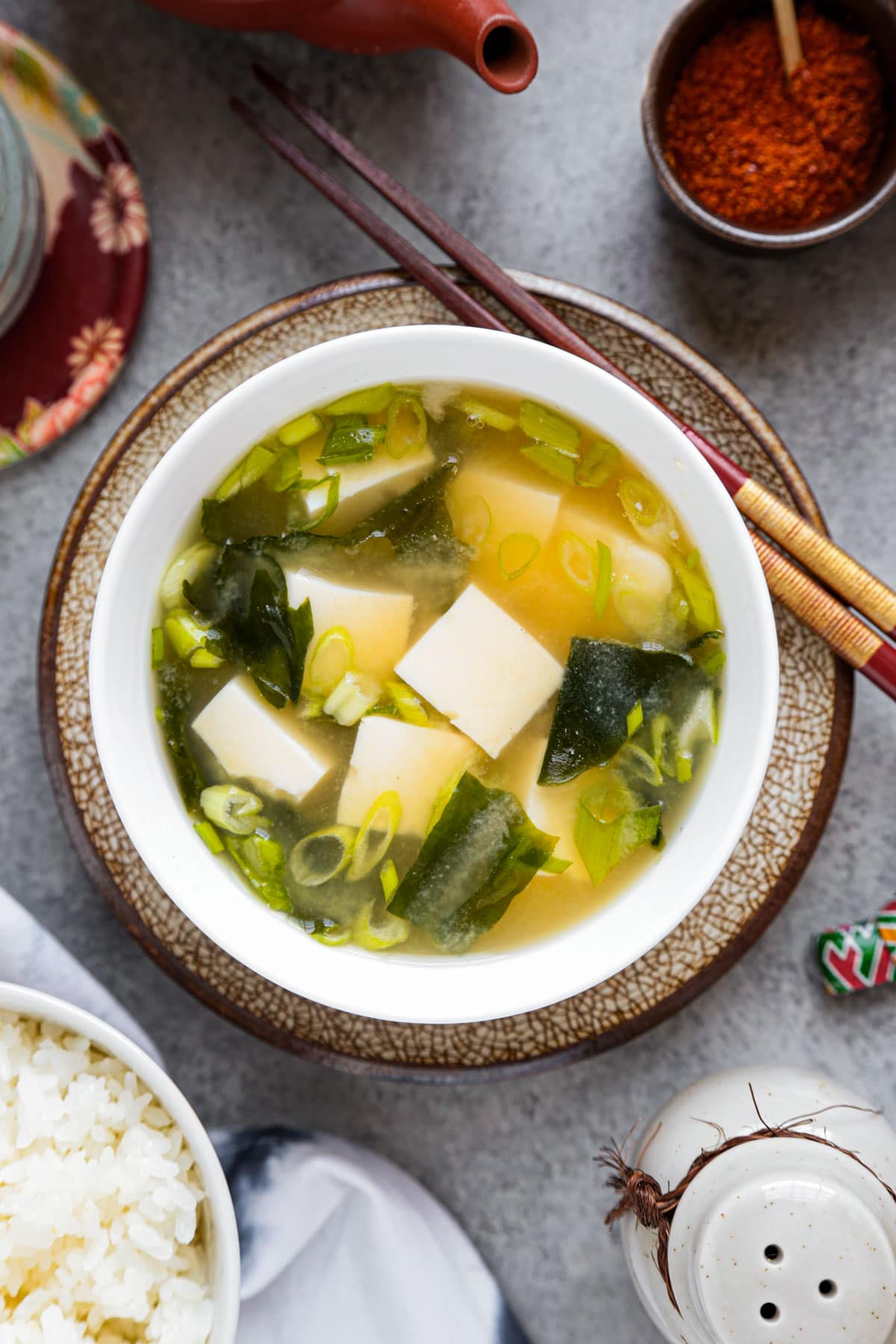
Traditional Japanese miso soup with silken tofu, dried wakame seaweed, and green onions — one of the simplest and most gut-health-supportive foods in the world. Miso is a fermented soybean paste with significant probiotic content, and wakame seaweed is one of the most prebiotic-dense ingredients available, feeding the beneficial bacteria that miso's probiotics deliver.
Ingredients:
- 4 cups dashi stock or water
- 3-4 tablespoons white miso paste (adjust to taste)
- 6 oz silken tofu, cubed
- 2 tablespoons dried wakame seaweed
- 3 green onions, thinly sliced
- Optional: mushrooms, spinach, grated ginger
Instructions:
- Soak dried wakame in cold water for 5 minutes until rehydrated — it will expand dramatically from its dried state. Drain and squeeze out excess water. Set aside. Bring dashi or water to a simmer over medium heat — the liquid should be hot but never at a rolling boil before adding the miso. Boiling temperatures kill the beneficial probiotic cultures in the miso.
- Add cubed silken tofu to the hot stock and heat gently for 2 minutes. Add rehydrated wakame. The ingredients should be warmed through at a gentle simmer. Dissolve miso paste by placing it in a small strainer held over the soup — press it through the strainer with a spoon so it dissolves evenly into the broth without any lumps forming.
- The critical technique for probiotic preservation: add miso after removing the pot from heat, or keep the soup below a simmer — never add miso to boiling soup as temperatures above 140°F kill most of the beneficial lactobacillus bacteria that make miso a gut health food. This is the single technique point that separates miso soup with gut benefits from miso soup that's just flavorful broth.
- Ladle into bowls immediately. Scatter sliced green onions generously across the surface. Serve with a small portion of brown rice alongside for a complete, gut-supportive meal. Miso soup is most beneficial for gut health when consumed consistently — even a small cup daily provides meaningful probiotic delivery when made with proper low-heat technique.
14. Fermented Beet Kvass
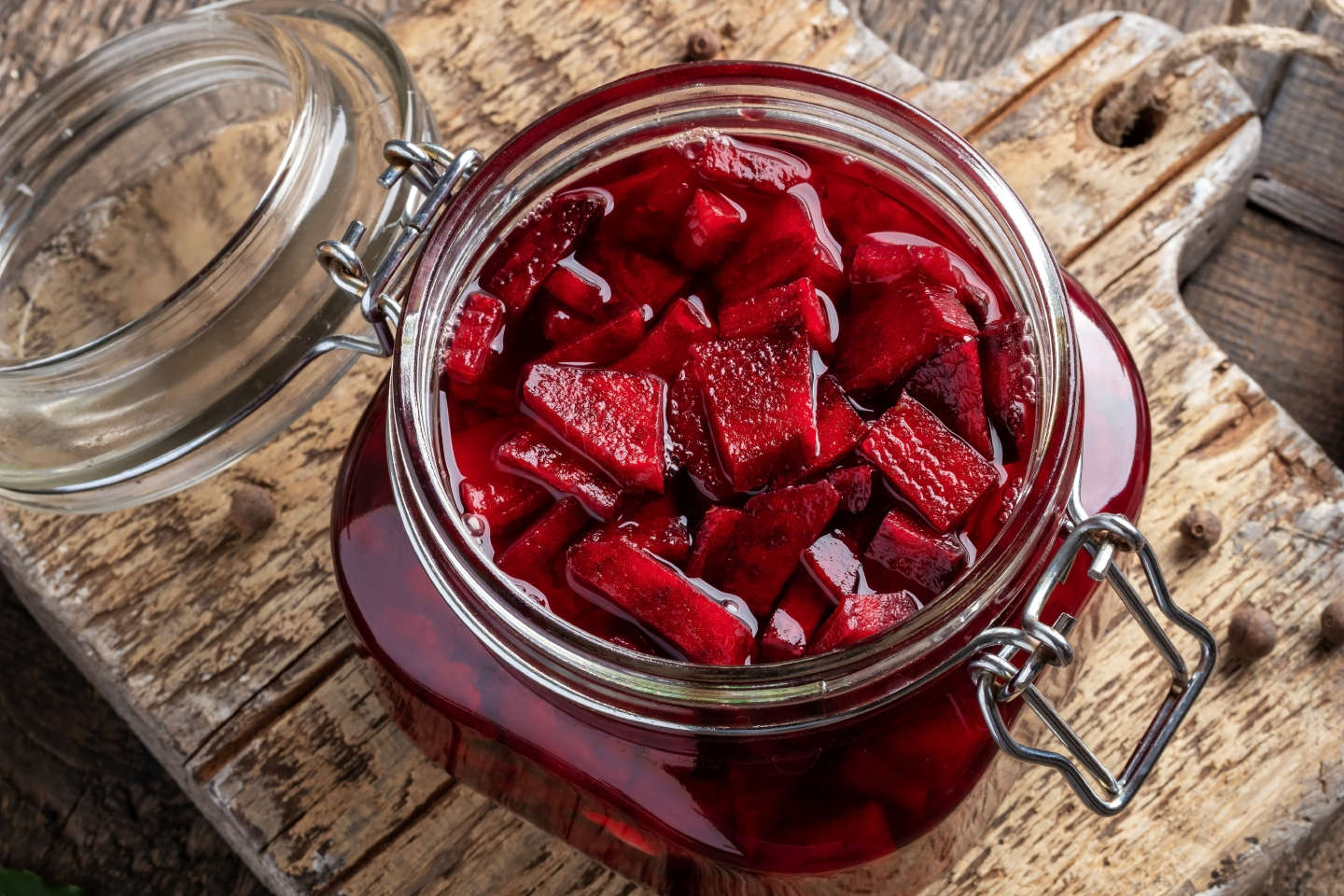
Naturally fermented beet juice — beets, sea salt, and water left to ferment for 2-3 days into a deeply ruby-red, earthy, probiotic-rich tonic that's one of Eastern Europe's oldest gut health beverages. Not sweet like commercial beet juice, but deeply savory and mineral-tasting in a way that's acquired but genuinely distinctive — and one of the most probiotic-dense beverages you can make at home.
Ingredients:
- 3 medium beets, peeled and cut into 1-inch cubes (don't shred — shredded ferments too fast)
- 1 teaspoon sea salt (non-iodized — iodine inhibits fermentation)
- Filtered water to fill the jar
- Optional: 1 clove garlic, ½ teaspoon caraway seeds for flavor
- A 1-quart glass mason jar
Instructions:
- Place cubed beets in a clean quart mason jar — don't pack too tightly, leave space for the liquid to circulate. Add sea salt — non-iodized is essential because iodine inhibits the wild fermentation cultures needed for lacto-fermentation. Add garlic and caraway seeds if using. Fill the jar with filtered water, leaving 1 inch of headspace at the top for gas expansion during fermentation. Don't use tap water if it's heavily chlorinated — chlorine inhibits fermentation.
- Cover the jar with a cloth secured with a rubber band — this allows gas to escape during fermentation while keeping dust out. Place in a warm location (68-72°F is ideal) away from direct sunlight. Start checking at 24 hours — you should see small bubbles forming around the beet pieces, which indicates active lacto-fermentation is occurring.
- Ferment for 2-3 days at room temperature, tasting daily starting at day 2. The liquid will gradually turn from clear to a deep ruby red and develop a pleasantly sour, earthy, slightly mineral flavor. When it tastes pleasantly tart — not overly sour or vinegary — it's ready. Transfer to the refrigerator where fermentation slows dramatically and the kvass keeps for 2 weeks.
- To serve: strain through a fine mesh strainer into a glass. Drink 2-4 oz as a shot or mix with sparkling water for a more approachable gut health tonic. The remaining beet chunks can be eaten — they're mildly fermented, slightly sour, and delicious on salads or grain bowls. Replace with fresh beets and water for a second batch from the same jar.
13. Overnight Oats with Prebiotics

Overnight oats specifically formulated for gut health — rolled oats (resistant starch), banana (prebiotic fructooligosaccharides), ground flaxseed (soluble fiber), chia seeds (soluble fiber), and kefir or yogurt (probiotics) combined into one complete gut-supporting breakfast that requires 5 minutes of prep and provides synbiotic benefits: both probiotics and their preferred prebiotic food together.
Ingredients:
- 1 cup old-fashioned rolled oats (the resistant starch in oats is one of the best prebiotics for Bifidobacterium growth)
- ½ cup plain kefir or Greek yogurt
- ¾ cup almond milk
- 1 slightly underripe banana, sliced (slightly underripe bananas have higher resistant starch content)
- 2 tablespoons ground flaxseed
- 1 tablespoon chia seeds
- 1 teaspoon honey
- Fresh fruit and nuts for topping
Instructions:
- Combine oats, kefir, almond milk, ground flaxseed, chia seeds, and honey in a jar. Stir very thoroughly to distribute chia seeds and flaxseed evenly. Cover and refrigerate overnight. The slightly underripe banana is key to the gut health function of this recipe — slightly underripe bananas contain significantly more resistant starch than fully ripe bananas, and resistant starch is selectively fermented by beneficial Bifidobacterium species in the colon.
- Add the sliced banana in the morning rather than the night before — banana oxidizes and browns overnight and loses some of its resistant starch content as it continues ripening in the refrigerator. Fresh banana added in the morning preserves both appearance and maximum prebiotic benefit.
- The oats themselves contain beta-glucan, a soluble fiber that is among the most researched prebiotics for supporting beneficial gut bacteria. Rolled oats kept in the raw, uncooked state (as in overnight oats) retain more of their resistant starch than cooked oats — another specific advantage of overnight oats over traditional cooked oatmeal for gut health purposes.
- Top with fresh fruit, a tablespoon of nuts, and a final drizzle of honey. The combination of kefir or yogurt's live cultures (probiotics) with the oats' beta-glucan and banana's resistant starch (both prebiotics) makes this one of the most comprehensively gut-supportive breakfast preparations possible from simple, inexpensive, widely available ingredients.
12. Tempeh Stir-Fry with Vegetables
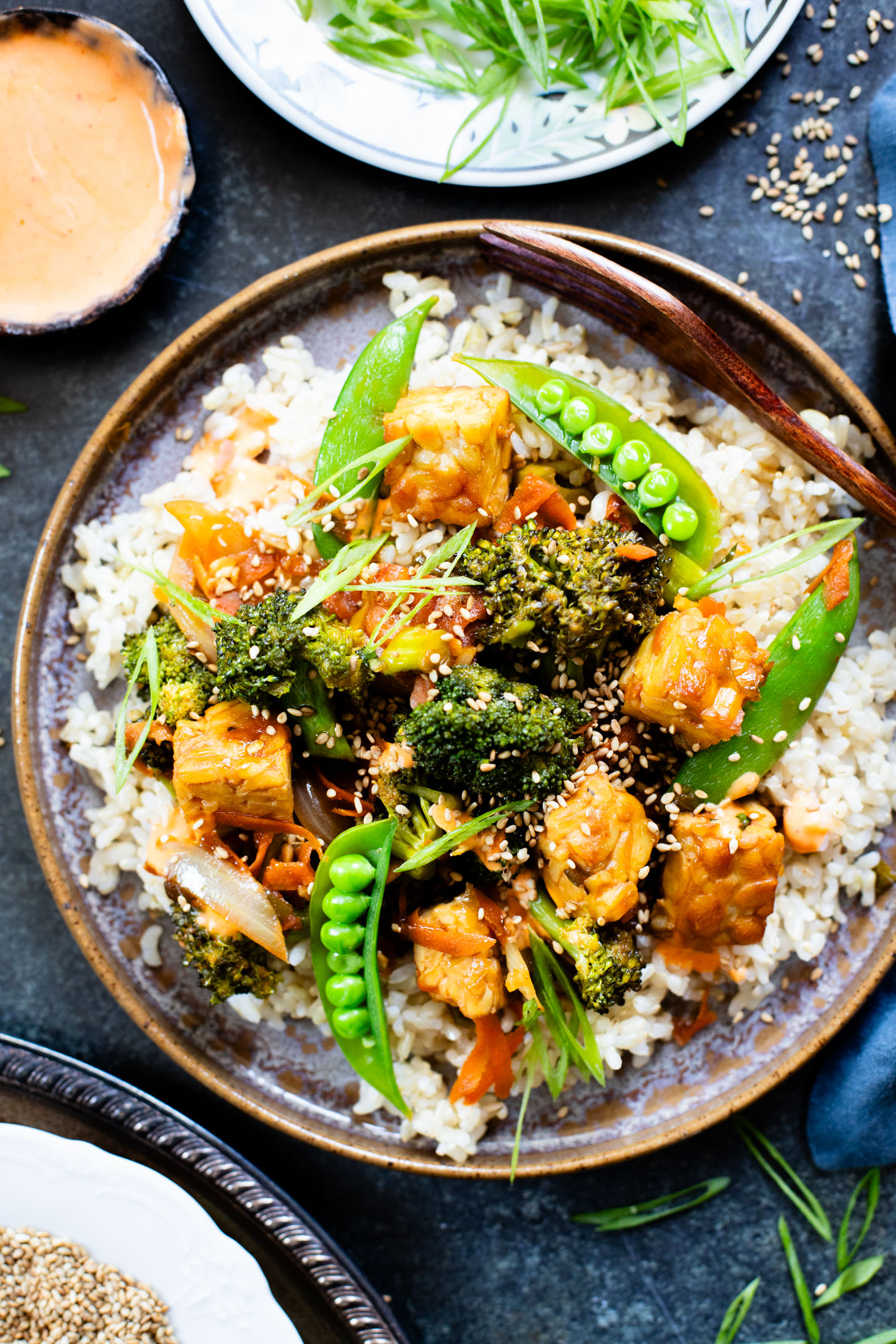
Tempeh — fermented soybeans pressed into a firm, nutty-flavored cake — stir-fried with broccoli, bell peppers, snap peas, and a ginger-tamari sauce. Tempeh is one of the most probiotic-dense plant foods available and contains far more protein, fiber, and beneficial compounds than tofu or edamame because the fermentation process increases the bioavailability of all its nutrients significantly.
Ingredients:
- 8 oz tempeh, cut into ½-inch cubes
- 2 cups broccoli florets
- 1 cup snap peas
- 2 bell peppers, sliced
- 4 cloves garlic, minced
- 1-inch fresh ginger, grated
- 3 tablespoons tamari, 1 tablespoon sesame oil, 1 tablespoon rice vinegar, 1 teaspoon honey
- Brown rice for serving, sesame seeds and green onions for topping
Instructions:
- Steam tempeh cubes for 10 minutes before stir-frying — steaming removes tempeh's slightly bitter edge that many people find off-putting when using it raw. This brief steaming makes a significant difference in palatability, especially for those new to tempeh. After steaming, pat dry thoroughly — surface moisture prevents the browning and caramelization that makes tempeh genuinely delicious in stir-fry.
- Heat 2 tablespoons vegetable oil in a wok over high heat until smoking. Add steamed, dried tempeh cubes in a single layer — don't stir for 2-3 minutes. The direct contact with the hot pan creates golden, caramelized surfaces that add flavor and attractive texture. Flip and brown the other sides 2 more minutes. Transfer browned tempeh to a plate.
- In the same wok, add broccoli and stir-fry 3 minutes. Add bell peppers and snap peas and stir-fry 2 more minutes. Add garlic and ginger — stir constantly 30 seconds. Return tempeh to the pan. Whisk sauce ingredients together and add to the pan. Toss everything vigorously for 60-90 seconds until every piece is glazed.
- Serve over brown rice immediately. Scatter sesame seeds and sliced green onions over the top. Tempeh's fermentation produces natural enzymes and beneficial bacteria that support gut function — it's one of the best plant-based complete proteins available and one of the most substantive fermented foods for gut health beyond dairy-based options.
11. Sauerkraut and Apple Slaw
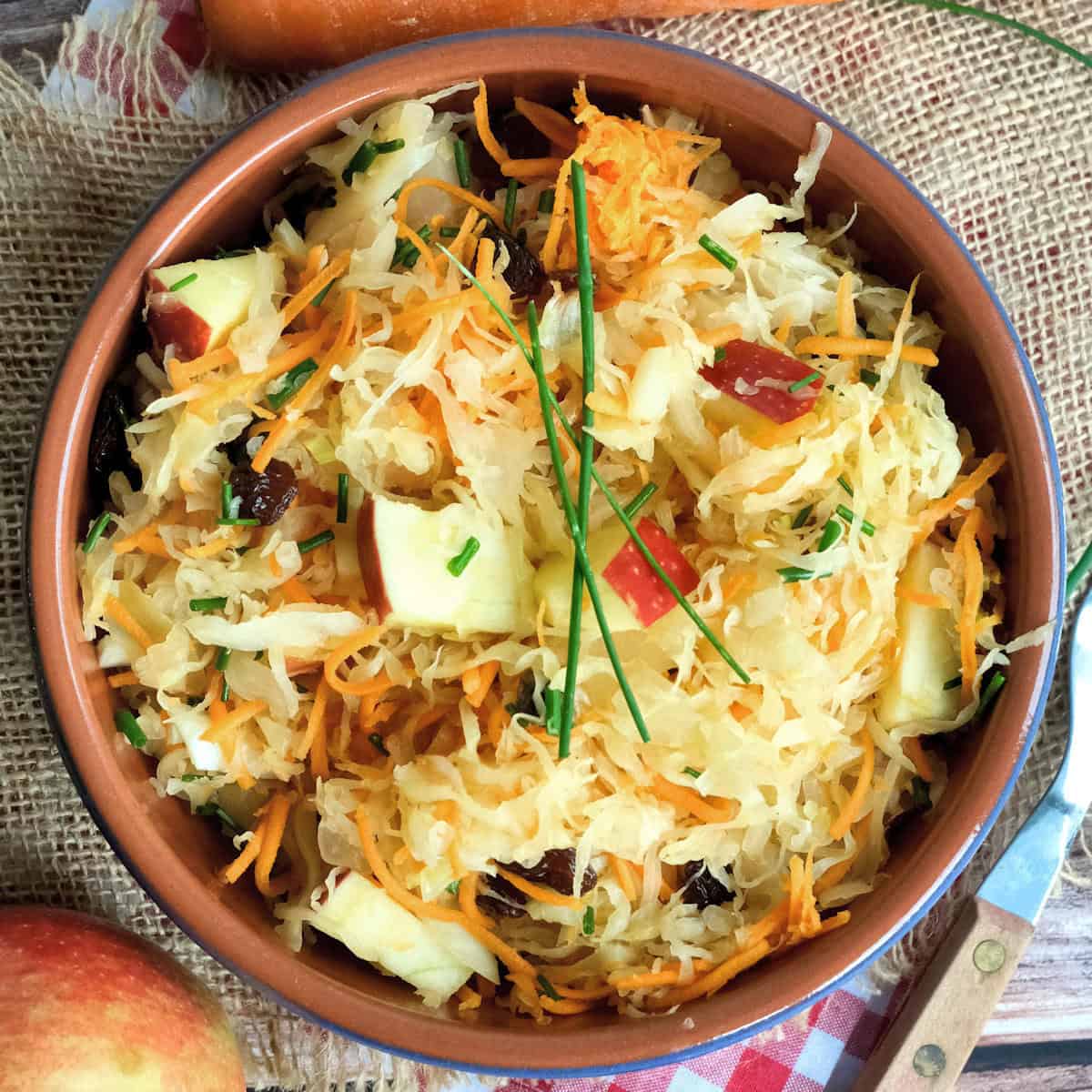
Raw sauerkraut (not heated — preserves live cultures) tossed with thinly sliced apple, shredded cabbage, fresh dill, caraway seeds, and a light apple cider vinegar dressing — one of the most probiotic-dense side dishes possible that doubles as a genuinely delicious slaw for any occasion. Raw fermented sauerkraut contains abundant Lactobacillus cultures that are the foundation of gut microbiome support.
Ingredients:
- 1 cup raw fermented sauerkraut (from refrigerated section — shelf-stable canned sauerkraut is pasteurized and has no live cultures)
- 2 cups shredded green or purple cabbage
- 1 large crisp apple (Granny Smith or Honeycrisp), thinly sliced
- ¼ cup fresh dill
- 1 teaspoon caraway seeds
- 2 tablespoons apple cider vinegar
- 1 tablespoon olive oil
- 1 teaspoon honey
- Salt and cracked pepper
Instructions:
- Use refrigerated raw sauerkraut exclusively — this is the most important ingredient selection decision for gut health in this recipe. Shelf-stable canned sauerkraut is pasteurized at temperatures that kill all live cultures, making it essentially flavored cabbage with no probiotic benefit. Look for sauerkraut in the refrigerated section labeled "live cultures," "raw," or "unpasteurized."
- Combine shredded cabbage, sauerkraut, and sliced apple in a large bowl. The sauerkraut's liquid can be included in the bowl — it's highly acidic and probiotic-rich and functions as part of the dressing. Whisk apple cider vinegar, olive oil, honey, salt, and pepper together and add to the bowl.
- Toss everything thoroughly. Add dill and caraway seeds and toss again. Let sit 10 minutes at room temperature before serving — the brief rest allows all the components to absorb the dressing and the flavors to begin integrating. The apple's sweetness balances the sauerkraut's sourness beautifully.
- Serve immediately as a side dish alongside any protein — particularly excellent with pork, sausage, grilled chicken, or on top of grain bowls. The slaw keeps 1-2 days refrigerated but don't heat it — any temperature above 140°F kills the probiotic cultures that make this a gut health food. Always serve raw and cold for maximum benefit.
10. Prebiotic Garlic and Leek Soup
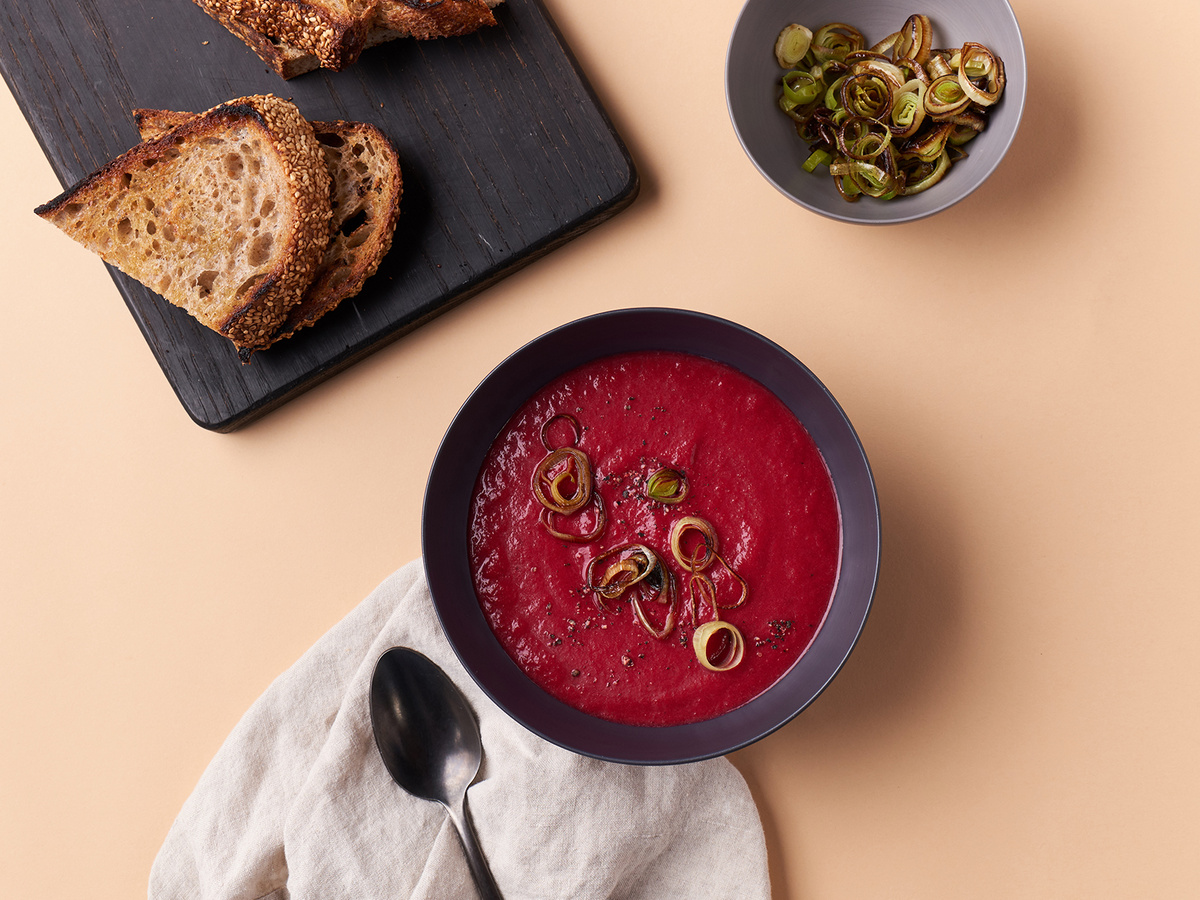
A silky soup of leeks, garlic, and potato — three of the most powerful prebiotic foods available. Leeks and garlic are extraordinarily rich in inulin and fructooligosaccharides, the specific prebiotic fibers most preferentially fermented by Bifidobacterium and Lactobacillus species. This soup feeds the beneficial gut bacteria that probiotic foods deliver, making it the perfect complement to fermented food consumption.
Ingredients:
- 4 large leeks, white and light green parts, cleaned and sliced
- 8 cloves garlic, minced
- 4 medium Yukon Gold potatoes, peeled and diced
- 4 cups vegetable or chicken broth
- ½ cup heavy cream or coconut cream
- 3 tablespoons butter or olive oil
- Fresh thyme
- Salt, white pepper
- Chives and a swirl of plain kefir for serving
Instructions:
- Melt butter in a large pot over medium-low heat. Add sliced leeks and cook very slowly — 15-18 minutes over low heat, stirring every 5 minutes, until completely soft and beginning to turn golden and sweet. This slow, patient cooking transforms leeks from their sharp, onion-like raw state into something deeply sweet, silky, and mild. Add garlic in the last 3 minutes to prevent burning.
- Add diced potatoes, broth, and fresh thyme. Bring to a boil, reduce to a simmer, and cook 20 minutes until potatoes are completely tender. Blend completely smooth in batches in a blender, or use an immersion blender. The potatoes create a naturally thick, creamy consistency without requiring large amounts of cream.
- Return to the pot over low heat. Stir in heavy cream or coconut cream. Season generously with salt and white pepper — potato-leek soup needs more salt than most soups to achieve its full flavor. Taste repeatedly and adjust.
- Serve in warm bowls. The finishing touch that makes this specifically a gut health recipe: add a swirl of plain kefir (not yogurt — kefir has higher probiotic density) on top of each bowl. The kefir's live cultures are not heated into the soup — they're added cold as a raw swirl garnish that preserves all their probiotic viability while adding a pleasant tanginess. Scatter fresh chives across the top.
9. Banana and Oat Prebiotic Smoothie

A thick, naturally sweet smoothie of slightly underripe banana, raw rolled oats, kefir, and ground flaxseed — specifically designed around the prebiotic content of each ingredient. Slightly underripe bananas, raw rolled oats, and flaxseed are three of the highest prebiotic fiber sources available, and combined with kefir's live cultures this smoothie creates a comprehensive synbiotic breakfast in 3 minutes.
Ingredients:
- 1 slightly underripe banana (yellow with some green — maximum resistant starch)
- ¼ cup raw rolled oats (raw oats have more resistant starch than cooked)
- ¾ cup plain kefir
- ¼ cup almond milk
- 1 tablespoon ground flaxseed
- 1 teaspoon honey
- ½ teaspoon cinnamon
- Ice for thickness
Instructions:
- Add all ingredients to a blender. For raw rolled oats in a smoothie: blend them first for 20 seconds before adding other ingredients — this pre-blending breaks down the oat structure and prevents the smoothie from having a gritty texture. Then add remaining ingredients and blend 60-90 seconds until completely smooth.
- The slightly underripe banana is a specific and intentional ingredient choice — not a random preference. As bananas ripen they convert their resistant starch to simple sugars, which reduces their prebiotic content. The resistant starch in slightly underripe bananas feeds Bifidobacterium species specifically, which are among the most beneficial gut bacteria for digestive health and immune function.
- Taste and add honey if needed — slightly underripe bananas are less sweet than fully ripe ones, which some people prefer and others find too mild. The kefir adds its own pleasant tartness that's balanced by the banana and cinnamon.
- Drink immediately. This smoothie is most beneficial consumed consistently as a daily habit — the prebiotic fibers have a cumulative effect on gut microbiome composition over weeks of consistent consumption rather than producing immediate noticeable changes from a single serving.
8. Pickled Vegetables Bowl
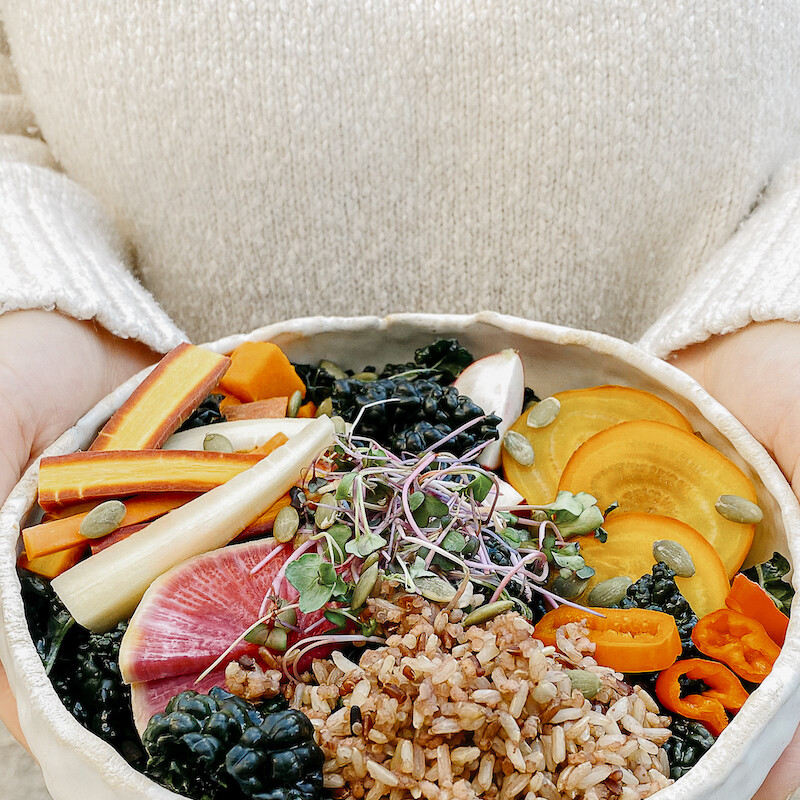
A colorful grain bowl topped with naturally fermented pickled vegetables — cucumber, carrot, daikon, and radish — alongside brown rice, avocado, edamame, and a tahini dressing. The naturally fermented pickles provide probiotic benefit while the vegetables, avocado, and brown rice provide prebiotic fiber — a complete synbiotic grain bowl that's genuinely beautiful and deeply satisfying.
Ingredients:
- 1½ cups cooked brown rice
- ½ cup naturally fermented pickled cucumbers, sliced (refrigerated section, not pasteurized)
- ½ cup quick-pickled carrots and daikon (rice vinegar, sugar, salt — 30 min minimum)
- ½ ripe avocado, sliced
- ½ cup shelled edamame
- 1 cup baby spinach
- Tahini dressing: 3 tablespoon tahini, juice of 1 lemon, 1 garlic clove, 2 tablespoon warm water, salt
- Sesame seeds, microgreens, sliced green onions
Instructions:
- Make quick-pickled carrots and daikon: julienne or thinly slice carrots and daikon. Combine ½ cup rice vinegar, 1 tablespoon sugar, and 1 teaspoon salt in a bowl and stir until dissolved. Add vegetables and let sit minimum 30 minutes — they'll begin to pickle quickly and be pleasantly tangy and crisp within an hour. These quick pickles don't have the probiotic benefit of long-fermented pickles but contribute fiber and acidity.
- The naturally fermented cucumbers are the probiotic component — look for refrigerated pickles in the deli section labeled "live cultures" or "naturally fermented." These are lacto-fermented, not vinegar-pickled, and contain abundant Lactobacillus cultures that support gut health. Never heat these pickles — serve cold directly from the jar.
- Whisk tahini dressing until smooth. Build bowls: brown rice as the base, baby spinach arranged alongside, edamame, avocado slices, and both types of pickled vegetables in distinct sections. The visual arrangement of multiple colorful components across the bowl surface creates an aesthetically beautiful grain bowl that is also nutritionally comprehensive.
- Drizzle tahini dressing over everything. Scatter sesame seeds, microgreens, and green onions across the top. Eat immediately while the rice is warm and the pickled vegetables are cold — the temperature contrast between warm rice and cold pickles is actually part of what makes this bowl so satisfying.
7. Yogurt Parfait with Prebiotic Toppings
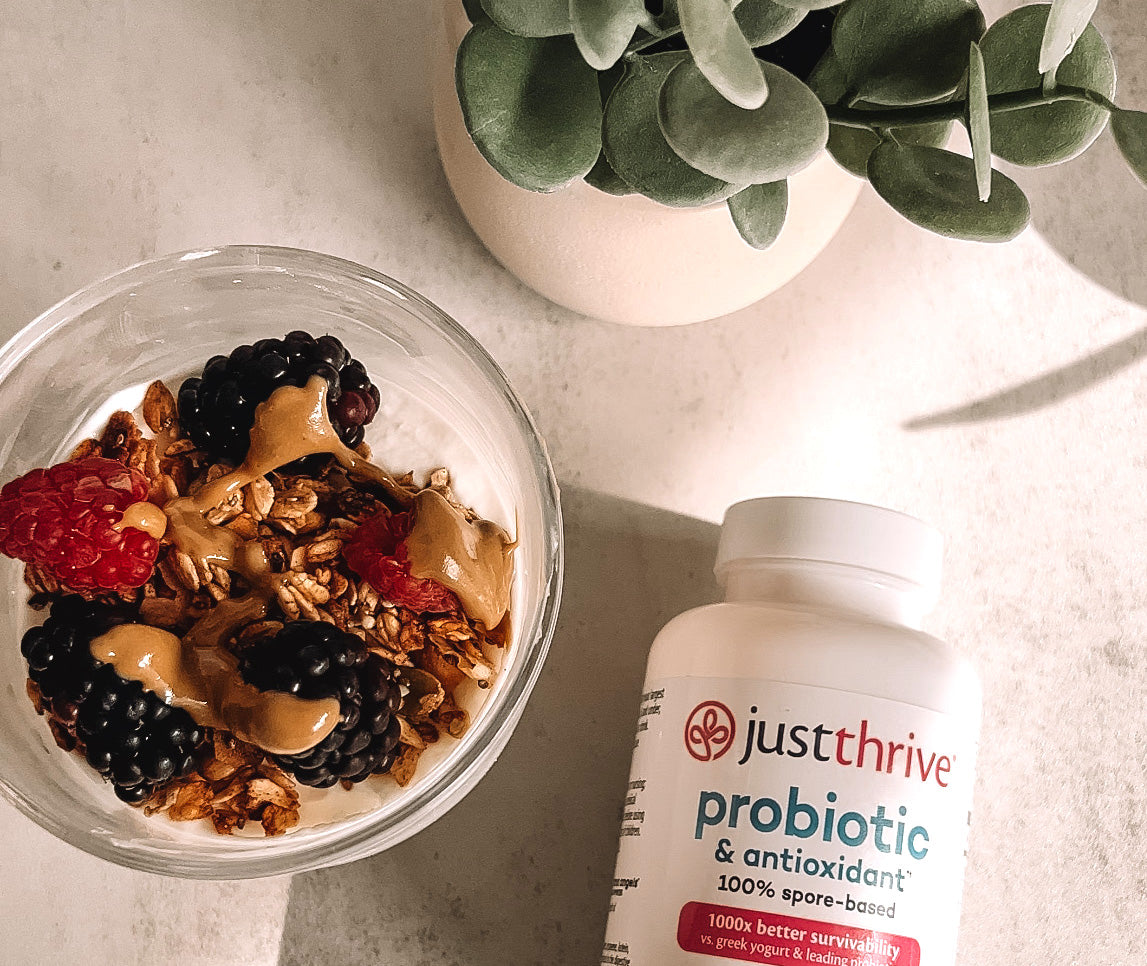
Full-fat plain Greek yogurt — one of the most bioavailable probiotic foods available — layered with prebiotic granola, fresh berries, raw honey, ground flaxseed, and sliced almonds for a comprehensively gut-supportive breakfast that is also one of the most beautiful and universally enjoyed morning foods. The plain yogurt provides live Lactobacillus and Bifidobacterium cultures; the berries, granola, and flaxseed provide the prebiotic fiber to feed them.
Ingredients:
- 1½ cups full-fat plain Greek yogurt (full-fat has higher probiotic density)
- ½ cup granola (low-sugar, oat-based)
- 1 cup mixed berries (wild blueberries, raspberries, strawberries)
- 1 tablespoon ground flaxseed
- 1 tablespoon hemp seeds
- 1 tablespoon raw honey
- Sliced almonds
Instructions:
- Use full-fat plain Greek yogurt — not flavored, not low-fat. Full-fat yogurt has higher probiotic density than low-fat versions and the fat aids in the absorption of fat-soluble vitamins. Flavored yogurts contain added sugars that feed harmful gut bacteria and counteract the probiotic benefit. Plain yogurt with your own added fruits and honey is the gut health optimal choice.
- Layer the parfait in a clear glass or wide bowl for the most beautiful presentation. Start with yogurt as the base layer — about ½ cup. Sprinkle ground flaxseed over the yogurt. Add a layer of granola. Add half the berries. Add another yogurt layer. Top with remaining berries, hemp seeds, sliced almonds, and a final drizzle of raw honey.
- Raw honey specifically — not processed honey — contains beneficial enzymes and small amounts of prebiotics that support gut bacteria. Processed honey has these benefits largely removed by pasteurization. The difference for gut health is meaningful when using honey consistently as a sweetener for yogurt and other probiotic foods.
- Eat immediately after assembly — granola softens within 5-10 minutes in contact with the yogurt. For meal prep, store yogurt and toppings separately in individual containers and assemble fresh each morning in 60 seconds. The berries and granola can be pre-portioned; the yogurt stays in its container.
6. Gut-Healing Bone Broth Soup

Homemade or high-quality store-bought bone broth simmered with garlic, ginger, turmeric, and vegetables into a deeply nourishing soup — bone broth is extraordinarily rich in collagen, gelatin, and amino acids (particularly glycine and glutamine) that research indicates support gut lining integrity and may help with leaky gut and intestinal permeability. One of the most targeted gut health recipes in the collection.
Ingredients:
- 4 cups high-quality bone broth (homemade or from a brand with 10+ grams protein per cup)
- 4 cloves garlic, minced
- 1-inch fresh ginger, grated
- 1 teaspoon turmeric
- 2 cups baby bok choy or spinach
- 1 cup mushrooms, sliced (shiitake or cremini — both prebiotic)
- 2 tablespoons white miso paste (added off-heat to preserve probiotics)
- Tamari, sesame oil, green onions
- Optional: glass noodles or brown rice for a more substantial meal
Instructions:
- Heat a small amount of sesame oil in a pot over medium heat. Add garlic and ginger and cook 2 minutes until fragrant. Add turmeric and stir 30 seconds. Add sliced mushrooms and cook 4-5 minutes until they release their liquid and become golden — mushrooms are prebiotic foods that contain beta-glucan, a specific prebiotic fiber that supports Bifidobacterium growth in the colon.
- Add bone broth and bring to a gentle simmer. The bone broth should already be a rich, golden color — proper bone broth contains enough gelatin to gel when refrigerated, which is the indicator of sufficient collagen content. If using store-bought, choose a brand that gels in the refrigerator. Add bok choy or spinach and let wilt 2-3 minutes.
- Season with tamari. Remove from heat. Add miso paste by dissolving it through a strainer held over the soup — never boil the miso or add it to boiling liquid. Stir to distribute the miso throughout the broth. The combination of bone broth's collagen and gut-lining support compounds with miso's live probiotic cultures creates a uniquely comprehensive gut health soup.
- Serve immediately in warm bowls. Add glass noodles if using — cook separately and add to bowls before ladling soup over them. Top with sliced green onions and a very small drizzle of sesame oil. Drink any remaining broth from the bowl — it's the most concentrated part of the soup's gut-healing compounds and every drop is valuable.
5. Apple Cider Vinegar Salad Dressing

A simple, vibrant salad dressing built on raw apple cider vinegar with the mother — the most accessible fermented food in any kitchen. Raw ACV contains beneficial acetic acid bacteria and pectin (a prebiotic fiber from the apple) that support gut health when consumed consistently. This dressing makes adding raw ACV to daily meals completely effortless and genuinely delicious.
Ingredients:
- 3 tablespoons raw apple cider vinegar with the mother (Bragg's or similar)
- 5 tablespoons good olive oil
- 1 tablespoon raw honey
- 1 tablespoon Dijon mustard
- 1 small clove garlic, minced
- Salt and black pepper
- Optional: fresh herbs (thyme, tarragon, chives)
Instructions:
- Combine all ingredients in a small jar. Close tightly and shake vigorously for 30 seconds until completely emulsified. The Dijon mustard acts as an emulsifier that keeps the oil and vinegar combined longer than a standard vinaigrette. Taste and adjust the balance — it should be tangy, slightly sweet, and well-seasoned. The raw ACV should be clearly detectable as a bright, fruity acid note.
- Use raw apple cider vinegar with the mother specifically — the "mother" refers to the visible strand-like sediment at the bottom of the bottle, which consists of cellulose and acetic acid bacteria from the fermentation process. This is the component with documented gut-health benefit. Filtered, clear apple cider vinegar has the mother removed and has significantly less gut health value.
- Use this dressing on any green salad, grain bowl, roasted vegetable salad, or coleslaw. The consistent daily use of raw ACV as a salad dressing is one of the most practical and genuinely effective ways to include a fermented food in every meal without requiring any additional effort or special ingredients beyond what's already in the kitchen.
- Store in the jar in the refrigerator for up to 2 weeks — shake before each use since it will separate on standing. This dressing pairs particularly well with kale salads, grain bowls with fermented pickles, and any salad that includes prebiotic ingredients like chicory, leeks, garlic, or Jerusalem artichokes for a complete synbiotic meal.
4. Kombucha Mocktail

Store-bought kombucha mixed with fresh fruit juice, muddled mint, and sparkling water for a genuinely sophisticated, festive-looking probiotic mocktail that delivers kombucha's Lactobacillus and SCOBY-derived cultures in an elegant beverage format that works for parties, everyday drinking, and as a genuinely satisfying non-alcoholic option. Ready in 2 minutes from readily available ingredients.
Ingredients (per drink):
- 4 oz plain or ginger-flavored kombucha (low-sugar variety)
- 2 oz fresh orange or grapefruit juice
- 2 oz sparkling water
- Fresh mint leaves, muddled
- Sliced cucumber or citrus for garnish
- Ice
Instructions:
- Muddle 4-5 fresh mint leaves in the bottom of a tall glass — press firmly with a muddler or the back of a spoon to release the oils without shredding the leaves. Add ice. Pour fresh citrus juice over the ice. Add kombucha gently — pour slowly to preserve the carbonation that makes kombucha refreshing rather than flat.
- Top with sparkling water for additional effervescence. Stir very gently with a tall spoon — vigorous stirring releases too much carbonation from the kombucha. Garnish with a slice of cucumber placed on the rim of the glass and a sprig of fresh mint.
- Choose low-sugar kombucha for gut health purposes — high-sugar kombucha counteracts some of its probiotic benefits by feeding harmful gut bacteria alongside the beneficial ones. GT's Original or Gingerade, Health-Ade Pink Lady Apple, and other lower-sugar varieties are the best gut-health choices.
- Drink slowly — this is a beverage to savor rather than gulp, and slower consumption means more time for the live cultures to contact the gut lining during transit. This gut health recipe is most beneficial when enjoyed consistently — establishing kombucha as a daily beverage rather than an occasional treat provides cumulative microbiome support over weeks and months.
3. Chickpea and Vegetable Stew
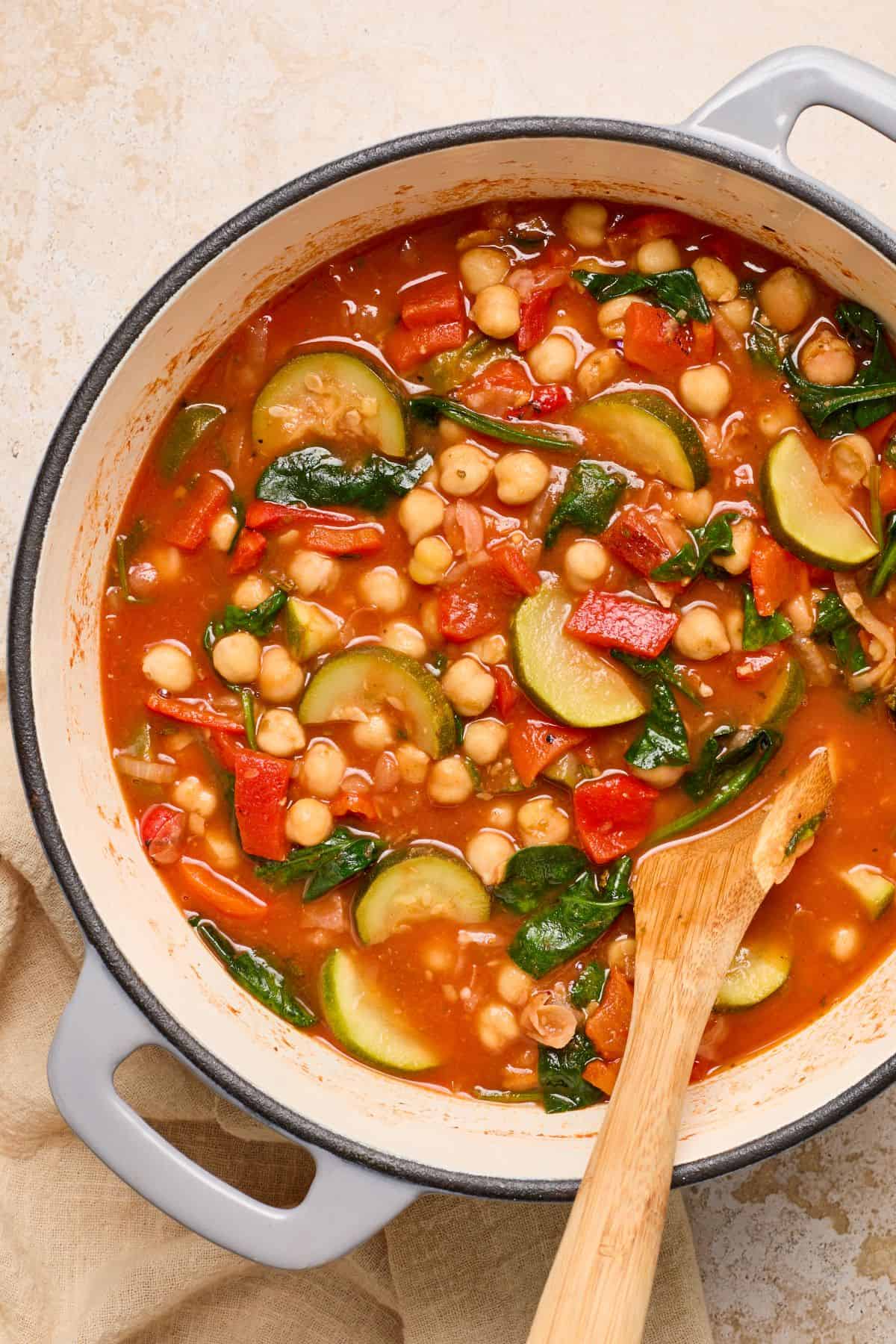
A deeply flavorful chickpea and vegetable stew with garlic, onion, tomatoes, and leafy greens — chickpeas are one of the most powerful prebiotic foods available, containing oligosaccharides that selectively feed Bifidobacterium species and have extensive research support for improving gut microbiome diversity. This stew is also one of the most economical and practical gut health recipes for everyday cooking.
Ingredients:
- 2 (15 oz) cans chickpeas, drained and rinsed
- 1 (28 oz) can crushed tomatoes
- 1 large onion, diced
- 6 cloves garlic, minced (garlic is one of the highest prebiotic content foods available)
- 2 cups baby spinach or kale
- 2 teaspoons cumin, 1 teaspoon smoked paprika, 1 teaspoon turmeric
- 2 cups vegetable broth
- Juice of 1 lemon, olive oil, salt and pepper
- Fresh parsley and plain yogurt or kefir for serving
Instructions:
- Heat olive oil in a large pot over medium heat. Add onion and cook 8-10 minutes until deeply golden — well-caramelized onion has a sweeter, more complex flavor that transforms this stew from good to extraordinary. Add garlic and cook 2 more minutes. Add all spices and stir constantly for 1-2 minutes until very fragrant and bloomed in the oil.
- Add chickpeas and crush about ⅓ of them against the side of the pot with the back of a spoon — this partial crushing releases their starch into the cooking liquid, thickening the stew naturally without any added thickener. Add crushed tomatoes and vegetable broth. Stir well, season generously with salt and pepper, and bring to a boil.
- Reduce to a simmer and cook 20-25 minutes uncovered until the stew has thickened significantly and the flavors have fully melded. The partially crushed chickpeas dissolve into the broth, thickening it substantially. Add spinach or kale in the last 3 minutes and stir until wilted. Add lemon juice — essential for brightness.
- Serve in bowls with a generous dollop of plain Greek yogurt or kefir on top — the cold, probiotic dairy against the warm, prebiotic-rich chickpea stew creates a perfect synbiotic meal. The probiotics from the yogurt and the prebiotics from the chickpeas and garlic work together to deliver a comprehensively gut-supportive dinner. Scatter fresh parsley and drizzle extra olive oil across the top.
2. Banana Oat Gut Health Muffins
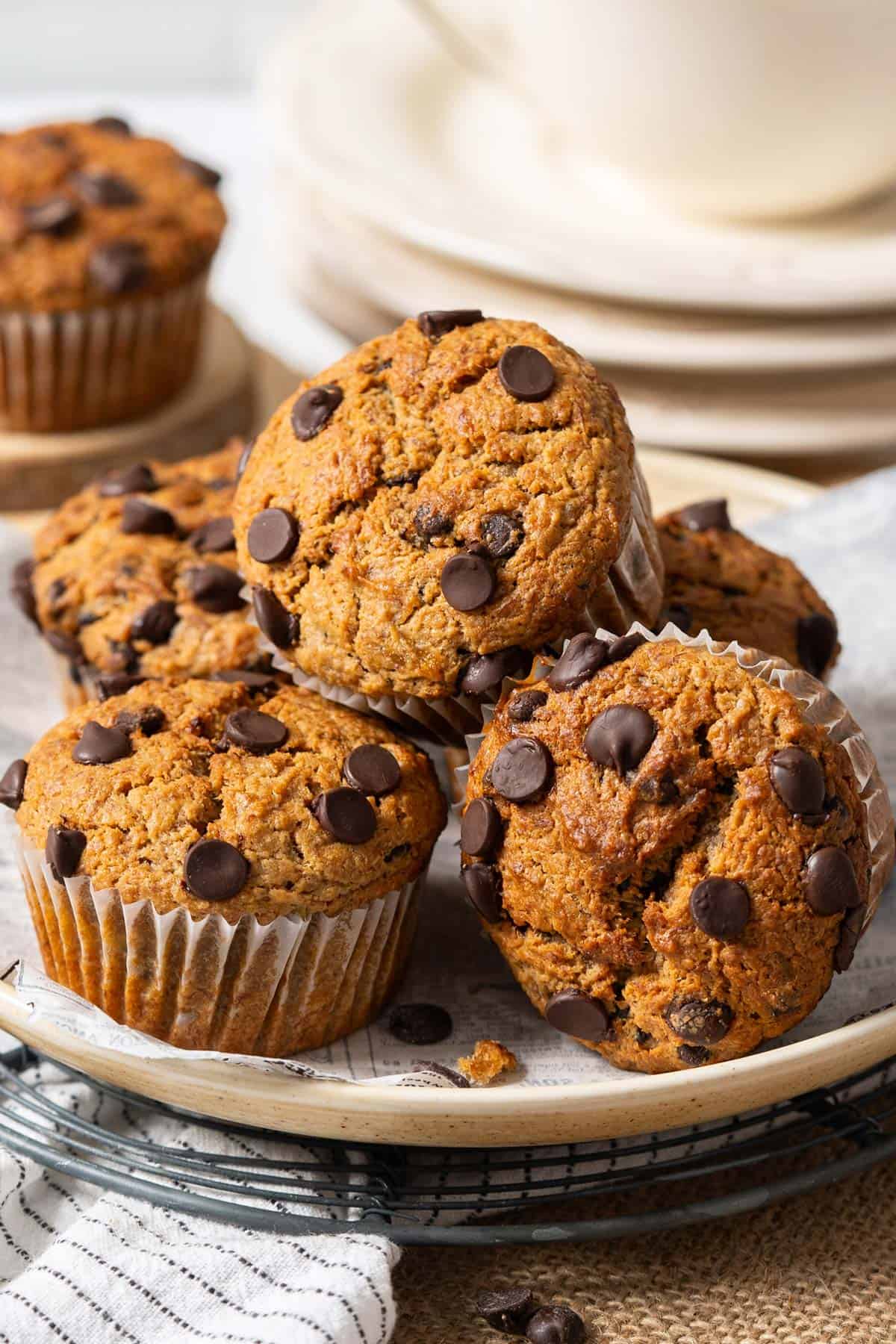
Muffins made from slightly underripe bananas (for resistant starch), rolled oats (for beta-glucan), and ground flaxseed (for soluble dietary fiber benefits) — three of the highest prebiotic fiber sources available baked into a genuinely delicious muffin that makes eating for gut health completely effortless. These muffins make the best snack for consistent daily prebiotic consumption.
Ingredients (makes 12):
- 3 slightly underripe bananas, mashed
- 1½ cups old-fashioned oats, blended briefly into coarse flour
- 2 large eggs
- 3 tablespoons ground flaxseed
- ¼ cup maple syrup
- 3 tablespoons coconut oil, melted
- 1 teaspoon vanilla, 1 teaspoon cinnamon, 1 teaspoon baking powder, pinch salt
- ½ cup blueberries or chocolate chips folded in after mixing
Instructions:
- Preheat oven to 375°F and line a muffin tin with paper liners. Mash bananas completely smooth in a large bowl. Add eggs, coconut oil, maple syrup, and vanilla and whisk until combined. Add blended oats, ground flaxseed, cinnamon, baking powder, and salt. Stir until just combined — don't overmix. Fold in blueberries or chocolate chips gently.
- Divide batter among 12 muffin cups — about ¾ full each. Bake 18-22 minutes until a toothpick comes out with only moist crumbs and the tops spring back when lightly pressed. Cool 5 minutes in the tin before transferring to a wire rack.
- The gut health benefit of these muffins comes primarily from the oats' beta-glucan and the banana's resistant starch — both are highly specific prebiotic fibers that feed beneficial gut bacteria selectively. Baking reduces the resistant starch content compared to raw, but oats retain meaningful beta-glucan content even after baking, which is why oat-based baked goods maintain gut-health benefits.
- Store in an airtight container for 3 days at room temperature or freeze individually for 3 months. These muffins are most effective for gut health when eaten consistently as part of a daily prebiotic-rich diet — one muffin paired with a serving of plain yogurt or kefir creates a complete synbiotic snack that delivers both probiotic and prebiotic benefit simultaneously.
1. The Complete Gut Health Eating Guide
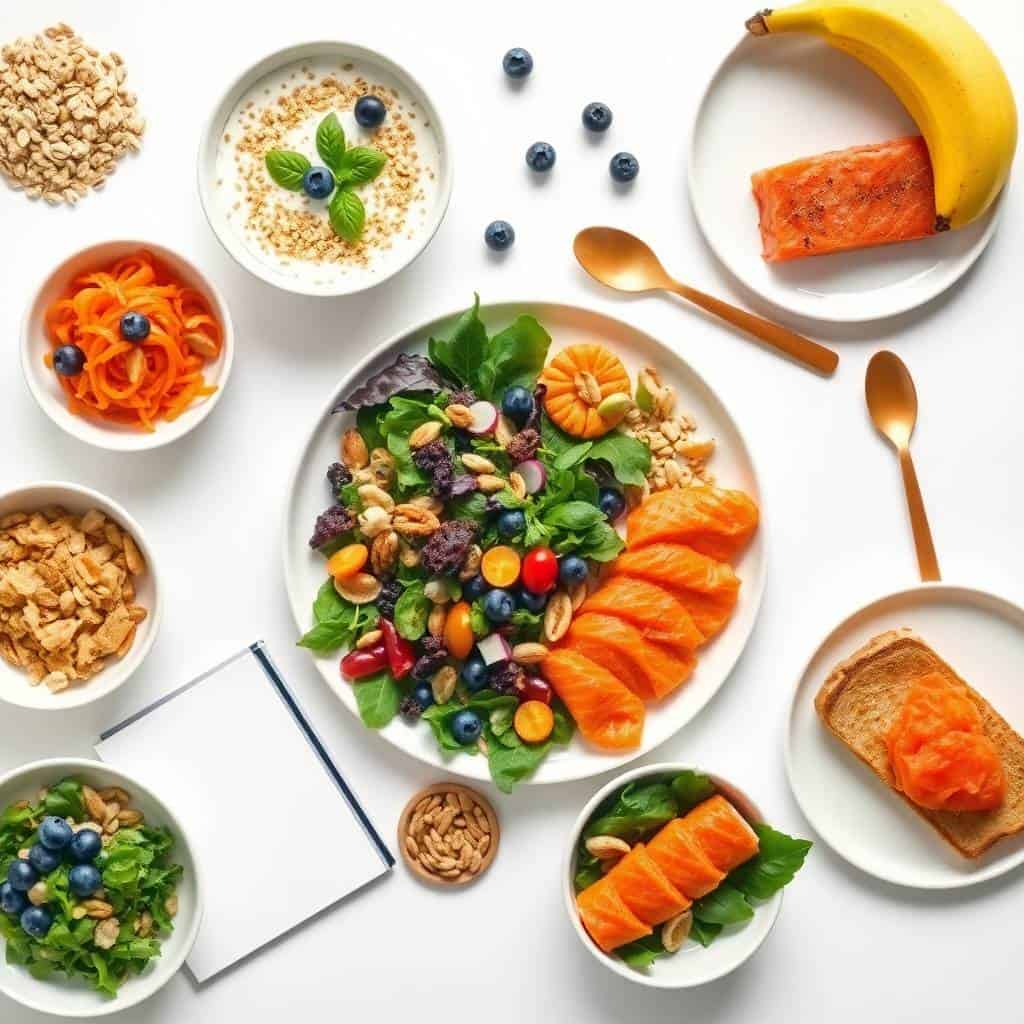
The definitive guide to building an eating pattern that actively supports a healthy gut microbiome — covering the difference between probiotics and prebiotics, the most effective food sources for each, the daily habits with the most research support for improving gut health, and the simple weekly meal structure that makes consistently eating for gut health completely effortless and genuinely enjoyable.
Probiotics vs Prebiotics — The Essential Distinction:
- Probiotics are the live beneficial bacteria themselves — found in fermented foods: plain yogurt, kefir, kimchi, sauerkraut (raw, unpasteurized), miso, tempeh, kombucha, and fermented pickles. Always look for "live cultures," "active cultures," or "unpasteurized" on the label
- Prebiotics are the specific fiber types that beneficial gut bacteria prefer to eat — found in garlic, leeks, onions, asparagus, bananas (slightly underripe), oats, apples, flaxseed, and legumes. These foods feed and grow the bacteria that probiotics deliver
- Synbiotics are foods or meals that contain both probiotics and prebiotics together — like yogurt with banana, or kimchi fried rice with garlic. Synbiotic eating is more effective than consuming either probiotics or prebiotics alone
- The heating rule: Never heat probiotic foods above 140°F or add them to boiling liquids — high temperatures kill live cultures. Always add miso after removing from heat, eat sauerkraut and kimchi raw, and drink kefir cold
Instructions:
- Include one probiotic food every day: Plain yogurt at breakfast, miso soup at lunch, a tablespoon of raw sauerkraut at dinner, or kombucha as an afternoon drink. Consistency is more important than quantity — small, daily probiotic exposure produces better microbiome outcomes than large, occasional doses.
- Eat the rainbow daily: Gut microbiome diversity — having many different species of beneficial bacteria — is the primary indicator of gut health. Dietary diversity drives microbiome diversity. Eating 30 different plant foods per week is a research-supported target for optimizing gut microbiome diversity. Count every different vegetable, fruit, legume, grain, nut, and seed as one plant food.
- Prioritize fiber from whole foods: Fiber is the primary nutrient that feeds beneficial gut bacteria. Most people eat 10-15g daily while research suggests 25-38g daily for optimal gut health. Increasing whole grains, legumes, vegetables, and fruits is the most effective way to increase fiber intake from food rather than supplements.
- Minimize ultra-processed foods and added sugars: Ultra-processed foods and high added sugar intake are among the most consistently pro-dysbiosis (harmful gut microbiome) dietary patterns in research. They selectively feed harmful bacteria like Firmicutes at the expense of beneficial Bacteroidetes species. Reducing these while increasing the gut health recipes in this collection creates the most meaningful positive shift in gut microbiome composition. Browse our anti-inflammatory recipes for meals that support both gut health and reduced inflammation simultaneously.
FAQs About Gut Health Recipes
What foods improve gut health the fastest?
Research suggests that dietary changes produce measurable shifts in gut microbiome composition within 3-4 days of consistent change. Increasing fiber-rich prebiotic foods (garlic, leeks, oats, legumes) and adding daily probiotic-containing fermented foods (plain yogurt, kefir, kimchi) produces the fastest measurable improvement in gut microbiome diversity. According to gut microbiome research, the human microbiome contains approximately 38 trillion bacteria and is considered by many researchers to function as a virtual organ with profound effects on health, immunity, and even mood.
Is yogurt or kefir better for gut health?
Kefir typically contains 3-5 times more probiotic cultures than yogurt and a wider variety of bacterial strains, making it more potent for gut health by most measures. However, plain full-fat yogurt with live cultures is excellent and more widely accessible and acceptable in flavor for most people. Both are significantly better than no fermented dairy. For more protein-rich dairy ideas, see our high protein cottage cheese bowls.
Can gut health recipes help with bloating?
Some people experience temporary increased bloating when significantly increasing fiber and fermented foods foods — this is normal and typically resolves within 1-2 weeks as the gut microbiome adjusts. Introducing prebiotic and probiotic foods gradually rather than all at once minimizes this transition period. Persistent or severe digestive symptoms should be evaluated by a healthcare provider.
How long does it take for gut health recipes to make a difference?
Research shows measurable microbiome changes within 3-4 days of dietary change, but subjective improvements in digestion, energy, and wellbeing typically take 4-8 weeks of consistent eating pattern changes. Like most health improvements, gut health responds to consistent daily habits over months rather than immediate interventions. Browse our easy weekly meal prep ideas for building consistent gut-supportive eating into your routine.
Share This Post!
If you loved these gut health recipes, share this post with everyone who wants to support their microbiome through genuinely delicious food! Pin it, share it on Facebook, or send it to a friend who's been asking about eating for better gut health. 🌿✨





Comments
No Comments