
Garlic sesame noodles are my Tuesday night answer to having nothing planned. Twenty minutes, one pan, and everyone at my table actually eats without complaint — which, if you have kids, you know is not a guarantee.
What makes this work is the sauce-to-noodle ratio. I got it wrong the first time I tried this — too much soy sauce, not enough acid, and the whole thing tasted flat and heavy. Once I added rice vinegar and bumped the sesame oil to two full tablespoons, it clicked. The garlic goes in the hot pan first, gets fragrant in about 30 seconds, and then everything else follows fast. You don't need a wok or any special equipment. A regular heavy skillet does the job.
My husband eats this alongside whatever else I'm making — it works as a side with grilled chicken or on its own with a fried egg on top. Saad will eat this cold straight from the fridge the next day, which tells you everything you need to know about how well it holds up. If you're already making a double batch of something like my pesto and sun-dried tomato stuffed mushrooms, these noodles make a great pairing on the same table.
One thing to know going in: this recipe is easy to over-sauce if you're not paying attention. I always mix the sauce in a small bowl first and taste it before it hits the noodles. Adjust sweetness with more honey, adjust heat with sriracha. Get it right in the bowl, and the noodles take care of themselves.
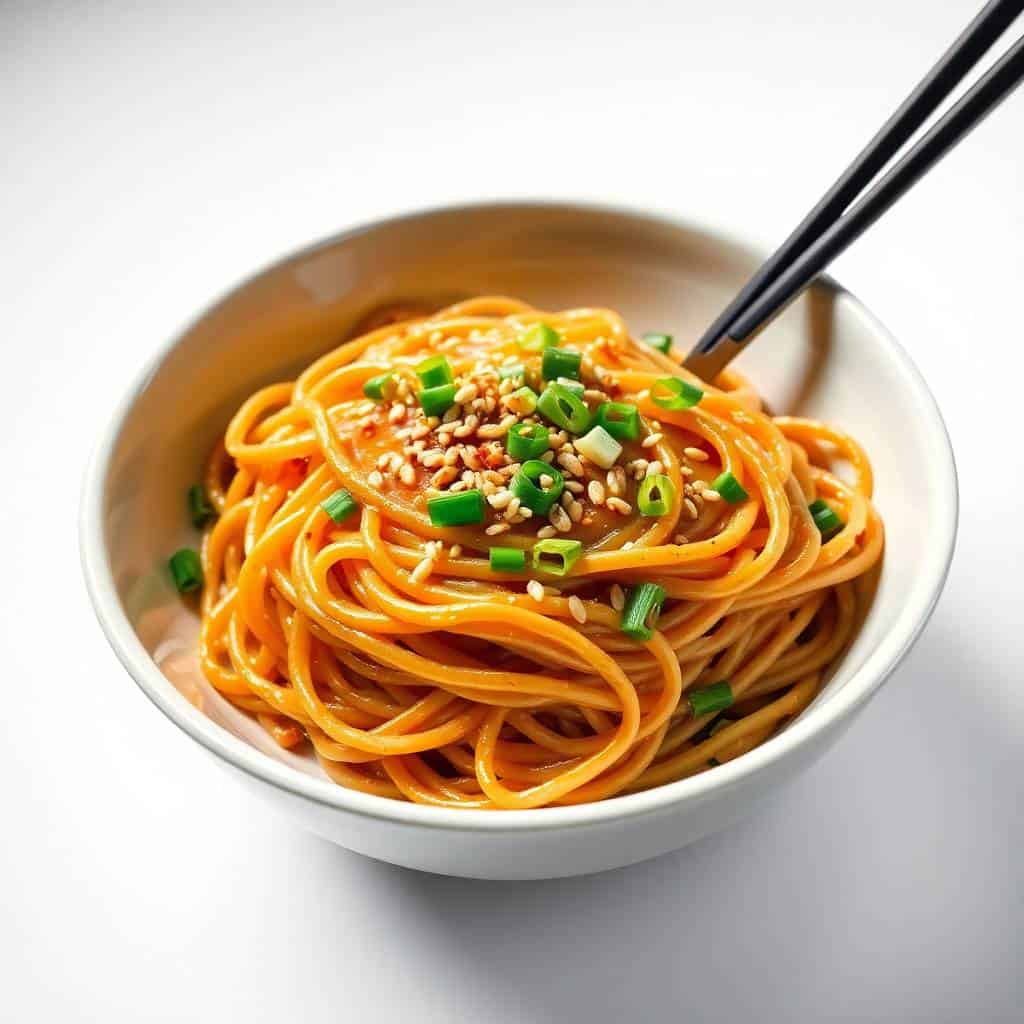
Why You'll Love This Recipe
- Twenty minutes start to finish: I've timed it. The noodles cook while I'm prepping the garlic, the sauce takes two minutes to mix, and it all comes together in one pan. On nights when I don't have a plan until 6pm, this is the recipe I reach for first. No prep, no stress, dinner on the table fast.
- Everything is already in your pantry: Soy sauce, sesame oil, rice vinegar, honey — these are things I always have on hand. The only thing you might need to grab is the noodles, and regular spaghetti from any grocery store works fine if you can't find lo mein. I've used whatever was in the cabinet and it's always come out well.
- Works hot or cold: I've served this warm straight from the skillet and I've also chilled it for an hour and served it as a cold noodle salad with sliced cucumber on top. Both work. The sauce actually deepens a bit overnight, so the next-day version is genuinely good — not just acceptable leftovers.
- Easy to bulk up: The base recipe is vegetarian, but it takes protein well. I've thrown in leftover rotisserie chicken, pan-fried tofu, and frozen shrimp I cooked in the same skillet right before adding the noodles. All three work. This is the kind of recipe that adapts to whatever you have rather than demanding specific ingredients.
- One pan, minimal cleanup: I cook the garlic in the same skillet I toss the noodles in. Sauce gets mixed in a small bowl. That's two things to wash. On weeknights that matters more than I expected it to when I first started cooking seriously.
Ingredients
- 8 ounces spaghetti or lo mein noodles (soba works too)
- 2 tablespoons toasted sesame oil
- 3 cloves garlic, minced
- 2 tablespoons soy sauce
- 1 tablespoon rice vinegar
- 1 tablespoon honey or maple syrup
- 1 teaspoon sriracha (optional, but I usually add it)
- 1 tablespoon toasted sesame seeds
- 2 green onions, chopped
- Optional toppings: shredded carrots, sliced cucumber, chopped peanuts, or your protein of choice (tofu, chicken, shrimp)
Directions
- Cook the noodles: Bring a large pot of salted water to a boil and cook the noodles according to package directions until al dente. Drain and set aside — don't rinse them if you want the sauce to cling better, but if you're serving cold, rinse with cold water to stop cooking and prevent clumping.
- Mix the sauce: In a small bowl, whisk together the soy sauce, rice vinegar, honey, and sriracha if using. Taste it now before it hits the noodles — adjust sweetness or heat here so you're not guessing later.
- Sauté the garlic: Heat the sesame oil in a large skillet over medium heat. Add the minced garlic and cook for about 30 seconds, stirring constantly. You want it fragrant, not golden — burnt garlic in sesame oil will make the whole dish bitter, and I've done that before.
- Combine everything: Add the drained noodles to the skillet and pour the sauce over the top. Toss with tongs or a wooden spoon until every noodle is coated and the sauce is absorbed, about 2 minutes.
- Finish and serve: Take the pan off the heat. Scatter sesame seeds and green onions over the top. Add any optional toppings — shredded carrots, cucumber, peanuts, protein — and serve immediately or let cool before refrigerating.
Tips for Success
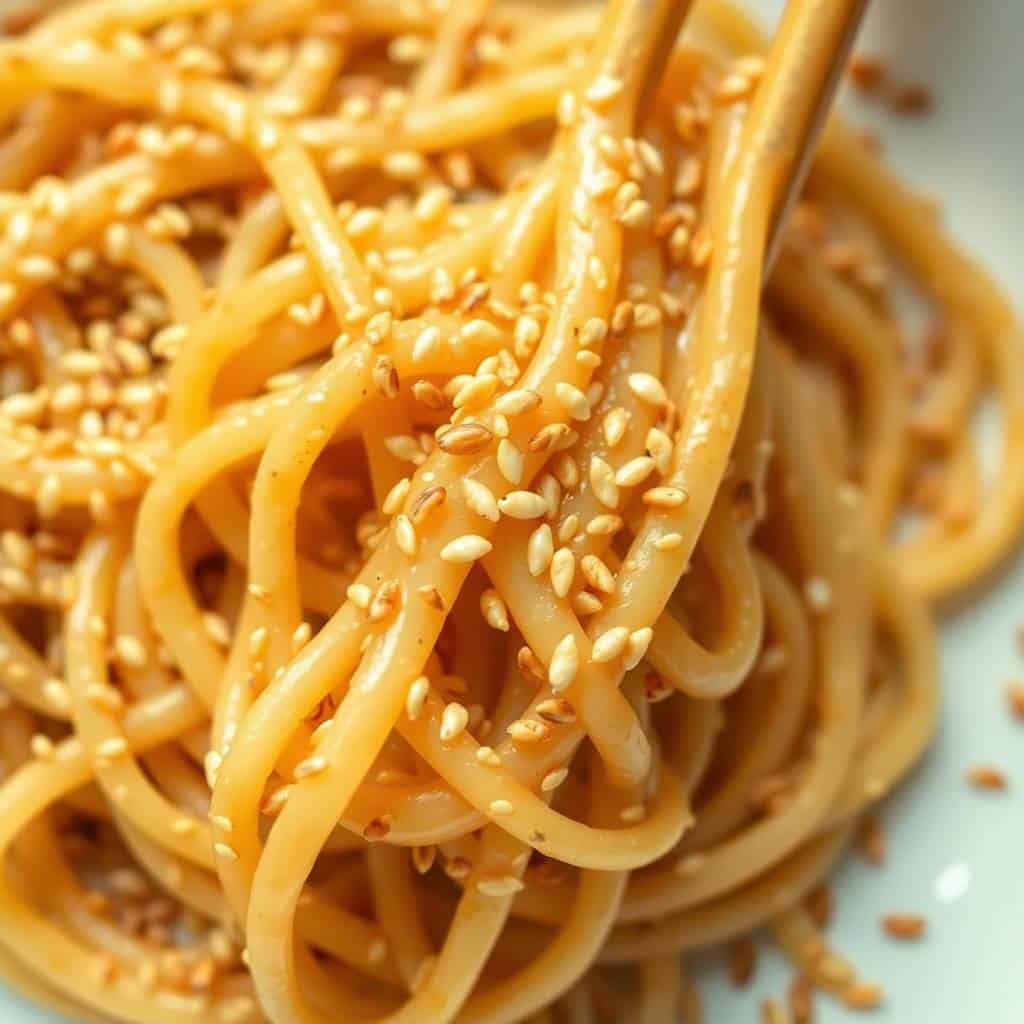
- Use toasted sesame oil, not regular: This is the one ingredient I won't swap. Toasted sesame oil has a deep, nutty flavor that's completely different from plain sesame oil. It's what gives this dish its character. You can find it at any major grocery store — Walmart and Costco both carry it — and a small bottle lasts a long time.
- Don't let the garlic brown: I burned it once and the whole dish tasted bitter all the way through. Thirty seconds over medium heat is genuinely enough. Keep the spoon moving and pull the pan off if it starts to darken before you're ready to add the noodles.
- Taste and balance the sauce before it goes in: Soy sauce brands vary a lot in saltiness. I use regular Kikkoman, but if you're using a different brand, taste the sauce first. You might need a touch more vinegar for brightness or a bit more honey if it's sharp. Getting this right before you toss the noodles takes ten seconds and makes a real difference.
- Don't overcook the noodles: Al dente matters here because the noodles keep cooking for another two minutes in the skillet. If they go in already soft, they come out mushy. I usually pull them about a minute earlier than the package says and let the pan finish the job.
- Make a double batch if you're feeding more than two: The recipe scales perfectly — just double every sauce ingredient along with the noodles. I make a double batch most weeks because it disappears completely by the next day. Having noodles already in the fridge on a busy afternoon is the kind of thing that makes dinner feel manageable.
Variations
- Peanut butter version: Stir one tablespoon of peanut butter into the sauce before it goes in the pan. It makes the whole thing creamier and richer — almost like a simplified peanut noodle dish. My husband prefers this version and will occasionally request it by name, which in his vocabulary means "the one with the peanut thing."
- Gluten-free swap: Use tamari instead of soy sauce and rice noodles instead of spaghetti or lo mein. The sauce works exactly the same way. Rice noodles cook faster, so watch them closely — usually 4 to 5 minutes max.
- Veggie-loaded version: Add a handful of snap peas, thinly sliced bell pepper, or small broccoli florets to the skillet with the garlic and cook for 2 minutes before adding the noodles. They don't need long — you want them tender but still with a little bite. This is how I get extra vegetables into dinner without anyone negotiating about it.
- Spicy version: Add a full teaspoon of sriracha plus a teaspoon of chili garlic sauce (the Huy Fong kind with the rooster on the jar) to the sauce mix. This is my version when the kids are in bed and I'm making a bowl just for myself.
- Lemon-garlic version: Swap the rice vinegar for fresh lemon juice and add an extra clove of garlic. It's brighter and a bit more sharp — closer to an Italian aglio e olio in spirit, but with sesame running through it. Good alongside lighter proteins like fish or grilled shrimp.
Serving and Storage
Serving
Serve straight from the skillet, warm, with sesame seeds and green onions scattered on top. If you're adding protein, I like to pile it on top rather than mix it in so everyone can adjust their own portion. These noodles also work well on a table with other dishes — they're substantial enough to anchor a meal but don't fight with other flavors. For a starter spread, they'd sit well alongside something like spinach artichoke dip and some crudités if you're hosting.
Storage
Store leftovers in an airtight container in the fridge for up to 4 days. The noodles will absorb more sauce as they sit, so when you reheat them add a tiny splash of water or an extra drizzle of sesame oil before microwaving — that brings them back without drying them out. If you're eating them cold, just pull them straight from the fridge and add whatever toppings you like. Saad eats the cold version for lunch the next day with no complaints, which is high praise from a nine-year-old.
Frequently Asked Questions
Can I make these noodles ahead of time?
Yes, and honestly they're better the next day once the sauce has had time to settle into the noodles. You can also mix the sauce up to 2 days ahead and store it in a small jar in the fridge — then the actual cooking takes maybe 10 minutes when you're ready.
Can I use regular spaghetti instead of lo mein noodles?
Completely fine. I use spaghetti probably half the time because it's what's in my pantry. Lo mein noodles have a slightly softer texture and absorb the sauce a bit differently, but the flavor is the same either way. Soba noodles also work and add a slightly nutty note that plays well with the sesame.
How do I make this gluten-free?
Swap the soy sauce for tamari (same quantity, same flavor profile) and use rice noodles instead of wheat-based pasta. Rice noodles cook faster — usually 4 to 5 minutes — so watch them and taste early to avoid overcooking.
What proteins work well in this dish?
I've tried grilled chicken, pan-fried tofu, and shrimp — all three are good. Cook the protein separately first, then add on top at the end so it doesn't get overdone while you're tossing the noodles. Shrimp is the fastest: about 2 minutes per side in the same skillet before you start the garlic.
Can I serve these noodles cold?
Yes — rinse the noodles in cold water after cooking, toss with the sauce, and refrigerate for at least 30 minutes before serving. Cold garlic sesame noodles with sliced cucumber and chopped peanuts on top is a different dish but a genuinely good one, especially in summer.
GARLIC SESAME NOODLES
Ingredients
- 8 ounces spaghetti or lo mein noodles
- 2 tablespoons sesame oil
- 3 cloves garlic minced
- 2 tablespoons soy sauce
- 1 tablespoon rice vinegar
- 1 tablespoon honey or maple syrup
- 1 teaspoon sriracha optional for spice
- 1 tablespoon toasted sesame seeds
- 2 green onions chopped
Instructions
- Cook the Noodles: Cook noodles according to package directions. Drain and set aside.
- Make the Sauce: In a small bowl, whisk together soy sauce, rice vinegar, honey, and sriracha if using.
- Sauté Garlic: In a large skillet, heat sesame oil over medium heat. Add minced garlic and sauté for 30 seconds until fragrant.
- Combine: Add cooked noodles and sauce to the skillet. Toss until evenly coated and heated through.
- Finish and Serve: Sprinkle with sesame seeds and green onions before serving. Enjoy warm or cold.
Notes
- Make Ahead: Prepare sauce up to 2 days in advance and store in the fridge for quick use.
- Custom Flavours: Add sautéed veggies, tofu, or grilled chicken for extra protein.
- Serving Suggestions: Serve as a light lunch or side dish with Asian-inspired mains.
- Storage Tips: Store leftovers in an airtight container for up to 3 days. Reheat gently or enjoy cold as a noodle salad.
This is one of those recipes I come back to without planning to. It started as a gap-filler — something to make when I hadn't defrosted anything and the fridge was mostly condiments — and it quietly became a regular. I'm not going to pretend it's an authentic Chinese noodle dish, because it isn't. It's my version, built from pantry ingredients and adjusted to what my family actually eats.
What I like most about it is how adjustable it is without requiring any real effort. More sriracha if the adults are eating. Less if the kids are at the table. A spoonful of peanut butter if I want it creamier. Extra garlic when I want to feel like I'm actually cooking something and not just assembling. The base recipe is solid enough that you can pull it in a lot of directions and it still works.
If you're making this as part of a bigger spread, it sits well next to things that don't compete with its flavors — lighter appetizers especially. On the dessert side, I sometimes end a noodle dinner with something no-bake and easy, like my no-bake strawberry icebox cake, which takes five minutes to assemble and feels genuinely celebratory without adding another hour in the kitchen.
Make this once and you'll have it memorized by the third time. That's the kind of recipe I actually keep making. 🍜✨
If you liked this, here are a few more recipes worth trying:
- Pesto and Sun-Dried Tomato Stuffed Mushrooms
- Spinach Artichoke Dip
- No-Bake Strawberry Icebox Cake
- Chocolate Whiskey Cake (The Ultimate Dad Dessert)



Comments
No Comments