
The first time I made a seafood bisque from scratch, I completely forgot to make a roux first — I just dumped everything into the pot and hoped for the best. The result was a thin, watery soup that tasted fine but had none of that velvety, restaurant-style body I was going for. I made it three more times before I got the texture right, and now this is one of those recipes I genuinely look forward to making on a cold weekend evening.
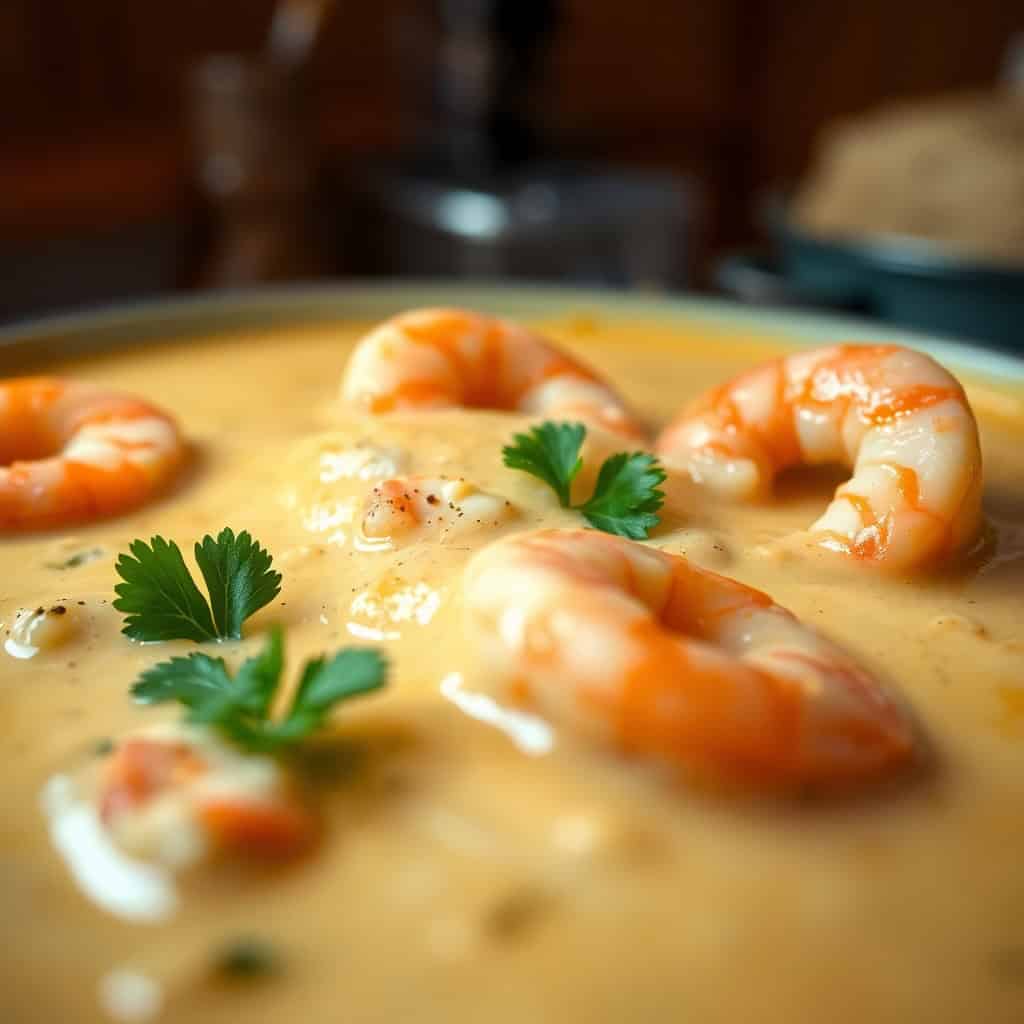
What makes this bisque work is the roux at the beginning — butter and flour cooked together before the liquid goes in. That's what gives you the thick, silky consistency that clings to a spoon instead of sliding right off. The sherry is the other thing I'd really encourage you not to skip. It adds a depth that white wine alone doesn't quite match, though white wine works fine if sherry isn't something you keep on hand.
My husband loves this bisque with a thick slice of crusty sourdough for dipping, and honestly that combination on a cold evening is hard to beat. It's also the kind of dish that feels fancy enough for a dinner party without requiring you to spend hours in the kitchen. I've served it as a starter before a big seafood spread — last time I made my Baltimore Crab Cakes as the main and this bisque as the starter and people talked about that meal for weeks.
One thing to set expectations on: once the cream goes in, don't let the pot boil. I learned that lesson after a batch separated on me and looked genuinely unappealing. A gentle simmer is all you need from that point on. The bisque will be ready in about 40 minutes total, most of which is hands-off simmering time.

Why You'll Love This Recipe
- It comes together in one pot: Everything happens in a single Dutch oven or large pot, which means minimal cleanup on a night when you just want to eat and relax. I use my trusty heavy-bottomed pot that I've had for years — nothing fancy required. The whole process from chopping vegetables to ladling into bowls takes about 40 minutes.
- The roux makes it genuinely thick and velvety: A lot of bisque recipes skip the roux and rely on blending or heavy cream alone, but I find those versions never get quite thick enough. Making the roux only adds two minutes to the process and the payoff is a bisque that actually coats the back of a spoon the way it should. Once you do it this way, you won't go back.
- The seafood stays tender: Because the shrimp and crab go in at the very end, they only cook for about five minutes — just enough to heat through. Every time I've added seafood too early, it turns rubbery and disappointing. This method keeps everything soft and sweet-tasting the way good seafood should be.
- Old Bay does a lot of the heavy lifting: If you've never cooked with Old Bay seasoning before, this bisque is a great introduction. It's a blend of celery salt, paprika, and various spices that's basically made for seafood — you can find it at Walmart, Costco, most regular grocery stores. One teaspoon seasons this entire pot beautifully.
- It's a make-ahead option that actually holds up: I've made this the day before a dinner gathering and reheated it gently the next evening. The flavor is actually better on day two because everything has had time to sit together. Just remember: low heat when reheating, never let it boil, and stir slowly.
Ingredients
- ¼ cup (½ stick) unsalted butter
- 1 medium onion, chopped
- 2 carrots, diced
- 2 celery stalks, diced
- 4 cloves garlic, minced
- ½ cup all-purpose flour
- 6 cups seafood broth or chicken broth
- 1 cup heavy cream
- ½ cup dry sherry (or dry white wine like Pinot Grigio)
- 1 teaspoon Old Bay seasoning
- ½ teaspoon black pepper
- 1 pound cooked shrimp, peeled and deveined
- 1 pound lump crab meat, picked over for shells
- Salt to taste
- Optional garnishes: chopped fresh parsley, chives, or a small drizzle of cream
Directions
- Sauté the vegetables: In a large pot or Dutch oven, melt the butter over medium heat. Add the chopped onion, diced carrots, and diced celery and cook for 5–7 minutes, stirring occasionally, until everything is softened. The vegetables don't need to brown — you just want them to go translucent and soft so they blend into the bisque later.
- Add garlic and flour: Stir in the minced garlic and cook for one minute until fragrant. Sprinkle in the flour and stir constantly for about one minute to form a roux. This is the step that gives the bisque its thick, velvety body — don't rush it or skip it.
- Whisk in broth, cream, and sherry: Gradually whisk in the seafood broth (or chicken broth), heavy cream, and sherry, adding the liquid slowly so the roux absorbs it smoothly without lumping. Bring to a simmer, then reduce heat to low and cook for 15 minutes, stirring occasionally, until the bisque thickens slightly.
- Season: Stir in the Old Bay seasoning and black pepper. Taste and add salt as needed. The amount of salt you need will depend on how salty your broth is, so always taste before adding.
- Add the seafood: Add the cooked shrimp and lump crab meat. Cook for 5 minutes more, stirring gently, just until everything is heated through. Be careful here — the seafood is already cooked and only needs to warm up. Overcooking at this stage is the number one way to end up with rubbery shrimp.
- Serve: Ladle into bowls and garnish with fresh parsley, chives, or a small drizzle of cream if you want to make it look a little special. Serve hot with crusty bread on the side.
Tips for Success
- Add the liquid to the roux slowly: The first time I made this properly, I got impatient and dumped all the broth in at once — the roux clumped into little flour balls that never fully dissolved. Add the liquid gradually, whisking constantly as you go. It takes maybe 90 extra seconds and completely prevents that problem.
- Never boil the bisque after the cream goes in: This is the most important rule for any cream-based soup. High heat causes the cream to separate and you end up with a greasy, broken bisque. Keep it at a gentle simmer — small bubbles around the edges, not a rolling boil. If you accidentally get it too hot, take it off the heat immediately and stir.
- Pick over the crab meat carefully: Lump crab meat from the can or container almost always has a few shell fragments hiding in it. I spread mine out on a plate and go through it quickly before adding it to the pot. Biting into a shell in an otherwise smooth bisque is genuinely unpleasant and very avoidable.
- Use the best crab and shrimp you can find: This isn't a recipe where the sauce hides the quality of the seafood — the seafood IS the flavor. I buy lump crab meat from the refrigerated section at my local grocery store, not the shelf-stable cans. For the shrimp, frozen and thawed works perfectly well; just make sure they're fully thawed and patted dry before adding to the pot.
- Taste before you salt: Seafood broth varies a lot in saltiness depending on the brand. I always taste the bisque after adding the Old Bay and before reaching for the salt shaker. Some batches need almost no extra salt; others need a fair amount. Your palate is the only reliable guide here.
Variations
- Add lobster for a special occasion version: Replace half the crab with chopped cooked lobster tail and you have a bisque that feels genuinely extravagant. I've done this for New Year's Eve dinner and it was worth every penny. The lobster adds a slightly sweeter, firmer texture alongside the shrimp and crab that works really well.
- Make it spicier: Add a pinch of cayenne pepper along with the Old Bay, or stir in a few dashes of hot sauce right before serving. My husband always adds extra heat to his bowl — he keeps a bottle of Louisiana hot sauce on the table for exactly this kind of soup. Even a small amount of cayenne wakes the whole thing up.
- Thicken it further if you like a denser bisque: If after the 15-minute simmer the bisque isn't as thick as you'd like, mix 1 tablespoon of cornstarch with 2 tablespoons of cold water and whisk it in slowly. Give it another 5 minutes on low heat and it will thicken up considerably. I find the roux-based version plenty thick, but everyone's preference is different.
- Use clam broth or fish broth for a deeper seafood flavor: Chicken broth works as a substitute when you can't find seafood broth, but if you want a more intensely oceanic flavor, clam broth (Trader Joe's and most grocery stores carry it) makes a noticeable difference. I use half clam broth, half chicken broth when I want extra depth without the dish tasting overwhelmingly fishy.
- Skip the sherry if you prefer alcohol-free: The bisque works without it — just add an extra half cup of broth to make up the liquid volume. You lose a little of that nutty depth, but the seafood and Old Bay carry the flavor very well on their own. I've made both versions and while I prefer it with sherry, the alcohol-free version is genuinely good too.
Serving and Storage
Serving
Serve the bisque hot, straight from the pot. A thick slice of sourdough or a crusty baguette for dipping is really the ideal accompaniment — something that can hold up to the weight of the bisque without falling apart. I ladle it into wide, shallow bowls and add a small drizzle of cream in a swirl on top plus a few chopped chives. If you're serving this as a starter before a larger seafood meal, smaller portions in cups work well too. If you want to round out a cozy dinner spread, my Crockpot Potato Broccoli Cheddar Soup is another option for a different kind of creamy, warming bowl — though obviously not on the same night as this one.
Storage
Store leftover bisque in an airtight container in the refrigerator for up to 3 days. When reheating, use a saucepan over low heat and stir gently — don't rush it with high heat or the cream will break. Add a small splash of broth or cream if it's thickened up too much in the fridge. Freezing is not recommended because the cream tends to separate on thawing and the shrimp texture deteriorates. In my experience it's better to make a smaller batch if you're worried about leftovers than to try to freeze this one.

Frequently Asked Questions
Can I use imitation crab meat instead of lump crab?
You can, but the flavor will be noticeably different. Imitation crab is made from processed white fish and has a much milder, slightly sweeter taste compared to real lump crab. It also has a softer, almost stringy texture that doesn't hold up quite the same way in the bisque. If that's what you have available, it'll still produce a decent soup — just know it's a different result than what the recipe is going for.
Can I make this bisque ahead of time?
Yes, and it actually tastes better the next day once the flavors have had time to develop. Make the full bisque including the seafood, let it cool completely, then store it in the fridge. Reheat it gently over low heat, stirring slowly — never boil it during reheating. I'd say this is one of those rare soups where making it a day ahead is genuinely worth doing.
Why did my bisque curdle or look grainy?
Almost certainly it got too hot after the cream was added. Once you stir in the heavy cream, the bisque should never come to a full boil — keep it at a low simmer with small bubbles around the edges only. If it does curdle, take it off the heat immediately and whisk vigorously. Sometimes that brings it back together; sometimes it doesn't. Prevention is easier than the fix.
Can I freeze this bisque?
I wouldn't. The cream separates when frozen and thawed, and the shrimp tend to become rubbery after going through the freeze-thaw cycle. The bisque keeps well in the fridge for up to 3 days, which is honestly enough for most households. If you're cooking for a crowd and want to prep ahead, make the base (everything up to adding the cream and seafood) and freeze that — then add the cream and seafood fresh when you reheat.
What can I use instead of dry sherry?
Dry white wine works well — Pinot Grigio or Sauvignon Blanc are both good options. If you want to skip alcohol entirely, just add an extra half cup of broth in its place and the bisque will still be very good. The sherry adds a subtle nuttiness that's nice but not essential. I've made this both ways and while I prefer the sherry version, the no-alcohol version is genuinely solid.

CREAMY CRAB AND SHRIMP SEAFOOD BISQUE
Ingredients
- ¼ cup (½ stick) unsalted butter
- 1 medium onion, chopped
- 2 carrots, diced
- 2 celery stalks, diced
- 4 cloves garlic, minced
- ½ cup all-purpose flour
- 6 cups seafood broth or chicken broth
- 1 cup heavy cream
- ½ cup dry sherry (or white wine)
- 1 teaspoon Old Bay seasoning
- ½ teaspoon black pepper
- 1 pound cooked shrimp, peeled and deveined
- 1 pound lump crab meat, picked over for shells
- Salt to taste
- Optional garnishes: chopped fresh parsley, chives, or a drizzle of cream
Instructions
- Sauté vegetables: In a large pot or Dutch oven, melt the butter over medium heat. Add the chopped onion, diced carrots, and diced celery. Cook for 5-7 minutes, stirring occasionally, until softened.
- Add garlic and flour: Stir in the minced garlic and cook for 1 minute more, until fragrant. Sprinkle in the flour and cook for 1 minute, stirring constantly, to make a roux.
- Whisk in broth and cream: Gradually whisk in the seafood broth (or chicken broth), heavy cream, and sherry (or white wine) until smooth. Bring to a simmer, then reduce heat to low and cook for 15 minutes, stirring occasionally, until slightly thickened.
- Season: Stir in the Old Bay seasoning and black pepper. Season with salt to taste.
- Add seafood: Add the cooked shrimp and crab meat. Cook for 5 minutes more, or until heated through. Be careful not to overcook the seafood, as it can become rubbery.
- Serve: Serve hot, garnished with chopped fresh parsley, chives, or a drizzle of cream, if desired.
Notes
- Broth: Seafood broth is preferred for the most authentic flavor, but chicken broth can be substituted.
- Sherry/Wine: Sherry adds a nutty flavor to the bisque, but you can substitute with white wine or omit it altogether.
- Seafood: You can use other types of seafood in this bisque, such as lobster, scallops, or fish. Adjust the cooking time as needed.
- Thickening: The bisque will thicken as it simmers. If you want it to be thicker, you can whisk in a slurry of cornstarch and water.
- Make-Ahead: The bisque can be made ahead of time and stored in the refrigerator for up to 3 days. Reheat gently before serving.
- Freezing: It's not recommended to freeze this bisque due to the cream content, as it may separate upon thawing.
I've made this bisque enough times now that I could probably do it with my eyes closed. It's become my go-to for evenings when I want something that feels like a proper restaurant meal without actually leaving the house. There's something about a bowl of velvety seafood soup with good bread on the side that just feels like taking care of yourself and whoever you're feeding.
What I appreciate most about this recipe is that it doesn't ask much of you. The steps are simple, the ingredients are all available at a regular grocery store, and the result looks and tastes like something that took a lot more effort than it did. If you want to build a full seafood dinner around it, my Baltimore Crab Cakes are the natural follow-up — the two together make a meal that I'd be genuinely proud to put in front of guests.
The one thing I'd say to anyone making this for the first time: trust the roux, go slow with the liquid, and don't rush the simmer at the end. Those three things are what separates a good bisque from a great one. Everything else is pretty forgiving. 🦀🍲✨