
I didn't set out to make a carrot pound cake. I was actually trying to use up a bag of carrots that had been sitting in my fridge for longer than I'd like to admit, and I wanted something denser and more satisfying than a regular carrot cake. Pound cake seemed like the right direction — more butter, less fluff, that close crumb that holds together when you slice it.
The first time I made this, I used pre-shredded carrots from a bag and the texture was noticeably off — drier than I expected, almost grainy in spots. The second time I grated fresh carrots myself and the difference was real. Fresh carrots release moisture as they bake and that's what keeps this loaf from feeling heavy even though it's quite dense. The spice combination — cinnamon, nutmeg, a little clove — is the kind of thing that makes your kitchen smell like you've been baking all day even if you just started an hour ago.
This has become one of those cakes I make when I want something that works with afternoon tea and also doubles as breakfast the next day. My husband eats it plain. Zainab wants the cream cheese frosting every single time. I usually compromise and glaze half the loaf and frost the other half, which sounds unnecessary but genuinely keeps the peace. If you're into warm spiced bakes, my chewy brown butter maple pumpkin cookies hit a similar note and they're even faster to pull together.
One thing to know going in: this is not a quick bake. It needs 50 to 55 minutes in the oven and you have to let it cool fully before glazing or the whole thing turns into a soggy mess. I've learned that the hard way. Plan for about 90 minutes start to finish including cooling time, and you'll be fine.
Why You'll Love This Recipe
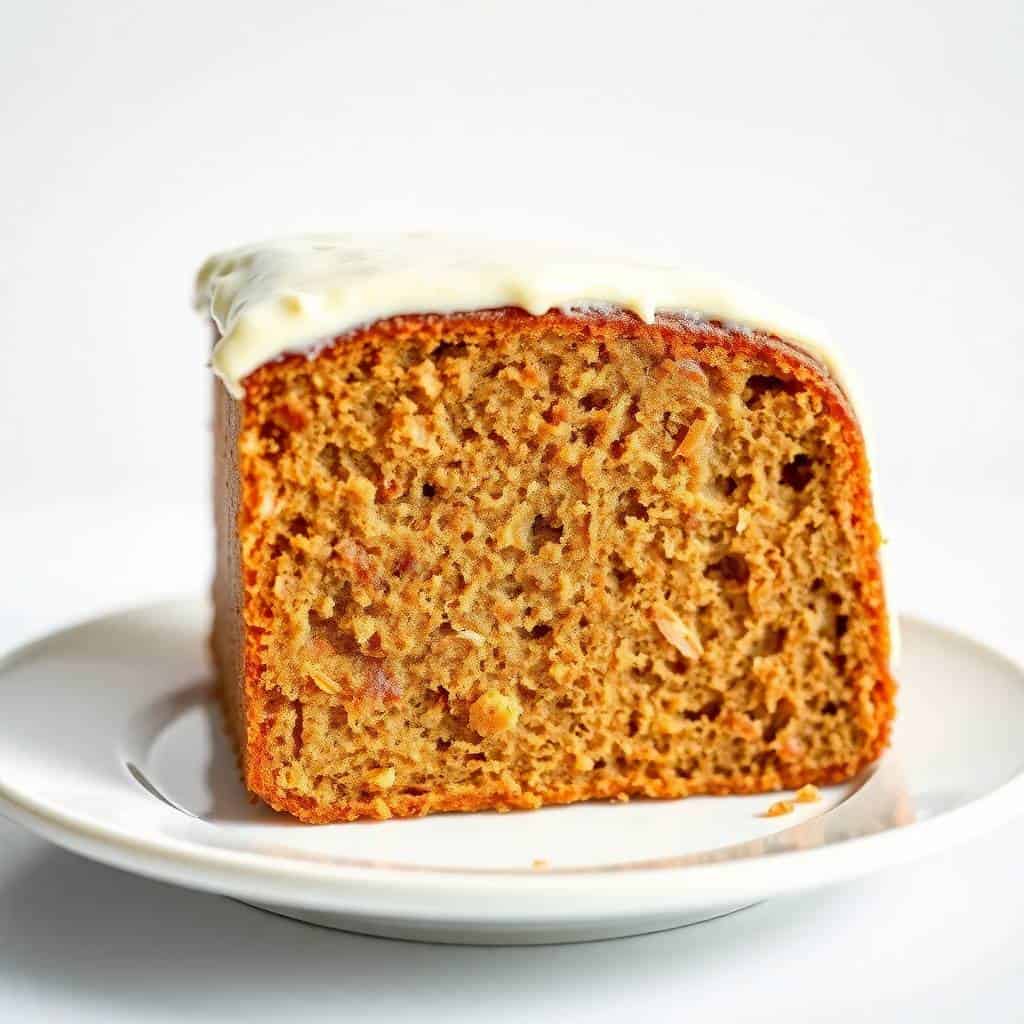
- It's denser and more satisfying than regular carrot cake: I love a classic carrot cake but sometimes I want something that feels more substantial — something that holds up to a thick smear of frosting without turning to crumbs. This loaf has that close, tight crumb that comes from pound cake ratios: more butter, more eggs, less leavening. It slices cleanly and keeps its shape, which also means it's much easier to pack into a lunchbox or bring to someone's house without it falling apart on the way.
- The warm spices do real work here: Cinnamon, nutmeg, and cloves aren't just decorative — they actually balance the sweetness of the carrots and brown sugar so the cake doesn't taste one-dimensional. I once forgot to add the nutmeg and honestly noticed the difference. The cake was fine but it was missing something. The spices together create a background warmth that makes each slice feel cozy in a way that's hard to describe but easy to taste.
- No stand mixer needed: I don't own a stand mixer and I made this with a hand mixer I've had for years. If you don't even have that, a wooden spoon and some patience works — just make sure your butter is properly softened first. Cream it for a full 3 to 4 minutes if you're doing it by hand. A little elbow grease is the only special equipment required here.
- It freezes well, which means I always have a backup dessert: I started making double batches because this cake freezes beautifully. I wrap each loaf tightly in plastic wrap and then foil, and it keeps for up to three months. When I need something for an unexpected guest or a sudden craving, I pull it out in the morning and it's ready by afternoon. This has saved me more than once.
- Works with what you already have: The ingredient list reads like a standard pantry check. Flour, butter, eggs, sour cream, a couple of spices — most of this is already in your kitchen. The carrots are the only thing you might need to grab, and a 1-pound bag from Walmart or Aldi is more than enough. This is the kind of cake you can decide to make at 10am and have done by noon without a special trip to the store.
Ingredients
- 2 cups all-purpose flour
- 1½ teaspoons baking powder
- ½ teaspoon baking soda
- ½ teaspoon salt
- 1 teaspoon ground cinnamon
- ½ teaspoon ground nutmeg
- ¼ teaspoon ground cloves
- 1 cup unsalted butter, softened
- 1½ cups granulated sugar
- 3 large eggs, room temperature
- 1 teaspoon vanilla extract
- ½ cup sour cream or plain Greek yogurt, room temperature
- 1½ cups finely grated carrots (freshly grated — not pre-shredded from a bag)
- Optional: ½ cup chopped walnuts or pecans
- For the cream cheese frosting (optional): 4 ounces cream cheese (softened), 2 tablespoons butter (softened), 1 cup powdered sugar, ½ teaspoon vanilla extract
- Or a simple glaze: ½ cup powdered sugar + 1 tablespoon milk or lemon juice
Directions
- Step 1: Preheat the oven — Preheat your oven to 350°F (175°C). Grease a 9x5-inch loaf pan and line it with parchment paper, leaving some overhang on the sides so you can lift the cake out easily. I skipped the parchment once and regretted it — the bottom stuck and I lost a chunk of cake.
- Step 2: Mix the dry ingredients — In a medium bowl, whisk together the flour, baking powder, baking soda, salt, cinnamon, nutmeg, and cloves. Set it aside. Getting this mixed evenly before it hits the wet ingredients is the difference between a spiced cake and a cake with pockets of spice in random spots.
- Step 3: Cream butter and sugar — In a large bowl, beat the softened butter and granulated sugar together for 3 to 4 minutes until the mixture is pale and noticeably fluffy. This step matters — don't rush it. If your butter is still cold, you'll end up with a lumpy batter that never fully comes together.
- Step 4: Add eggs and vanilla — Beat in the eggs one at a time, making sure each one is fully incorporated before adding the next. Add the vanilla extract and mix until smooth. If the batter looks slightly curdled at this stage, don't panic — it will come together once the flour goes in.
- Step 5: Add sour cream and carrots — Mix in the sour cream until just combined, then fold in the grated carrots and the optional nuts using a spatula. The carrots will release some moisture as you mix — that's exactly what you want for a moist crumb.
- Step 6: Fold in the dry ingredients — Gradually add the dry ingredients into the wet mixture, folding gently until no streaks of flour remain. Do not overmix. Once the flour is in, stir only as much as you need to. Overmixing develops the gluten and makes the cake tough instead of tender.
- Step 7: Bake — Pour the batter into the prepared pan and smooth the top with a spatula. Bake for 50 to 55 minutes, checking with a toothpick inserted into the center — it should come out clean or with just a few dry crumbs. If the top is browning too fast before it's done, lay a piece of foil loosely over it for the last 10 minutes.
- Step 8: Cool and finish — Let the cake cool in the pan for 10 minutes, then lift it out using the parchment overhang and transfer to a wire rack. Wait until it's fully cool before adding the glaze or frosting. I know it's tempting to rush this but warm cake melts frosting completely — ask me how I know.
Tips for Success
- Grate your own carrots: I know the bagged pre-shredded carrots seem like a time saver, but they're drier, coarser, and they don't blend into the batter the same way. Freshly grated carrots are finer, they release moisture as they bake, and you can actually feel the difference in the final crumb. A box grater takes about 5 minutes — it's worth it. Use the fine side, not the coarse one.
- Bring everything to room temperature first: Cold butter won't cream properly. Cold eggs can cause the batter to seize up. Cold sour cream makes mixing uneven. I pull everything out of the fridge about 30 minutes before I start. If I forget — which happens — I cut the butter into small cubes to help it soften faster, and I run the eggs under warm water for a couple of minutes.
- Stop mixing once the flour is in: This is the single thing that most often goes wrong with pound cakes. The moment the flour goes in, the only goal is to bring it together — not to make it perfectly smooth. A few gentle folds with a spatula is all you need. Overmixing makes the gluten work too hard and the result is a dense, chewy cake instead of a tender one.
- Toss nuts in flour before folding them in: If you're adding walnuts or pecans, toss them in a teaspoon of flour before folding into the batter. This keeps them suspended in the loaf rather than sinking to the bottom during baking. I skipped this step the first time and ended up with a layer of nuts at the base — still tasty but not what I was going for.
- Test doneness in the center, not the edge: The edges of a loaf cake always set before the center does. When I started baking, I'd poke the side with a toothpick and pull it out thinking it was done — then cut into it later to find a wet middle. Always insert the toothpick straight into the very center of the loaf. If it comes out with wet batter on it, give the cake another 5 minutes and test again.
Variations
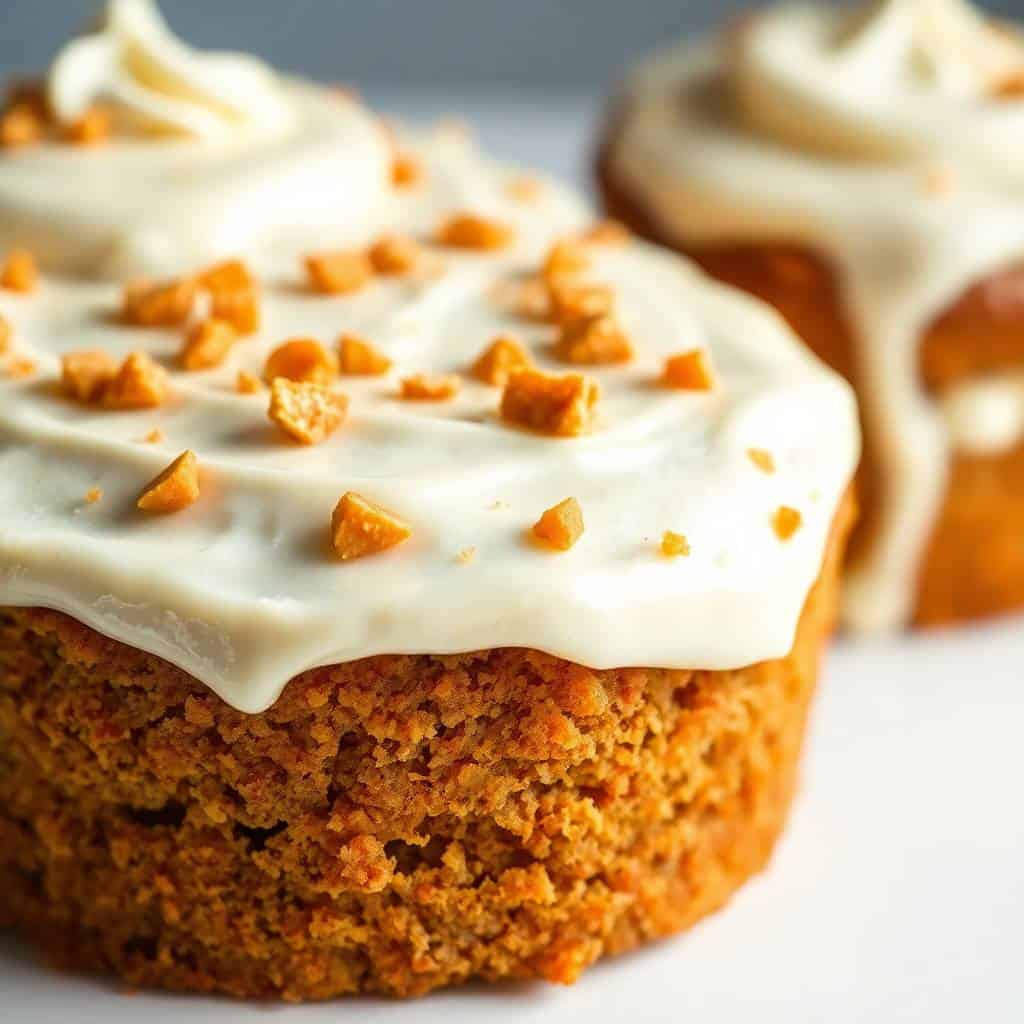
- Cream cheese frosting instead of a glaze: This is Zainab's preferred version and honestly it does make the cake feel more like a proper dessert. Beat 4 ounces of softened cream cheese with 2 tablespoons of softened butter, 1 cup of powdered sugar, and ½ teaspoon of vanilla until smooth and spreadable. Let the cream cheese sit out for at least 20 minutes before you start — cold cream cheese clumps and you'll spend forever trying to smooth it out.
- Add orange zest: A teaspoon of fresh orange zest stirred into the batter makes a noticeable difference — it brightens everything and plays really well against the cinnamon and nutmeg. I started doing this almost by accident one day when I had an orange sitting on the counter and now I do it almost every time. If you have one handy, try it.
- Crushed pineapple for extra moisture: Fold in ¼ cup of well-drained crushed pineapple with the carrots. It adds a subtle fruity sweetness without tasting like a pineapple cake — you probably won't be able to identify it directly, it just makes the crumb a little more tender and the flavor slightly rounder. Make sure to drain it properly or you'll add too much liquid to the batter.
- Bake as muffins: Pour the batter into a lined muffin tin and reduce the baking time to about 20 to 25 minutes. This is how I make them for school days — easier to pack, no slicing required, and each one already has a little domed top that holds a small drop of glaze really nicely. If you're a muffin fan, check out my moist apple cinnamon crumb muffins too — similar warm-spice vibe.
- Half whole wheat flour: Swap half the all-purpose flour with whole wheat flour if you want a slightly earthier, nuttier flavor and a touch more density. The texture will be a little heavier but not unpleasantly so — it actually works well with the carrot and spice base. I wouldn't go more than half whole wheat or it starts to taste more like health food than dessert.
Serving and Storage
Serving
This cake is good on its own, sliced thick and served with a cup of tea or coffee. If you want something more dessert-forward, the cream cheese frosting is the move — spread it generously on top once the loaf is completely cool. A simple powdered sugar glaze works if you want something lighter. I've also served this at room temperature as part of a weekend spread alongside my Amish shoofly pie and both disappeared fast. Slices hold up well at room temperature for a few hours so it's fine to set out before guests arrive.
Storage
Store the unfrosted cake wrapped tightly in plastic wrap or in an airtight container at room temperature for up to 2 days. In the fridge it'll keep for up to 5 days — just bring slices back to room temperature before eating or the dense crumb feels a bit stiff. If you've frosted it with cream cheese frosting, it needs to stay refrigerated. For longer storage, wrap the unfrosted loaf in plastic wrap and then foil and freeze for up to 3 months. Thaw overnight on the counter and frost or glaze after it thaws.
Frequently Asked Questions
Can I use pre-shredded carrots from a bag?
I'd really recommend against it. Pre-shredded carrots are cut coarser and they've already lost a lot of their moisture by the time you open the bag. That moisture is what keeps this loaf tender — without it, the crumb can feel dry and a little grainy. Grating fresh carrots takes maybe 5 minutes with a box grater and the difference is genuinely noticeable.
What can I use instead of sour cream?
Plain full-fat Greek yogurt works perfectly as a 1:1 substitute — it gives the same moisture and slight tang that sour cream does. I've used both and honestly can't tell the difference in the final cake. Just make sure it's full-fat; low-fat yogurt has more water content and can make the batter too loose.
Can I bake this in a bundt pan instead of a loaf pan?
Yes, a bundt pan works well and actually makes for a prettier presentation if you're serving to guests. Grease it really thoroughly — every crevice — or the cake will stick. Start checking for doneness at the 45-minute mark since bundt pans have thinner walls and bake faster than a deep loaf pan. A toothpick in the thickest part should come out clean.
Can I make this cake ahead of time?
Yes, and it actually tastes better on day two once the spices have had time to settle into the crumb. Bake the cake a day ahead, let it cool fully, wrap it tightly, and frost or glaze it the next day right before serving. This is my standard approach when I'm making it for a gathering — one less thing to do on the day itself.
Is this the same as regular carrot cake?
Not exactly — pound cake uses more butter and a different fat-to-flour ratio than a typical layer carrot cake, which gives it a denser, tighter crumb. Regular carrot cake is usually lighter and airier, often made with oil instead of butter. This version is heartier, holds its shape better when sliced, and feels more like something you'd eat with coffee rather than a formal frosted celebration cake. Both are good — they're just different things.
CARROT POUND CAKE
Ingredients
For the Cake:
- 2 cups all-purpose flour
- 1½ teaspoons baking powder
- ½ teaspoon baking soda
- ½ teaspoon salt
- 1 teaspoon cinnamon
- ½ teaspoon nutmeg
- 1 cup unsalted butter softened
- 1½ cups granulated sugar
- 3 large eggs
- 1 teaspoon vanilla extract
- 1½ cups finely grated carrots
- ½ cup sour cream or plain yogurt
For the Frosting (Optional):
- 4 ounces cream cheese softened
- 2 tablespoons butter softened
- 1 cup powdered sugar
- ½ teaspoon vanilla extract
Instructions
Prepare the Batter:
- Preheat oven to 350°F (175°C). Grease and flour a loaf or bundt pan. In a bowl, whisk flour, baking powder, baking soda, salt, cinnamon, and nutmeg.
Mix Wet Ingredients:
- In another bowl, beat butter and sugar until fluffy. Add eggs one at a time, then vanilla. Stir in grated carrots and sour cream.
Combine and Bake:
- Gradually fold in dry ingredients. Pour batter into prepared pan and bake 50–55 minutes or until a toothpick inserted comes out clean. Cool completely.
Prepare Frosting (Optional):
- Beat cream cheese, butter, powdered sugar, and vanilla until smooth. Spread over cooled cake.
Notes
- Make Ahead: Bake the cake a day ahead and frost before serving.
- Variation: Add chopped nuts or shredded coconut for extra flavour and texture.
- Storage: Store in an airtight container in the refrigerator for up to 4 days. Serve at room temperature.
This is the kind of bake I come back to when I want something that feels genuinely homemade in the best sense of that word — not fussy, not trying to be a bakery showpiece, just a good dense spiced loaf that tastes like someone put real care into it. The carrots, the warm spices, the sour cream in the batter — every choice is doing something. I appreciate recipes like that.
If you make the cream cheese frosting version, let it sit refrigerated for at least 30 minutes after frosting before you cut into it — the frosting


Comments
No Comments