
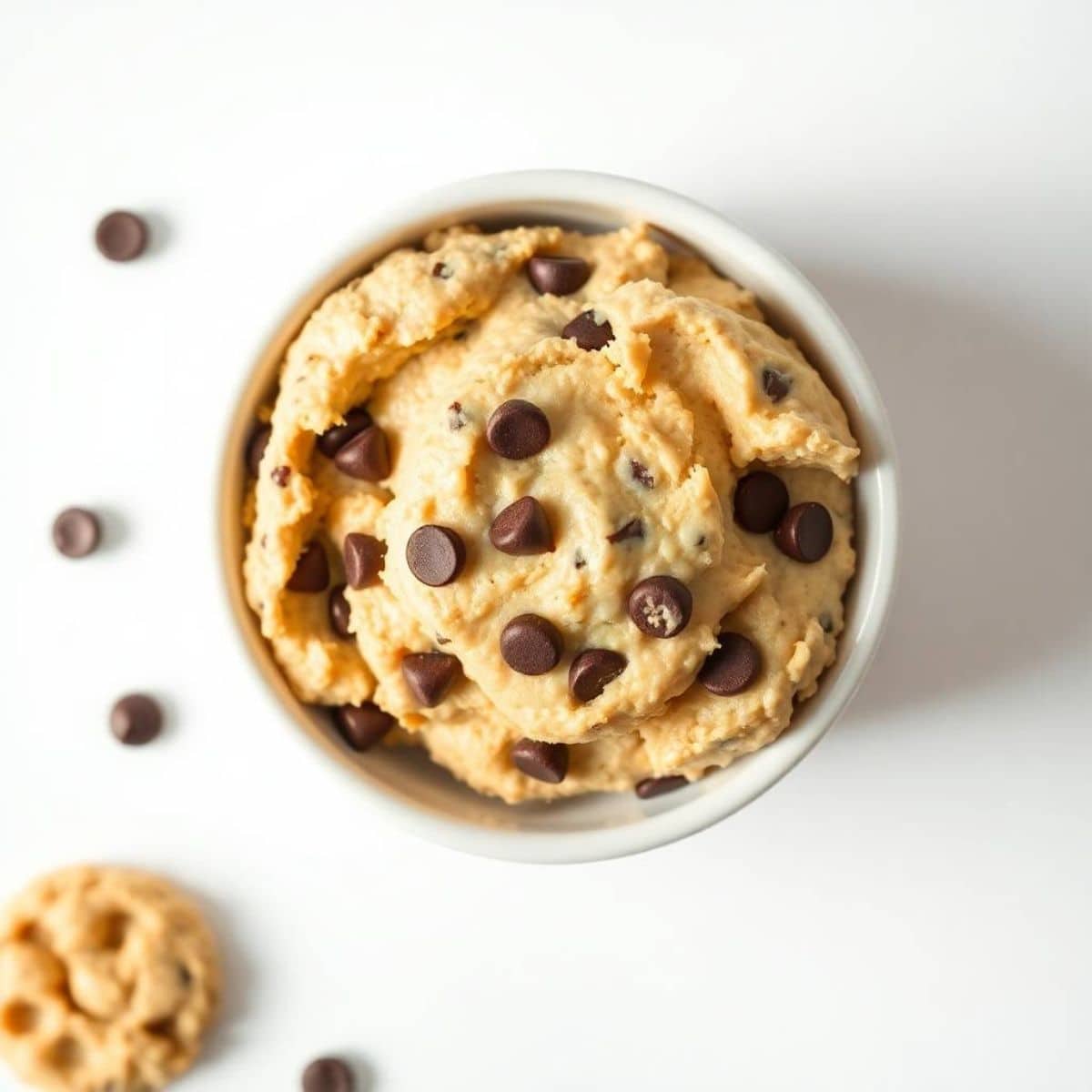
The cottage cheese cookie dough went viral for a specific and verifiable reason: it tastes like edible cookie dough. Not like a health food approximation of cookie dough, not like a protein bar that has been flavoured to suggest cookie dough — like actual cookie dough, the kind you eat from the bowl when making chocolate chip cookies and which my children have always understood to be the best part of the process. The key is blending the cottage cheese completely smooth before any other ingredient is added.
I was sceptical. My husband was more sceptical. He has a precise internal calibration of what cookie dough tastes like, developed over a lifetime of eating it, and he was willing to try this on the grounds that if it was good it would be a useful snack and if it was not good he would have confirmation of a suspicion. He ate the entire bowl I made for testing. He asked me to make more the same day. I am not citing this as extraordinary praise for the recipe — I am citing it as accurate information about whether it works.
The protein content is genuinely significant — approximately 15 grams per ¾ cup serving from the cottage cheese base, which is more than most protein bars and significantly more than actual cookie dough of the same volume. The texture when blended is surprisingly creamy and smooth; the flavour with vanilla extract, brown sugar, a small amount of almond flour, and salt is remarkably close to the real thing. Chocolate chips mixed in at the end make it indistinguishable from what it is imitating.
Saad and Zainab both eat this as an after-school snack without being told what the base ingredient is. Saad is ten and has strong opinions about food. He describes this as 'the cold cookie dough' and has not yet asked what makes it so thick. I have not volunteered the information. This is a parenting decision I stand by.
Why You'll Love This Recipe
- Tastes exactly like edible cookie dough — not like a health food substitute: The key is blending the cottage cheese completely smooth before adding anything else. Properly blended full-fat cottage cheese has a neutral, slightly creamy flavour with no sourness and no visible curds. Combined with vanilla, brown sugar, salt, and chocolate chips, the result is functionally identical in taste and texture to the cookie dough that people eat from the mixing bowl.
- 15 grams of protein per serving from cottage cheese: Full-fat cottage cheese provides approximately 14 to 15 grams of protein per ¾ cup serving, making this one of the highest-protein snacks in the collection. This is comparable to a medium-sized chicken breast in terms of protein density relative to volume — in a form that tastes like dessert.
- 5 minutes from start to finish — blender, bowl, done: Blend the cottage cheese. Add sweetener and flavourings. Mix in chocolate chips. This takes 5 minutes. There is no baking, no chilling required before eating, no complicated technique. It is one of the fastest high-protein snacks in the blog.
- No raw eggs, no butter, safe to eat directly: Regular edible cookie dough recipes require heat-treating the flour and using pasteurised eggs to make them safe. Cottage cheese cookie dough has no flour (or uses oat flour which requires no heat treatment) and no eggs. It is safe to eat directly from the bowl with no additional steps.
- Works as a dip, a snack, or a frozen treat: Eat it as-is from the bowl with a spoon. Use it as a dip for apple slices, pretzels, or graham crackers. Press it into a lined pan, freeze for 1 hour, and slice into cookie dough fudge squares. Portion into small cups and freeze for a cottage cheese ice cream alternative. One recipe, multiple formats.
Ingredients
- 1 cup (225g) full-fat cottage cheese (not low-fat — the texture is significantly better with full-fat)
- 3 tablespoons brown sugar or maple syrup (adjust to taste preference)
- 2 tablespoons almond flour or oat flour (adds texture and the faint nuttiness of real cookie dough)
- 1.5 teaspoons pure vanilla extract
- ¼ teaspoon fine salt (critical — it is what makes this taste like cookie dough and not sweet cottage cheese)
- ½ cup chocolate chips (semi-sweet or dark)
- Optional add-ins: 1 tablespoon peanut butter or almond butter (adds richness)
- 1 tablespoon honey (additional sweetness)
- ½ teaspoon almond extract (intensifies the cookie-like flavour)
Directions
- Step 1: Blend the cottage cheese completely smooth. Add the full-fat cottage cheese to a blender or food processor. Blend on HIGH for 60 to 90 seconds until completely smooth — no visible curds, completely creamy and uniform. This is the most important step. Partially blended cottage cheese with visible curds produces a lumpy, textured result that reads as cottage cheese. Fully blended cottage cheese is creamy and smooth and reads as something else entirely.
- Step 2: Add sweetener, flour, vanilla, and salt. Add the brown sugar (or maple syrup), almond flour, vanilla extract, and salt to the blender. Blend 20 to 30 more seconds until everything is incorporated and smooth. Taste. Adjust sweetness and vanilla to preference. The mixture should taste sweet, vanilla-forward, and slightly salty — like cookie dough flavour without the butter.
- Step 3: Transfer to a bowl and fold in chocolate chips. Pour the blended mixture into a bowl. Add the chocolate chips and fold gently with a spatula to distribute. The chocolate chips should stay whole — do not return to the blender after adding them. Add any optional mix-ins (peanut butter stirred in before folding chips, for example).
- Step 4: Taste and adjust. Taste the finished mixture. If it needs more sweetness, add a drizzle of honey. If it needs more vanilla, add an extra ¼ teaspoon. If it tastes flat, add an extra pinch of salt — salt is what distinguishes cookie dough flavour from sweet cream. Refrigerate 15 minutes if you prefer a firmer, cooler texture.
Tips for Success
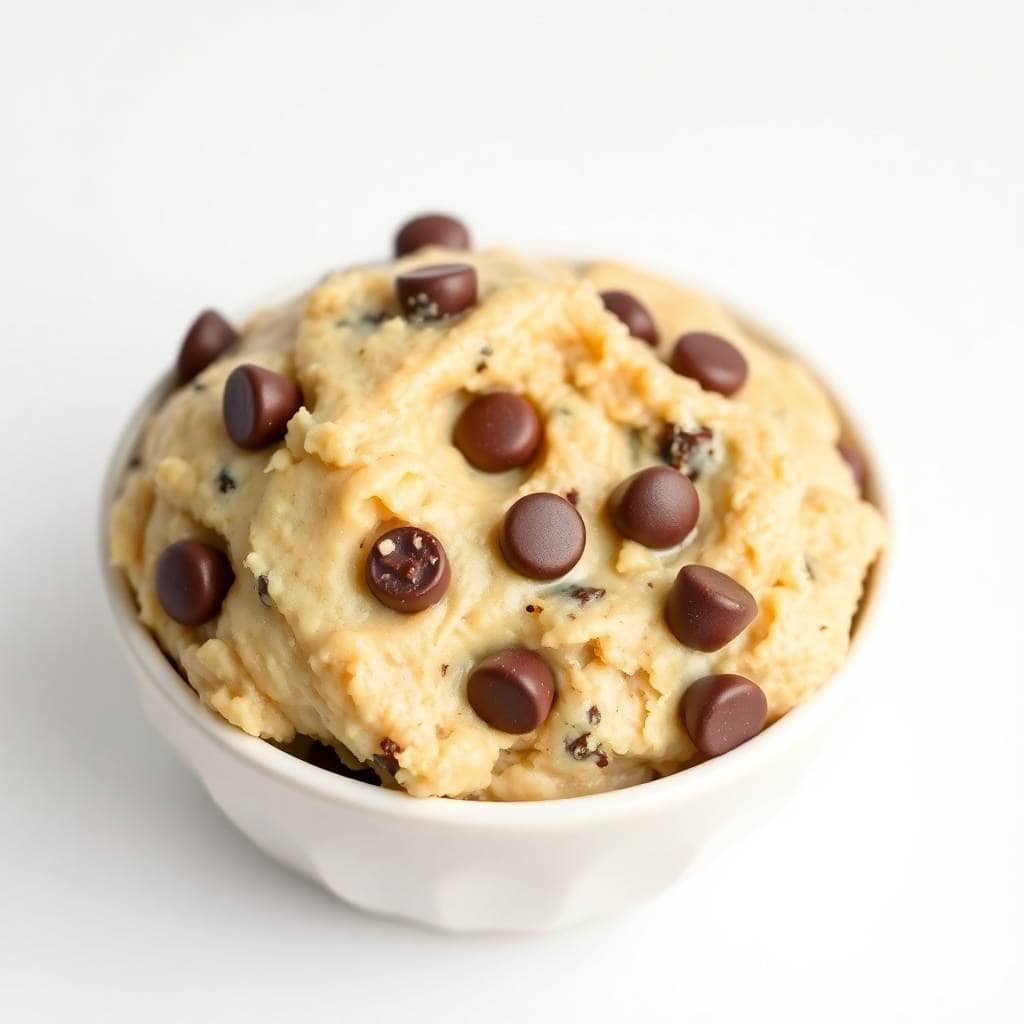
- Use full-fat cottage cheese — this is not the place for low-fat. Low-fat cottage cheese is more watery and has a tangier flavour that comes through after blending. Full-fat cottage cheese (4% fat) blends into a thick, creamy, neutral base. The fat difference per serving is modest but the texture and flavour difference is significant.
- Blend for the full 60 to 90 seconds. The transformation from grainy cottage cheese to smooth cream takes time. Stopping at 30 seconds produces a partially smooth result with small visible curds. The full 60 to 90 seconds at high speed produces a completely smooth, creamy base. A food processor takes slightly longer than a high-powered blender.
- The salt is the secret ingredient — do not skip it. Cookie dough has a distinctly salty edge from the salt in the butter and flour. Without salt, cottage cheese cookie dough tastes like sweetened cream cheese. With the right amount of salt, it tastes like cookie dough. Start with ¼ teaspoon and add more to taste if it still tastes flat.
- Refrigerate before serving for a firmer, more cookie-dough-like texture. Freshly blended cottage cheese cookie dough is slightly warm from the blender and has a soft, spoonable consistency. Refrigerating for 15 to 30 minutes firms it to a scoopable texture much closer to real chilled cookie dough. If you prefer it cold and scoopable, refrigerate first.
- Store covered in the fridge — it improves overnight. The flavours in cottage cheese cookie dough deepen and meld overnight. Day-two cottage cheese cookie dough tastes better than day-one. The texture also firms to a better consistency after an overnight rest in the fridge.
Variations
- Peanut butter chocolate chip version: Add 2 tablespoons of natural peanut butter to the blender with the other ingredients. Use peanut butter chips instead of chocolate chips or use a combination. The peanut butter version has approximately 18 grams of protein per serving and tastes like a peanut butter cup crossed with cookie dough.
- Double chocolate version: Add 1.5 tablespoons unsweetened cocoa powder to the blender with the other ingredients and increase sugar slightly to compensate. Use dark chocolate chips. The result is a brownie-batter-style chocolate version of the same high-protein base.
- Snickerdoodle version: Replace the vanilla with 2 teaspoons of cinnamon, add ¼ teaspoon of cream of tartar, and use white sugar instead of brown sugar. Fold in white chocolate chips instead of semi-sweet. Roll balls of the mixture in cinnamon sugar and refrigerate — eat like mini snickerdoodle cookie dough balls.
- Frozen cookie dough fudge: Spread the finished cottage cheese cookie dough into a parchment-lined 20x20cm pan in a layer about 2cm deep. Press extra chocolate chips into the surface. Freeze 2 hours until solid. Slice into squares with a sharp knife. Store frozen. Eat directly from the freezer — the frozen version is a completely different texture experience.
- Protein-boosted version: Add 1 scoop of unflavoured or vanilla protein powder to the blender with the other ingredients. This increases the protein to approximately 25 to 30 grams per serving. The protein powder slightly thickens the mixture — thin with 1 to 2 tablespoons of milk if needed.
How to Serve
Eat cottage cheese cookie dough from the bowl with a spoon, use as a dip for apple slices or pretzels, or portion into small cups for individual snack servings. For a dessert presentation, scoop into small glasses and serve as 'edible cookie dough cups' with a few extra chocolate chips on top. At the dinner table as dessert, serve alongside sliced strawberries or a small cup of warm melted chocolate for dipping.
How to Store
Store cottage cheese cookie dough in an airtight container in the refrigerator for up to 5 days. It thickens further as it refrigerates — stir before serving and thin with a splash of milk if needed. Do not leave at room temperature for more than 2 hours. Freeze in portions for up to 1 month — freeze in a flat layer in a container and thaw in the fridge overnight. The texture after freezing and thawing is slightly more dense than fresh but the flavour is unchanged.
Related Recipes You Might Like
If you loved this recipe, here are a few more from the site:
- Costco Copycat High-Protein Egg Bites — another high-protein snack made with cottage cheese
- High-Protein Breakfast Egg Bake — another high-protein make-ahead snack and breakfast
- Protein Pancakes with Cottage Cheese — another high-protein cottage cheese recipe
- Freezer-Friendly Turkey Meatballs — another high-protein make-ahead staple
- Slow Cooker High-Protein Chili — a high-protein freezer meal to pair with your high-protein snack rotation
Frequently Asked Questions
Does cottage cheese cookie dough actually taste like cookie dough?
Yes, when made correctly — specifically when the cottage cheese is fully blended (60 to 90 seconds at high speed, no visible curds) and when enough salt is added. The salt is what makes it taste like cookie dough rather than sweet cream. Most people who try it with scepticism are surprised by how accurate the flavour is. My husband, who is a reliable sceptic on matters of food substitution, finished the entire test batch.
Can I use ricotta instead of cottage cheese?
Ricotta works but produces a slightly drier, grainier texture and requires more blending. The flavour is similar but the protein content is lower (ricotta has approximately 7g protein per ½ cup versus 14g for cottage cheese). Use full-fat ricotta and blend thoroughly. The result is still very good — slightly more Italian in character, which is not a problem.
How many calories are in cottage cheese cookie dough?
Approximately 220 to 250 calories per ¾ cup serving (based on full-fat cottage cheese, 3 tablespoons brown sugar, 2 tablespoons almond flour, and ½ cup chocolate chips divided into 4 servings). This is comparable to most protein bars and significantly lower in sugar than actual cookie dough of the same volume.
Can I bake cottage cheese cookie dough into actual cookies?
Not as written — the recipe as written does not contain enough flour or leavening to bake into proper cookies. If you want to bake it, add ½ cup all-purpose or oat flour and ¼ teaspoon baking soda to the recipe and bake at 175°C/350°F for 10 to 12 minutes. The baked version produces a slightly cakey cookie rather than a crispy one.
Is cottage cheese cookie dough safe to eat raw?
Yes. Unlike traditional cookie dough, this recipe contains no raw eggs and no raw flour (the almond or oat flour used requires no heat treatment). The cottage cheese is pasteurised. There are no food safety concerns with eating this recipe uncooked.


COTTAGE CHEESE COOKIE DOUGH (VIRAL HIGH PROTEIN SNACK)
Equipment
- Blender or food processor
- Mixing Bowl
- Spatula
- Measuring Cups and Spoons
Ingredients
For the Cookie Dough:
- 1 cup low-fat cottage cheese
- ½ cup smooth natural peanut butter
- ¼ cup pure maple syrup
- 1 teaspoon vanilla extract
- 1 cup almond flour
- ½ cup mini dark chocolate chips
- ½ teaspoon ground cinnamon
- ¼ teaspoon salt
Optional Toppings:
- 2 tablespoons extra mini chocolate chips
- 1 pinch flaky sea salt
Instructions
Blend the Wet Ingredients
- Add the cottage cheese, peanut butter, maple syrup, and vanilla extract to a blender or food processor. Blend until completely smooth and creamy.
Combine the Dry Ingredients
- Transfer the blended mixture to a mixing bowl. Stir in the almond flour, cinnamon, and salt until a thick cookie dough forms.
Add the Chocolate Chips
- Fold in the mini dark chocolate chips until evenly distributed throughout the dough.
Chill
- Refrigerate the cookie dough for 15–20 minutes for a firmer texture, or enjoy immediately for a softer consistency.
Serve
- Spoon into small bowls and top with extra chocolate chips and a pinch of flaky sea salt if desired.
Notes
- High Protein: Cottage cheese and peanut butter make this creamy snack naturally rich in protein.
- No-Bake: No oven is needed, making this an easy snack for busy days.
- Safe Cookie Dough: This version contains no raw eggs or untreated flour, making it suitable for eating as prepared.
- Storage: Refrigerate in an airtight container for up to 4 days and stir before serving.
- Customize: Use almond butter, sunflower seed butter, mini white chocolate chips, chopped nuts, or unsweetened coconut.





Comments
No Comments