
When the grill is hot and the goal is maximum impact from minimum time, nothing competes with a plate of perfectly cooked grilled shrimp skewers — the most quickly prepared, most visually impressive, and most universally loved item available for any summer grill. Shrimp go from marinade to plate in under 15 minutes total, they look genuinely gorgeous arranged on skewers with their pink-to-orange char against the grill marks, and they deliver one of the highest satisfaction-per-minute ratios of any summer cooking project. I have served grilled shrimp skewers at intimate dinners for four and at cookouts for forty, and the response is always the same — they disappear within minutes and someone always asks whether there are more.
The key to genuinely outstanding grilled shrimp rather than rubbery, overcooked, flavorless shrimp is understanding three things: the marinade time window (shrimp needs only 15–30 minutes in acid-based marinades before the acid begins breaking down the proteins and making the shrimp mushy), the grill temperature (shrimp need high heat for very brief periods — not medium heat for extended periods), and the doneness indicator (the curl into a C rather than an O shape is the visual signal that shrimp is perfectly cooked, and the difference between a C and an O is approximately 60 seconds on a hot grill). This post covers all three in the detail needed to produce grilled shrimp that are perfectly cooked every single time.
This post covers a classic garlic butter shrimp skewer in full technical detail plus five variations that are each genuinely outstanding — a spicy Cajun version, a teriyaki version, a Mediterranean lemon herb version, a coconut lime version, and a chimichurri version. Every variation uses the same 10-minute grill technique and every variation produces shrimp that are genuinely worth making specifically rather than as a default.
Let's make the most impressive 10-minute dinner on the grill!
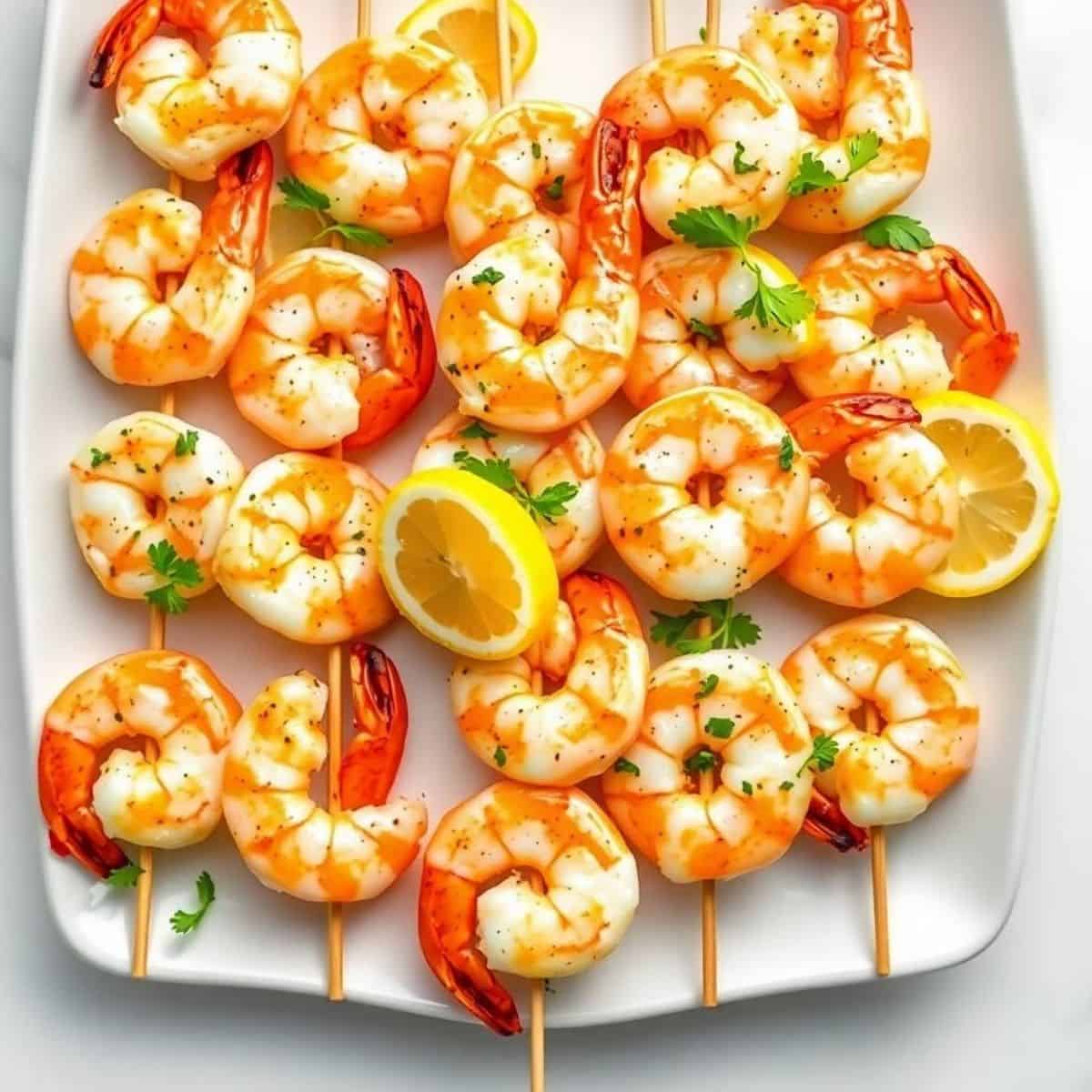
WHY YOU WILL LOVE THIS RECIPE
- From Marinade to Table in Under 20 Minutes: Shrimp marinate in 15–30 minutes, grill in 4–6 minutes total, and rest for 2 minutes — the entire preparation from taking shrimp out of the refrigerator to serving them is under 20 minutes active time. No other protein that looks as impressive as a platter of grilled shrimp skewers is available in the same time frame. On a weeknight when dinner needs to happen fast, or at a party when an additional course needs to appear quickly, grilled shrimp skewers are the answer to both situations simultaneously.
- The Garlic Butter Baste Produces Restaurant-Quality Flavor: The simple combination of melted butter, garlic, lemon juice, fresh herbs, and a pinch of red pepper flakes applied as both a marinade and a finishing baste produces shrimp that taste genuinely extraordinary — buttery, garlicky, bright with lemon, slightly spiced, and deeply savory from the Maillard reaction of the grill. This is not a background flavor preparation; it is a boldly seasoned, aggressively delicious baste that makes every shrimp taste like it came from a high-end seafood restaurant rather than a backyard grill.
- Works as an Appetizer, a Main Course, and a Side Simultaneously: A platter of grilled shrimp skewers works as a passing appetizer at a cocktail party, as the main protein at a dinner for six, and as a side alongside grilled fish or steak at a larger spread — all three simultaneously if needed. The skewer format makes the shrimp self-contained and easy to serve in any of these contexts without additional preparation or plating effort.
- Naturally Gluten-Free and Low-Carb: The classic garlic butter shrimp skewer is naturally gluten-free and low-carb in its base preparation — making it one of the most practically inclusive grilled proteins available for gatherings where dietary variety is expected. Serve alongside a grain bowl, over rice, or with bread for guests who want carbohydrates, and the shrimp themselves satisfy guests on any dietary restriction.
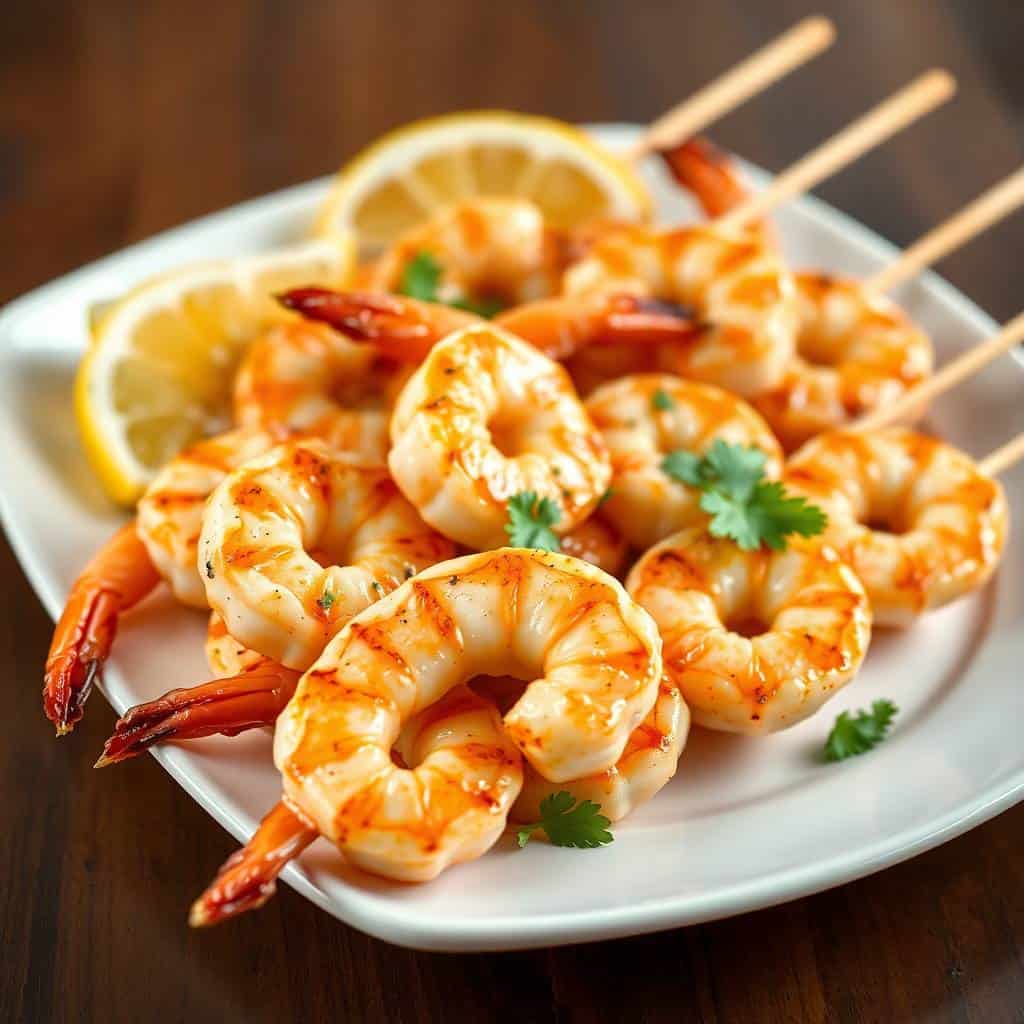
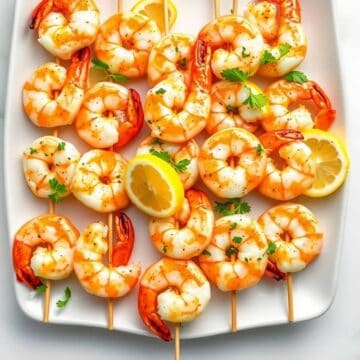
- The Visual Presentation Is Inherently Stunning: Jumbo shrimp grilled on skewers, slightly curled, pink-to-orange in color, with visible grill marks and flecks of fresh herb and lemon zest, arranged on a platter — this presentation is genuinely beautiful with zero additional garnish or plating effort. The natural color transformation of shrimp during grilling (from grey-translucent to vivid pink-to-orange) is one of cooking's most satisfying visual moments and the finished product looks professionally plated regardless of how casual the cooking occasion was.
- Pairs Beautifully with Everything on a Summer Table: Grilled shrimp skewers pair naturally with grain bowls, with pasta, over rice, alongside grilled vegetables, on top of Caesar salad, on a platter with dipping sauce, or as the protein in tacos — the flavor profile of garlicky, buttery, lemony grilled shrimp is so broadly complementary that it works alongside every other summer preparation without any adjustment. See our grain bowl recipes and our healthy shrimp recipes for more shrimp serving inspiration.
INGREDIENTS
- The Shrimp:
- 2 lbs jumbo or extra-large shrimp (16/20 count or 21/25 count) — peeled and deveined, tails on. Larger shrimp are significantly better for grilling than smaller shrimp: they have more surface area for grill marks and caramelization, they are easier to thread on skewers, they cook more evenly, and they are more forgiving of slight overcooking. Tails on looks more impressive and gives guests a natural handle for eating
- 8–10 metal or pre-soaked wooden skewers — soak wooden skewers in water for at least 30 minutes before grilling to prevent burning
- The Garlic Butter Marinade and Baste:
- 6 tablespoons unsalted butter, melted
- 5 cloves garlic, finely minced or grated — the more finely the garlic is processed, the more thoroughly it infuses the butter
- 3 tablespoons fresh lemon juice
- 1 teaspoon lemon zest
- 2 tablespoons fresh parsley, very finely chopped
- ½ teaspoon red pepper flakes
- 1 teaspoon kosher salt
- ½ teaspoon black pepper
- 1 tablespoon olive oil — added to the butter marinade to raise the smoke point slightly and prevent the butter from burning on the grill
- Lemon wedges and additional fresh parsley for serving
DIRECTIONS
- Step No.1: Prepare the shrimp and marinade
If using wooden skewers, submerge in water and soak for a minimum of 30 minutes — this prevents the skewer tips from catching fire during grilling and producing burned wood flavor near the shrimp. Peel and devein shrimp, leaving tails attached. Pat shrimp thoroughly dry with paper towels — dry shrimp sear against the grill grates and develop caramelization; wet shrimp steam and stick. Make the garlic butter marinade: combine melted butter, garlic, lemon juice, lemon zest, parsley, red pepper flakes, salt, pepper, and olive oil in a bowl and whisk to combine. Reserve half the marinade in a separate small bowl for basting during and after grilling — never use the marinade that has been in contact with raw shrimp as a finishing sauce. Toss the shrimp with the remaining half of the marinade. Marinate for exactly 15–30 minutes at room temperature — this window seasons the shrimp perfectly. Beyond 30 minutes in an acid-based marinade, the lemon juice begins denaturing the proteins and produces mushy shrimp.
- Step No.2: Thread the skewers
Thread marinated shrimp onto skewers, piercing each shrimp twice — through the thick end near the tail and through the thinner body — for the most secure threading that prevents shrimp from spinning on the skewer when turning. Threading through two points rather than one keeps each shrimp flat against the grill surface for maximum contact and even cooking rather than spinning away from the grates when rotated. Thread 4–5 shrimp per skewer with no gaps between them — shrimp on the skewer should be touching but not crammed together, allowing heat to circulate. For the most impressive presentation, arrange shrimp in a C-curve shape as they're threaded so they naturally curl into a beautifully curved arc on the skewer rather than lying flat. Double-skewering (using two parallel skewers for each batch of shrimp) makes turning significantly easier and prevents individual shrimp from spinning independently.
- Step No.3: Preheat and prepare the grill
Preheat the grill to high — 450–500°F on a gas grill, or charcoal that is fully ashed over and glowing red. Clean the grill grates with a wire brush while hot, then oil them thoroughly by wiping with a paper towel dipped in neutral oil using tongs. Clean, well-oiled grates are essential for shrimp specifically — shrimp's delicate texture means any sticking tears the meat rather than releasing cleanly the way heartier proteins do. High heat is non-negotiable: shrimp on a medium or low grill steam rather than sear, producing soft, pale, oddly textured shrimp rather than the caramelized, slightly charred, grill-marked shrimp that high heat produces in 2–3 minutes per side.
- Step No.4: Grill and baste
Place shrimp skewers on the preheated, oiled grill over direct high heat. Cook for exactly 2–3 minutes on the first side without moving — the shrimp need undisturbed contact with the grates to develop proper grill marks and caramelization. The shrimp are ready to turn when they have turned pink on the underside and are visibly pulling away from the grates without sticking. Turn skewers and grill for 2–3 minutes on the second side until the shrimp are fully pink-to-orange throughout and just barely curled into a C shape. Immediately upon turning, brush generously with the reserved clean garlic butter baste — this fresh baste adds a bright, aromatic layer of flavor directly onto the hot grill surface where the butter sizzles and caramelizes against the shrimp. The total grill time for shrimp is 4–6 minutes — beyond 6 minutes, shrimp become rubbery and overcooked. When in doubt, err on the side of undercooking — the residual heat after removal continues cooking shrimp for 1–2 minutes.
- Step No.5: Finish and serve immediately
Remove skewers from the grill and transfer to a serving platter. Drizzle the remaining clean garlic butter baste generously over all the skewers on the platter — the hot shrimp will absorb the butter immediately and the garlic-lemon aroma will intensify dramatically as the butter hits the hot surface. Scatter fresh parsley generously. Add lemon wedges around the platter for squeezing — a squeeze of fresh lemon immediately before eating is one of the most impactful finishing touches available for grilled shrimp and should always be available at the table. Serve immediately — grilled shrimp continue cooking from residual heat and lose moisture rapidly after coming off the grill. The window between perfectly cooked and slightly overcooked shrimp is narrow and best experienced at the table rather than on a holding platter.
TIPS FOR SUCCESS
- Never Marinate Shrimp Longer Than 30 Minutes in Acid: This is the most critical technique rule for grilled shrimp and the most commonly violated. Lemon juice, lime juice, and vinegar begin chemically denaturing shrimp proteins within 30 minutes — the acid "cooks" the shrimp in the same way citrus cooks fish in ceviche. Shrimp marinated for 2 hours in an acid-based marinade emerge from the marinade already partially cooked — they will turn mushy and unpleasantly textured on the grill rather than firm and caramelized. Keep marinating time to 15–30 minutes strictly. For advance preparation, marinate in the butter-garlic-herb mixture without lemon juice and add lemon only in the final 15 minutes.
- Use the C vs. O Visual Doneness Test: Perfectly cooked shrimp curl into a loose C shape — the head and tail approach each other but don't touch, and the shrimp retains some length and some moisture. Overcooked shrimp curl tightly into an O shape — the head and tail touch, the shrimp is significantly shortened, and the texture is rubbery. This visual test works universally regardless of grill temperature, shrimp size, or marinade — when the shrimp achieves a C shape and is pink throughout, remove it from the grill immediately. Practice reading this shape across the first batch and subsequent batches become automatic.
- Pat Shrimp Completely Dry Before Threading: Wet shrimp on the grill create steam between the shrimp and the grates, preventing the caramelized sear that produces grill marks and flavor development. Dry shrimp contact the hot grates directly and develop a caramelized surface within 60–90 seconds. Pat the peeled, deveined shrimp dry with multiple paper towel changes immediately before threading — after marinating, drain off any excess marinade and pat dry again. The marinade flavor is already absorbed into the shrimp and the surface moisture can be safely removed without losing any seasoning benefit.
- Reserve Clean Marinade for Basting — Never Use Raw-Shrimp Marinade as Sauce: The marinade that has been in contact with raw shrimp contains raw shellfish proteins and must be discarded or cooked to safe temperatures before any further use. Always divide the marinade before it contacts raw shrimp — reserve half in a clean bowl for basting during and after cooking. This reserved baste is the most important finishing component of the recipe and it must come from clean, uncontaminated marinade. Using raw-shrimp marinade as a finishing sauce is a significant food safety issue that should never occur.
- Use Jumbo Shrimp for the Best Grill Results: Small and medium shrimp fall through grill grates, overcook in seconds before grill marks develop, and are difficult to thread securely. Jumbo (16/20 count) or extra-large (21/25 count) shrimp have sufficient mass to develop proper grill marks before the interior overcooks, stay securely on skewers, and produce a genuinely satisfying eating experience with each individual piece. The size difference between medium and jumbo shrimp at the grill is genuinely dramatic — jumbo shrimp are not just larger, they are fundamentally more suitable for this preparation.
- Serve Immediately — Shrimp Wait for Nobody: Grilled shrimp at peak quality have a window of approximately 3–5 minutes after coming off the grill. During this window they are perfectly cooked, juicy, and at their most flavorful. Beyond 10 minutes, the residual heat has completed the overcooking that began when they left the grill and they have lost significant moisture. Have everything else on the table before the shrimp go on the grill and plan for shrimp to be the last item plated — arriving at the table simultaneously with the guests sitting down.
VARIATIONS
- Spicy Cajun Grilled Shrimp Skewers: Replace the garlic butter marinade with a Cajun seasoning rub and olive oil — combine 2 tablespoons smoked paprika, 1 teaspoon cayenne, 1 teaspoon garlic powder, 1 teaspoon onion powder, 1 teaspoon dried oregano, 1 teaspoon dried thyme, 1 teaspoon salt, and ½ teaspoon black pepper. Toss shrimp with 3 tablespoons olive oil and the Cajun spice blend — no acid marinade, which means this version can be prepared up to 2 hours ahead. Grill as directed and finish with a squeeze of lemon and a drizzle of melted butter. The Cajun version produces the spiciest, most deeply flavored, and most robustly seasoned shrimp on the list — the combination of smoked paprika, cayenne, and dried herbs caramelizes into a spiced crust on the grill surface that is genuinely extraordinary. Find more Cajun inspiration in our healthy shrimp recipes.
- Teriyaki Grilled Shrimp Skewers: Make a quick teriyaki glaze — combine ¼ cup soy sauce, 3 tablespoons honey, 1 tablespoon mirin, 1 teaspoon sesame oil, 2 minced garlic cloves, and 1 teaspoon grated ginger in a small saucepan and simmer for 3–4 minutes until slightly thickened. Marinate shrimp in half the glaze for 15 minutes (no additional acid). Grill as directed and baste generously with the remaining clean glaze during the final minute of cooking. Garnish with toasted sesame seeds and sliced scallions. Serve over steamed rice or as part of a grain bowl with our grain bowl recipe collection.
- Mediterranean Lemon Herb Grilled Shrimp: Replace the garlic butter with an olive oil-based marinade — combine ¼ cup good extra-virgin olive oil, 4 minced garlic cloves, 2 tablespoons fresh lemon juice, 1 teaspoon lemon zest, 1 tablespoon fresh oregano, 1 tablespoon fresh thyme, ½ teaspoon sumac, salt, and black pepper. Marinate 15–20 minutes. Grill as directed and serve over a bed of arugula with crumbled feta, halved cherry tomatoes, additional lemon, and a drizzle of good olive oil. This is the lightest and most elegant of all the shrimp variations and the most appropriate for a Mediterranean-inspired dinner. Find more Mediterranean pairings in our watermelon salad.
- Coconut Lime Grilled Shrimp Skewers: Combine 3 tablespoons coconut oil (melted), 3 tablespoons full-fat coconut milk, 2 tablespoons fresh lime juice, 1 tablespoon lime zest, 2 minced garlic cloves, 1 teaspoon fish sauce, 1 teaspoon sugar, and ½ teaspoon red pepper flakes. Marinate shrimp 15–20 minutes. The coconut oil and milk create a slightly sweet, deeply tropical coating that caramelizes beautifully on the grill — the coconut sugars provide additional caramelization beyond what the shrimp's natural sugars alone produce. Serve with a fresh mango salsa and sliced fresh jalapeño. This is the most tropical and most visually vibrant variation and the most appropriate for summer outdoor entertaining with a tropical theme.
- Chimichurri Grilled Shrimp Skewers: Prepare a fresh chimichurri — blend 1 cup flat-leaf parsley, ¼ cup fresh oregano, 4 cloves garlic, 3 tablespoons red wine vinegar, ½ cup olive oil, ½ teaspoon red pepper flakes, and salt until finely chopped but not fully smooth. Reserve half for serving. Marinate shrimp in a few tablespoons of chimichurri for 15 minutes. Grill as directed without the garlic butter baste. Serve shrimp immediately over the reserved fresh chimichurri spooned across the platter — the bright green chimichurri against the pink grilled shrimp is one of the most visually striking summer presentations available. The herb-forward, acidic chimichurri cuts through the richness of the grilled shrimp and brightens every bite. Find more chimichurri pairings in our grilled chicken marinade recipes.
SERVING AND STORAGE
Serving
Arrange the skewers on a large platter with the remaining garlic butter drizzled over everything, scattered fresh parsley, and lemon wedges placed generously around the platter — the visual impact of a well-garnished platter of grilled shrimp skewers is genuinely impressive and the setup takes 60 seconds. Serve immediately while the shrimp are still hot and the butter is still sizzling. For a complete summer dinner, pair with our watermelon salad, our grain bowl recipes, or our spicy cucumber salad for a complete and genuinely impressive summer spread.
Storage
Leftover grilled shrimp store refrigerated for up to 2 days — shrimp has a shorter storage window than other proteins due to its delicate protein structure. Reheat very gently in a skillet over low heat with a knob of butter for 1–2 minutes until just warmed through — do not microwave or reheat at high heat which makes shrimp rubbery. Cold leftover grilled shrimp work excellently in grain bowls, salads, shrimp tacos, and pasta without reheating. Raw marinated shrimp (not yet grilled) can be refrigerated for up to 24 hours before cooking, but should not be held in an acid-based marinade for more than 30 minutes before grilling — marinate in butter and herbs only if planning to hold overnight, adding the lemon only in the final 15 minutes before cooking.
FAQ
Three things prevent shrimp from sticking: clean grates, well-oiled grates, and high heat. Clean the grates with a wire brush while hot before adding shrimp — food residue from previous cooking is the primary sticking surface. Oil the clean grates thoroughly by wiping with a paper towel dipped in neutral oil applied with tongs — the oil creates a non-stick surface between the shrimp and the metal. High heat is essential — shrimp on properly preheated high-heat grates caramelize and release naturally after 2 minutes; shrimp on insufficiently hot grates stick and tear when turned. Never try to move shrimp that aren't releasing — if they stick, they aren't ready to turn and forcing them tears the delicate flesh.
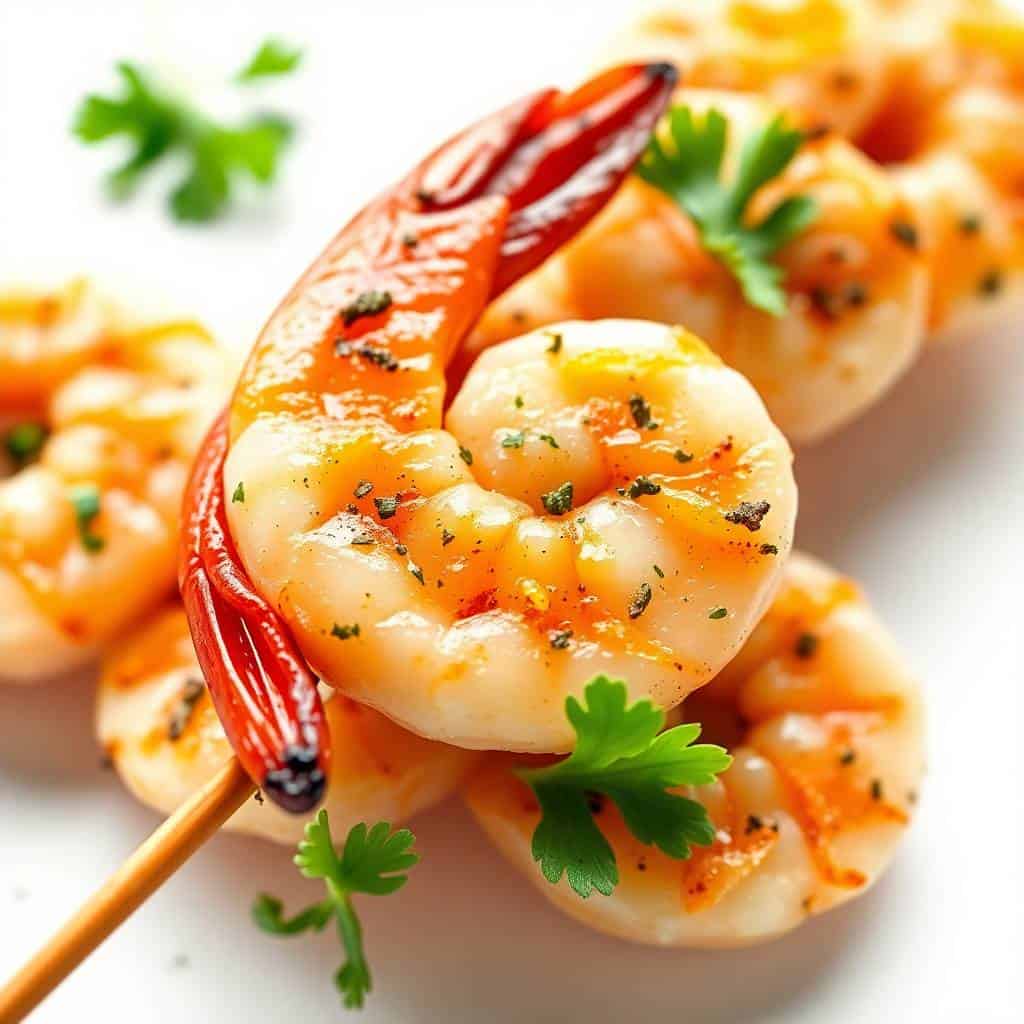
The most reliable doneness indicator for grilled shrimp is the C-shape visual test — perfectly cooked shrimp curl into a loose C where the head and tail approach each other but don't touch, the flesh is opaque pink-to-orange throughout with no grey translucency remaining, and the texture feels slightly firm when pressed. Overcooked shrimp curl into a tight O shape with the head and tail touching — this is the moment to remove from the heat before the next batch. An instant-read thermometer in the thickest part of the shrimp should read 120°F for perfectly cooked shrimp — the USDA recommends 145°F but most seafood professionals agree that 120–125°F produces the best texture while being fully safe.
Frozen shrimp that have been properly thawed are often better than fresh shrimp at most grocery stores — the majority of commercial shrimp is frozen immediately after harvest at sea, and 'fresh' shrimp at the fish counter is often previously frozen shrimp that was thawed for display. A properly thawed frozen shrimp is genuinely fresher than shrimp that was frozen, thawed days ago at the store, and has been sitting on ice since. Buy frozen shrimp in the shell and thaw in the refrigerator overnight or under cold running water for 15 minutes immediately before preparation. Avoid shrimp with a strong ammonia smell regardless of fresh or frozen status — this indicates daily protein needs breakdown and the shrimp should be discarded.
Yes — both work well. For the oven: preheat to 450°F with a sheet pan inside. Lay skewers on the hot pan and broil on high for 2–3 minutes per side until pink throughout and slightly charred at the edges. The broiler version produces the most oven-comparable result to the grill with slight caramelization. For stovetop: heat a cast iron or stainless skillet over high heat until very hot, add a thin layer of oil, and cook shrimp without skewers for 1–2 minutes per side until pink with a seared surface. The skillet method produces excellent caramelization and is the fastest indoor method. Both produce genuinely good shrimp — not identical to the grill version but genuinely delicious.
Jumbo (16/20 count, meaning 16–20 shrimp per pound) and extra-large (21/25 count) are the best sizes for grilled skewers. Large shrimp are easier to thread securely, develop grill marks before the interior overcooks, are more forgiving of slight overcooking, and produce a more satisfying eating experience per piece than smaller shrimp. Medium shrimp (31/40 count) work with very careful timing but leave no margin for error and often fall through grill grate gaps. Colossal shrimp (U15 count, under 15 per pound) are dramatic and impressive but expensive, require longer cooking, and can develop rubbery interiors before the exterior fully caramelizes. For the best balance of results, cost, and ease, jumbo 16/20 is the recommended size for all grilled shrimp preparations.
These grilled shrimp skewers are the 15-minute dinner that earns the most immediate and most enthusiastic responses of any quick summer recipe — master the timing, use the C-shape doneness test, and finish with the clean health benefits of garlic butter baste for shrimp that tastes genuinely extraordinary.
Try the Cajun version for the most boldly spiced result, or the chimichurri version for the most visually striking plating. Pair with our BBQ chicken drumsticks, our grilled chicken marinade recipes, and our grilled pizza for the complete summer grill collection. 🍤🔥✨
GRILLED SHRIMP SKEWERS (JUICY, FLAVORFUL, AND READY IN 10 MINUTES)
Equipment
- Grill or grill pan
- Skewers
- Mixing Bowl
- Tongs
Ingredients
Shrimp:
- 1 ½ lbs large shrimp peeled and deveined
Marinade:
- 3 tablespoon olive oil
- 3 cloves garlic minced
- 2 tablespoon lemon juice
- 1 teaspoon smoked paprika
- 1 teaspoon Italian seasoning
- ½ teaspoon salt
- ¼ teaspoon black pepper
Optional Garnish:
- fresh parsley chopped
- lemon wedges
Instructions
Prepare Shrimp:
- If using wooden skewers, soak them in water for 20 minutes to prevent burning.
Make Marinade:
- In a bowl, whisk together olive oil, garlic, lemon juice, smoked paprika, Italian seasoning, salt, and black pepper.
Marinate Shrimp:
- Add shrimp to the marinade and toss well. Let sit for 10–15 minutes.
Skewer & Grill:
- Thread shrimp onto skewers. Grill over medium-high heat for 2–3 minutes per side until pink and slightly charred.
Serve:
- Garnish with fresh parsley and lemon wedges before serving.
Notes
- Do not overcook shrimp or they may become rubbery.
- Perfect served with rice, salad, or grilled vegetables.
- You can also cook these on a grill pan indoors.

Comments
No Comments