
I've been making tomato sauce from a jar for years — and honestly, I'm not ashamed of that. But last summer I had a glut of tomatoes from my neighbor's garden and didn't know what to do with them, so I threw them in the oven and figured it out from there. That was the first time I understood what people mean when they say roasting changes everything. The tomatoes come out jammy, slightly charred at the edges, and so much sweeter than they went in.
This roasted tomato pasta sauce is my version — not a traditional Italian nonna recipe, I want to be clear about that. It's a simple, honest sauce built on oven-roasted tomatoes, garlic, olive oil, and dried oregano. The oven does most of the work. You don't need to stand over a pot stirring for an hour. You just roast, blend, and simmer for a few minutes. That's it.
My husband puts this over spaghetti with extra chili flakes and a heap of Parmesan. Zainab likes it with penne and asks me to leave it slightly chunky so she can "see the tomatoes." I usually make a double batch on the weekend and freeze half of it, because once it's in the house it disappears fast — and having a bag of this in the freezer feels like a gift to my future self on a tired Tuesday. If you're also a fan of simple, comforting pasta nights, my Easy Zuppa Toscana is another one worth bookmarking for those evenings.
One thing I want to set expectations on: use the ripest tomatoes you can find. I learned this the hard way when I made it in winter with pale, firm tomatoes from the grocery store and the sauce came out flat and a little sour. Roma tomatoes are my go-to because they're meatier and less watery, but any ripe tomatoes you can get — even cherry tomatoes from a Costco bag — will work beautifully here.

Why You'll Love This Recipe
- The flavor is genuinely different from jarred sauce: Roasting concentrates the tomatoes and caramelizes their natural sugars in a way that stovetop cooking just doesn't replicate. You get this deep, slightly sweet, slightly smoky flavor that makes the whole kitchen smell incredible. The first time I served this to my husband he asked which sauce I'd bought — and was genuinely surprised when I told him I made it.
- Almost no active cooking time: You spend maybe 10 minutes prepping, then the oven does 25-30 minutes of work while you do other things. I usually start the tomatoes roasting and then go help with homework or fold laundry. When the timer goes off, you're almost done. On weeknights, that hands-off time matters a lot.
- It freezes really well: I pour the cooled sauce into zip-lock freezer bags lying flat, and they stack in the freezer like little sauce bricks. They keep for up to 3 months and thaw quickly in a bowl of warm water. Making a double batch takes almost no extra effort and saves you on so many future weeknights.
- It works for more than just pasta: I've used this as a pizza base, stirred it into a baked egg dish, and spooned it over roasted chicken. It's the kind of sauce that quietly improves whatever it touches. Once you have a jar of it in the fridge, you'll find yourself reaching for it all week.
- Naturally vegan and gluten-free: Nothing fancy required — just tomatoes, garlic, oil, and a couple of pantry herbs. I appreciate that this sauce works for pretty much everyone at the table without any modifications.
Ingredients
- 2 lbs ripe tomatoes, halved (Roma tomatoes work great; cherry tomatoes also work)
- 4 cloves garlic, minced (or just toss in whole cloves — they soften and roast beautifully)
- 2 tablespoons olive oil
- 1 teaspoon salt
- ½ teaspoon black pepper
- 1 teaspoon dried oregano or Italian seasoning
- 1 small onion, chopped (optional, but I almost always add it)
- 1 tablespoon fresh basil, chopped (optional — stir in at the end)
- Red pepper flakes, to taste (optional — my husband always wants these)
Directions
- Preheat the oven: Set your oven to 400°F (200°C) and line a baking sheet with parchment paper. The parchment makes cleanup much easier — roasted tomatoes release a lot of liquid and it bakes onto the pan if you skip it.
- Season and arrange the tomatoes: Place the halved tomatoes cut-side up on the baking sheet. Scatter the garlic and onion (if using) around them. Drizzle everything with the olive oil, then sprinkle over the salt, pepper, and oregano. Give it all a gentle toss so everything is coated, then arrange the tomatoes cut-side up again. Single layer is important here — if they're piled on each other, they steam instead of roast.
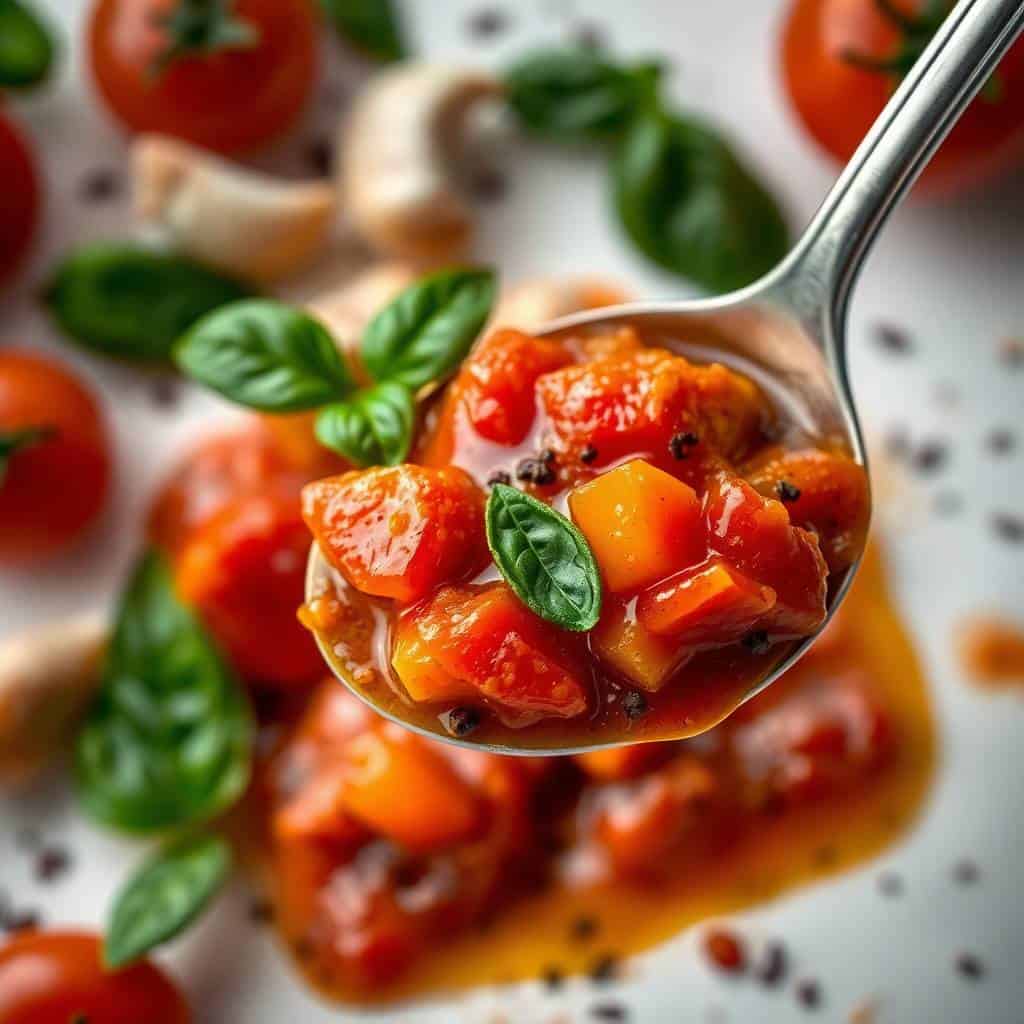
- Roast until soft and slightly charred: Roast for 25–30 minutes until the tomatoes are soft, wrinkled, and have some color around the edges. That slight char is flavor — don't be tempted to pull them out early. The edges should look a little caramelized and the skins will have pulled back.
- Blend the sauce: Let the tomatoes cool for 5 minutes so you're not blending scorching-hot liquid. Transfer everything from the baking sheet — including all the juices — to a blender or food processor. Add the fresh basil if you're using it. Blend until smooth, or leave it chunky if that's your preference. If you don't have a blender, you can mash it with a fork or potato masher for a rustic texture.
- Simmer to finish: Pour the blended sauce into a saucepan and simmer over low heat for 10–15 minutes, stirring occasionally. This brings everything together and thickens it slightly. Taste it now and adjust salt, pepper, or chili flakes before serving.
Tips for Success
- Use the ripest tomatoes you can find: I mentioned this in the intro but it's worth repeating. Unripe tomatoes produce a thin, slightly sour sauce that no amount of seasoning can fully rescue. In summer, farmers market tomatoes are incredible for this. In winter, I buy the vine-ripened ones and leave them on the counter for a day or two to deepen. Roma tomatoes are consistently reliable year-round at most grocery stores.
- Don't crowd the baking sheet: The first time I made this I piled all the tomatoes on one small sheet and they basically stewed in their own juices. They came out pale and soft, not caramelized at all. Use a large baking sheet — the standard half-sheet pan you can get at any grocery store or Walmart for a few dollars works perfectly. If you have a lot of tomatoes, use two pans.
- Add the fresh basil after blending, not before roasting: I tried roasting the basil with the tomatoes once and it just turned black and bitter. Add it to the blender once everything has cooled slightly, or stir it in at the very end of simmering. That's when it keeps its freshness and actually contributes something to the flavor.
- Scrape every bit off the baking sheet: All those dark, sticky bits that caramelize onto the parchment are concentrated flavor. Use a spatula to scrape them into the blender along with the tomatoes and juices. This is where a lot of the depth comes from — don't leave it behind.
- Taste and season after simmering, not before: The flavor concentrates as the sauce simmers down, so what seems under-seasoned right after blending often needs less salt than you'd expect once it's thickened. Always do your final seasoning adjustment at the end, not in the middle.
Variations
- Creamy roasted tomato sauce: After simmering, stir in ¼ cup of heavy cream (or half-and-half if that's what you have). It turns this into a rose-style sauce that's really good over penne or rigatoni. My husband likes this version the best, honestly. It takes about 30 seconds and completely changes the character of the sauce.
- Spicy arrabbiata-style: Add a generous pinch of red pepper flakes before roasting and another pinch at the simmering stage. This makes a sauce with real heat that pairs well with spaghetti or as a dipping sauce for bread. If your family eats spicy, this is the move. It's not authentic arrabbiata but it's inspired by it.
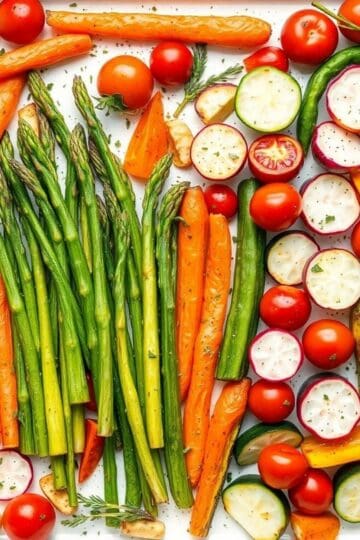
- Roasted veggie sauce: Add a halved bell pepper and a few thick-sliced mushrooms to the baking sheet alongside the tomatoes. They roast in the same time and blend right in. This makes the sauce heartier and slightly sweeter. I do this when I want to stretch the sauce or sneak extra vegetables into a meal.
- Cheesy Parmesan version: Stir 2–3 tablespoons of finely grated Parmesan into the sauce during the simmering stage. It melts in and adds a savory, nutty depth. Pairs beautifully with cheese tortellini or as a sauce for baked pasta. This is one of those small additions that makes the sauce taste like it took twice as long to make.
- Smoky paprika version: Add ½ teaspoon of smoked paprika to the seasoning before roasting. It gives the sauce a subtle smokiness that works really well if you're using it as a pizza base or serving it alongside grilled meat. I pair this version with my Spinach Artichoke Dip when I'm doing a full spread — both go on the table and disappear at about the same rate.
Serving and Storage
Serving
Serve this hot over your pasta of choice — spaghetti, penne, and rigatoni all work well because they hold onto the sauce nicely. Finish with a little grated Parmesan and fresh basil if you have it. In Pakistan I'd probably pair a tomato-based sauce with rice without thinking twice, but for this one pasta really is the right call — the texture of the sauce clings to it in a way that just works. It's also great as a pizza base, a dipping sauce for bread, or spooned over baked eggs for a shakshuka-adjacent breakfast situation.
Storage
Store leftover sauce in an airtight container in the refrigerator for up to 3 days. Reheat gently on the stovetop over low heat — it can scorch quickly, so stir it while it warms. For freezing, let it cool completely, then pour into zip-lock freezer bags, press out the air, and lay them flat. They stack well and take up barely any space. Frozen sauce keeps for up to 3 months. To thaw, leave a bag in the fridge overnight or place it in a bowl of warm water for about 20 minutes.
You can, but the result is different. Fresh tomatoes roast and caramelize in a way that canned tomatoes — which are already cooked — just can't replicate. That said, if all you have is a can of whole peeled tomatoes, drain them, spread them on the sheet pan, and roast them anyway. You'll still get more depth than if you'd just simmered them straight from the can.
No, and I never do. After roasting, the skins become very soft and blend into the sauce completely. If you're using a regular blender, you won't notice them at all in the finished sauce. If you're mashing by hand rather than blending, you might want to pull the skins off after roasting — they slip right off once the tomatoes are soft.
Up to 3 months without any real loss in flavor or texture. I label my bags with the date and the word "tomato sauce" because frozen things start to look identical after a few weeks. Thaw overnight in the fridge or in a bowl of warm water — it comes back together perfectly when reheated slowly on the stovetop.
Spaghetti is the classic choice and it works well here. But I actually prefer penne or rigatoni because the sauce gets into the tubes. Zainab insists on penne every time. If you want a more rustic, chunky texture in the sauce, rigatoni is the way to go — it stands up to the heartier consistency.
Yes. Once the tomatoes are roasted and soft, use a fork or a potato masher to break them down directly in the pan or in a bowl. You'll get a chunkier, more rustic sauce rather than a smooth one — which is honestly really good too. I've made it this way plenty of times when I didn't want to wash the blender.
ROASTED TOMATO PASTA SAUCE RECIPE
Ingredients
- 2 lbs ripe tomatoes halved
- 4 cloves garlic minced
- 2 tablespoons olive oil
- 1 teaspoon salt
- ½ teaspoon black pepper
- 1 teaspoon dried oregano or Italian seasoning
- 1 small onion chopped (optional)
- 1 tablespoon fresh basil chopped (optional)
Instructions
Preheat Oven:
- Preheat oven to 400°F (200°C). Line a baking sheet with parchment paper.
Roast Tomatoes:
- Toss tomatoes, garlic, onion (if using), olive oil, salt, pepper, and oregano on the baking sheet. Roast 25–30 minutes until tomatoes are soft and slightly caramelized.
Blend Sauce:
- Transfer roasted tomatoes and garlic to a blender or food processor. Blend until smooth. Adjust seasoning as needed.
Simmer Sauce:
- Pour blended sauce into a saucepan. Simmer over low heat 10–15 minutes to thicken and develop flavors. Stir occasionally.
Serve:
- Serve over cooked pasta, or use as a base for lasagna, pizza, or other Italian dishes. Garnish with fresh basil if desired.
Notes
- Make Ahead: Sauce can be prepared ahead and stored in fridge up to 3 days or frozen up to 3 months.
- Flavor Boost: Add red pepper flakes for a spicy kick or a splash of balsamic vinegar for depth.
- Serving Suggestions: Perfect for spaghetti, penne, pizza, or as a base for other Italian dishes.
- Allergy-Friendly Options: Naturally gluten-free and vegan.
- Storage Tips: Store in airtight container in fridge; reheat gently on stovetop.
This roasted tomato pasta sauce has quietly become one of those recipes I make on autopilot. Summer is the best time for it when tomatoes are actually ripe and full of flavor, but I make it year-round because even a decent Roma tomato from the grocery store roasts up well enough to be worth it. Once you've done this a few times it takes almost no thought — prep is about 10 minutes, then the oven takes over.
What I keep coming back to is how much better this tastes than anything from a jar — and I say that as someone who has absolutely served pasta with jarred sauce on a Wednesday night without guilt. But when I have a little extra time on the weekend, I make a double batch of this and freeze it in portions. It's one of the most useful things I keep in my freezer. On nights when I have nothing planned, I pull out a bag of this sauce, boil some pasta, grate some Parmesan, and dinner is done in 20 minutes. If you're building up a collection of sauces and dips for easy entertaining, my Spinach Artichoke Dip is another one that comes together fast and never has leftovers.
If you make this, leave a comment and let me know what you put it on — I'm always curious how people use it beyond pasta. And if you try the creamy version or the smoky paprika variation, I genuinely want to hear about it. That's how I keep coming up with new ideas. 🍅🧄✨
If you liked this recipe, here are a few others from my kitchen you might want to try next:
- Easy Zuppa Toscana Recipe — a cozy, hearty soup that's great alongside crusty bread and a simple salad
- Spinach Artichoke Dip — easy crowd appetizer that also works as a pasta sauce in a pinch
- Sweet Chili Pineapple Sauce — if you're in a sauce-making mood, this one is a great one to have in the fridge
- Cottage Cheese Banana Oat Protein Pancake Bites — something completely different for weekend mornings
- Chocolate Chip Banana Snack Cake — what I make for dessert on the same nights I serve pasta



Comments
No Comments