
I've made this Mongolian beef more times than I can count, and every single time the pan hits high heat and that soy-and-ginger sauce starts bubbling, my husband wanders into the kitchen asking how long until dinner. It has that kind of smell — the kind that makes people stop what they're doing. I don't know how a 25-minute weeknight dinner manages to do that, but this one does.
What makes this version work is the cornstarch coating on the beef. It creates a thin crust that holds the sauce instead of letting it run off, and that's what gives you that glossy, clingy result you see in restaurant photos. I got this wrong the first few times — I'd skip the resting step after coating and go straight to the pan, and the coating would slide right off. Ten minutes of patience makes a real difference here.
My husband asks for this on rotation, usually on Fridays when everyone's tired and nobody wants to think too hard about dinner. I serve it over steamed rice with a simple cucumber salad on the side. If you're looking for another fast skillet dinner on a weeknight, my garlic butter chicken and potatoes skillet gets done in about the same time and uses half the same pantry staples.
One more thing before you start: this isn't a recipe where you can walk away and multitask. The beef cooks fast at high heat, the sauce thickens quickly, and if you're not paying attention, things go from perfect to overdone in about 90 seconds. Stay at the stove for this one — it's worth it and you're only there for 25 minutes.
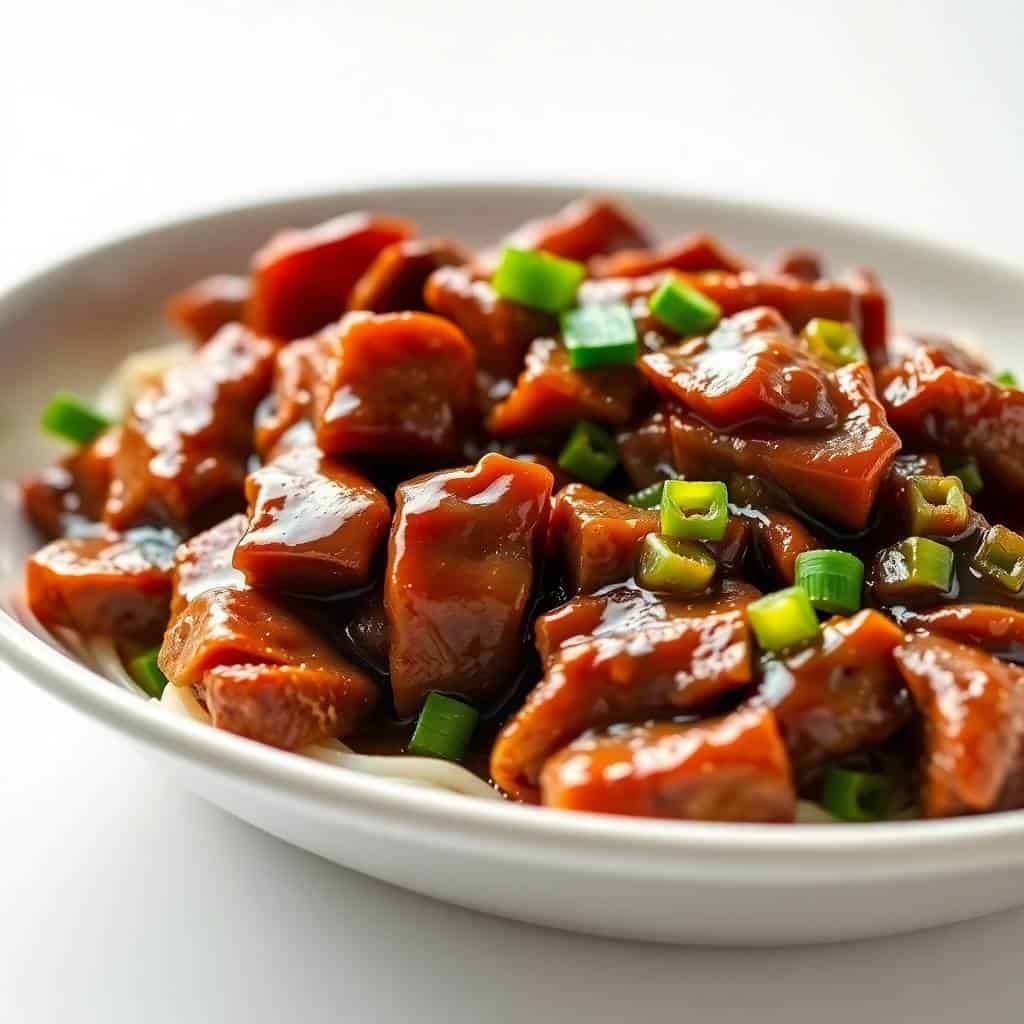
Why You'll Love This Recipe
- It's genuinely faster than ordering takeout: From the moment I pick up the knife to the moment this is on the table, I'm clocking about 25 minutes. That includes slicing the beef, mixing the sauce, and cooking everything. On nights when we'd otherwise be scrolling a delivery app, this is actually the faster option — and I'm not paying a $7 delivery fee on top of it.
- The sauce uses pantry staples: Soy sauce, brown sugar, garlic, ginger, a little water. I almost always have all of these on hand. The only thing you might need to grab specifically is the flank steak, and even that's easy to find at any Walmart or grocery store — it's usually one of the cheaper cuts in the case.
- One skillet, minimal mess: I cook the beef, build the sauce in the same pan, and bring it all together in one go. There's no separate sauce pot, no extra bowls I have to wash. The whole thing is done in my heaviest skillet and that's it. On nights where I've already made rice in the rice cooker, I basically have one pan to wash at the end.
- The heat level is completely up to you: I keep the red pepper flakes optional because my kids will eat this but not if it bites back too hard. My husband always adds extra to his bowl. I make one batch, put it on the table, and let people season to their own preference. It works as a mild dish and it works spicy — the base sauce is strong enough either way.
- Leftovers reheat well: I usually make a double batch on purpose because this reheats in a skillet the next day with almost no loss in texture. The sauce re-glosses when it hits a warm pan, the beef stays tender, and it's genuinely good the second time around. Zainab has been known to eat it cold from the container straight from the fridge, which I think is a real endorsement.
Ingredients
- 1 lb (450g) flank steak, thinly sliced against the grain
- 3 tablespoons cornstarch
- 2 tablespoons vegetable oil
- ¼ cup soy sauce (low-sodium works fine if you prefer)
- ¼ cup water
- 3 tablespoons brown sugar (light or dark both work)
- 3 cloves garlic, minced
- 1 teaspoon fresh ginger, grated (or ½ teaspoon ground ginger in a pinch)
- 3 green onions, sliced
- Red pepper flakes, to taste (optional)
- Cooked white rice or noodles, for serving
Directions
- Coat the beef: Toss the thinly sliced flank steak with cornstarch until every piece is lightly but evenly coated. Let it sit for about 10 minutes while you heat the pan and mix the sauce — this resting time helps the coating actually stick instead of falling off in the oil.
- Mix the sauce: In a small bowl, whisk together the soy sauce, water, brown sugar, minced garlic, and grated ginger until the sugar is dissolved. If you're using red pepper flakes, add them here. Set it aside within arm's reach because once the beef is cooked, you move fast.
- Cook the beef in batches: Heat the vegetable oil in a large, heavy skillet over medium-high heat until it's shimmering. Add the beef in a single layer — don't pile it in. Cook for about 2 minutes per side until browned and slightly crispy at the edges. Remove to a plate and repeat with the remaining beef. Crowding the pan is what makes the beef steam instead of sear, so this step matters.
- Build the sauce: In the same skillet (don't wipe it out — those brown bits add flavor), pour in the sauce mixture. Let it simmer over medium heat for 2–3 minutes, stirring occasionally, until it thickens slightly and looks glossy.
- Bring it all together: Return the cooked beef to the skillet and toss it in the sauce until everything is coated. Add the sliced green onions and cook for another 1–2 minutes, just until the onions soften slightly and the sauce clings to every piece of beef.
- Serve immediately: Spoon over steamed white rice or noodles. Add a sprinkle of sesame seeds on top if you have them, but it's honestly great without them too.
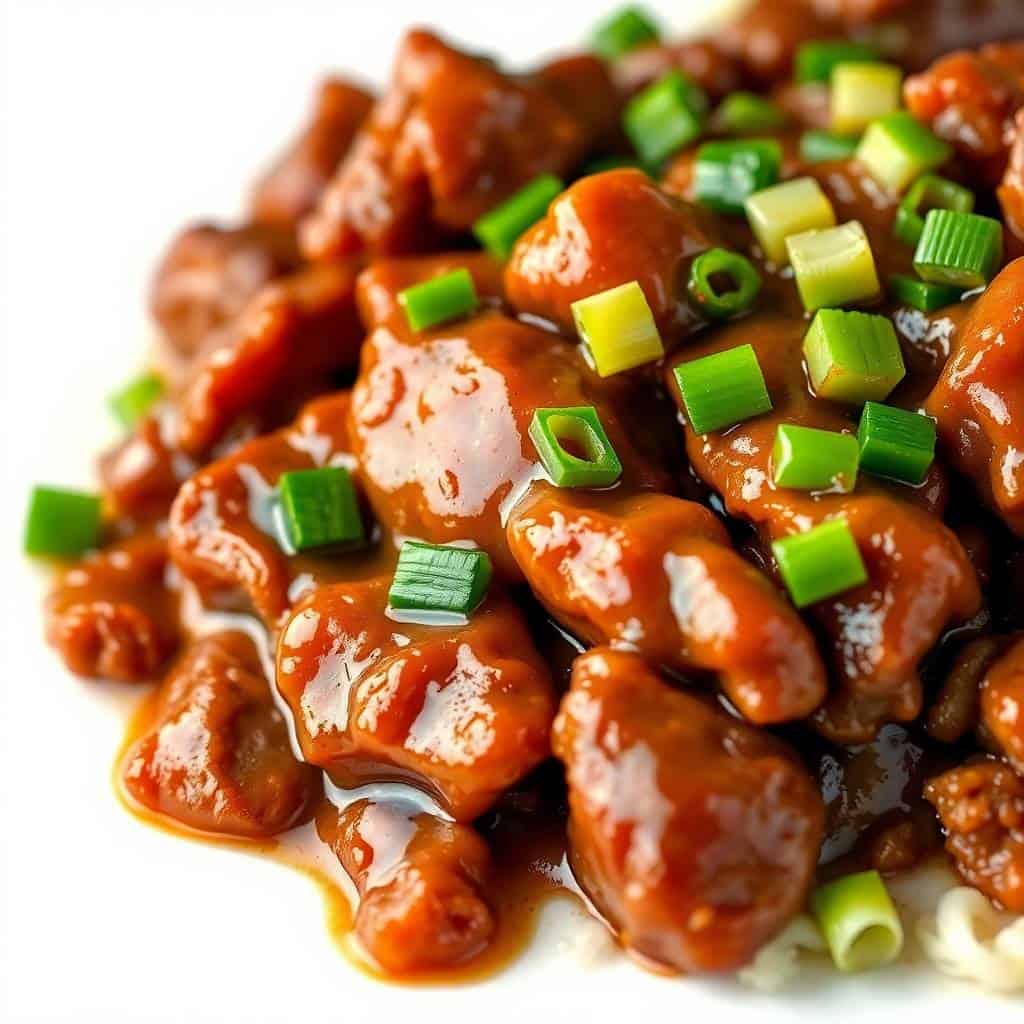
Tips for Success
- Slice the beef thin and against the grain: I know this gets said everywhere, but it actually changes the texture completely. When I've sliced with the grain by accident — usually when I'm rushing — the pieces end up chewy in a way no amount of sauce can fix. Against the grain means shorter muscle fibers, and shorter fibers means the beef practically melts. If thin slicing is hard, pop the steak in the freezer for 20 minutes first so it firms up and cuts more cleanly.
- Don't skip the batch cooking: I tried to fit all the beef in the pan at once the very first time I made this and I ended up with sad, grey, steamed beef instead of anything crispy. The pan temperature drops too fast when it's crowded. Two batches adds about 5 extra minutes total — it's genuinely worth it. I move the first batch to a plate and it stays warm easily while the second batch cooks.
- Let the sauce thicken before adding the beef back: The sauce needs a couple of minutes on its own to reduce and develop some body. If you throw the beef in too early, the sauce is thin and watery and doesn't cling the way it should. I watch for it to start bubbling and looking slightly syrupy before I add the beef back. It only takes 2–3 minutes but it changes the whole result.
- Use fresh ginger if you can get it: I keep a knob of ginger in my freezer at almost all times — it grates straight from frozen beautifully and lasts forever that way. Ground ginger from the spice rack works in an emergency, but fresh gives the sauce a sharpness and brightness that ground just doesn't replicate. Most grocery stores carry it in the produce section near the garlic.
- Keep the heat high throughout: This is a stir-fry technique dish, and medium heat won't give you the sear you need on the beef. High heat for 2 minutes a side is what builds that slightly crispy exterior. I use my heaviest skillet for this — cast iron or a thick stainless pan both work well. A flimsy non-stick pan struggles to hold heat when cold beef hits it, so reach for the heaviest thing you have.
Variations
- Add vegetables: Broccoli florets, sliced bell peppers, snap peas, or baby bok choy all work really well here. I add them to the pan right after the sauce starts to thicken, a couple of minutes before the beef goes back in, so they get some cooking time but stay with a little bite. This is a good way to stretch a pound of beef into a more filling meal for a bigger family.
- Make it spicier: Double the red pepper flakes or stir in a spoonful of Sriracha or chili garlic sauce when you add the soy sauce mixture. My husband does this every single time. The base sauce is sweet enough to handle real heat — it doesn't tip into unpleasant, it just adds a proper kick to the back of your throat.
- Swap the sweetener: Honey instead of brown sugar gives the sauce a slightly different character — a little more floral, a little less caramel-deep. It also makes the sauce cling slightly differently, more sticky than glossy. Both are good. I've used both depending on what's in the pantry. Start with 2 tablespoons of honey and taste — it can get very sweet quickly.
- Vegetarian version: Extra-firm tofu works here if you press it well first to remove excess water, then cube it and coat it the same way you'd coat the beef. It won't crisp up quite the same way, but it absorbs the sauce beautifully. Tempeh is another option — slice it thin and it actually holds its texture really well at high heat.
- Serve it Pakistani-style: This might sound strange but try adding a pinch of garam masala and a handful of chopped fresh coriander right at the end. It shifts the whole flavour profile in an interesting direction — still recognizably the same dish but with a warmth that my family responds to really well. It started as a happy accident when I was cooking both this and a daal on the same night and cross-contaminated my spoon.
Serving and Storage
Serving
Serve this immediately over steamed white rice — jasmine rice is my go-to, but long-grain basmati works just as well. Noodles are a great option too; I've used lo mein noodles, rice noodles, and even plain spaghetti in a pinch and it works every time. Scatter extra sliced green onions on top, and a small pile of toasted sesame seeds if you have them. In Pakistan we'd naturally reach for bread with a saucy dish, but this one really does work best with rice or noodles to soak up all that sauce. I usually make a simple cucumber or cabbage salad on the side to cut through the richness a little.
Storage
Store leftovers in an airtight container in the fridge for up to 3 days. When reheating, use a skillet over medium heat with a splash of water — about a tablespoon — to loosen the sauce back up. The microwave works too but the beef can get a bit rubbery if you overdo it, so go at 50% power for 90 seconds and check it first. I don't recommend freezing this one; the cornstarch coating on the beef doesn't survive thawing and reheating very well — the texture gets grainy. It's good enough to eat twice fresh, so I just make a bigger batch instead.
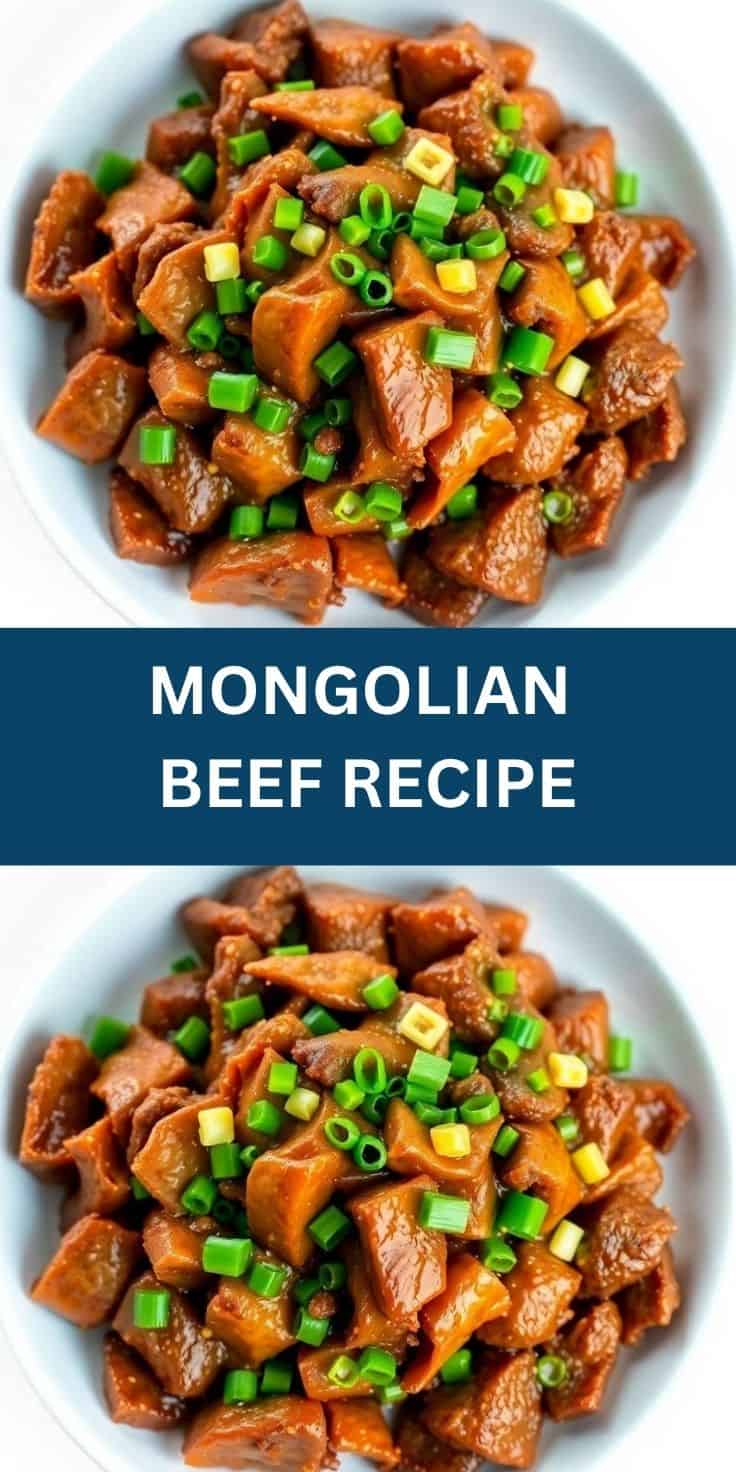
Frequently Asked Questions
Can I use a different cut of beef instead of flank steak?
Yes — skirt steak is the closest substitute and works almost identically. Sirloin sliced thin also does the job well. I've made this with flat iron steak when flank wasn't available and it was honestly just as good. I'd avoid stew meat or anything pre-cut for braising — those cuts need long, slow cooking to get tender, and high-heat stir-frying won't get you there.
Can I make Mongolian beef ahead of time?
Sort of. I'd recommend cooking the beef and making the sauce separately, storing them in the fridge for up to a day, and then combining them in the hot skillet right before you eat. If you cook the whole dish and then refrigerate it, the beef softens in the sauce overnight and loses some of that texture. Prepping the parts ahead is a much better approach for meal planning.
What can I serve with this besides rice?
Noodles are the obvious second choice — lo mein, rice noodles, or even plain linguine work fine. Steamed or roasted broccoli alongside is really good too, both for the colour and because broccoli soaks up the sauce well. I've also served it over cauliflower rice when we were trying to eat a bit lighter, and while it's not the same, it's still genuinely good.
How do I make the sauce less sweet?
Cut the brown sugar down to 1½ tablespoons instead of 3, or balance it by adding an extra tablespoon of soy sauce. I did the full amount the first time and found it a touch sweet for my taste, so I now do 2 tablespoons of sugar and it lands exactly where I want it. Taste the sauce before it reduces — it's easy to adjust at that stage.
Why is my beef not getting crispy?
Almost always the answer is that the pan isn't hot enough or there's too much beef in it at once. Both problems cause the beef to steam rather than sear. Make sure your oil is shimmering before the first piece goes in, and cook in batches — no more than a single layer at a time. Also, pat the beef dry with a paper towel before coating it with cornstarch if it looks wet; moisture is the enemy of a good crust.
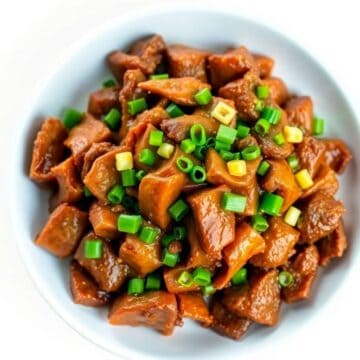
MONGOLIAN BEEF RECIPE
Ingredients
- 1 lb 450 g flank steak, thinly sliced
- 3 tablespoons cornstarch
- 2 tablespoons vegetable oil
- ¼ cup soy sauce
- ¼ cup water
- 3 tablespoons brown sugar
- 3 cloves garlic minced
- 1 teaspoon fresh ginger grated
- 3 green onions sliced
- Optional: red pepper flakes for heat
Instructions
- Prepare Beef: Toss beef slices with cornstarch until well coated.
- Cook Beef: Heat oil in a large skillet or wok over medium-high heat. Cook beef in batches until browned and crispy. Remove and set aside.
- Make Sauce: In the same pan, add garlic and ginger. Sauté 30 seconds, then stir in soy sauce, water, and brown sugar. Cook until slightly thickened.
- Combine: Return beef to the pan, tossing to coat evenly in the sauce. Add green onions and cook 1–2 minutes more.
- Serve: Serve hot over steamed rice or noodles.
Notes
- Make Ahead: Marinate beef for 30 minutes for extra flavor.
- Variations: Add broccoli, bell peppers, or snap peas for a veggie boost.
- Storage: Store leftovers in an airtight container in the refrigerator for up to 2 days; reheat gently.
This is one of those recipes I come back to when I want something that feels a bit special but doesn't ask much from me on a tired evening. The whole thing is done in one pan, the ingredients are simple, and the result genuinely tastes like something you'd order at a restaurant. I know that sounds like an overstatement but my husband said it first, not me.
I've made this enough times now that I do it almost on autopilot — I start the rice, slice the beef, mix the sauce, and by the time the rice is done the beef is cooked and resting in that glossy sauce. It's one of those reliable weeknight wins I rely on the same way I rely on my one-pan balsamic chicken when I need something fast and satisfying. Both live in heavy rotation here.
If you make this, the one thing I'd ask is that you don't rush the searing step. Those 10 minutes of batch cooking are what separate a really good result from a just-okay one. Everything else is forgiving — the sauce, the timing, the garnishes. But give the beef its space and high heat, and the rest takes care of itself.
I hope this becomes one of your go-to weeknight dinners the way it's become one of mine. And if you're in the mood for something sweet after dinner, my triple chocolate chunk cookies take about the same amount of hands-on time. Just putting that out there. 🥢🍚✨
If you liked this recipe, here are a few more you might want to try:
- Garlic Butter Chicken and Potatoes Skillet Recipe — another one-pan dinner that comes together fast on a weeknight
- One Pan Balsamic Chicken and Veggies — sheet pan simplicity with big flavour
- Triple Chocolate Chunk Cookies — for when dinner was good and dessert needs to match
- Hazelnut Brownies — rich, fudgy, and easier than they look
- Vegetable Pakora Recipe — a crispy starter that pairs beautifully with any Asian-inspired main




Comments
No Comments