
I made filet mignon at home for the first time about four years ago, and I was genuinely nervous. It felt like the kind of steak that only restaurants were supposed to make — the kind you'd ruin if you so much as looked away for thirty seconds. And honestly? My first attempt was overcooked and the sauce was watery. I've made it many times since, and I finally have a version that works reliably in my normal home kitchen.
What makes this work is two things: a proper sear and a sauce built in the same pan. The peppercorn sauce uses the browned bits left behind after the steak cooks — all that flavor that would otherwise get washed down the drain. Green peppercorns in brine keep the heat subtle and fragrant, not overwhelming. If you can only find black peppercorns, that works too — I've done it both ways.
My husband isn't usually impressed by "special occasion" cooking at home — he'd rather just go out. But this one changed his mind. He asked me to make it again the following weekend, which basically never happens. I serve it with mashed potatoes when I want it to feel like a real dinner, or sometimes just with a simple roasted red pepper salad on the side if I'm keeping things lighter.
One thing to know before you start: this recipe moves fast once the steaks hit the pan. Have everything measured and ready before you turn on the heat. The brandy, the broth, the cream — line them all up. If you have to go hunting for the peppercorns while your shallots are burning, the sauce will suffer. Mise en place matters here more than almost any other recipe I make.
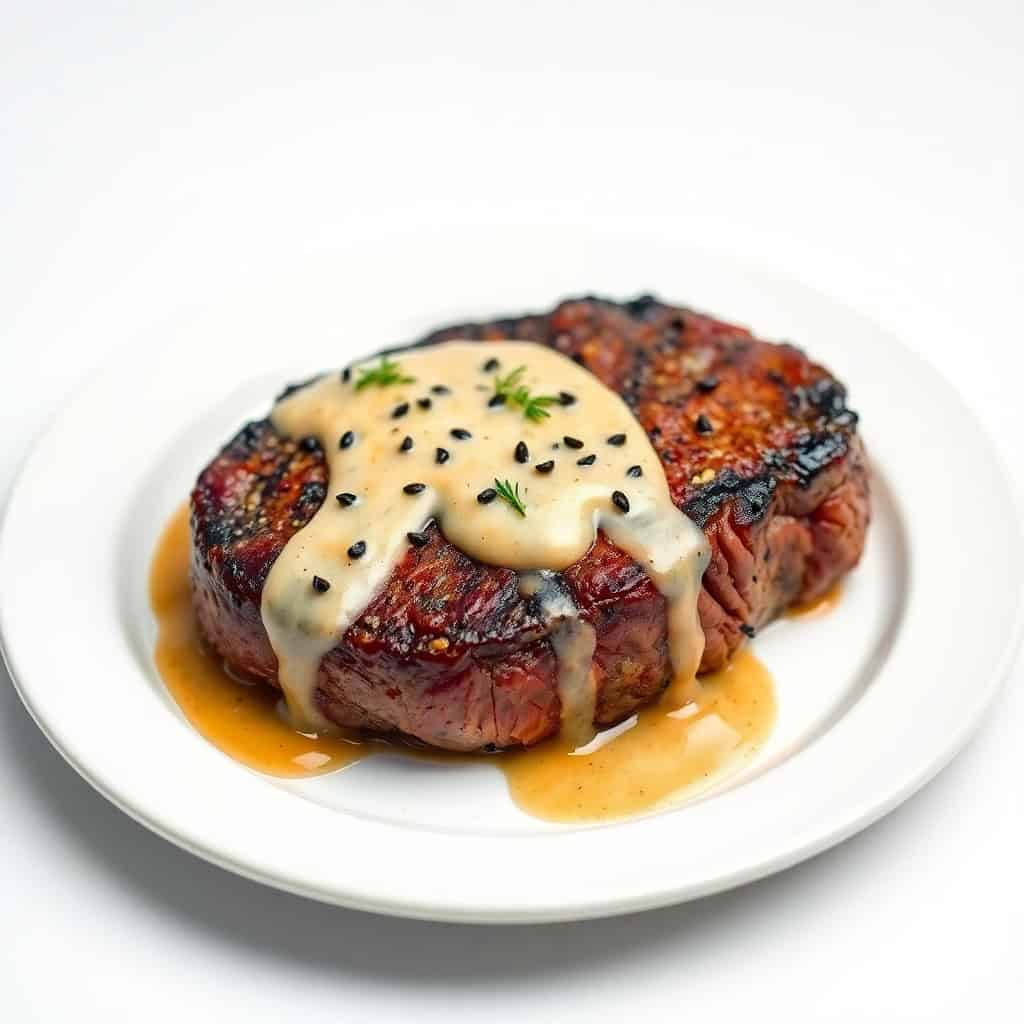
Why You'll Love This Recipe
- One pan, start to finish: The sauce gets made in the same skillet where you seared the steaks, so all those browned bits go into the sauce instead of into the garbage. This isn't just convenient — it genuinely makes the sauce taste better. Fewer dishes is just a bonus at this point.
- Ready in under 30 minutes: The longest part is letting the steaks rest at room temperature before cooking — and that's hands-off time. Once you start cooking, the whole thing takes about 20 minutes. It feels like it should take longer, which is partly why it impresses people.
- The sauce is genuinely good: I've tried a lot of pan sauces over the years. This one — peppercorns, cream, a splash of brandy, beef broth — is the one I keep coming back to. It has enough richness to feel indulgent without being so heavy that you regret it halfway through the plate.
- No special equipment needed: A heavy skillet — cast iron if you have it, stainless if you don't — is all you need. I don't use a thermometer every time, but if you're new to cooking steak, a cheap instant-read one (under $15 at any Walmart or Target) takes all the guesswork out of doneness.
- It works for a weeknight if you plan it right: I know "filet mignon on a weeknight" sounds unrealistic, but if you pick up the steaks from Costco or a good grocery butcher counter, it's really just a 30-minute dinner. I've done it on a Tuesday when I wanted something better than pasta but didn't have the energy for a complicated recipe.
Ingredients
- 2 filet mignon steaks (about 6–8 oz each)
- Salt and freshly ground black pepper, to taste
- 1 tablespoon olive oil
- 1 tablespoon unsalted butter (for searing)
- 1 tablespoon unsalted butter (for the sauce)
- 1 small shallot, finely chopped
- 2 tablespoons brandy or cognac (optional — see note below if skipping)
- ½ cup beef broth
- ½ cup heavy cream
- 2 tablespoons crushed black peppercorns (or green peppercorns in brine, drained and lightly crushed)
- Salt, to taste
Directions
- Rest the steaks: Pull the steaks from the fridge at least 30 minutes before cooking and let them sit at room temperature. This isn't optional — cold steaks hit the hot pan and the outside overcooks before the inside gets there. Pat them thoroughly dry with paper towels, then season both sides generously with salt and pepper.
- Sear the steaks: Heat olive oil and 1 tablespoon of butter together in a heavy skillet over medium-high heat until the butter foams and starts to subside. Add the steaks and sear without touching them for 3–4 minutes per side, until a deep golden crust forms. For medium-rare, you're looking for an internal temperature of about 130–135°F. Transfer the steaks to a plate and cover loosely with foil to rest.
- Build the sauce base: Turn the heat down to medium. Add the remaining tablespoon of butter to the same pan — don't wipe it out, those browned bits are flavor. Once the butter melts, add the chopped shallot and cook for about 2 minutes, stirring, until soft and golden.
- Deglaze: Carefully pour in the brandy. If your pan is still very hot, it may flame — that's fine, just keep your face back and let it burn off. Stir to scrape up all the browned bits from the bottom of the pan, and cook until the brandy reduces by about half, about 1 minute.
- Add the broth and cream: Pour in the beef broth and let it simmer for 2–3 minutes. Add the heavy cream and crushed peppercorns. Stir to combine and let the sauce simmer another 3–4 minutes until it thickens enough to coat a spoon. Taste and adjust salt.
- Finish and serve: Return the steaks to the pan for about 30 seconds per side just to warm them through. Spoon the sauce generously over each steak and serve immediately.
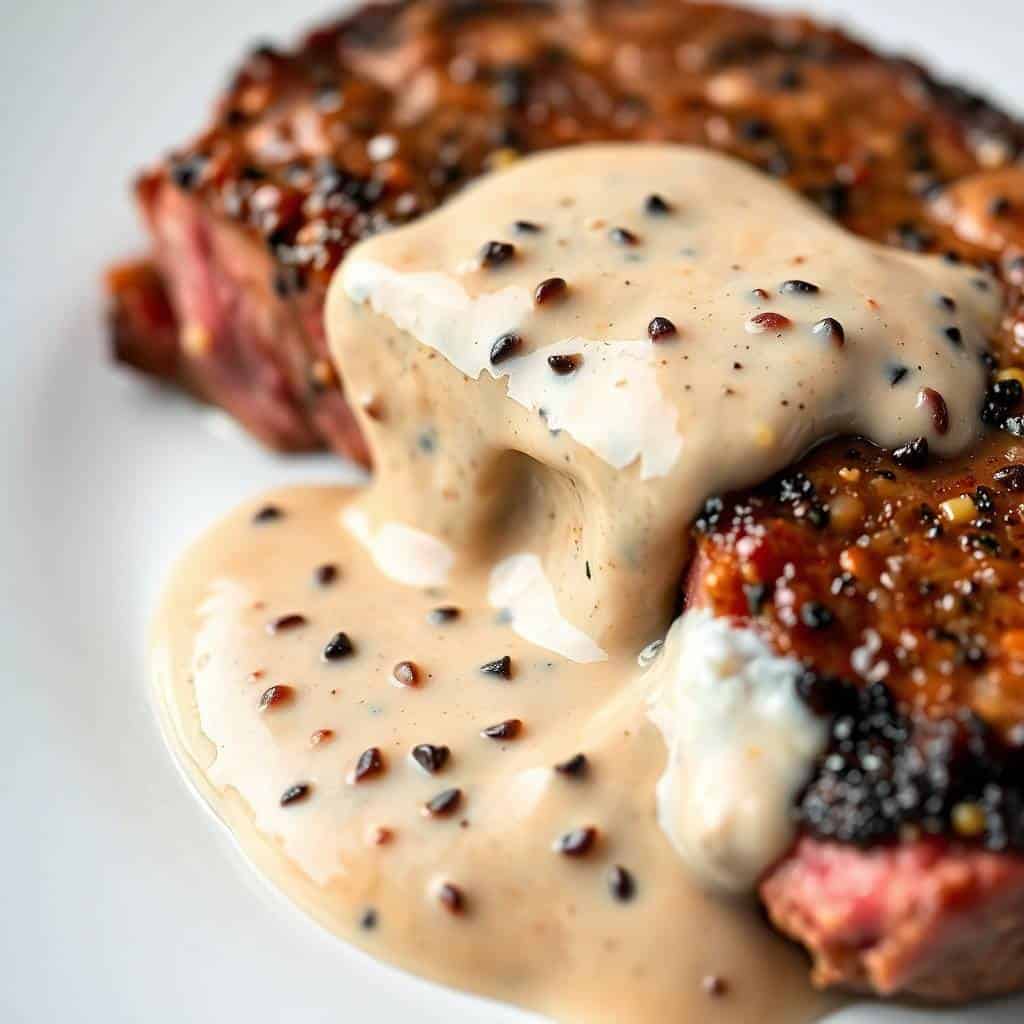
Tips for Success
- Dry the steaks before they hit the pan: I learned this the hard way — the first time I skipped this step, I got a grayish crust instead of a proper sear. Moisture on the surface of the steak turns to steam in the pan, and steam is the enemy of browning. Use paper towels and press firmly on all sides.
- Use a heavy skillet — cast iron if you have it: Cast iron holds heat better than a thin nonstick pan, which means the temperature doesn't drop dramatically when you add the steaks. A stainless steel skillet works fine too. What doesn't work well is a thin aluminum pan — the heat is uneven and you'll get patchy browning.
- Don't skip the resting time after cooking: I know it's tempting to cut in right away. I've done it. The juices run out immediately and the steak looks sad. Five minutes of resting under loose foil makes a real difference — the fibers relax and the juices redistribute. Set a timer so you don't forget.
- Have everything ready before you start: The sauce goes fast — brandy in, then broth, then cream, all within about 8 minutes. If you're measuring things out while the shallots sit on heat, they'll burn. I set up all my sauce ingredients in small bowls before I even turn on the stove.
- Control the sauce thickness by adjusting simmer time: If the sauce looks too thin after 3–4 minutes, just keep simmering — it'll tighten up. If it's gone too thick (happens if you get distracted), add a splash of broth and stir. The sauce should coat a spoon but still pour. Think restaurant consistency, not gravy.
Variations
- No alcohol version: Replace the brandy with an extra splash of beef broth plus about 1 teaspoon of balsamic vinegar. The balsamic adds a similar depth and slight sweetness that the brandy usually brings. I've made this version for guests who don't drink and no one has ever noticed the difference.
- Add mushrooms: Sauté a handful of thinly sliced cremini mushrooms with the shallots before deglazing. They cook down quickly and add an earthy element that works really well with the cream sauce. This is the version my husband prefers — he says it feels more substantial.
- Try it with a different cut: The peppercorn sauce works just as well on a ribeye or a New York strip. Filet is the most tender cut, but ribeye has more fat and more flavor — it's a different experience but equally good. If you're feeding a crowd on a budget, NY strip is usually cheaper and this sauce makes it feel fancy.
- Dairy-free version: Swap the butter for olive oil and the heavy cream for full-fat coconut cream. The coconut flavor is very mild once the peppercorns and broth are in — it doesn't taste like a coconut sauce. I made this version once when a friend with a dairy sensitivity came over and she didn't realize it was different.
- Herb finish: Stir in a teaspoon of fresh thyme leaves or a small handful of chopped flat-leaf parsley right at the end, just before serving. It brightens the sauce slightly and adds color. This is a small thing but it makes the plate look noticeably better. I do this when I'm serving it to guests and want it to look like I tried harder than I did.
Serving and Storage
Serving
I usually serve this with mashed potatoes — the sauce pools around them and it becomes the best part of the plate. Roasted asparagus or green beans alongside keeps the meal from feeling too heavy. If you want a lighter spread, a simple roasted red pepper salad works beautifully. Crusty bread to mop up the remaining sauce is never a bad idea either. For dessert, I usually go with something that doesn't require much effort after a meal like this — my Hawaiian Pineapple Coconut Dream Cake is a crowd favorite that I can make ahead.
Storage
Store leftover steak and sauce separately if you can — the steak reheats better without sitting in sauce overnight. Keep both in airtight containers in the fridge for up to 2 days. To reheat the steak, warm it low and slow in a skillet over medium-low heat, just until heated through — don't rush it or it'll overcook. The sauce reheats easily on the stove over low heat with a splash of broth to loosen it if it's thickened in the fridge. I wouldn't try to freeze the cream sauce — it tends to separate when thawed.
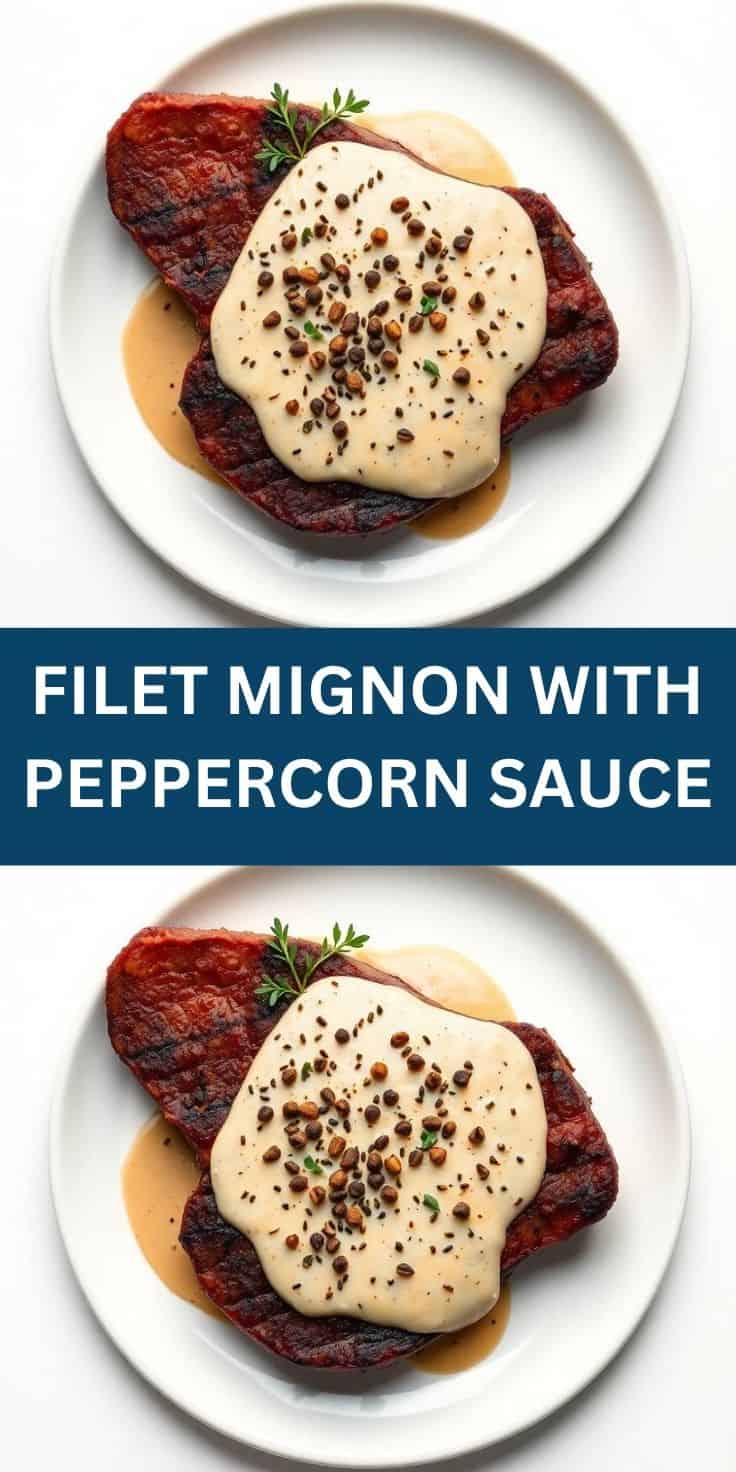
Frequently Asked Questions
Can I make the peppercorn sauce ahead of time?
Yes — the sauce is actually one of the most make-ahead-friendly parts of this recipe. Make it up to a day in advance, let it cool, and store it in the fridge. Reheat gently on the stove over low heat with a small splash of beef broth to bring it back to the right consistency. Just cook and rest the steaks fresh when you're ready to eat.
How do I know when the steak is done without cutting into it?
A cheap instant-read thermometer is the most reliable method — aim for 130°F for medium-rare, 140°F for medium. If you don't have one, the finger test works: medium-rare feels like the fleshy part of your palm below your thumb when your hand is relaxed. It takes practice, but it's a useful skill to build. I use a thermometer when I'm cooking for guests and don't want to guess.
Can I skip the brandy entirely?
Absolutely. Replace it with an equal amount of beef broth plus about a teaspoon of balsamic vinegar. The balsamic adds the slight depth and richness the brandy usually brings. The sauce will still be very good — I've made it this way plenty of times when I didn't have brandy in the house.
What kind of cream should I use?
Heavy cream (also labeled as heavy whipping cream) is what you want here. It's stable enough to simmer without breaking or curdling. Half-and-half can work in a pinch but the sauce won't thicken as nicely. Avoid regular milk entirely — it will curdle when it hits the hot pan and you'll end up with a grainy mess rather than a silky sauce.
Is this recipe gluten-free?
It is naturally gluten-free as written, as long as you use gluten-free beef broth. Most standard beef broths are fine, but some brands add thickeners or flavor enhancers that contain gluten, so it's worth checking the label. Brands like Swanson and Pacific Foods have clearly labeled gluten-free options at most major grocery stores.
FILET MIGNON WITH PEPPERCORN SAUCE
Ingredients
For the Steak:
- 2 filet mignon steaks 6–8 oz each
- Salt and freshly ground black pepper to taste
- 1 tablespoon olive oil
- 1 tablespoon butter
For the Peppercorn Sauce:
- 2 tablespoons crushed black peppercorns
- 1 tablespoon butter
- 1 small shallot finely chopped
- ½ cup beef broth
- ½ cup heavy cream
- 2 tablespoons brandy or cognac optional
- Salt to taste
Instructions
Prepare the Steaks:
- Pat steaks dry and season generously with salt and pepper on both sides.
Sear the Filets:
- Heat olive oil and butter in a skillet over medium-high heat. Sear steaks for 3–4 minutes per side for medium-rare or adjust to desired doneness. Remove and let rest.
Make the Peppercorn Sauce:
- In the same pan, melt butter and sauté shallots for 1–2 minutes. Stir in crushed peppercorns, then deglaze with brandy (if using). Add beef broth and simmer for 3 minutes. Stir in cream and cook until thickened.
Combine and Serve:
- Return steaks to the pan and spoon sauce over them. Serve hot with extra sauce drizzled on top.
Notes
- Make Ahead: Prepare the peppercorn sauce up to a day ahead and reheat before serving.
- Customizing the Flavor: Try adding Dijon mustard or a splash of Worcestershire sauce for depth.
- Serving Suggestions: Serve with mashed potatoes, roasted vegetables, or a crisp green salad.
- Allergy-Friendly Options: Use lactose-free cream for a lighter, dairy-friendly version.
- Storage Tips: Refrigerate leftovers in an airtight container for up to 2 days. Reheat gently in a skillet over low heat.
This is one of those recipes I genuinely didn't expect to nail at home, and I'm still a little surprised every time it comes out right. The combination of a properly seared crust with that creamy, pepper-forward sauce is the kind of thing I used to think only happened in restaurants with expensive equipment and trained chefs. Turns out it mostly just requires a hot pan, good timing, and not walking away while the steaks are cooking.
I make this when I want dinner to feel like an occasion without spending three hours in the kitchen. It's the kind of meal that makes a regular Wednesday feel like something worth remembering. My husband still considers it the best thing that's come out of my kitchen — which is saying something given how much I cook.
If you're looking for something to serve alongside that keeps the cooking simple, my Parmesan Crusted Shrimp works as a starter if you're going all out, or keep it easy with a green salad and bread. And if you need a drink to go with it, a Sunny Watermelon Citrus Cooler is a refreshing non-alcoholic option that actually pairs surprisingly well with a rich steak dinner.
If you try this, I'd love to know how it goes — especially which variation you tried. And if your first attempt is overcooked, don't give up. Mine was too. 🥩🖤
If you liked this recipe, here are a few more you might enjoy:
- Parmesan Crusted Shrimp — a quick, impressive starter that uses the same skillet technique
- Roasted Red Pepper Salad — a bright, simple side that pairs well with rich mains
- Tomato Lemon Butter Sauce — another pan sauce worth having in your regular rotation
- Hawaiian Pineapple Coconut Dream Cake — a make-ahead dessert that's perfect after a special dinner
-
{"@context":"https://schema.org","@type":"Article","headline":"FILET MIGNON WITH PEPPERCORN SAUCE","description":"Filet Mignon with Peppercorn Sauce is tender, juicy, and elegant — perfectly seared steak served with a creamy, peppery sauce for a gourmet meal.","datePublished":"2025-10-26T09:23:30+00:00","dateModified":"2026-05-03T20:48:33+00:00","author":{"@type":"Person","name":"Sana Umer","url":"https://forfoodiefriends.com/about/","description":"Self-taught home cook with 10+ years of kitchen experience. Mom of two who develops every recipe in her own kitchen.","jobTitle":"Recipe Developer & Food Blogger","image":"https://forfoodiefriends.com/wp-content/uploads/sana-umer-author-photo.jpg"},"publisher":{"@type":"Organization","name":"For Foodie Friends","url":"https://forfoodiefriends.com/","logo":{"@type":"ImageObject","url":"https://forfoodiefriends.com/wp-content/uploads/forfoodiefriends-logo.png"}},"mainEntityOfPage":{"@type":"WebPage","@id":"https://forfoodiefriends.com/filet-mignon-with-peppercorn-sauce/"},"image":"https://forfoodiefriends.com/wp-content/uploads/2025/10/FILET-MIGNON-WITH-PEPPERCORN-SAUCE.jpg"}





Comments
No Comments