
I didn't grow up eating creamed peas and potatoes — this is not a Pakistani dish by any stretch — but the first time I made it, I understood immediately why it's been on American dinner tables for generations. There's something about a buttery white sauce clinging to soft potatoes and sweet peas that feels like the food equivalent of a warm blanket. My husband, who will eat almost anything I put in front of him, went back for seconds without being asked.
What makes this recipe work is the roux. I know some people skip it and just pour cream over everything, but taking two minutes to cook the butter and flour together before adding the milk is what gives you that velvety, clingy sauce instead of something watery and sad. The potatoes do the rest — they release a little starch as they cook and naturally help thicken things up. It's a simple dish, but there's actual technique behind it.
I make this most often when I'm roasting a chicken or putting together a big Sunday dinner. It fits alongside cheesy garlic scalloped potatoes on a holiday spread, or it can just be a quiet weeknight side when I want something comforting that doesn't take much thought. Either way, it's done in about 25 minutes start to finish, and I only have one pot to wash.
One thing to set expectations on: this is not a thick, heavy gratin situation. The sauce is creamy but light — it coats the potatoes rather than drowning them. If you want something richer, I'll tell you exactly how to do that in the variations section. But the base recipe is intentionally simple, and that simplicity is the whole point.
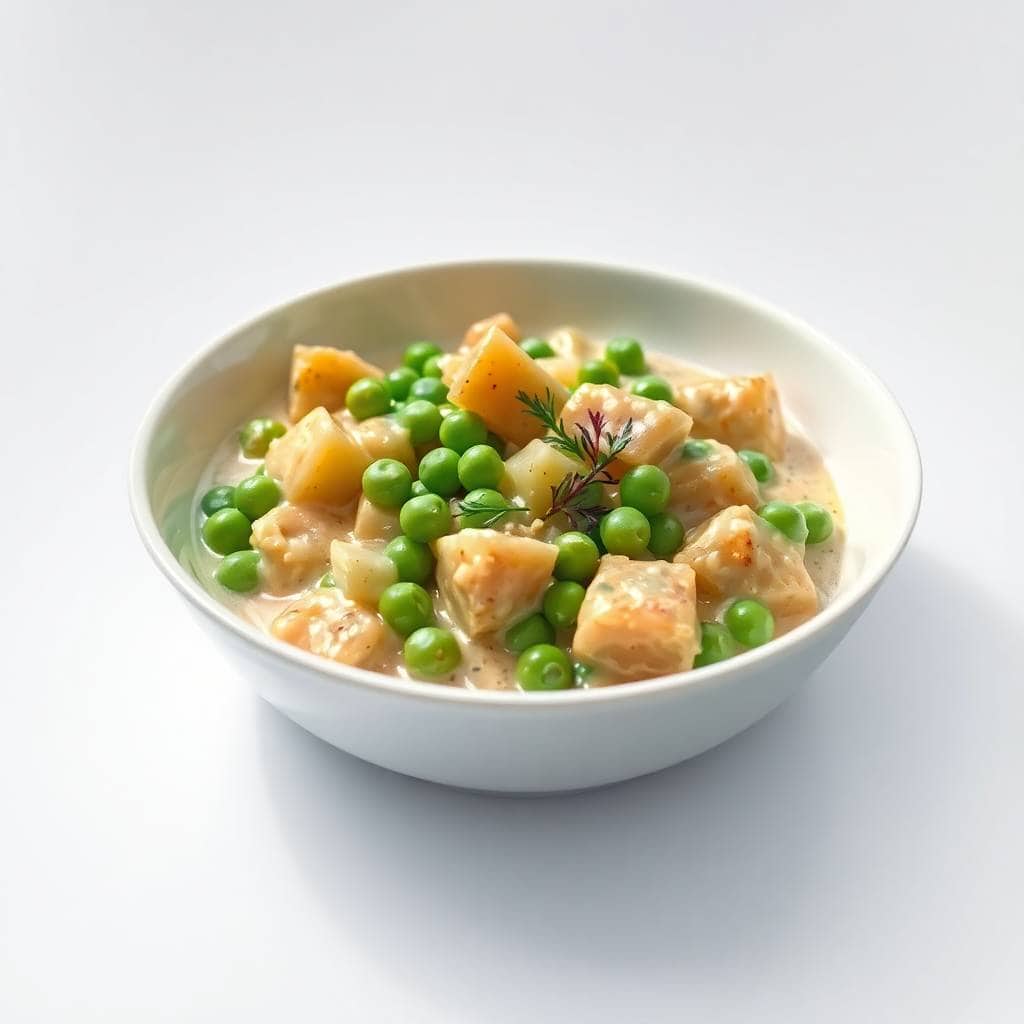
Why You'll Love This Recipe
- One pot, minimal cleanup: Everything happens in a single pot — boiling the potatoes, cooking the peas, making the sauce, combining it all. I genuinely have nights where I refuse to make anything that requires more than one pan to wash, and this qualifies. The whole process flows from one step to the next without juggling multiple burners.
- Pantry staples only: Butter, flour, milk, potatoes, peas — that's genuinely it. I've made this with frozen peas I had sitting in the back of my freezer for two months and baby potatoes from a Costco bag. No special trip to the store required.
- Kids actually eat it: Zainab is at the age where she's suspicious of anything green, but the peas in this dish are small, sweet, and wrapped in cream sauce — she eats them without complaint. The mild flavors and soft textures make this one of those rare sides that doesn't require negotiation at the dinner table.
- Works as a make-ahead side: I've prepped this the day before a big dinner and reheated it low and slow on the stovetop with a splash of extra milk. It comes back together beautifully. For holiday meals when I'm trying to time six things at once, having this already done is a genuine lifesaver.
- Easy to customize: The base recipe is intentionally neutral so it plays well with almost anything. Add garlic, stir in cheddar, throw in some pearl onions — there's a lot of room to make it your own without breaking the basic formula.
Ingredients
- 4 medium potatoes, peeled and diced
- 1 cup frozen peas (or fresh if you have them)
- 2 tablespoons butter
- 2 tablespoons all-purpose flour
- 1 ½ cups whole milk
- ½ teaspoon salt (plus more for the boiling water)
- ¼ teaspoon black pepper
- ¼ teaspoon garlic powder (optional)
- Fresh parsley for garnish (optional)
Directions
- Step 1: Boil the potatoes — Put your diced potatoes in a large pot, cover with cold salted water, and bring to a boil. Cook for 10–15 minutes until a fork slides in without resistance. You want them tender all the way through but still holding their shape — not falling apart. Drain and set aside.
- Step 2: Cook the peas — In the same pot, bring a small amount of water to a boil and cook the peas for 2–3 minutes. If you're using frozen, they just need to heat through — don't walk away, because overcooked peas turn army green and sad. Drain and set aside with the potatoes.
- Step 3: Make the roux — Back in that same pot, melt the butter over medium heat. Once it's melted and just starting to foam, whisk in the flour. Keep whisking and let it cook for a full minute — this step cooks off the raw flour taste, and skipping it is why some cream sauces taste chalky.
- Step 4: Build the sauce — Pour in the milk gradually, whisking the whole time. Don't dump it all in at once or you'll get lumps. Keep stirring as the sauce heats up — after 3–5 minutes it should be thick enough to coat the back of a spoon. Season with salt, pepper, and garlic powder if using.
- Step 5: Combine and serve — Add the potatoes and peas back into the pot and stir gently to coat everything in the sauce. Give it a taste and adjust the seasoning. Scatter fresh parsley over the top if you like, and serve warm.
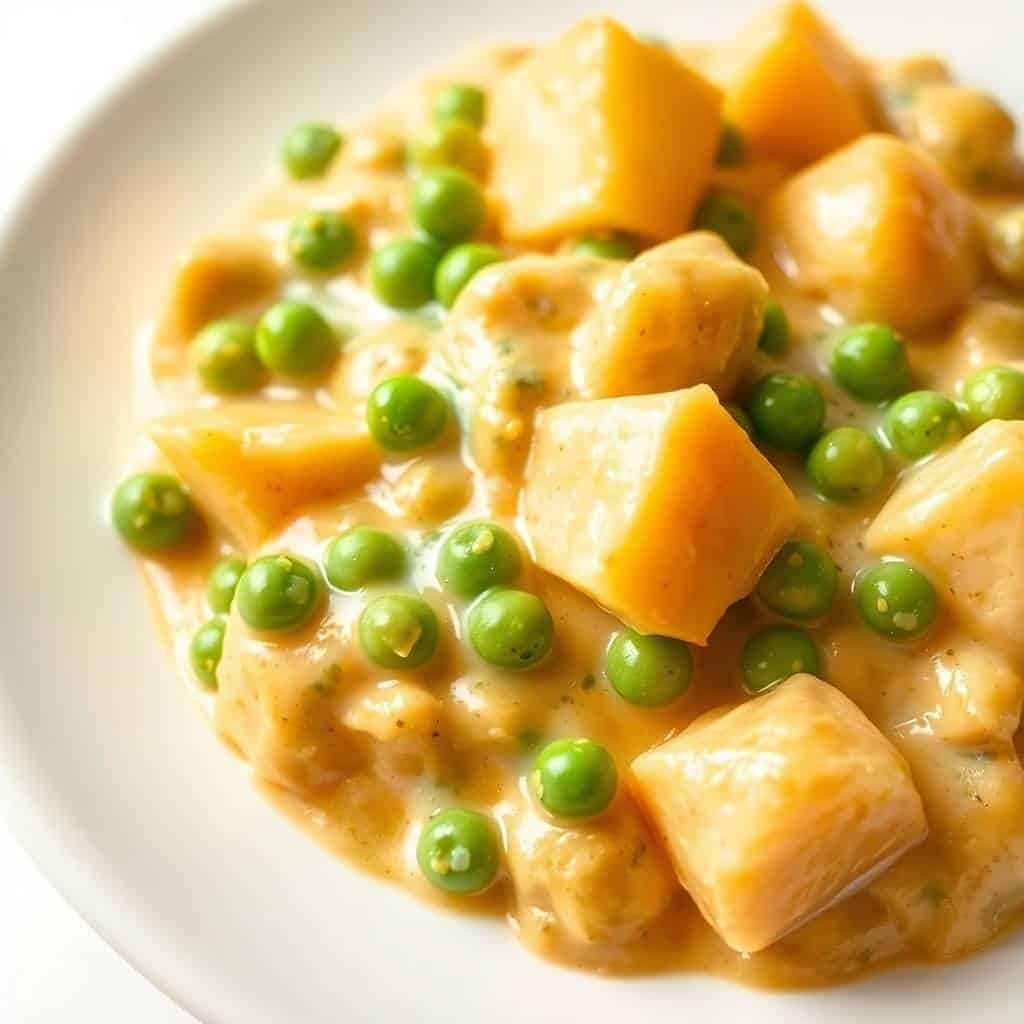
Tips for Success
- Salt your potato water properly: The water should taste faintly salty — not ocean water, but not plain either. Potatoes are dense and they need salt to penetrate while they cook. If you wait to season until the end, you'll always feel like something's missing in the final dish.
- Don't rush the roux: The first time I made a cream sauce I added the milk about 30 seconds after the butter and flour went in, and the sauce had a faint floury taste that bothered me the whole meal. Give it a full 60 seconds of cooking over medium heat before you pour in anything. It makes a real difference.
- Whisk constantly when adding the milk: Pour slowly with one hand and whisk steadily with the other. If you get a lump or two anyway, don't panic — just keep whisking over the heat and they'll usually smooth out. A silicone whisk works fine; you don't need anything fancy.
- Add the peas at the very end: I used to toss everything in at the same time and wondered why my peas looked dull and mushy. Cooking them separately and adding them only at the final stir keeps them bright green and slightly firm — the texture contrast with the soft potatoes is actually part of what makes this dish good.
- Reheat gently if making ahead: Cream sauces can seize up or turn grainy if you blast them on high heat. Low and slow on the stovetop, with a splash of extra milk stirred in, brings it back to the right consistency every time. Don't microwave this one if you can avoid it.
Variations
- Cheesy version: Stir in ½ cup of shredded sharp cheddar right after you pull the sauce off the heat. The residual warmth melts it in without the cheese getting grainy. My husband prefers this version — says it tastes like a proper side dish instead of "hospital food," which is his way of saying he wants more flavor.
- Garlic butter base: Before you add the flour, drop in 2 minced garlic cloves and let them cook in the butter for about 30 seconds. The garlic perfumes the whole sauce and gives it a depth that the base recipe doesn't have. This is the version I make when we're having roast chicken.
- Add pearl onions: Stir in cooked pearl onions along with the potatoes and peas for a more old-fashioned, holiday-style feel. They add a little sweetness and visual interest. This version looks impressive on a holiday table without any extra effort.
- Dairy-free swap: Use unsweetened oat milk instead of whole milk and a plant-based butter alternative. I've tried this with Walmart's store-brand oat milk and it works — the sauce is slightly thinner but still coats everything well. Good option if you're cooking for someone who avoids dairy.
- Gluten-free version: Swap the all-purpose flour for 1 tablespoon of cornstarch mixed with 2 tablespoons of cold milk before adding it to the butter. It thickens the sauce nicely without the flour. Just make sure you mix the cornstarch slurry smooth before it goes in or you'll get white lumps.
Serving and Storage
Serving
Serve this warm, right out of the pot. It pairs naturally with roasted chicken, baked ham, or grilled meats. In Pakistan we'd never serve this — it doesn't exist in that food tradition — but here it fits perfectly alongside something simple like baked chicken thighs or even a casual grilled veggie platter when you want a hearty vegetarian spread. If you're putting together a bigger spread for a holiday, this works well next to a roast with the other sides on the table — it holds its heat reasonably well for 15–20 minutes.
Storage
Store leftovers in an airtight container in the fridge for up to 3 days. When reheating, go low and slow on the stovetop and add a splash of milk to loosen the sauce — it will have thickened up in the fridge. I don't recommend freezing this one. Cream sauces separate when they thaw and the texture gets unpleasant, no matter how carefully you reheat them.
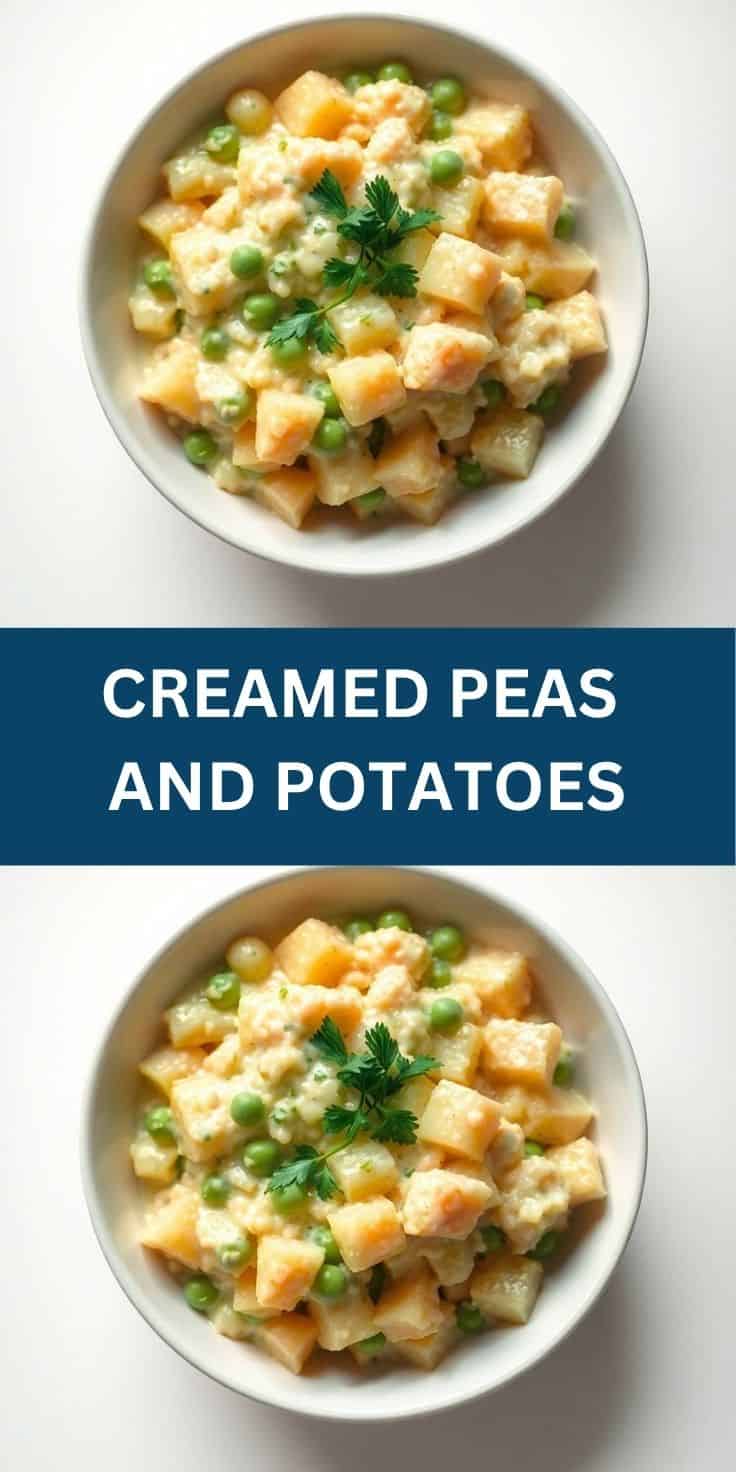
Frequently Asked Questions
Can I use canned peas instead of frozen?
You can, but rinse them really well first and add them at the absolute last minute — just to warm through. Canned peas are already cooked and very soft, so any extra heat turns them mushy. Frozen peas actually hold their texture better in this dish, which is why I almost always reach for those.
What's the best type of potato to use?
Yukon Gold or red potatoes are my go-to. They have a naturally buttery texture and they hold their shape when boiled — they don't fall apart into the sauce the way russets tend to. Baby potatoes work great too if you halve them; they cook a bit faster and look nice in the finished dish.
Can I make this ahead of time?
Yes, and I actually recommend it for big dinners. Make the whole dish up to two days ahead, let it cool completely, and refrigerate it covered. When you're ready to serve, reheat it gently on the stovetop over low heat with a couple tablespoons of extra milk stirred in. It comes back together smoothly as long as you don't rush it with high heat.
Can I use half-and-half or cream instead of whole milk?
Absolutely. Half-and-half gives you a noticeably richer sauce — that's the version I make when I'm serving it for a holiday meal. Heavy cream will make it quite thick and indulgent. If you only have 2% milk, it still works but the sauce will be a bit thinner. I'd add an extra half tablespoon of flour to compensate.
Can I freeze creamed peas and potatoes?
I wouldn't. Cream-based sauces don't freeze well — the dairy separates when it thaws and you end up with a grainy, watery mess even after reheating. This dish is much better made fresh or kept in the fridge for a few days. It's quick enough to make that it doesn't really need to be frozen anyway.

CREAMED PEAS AND POTATOES
Ingredients
- 4 medium potatoes peeled and diced
- 1 cup frozen peas
- 2 tablespoons butter
- 2 tablespoons all-purpose flour
- 1 ½ cups milk
- ½ teaspoon salt
- ¼ teaspoon black pepper
- ¼ teaspoon garlic powder optional
- Fresh parsley for garnish optional
Instructions
Cook Potatoes:
- Boil diced potatoes in salted water until tender, about 10–15 minutes. Drain and set aside.
Cook Peas:
- In a small saucepan, cook peas in boiling water for 2–3 minutes. Drain.
Make Cream Sauce:
- In a saucepan, melt butter over medium heat. Whisk in flour and cook for 1 minute. Gradually whisk in milk and cook until thickened, about 3–5 minutes. Season with salt, pepper, and garlic powder.
Combine:
- Add cooked potatoes and peas to the sauce. Stir gently to coat and heat through.
Serve:
- Garnish with fresh parsley if desired. Serve warm.
Notes
- Make Ahead: Prepare and refrigerate; reheat gently before serving.
- Variations: Add cooked onions or bacon bits for extra flavor.
- Serving Suggestions: Perfect with roasted meats or grilled chicken.
- Allergy-Friendly: Can be made dairy-free using plant-based milk and butter alternatives.
This is one of those recipes I keep coming back to because it asks almost nothing of me. One pot. Twenty-five minutes. Ingredients I already have. And yet it always lands well on the table — my husband cleans his plate, and even Zainab doesn't pick the peas out. For a side dish, that's about as good as it gets in my house.
If you enjoy potato-based sides like this one, my cheesy garlic scalloped potatoes are worth adding to your rotation — they're richer and take a bit longer, but they're the kind of thing people ask about at dinner. For a completely different kind of comfort, the sausage cream cheese crescents on the site are a weeknight favorite too.
I'll be honest — this is not an authentic anything. It's a very old American farmhouse dish, and I'm a Pakistani home cook making it in my kitchen for my very mixed-appetite family. But that's kind of what cooking is, isn't it? You find the things that work and you make them yours. This one works. I hope it does for you too. 🥄✨
If you liked this, here are a few more recipes worth trying:
- Cheesy Garlic Scalloped Potatoes — the richer, oven-baked potato side for when you want something more indulgent
- Grilled Veggie Platter with Ranch Dip — a great pairing if you're doing a lighter summer spread
- Sausage Cream Cheese Crescents — easy, crowd-friendly, and gone within minutes
- Rotel Pasta Fiesta — a creamy, one-pot dinner for nights when you need something fast
- Cucumber Quencher — a refreshing drink to round out a warm-weather meal





Comments
No Comments