
I grew up eating orange creamsicles on hot summer afternoons — those orange-and-white ice cream bars that left your fingers sticky and your mouth happy. A few years ago I started wondering if I could get that same flavor into a cake, and after three attempts (including one where I used way too much orange juice and the layers came out almost gummy), I finally landed on something I was proud of. This Orange Creamsicle Cake has been a summer birthday staple in my house ever since.
What makes this one work is the balance. The cake itself gets its flavor from both orange zest and freshly squeezed juice — the zest for that bright, aromatic punch, and the juice to keep things moist. The vanilla buttercream on top is simple but it does exactly what creamsicle frosting should do: it's creamy and sweet and lets the citrus in the cake do the talking. I don't use a stand mixer. Just a hand mixer I've had for years, or honestly sometimes just a wooden spoon and some patience.
Zainab is the one who requests this cake every single June. She calls it "the orange ice cream cake" and gets mildly offended when I correct her. My husband will eat two slices and then ask if there's more for tomorrow. If you're looking for something a little different from the usual chocolate layer cake situation, this is it — and it pairs beautifully alongside other baked treats like my World's Best Butter Cookies if you're putting together a full dessert spread.
One thing to know before you start: this cake needs to cool completely before you frost it. I know that sounds obvious, but I've rushed it before and ended up with frosting sliding off the sides. Give yourself time. If you bake the layers the night before and frost the next day, the whole process feels much more relaxed.
Why You'll Love This Recipe
- It actually tastes like a creamsicle: I was a little skeptical the first time I set out to make this, because a lot of "citrus cakes" end up just tasting vaguely orange-adjacent. This one doesn't. The zest in the batter and the orange juice in both the cake and frosting layer up in a way that genuinely reminds me of the real thing. The vanilla in the buttercream ties it all together the way that white ice cream center used to.
- Moist layers that hold up well: The combination of whole milk and fresh orange juice keeps the crumb tender without making it dense. I've made this cake a day ahead for a party and it was still soft the next day — no dry edges, no crumbling when you slice it. That matters when you're trying to get clean pieces for a birthday table.
- No specialty ingredients needed: Everything on the list you can pick up at any grocery store — Walmart, Aldi, Sainsbury's, wherever you shop. You don't need any fancy citrus extract or specialty flour. A couple of regular navel oranges from the produce section give you all the zest and juice this recipe requires.
- The frosting is genuinely easy: I'm not a professional cake decorator. My frosting sometimes looks a little rustic, and I've made peace with that. This buttercream is forgiving — it spreads smoothly, holds its shape between layers, and if it gets too stiff you just add a tablespoon of heavy cream and beat it again. No drama.
- Works for any warm-weather occasion: This is not a heavy, wintery dessert. The citrus keeps it feeling bright and fresh, which makes it a really natural fit for spring birthdays, summer cookouts, or any time you want something that doesn't feel like a winter holiday cake. That said, Zainab has asked for it in December. I made it in December. No regrets.
Ingredients
- 2 ½ cups all-purpose flour
- 2 ½ teaspoons baking powder
- ½ teaspoon salt
- 1 cup unsalted butter, softened
- 1 ¾ cups granulated sugar
- 4 large eggs
- 1 tablespoon orange zest (from about 2 medium navel oranges)
- 1 tablespoon vanilla extract
- 1 cup whole milk
- ½ cup freshly squeezed orange juice
For the Frosting:
- 1 cup unsalted butter, softened
- 4 cups powdered sugar
- 2 teaspoons vanilla extract
- 3 tablespoons freshly squeezed orange juice
- 1 tablespoon orange zest
- 2–3 tablespoons heavy cream (add as needed for consistency)
Directions
- Preheat the oven: Heat your oven to 350°F (175°C). Grease and flour two 9-inch round cake pans — I also line the bottoms with a circle of parchment paper, which makes getting the layers out so much easier.
- Mix the dry ingredients: In a medium bowl, whisk together the flour, baking powder, and salt. Set this aside. Getting it pre-mixed means you won't accidentally dump baking powder in unevenly when you're alternating later.
- Cream the butter and sugar: In a large bowl, beat the softened butter and sugar together until the mixture looks pale and fluffy — this takes about 3–4 minutes with a hand mixer. Don't rush this step; it's what gives the cake its lift.
- Add eggs and flavorings: Add the eggs one at a time, beating well after each one. Then mix in the orange zest and vanilla extract. The batter should smell really good at this point.
- Alternate dry and wet: Add the dry ingredients in three additions, alternating with the milk and orange juice, beginning and ending with the dry ingredients. Mix until just combined after each addition — stop as soon as you don't see dry streaks. Overmixing here is what makes cakes tough.
- Bake: Divide the batter evenly between the two prepared pans. Bake for 30–35 minutes, until a toothpick inserted in the center comes out clean. My oven runs a little hot so I start checking at 28 minutes.
- Cool completely: Let the cakes cool in the pans for 10 minutes, then turn them out onto wire racks. Do not frost until they are fully cool — I've learned this the hard way more than once.
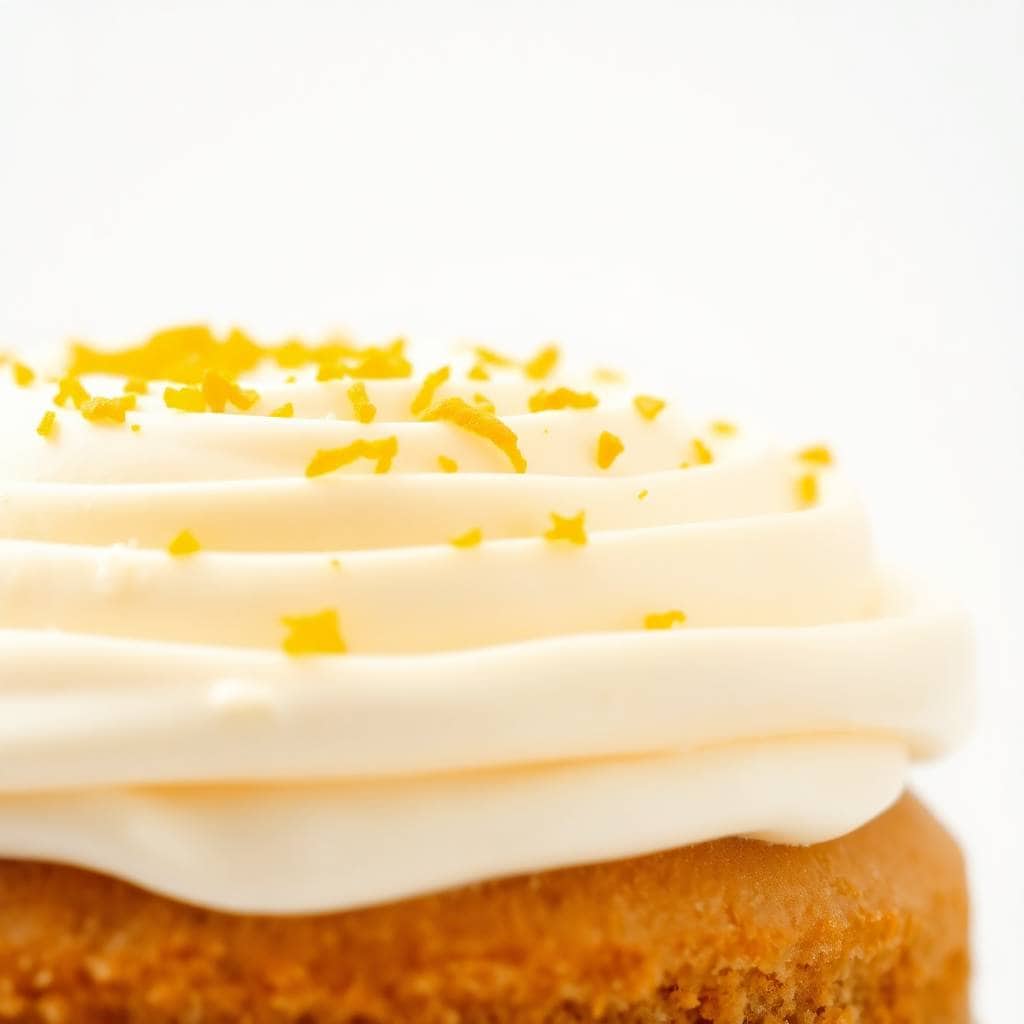
- Make the frosting: Beat the softened butter until creamy and smooth. Gradually add the powdered sugar, then mix in the vanilla, orange juice, and orange zest. Add heavy cream one tablespoon at a time until it reaches a spreadable consistency.
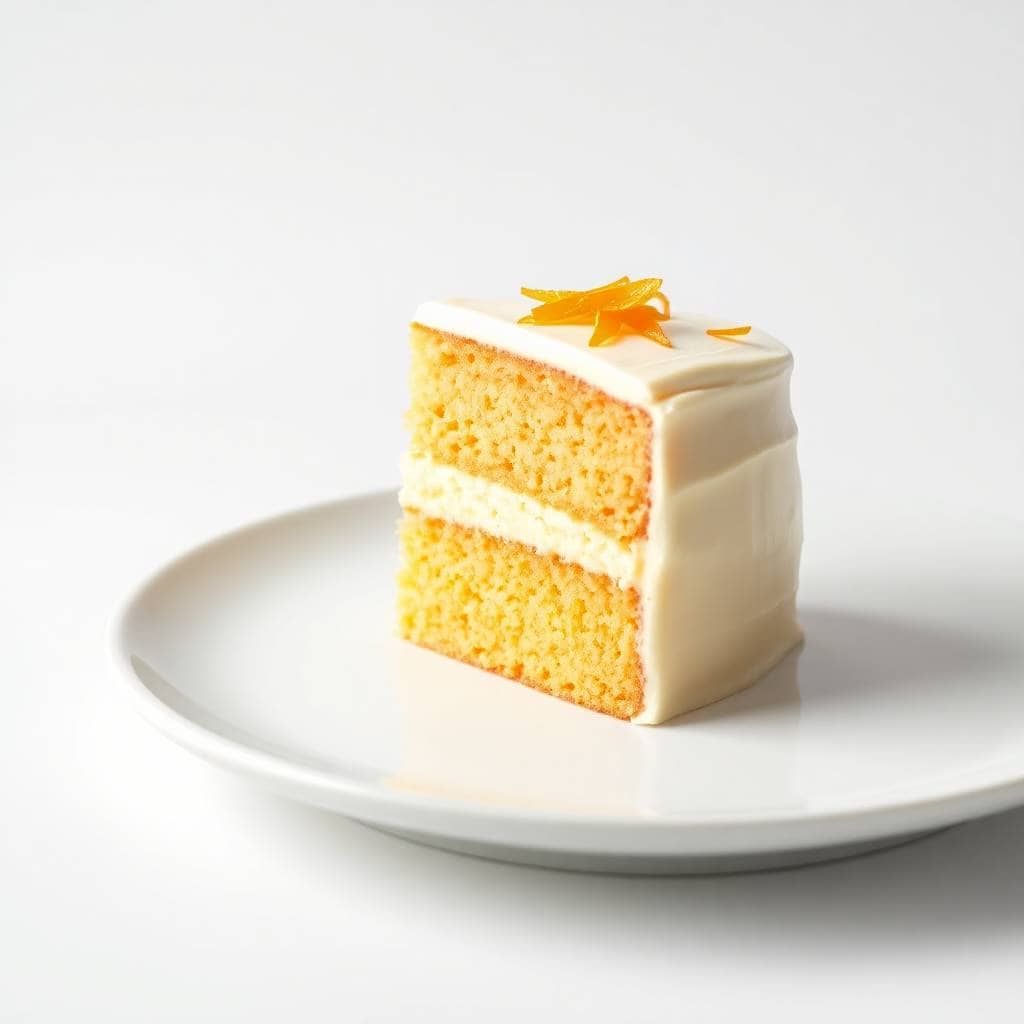
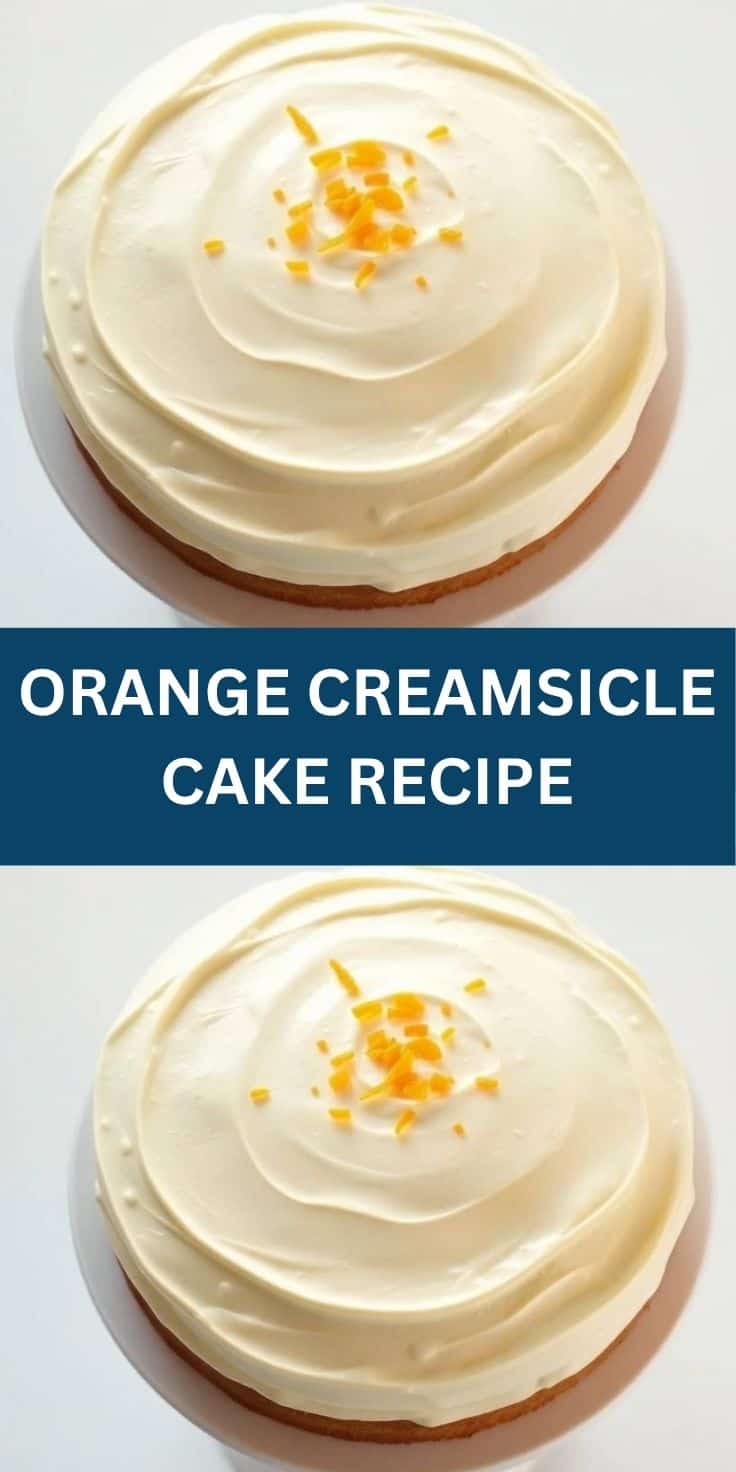
- Assemble: Place one cake layer on your serving plate and spread a generous layer of frosting over the top. Set the second layer on top and frost the top and sides. Garnish with extra orange zest or a few thin orange slices if you want it to look a little fancy.
Tips for Success
- Use fresh oranges, not bottled juice: I know bottled orange juice seems like the easier option, but there's a noticeable difference in the final cake. Bottled juice tends to be sweeter and flatter in flavor. Fresh juice — even just squeezed by hand over a strainer — has a brightness that really comes through in the batter. Two medium navel oranges usually give you enough zest and juice for both the cake and the frosting.
- Bring everything to room temperature first: Cold butter won't cream properly, cold eggs can cause the batter to look curdled, and cold milk slows everything down. I pull the butter and eggs out about an hour before I start. If I forget (which happens), I put the eggs in a bowl of warm water for 10 minutes — works fine.
- Don't overmix once the flour goes in: This is the thing I had to train myself on. Once the flour is added, the gluten starts developing with every beat of the mixer. Mix until you just don't see dry streaks anymore and then stop. The batter might not look perfectly smooth, and that's okay. Overmixed cake batter bakes into something tough and dense.
- Cool the layers fully before frosting: If the cake is even slightly warm, the buttercream will melt and slide. I've tried to rush this and regretted it every time. If I'm baking in the morning for an afternoon party, I bake the layers first thing, let them cool on the rack for at least an hour, and then frost. If I'm really organized, I bake the day before and wrap the cooled layers in plastic wrap overnight.
- Adjust frosting consistency with heavy cream: Some days the frosting comes out thicker, some days thinner — it depends on humidity, butter temperature, how much orange juice you used. If it's too stiff to spread easily, add heavy cream a tablespoon at a time and beat again. If it's too soft, add more powdered sugar in small amounts. It's very forgiving once you understand that it's adjustable.
Variations
- Make it as cupcakes: The batter works beautifully in a standard muffin tin. Fill the cups about two-thirds full and bake at 350°F for 18–22 minutes. I've made these for school events where a full layer cake is impractical — easier to serve, no slicing required. The frosting amount is enough to generously top 18–20 cupcakes.
- Add a vanilla bean to the frosting: Split a vanilla bean and scrape the seeds directly into your buttercream along with the vanilla extract. The little black flecks look nice and the flavor is noticeably more complex. It's a small extra step that makes the frosting feel a bit more special for a birthday cake situation.
- Make it dairy-free: Swap the whole milk for full-fat oat milk or coconut milk (the carton kind, not canned), use vegan butter in both the cake and frosting, and replace the heavy cream with coconut cream. I haven't tested this version myself extensively, but readers have reported it works well. The coconut cream adds a slight tropical note that actually goes nicely with the orange.
- Add a crunchy element between layers: Sprinkle a thin layer of crushed vanilla wafers between the cake layers before frosting. It adds texture that surprises people in a good way, and it softens slightly overnight so it's not hard to cut through. This is a good option if you want something that feels a little more substantial without changing the flavor much.
- Try it with candied orange garnish: If you want the cake to look really impressive, top it with candied orange slices instead of fresh zest. They're easier to make than they sound and they add a beautiful jewel-like finish. I usually make them a day ahead so they're fully set by the time the cake is ready.
Serving and Storage
Serving
This cake is good at room temperature, but I actually prefer it slightly chilled — the frosting firms up a little and each slice holds its shape better. If you've kept it in the fridge, take it out about 20 minutes before serving so it's not ice cold. Garnish just before serving if you're using fresh orange slices, since they can dry out or weep if they sit on the cake too long. A dessert spread with this cake alongside something like my sugar plums or Christmas fudge makes a really nice table for a celebration.
Storage
Covered at room temperature, the frosted cake keeps well for up to 3 days — the layers actually get a little more moist on day two. In the fridge, it lasts up to 5 days in an airtight container or covered tightly with plastic wrap. For longer storage, you can freeze the unfrosted cake layers: wrap each one tightly in plastic wrap, then in foil, and freeze for up to 2 months. Thaw overnight in the fridge before frosting. I don't recommend freezing the assembled frosted cake — the buttercream texture changes when frozen and thawed.
Frequently Asked Questions
Can I make this cake a day ahead?
Yes, and honestly it's easier that way. Bake the cake layers the day before, let them cool completely, wrap in plastic wrap, and keep at room temperature overnight. Make the frosting fresh the next day and assemble. Alternatively, make and store both separately in the fridge — bring the frosting back to room temperature and give it a quick beat before spreading.
Can I use bottled orange juice instead of fresh?
You can, but the flavor won't be quite as bright or as distinctly orange. Fresh juice from real oranges has an aroma and a slight bitterness that bottled juice doesn't quite replicate. If fresh oranges aren't available, look for a high-quality not-from-concentrate orange juice — that's a better substitute than the kind made from concentrate.
Can I freeze the cake?
Freeze the unfrosted layers, not the assembled cake. Wrap each cooled layer tightly in plastic wrap, then wrap again in foil, and freeze for up to 2 months. Thaw overnight in the refrigerator, then bring to room temperature before frosting and serving. Freezing the finished frosted cake changes the buttercream texture in a way I don't love.
My frosting is too runny — how do I fix it?
Add powdered sugar a few tablespoons at a time and beat until it stiffens up. This usually happens when the butter is too warm or you added a little too much orange juice. You can also pop the frosting in the fridge for 10–15 minutes, then beat again — that usually brings it back to the right consistency without needing extra sugar.
Can I make this gluten-free?
Substitute the all-purpose flour with a 1:1 gluten-free baking flour blend — the kind that already contains xanthan gum. Brands like Bob's Red Mill 1-to-1 or King Arthur Measure for Measure work well here. The texture may be very slightly denser, but the orange and vanilla flavors still come through clearly.
ORANGE CREAMSICLE CAKE RECIPE
Ingredients
For the Cake:
- 2 ½ cups all-purpose flour
- 2 ½ teaspoons baking powder
- ½ teaspoon salt
- 1 cup unsalted butter softened
- 1 ¾ cups granulated sugar
- 4 large eggs
- 1 tablespoon orange zest
- 1 tablespoon vanilla extract
- 1 cup whole milk
- ½ cup freshly squeezed orange juice
For the Frosting:
- 1 cup unsalted butter softened
- 4 cups powdered sugar
- 2 teaspoons vanilla extract
- 3 tablespoons freshly squeezed orange juice
- 1 tablespoon orange zest
- 2 –3 tablespoons heavy cream as needed for consistency
Instructions
Preheat Oven:
- Preheat oven to 350°F (175°C). Grease and flour two 9-inch round cake pans.
Mix Dry Ingredients:
- In a medium bowl, whisk together flour, baking powder, and salt. Set aside.
Cream Butter and Sugar:
- In a large bowl, beat softened butter and sugar until light and fluffy.
Add Eggs and Flavorings:
- Add eggs one at a time, beating well after each addition. Mix in orange zest and vanilla extract.
Alternate Adding Dry and Wet:
- Add the dry ingredients alternately with milk and orange juice, beginning and ending with dry ingredients. Mix until just combined.
Bake:
- Divide batter evenly between prepared pans. Bake for 30–35 minutes or until a toothpick inserted in the center comes out clean.
Cool:
- Let cakes cool in pans for 10 minutes, then turn out onto wire racks to cool completely.
Prepare Frosting:
- Beat softened butter until creamy. Gradually add powdered sugar, then mix in vanilla, orange juice, and orange zest. Add heavy cream as needed to reach spreading consistency.
Assemble:
- Place one cake layer on a serving plate. Spread frosting over the top. Add second layer and frost the top and sides.
Notes
- Make Ahead: Cake and frosting can be made a day ahead and stored separately in the fridge.
- Storage: Keep covered at room temperature for up to 3 days or refrigerate up to 5 days.
- Zesting Tip: Use fresh oranges for best flavor and aroma.
- Serving Suggestion: Garnish with orange slices or candied peel for decoration.
- Gluten-Free Option: Substitute all-purpose flour with gluten-free flour blend.
This is one of those cakes I keep coming back to because it makes people genuinely happy. There's something about the orange-and-vanilla combination that hits a nostalgic note for almost everyone — kids, adults, people who don't usually care much about cake. It's not fussy, it doesn't require anything special, and the layers slice cleanly when the cake is properly chilled. I make it at least twice every summer.
If you're


Comments
No Comments