
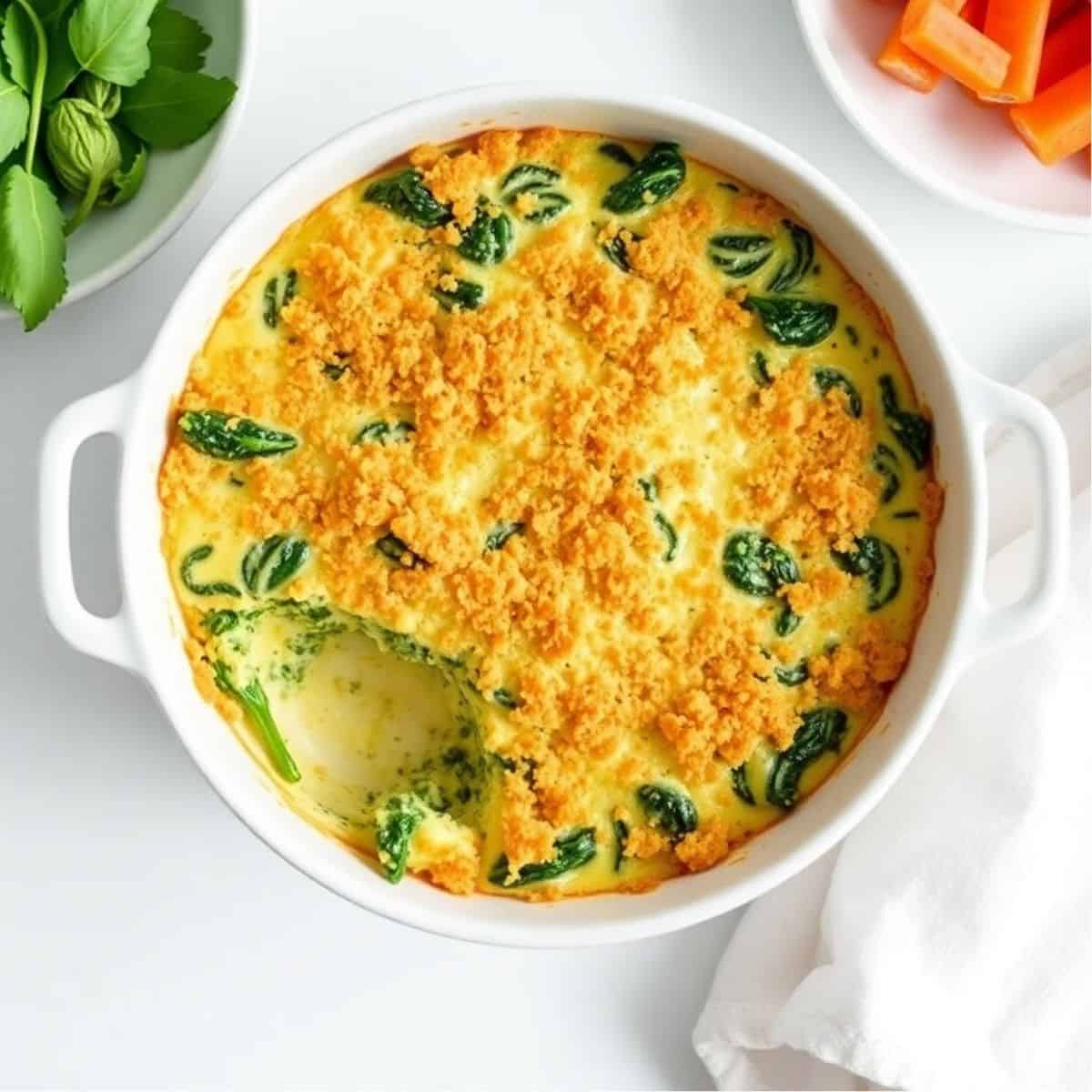
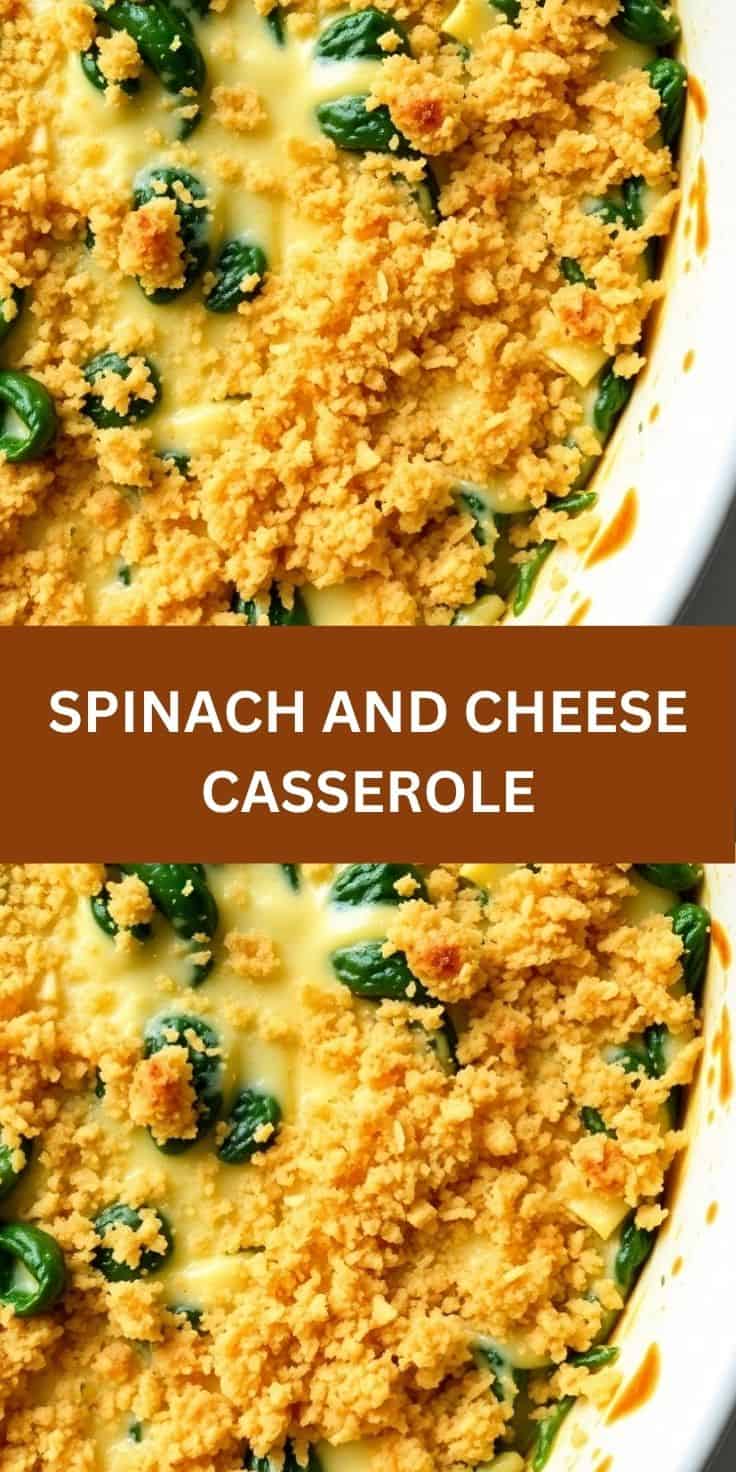
Zainab calls this "the green one" and has been requesting it on repeat since I first made it on a cold Tuesday night when I had two bags of frozen spinach in my freezer and no real plan for dinner. I threw it together, honestly expecting it to be fine but not much more than that. It came out golden on top, creamy in the middle, and somehow felt like a real meal — not a "we're eating healthy tonight" compromise.
What makes this casserole work is the combination of ricotta, mozzarella, and Parmesan together — not just one cheese, all three. The ricotta gives it that soft, almost custardy interior. The mozzarella melts into everything. The Parmesan adds the bite you need so it doesn't taste flat. I also add sour cream, which I know sounds odd in a baked dish, but it keeps the texture loose and creamy instead of dense and rubbery the way some egg-heavy casseroles can get. If you've ever made a similar dish and thought it was too dry or too eggy, that's probably why.
I serve this on busy weeknights when I want something that feels substantial without a lot of active cooking time. The prep is maybe 15 minutes, the oven does the rest. My husband eats it alongside grilled chicken. Zainab wants it as the main thing. And if I'm making something like my Monterey Chicken Spaghetti for the rest of the week, this goes in the fridge and gets eaten cold the next day — which is also very good, weirdly enough.
One thing to know before you start: if you're using frozen spinach (which is what I usually use), squeeze it really well. I mean really well — wrap it in a clean dish towel and wring it out over the sink. The first time I made this I just drained it in a colander and pressed it with a spoon, and the casserole came out watery in patches. The dish towel method is the move. It takes 60 seconds and it makes a genuine difference.
Why You'll Love This Recipe
- It comes together fast: The actual hands-on time here is about 15 minutes — you're mixing things in a bowl, spreading it in a dish, and letting the oven finish the job. On nights when I've already been in the kitchen all afternoon making something else, that matters a lot. No complicated steps, no special technique required.
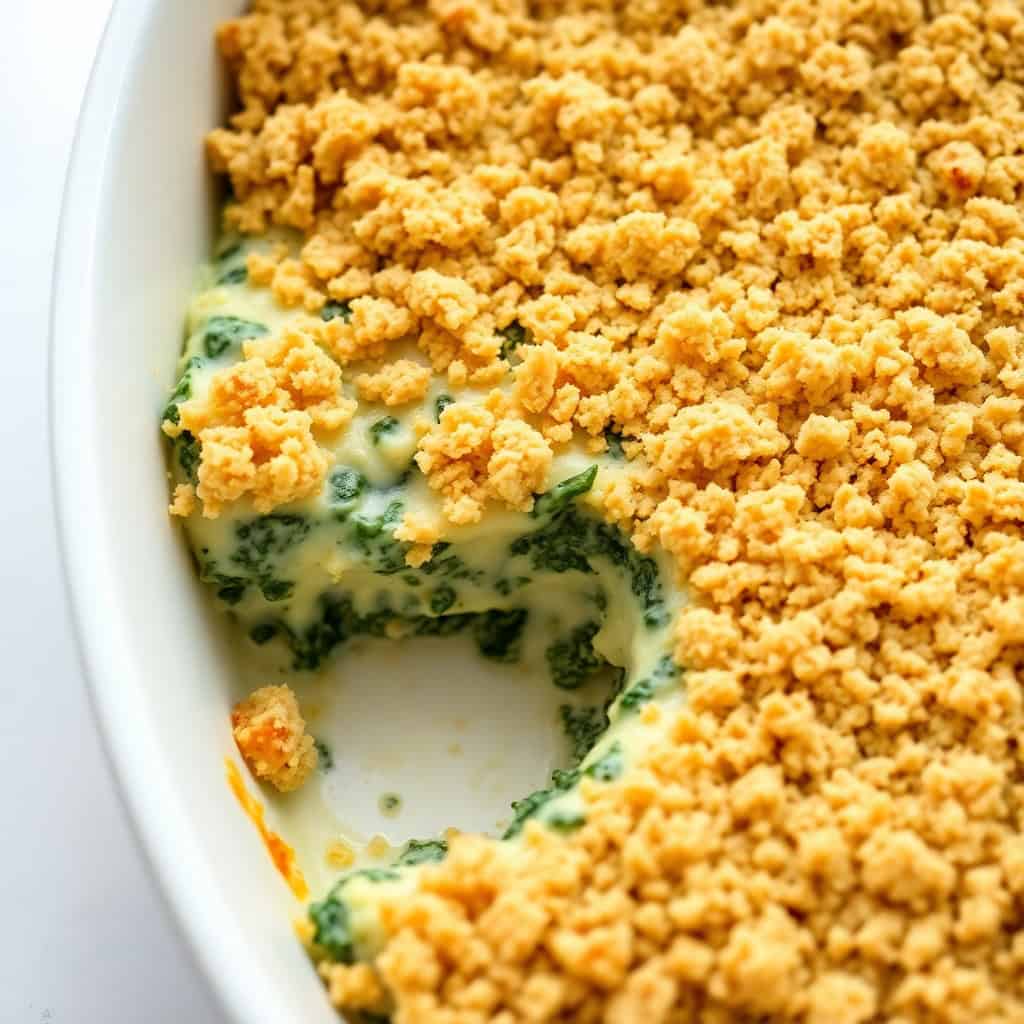
- The texture is genuinely good: A lot of spinach casseroles end up dense or rubbery because they rely too heavily on eggs. This one uses sour cream and ricotta together, which gives it a much softer, creamier consistency. The edges get slightly golden and a little firm, but the center stays almost custardy. That contrast is what keeps people going back for seconds.
- You can make it ahead and it holds up: I've assembled this the night before, covered it in the fridge, and baked it the next day with zero problems. The texture doesn't suffer. For busy days when I know dinner is going to be chaotic, I prep this during the afternoon and just slide it into the oven when we're 30 minutes out from eating.
- It works as a side or a main: My husband treats this as a side dish next to chicken. Zainab eats it as her whole dinner with some bread. I've served it at a small get-together alongside a big salad and people treated it like the main event. It's flexible in a way that a lot of casseroles aren't.
- It's endlessly customizable without breaking the recipe: Add mushrooms, add bacon, swap in kale, skip the breadcrumbs, throw in some red pepper flakes — this recipe can absorb a lot of changes and still come out well. I've made probably eight variations of it by now and the basic structure holds every time.
Ingredients
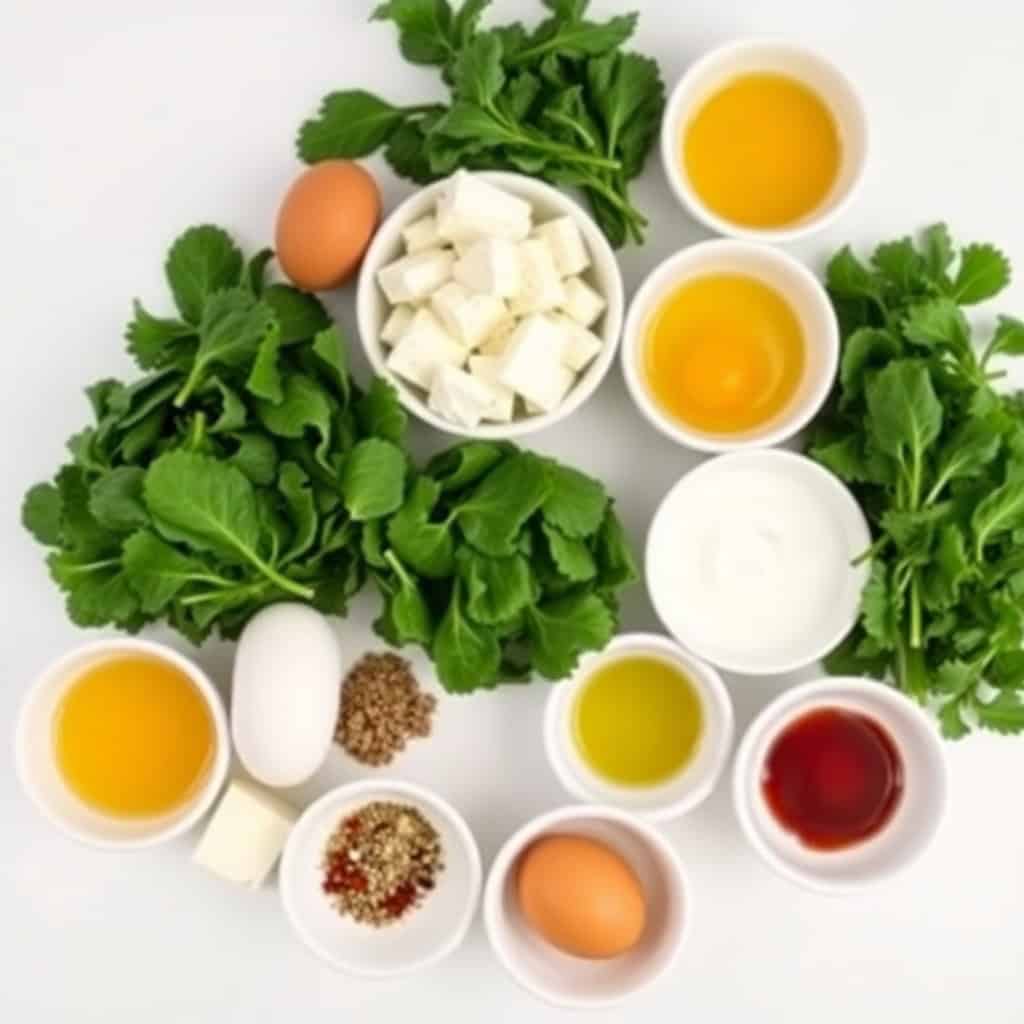
- 2 (10 oz) packages frozen spinach, thawed and drained very well
- 1 cup ricotta cheese
- 1 cup shredded mozzarella cheese
- ½ cup grated Parmesan cheese
- ½ cup sour cream
- 2 eggs, beaten
- 1 teaspoon garlic powder
- ½ teaspoon salt
- ½ teaspoon black pepper
- ¼ teaspoon nutmeg (optional, but I usually add it)
- ½ cup breadcrumbs (optional, for topping — panko works great)
- Olive oil or cooking spray to grease the dish
Directions
- Preheat the oven: Set your oven to 375°F (190°C) and grease a 9x13-inch baking dish with olive oil or cooking spray. You want a good coat on the bottom and sides so the edges don't stick when you're scooping.
- Squeeze out the spinach: Take your thawed spinach and squeeze out as much water as you possibly can. I put mine in a clean kitchen towel and wring it over the sink — this step is not optional if you want the casserole to set properly rather than sit in a puddle.
- Mix everything together: In a large bowl, combine the spinach, ricotta, mozzarella, Parmesan, sour cream, beaten eggs, garlic powder, salt, pepper, and nutmeg if using. Stir until everything is evenly mixed — it'll look thick and a little dense, which is what you want.
- Spread into the baking dish: Pour the mixture into your prepared dish and spread it out into an even layer. If you're using breadcrumbs, scatter them over the top now so they get a full 25-30 minutes to toast and turn golden.
- Bake: Bake for 25-30 minutes, until the top is golden and the center feels set when you give the dish a gentle shake. If the top is browning too fast before the center is done, lay a piece of foil loosely over it for the last 10 minutes.
- Rest and serve: Let it sit for at least 5 minutes before cutting into it. This helps it hold its shape when you scoop it out — if you cut in immediately it'll slide apart, which I've done more than once when I was too impatient.
Tips for Success
- Squeeze the spinach properly: I can't say this enough. The first version of this casserole I made was watery in the center because I didn't get enough moisture out. A colander and a spoon isn't enough — you need the dish towel method. Wring it like you mean it. Once the spinach is genuinely dry, the rest of the recipe is straightforward.
- Let the ricotta come to room temperature: Cold ricotta straight from the fridge can clump when you try to mix it. I leave mine out for about 15 minutes before I start and it blends in much more smoothly. Same with the eggs — room temperature eggs incorporate better and help the casserole set more evenly.
- Don't skip the nutmeg: I know it sounds like a strange thing to put in a savory casserole, but nutmeg has a way of making cheese-and-spinach combinations taste more rounded and less flat. You're not going to taste it as nutmeg — it just makes the overall flavor feel more complete. Start with a quarter teaspoon and you can adjust next time if you want more.
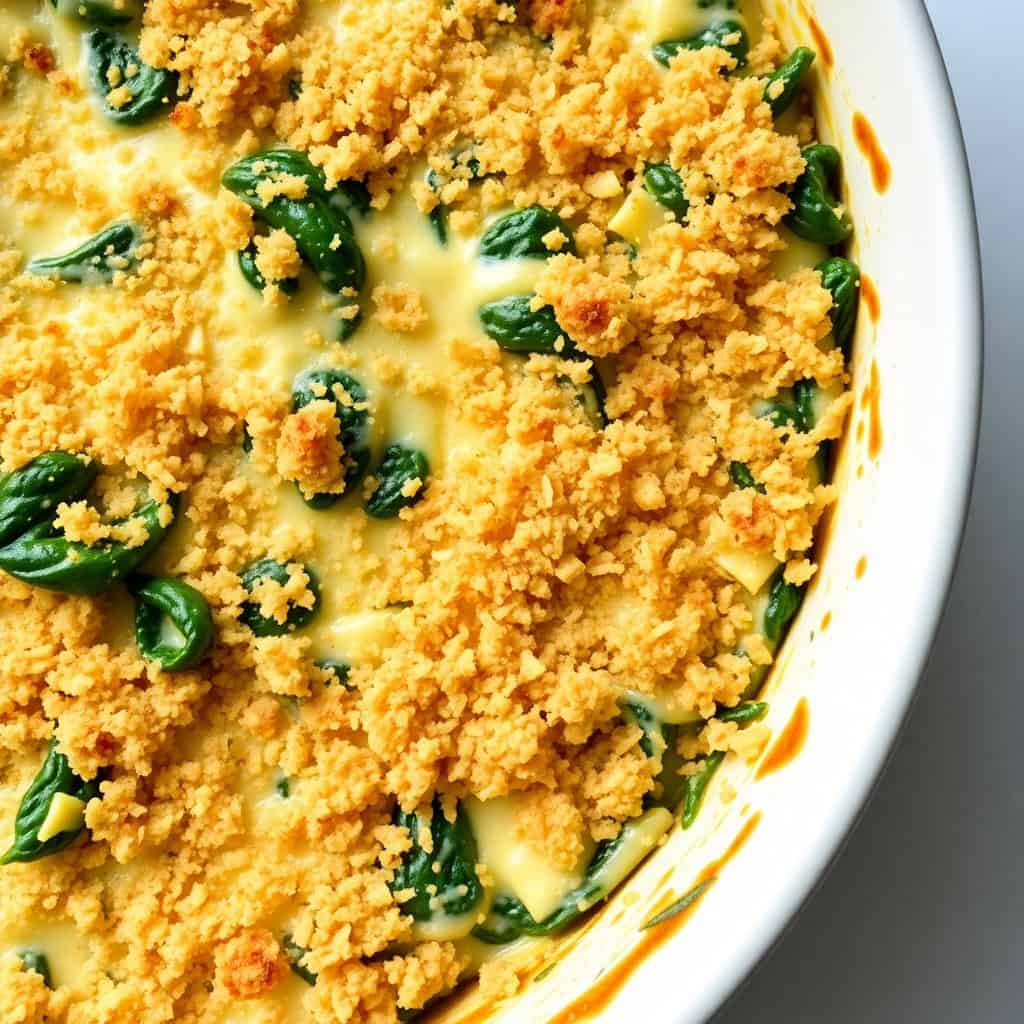
- Use panko breadcrumbs for the topping: Regular breadcrumbs work, but panko gives you a noticeably crunchier top layer. I find it at Walmart and most regular grocery stores in the international or baking aisle. Spread them in a thin, even layer and they'll toast beautifully in the oven without you having to do anything extra.
- Check the center before pulling it out: Ovens vary. Mine runs a little hot so I start checking at 23 minutes. You want the center to feel firm — not liquid — when you shake the dish gently. If it still jiggles noticeably, give it another 5 minutes. An underbaked casserole will fall apart when you serve it.
Variations
- Add sautéed mushrooms and onion: This is my most frequent variation. I dice half an onion and a cup of mushrooms, cook them in a dry skillet until they've released their moisture and started to brown, then fold them into the cheese mixture. It adds a savory depth that makes the casserole feel more like a full meal on its own. My husband actually prefers this version.
- Add crumbled bacon or cooked sausage: Cook and crumble about 4 strips of bacon (or half a pound of breakfast sausage) and stir it into the mixture before baking. This makes the casserole genuinely hearty — no one's going to call it a side dish if there's bacon in it. I've made a version of this for weekend brunch and it went fast.
- Swap in kale or Swiss chard: If you don't have spinach or want a slightly more substantial green, both kale and Swiss chard work here. Kale holds up better in the oven and has a slightly bitter edge that contrasts nicely with all the cheese. If you're using fresh kale, chop it small and massage it briefly before adding — it softens it enough to blend into the mixture easily.
- Make it spicy: Add half a teaspoon of red pepper flakes to the cheese mixture and, if you're feeling bold, a few slices of pickled jalapeño on top before baking. My husband goes for this version when it's just him and me eating — if you like heat, the jalapeño cuts through the richness of the cheese really well. If you love jalapeños in other contexts, you might also enjoy my Jalapeño Poppers as an appetizer alongside this.
- Make it gluten-free: Just skip the breadcrumbs entirely, or use gluten-free panko if you want that crispy top. Everything else in this recipe is naturally gluten-free. The casserole sets and browns well without the breadcrumb topping — you just lose that crunch on the surface, which most people won't miss if they don't know it was there.
Serving and Storage
Serving
Serve this hot, straight from the baking dish. It holds its shape well once it's rested for 5 minutes, so you can cut it into squares or just scoop it out like a loose casserole — both work. I usually serve it alongside grilled chicken or roasted vegetables for a full dinner. If I'm serving it for a crowd, I pair it with a big green salad and some crusty bread on the side. If you're looking for spinach-forward appetizer ideas to serve alongside, my Spinach and Artichoke Pinwheels make a nice companion spread for gatherings.
Storage
Leftovers keep in an airtight container in the fridge for up to 3 days. Reheat individual portions in the microwave for about 90 seconds, or put the whole dish back in a 350°F oven covered with foil for 15 minutes. To freeze: assemble the casserole fully (unbaked), wrap the dish tightly in plastic wrap and then foil, and freeze for up to 2 months. Thaw it in the fridge overnight and bake as directed — add 5 extra minutes since it'll be starting cold. I'd avoid freezing leftovers that have already been baked; the texture gets a bit grainy once thawed the second time.
Frequently Asked Questions
Can I assemble this casserole the night before and bake it the next day?
Yes, this is one of the things I actually do regularly with this recipe. Mix everything together, spread it in the greased dish, cover it tightly with plastic wrap, and refrigerate overnight. The next day, take it out while the oven preheats so it's not going in stone cold, then bake as directed. You might need an extra 5 minutes — just check that the center is set before pulling it out.
Can I use fresh spinach instead of frozen?
You can, but you'll need a lot of it — fresh spinach cooks down dramatically. About 1 pound of fresh spinach will wilt down to roughly the equivalent of one 10 oz package of frozen. Sauté it in a dry skillet over medium heat until completely wilted, then squeeze out every bit of liquid the same way you would with frozen. It takes more time than just thawing a bag, but the flavor is slightly fresher if that matters to you.
Can I freeze this casserole?
Yes, but freeze it before baking rather than after. Assemble the whole thing, wrap the dish in plastic wrap and then foil, and freeze for up to 2 months. When you're ready to eat it, thaw it in the fridge overnight and then bake at 375°F as normal — just add a few extra minutes since it'll be cold going in. Baked leftovers can technically be frozen but the texture suffers a bit, so I'd recommend against it if you can help it.
What can I substitute for ricotta cheese?
Cottage cheese is the closest substitute — drain it well first and the texture comes out similarly creamy. Cream cheese also works if you soften it first, though it makes the casserole slightly denser and richer. Goat cheese is another option if you want a tangier flavor. I wouldn't skip the ricotta entirely without replacing it with something similar, because the eggs alone won't give you the same soft, custardy center.
Can I add meat to this casserole?
Absolutely. Cooked and crumbled bacon, ground chicken or turkey, or breakfast sausage all work well folded into the mixture before baking. Make sure any meat you add is already fully cooked before it goes in — the casserole doesn't bake long enough or hot enough to cook raw meat through safely. About ½ to 1 cup of cooked meat is enough to add substance without overwhelming the spinach and cheese base.

SPINACH AND CHEESE CASSEROLE
Ingredients
- 2 10 oz packages frozen spinach, thawed and drained
- 1 cup ricotta cheese
- 1 cup shredded mozzarella cheese
- ½ cup grated Parmesan cheese
- ½ cup sour cream
- 2 eggs beaten
- 1 teaspoon garlic powder
- ½ teaspoon salt
- ½ teaspoon black pepper
- ¼ teaspoon nutmeg optional
- ½ cup breadcrumbs optional, for topping
Instructions
- Step 1: Preheat Oven – Preheat oven to 375°F (190°C) and grease a 9x13-inch baking dish.
- Step 2: Mix Ingredients – In a large bowl, combine spinach, ricotta, mozzarella, Parmesan, sour cream, eggs, garlic powder, salt, pepper, and nutmeg. Mix well.
- Step 3: Assemble Casserole – Spread the mixture evenly in the baking dish. If using, sprinkle breadcrumbs on top for a crispy finish.
- Step 4: Bake – Bake for 25-30 minutes, or until the top is golden and bubbly.
- Step 5: Serve – Let cool for a few minutes before serving. Enjoy warm!
Notes
- Make Ahead: Assemble ahead, cover, and refrigerate overnight before baking.
- Customizing the Flavor: Add sautéed onions or mushrooms for extra flavor.
- Serving Suggestions: Pairs well with grilled chicken or roasted potatoes.
- Allergy-Friendly Options: Use dairy-free cheese and sour cream for a lactose-free version.
- Storage Tips: Keep leftovers in an airtight container in the fridge for up to 3 days.
This casserole has quietly become one of my most-made recipes, which surprised me because it started as a throw-together dinner on a night when I had very little planned. That's the kind of recipe I end up trusting most — the ones that work when you're not trying too hard. The fact that it reheats well and holds up for days in the fridge means I can make a full 9x13 pan and actually use all of it, which isn't always true with egg-based dishes.
If you're feeding a mix of people who eat different things — some want it as a side, some want it as the main — this handles that well. I've also brought it to a small potluck dinner where I didn't know everyone's preferences, and it disappeared fast. Not because I promoted it, just because people kept going back for more. That's the kind of feedback I care about more than anything.
If you're building out a full dinner spread, this goes beautifully with something like my Hamburger Noodle Soup on a cold night, or alongside a simple roasted chicken. And if you're already in casser



Comments
No Comments