
What makes shami kebab different from most other kebabs is that you're not working with raw ground meat — you cook everything first, low and slow, until the meat and chana dal are completely soft and the water has dried out, then you grind it into a paste and shape it. That process is what gives them their soft, almost melt-in-your-mouth interior. The outside gets crispy when you fry them, but inside they stay tender. That contrast is the whole point.
This recipe is based on my mother's version, which she — like most Pakistani moms — made entirely by feel. She never wrote anything down. I spent a while testing quantities until I landed on a version that tastes the way I remember. My husband eats them with rice and green chutney. Saad eats them stuffed into a roll with ketchup (I've made peace with this). Zainab prefers them cold from the fridge the next day, which honestly isn't bad. If you want another snack recipe the whole family will agree on, my Slow Cooker Salisbury Steak Meatballs gets a similarly enthusiastic response at my table.
One thing to know before you start: this is not a 30-minute recipe. The cooking and drying stage takes about 45 minutes on its own. But the active work is minimal — you're mostly just waiting and stirring occasionally. I usually make a double batch because single batches disappear too fast to bother with the cleanup.

Why You'll Love This Recipe
- Freezer-friendly from day one: Shape the kebabs, freeze them on a tray overnight, then bag them up. They keep for 2–3 months and fry straight from frozen (just thaw briefly in the microwave first). In every Pakistani household I know, there's always a bag of these in the freezer. It's less a recipe and more a household policy.
- Meat goes further with the daal: A little over 1½ pounds of beef makes a surprisingly large batch because the chana dal adds bulk, texture, and its own nutty flavor. It's genuinely economical — you can make 20 to 25 decent-sized patties from one batch. That matters when you're cooking for a family and want leftovers.
- Incredibly versatile: Serve them as a snack with chutney, stuff them into a sandwich with sliced onion and green chutney, eat them alongside daal for dinner, or fry one up and slip it under a fried egg for breakfast. I've done all of these. The kebab-and-paratha combination at lunch is something I've eaten since childhood and still look forward to.
- You can bake or air-fry them: If you'd rather not shallow fry, both work. Bake at 450°F for 12–15 minutes, flipping halfway. Air-fry at 400°F for 6–7 minutes per side. They won't be quite as deeply crispy as pan-fried, but they're still very good — and it's less oil on the stovetop.
- The ingredients are straightforward: Chana dal (split chickpeas) is the one ingredient you may need to look for at an Indian or South Asian grocery store — or order online. Everything else — beef, onions, health benefits of garlic, ginger, cumin, garam masala — is available at any large grocery store like Walmart or Kroger. I always have these spices in my pantry.
Ingredients
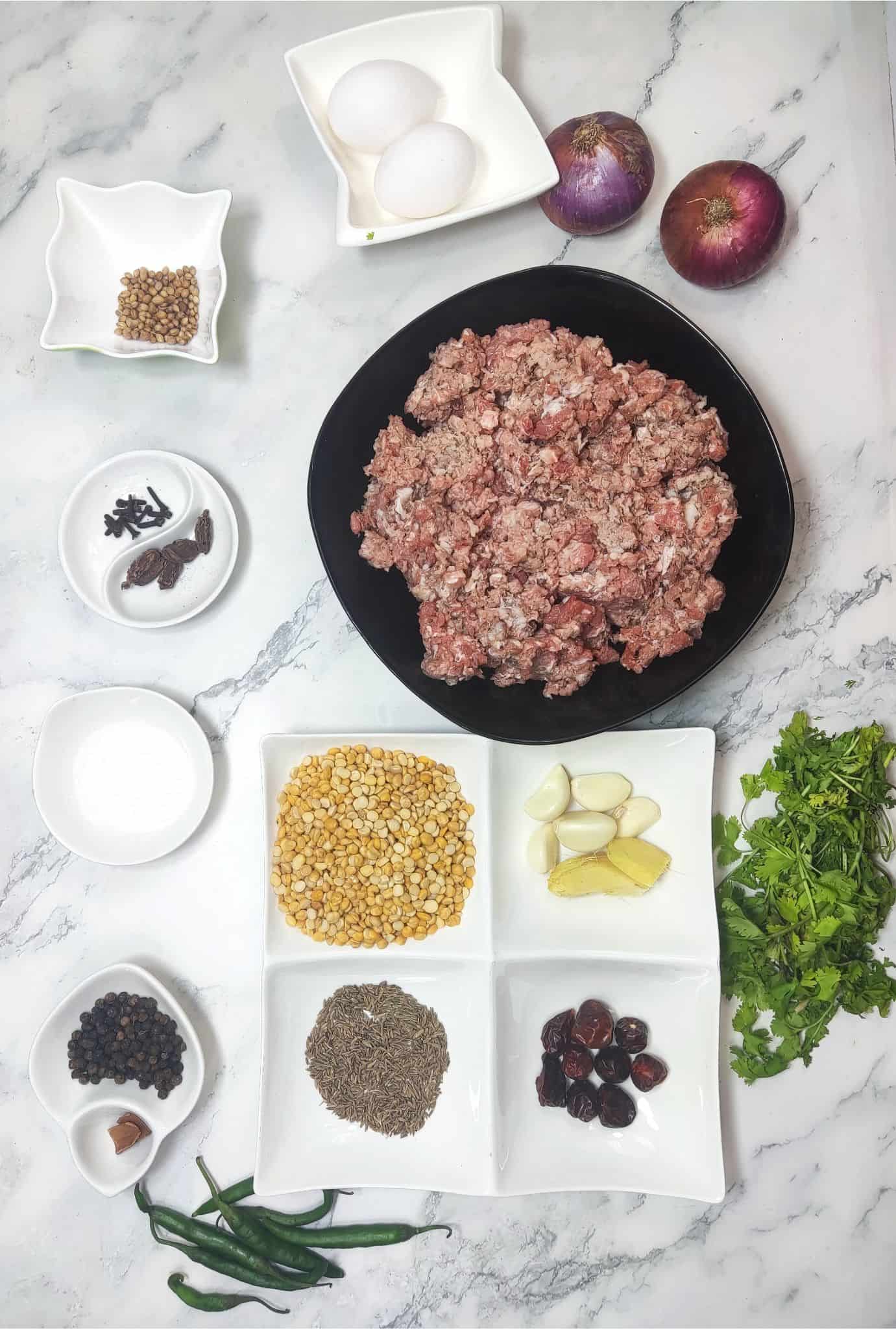
- 1⅔ lbs (750g) minced beef — I use regular ground beef. A bit of fat content is fine, but not extremely fatty or the kebabs can crumble.
- ½ cup chana dal (split chickpeas), soaked for at least 2 hours (overnight is better) — find this at South Asian grocery stores or order online
- 8 to 10 whole dried red chilies — these give a mellow heat. You can substitute 1 teaspoon red chili flakes if you don't have whole ones.
- 2 medium onions, whole — these cook into the mixture
- 4 garlic cloves
- 1 tablespoon salt
- ¾ tablespoon garam masala powder
- 1½-inch piece of fresh ginger
- 1 tablespoon white cumin seeds (zeera)
- 1½ cups water
- 3 to 4 tablespoons fresh coriander (cilantro) leaves, chopped
- 2 to 3 green chilies, finely chopped (serrano or jalapeño work fine)
- 1 large onion, finely chopped — added after grinding, not cooked
- 1 egg, beaten
- 4 to 5 tablespoons cooking oil, for frying
Directions
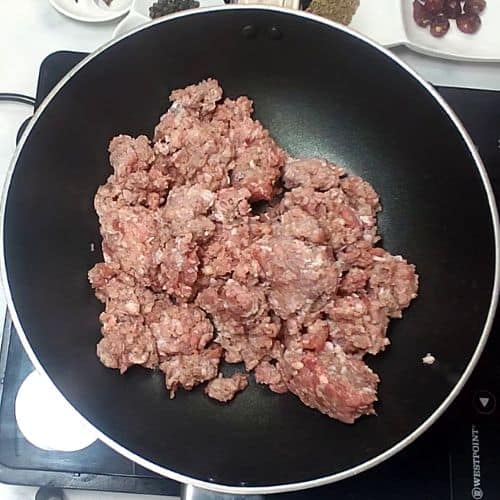
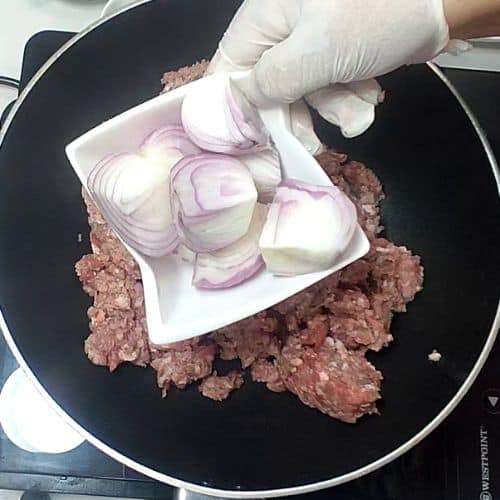
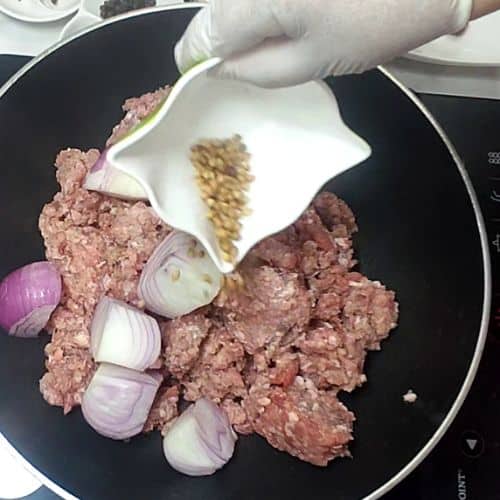
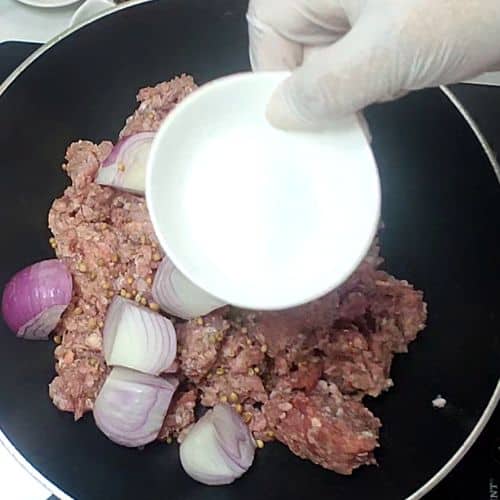
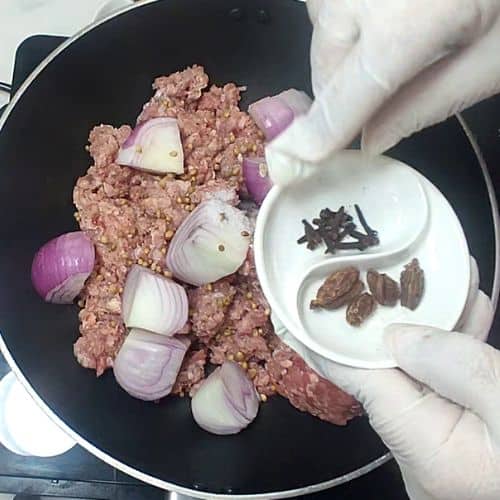
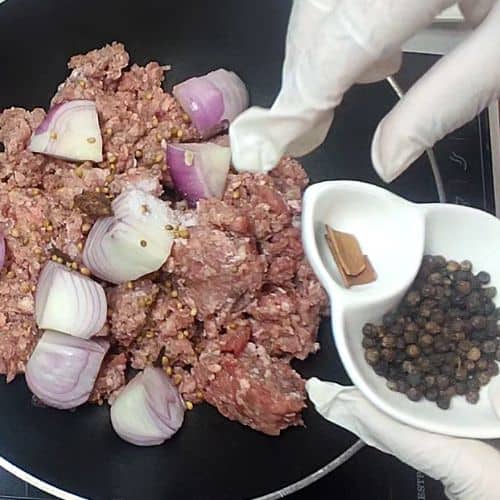
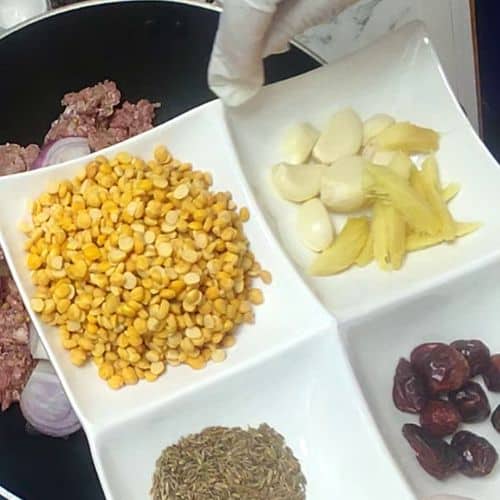
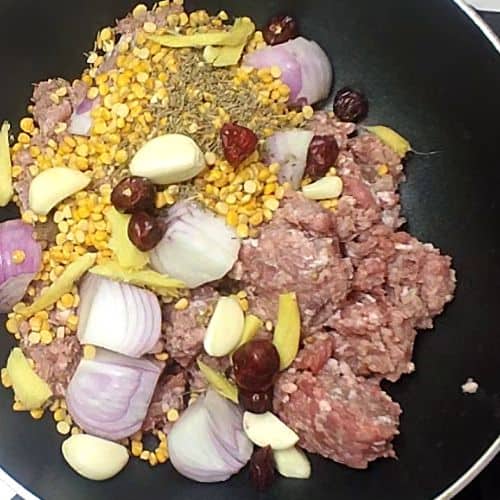
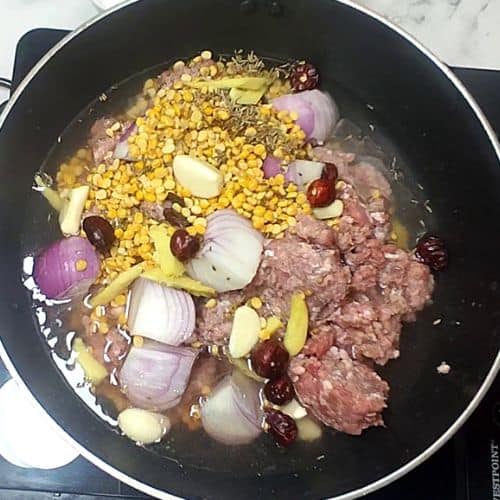
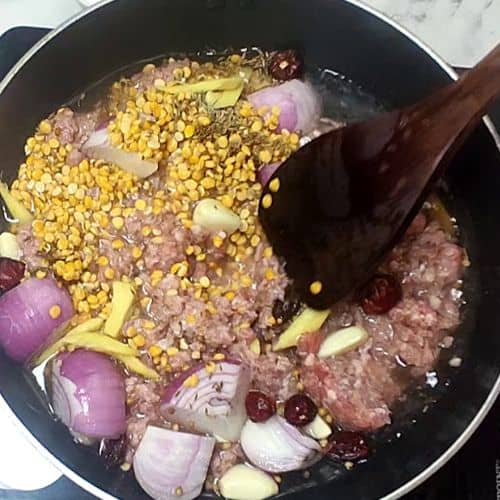
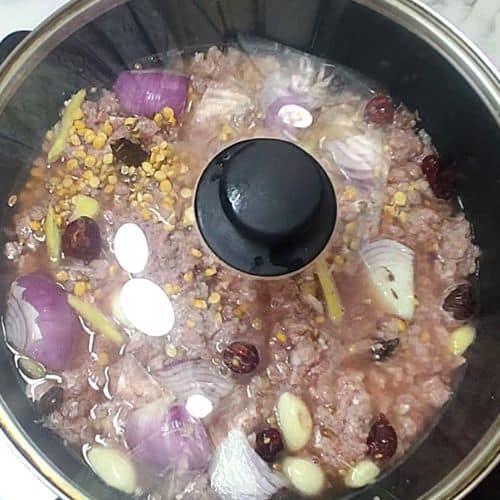
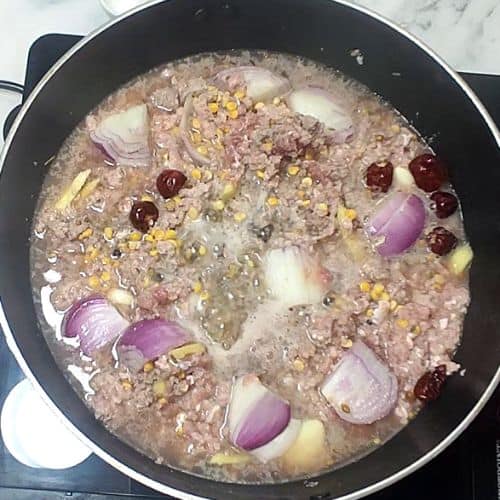
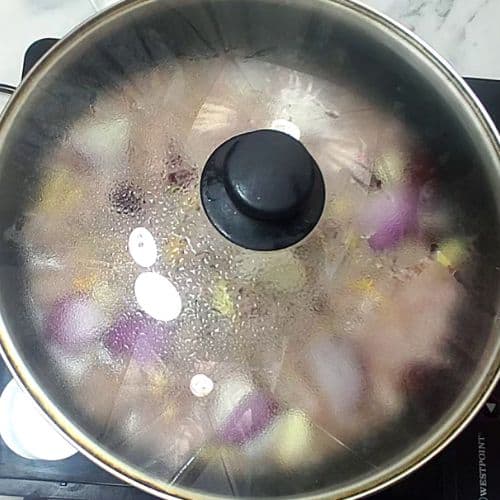
- Step 1: Cook the mixture. In a large, heavy pan, combine the minced beef, soaked chana dal, whole red chilies, whole onions, garlic cloves, salt, garam masala, ginger, cumin seeds, and 1½ cups of water. Stir everything together. Cover and cook over medium heat for about 45 minutes, stirring occasionally, until the chana dal is completely soft — it should press apart easily between two fingers.
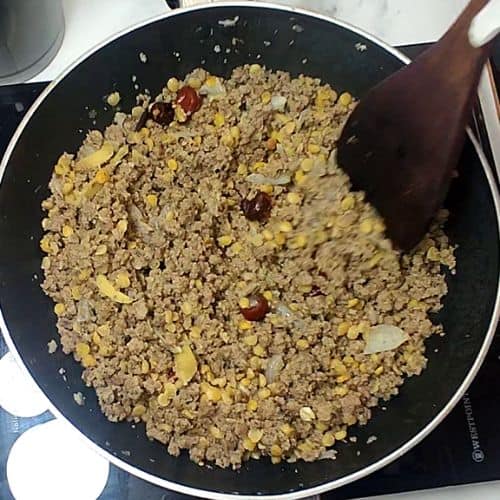
- Step 2: Dry it out completely. This is the step most people rush and it's why kebabs fall apart. Once the dal is cooked, remove the lid and keep cooking over medium heat, stirring frequently, until every drop of water has evaporated and the mixture looks dry and clumped. Don't skip this — if there's any moisture left, the kebabs will break in the pan.
- Step 3: Cool the mixture. Take the pan off the heat and let everything cool down for 20–30 minutes. Don't try to grind it while it's hot — it'll turn into a wet paste instead of a firm one.
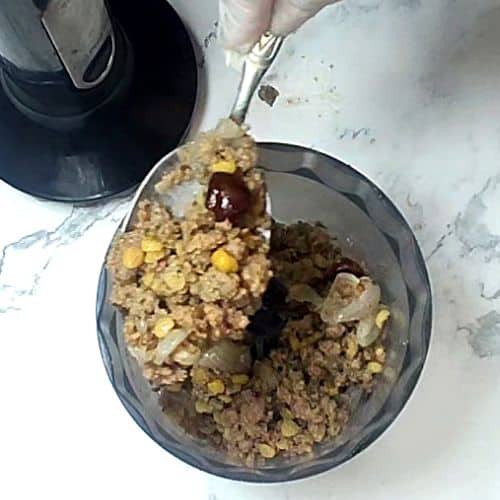
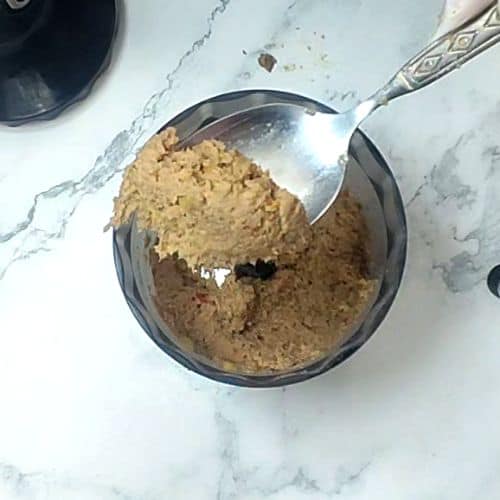
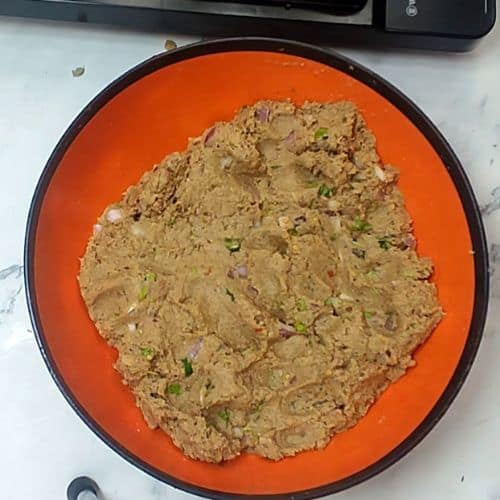
- Step 4: Grind to a paste. Transfer the cooled mixture to a food processor or blender and blitz until smooth. It should look like a thick, dense paste — not dry, not wet. If you don't have a food processor, a sturdy hand-chopper or even a very sharp knife and a lot of fine chopping will get you close. The texture won't be as uniform, but it'll work.
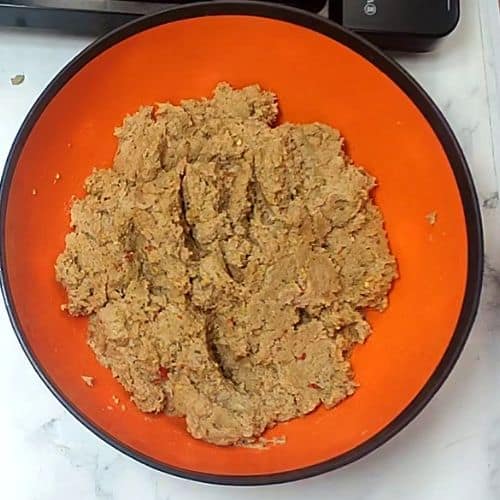
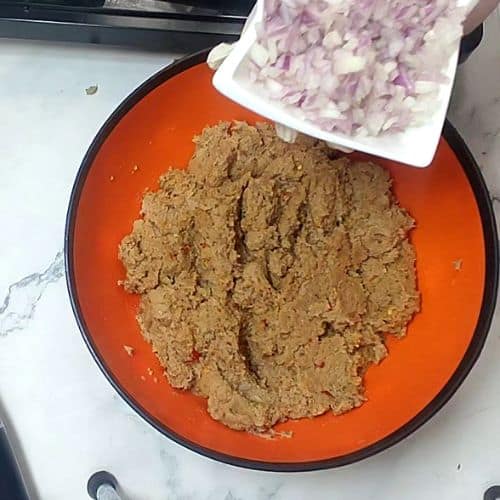
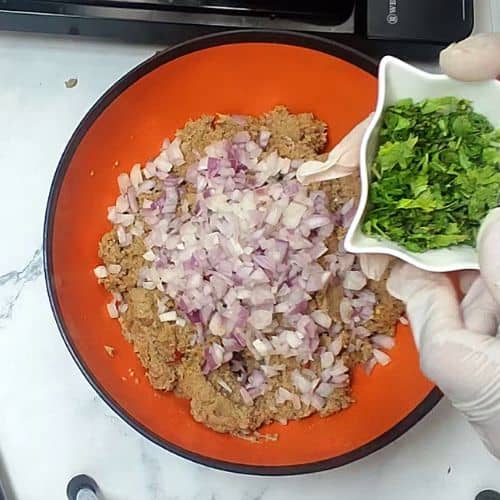
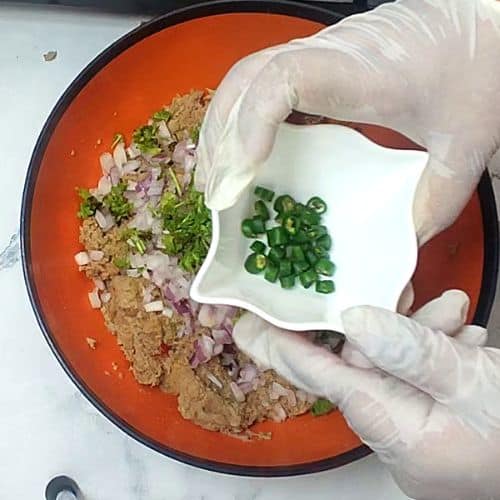
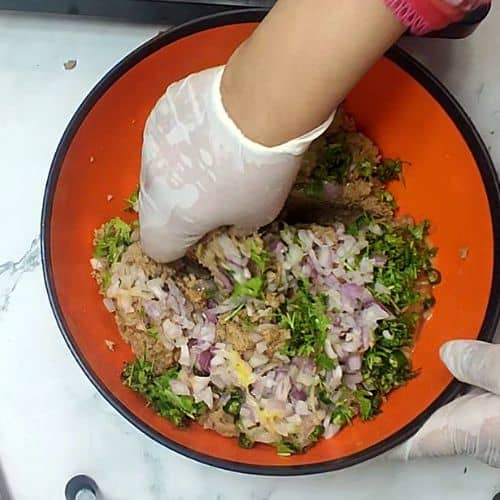
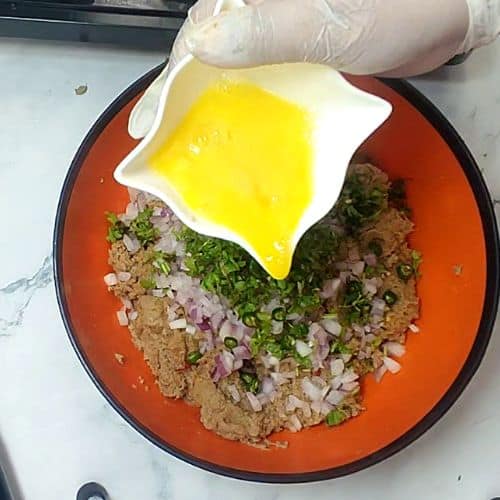
- Step 5: Add the fresh ingredients. Move the paste to a large mixing bowl. Add the chopped coriander, green chilies, finely chopped onion, and beaten egg. Mix thoroughly with your hands — this is the easiest way to get everything evenly incorporated. The egg acts as a binder and also keeps the inside of the kebab soft.
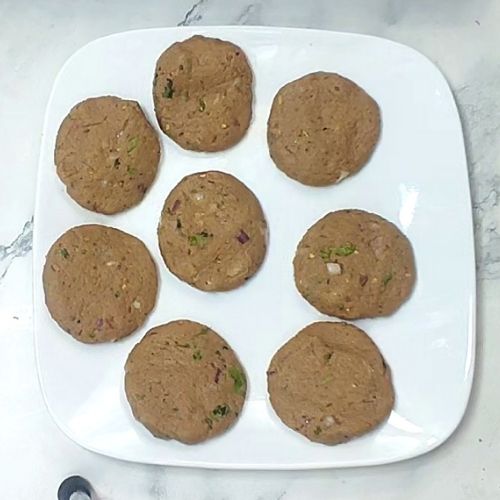
- Step 6: Shape the kebabs. Take small handfuls of the mixture — about the size of a golf ball — and flatten them into round discs roughly ½ inch thick. Wet hands help here; the mixture won't stick to your palms as much.
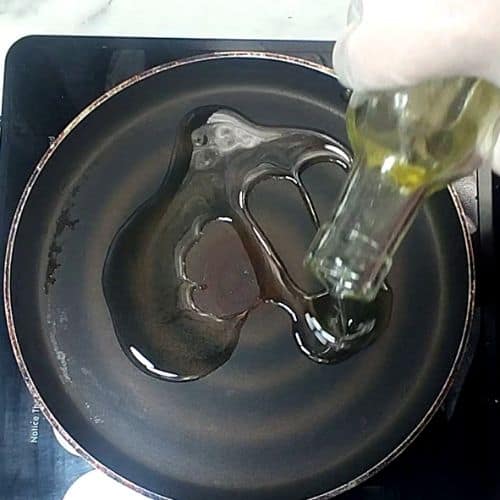
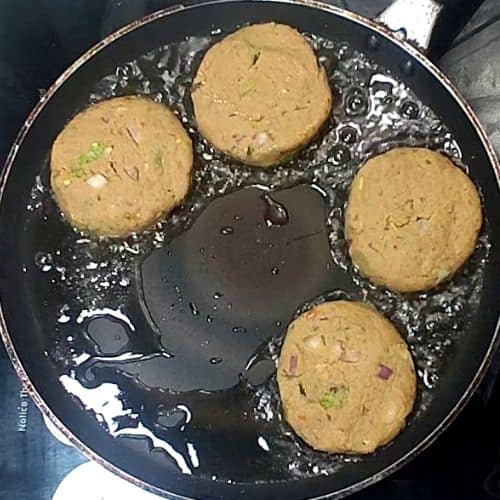
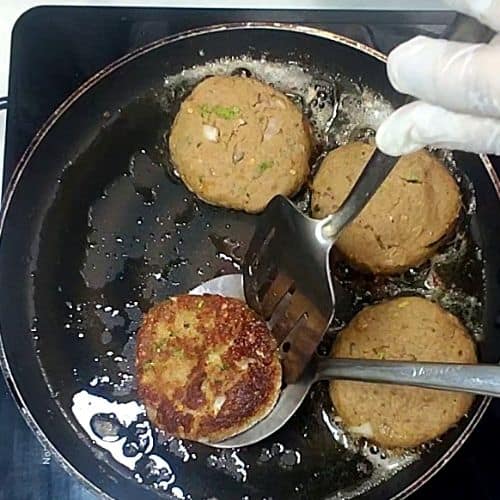
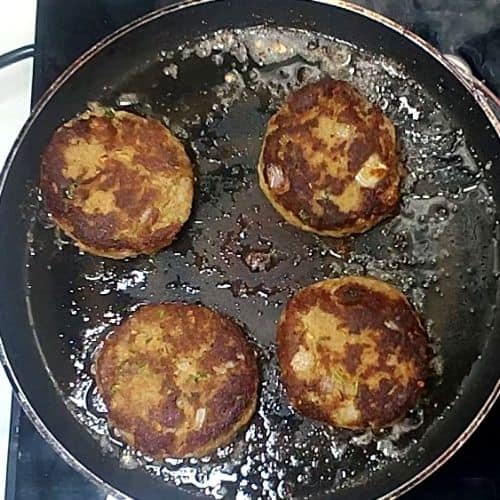
- Step 7: Fry them. Heat 4–5 tablespoons of oil in a non-stick frying pan over medium heat. Add the kebabs in a single layer — don't crowd them. Fry for 3–4 minutes per side until deeply golden and crispy on the outside. Remove and drain on paper towels.
Tips for Success
- Soak the dal — don't skip it: I once tried rushing and used unsoaked chana dal. After 45 minutes the dal still wasn't fully soft, and I had to cook it for another 20 minutes. Soaking for at least 2 hours (or overnight in the fridge) means the dal softens on schedule and you don't overcook the beef while waiting. It genuinely makes a difference to timing.
- The mixture must be completely dry before you grind it: This is the single most important step. Any moisture left in the mixture will make the kebabs stick to the pan, break apart, or fry up soggy. If you press a small bit between your fingers and it feels wet or releases liquid, keep cooking. I usually give it an extra 5 minutes past the point where I think it's done — just to be safe.
- Don't crowd the pan when frying: If the kebabs are touching each other, they'll steam rather than fry and you'll lose that crispy crust. I fry in two batches, which adds maybe 8 minutes total. Worth it. Use a medium-high heat — too low and they absorb oil; too high and the outside burns before the inside warms through.
- If the mixture feels too soft to shape, add breadcrumbs: Sometimes the paste comes out of the food processor a little wetter than expected, depending on your beef's fat content. Add 2 tablespoons of plain breadcrumbs, mix thoroughly, and let it sit for 5 minutes. Add more gradually — you want it firm enough to hold a disc shape without cracking at the edges.
- For extra crispy kebabs, coat them in egg before frying: Shape the kebabs, dip each one in a beaten egg, then fry as usual. The egg forms a thin, crackly crust on the outside. I do this when I'm serving them as a proper snack or starter rather than just pulling them out of the freezer for a quick lunch.
Variations
- Chicken shami kebab: Use a mix of boneless chicken thighs and breast — roughly half and half. The thigh adds fat and flavor that the breast alone doesn't have. Chicken shami kebabs have a lighter color and a slightly different flavor profile than beef, but the process is identical. My honest opinion: beef gives a deeper, richer result, but chicken works well if that's what you have or prefer.
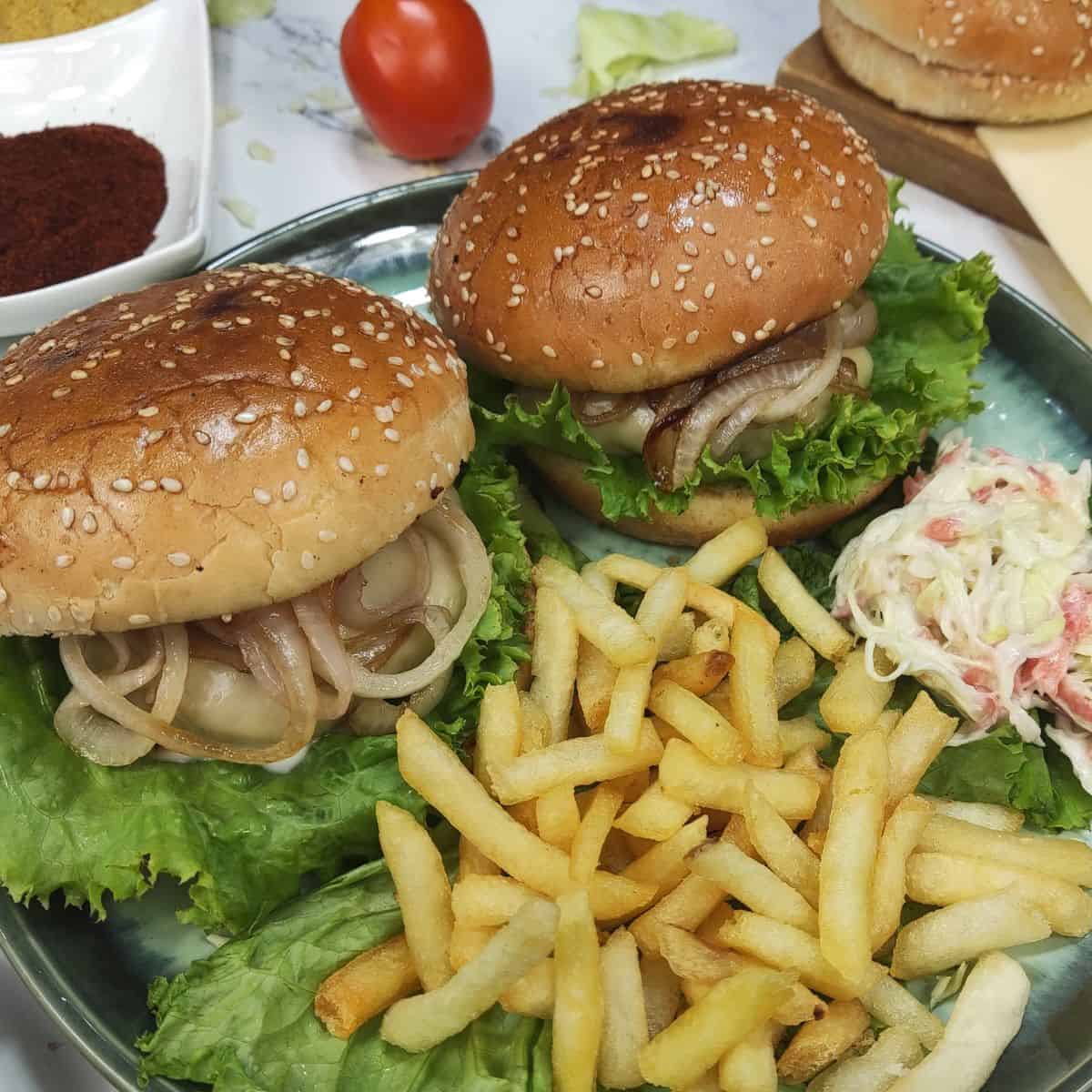
- Bun kebab (street-style sandwich): This is one of Pakistan's most famous street foods. Toast a soft bun or burger bun, add a shami kebab, top with sliced raw onion, a drizzle of sweet tamarind chutney, and a spoonful of green coriander-mint chutney. Some people crack an egg into the pan and let the kebab sit on top of it while it fries so the egg sets around the edges. It sounds over the top and it is, in the best way.
- Beef and chicken mixed: Using half beef and half chicken makes the batch more economical without losing too much of the beefy flavor. I've done this when I wanted a bigger batch but didn't have enough beef. The texture is slightly lighter. My husband honestly couldn't tell the difference the first time I tried it.
- Baked version: If you're making these for a group and don't want to stand at the stove frying in batches, arrange the shaped kebabs on a lightly oiled sheet pan and bake at 450°F for 12–15 minutes, flipping once halfway through. They won't have the same deep golden crust as pan-fried, but they hold their shape well and are much easier for large quantities.
- Ramadan sehri kebabs: In Pakistan, shami kebabs are a classic sehri (pre-dawn meal during Ramadan) food. For sehri, I make them smaller and thinner so they fry faster, and I serve them with paratha and a simple raita. The egg sandwich version — one kebab, one fried egg, toasted bread — is something I've been making since my kids were small and it still works every time.
Serving and Storage
Serving
In Pakistan, shami kebab almost always comes with a green chutney — blended coriander, mint, green chili, garlic, a squeeze of lemon. That's the pairing I grew up with and still default to. You can also serve them with plain yogurt, a sliced onion salad with lemon and salt, or just hot sauce if that's what you have. For a full meal, they go alongside daal, a simple salad, and rice or paratha. For a lighter lunch, two kebabs in a toasted roll with sliced onion and chutney is all you need. They also work as a starter or snack on their own — just pile them on a plate with chutney on the side.
Storage
In Pakistan, shami kebab almost always comes with a green chutney — blended coriander, mint, green chili, garlic, a squeeze of lemon. That's the pairing I grew up with and still default to. You can also serve them with plain yogurt, a sliced onion salad with lemon and salt, or just hot sauce if that's what you have. For a full meal, they go alongside daal, a simple salad, and rice or paratha. For a lighter lunch, two kebabs in a toasted roll with sliced onion and chutney is all you need. They also work as a starter or snack on their own — just pile them on a plate with chutney on the side.


Comments
No Comments