
Where I grew up in Pakistan, there was always a jar of imli chutney in the fridge. My mother made it by feel — a handful of tamarind, some sugar, a pinch of this and that — and it disappeared within a day onto samosas, pakoras, or spooned straight over chaat. I never thought to write it down until I moved into my own kitchen and realized I had absolutely no idea what "a pinch of this and that" actually meant.
This is my version of that chutney — the one I finally nailed after a few batches that were either too sour, too sweet, or weirdly thin. I kept it simple on purpose: tamarind pulp, sugar, roasted cumin, black salt, chaat masala, and chili flakes. Six ingredients, one bowl, about 20 minutes. No dates, no ginger, no long simmering process. If you've been curious about South Asian cooking and want a recipe to start with, this is a good one — it's forgiving and fast, and the payoff is real.
My husband puts this on everything. He drizzles it over fried snacks, stirs it into yogurt for a quick dip, and I once caught him eating it over plain rice. Zainab ignores it entirely unless I skip the chili — then she'll dip the occasional samosa. I always make a double batch now because a single jar never makes it through the week, and it pairs beautifully alongside a snack spread for guests. If you're ever building a party table and wondering what goes in the middle, this chutney is the answer — it makes everything around it taste more intentional.
One thing worth knowing before you start: if you're working from whole tamarind pods with the hard outer shell still on, plan for about 30 minutes of soaking time. If you have tamarind concentrate already, you can skip that step and finish this in under 10 minutes. Either way, the active hands-on time is minimal. Most of it is just waiting.

Why You'll Love This Recipe
- It comes together in 20 minutes: Most of that time is just waiting for the tamarind to soak. Once the pulp is ready, the actual mixing takes maybe five minutes. I've made this on a Tuesday evening while something else was going on the stove — it genuinely doesn't ask much of you.
- Six ingredients, no specialty shopping panic: Tamarind is the only thing that might need a detour to an Asian grocery store, though I've spotted tamarind concentrate at Walmart and Whole Foods in the international aisle. Everything else — sugar, cumin, chili flakes — you probably already have. Chaat masala is the one spice mix worth tracking down; a small jar lasts months and makes this taste noticeably more like the real thing.
- The sweet-sour-spicy balance actually works: I'm not going to oversell it, but there's a reason imli chutney shows up on every chaat plate across South Asia. The tamarind gives you the sour, the sugar rounds it out, the cumin adds depth, and the chili keeps things interesting. It doesn't taste flat the way store-bought versions sometimes do.
- It keeps well and freezes beautifully: I make a large batch every few weeks and split it — half in the fridge, half in a small freezer container. I even portion it into ice cube trays before freezing so I can thaw exactly what I need. Having it on hand means samosas or a quick snack platter can come together without any extra effort.
- Completely adjustable to your taste: This isn't a recipe where you have to be precise. More sugar if you want it sweeter, less chili if you're serving kids, a little extra water if the consistency is too thick. Every batch of tamarind is slightly different in sourness, so I adjust it every single time. Once you make it once, you'll know exactly what your batch needs.
Ingredients

- 1 cup tamarind pulp (extracted from soaked pods, or use tamarind concentrate — see notes in Variations)
- 4 tablespoons sugar (start here, then adjust based on how sour your tamarind is)
- ¾ tablespoon roasted cumin, crushed to a powder (dry roast whole cumin seeds in a pan for about 90 seconds, then crush with the back of a spoon or in a mortar)
- A pinch of black salt / kala namak (find it at South Asian grocery stores or online — it has a mineral, earthy quality that regular salt doesn't replicate; regular salt works if you can't find it)
- ¾ tablespoon chaat masala (available at South Asian grocery stores, larger supermarkets with an Indian section, or online)
- ½ tablespoon red chili flakes (adjust up or down depending on your heat preference)
Directions
- Soak the tamarind: Place 1 cup of tamarind pods in a bowl and cover with hot water — not cold, not warm, actually hot. Let them soak for about 30 minutes. Hot water softens the pods much faster and makes the pulp easier to work with.
- Extract the pulp: Once softened, use your hands (gloves recommended — tamarind stains) or a potato masher to squeeze and work the tamarind in the soaking water. Break up all the pulp from the seeds and stringy bits. Strain through a fine mesh strainer or colander, pressing firmly to push all the pulp through. Discard the seeds and fibers. If it's too thick to strain easily, add a splash more water. You should end up with a smooth, thick tamarind liquid.
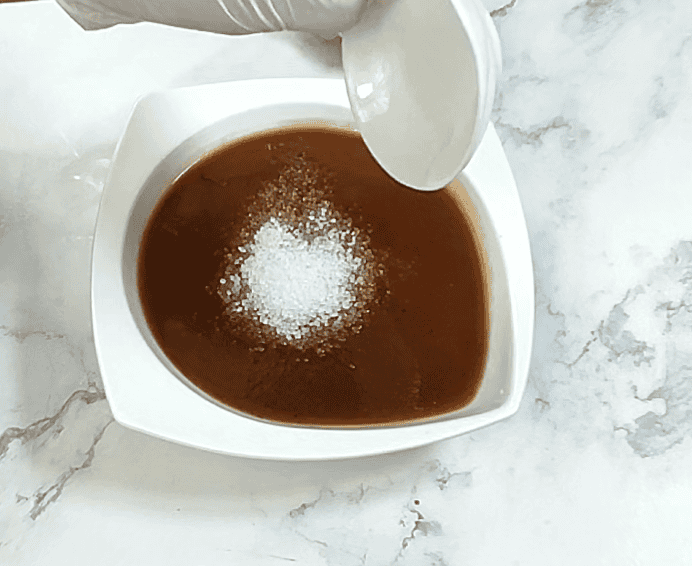
- Combine the base: In a large mixing bowl, stir the tamarind pulp and 4 tablespoons of sugar together until the sugar is fully dissolved. Taste it here — if your tamarind is particularly sour, add a little more sugar now rather than at the end.
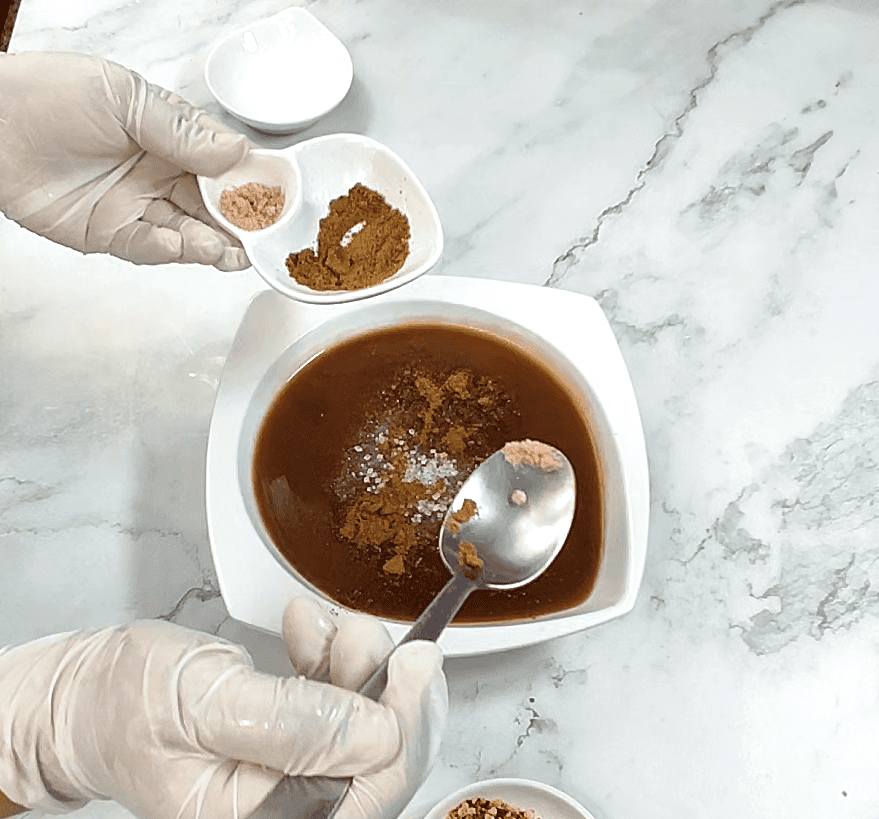
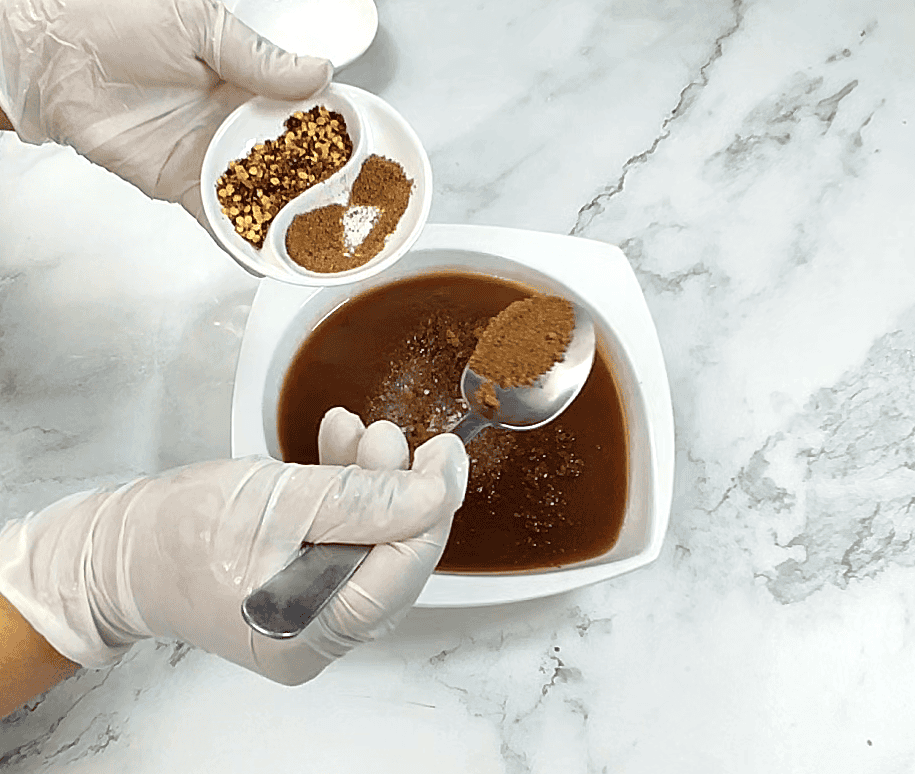
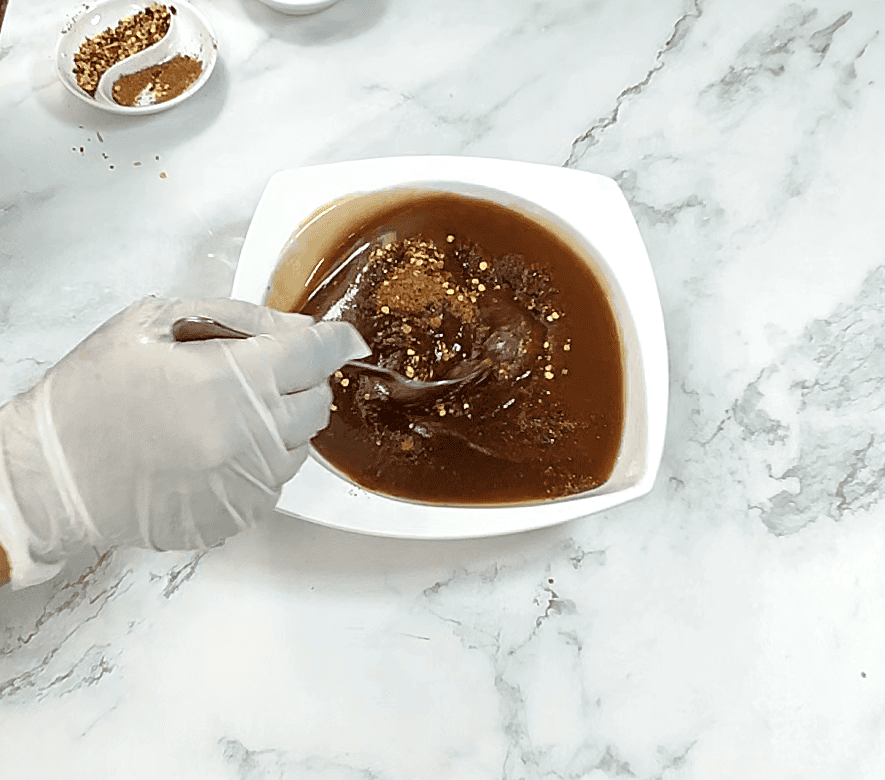
- Add the spices: Add the roasted cumin powder, black salt, chaat masala, and red chili flakes. Stir everything together until fully combined. The color will deepen slightly and the smell will shift — you'll recognize it at this point as the real thing.
- Adjust the consistency: If it's too thick and sticky, add water a tablespoon at a time. If it's thinner than you'd like, pour it into a small saucepan and simmer on low heat for a few minutes, stirring, until it thickens up. It should coat a spoon but still flow easily.
- Taste and store: Taste one more time and make any final adjustments — more sugar, more chili, a tiny bit more salt. Pour into a clean, dry glass jar and serve immediately or refrigerate.

Tips for Success
- Use hot water for soaking, not cold: My first batch took over an hour because I used room-temperature water and got impatient halfway through. Hot water softens the tamarind in 30 minutes and makes the pulp much easier to squeeze and strain. It also loosens the outer shell faster so you're not fighting the pods.
- Wear gloves when squeezing the pulp: Tamarind stains your hands and the smell can linger. I keep a box of disposable gloves in my kitchen drawer and always reach for them when working with tamarind. It makes the whole process less messy and you can squeeze more confidently.
- Toast your own cumin instead of reaching for pre-ground: This makes a real difference. Dry roast whole cumin seeds in a small pan on medium heat for about 90 seconds, stirring constantly, until they smell fragrant and darken slightly. Then crush them with the back of a spoon or in a mortar. Pre-ground cumin works in a pinch but the flavor is noticeably flatter — and since this recipe has so few ingredients, every one of them counts.
- Don't skip the black salt if you can get it: Regular salt makes a fine chutney. Black salt makes it taste like the kind you'd get from a proper dhaba stall. It has a slightly sulfuric, mineral quality that sounds strange but works perfectly with the sour tamarind. It's inexpensive and easy to find online or at any South Asian grocery store — worth the small effort to track it down.
- Taste and adjust before you jar it: Every batch of tamarind is slightly different in sourness. Some pods are more tart, some are milder. Before pouring the chutney into a jar, taste it and decide — more sugar? More chili? A little more salt? The recipe quantities are a starting point, not a fixed rule. Adjusting at the end takes 30 seconds and makes a significant difference.
Variations
- Date and tamarind chutney: Many traditional recipes blend in a handful of pitted dates — roughly 4 to 6 — along with the tamarind pulp. The dates add a thicker body and a more complex sweetness that's slightly less sharp than straight sugar. This version is common in restaurant-style chaat. Soak the dates alongside the tamarind and blend everything together before straining.
- Ginger version: Add about half a teaspoon of freshly grated ginger along with the spices. My mother sometimes made it this way, especially in winter. The ginger adds a warm, slightly sharp undertone that works particularly well if you're serving the chutney with heavier fried foods like pakoras or samosas.
- Tamarind concentrate shortcut: If you can't find whole tamarind pods, tamarind concentrate works well. Use about 2 tablespoons of concentrate dissolved in ½ cup of water in place of the 1 cup of fresh pulp. Adjust the sugar since concentrate can sometimes be slightly more intense. This isn't identical to fresh pulp but it's close enough for everyday use and cuts your prep time to nearly zero — I use this shortcut on weeknights all the time.
- Milder version for kids: Cut the chili flakes down to just a pinch or skip them entirely. The chutney still has plenty of flavor from the cumin and chaat masala without the heat. I keep a small separate jar with no chili when I know Zainab will be at the table — otherwise she ignores it completely, but with no chili she'll actually dip a samosa into it.
- Party snack table version: If you're putting together a snack spread — the kind where there's a seven-layer dip on one end and fried things on the other — a small bowl of this imli chutney fits right in as a tangy dipping option. It's unexpected for guests who aren't familiar with South Asian food, but every time I've put it out, people keep going back to it.
Serving and Storage
Serving
In Pakistan, imli chutney goes on almost everything fried or street food-style: samosas, pakoras, dahi bhalla, gol gappey, chana chaat, bhel puri. It also works spooned over plain yogurt with some onion and coriander as a quick side. If you're outside South Asia and wondering where this fits in your cooking, think of it as a tangy dipping sauce — it works alongside anything you'd serve with a sweet chili sauce or a vinegar-based condiment. My husband stirs a spoonful into plain rice when dinner needs rescuing, which is technically unconventional but genuinely works. If you're building out a bigger snack spread, check out these Christmas party food ideas for more inspiration on building a full table around a condiment like this.
Storage
Store in a clean, dry, airtight glass jar in the refrigerator for up to 3 weeks. Make sure the jar is completely dry before you pour the chutney in — any water in the jar will shorten how long it keeps. For longer storage, freeze in a small airtight container or freezer-safe bag for up to 3 months. I portion mine into ice cube trays before freezing so I can thaw exactly what I need without defrosting the whole batch.
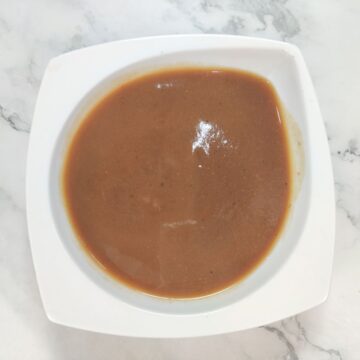
Imli or Tamarind Chutney
Equipment
- 1 Mixing Bowl
- 1 Strainer or colander
- Measuring Spoons
Ingredients
- 1 cup Tamarind pulp
- 4 tbsps Sugar
- ¾ tablespoon Cumin roasted and crushed to a powder
- Black salt A pinch
- ¾ tablespoon Chaat masala
- ½ tablespoon Red Chilli flakes adjust to taste
Instructions
- Soak 1 cup of tamarind pods in water for about 30 minutes
- Gently squeeze and knead the tamarind pods in the water to extract the pulp. Strain the mixture to remove any seeds or fibrous bits, leaving behind a smooth tamarind pulp.
- Combine the prepared tamarind pulp with 4 tablespoons of sugar, in a large mixing bowl.
- Add ¾ tablespoon of roasted and crushed cumin powder
- Add ¾ tablespoons of chaat masala and a pinch of black salt.
- Lastly, add ½ tablespoons of red chili flakes.
- Mix the chutney well and check the consistency. If its too thick, add a little more water. If its too thin, simmer it on a low flame for a few minutes till it reaches your desired consistency.
- Store the chutney in a clean and air-tight glass jar, in the refirgerator.
Notes
Frequently Asked Questions
Can I use tamarind concentrate instead of whole tamarind pods?
Yes, and honestly it makes the recipe much faster. Use about 2 tablespoons of tamarind concentrate dissolved in ½ cup of water to replace the 1 cup of fresh pulp. The flavor is very similar — fresh pulp gives you a slightly brighter, cleaner sourness, but concentrate is close enough for everyday use. Look for small glass or plastic jars labeled "tamarind paste" or "tamarind concentrate" at Asian grocery stores or online.
What can I substitute for black salt (kala namak)?
Regular table salt works as a substitute — the chutney will still taste good. But if you can get black salt, it's worth it. It has a unique mineral quality that regular salt doesn't replicate, and it's what makes this taste like the chutney you'd get from a street food stall rather than a jar. You can find it online or at any South Asian grocery store for just a few dollars.
How long does imli chutney keep in the fridge?
Up to 3 weeks in the refrigerator, stored in a clean airtight glass jar. Make sure the jar is completely dry before you fill it — any moisture in the jar will cause it to spoil faster. If you freeze it, it keeps well for up to 3 months. I portion mine into ice cube trays before freezing so I can thaw exactly what I need.
What do you serve imli chutney with?
The classic pairings are samosas, pakoras, dahi bhalla, chana chaat, and gol gappey. It also works well drizzled over any fried snack or stirred into plain yogurt as a quick dip. If you're outside South Asia, think of it as a tangy dipping sauce for anything you'd normally serve with a sweet chili sauce or vinegar-based condiment. My husband has been known to put it on plain rice, which is technically unconventional but he stands by it.
Can I make this chutney ahead of time?
Absolutely — in fact it's better the next day once the flavors have had time to settle together. I almost always make it a day before I plan to serve it. Make a full batch, jar it, refrigerate overnight, and it'll be noticeably deeper in flavor after 12 to 24 hours. It's one of those things that genuinely rewards a little patience.
Final Thoughts
This chutney is one of those recipes that makes me feel most at home in my kitchen. It smells exactly like my mother's kitchen on the days she'd be setting out snacks before guests arrived — that sharp, slightly sweet tamarind smell mixed with toasted cumin. I don't make complicated food for the sake of it, and this recipe doesn't ask me to. Six ingredients. One bowl. Twenty minutes. Done.
I know it's a condiment, not a main dish — but it's the kind of thing that quietly makes everything around it better. Samosas are fine without it. With it, they're a completely different experience. I've also stirred a small sp





Comments
No Comments