
I discovered this one pot lemon chicken orzo on a Tuesday when I had exactly one lemon, a box of orzo I'd forgotten about in the back of my pantry, and zero motivation to wash more than one pan. I threw it together half expecting it to be fine but forgettable. It was neither — we scraped the pot clean and my husband asked if I'd made enough for lunch the next day.
What makes this work is the orzo cooking directly in the broth. It absorbs everything — the chicken juices, the lemon, the garlic — and goes from plain little pasta to something almost risotto-like in texture. I add a splash of heavy cream at the end, though honestly even without it the dish is creamy enough from the starch the orzo releases. The lemon is front and center here, so use a real lemon, not the bottled stuff. The zest especially makes a difference.
My husband eats this with bread on the side. I eat mine straight from the bowl. Zainab picks out the chicken pieces first and then eats the orzo separately, which is a whole personality. I make this on nights when I want something that feels like I tried, but I didn't have to try that hard. It also reheats well, which means I make a full pot and we're eating it for lunch the next day too — I just add a small splash of broth when reheating so it doesn't dry out.
If you like lemony, savory pasta dishes, you might also enjoy my Buffalo Chicken Ranch Pasta — it's a completely different flavor profile but the same one-pan, weeknight-friendly idea. For this recipe, everything comes together in about 40 minutes, and the actual hands-on time is maybe 15. The rest is just simmering.
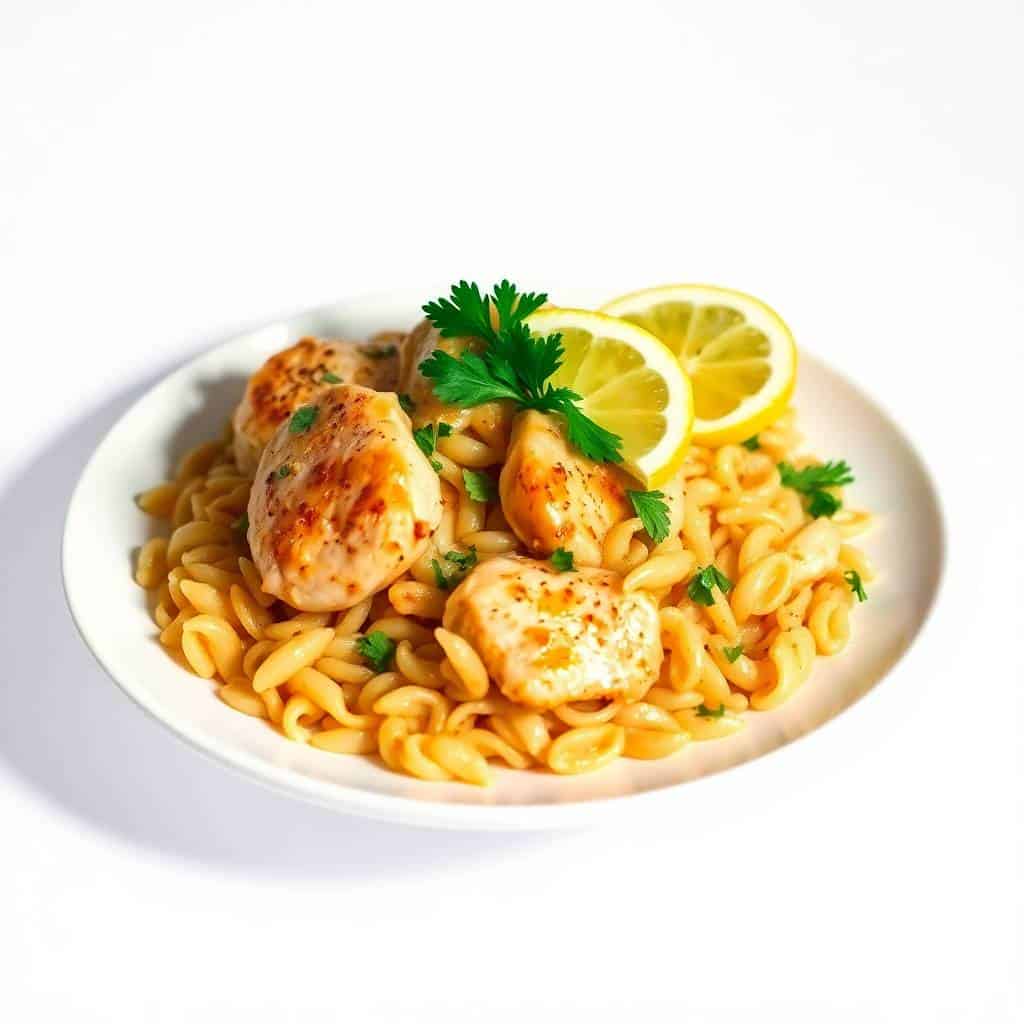
Why You'll Love This Recipe
- One pan, real cleanup savings: I'm not exaggerating when I say I've made this after long days where the idea of washing multiple pots felt impossible. Everything — the chicken, the aromatics, the orzo, all of it — goes into one skillet or pot. When dinner is done, you have one pan to wash. That matters more than people admit.
- The orzo gets genuinely creamy: I was skeptical the first time I made orzo this way. I thought it would just be soup with pasta in it. But because it simmers in the broth uncovered and absorbs the liquid slowly, it comes out with this thick, almost velvety texture. Add a little Parmesan and a splash of cream and it's really something.
- Lemon does actual work here, not just decoration: A lot of recipes call for lemon and you can barely taste it. In this one, you use both the juice and the zest, and the lemon is genuinely present in every bite. It cuts through the richness of the cream and cheese and keeps the whole dish from feeling heavy. Don't skip the zest — that's where most of the flavor lives.
- It's done in 40 minutes: I've timed this. From pulling out the cutting board to sitting down with a bowl — 40 minutes on a normal night, maybe 45 if I'm moving slow. That puts it firmly in weeknight territory. I don't reserve this for weekends or special occasions. It's Tuesday food.
- Leftovers reheat well: A lot of pasta dishes turn into a clumped, dry mess the next day. This one holds up because the orzo is already so starchy and creamy. I just add a tablespoon or two of broth or water before reheating and it comes back to life. My husband has taken this for lunch three times in a row without complaining once, which is the real endorsement.
Ingredients
- 1 lb boneless skinless chicken breasts or thighs, cut into bite-sized pieces
- 2 tablespoons olive oil
- Salt and pepper, to taste
- 1 small onion, finely diced
- 3 cloves garlic, minced
- 1 cup orzo pasta
- 2½ cups chicken broth (low-sodium preferred)
- Juice and zest of 1 lemon (use a real lemon, not bottled)
- 1 teaspoon dried oregano
- ½ cup grated Parmesan cheese
- ½ cup heavy cream or milk (optional — skip if you want it lighter)
- 2 tablespoons fresh parsley, chopped (for garnish)
Directions
- Step 1: Brown the chicken. Heat olive oil in a large skillet or heavy pot over medium-high heat. Season the chicken pieces with salt and pepper and cook for 5–7 minutes, turning occasionally, until browned and cooked through. Don't crowd the pan — if the pieces are touching, they'll steam instead of brown. Remove the chicken and set it aside on a plate.
- Step 2: Cook the aromatics. In the same pot (don't wipe it out — those browned bits are flavor), add the diced onion and garlic. Cook over medium heat for 2–3 minutes, stirring, until the onion softens and the garlic smells fragrant. This step takes barely any time but builds the base of the whole dish.
- Step 3: Toast the orzo. Add the dry orzo to the pot and stir it around in the oil and aromatics for about 1–2 minutes. You're not cooking it through — you're just giving it a little color and letting it absorb some of that savory base. I skipped this step once when I was rushing and it does make a small but noticeable difference in depth of flavor.
- Step 4: Add the liquids and seasoning. Pour in the chicken broth, then add the lemon juice, lemon zest, and dried oregano. Stir everything together and bring it to a gentle boil. Taste the broth at this point — it should be savory and bright. If it needs salt, add it now.
- Step 5: Simmer until tender. Reduce the heat to low and simmer uncovered for 10–12 minutes, stirring occasionally, until the orzo is tender and most of the liquid has been absorbed. Keep an eye on it — orzo goes from perfectly done to mushy faster than you'd expect. Start checking at 9 minutes.
- Step 6: Add the chicken back and finish. Return the cooked chicken to the pot and stir it in. Add the Parmesan and cream (if using) and stir gently for 1–2 minutes over low heat until everything is combined and heated through. The Parmesan will melt into the sauce and make it thick and glossy.
- Step 7: Rest and garnish. Turn off the heat and let the pot sit for a minute — the orzo will thicken up just a touch more as it rests. Scatter the chopped parsley over the top and serve straight from the pot.
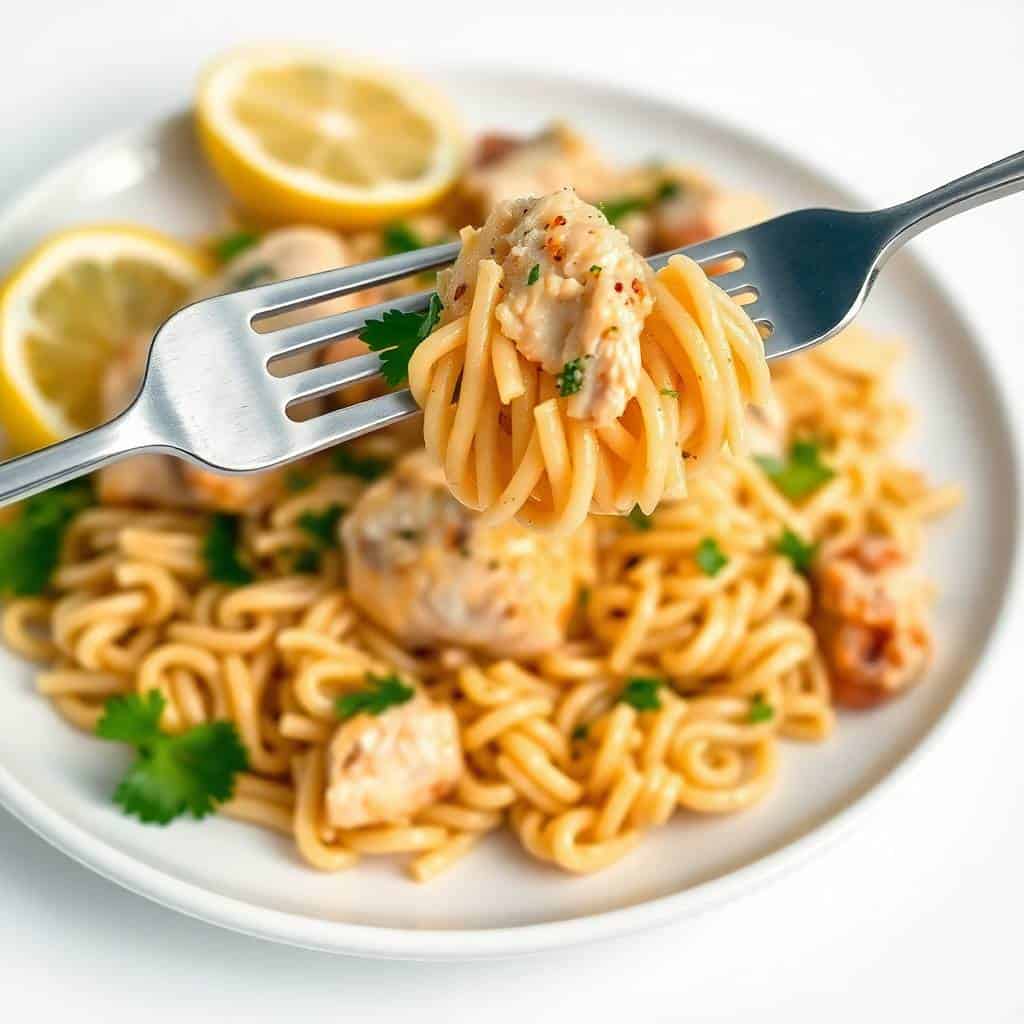
Tips for Success
- Use fresh lemon, not bottled: I know bottled lemon juice is convenient, but it tastes flat and slightly chemical compared to fresh. In a dish where lemon is the main flavor, that matters. One lemon gives you both the juice and the zest, and the zest is where a lot of the bright, almost floral lemon flavor lives. Takes 30 seconds extra to zest it — worth it every time.
- Cut chicken into uniform pieces: This sounds obvious but I've rushed it before and ended up with some pieces overcooked and some still pink in the middle. Aim for roughly 1-inch cubes. They'll cook evenly in 5–7 minutes and stay juicy when they go back into the pot at the end. Thighs are more forgiving than breasts if you're worried about dryness.
- Watch the orzo carefully toward the end: The first time I made this I walked away for three minutes and came back to mushy, blown-out orzo. It's a small pasta and it cooks fast. Start checking texture at 9 minutes and pull it off heat as soon as it's al dente — it'll keep cooking for another minute from the residual heat while you add the chicken and cheese.
- Don't rinse the orzo before adding it: I know some people rinse pasta out of habit. Don't here. The surface starch on the dry orzo is what helps thicken the broth into that creamy sauce. Rinsed orzo will cook up more watery and separated. Add it dry, straight from the box or bag.
- Use low-sodium broth so you can control the salt: Between the broth, the Parmesan, and any seasoning you add to the chicken, this dish can get salty fast if you're not careful. I use low-sodium broth and season in stages — a little on the chicken, a taste after adding the broth, a final check before serving. That way I actually know what I'm eating.
Variations
- Add spinach or peas: Stir in a big handful of fresh spinach or about ½ cup of frozen peas in the last 2 minutes of cooking. They wilt or warm through quickly and don't need any extra prep. This is how I sneak vegetables in for Zainab — she doesn't pick them out when they're mixed into something she already likes. Cherry tomatoes halved and stirred in at the end also work well.
- Make it spicier: Add ½ teaspoon of red pepper flakes when you're cooking the garlic and onion. The heat builds gradually as the dish simmers and it pairs really well with the lemon. My husband always asks me to make it this way. If you want more control, just serve red pepper flakes on the side so everyone can add their own.
- Swap the protein: Shrimp works really well here — just cook it for 2–3 minutes instead of 7, and add it back in with the Parmesan at the end so it doesn't overcook. You can also use leftover rotisserie chicken, which cuts the cook time down significantly. Just shred it and stir it in during the last couple of minutes to warm through.
- Make it dairy-free: Skip the Parmesan and cream entirely. The orzo is still creamy from its own starch, and the lemon and broth carry the flavor. You could stir in a tablespoon of olive oil at the end instead to add some richness. It's a lighter dish this way, which honestly isn't bad.
- Gluten-free version: Orzo is wheat pasta, so if you're cooking for someone gluten-free, substitute with gluten-free orzo (some grocery stores carry it now), or use pearl couscous that's labeled gluten-free, or just use rice. If you use rice, add an extra ½ cup of broth and increase the simmer time to about 18–20 minutes. It's a different texture but the flavors all still work.
Serving and Storage
Serving
Serve this straight from the pot while it's hot, in deep bowls. I always put extra Parmesan on the table because my husband adds more to his. A piece of crusty bread on the side is genuinely good for scooping up whatever's left in the bowl. A simple green salad rounds it out if you want something fresh alongside. In Pakistan we'd serve a dish like this with flatbread, and that actually works beautifully here too — naan on the side isn't out of place at all. If you're looking for another chicken dinner to rotate in, my BBQ Chicken Stromboli is completely different but just as satisfying on a weeknight.
Storage
Store leftovers in an airtight container in the refrigerator for up to 4 days. The orzo will thicken and absorb more liquid as it sits — that's normal. When reheating, add 2–3 tablespoons of chicken broth or water and warm it gently on the stovetop or in the microwave, stirring once or twice. It comes back to a good consistency. I don't recommend freezing this one — the orzo texture suffers after freezing and thawing, and the cream-based sauce tends to separate.

Frequently Asked Questions
Can I use rotisserie chicken instead of raw chicken?
Yes, and it's actually a great shortcut. Skip the browning step entirely and just shred the rotisserie chicken. Add it back in during the last 2 minutes of cooking, just long enough to warm through. You'll lose a little of the fond (the browned bits) that builds flavor at the bottom of the pot, so add an extra pinch of salt and maybe a small drizzle of olive oil when you cook the aromatics to compensate.
What can I use instead of orzo?
Small pasta shapes like ditalini or pearl couscous work well as substitutes. Pearl couscous is my first choice if I'm out of orzo — it has a similar size and absorbs liquid in a comparable way. If you use a different pasta, keep an eye on the liquid ratio and cooking time since they vary. Rice also works but add an extra ½ cup of broth and simmer for about 18–20 minutes instead of 10–12.
Can I make this ahead of time?
You can, though orzo keeps absorbing liquid as it sits, so the texture will be thicker and denser the next day. I sometimes cook the chicken ahead and refrigerate it separately, then make the orzo fresh when I'm ready to eat — it only takes about 20 minutes from that point. If you reheat the full dish, add a splash of broth and stir it over low heat until it loosens up.
How do I keep the orzo from going mushy?
Start checking it at 9 minutes, not 12. Orzo overcooks fast and once it's gone mushy there's no fixing it. Pull the pot off heat as soon as it's just tender — it'll continue cooking for another minute from the residual heat of the pot while you stir in the chicken and cheese. Simmering uncovered also helps because it lets some of the steam escape rather than trapping heat that accelerates overcooking.
Can I make this without cream or cheese?
Completely fine to skip both. The orzo releases enough starch while cooking that the dish is still creamy in texture even without dairy. The flavor will be lighter and more broth-forward, which some people actually prefer. If you want a little richness without cream, stir in a tablespoon of good olive oil right at the end — it smooths out the texture nicely.
Final Thoughts
This is one of those recipes I keep coming back to because it asks so little of me and gives back so much. One pot, a handful of ingredients I almost always have, and 40 minutes. On the nights when I'm tired and standing in my kitchen trying to figure out what to cook, this is the answer about half the time. The lemon keeps it from feeling heavy, and the Parmesan keeps it from feeling sparse. It hits a good middle ground.
I made a double batch once because I thought we'd need it for three days of lunches. We ate it in two meals. I've stopped being surprised by that — I just make the double batch now and accept that it won't last as long as I plan. If you want something in the same neighborhood but with a completely different flavor direction, my Beef Pasta in Tomato Sauce is rich and hearty and equally easy. And for something with that same bright, citrusy energy in a totally different format, the Grilled Salmon with Lemon Dill Sauce is worth bookmarking.
If you make this, I'd love to know how it went — whether you kept it plain or threw in spinach or made it spicy. It's one of those recipes that's genuinely hard to mess up, which is the real reason it's become a regular in my kitchen. 🍋🥄✨

ONE POT LEMON CHICKEN ORZO
Ingredients
- 1 lb boneless skinless chicken breasts cut into bite-sized pieces
- 2 tablespoons olive oil
- 1 small onion diced
- 3 cloves garlic minced
- 1 cup orzo pasta
- 2 ½ cups chicken broth
- Juice and zest of 1 lemon
- 1 teaspoon dried oregano
- Salt and pepper to taste
- 2 tablespoons fresh parsley chopped
Instructions
Sauté Chicken:
- Heat olive oil in a large skillet or pot over medium-high heat. Add chicken pieces, season with salt and pepper, and cook until browned and cooked through, about 5–7 minutes. Remove and set aside.
Cook Aromatics:
- In the same pot, add onion and garlic. Sauté for 2–3 minutes until fragrant and softened.
Add Orzo and Broth:
- Stir in orzo, chicken broth, lemon juice, lemon zest, and oregano. Bring to a boil.
Simmer:
- Reduce heat to low, cover, and simmer for 10–12 minutes until orzo is tender and liquid is absorbed.
Combine & Serve:
- Return chicken to the pot and stir to combine. Sprinkle with fresh parsley before serving.
Notes
- Make Ahead: Cook chicken separately and reheat before adding to orzo for quicker assembly.
- Variations: Add spinach, cherry tomatoes, or feta cheese for extra flavour.
- Serving Suggestions: Serve with a side salad or steamed vegetables.
- Allergy-Friendly: Gluten in orzo; use gluten-free pasta if needed.
If you liked this, you'll probably enjoy these too:





Comments
No Comments