
I first had a version of this cake at a neighbor's potluck years ago, and I spent the whole drive home trying to figure out what was in that topping. It was caramelized, crunchy, sticky — and the cake underneath was soft and dense in a way that felt completely different from any layer cake I'd made before. Someone told me it was an old oatmeal cake recipe, probably from a 1970s church cookbook. That was enough for me to go home and start testing.
What makes this cake work is the soaked oats. You pour boiling water over old-fashioned rolled oats and let them sit for 20 minutes before folding them into the batter. That step alone gives the cake its signature texture — moist, dense, and just a little chewy in the best way. The broiled coconut pecan topping is its own thing entirely: butter, brown sugar, coconut, and pecans, bubbled up in a saucepan and then slid under the broiler for a couple of minutes until it turns golden and slightly crisp. It's not a complicated cake, but it has layers of flavor that make it taste like someone put in a lot more effort than they did.
I make this when I want something that feels special without a lot of fuss. It's become my go-to for when relatives visit and I need a dessert that feeds a crowd — a 9x13 pan goes far. My husband loves it the next morning with coffee, cold from the fridge. Zainab likes hers warm with a small scoop of vanilla ice cream on the side, which I have to admit is pretty good. If you're looking for something in a similar vintage-American spirit, my Caramel Pecan Upside-Down Cake with Cinnamon has that same old-fashioned, caramelized-topping energy.
One thing to know going in: the broiler step is not optional. You could technically skip it, but you'd be skipping the best part. Also — and I say this from experience — don't walk away from the broiler. Two minutes sounds like nothing until your topping goes from golden to burnt in about 30 seconds. I set a timer now. Every single time.
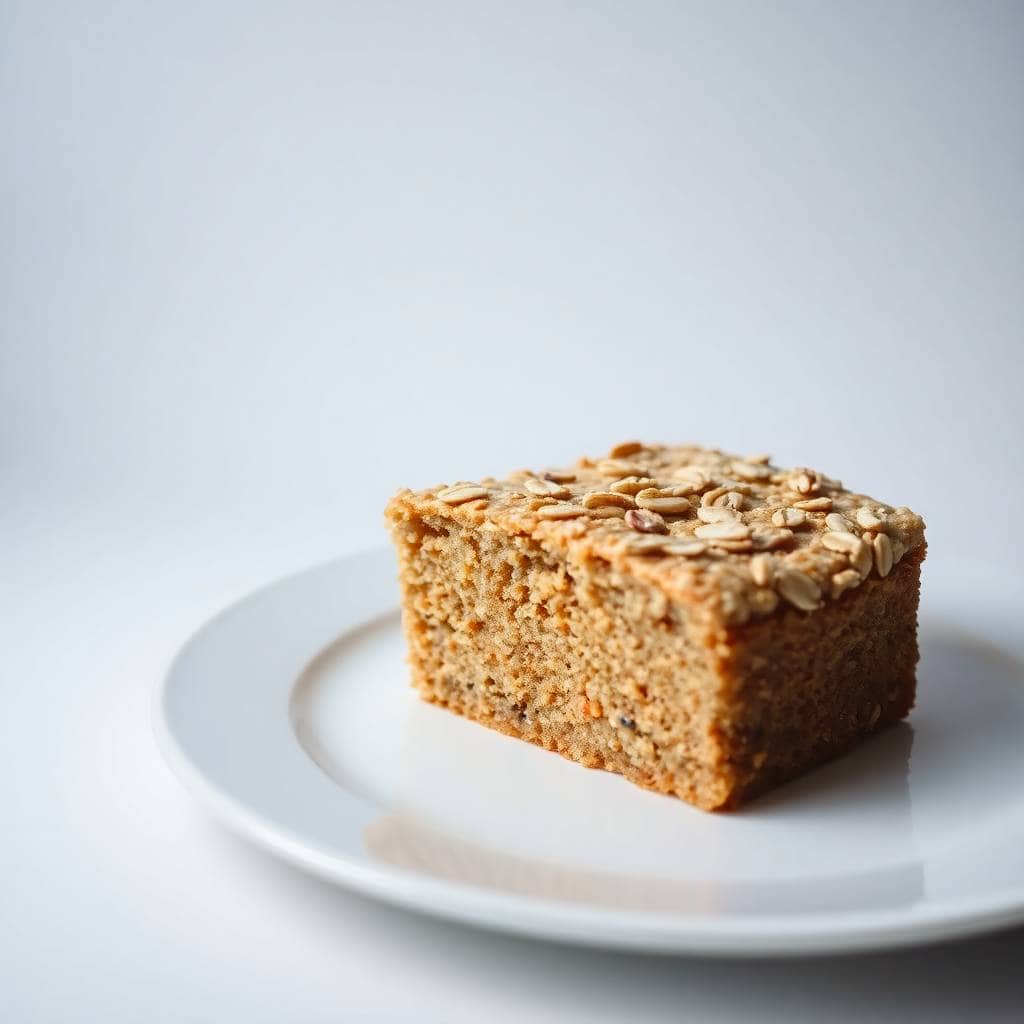
Why You'll Love This Recipe
- The broiled topping makes it feel fancy without any real effort: You're basically making a quick butterscotch-coconut mixture in a saucepan and spreading it over the warm cake. Then two minutes under the broiler turns it into something that looks like it came from a proper bakery. I've brought this cake to gatherings and people always ask how I made the topping — the answer is always simpler than they expect.
- It stays moist for days: Most cakes dry out by day two. This one actually gets better. The oats keep holding onto moisture, so by the next morning the texture is somehow even denser and more satisfying. I make a double batch when I know I want leftovers through the week.
- Everything comes from the regular pantry: Rolled oats, flour, butter, sugar, eggs, cinnamon — this is not a grocery-list cake. The most "specialty" ingredient is the shredded sweetened coconut, which you'll find in the baking aisle at any Walmart or Kroger. No specialty store required.
- No mixer needed: I cream the butter and sugars by hand with a wooden spoon. It takes maybe four extra minutes compared to using an electric hand mixer. The batter isn't fussy — once the soaked oats go in, you're really just stirring, not beating. A strong arm and a big bowl are all you need.
- It feeds a crowd from one pan: The 9x13 format means you're cutting 12–15 slices easily. This is not a delicate two-layer situation that requires precise assembly. It's a sturdy, slice-and-serve cake that travels well, holds at room temperature, and doesn't need refrigeration for the first couple of days.
Ingredients
- For the Cake:
- 1 cup old-fashioned rolled oats
- 1¼ cups boiling water
- ½ cup unsalted butter, softened
- 1 cup granulated sugar
- 1 cup brown sugar, packed
- 2 large eggs
- 1⅓ cups all-purpose flour
- 1 teaspoon baking soda
- ½ teaspoon salt
- 1 teaspoon cinnamon
- ½ teaspoon nutmeg (optional, but I usually add it)
- For the Broiled Topping:
- ½ cup unsalted butter
- ⅔ cup brown sugar, packed
- ¼ cup milk (whole milk works best, but 2% is fine)
- 1 cup shredded sweetened coconut
- ½ cup chopped pecans
Directions
- Soak the oats: Pour the boiling water over the rolled oats in a medium bowl and stir once. Let them sit for 20 minutes to fully soften and absorb the water. You want them to cool down before they go into the batter — if they're still steaming hot when you add the eggs, you'll scramble the eggs, and I learned that the hard way on my first attempt.
- Preheat and prep: Preheat your oven to 350°F (175°C). Grease a 9x13-inch baking pan well — I use butter and then a light dusting of flour, because the topping gets sticky and you want clean slices.
- Cream the butter and sugars: In a large bowl, beat together the softened butter, granulated sugar, and brown sugar until well combined and slightly fluffy. If you're doing this by hand like I do, give it a solid 3–4 minutes of stirring. The mixture should look pale and creamy.
- Add the eggs and oats: Beat in the eggs one at a time, mixing well after each one. Then fold in the soaked oats — the mixture will look a little lumpy and that's fine. Don't worry if it looks odd at this stage.
- Add the dry ingredients: In a separate bowl, whisk together the flour, baking soda, salt, cinnamon, and nutmeg. Add the dry ingredients to the wet mixture and stir until just combined. Stop as soon as the flour disappears — overmixing makes the cake tough.
- Bake the cake: Pour the batter into your prepared pan and smooth the top. Bake at 350°F for 35–40 minutes, or until a toothpick inserted into the center comes out clean. The cake will be a deep golden brown.
- Make the topping: While the cake bakes (or right when it comes out), melt the butter in a small saucepan over medium heat. Add the brown sugar and milk, and stir until it starts to bubble. Remove from heat and stir in the coconut and pecans.
- Broil the topping: Spread the topping evenly over the warm cake. Switch your oven to broil and place the pan on the middle rack. Broil for 1–2 minutes, watching it the entire time. The topping is ready when it's bubbly and golden — pull it out before it darkens past that point.
- Cool slightly before slicing: Let the cake sit for at least 15 minutes before cutting. The topping firms up as it cools, and slices hold together much better once it has set.
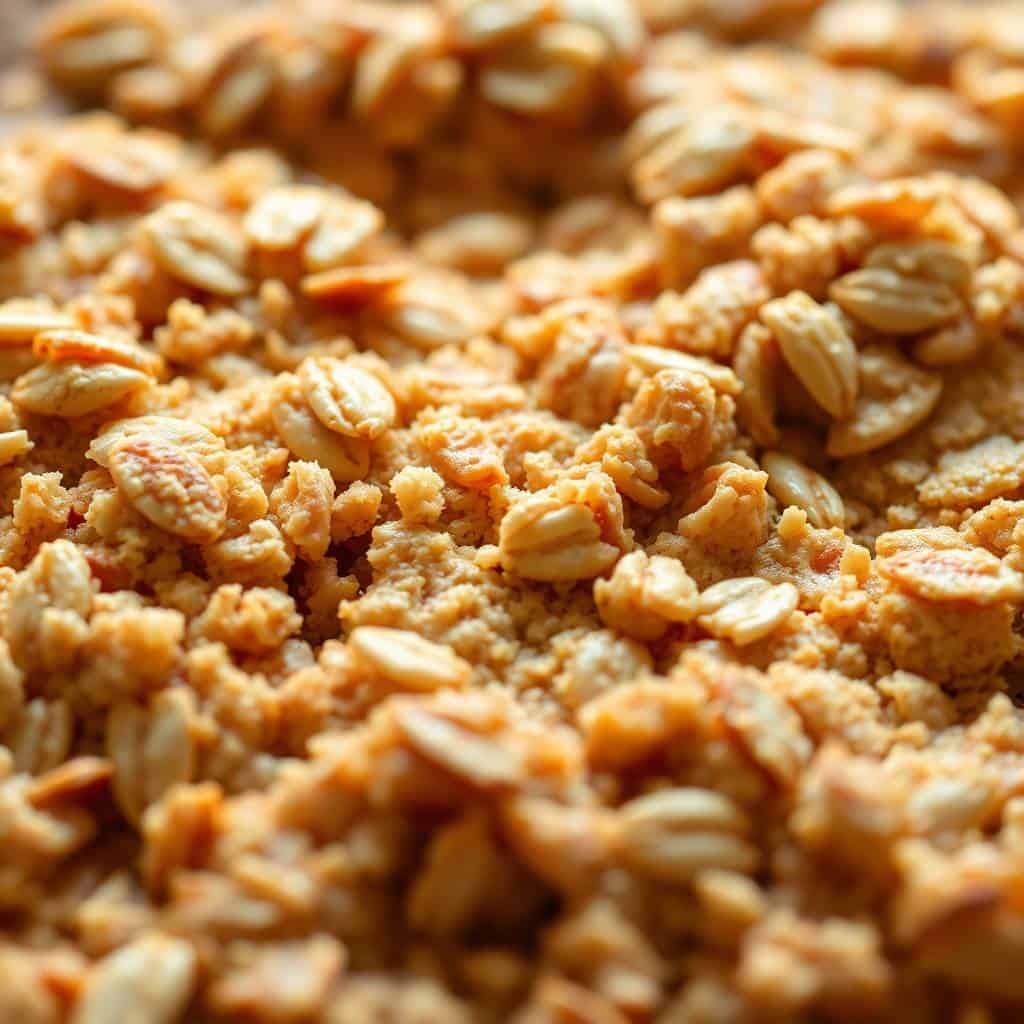
Tips for Success
- Use old-fashioned rolled oats, not quick oats: Quick oats dissolve almost completely into the batter and you lose the texture that makes this cake interesting. Old-fashioned oats hold their shape even after soaking and give you those little soft, chewy pockets throughout. Bob's Red Mill or Quaker old-fashioned oats from any grocery store are exactly what you need.
- Let the oats cool before adding eggs: This is the step I skipped the first time, thinking the 20-minute soak would be enough to cool them down. It wasn't. Steam was still rising and I scrambled the eggs slightly — the cake was still edible but the texture was off. Give the oats the full 20 minutes, and if your kitchen is warm, give them a stir partway through.
- Don't overmix the batter: Once the flour goes in, stir until it just disappears. This is a dense cake by nature, but overmixing develops gluten and makes it rubbery. The batter will be thick — that's normal. A few gentle folds with a wooden spoon is all it needs.
- Spread the topping fast: The topping firms up as it cools, so have your broiler already on and work quickly when spreading it over the cake. If it gets too thick to spread, put the saucepan back over low heat for 30 seconds to loosen it up. An offset spatula makes this much easier — I use a cheap one from the dollar store.
- Never leave the broiler unattended: I cannot stress this enough. Coconut goes from toasted to burnt in under a minute under a hot broiler. I stand in front of the oven the entire time. Two minutes is the maximum — pull it the moment it looks golden and bubbly, even if your timer hasn't gone off yet.
Variations
- Spiced version for colder months: Add ¼ teaspoon of cloves and an extra ½ teaspoon of cinnamon to the batter. In Pakistan, this kind of warm spice combination shows up in a lot of winter baking, and it works beautifully here. The base of this cake is sturdy enough to handle the extra spice without it becoming overwhelming.
- Add raisins or chopped apple to the batter: Fold in ½ cup of raisins or one peeled and diced apple (about 1 cup) before baking. The apple softens completely and adds moisture and a subtle sweetness. My husband prefers this version — he says it reminds him of an oatmeal cookie in cake form.
- Nut-free topping: Just leave out the pecans and add an extra ¼ cup of shredded coconut instead. The topping still caramelizes beautifully and you get plenty of texture from the coconut alone. This is what I do when I'm bringing it somewhere and I'm not sure about nut allergies.
- Dairy-free version: Swap the butter in both the cake and topping for a solid dairy-free butter like Earth Balance, and use oat milk or coconut milk in place of the regular milk in the topping. The topping won't caramelize in quite the same way, but it still gets golden and tastes good. I tested this once for a friend with a dairy sensitivity and it worked.
- Cupcake format: Divide the batter among a 12-cup muffin tin lined with paper liners and bake at 350°F for 18–22 minutes. Top each one with a spoonful of the coconut-pecan mixture and broil briefly. Great for lunchboxes or bringing to a gathering where individual portions are easier. Zainab is always happier when she gets her own individual thing rather than a slice.
Serving and Storage
Serving
This cake is good warm and good cold, which is not something I can say about every dessert I make. Warm from the oven with a small scoop of vanilla ice cream is the version my family prefers. Cold from the fridge the next morning with coffee is my personal preference — the topping firms up overnight into something almost toffee-like. You can serve it plain, straight from the pan; no plating required. If you want to turn it into a fuller dessert spread, it pairs well alongside something lighter like these Peanut Butter Haystacks for texture contrast.
Storage
Cover the pan tightly with plastic wrap or foil and store at room temperature for up to 3 days. In the fridge, it keeps well for 5 days — the texture actually holds up better refrigerated than most cakes do. To freeze: bake and cool the cake completely but skip the topping. Wrap tightly in plastic and then foil, and freeze for up to 2 months. When you're ready to serve, thaw at room temperature, make a fresh batch of the topping, spread it on, and broil. The broiled topping doesn't freeze well — it gets watery when it thaws, so always add it fresh.
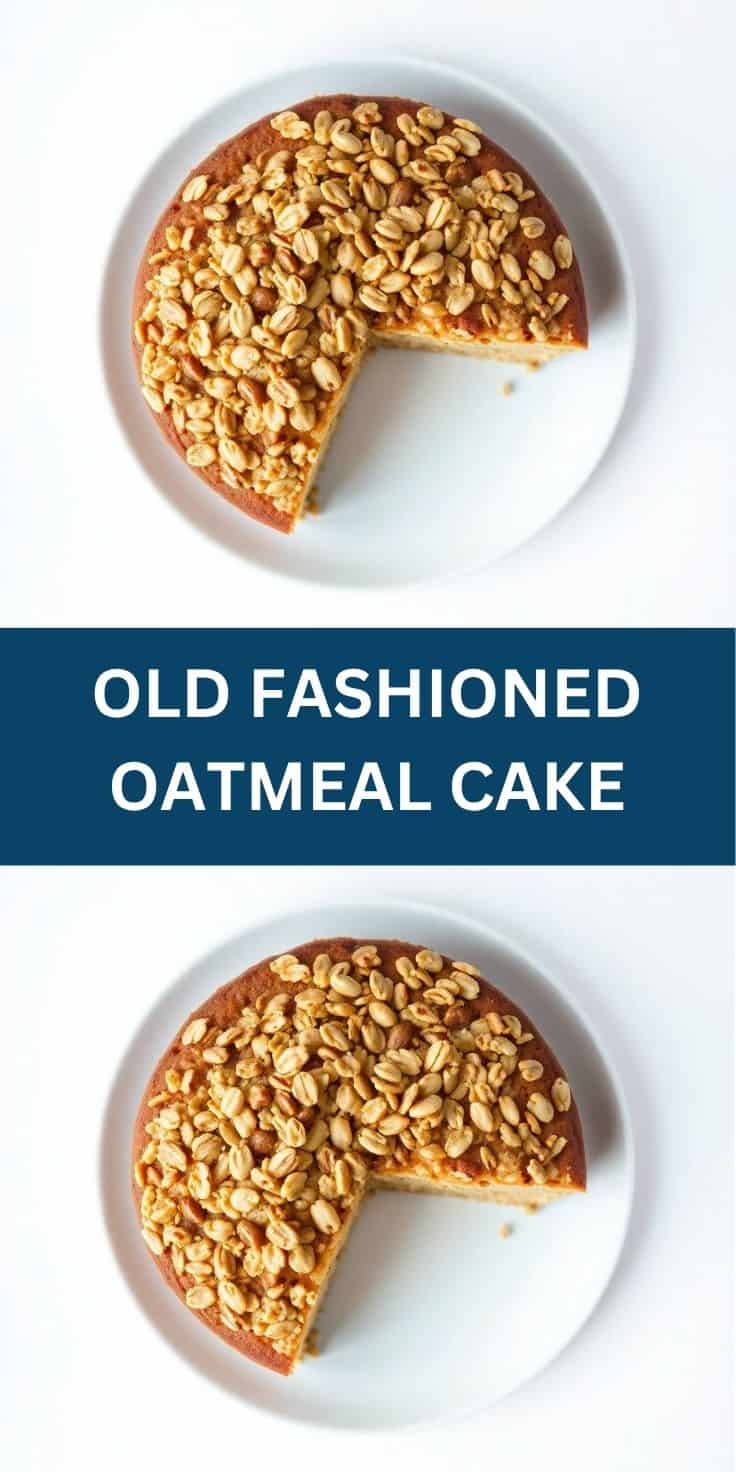
Frequently Asked Questions
Can I use quick oats instead of old-fashioned rolled oats?
You can, but the texture will be noticeably softer and more uniform — you lose those little chewy bits that old-fashioned oats give you. If quick oats are all you have, the cake will still taste good, it'll just be denser and less interesting in texture. I'd still try to find old-fashioned oats if possible; they're at any regular grocery store.
Can I make this cake a day ahead?
Yes, and honestly it's better the next day. You can bake the cake, add the topping and broil it, then cover and store at room temperature overnight. The flavors deepen and the topping firms up into something almost candy-like. I make it the evening before whenever I'm bringing it somewhere the next day.
Can I freeze this cake?
Freeze the cake without the topping — bake it, cool it completely, wrap it well, and freeze for up to 2 months. When you're ready to serve, thaw it at room temperature and then make a fresh batch of the coconut-pecan topping to broil on top. The topping doesn't survive freezing and thawing well; it turns grainy and loses its texture.
What can I substitute for pecans in the topping?
Walnuts work as a direct swap and give a slightly more bitter, earthy flavor that some people actually prefer. If you need it nut-free, just leave the pecans out entirely and increase the coconut by ¼ cup — the topping still caramelizes well and has plenty of texture. Sunflower seeds also work in a pinch, though they toast faster under the broiler so watch carefully.
Why did my topping burn under the broiler?
The broiler works fast and coconut burns faster than you'd expect. The biggest culprits are: broiler rack positioned too high (move it to the middle rack, not the top), walking away even briefly, or a broiler that runs very hot. Start checking at the 60-second mark. The topping is done the moment it looks golden and bubbly — don't wait for it to look deeply browned.
OLD FASHIONED OATMEAL CAKE
Ingredients
For the Cake:
- 1 cup old-fashioned rolled oats
- 1 ¼ cups boiling water
- ½ cup unsalted butter softened
- 1 cup granulated sugar
- 1 cup brown sugar packed
- 2 large eggs
- 1 ⅓ cups all-purpose flour
- 1 teaspoon baking soda
- ½ teaspoon salt
- 1 teaspoon cinnamon
- ½ teaspoon nutmeg optional
For the Topping:
- ½ cup unsalted butter
- ⅔ cup brown sugar packed
- ¼ cup milk
- 1 cup shredded sweetened coconut
- ½ cup chopped pecans
Instructions
Soak the Oats:
- In a bowl, combine oats with boiling water. Let sit for 20 minutes to soften and cool.
Prepare the Batter:
- Cream butter with both sugars until fluffy. Beat in eggs one at a time. Stir in soaked oats.
Add Dry Ingredients:
- In another bowl, whisk together flour, baking soda, salt, cinnamon, and nutmeg. Gradually add to the oat mixture, stirring until just combined.
Bake the Cake:
- Pour batter into a greased 9x13-inch pan. Bake at 350°F (175°C) for 35–40 minutes, or until a toothpick comes out clean.
Make the Topping:
- While cake bakes, combine butter, brown sugar, and milk in a saucepan. Bring to a simmer, then stir in coconut and pecans. Remove from heat.
Broil the Topping:
- Spread topping evenly over warm cake. Broil for 1–2 minutes until bubbly and golden—watch closely to avoid burning.
Notes
This is the kind of cake I come back to whenever I need something reliable. Not flashy, not multi-layered, not requiring any special skills — just a well-made pan cake with a topping that does something genuinely impressive for how little effort it takes. It's been in my regular rotation for a few years now, and I don't see that changing.
The thing I appreciate most about it is how it holds up. Day one it's warm and soft. Day two the topping has firmed up and the flavors have melded in a way that makes it taste like it was more carefully constructed than it actually was. If I had to pick one cake to bring to a


Comments
No Comments