
I've made a lot of dips in my time — Mississippi Sin Dip, various chutneys, raita — but there's something about a bowl of fresh salsa sitting next to a pile of tortilla chips that just disappears faster than anything else I put on the table. The first time I made it from scratch, I honestly couldn't believe how much better it tasted than the jar I'd been buying from Walmart for years. I literally stood at the counter eating it with a spoon before it even made it to the bowl.
This is not a complicated recipe. It's tomatoes, onion, jalapeño, garlic, cilantro, and lime — that's basically it. What I've figured out over the years is that the ratio matters more than anything fancy. Too much onion and it's sharp. Too little lime and the whole thing falls flat. I've landed on a version that my family actually finishes in one sitting, which is my real benchmark for whether something works.
I make this most often for taco nights — which in our house happens at least once a week. My husband piles it on everything. Zainab likes it mild, so I always set aside a small bowl before I add the second jalapeño. Saad, who normally refuses anything "spicy," ate half the bowl with chips last month and then asked why his mouth was burning. So. That tells you how good it is when you're not paying attention.
One thing I want to set expectations on: let it rest. I know 15 minutes feels like forever when you're hungry and the chips are right there. But the lime and salt need a few minutes to pull everything together. If you eat it immediately, it tastes like chopped vegetables. Let it sit and it tastes like actual salsa. That's the difference.
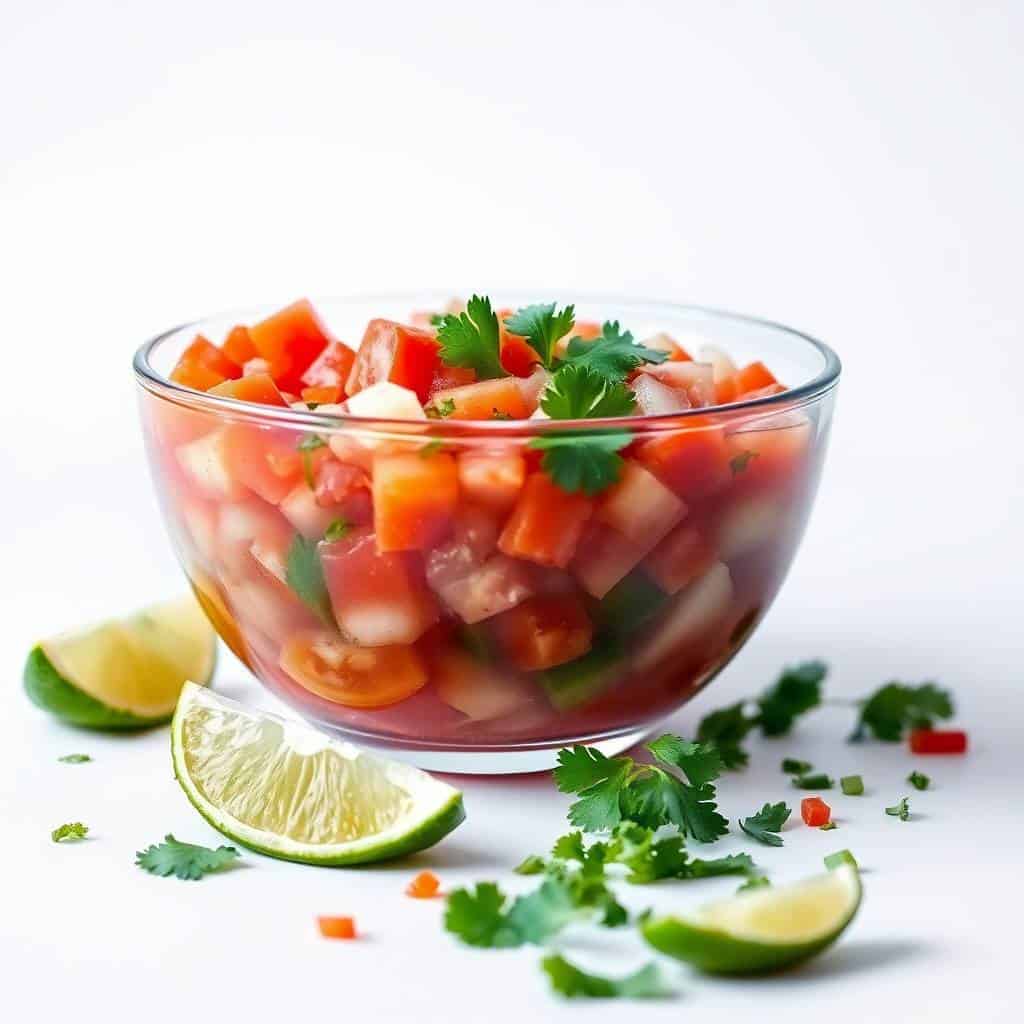
Why You'll Love This Recipe
- 10 minutes, no cooking required: I'm not exaggerating on the time. If your tomatoes are already washed, this comes together in under 10 minutes. There's no stove involved, no oven to preheat — just a cutting board and either a blender or a bowl. On taco nights when I'm already juggling three other things, that matters a lot.
- You control the heat: This is huge for families like mine where one kid wants mild and one adult wants it so spicy it hurts. Removing the jalapeño seeds keeps it gentle. Leaving the seeds in and adding a second jalapeño brings real heat. You can literally customize each batch to whoever you're feeding that day.
- It actually tastes like salsa: The jarred stuff is fine in a pinch, but it always has that slightly cooked, slightly metallic taste from the preservatives. Fresh salsa made with ripe tomatoes has a brightness that you just can't get from a jar. Once you've made it at home a couple of times, the jarred version starts to taste wrong.
- Goes on basically everything: Yes, chips and tacos are obvious. But I've also spooned this over scrambled eggs, stirred it into rice, used it as a sauce base for grilled chicken, and mixed it into a burrito bowl situation when I didn't have proper dressing. It's one of those things that just makes whatever you're eating taste more alive.
- Gets better as it sits: Unlike a lot of things you make ahead, this actually improves overnight. I've made it the morning of a dinner party and by the time guests arrive, the flavors have melded in a way that fresh-made just doesn't have. It's genuinely one of the rare things where leftovers are better than the original.
Ingredients
- 4 ripe Roma tomatoes, chopped (or 4 medium regular tomatoes)
- ½ small red onion, finely chopped
- 1–2 jalapeños, seeded and chopped (leave some seeds in for more heat)
- 2 garlic cloves, minced
- ¼ cup fresh cilantro, chopped
- Juice of 1 lime
- Salt to taste
- Optional: ½ teaspoon ground cumin
- Optional: pinch of sugar (if your tomatoes are very acidic)
Directions
- Step 1: Prep your vegetables. Chop the tomatoes, onion, jalapeños, and cilantro. Mince the garlic. If you want a chunky salsa, chop everything a bit larger — if you want it smoother, chop finer before blending. The size of your chop going in determines the texture coming out, especially if you're doing the no-blender version.
- Step 2: Combine everything. For chunky pico-style salsa, just toss all the chopped ingredients into a bowl and stir. For smoother salsa, add everything to a blender or food processor and pulse 4–6 times. Don't just press blend and walk away — pulse in short bursts so you keep some texture. I've over-blended it into soup before and it's not the same thing at all.
- Step 3: Season and taste. Add the lime juice, a generous pinch of salt, and the cumin if using. Stir, then taste it. This is where you adjust — more lime if it needs brightness, more salt if it tastes flat, a pinch of sugar if your tomatoes were a bit sour. Every batch of tomatoes is slightly different, so don't skip this step.
- Step 4: Let it rest before serving. Give it at least 15 minutes before you serve it — 30 is better. This is not optional. The salt draws moisture out of the tomatoes, the lime softens the onion, and everything comes together into something that actually tastes like salsa instead of just chopped vegetables mixed together.
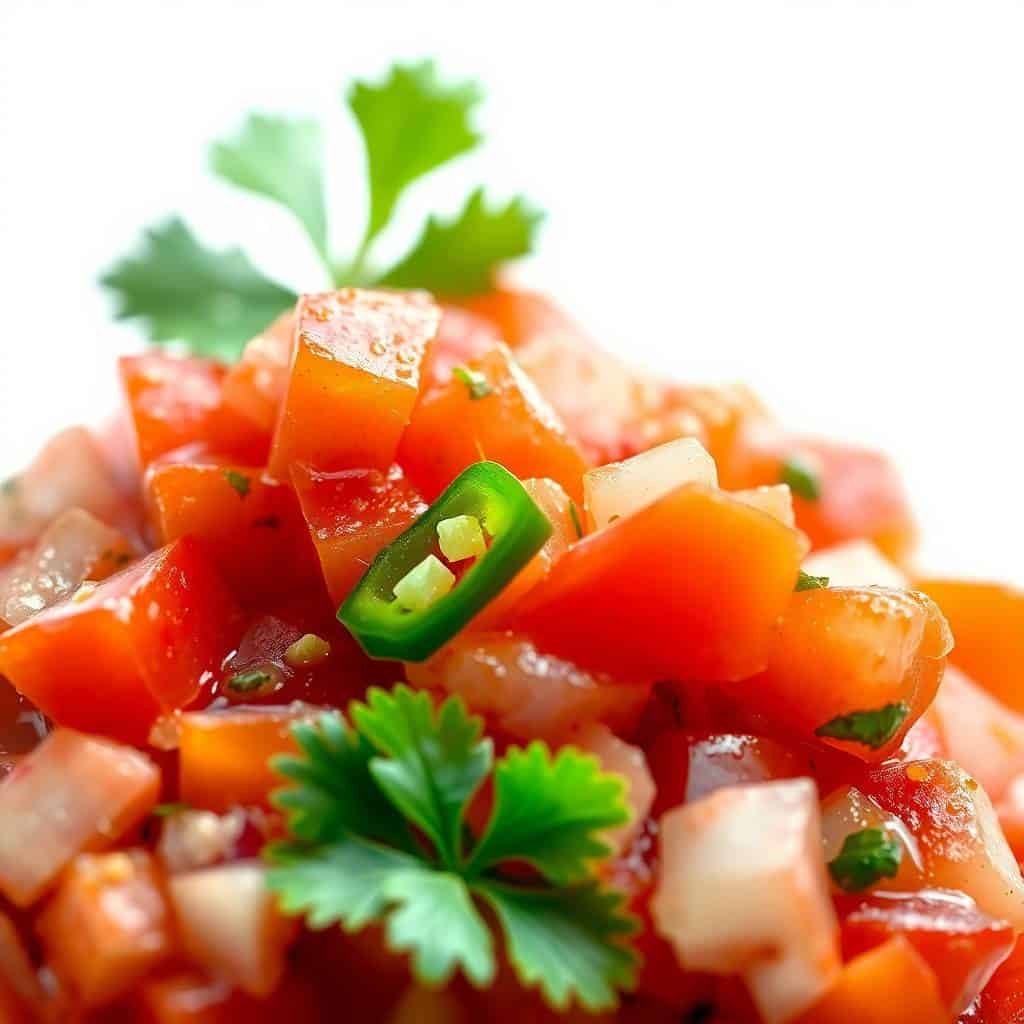
Tips for Success
- Use the ripest tomatoes you can find: This sounds obvious but it really makes the difference. Pale, hard grocery store tomatoes in January will give you a dull, watery salsa no matter what you do. Roma tomatoes tend to be meatier and less watery than regular round tomatoes, which is why I default to them. If you can find good vine-ripened tomatoes at your local store or farmer's market, use those.
- If your salsa is watery, drain it: Tomatoes release a lot of liquid, especially once you salt them. If your salsa looks more like tomato water than salsa, just tip the bowl slightly and spoon off some of the liquid, or pour it through a mesh strainer briefly. The first time I made this I skipped draining and ended up with soggy chips — learned that lesson fast.
- Don't skip the lime: I've made this without lime once when I ran out and the whole batch tasted flat and kind of dull. The lime doesn't just add sour — it lifts everything else and makes the cilantro pop. If you're completely out of lime, lemon works as a backup, but lime is really what belongs here.
- Pulse, don't blend: If you're using a blender, use the pulse function and stop every few seconds to check the texture. My blender goes from "chunky" to "pureed" in about three extra seconds if I'm not watching. For salsa, you want to see tomato pieces — not a smooth liquid. If you don't have a food processor or blender, just chop everything by hand and stir it together in a bowl. It takes maybe 5 extra minutes and works perfectly.
- Taste it after it rests, not before: I always taste my salsa right after mixing and think it needs more salt — and then after it's rested I realize it was actually fine. The salt hasn't had time to distribute yet when it's freshly made. So give it 15 minutes, then taste and adjust. You'll save yourself from over-salting.
Variations
- Fire-roasted version: Put your tomatoes, jalapeño, and a few garlic cloves on a sheet pan and roast them at 400°F (200°C) for about 10–12 minutes until charred in spots, then blend. This is my favorite version for when I'm serving it with grilled meat. The smokiness is completely different from fresh salsa — deeper, richer, almost like a restaurant-style table salsa. My husband specifically requests this one.
- Mango or pineapple salsa: Add ½ cup diced mango or pineapple to the base recipe. This is genuinely amazing with grilled chicken or fish tacos. It sounds like it shouldn't work but the sweetness against the lime and jalapeño is really good. I made this for a summer cookout last year and it was the first bowl to empty.
- Chunky pico de gallo: Skip the blender entirely. Chop everything very finely by hand and stir together. This is technically pico de gallo rather than salsa, but the ingredients are almost identical — it's just a texture difference. I actually prefer this version for tacos because the chunky pieces hold up better than blended salsa when you pile them into a taco shell.
- Extra spicy: Add a serrano pepper alongside the jalapeño, or leave all the jalapeño seeds and membranes in. Serranos are noticeably hotter than jalapeños, so start with one and taste as you go. This is what I make when it's just me and my husband eating and the kids are asleep — we both like heat, and it's the version I actually prefer.
- Canned tomato shortcut: I know real salsa uses fresh tomatoes, and I know this isn't the same thing — but in January when fresh tomatoes taste like nothing, a can of fire-roasted diced tomatoes (drained) actually makes a better salsa than pale fresh tomatoes. Brands like Hunt's or Muir Glen fire-roasted work well. It's not authentic, it's practical, and sometimes practical wins.
Serving and Storage
Serving
Serve chilled with tortilla chips, or spoon it over tacos, grilled chicken, burrito bowls, nachos, or scrambled eggs. Always give it a stir before serving — the liquid settles at the bottom as it sits. I usually pull it out of the fridge about 10 minutes before I want to serve it so it's not ice-cold straight from the refrigerator. If you're making a full spread, this pairs really well alongside something rich and creamy — even something like Buffalo Chicken Alfredo Penne if you're doing a snack table situation.
Storage
Store in an airtight container in the fridge for up to 4 days. The flavor genuinely gets better on day 2. I don't recommend freezing fresh tomato salsa — the texture goes watery and grainy after thawing and it's just not worth it. If you want to freeze something, make the roasted version first and freeze that; it holds a bit better. But honestly, fresh salsa goes fast enough in my house that I've never had leftovers past day 3.

Frequently Asked Questions
Can I use canned tomatoes instead of fresh?
Yes, and honestly in the winter months I do it all the time. Fire-roasted canned tomatoes work especially well — drain them first or your salsa will be too watery. It won't taste exactly like fresh summer tomato salsa, but it'll be a lot better than using pale, flavorless fresh tomatoes in January.
Why is my salsa so watery?
Tomatoes release water once you salt and chop them — it's just what they do. If your salsa is too thin, tip the bowl and spoon off some of the excess liquid, or drain briefly through a fine mesh strainer. Using Roma tomatoes rather than round tomatoes also helps since they have less water content to begin with.
How do I make it mild enough for kids?
Use just half a jalapeño and remove every single seed and the white membrane inside — that's where most of the heat lives. If you want flavor without any heat at all, swap the jalapeño for a small piece of green bell pepper. It won't be spicy but it still adds that slight vegetal note. I do this for Zainab's portion and set it aside before adding the second jalapeño to the main batch.
Can I make this ahead of time?
Absolutely — this is actually one of those recipes that benefits from being made ahead. I often make it the morning of a dinner and let it sit in the fridge all day. By the time we eat, the lime has softened the onion, the salt has drawn the flavors out of the tomatoes, and the whole thing tastes much more put-together than it does freshly made.
Can I freeze homemade salsa?
I don't recommend freezing fresh tomato salsa. The tomatoes get mushy and watery when they thaw and the whole texture changes. Fresh salsa keeps well in the fridge for 4 days, which is usually more than enough time. If you're making a large batch specifically to preserve, the roasted version holds up slightly better in the freezer than the fresh version.
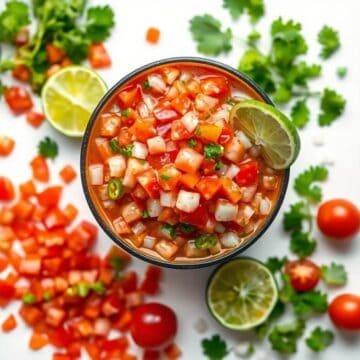
HOMEMADE SALSA
Ingredients
- 4 medium ripe tomatoes or 1 can diced tomatoes, drained
- 1 small onion chopped
- 1 –2 cloves garlic minced
- 1 –2 jalapeños or green chilies chopped (seeded for less heat)
- ½ cup fresh cilantro leaves
- Juice of 1 lime
- Salt to taste
- Optional: ½ teaspoon ground cumin or pinch of sugar
Instructions
Blend the Ingredients:
- In a blender or food processor, combine tomatoes, onion, garlic, jalapeños, and cilantro. Pulse until desired texture—chunky or smooth.
Season and Adjust:
- Add lime juice, salt, and optional cumin or sugar. Blend again briefly to mix. Taste and adjust seasoning.
Serve or Chill:
- Serve immediately with chips or chill for 30 minutes to allow flavours to blend.
Notes
Make Ahead: Keeps well in an airtight container in the fridge for up to 5 days.
Spice Level: Adjust jalapeños to control heat—use more for spicy, less for mild.
Freezing Tip: Freeze in portions for up to 2 months; thaw and stir before using.
Serving Ideas: Use on tacos, burrito bowls, nachos, grilled meats, or eggs.
This is one of those recipes I keep coming back to because it requires almost nothing from me and delivers every single time. Ten minutes, one bowl, a handful of ingredients — and somehow it's the thing guests ask about most at any table spread. I make a double batch on taco nights now because a single batch evaporates before dinner is even fully on the table.
If you're putting together a full party spread, this salsa sits really well alongside something like Mississippi Sin Dip — the rich, cheesy dip and the bright fresh salsa balance each other out perfectly. And if you need something on the sweeter side for dessert after all that heat, I'd point you toward the Strawberry Fluff — it's light and cold and exactly what you want after spicy food.
I know I said this in the intro but I want to say it again: let it rest. If there's one thing I want you to actually take from this post, it's that. Make the salsa, put it in the fridge, go do something else for 20 minutes. You'll come back to something that tastes completely different — in the best way. That's the whole secret. 🍅🌿
If you liked this recipe, here are a few more things from my kitchen you might want to try:
- Mississippi Sin Dip (Creamy, Cheesy Bread Bowl Party Dip) — the richest, most crowd-disappearing dip I make
- Buffalo Chicken Alfredo Penne (Spicy, Creamy 30-Min Dinner) — great for when you want something hearty with heat
- Strawberry Fluff — light, cold, and perfect after a spicy meal
- Creamy Chicken Tuscan Pasta — one of the most-made recipes in my house on weeknights
- Cottage Cheese Cookie Dough Bites with Chocolate Chips (No-Bake, High-Protein) — a surprisingly good snack to have next to a chips-and-dip spread


Comments
No Comments