
I used to think hollandaise was one of those sauces only restaurant chefs could make — the kind of thing that requires culinary school and a double boiler you paid too much for. The first time I attempted it, I scrambled the eggs completely and ended up with buttery lemon-flavored curds. Not exactly what I was going for.
What I eventually figured out is that hollandaise isn't complicated — it just requires your full attention for about five minutes. You need low heat, constant whisking, and patience when adding the butter. That's genuinely it. No fancy equipment, no special technique. I make it with a regular heatproof bowl set over a small saucepan, and a whisk I've had for years.
In my house, hollandaise mostly shows up on weekend mornings when I'm making eggs Benedict — or sometimes just spooned over steamed asparagus, which my husband loves. Zainab is not convinced by it yet (she called it "yellow sauce" and made a face), but Saad ate it over scrambled eggs and asked if we could have it again the following Sunday. So that's a win.
One thing to set expectations on: hollandaise does not keep well. You make it, you eat it. I usually pull it together right before we sit down to eat, which means it's warm, silky, and ready to go. If you're planning a big brunch spread, finish everything else first — the crab cake egg rolls, the fruit salad, whatever else you're serving — then make the hollandaise last.
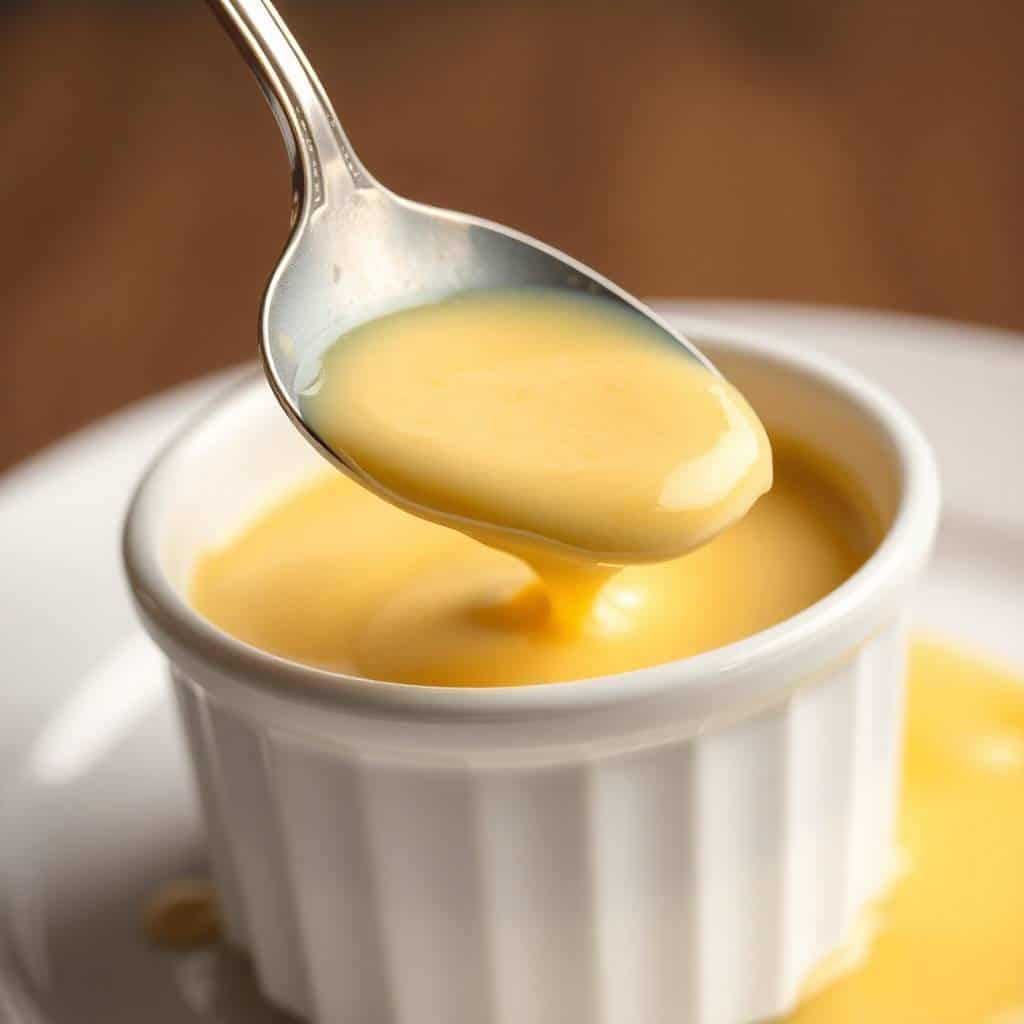
Why You'll Love This Recipe
- Only four real ingredients: Egg yolks, butter, lemon juice, and salt. That's the whole sauce. The cayenne is optional but I always add it because it cuts through the richness in a way that makes the whole thing taste more balanced. You don't need anything obscure or hard to find — everything here comes from a regular grocery run.
- Ready in under ten minutes: Once your water is simmering, the actual sauce comes together in five minutes of active whisking. I've made this on a Tuesday morning before school drop-off when I was feeling ambitious. It's faster than most people expect, which is part of why hollandaise gets an unfair reputation for being difficult.
- The texture is genuinely special: When it works, hollandaise has this silky, pourable consistency that coats everything evenly without feeling heavy. It clings to asparagus spears, pools perfectly around a poached egg, drapes over fish without making it soggy. No thickener, no cream — just the emulsion doing its job.
- It works on more than just brunch dishes: Yes, eggs Benedict is the classic use. But I've also spooned this over grilled salmon, steamed broccoli, and roasted potatoes. Once you have a batch, you start noticing how many things it improves. It's one of those sauces that makes a simple plate feel intentional.
- No stand mixer, no blender required: Just a whisk, a bowl, and a saucepan. I know there's a blender method (I've included it in the variations below), but the stovetop version gives you more control, and control is what makes or breaks this sauce. If you don't have a heatproof glass bowl, any metal mixing bowl that sits securely over your saucepan works fine.
Ingredients
- 3 large egg yolks
- 1 tablespoon fresh lemon juice
- ½ cup (1 stick / 113g) unsalted butter, melted and kept warm
- Pinch of salt, to taste
- Pinch of cayenne pepper or white pepper (optional, but recommended)
Directions
- Set up your double boiler: Fill a small saucepan with about 1–2 inches of water and bring it to a gentle simmer over medium-low heat. Set a heatproof bowl over the saucepan — it should sit above the water, not touch it. The steam is what heats the eggs gently; if the bowl touches the water, things get too hot too fast and you end up with scrambled eggs.
- Whisk the yolks and lemon juice: Add the egg yolks and lemon juice to the bowl off the heat first. Whisk them together until the mixture is slightly pale and a bit thicker than when you started. This pre-whisking step matters — it starts the emulsion before any heat gets involved.
- Cook the mixture over steam: Place the bowl over the simmering water and whisk continuously. The mixture will gradually thicken and become creamy — this takes about 3 to 5 minutes. Don't walk away. If it starts to look like it's cooking on the edges and clumping, pull the bowl off the heat immediately and keep whisking. You can go back and forth as needed.
- Stream in the butter slowly: While whisking constantly, begin drizzling the warm melted butter in a thin, slow stream. Start with just a few drops, then gradually increase to a thin drizzle as the sauce comes together. Adding it too fast is the most common reason hollandaise breaks — the emulsion can't keep up. Take your time here.
- Season and serve right away: Remove from heat, taste, then season with salt and cayenne or white pepper if you're using it. Serve immediately — hollandaise waits for no one.
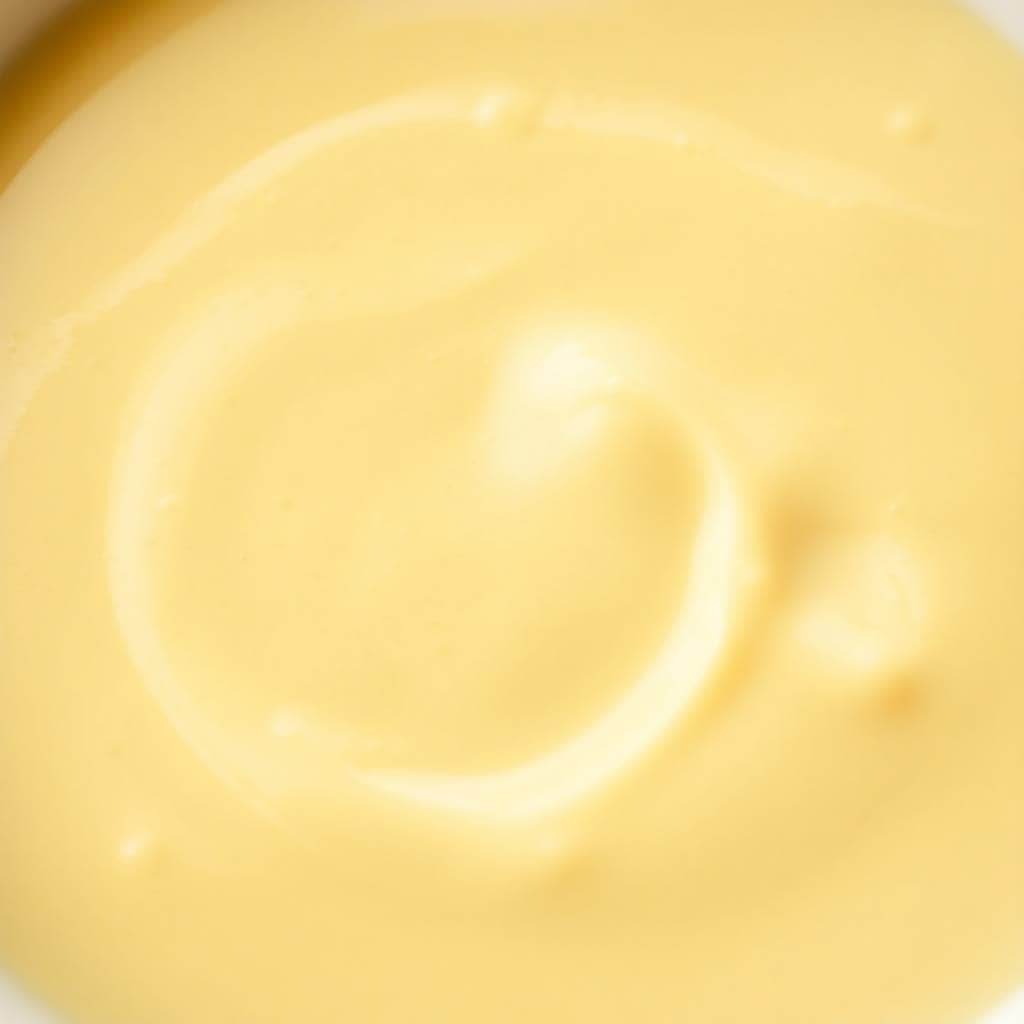
Tips for Success
- Keep the heat low and indirect: This is the single most important thing. Direct heat scrambles the yolks before they have a chance to emulsify. The double boiler method exists specifically to protect against this. If your saucepan is boiling hard and steam is blasting up, turn it down. You want a lazy simmer, not a full boil.
- Keep your butter warm, not hot: I learned this the hard way. If the butter is scalding when it hits the yolks, it can break the emulsion or partially cook the eggs. Melt the butter, then let it sit for a minute or two before you start adding it. Warm is what you want — around body temperature feels right when you test a drop on your wrist.
- Don't stop whisking: The moment you stop, the eggs at the bottom of the bowl start to set unevenly. Constant motion keeps everything moving, keeps the heat distributed, and keeps the emulsion stable. Your arm will get tired around the two-minute mark. Push through it — the sauce is worth it.
- Use fresh eggs if you can: Fresher yolks are more stable and create a thicker, glossier sauce. I usually use eggs I've picked up recently from Walmart or Costco — nothing fancy, just not eggs that have been sitting in the back of my fridge for two weeks. If you have access to good fresh eggs, now's the time to use them.
- Know how to fix a broken sauce: If the sauce splits and looks greasy and curdled, don't throw it out. Grab a clean bowl, whisk a fresh egg yolk in it, then slowly whisk your broken sauce into the fresh yolk — same as adding butter, just a thin drizzle. It comes back together most of the time. I've saved a broken hollandaise this way twice.
Variations
- Dijon mustard version: Whisk in 1 teaspoon of Dijon mustard at the end. It adds a slightly sharper, more complex flavor that works really well over roasted vegetables or grilled chicken. This is my husband's preferred version — he adds it himself at the table if I forget.
- White wine vinegar instead of lemon: Swap the tablespoon of lemon juice for white wine vinegar to get a sharper, more classically French flavor. This is technically closer to the original bistro-style hollandaise. The lemon version is milder and a little brighter — I prefer it, but the vinegar version is worth trying at least once.
- Garlic butter version: Before you melt the butter, drop a crushed garlic clove into the pan and let it infuse over very low heat for a couple of minutes. Remove the garlic, then use the butter as usual. The result is subtle but noticeably more savory — good over grilled fish or alongside something like a Tuscan tuna salad when you want to serve a few sauces at once.
- Herbed hollandaise: Stir in 1 tablespoon of finely chopped fresh tarragon, dill, or flat-leaf parsley right at the end. Tarragon is the classic pairing — it's what makes a béarnaise, technically — but dill works beautifully over salmon. The herbs add color and a freshness that cuts through the richness of the butter.
- Blender method: If you want a shortcut, blend the egg yolks and lemon juice in a regular blender for about 30 seconds, then with the blender running on low, slowly pour in very hot (almost bubbling) melted butter through the lid opening. The hot butter gently cooks the yolks as it emulsifies. This is not the traditional method but it works, and it's faster. Just don't let the butter cool before adding it — unlike the stovetop method, here the heat of the butter is what cooks the eggs.
Serving and Storage
Serving
Serve hollandaise warm, right after making it. It goes over poached eggs and Canadian bacon for a classic eggs Benedict, but I also spoon it over steamed asparagus, roasted broccoli, and grilled salmon. If I'm making a weekend brunch spread, everything else gets plated first — sometimes I'll have brown sugar potatoes on the side — then the hollandaise goes on last, right before we sit down. You can keep it warm for up to an hour by leaving the bowl set over the saucepan of hot (not simmering) water and stirring occasionally.
Storage
Hollandaise doesn't store well, and I'm not going to pretend otherwise. It's a raw-egg emulsion held together by temperature and chemistry, and both of those things fall apart once it sits. If you do have leftovers, you can refrigerate them for up to one day and reheat very gently — set the container in a bowl of warm water and stir slowly, not over direct heat. But honestly, I usually just make as much as I'll use. This recipe makes about ½ cup, which is the right amount for two to three servings.
Frequently Asked Questions
Can I make hollandaise sauce ahead of time?
It's really best made fresh, right before you eat. That said, you can hold it warm for up to an hour by keeping the bowl set over hot (not simmering) water and giving it a stir every few minutes. If you refrigerate it and reheat, do it very gently — a warm water bath, not the stovetop — and even then, it may not come back to exactly the same texture.
Why did my hollandaise sauce split or break?
The two most common reasons are heat that got too high, or butter added too fast. Both shock the emulsion. If your sauce breaks, don't panic — whisk a fresh egg yolk in a clean bowl, then slowly drizzle the broken sauce into it while whisking. It usually comes back together. I've rescued a broken batch more than once this way.
Can I use whole eggs instead of just the yolks?
You can, but the sauce won't be the same. The yolks are what create the rich, thick, stable emulsion that hollandaise is known for. Whole eggs add the whites, which behave differently under heat and produce a thinner, less glossy result. I'd stick with yolks for this one.
Can I freeze hollandaise sauce?
No — freezing breaks the emulsion completely. When it thaws, the butter separates from the egg yolks and you end up with a greasy, curdled mess. There's no fixing it after that. Make only what you need; this recipe is small enough that leftovers shouldn't be an issue.
Can I make this dairy-free?
Yes, and it actually works better than you'd expect. Use a good dairy-free butter — I've tried it with Earth Balance and it holds together well. The flavor is slightly different since most dairy-free butters have a different fat composition, but the texture and technique are the same. Just make sure whatever you use is melted and warm, not hot.
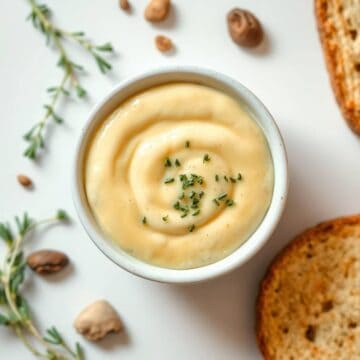
HOLLANDAISE SAUCE RECIPE
Ingredients
- 3 large egg yolks
- 1 tablespoon fresh lemon juice
- ½ cup unsalted butter 1 stick, melted and hot
- Salt to taste
- Cayenne pepper or white pepper to taste (optional)
Instructions
Prepare a Double Boiler:
- Fill a saucepan with about 1–2 inches of water and bring to a gentle simmer. Place a heatproof bowl over the saucepan without touching the water.
Whisk Egg Yolks and Lemon:
- In the bowl, whisk together egg yolks and lemon juice until the mixture is light and slightly thickened.
Cook and Whisk:
- Place the bowl over simmering water. Whisk continuously as the mixture heats until it thickens, about 3–5 minutes. Do not let the eggs scramble.
Slowly Add Butter:
- Gradually drizzle in the hot melted butter while whisking vigorously to create a smooth, creamy sauce.
Season:
- Remove from heat. Season with salt and a pinch of cayenne or white pepper if desired.
Serve Immediately:
- Use warm over eggs Benedict, asparagus, or grilled fish.
Notes
- Make Ahead: Hollandaise sauce is best served fresh but can be kept warm for up to 1 hour.
- Customizing the Flavor: Add a dash of Dijon mustard or a pinch of smoked paprika for variation.
- Serving Suggestions: Perfect for eggs Benedict, steamed vegetables, or drizzled over fish.
- Allergy-Friendly Options: Use dairy-free butter for a lactose-free version.
- Storage Tips: Do not refrigerate leftover sauce. Reheat gently with caution or discard.
Hollandaise is one of those things that feels like a big deal the first time you make it, and then surprisingly casual by the third or fourth time. I remember being genuinely nervous about ruining it — and I did ruin it, the first time, completely. Scrambled lemony eggs. But once I slowed down and paid attention to the heat and the pace of the butter, it clicked. Now it's something I genuinely enjoy making on a slow weekend morning.
The sauce itself is not authentically Pakistani — this is a French classic and I'm not going to claim otherwise. But it fits into my kitchen because my family eats everything, and there's something satisfying about mastering a technique that most people assume is out of reach. I make a half batch most of the time, which is just enough for two adults and one kid who's willing to try it.
If you're planning a bigger brunch, this pairs well alongside something fresh — an easy frozen fruit salad on the side works nicely and you can make it hours ahead so the hollandaise gets your full attention at the end. And if you're looking for something sweet to finish the meal, my caramel apple dip takes ten minutes and no cooking at all.
Give this one a go on a Saturday when you have a little time. Set up your double boiler, melt your butter, and commit to five uninterrupted minutes of whisking. That's all it takes. 🥄✨
If you liked this recipe, here are a few more you might want to try:
- Crab Cake Egg Rolls — a great brunch appetizer or party starter
- Brown Sugar Potatoes — my favorite thing to serve alongside eggs on a weekend morning
- Tuscan Tuna Salad — light, bright, and easy to pull together for lunch after a big brunch
- Easy Frozen Fruit Salad — make it the night before and forget about it until you're ready to serve
- Caramel Apple Dip with Toffee Bits — ten minutes, no baking, and everyone goes back for more



Comments
No Comments