
My husband eats two of these every weekday morning before his work commute (along with a cup of coffee and a piece of fruit) and reports staying genuinely full until lunch without the mid-morning energy crash he was getting from his previous toast-and-jam routine.
My mother in Pakistan would recognize the underlying principle of these protein biscuits because Pakistani breakfast traditions also emphasize protein-and-fat foundations — paratha with eggs, halwa puri with chickpea curry, sheermal with kheema — the idea that breakfast must include real protein to sustain energy isn't an American innovation but a universal nutrition principle that crosses cultures.
Why You'll Love This Recipe
- 15 grams of protein per biscuit — genuine satiety for busy mornings: Each biscuit delivers about 15 grams of protein from the combination of protein powder (8-10g), Greek yogurt (3-4g), and eggs (3-4g). This protein content is genuinely substantial — comparable to two large eggs or a small chicken breast — and it provides the satiety that prevents mid-morning hunger crashes. For kids like Saad who were getting hungry by 10 AM on lower-protein breakfasts, these biscuits actually solve the problem. For adults like my husband who need sustained energy through morning meetings without a 10:30 AM coffee-and-snack break, the protein content delivers genuine 4-hour satiety.
- Make-ahead friendly — bake once, eat for a week: One Sunday baking session of 12 biscuits produces enough breakfasts for the entire workweek for one person, or 3-4 days for a family of two adults. The biscuits store beautifully at room temperature for 2 days, in the refrigerator for 5 days, or in the freezer for 2 months. For busy weekday mornings when nobody has time to cook breakfast from scratch, having pre-baked protein biscuits ready to grab transforms morning chaos into 60-second breakfast assembly. The math of "30 minutes Sunday baking = 12 weekday breakfasts" is genuinely the meal-prep approach that respects how hectic actual weekday mornings are.
- Genuinely kid-friendly — both my kids eat them without complaint: Saad inhales these biscuits and calls them "muffin biscuits" (his combination naming describes the soft muffin interior with biscuit-like exterior). Zainab eats them with butter and a drizzle of honey on top (her preferred preparation that adds slight sweetness she likes). For mixed-age households where getting kids to eat the same breakfast as adults is its own daily victory, this recipe is the kind of universal-acceptance winner that earns permanent rotation status. The sweetness is moderate (just honey or maple syrup), the texture is soft and approachable, and the flavor is mild enough that kids don't reject it on principle.
- Endlessly customizable — same template, infinite flavor variations: Same base technique (oat flour + protein powder + Greek yogurt + eggs + binder + sweetener) accommodates infinite variations through the year — sweet chocolate chip version, savory cheese-and-herb version, banana-walnut version, blueberry-lemon version, pumpkin-spice fall version, Pakistani-American cardamom-pistachio hybrid. The template scales with what flavor profile your family is in the mood for that particular week and what ingredients you already have available. One basic recipe becomes a permanent foundation for dozens of variations across the entire year.
- Multi-purpose — breakfast, snack, post-workout fuel, school lunchbox addition: Beyond just-breakfast duty, these biscuits transform into multiple meal applications throughout the day — afternoon snack with a piece of fruit, post-workout fuel within 30 minutes of exercise, school lunchbox addition alongside a sandwich, post-school hunger killer until dinner, pre-soccer-practice energy snack for Saad. My husband packs one in his work bag for an afternoon snack during long workdays. The "one recipe, multiple meal applications" math is the kind of versatility that justifies the 30 minutes of baking effort because it produces functional food for dozens of different daily situations.
Ingredients
- For the Base Protein Biscuits (Makes 12):
- 2 cups oat flour (or blend 2.5 cups rolled oats in a food processor to make your own)
- 1 cup vanilla protein powder (whey or plant-based — see Tips for selection)
- 2 teaspoon baking powder
- 1 teaspoon baking soda
- ½ teaspoon salt
- 1 teaspoon cinnamon (optional but adds warmth)
- 1 cup whole-milk Greek yogurt (plain or vanilla)
- 3 large eggs, room temperature
- ⅓ cup honey or maple syrup
- 3 tablespoon olive oil or melted unsalted butter
- 1 teaspoon vanilla extract
- Optional Add-Ins (pick 1-2 for variations):
- ½ cup dark chocolate chips (sweet kid-favorite version)
- ½ cup chopped almonds, walnuts, or pecans (extra protein and crunch)
- ½ cup fresh blueberries or chopped strawberries
- 1 mashed ripe banana (replace ⅓ of the yogurt with this for banana version)
- 2 tablespoon chia or flax seeds (extra fiber)
- ¼ cup chopped pistachios (for Pakistani-American variation)
- 1 teaspoon ground cardamom (for Pakistani-American variation)
- For Topping (Optional):
- 2 tablespoon rolled oats (sprinkle on top for visual texture)
- 1 tablespoon honey or maple syrup (brush after baking for shine and sweetness)
- 1 tablespoon chopped nuts (for textural contrast)
Directions
- Step 1: Preheat oven and prep the baking sheet (5 minutes). Preheat your oven to 350°F (175°C). Line a large baking sheet with parchment paper (parchment is genuinely better than greasing the pan — it prevents sticking and makes cleanup effortless). If you're making oat flour from rolled oats, do this now: blend 2.5 cups of rolled oats in a food processor or blender for 60-90 seconds until they reach a flour-like consistency. The homemade oat flour is significantly cheaper than store-bought (oats cost about $0.30 per cup vs $0.60 for oat flour) and works identically in this recipe.
- Step 2: Whisk together dry ingredients (3 minutes). In a large mixing bowl, whisk together the oat flour, protein powder, baking powder, baking soda, salt, and cinnamon (if using). Whisking the dry ingredients thoroughly is important — protein powder can clump if not properly distributed, which produces uneven texture in the finished biscuits. Make sure the protein powder is fully mixed into the oat flour with no visible powder pockets. This dry-mix step is the foundation for successful biscuits; rushing it produces uneven results.
- Step 3: Whisk together wet ingredients (3 minutes). In a separate medium bowl, whisk together the Greek yogurt, eggs, honey (or maple syrup), olive oil (or melted butter), and vanilla extract until smooth and uniformly combined. The Greek yogurt should be fully incorporated with no white streaks. Honey should be liquid (microwave 15 seconds if it's crystallized). The wet mixture should look like pourable thick yogurt with a slight golden color from the eggs.
- Step 4: Combine wet into dry GENTLY (2 minutes). Pour the wet mixture into the dry ingredients. Using a rubber spatula, fold gently until just combined — do NOT overmix. Overmixing develops gluten in the oat flour (yes, oats have some gluten-like behavior even though they're not technically gluten-containing), which produces dense, tough biscuits instead of soft tender ones. Stop folding the moment you can no longer see dry oat flour streaks. The dough should be thick but soft, similar to muffin batter but slightly stickier.
- Step 5: Add any optional mix-ins (1 minute). Gently fold in your chosen mix-ins (chocolate chips, nuts, blueberries, or whatever variation you're making). Use just 2-3 folds — minimum handling to distribute the mix-ins evenly without overmixing the dough. For chocolate chip version: ½ cup chocolate chips. For banana version: 1 mashed banana already incorporated in the wet ingredients. For Pakistani-American: ¼ cup pistachios + 1 teaspoon cardamom mixed in the dry ingredients in Step 2.
- Step 6: Portion and shape on the baking sheet (3 minutes). Using an ice cream scoop or large spoon, portion the dough into 12 equal mounds on the prepared baking sheet, spaced about 2 inches apart. The dough will be slightly sticky — wet your hands lightly with water if shaping is difficult. Don't flatten the mounds significantly; they should be slightly domed (about 2 inches in diameter and 1.5 inches tall). Sprinkle the tops with optional rolled oats for visual texture. If you want very uniform biscuits, use a ¼-cup measuring cup as a scoop.
- Step 7: Bake for 15-18 minutes (15-18 minutes). Bake at 350°F for 15-18 minutes, or until the tops are lightly golden brown, the edges are firm to the touch, and a toothpick inserted in the center comes out clean (or with just a few moist crumbs). Rotate the baking sheet halfway through (around the 8-minute mark) for even browning. Do NOT overbake — protein powder makes baked goods dry out faster than regular flour, so pulling the biscuits at the minimum recommended time produces soft moist biscuits while overbaking produces dry rubbery biscuits.
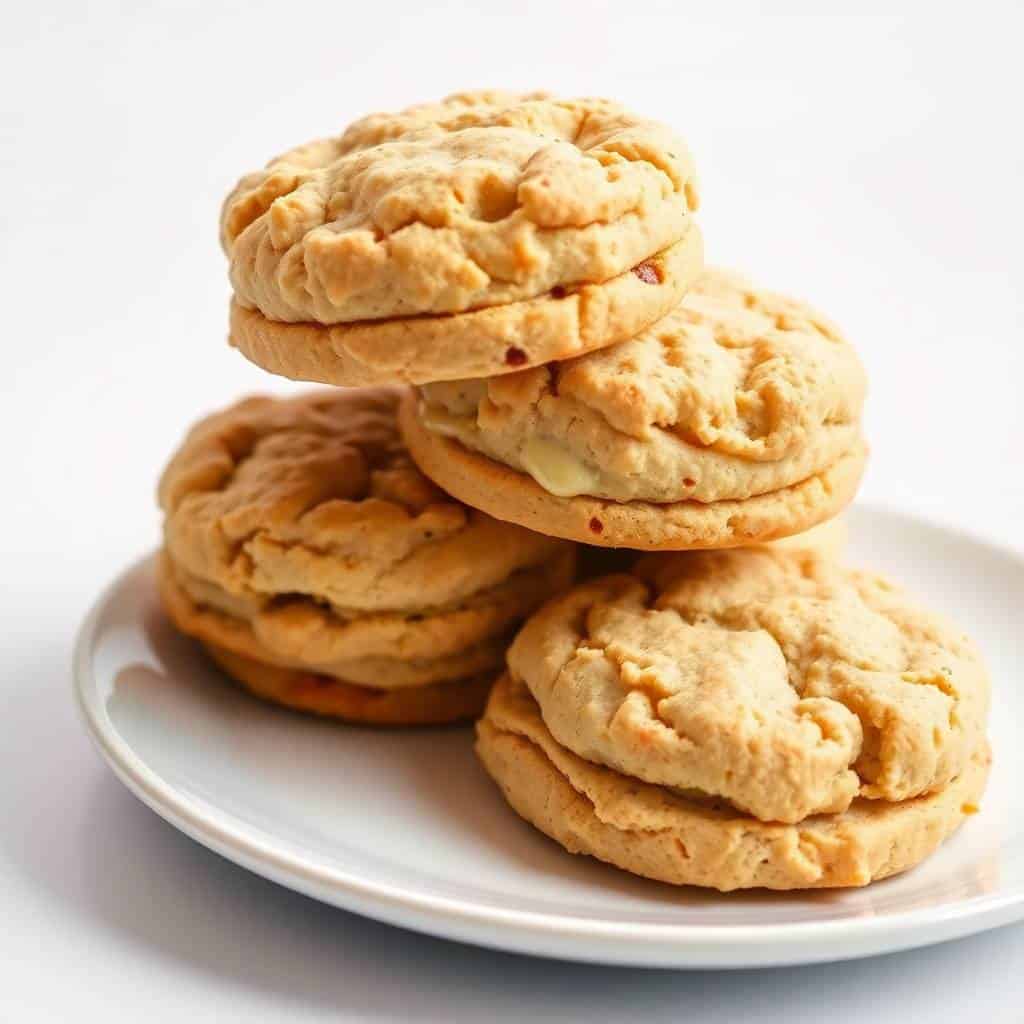
- Step 8: Cool, then optionally glaze (10 minutes). Remove from the oven and let the biscuits cool on the baking sheet for 5 minutes (they continue cooking from residual heat and firm up during this rest). Transfer to a wire rack to cool completely (another 10 minutes). For optional glaze: brush warm biscuits with 1 tablespoon of honey or maple syrup mixed with 1 tablespoon of warm water — this adds visual shine and slight extra sweetness. Sprinkle with chopped nuts if desired. Once fully cooled, the biscuits are ready for breakfast, snacks, or storage.
Tips for Success
- Choose protein powder carefully — vanilla flavored, neutral taste, no artificial sweeteners. The single biggest factor in whether protein biscuits taste good or taste like chalky workout food is the quality of your protein powder. Bad protein powder dominates the finished biscuit flavor with artificial-sweetener aftertaste, chalky texture, and weird off-notes. Good protein powder integrates seamlessly with the other ingredients. My household preferences: whey protein powder is more affordable and bakes more reliably (Optimum nutrition information Gold Standard Whey, Premier Protein, or Garden of Life Sport are reliable options). Plant-based protein powders work for vegan households (Garden of Life Raw Organic Protein or Vega Sport Performance Protein). Avoid: protein powders with sucralose or aspartame (artificial sweeteners that taste worse when baked) and protein powders with artificial colors or excessive ingredient lists.
- Do NOT overmix the dough — gentle folding preserves tender texture. Overmixing is the most common mistake home bakers make with protein biscuits. The protein powder + oat flour combination develops gluten-like behavior when mixed too aggressively, which produces dense rubbery biscuits instead of soft tender ones. The proper technique: fold the wet into the dry just until no dry oat flour streaks remain — typically 8-12 strokes with a rubber spatula. Resist the urge to make the dough "fully smooth" — slight lumpiness in the dough produces optimal texture in the finished biscuit. Add-ins should be folded in with another 2-3 strokes only. Total mixing time from "pour wet into dry" to "scooping onto baking sheet" should be under 90 seconds.
- Check biscuits at minimum baking time — protein dries out faster than regular flour. Protein powder absorbs and retains less moisture than regular flour, which means protein-baked goods are at risk of drying out faster than their non-protein equivalents. The proper approach is to check biscuits at the minimum suggested baking time (15 minutes), not the maximum (18 minutes). A toothpick should come out clean or with just a few moist crumbs — if it comes out with wet batter, bake another 2-3 minutes; if it comes out completely dry, you've already overbaked. The "tops should look just barely golden" is a more reliable visual cue than aggressive browning. Better to pull biscuits slightly underdone (they continue cooking from residual heat for 5 more minutes on the hot pan) than overbake.
- Use ROOM TEMPERATURE eggs and yogurt — cold ingredients produce uneven texture. Cold eggs and cold Greek yogurt don't blend smoothly with the warm honey and oil components, which produces a streaky, separated dough that bakes into uneven biscuits. Take eggs and yogurt out of the refrigerator 30 minutes before baking, OR submerge eggs in warm (not hot) water for 5 minutes to bring them to room temperature quickly. Same for yogurt — let sit at room temperature for 20-30 minutes, or microwave for 15 seconds in 5-second bursts to take the chill off (don't actually heat the yogurt, just remove the cold). Room temperature ingredients integrate smoothly and produce uniformly textured biscuits.
- Make homemade oat flour to save money — 60-second food processor job. Store-bought oat flour costs about $0.60 per cup. Rolled oats cost about $0.30 per cup. Making your own oat flour takes 60-90 seconds in a food processor (or high-powered blender) and produces identical results to store-bought. The math is straightforward: $0.30 per cup saved x 2 cups per recipe = $0.60 saved per batch. Over 30+ batches per year, this adds up to $20+ savings annually for essentially identical product. Make a larger batch of oat flour at once (5-10 cups) and store in an airtight container in the pantry for up to 3 months. Use for protein biscuits, pancakes, muffins, and any baking recipes that call for oat flour.
Variations
- Chocolate chip kid-favorite version (Saad's preferred): Add ½ cup of dark chocolate chips (60-70% cacao for less sugar) to the dough during Step 5. Sprinkle a few additional chips on top of each biscuit before baking for visual appeal. The result is a slightly indulgent but still nutritionally substantial breakfast biscuit — the protein content is unchanged, just with the added sweetness and treat-feeling of chocolate chips. This is Saad's absolute favorite version and the one I make most often for his school week breakfasts. The combination of dark chocolate and oats also adds antioxidants that white-chocolate-chip versions wouldn't provide.
- Savory cheese-and-herb version (adult breakfast or lunch option): Skip the honey/maple syrup and reduce the cinnamon. Add ¾ cup of shredded sharp cheddar cheese, 2 tablespoons of fresh chives or scallions (finely chopped), 1 teaspoon of garlic powder, and ¼ teaspoon of freshly cracked black pepper to the dough. The result is a savory biscuit that works beautifully for breakfast alongside eggs and avocado, OR for lunch alongside soup or salad. My husband loves this version for his work-lunch boxes paired with sliced turkey and a piece of fruit. The savory version is also more substantial-feeling than the sweet versions, which makes it appropriate for hungrier eaters.
- Banana-walnut version (whole-food sweetness): Mash 1 ripe banana into the wet ingredients (replacing ⅓ of the Greek yogurt). Reduce the honey to 2 tablespoons (banana adds natural sweetness). Add ½ cup of chopped walnuts to the dough. Add a pinch of nutmeg in addition to the cinnamon. The result tastes like a banana bread protein biscuit — naturally sweet, deeply flavorful, and substantially more whole-food-focused than the sugar-sweetened versions. This is my preferred version for using up over-ripe bananas that would otherwise become banana bread or smoothies. The banana also adds potassium and additional fiber.
- Blueberry-lemon version (bright spring-summer flavor): Add ½ cup of fresh blueberries (gently folded in to avoid bursting them) and 2 tablespoons of fresh lemon zest. Add 1 tablespoon of fresh lemon juice to the wet ingredients. Replace the cinnamon with ½ teaspoon of vanilla bean paste or doubled vanilla extract. The result is a bright, summery, slightly tart-sweet biscuit that feels like a healthier version of blueberry muffins. Pairs beautifully with morning tea or coffee for a slow weekend breakfast. The blueberries add antioxidants and the lemon adds vitamin C.
- Pakistani-American cardamom-pistachio version (Sana's hybrid): Add 1 teaspoon of ground cardamom to the dry ingredients. Add ¼ cup of chopped pistachios to the dough. Replace the vanilla extract with 1 teaspoon of rose water and ½ teaspoon of vanilla extract. Add a pinch of saffron threads (steeped in 1 tablespoon of warm milk before adding to the wet ingredients). The result is a Pakistani-American take on protein biscuits that bridges the American breakfast tradition with the cardamom-rose-saffron-pistachio flavor combination my mother in Pakistan would recognize from her halwa, sheermal, and Eid sweets. My husband requests this version specifically during Ramadan when we need sustaining sehri foods that taste familiar.
Serving and Storage
How to Serve
Serve warm or at room temperature with a variety of accompaniments depending on the time of day and occasion. For weekday breakfasts: pair 1-2 biscuits with Greek yogurt and fresh fruit, a glass of milk, or coffee/tea for adults. For weekend slow breakfasts: serve warm biscuits with butter, additional honey, nut butter (almond or peanut butter), or jam. For post-workout fuel: 1-2 biscuits within 30 minutes of exercise alongside a protein shake or a glass of milk. For school lunchbox additions: pack 1 biscuit alongside a sandwich, fruit, and yogurt for a balanced lunchbox. For afternoon snacks: 1 biscuit with a piece of cheese, fruit, or nut butter sustains energy until dinner. For Pakistani-American variation: serve warm with kashmiri chai or doodh patti chai for a fusion breakfast that bridges American convenience with South Asian flavor familiarity. The biscuits work warm (slightly more indulgent feeling) or at room temperature (more practical for meal-prep portions). They reheat beautifully in a microwave for 15-20 seconds, in a toaster oven for 2-3 minutes, or in a 300°F oven for 5 minutes.
How to Store
Room temperature storage: store cooled biscuits in an airtight container at room temperature for up to 2 days. The texture stays moist and the flavor is at peak quality for the first 2 days. Refrigerator storage: store in an airtight container in the refrigerator for up to 5 days. The texture firms up slightly in the fridge (some might describe it as denser); reheat for 15-20 seconds in the microwave to soften back to peak texture. Freezer storage: this is genuinely the best option for meal prep. Cool biscuits completely, wrap individually in plastic wrap, and place in a freezer-safe bag for up to 2 months. To use frozen biscuits: thaw overnight in the fridge OR microwave for 30-45 seconds from frozen. For meal-prep applications, this protein biscuit transforms morning logistics — bake a batch of 12 on Sunday, freeze 8 individually, refrigerate 4 for the next 4 days, and have homemade protein-rich breakfast ready every workday morning for 2 weeks straight. The "30 minutes Sunday baking = 12 weekday breakfasts" math is genuinely the meal-prep math that justifies the upfront effort. For traveling: pack 2-3 individually-wrapped biscuits in your carry-on bag for road trips, flights, or workdays away from your normal lunch options — they're shelf-stable for 8-10 hours at room temperature, which makes them genuinely portable workout fuel and snack option.
Related Recipes You Might Like
If you loved these healthy breakfast protein biscuits, here are more family-friendly meal-prep and breakfast recipe collections from the site that pair beautifully with busy school mornings and weekend slow breakfasts:
- The Best Snickerdoodle Cookies — for weekend dessert baking
- Strawberry Mug Cake — single-serving sweet treat
- Macaron Recipe — elegant baking project
- 25 Easy Chicken and Rice Recipes — family weeknight dinner ideas
- Salted Caramel Apple Sheet Cake — family dessert for special occasions
Frequently Asked Questions
Can I freeze these protein biscuits?
Yes — freezing is genuinely the best meal-prep approach. Cool the biscuits completely (at least 30 minutes on a wire rack), wrap each biscuit individually in plastic wrap, and place all the wrapped biscuits in a large freezer-safe bag or container. Freeze for up to 2 months. To use frozen biscuits, two methods work well: thaw overnight in the refrigerator (best for next-morning breakfasts), OR microwave directly from frozen for 30-45 seconds (best for last-minute breakfasts). The texture after freezing and thawing is essentially identical to fresh-baked, with no detectable quality loss. This is how I bake biscuits for our family — one Sunday batch of 12 lasts 2 weeks in the freezer, ready to grab any morning.
What protein powder works best for baking?
Whey protein powder bakes most reliably and produces the best texture in protein biscuits. Reliable whey brands: Optimum Nutrition Gold Standard Whey, Premier Protein, Garden of Life Sport, and Naked Whey. Plant-based protein powders work for vegan households but can produce slightly drier or grittier textures — reliable plant-based brands: Garden of Life Raw Organic Protein, Vega Sport Performance Protein, and Orgain Organic Protein. Vanilla flavor is the most versatile baseline. Avoid: protein powders with sucralose or aspartame (artificial sweeteners taste worse when baked) and protein powders that are heavily flavored beyond vanilla (chocolate or specialty flavors can compete with the recipe). For the cleanest taste, use unflavored or lightly-vanilla-flavored protein powder.
Can I make them vegan?
If you loved these healthy breakfast protein biscuits, here are more family-friendly meal-prep and breakfast recipe collections from the site that pair beautifully with busy school mornings and weekend slow breakfasts:
Are these biscuits suitable for weight loss?
They can fit into weight-management eating patterns when consumed in appropriate portions. Each biscuit contains approximately 180-200 calories with 15 grams of protein, 3-4 grams of fiber, and moderate carbohydrates. For weight management: 1 biscuit makes a satisfying breakfast component when paired with fruit (additional fiber and vitamins). 2 biscuits may be appropriate for active individuals with higher calorie needs. The protein content provides genuine satiety that prevents mid-morning snacking on less nutritious options, which can support weight goals. Consult with a registered dietitian for personalized guidance about how these biscuits fit your specific nutritional needs and weight goals — general guidance like this isn't personalized medical advice.
Can I add fruits to the dough?
Yes — and several fruits work beautifully. Best fruits to add: fresh blueberries (½ cup, folded gently to avoid bursting), chopped strawberries (½ cup, patted dry first), mashed bananas (1 banana, mixed into wet ingredients), chopped apples (½ cup, with extra cinnamon for spiced apple version), or chopped peaches (½ cup, drained well if very juicy). Avoid: fruits with very high water content like watermelon or citrus segments — they release too much moisture and produce soggy biscuits. For dried fruits: ½ cup chopped dates, raisins, dried cranberries, or chopped apricots all work well as alternatives to fresh fruit. Fresh fruit produces a slightly more moist texture; dried fruit produces a more shelf-stable result that travels better.
These healthy breakfast protein biscuits earned their permanent rotation status in our household last winter when Saad's "hungry by 10 AM" school complaints sent me on a research mission to find a real solution to morning protein needs — and these biscuits genuinely solved that problem for him within the first week of regular consumption.
Saad's "muffin biscuits" nickname has become permanent family vocabulary, and he requests the chocolate chip version specifically for his school week breakfasts because of the slight treat-feeling combined with the substantial protein content that sustains him through the morning.
My husband's adoption of these biscuits as his weekday morning breakfast (two biscuits + coffee + fruit) has eliminated his mid-morning energy crash entirely, and he reports staying genuinely full until lunch without the 10:30 AM coffee-and-snack break he used to need from his previous toast-and-jam routine.
My mother in Pakistan's principle that "breakfast must include real protein to sustain the morning" applies more universally than she could have imagined when she insisted on egg-and-paratha mornings during my childhood — and these protein biscuits are essentially the American breakfast translation of that universal nutrition wisdom. The Pakistani-American cardamom-pistachio-rose-saffron variation deserves special mention because it bridges the American breakfast convenience tradition with the South Asian sweet bread flavor profile my mother and husband both recognize. Particularly during Ramadan when sustaining sehri (pre-dawn meal) foods are essential, these protein biscuits travel beautifully through the long fasting hours that follow. 🥣💪🌅✨


Healthy Breakfast Protein Biscuits Recipe (Make-Ahead, High-Protein, Family-Approved)
Ingredients
- 1 cup plain Greek yogurt full-fat or 2% works best for moisture
- 2 large eggs room temperature
- 1 medium ripe banana mashed
- 1 cup vanilla protein powder whey or plant-based
- ¾ cup all-purpose flour
- ¼ cup rolled oats old-fashioned or quick oats
- 2 teaspoons baking powder
- ¼ teaspoon salt
- ½ teaspoon vanilla extract
- ¼ teaspoon cinnamon optional but recommended
Instructions
- Preheat your oven to 350 degrees Fahrenheit. Line a muffin tin with paper liners or lightly grease each cup with cooking spray. This prevents sticking and makes cleanup easier.
- In a large mixing bowl, whisk together the Greek yogurt, eggs, mashed banana, and vanilla extract until smooth and well combined. This creates the wet base that gives these biscuits their signature moist, muffin-like texture.
- In a separate medium bowl, sift together the protein powder, flour, rolled oats, baking powder, salt, and cinnamon. Whisking these dry ingredients separately prevents lumps from the protein powder and ensures even distribution of leavening agents.
- Pour the dry ingredients into the wet ingredients and fold gently with a rubber spatula until just combined. Do not overmix, as this can result in dense, tough biscuits. A few small lumps are perfectly fine and will disappear during baking.
- Divide the batter evenly among the muffin cups, filling each about three-quarters full. Use a small cookie scoop or spoon to ensure even portions, which helps all biscuits bake at the same rate.
- Bake for 22-25 minutes, until the tops are golden brown and a toothpick inserted into the center comes out clean or with just a few moist crumbs. Cool in the pan for 5 minutes, then transfer to a wire rack to cool completely before storing.
Notes




Comments
No Comments