
The reason most homemade grilled chicken disappoints is that home cooks treat marinade as a "soak the chicken in something for a while" step rather than understanding what marinade actually does. A real marinade does three things at once: tenderizes (via acid), flavors (via herbs and aromatics), and protects (via oil that prevents the chicken from drying on the grill). Skip any of those three elements and you get bland, dry, or tough chicken. The marinade below balances all three deliberately.
This recipe makes enough marinade for about 2 pounds of chicken (4-6 pieces depending on cut), and scales linearly — double it for 4 pounds, triple for 6. The marinade itself takes 5 minutes to whisk together. The chicken needs at least 4 hours to marinate (overnight is better, up to 24 hours is the sweet spot). The grilling itself takes 10-15 minutes depending on cut. The total active time is maybe 20 minutes spread across two days, which makes this a perfectly weeknight-friendly recipe if you plan ahead.
A note on chicken cuts before we dive in. This marinade works on every cut of chicken, but the results vary slightly. Thighs (bone-in or boneless) give the juiciest, most forgiving results — extra fat means the marinade can sit longer and the grill can be less precise. Breasts need careful attention and shorter marinade time (4-6 hours max) because the acid can start to break down the lean meat. Wings and drumsticks fall in between. Use the chart in the FAQ at the bottom for specific timing per cut.
Why You'll Love This Marinade
- Works on every cut of chicken you'll ever grill: Thighs (bone-in or boneless), breasts (the picky cut), drumsticks (kid favorite), wings (party favorite), and even whole spatchcocked birds. The marinade ratios are balanced enough that the chicken doesn't taste different across cuts — only the cooking time changes. One marinade, infinite applications, no need to memorize five different recipes.
- Keeps chicken juicy through high-heat grilling: The benefits of olive oil in the marinade creates a protective barrier that prevents the surface of the chicken from drying out as it hits the hot grill grates. This is why chicken marinated in oil-based marinades always tastes juicier than chicken just rubbed with seasoning. Even chicken breast — notorious for drying out — stays tender when marinated this way.
- Made with pantry ingredients you already have: Olive oil, lemons, garlic, Dijon, honey, salt, herbs. No specialty stores, no obscure spices, no fancy bottled sauces. If you have a stocked pantry, you can make this marinade tonight without a grocery run. The simplicity is intentional — the best marinades let real flavors shine instead of masking the chicken with too many competing tastes.
- Makes inexpensive grocery-store chicken taste like a restaurant dish: Chicken thighs are $4-6 per pound at most US grocery stores; marinated and grilled correctly, they taste like the $18 grilled chicken plate at a Mediterranean restaurant. The cost-to-flavor ratio is unbeatable. Bone-in thighs are even cheaper and more forgiving than boneless — start there if you're new to grilling.
- Doubles as a salad dressing or vegetable marinade: The marinade ratios are also a perfect Mediterranean vinaigrette. Make a double batch, use half for the chicken and half as dressing for a Greek salad served alongside. It also works as a marinade for shrimp (just 15 minutes), tofu (30 minutes to an hour), or grilled vegetables (zucchini, bell peppers, mushrooms). One marinade, multiple uses across the same meal.
Ingredients
- For the Marinade (enough for 2 lbs chicken):
- ⅓ cup good olive oil
- ¼ cup fresh lemon juice (about 2 large lemons)
- 2 tablespoon lemon zest (from those same 2 lemons)
- 6 cloves garlic, minced or microplaned
- 3 tablespoon Dijon mustard
- 2 tablespoon honey
- 2 tablespoon soy sauce
- 1 tablespoon red wine vinegar (or apple cider vinegar)
- 2 teaspoon dried oregano
- 2 teaspoon dried thyme
- 1 teaspoon smoked paprika
- 1 teaspoon ground cumin
- 1½ teaspoon salt
- 1 teaspoon black pepper
- ½ teaspoon red pepper flakes (optional, for heat)
- 3 tablespoon fresh parsley, chopped (or 2 tablespoon dried)
- For the Chicken:
- 2 lbs chicken thighs, breasts, drumsticks, or wings (bone-in or boneless)
- 2 tablespoon olive oil for grilling
- Fresh lemon wedges, fresh herbs for serving
Directions
- Step 1: Whisk the marinade. In a large bowl or large jar with a tight lid, combine olive oil, lemon juice, lemon zest, minced garlic, Dijon, honey, soy sauce, red wine vinegar, oregano, thyme, smoked paprika, cumin, salt, pepper, red pepper flakes, and fresh parsley. Whisk or shake vigorously for 30 seconds until fully emulsified — the mixture should look slightly creamy and uniform, not separated.
- Step 2: Prep the chicken. Pat chicken completely dry with paper towels. Dry surfaces let the marinade adhere better and develop a proper crust on the grill. If using chicken breasts, pound them to even thickness (about ¾-inch) for uniform cooking. If using whole chicken thighs, trim any excess fat or skin (leave most of the skin on for flavor).
- Step 3: Marinate the chicken. Place chicken in a large zip-top bag or shallow glass dish. Pour the marinade over, making sure every piece is fully coated. Press the air out of the bag (or cover the dish with plastic wrap). Refrigerate. Marinate times by cut: chicken breasts — 4-6 hours maximum; boneless thighs — 4-24 hours; bone-in thighs/drumsticks — 6-24 hours; wings — 4-12 hours. Longer marinade is better for thighs; shorter is essential for breasts.
- Step 4: Bring chicken to room temperature before grilling. Remove the chicken from the fridge 30-45 minutes before grilling. Cold chicken hitting a hot grill cooks unevenly — the outside chars before the inside reaches safe temperature. Room-temperature chicken cooks more evenly and develops a better crust.
- Step 5: Heat the grill properly. Heat a gas grill to medium-high (about 425-450°F) or build a charcoal grill with hot coals on one side and cooler coals on the other (two-zone fire). Clean the grates with a wire brush. Oil the grates by rubbing with a paper towel dipped in oil (use tongs to avoid burning yourself).
- Step 6: Remove excess marinade before grilling. Let excess marinade drip off each piece of chicken before placing on the grill. Drippy marinade causes flare-ups (the oil ignites when it hits flames) which can burn the chicken surface. Discard the leftover marinade — never reuse marinade that touched raw chicken without boiling it first.
- Step 7: Grill chicken to proper internal temperature. Place chicken on the hot grill. Don't move it for the first few minutes — let it develop a crust before flipping. Grill times by cut: chicken breasts (boneless) — 5-6 minutes per side, internal temp 165°F; chicken thighs (boneless) — 5-7 minutes per side, internal temp 175°F (thighs taste better slightly above safe temp); chicken thighs (bone-in) — 8-10 minutes per side, internal temp 175°F; drumsticks — 10-12 minutes per side, turning often, internal temp 175°F; wings — 6-8 minutes per side, internal temp 175°F. Use a meat thermometer; visual cues are unreliable.
- Step 8: Rest before serving. Transfer cooked chicken to a clean plate, tent loosely with foil, and rest 5 minutes before slicing or serving. Resting lets the juices redistribute through the meat — cutting immediately releases all the juices onto the plate and gives you dry chicken. Sprinkle with fresh chopped parsley and serve with lemon wedges.
Tips for Success
- Don't over-marinate chicken breasts. Acid breaks down chicken protein over time, and chicken breast (being lean) starts to turn mushy after 6 hours in acidic marinade. Set a timer if you marinate breasts the morning of grilling. Thighs and dark meat can handle 24+ hours without issue because the fat protects them.
- Reserve marinade for basting. Before pouring marinade over raw chicken, set aside ¼ cup in a separate container. Use this RESERVED marinade for basting during the last 5 minutes of grilling — adds a fresh layer of flavor and a slight glaze. Never baste with marinade that's been in contact with raw chicken; doing so risks salmonella contamination.
- Pat chicken dry before grilling. Even after marinating, pat the surface lightly with a paper towel before placing on the grill. Wet chicken steams instead of searing. The thin layer of oil from the marinade remains on the chicken even after patting; you're just removing the excess water that prevents browning.
- Use a meat thermometer, always. Eyeballing chicken doneness is unreliable. A digital instant-read thermometer ($15 at any kitchen store) takes 3 seconds to check and prevents both undercooked food poisoning and overcooked dry chicken. 165°F for breasts; 175°F for thighs/legs/wings (dark meat tastes better slightly above safe temp because the collagen breaks down).
- Let the grill heat up properly before adding chicken. A grill that's not fully heated won't develop good grill marks or crust. Heat for 10-15 minutes after lighting; the grates should be hot enough to sizzle when you flick a drop of water on them. Cold grates also cause sticking — properly preheated, oiled grates release chicken cleanly when it's ready to flip.
Variations
- Mediterranean version with extra herbs: Add 2 tablespoons of fresh chopped rosemary, 1 tablespoon of fresh chopped oregano, and 1 teaspoon of dried marjoram. Replace red wine vinegar with white wine vinegar. Skip the cumin. Pairs beautifully with feta cheese, kalamata olives, and Greek salad on the side.
- Spicy Latin version: Replace lemon juice with lime juice. Add 2 tablespoons chopped fresh cilantro, 2 minced chipotle peppers in adobo plus 1 tablespoon adobo sauce, and 1 teaspoon ground coriander. Skip the Dijon (use Mexican mustard if you have it, or just leave it out). Smoky, spicy, perfect for tacos or quesadillas.
- Asian-inspired honey-soy version: Increase soy sauce to ¼ cup, increase honey to 3 tablespoons, replace lemon juice with rice vinegar. Add 1 tablespoon grated fresh ginger and 1 tablespoon sesame oil. Skip the oregano and thyme; substitute 3 sliced green onions and 2 teaspoons of toasted sesame seeds. Serves with rice and stir-fried vegetables.
- Buttermilk-marinated version for the juiciest chicken: Replace the olive oil with 1 cup of buttermilk and reduce the lemon juice to 2 tablespoons. The lactic acid in buttermilk tenderizes more gently than citrus juice, and you can marinate up to 48 hours without the chicken getting mushy. The buttermilk also gives the surface a sweet, slightly tangy flavor that pairs beautifully with grilled chicken.
- Tandoori-style with Pakistani spices: Replace olive oil with ½ cup full-fat Greek yogurt. Add 1 tablespoon ginger-garlic paste, 1 tablespoon garam masala, 1 teaspoon Kashmiri chili powder, ½ teaspoon turmeric, and 1 teaspoon ground cumin. Skip the Dijon and soy sauce. Yogurt-based marinade is the traditional South Asian approach and gives you incredibly tender chicken with deep warm-spice flavor.
How to Serve
Serve grilled chicken immediately after the 5-minute rest, while still warm and the grill marks are pronounced. Pair with classic summer sides: pasta salad, corn on the cob, grilled vegetables, or a simple green salad with lemon vinaigrette. For a Mediterranean spread, serve with hummus, tabbouleh, pita bread, and tzatziki. For a Latin-inspired meal (if using the spicy variation), serve in warm tortillas with avocado, cilantro, lime crema, and pickled onions. The grilled chicken also slices beautifully for salads, grain bowls, sandwiches, and meal prep through the week. The leftovers are arguably even better — refrigerated grilled chicken stays juicy and the flavors deepen.
How to Store
Store leftover grilled chicken in an airtight container in the fridge for up to 4 days. Slice or shred before storing if you plan to use it for salads, sandwiches, or meal prep — the meat stays moister when stored whole and sliced when ready to eat. To reheat without drying out, wrap pieces loosely in foil and warm in a 325°F oven for 8-10 minutes (microwaving toughens the meat). For longer storage, freeze cooked sliced chicken in an airtight container or freezer bag for up to 3 months; thaw overnight in the fridge before reheating. The marinade itself keeps in the fridge for up to 1 week if made ahead but unused — store in a sealed jar and shake before using.

Related Recipes You Might Like
If you loved this grilled chicken marinade, here are a few more BBQ and summer-friendly recipes from the site that pair beautifully with grilled chicken and outdoor entertaining:
- 27 Best Chicken Thigh Recipes — more ways to use the same cut of chicken
- Best Memorial Day Pasta Salad — the perfect side for grilled chicken
- 15 Best Burger Toppings — burger night for the next BBQ
- 35 Easy Dip Recipes — appetizers and sauces for the cookout
- Freezer-Friendly Grilled Chicken Fajita Bowls — meal-prep use for leftover grilled chicken
Frequently Asked Questions
How long should I marinate chicken for the best flavor?
If you loved this grilled chicken marinade, here are a few more BBQ and summer-friendly recipes from the site that pair beautifully with grilled chicken and outdoor entertaining:
Can I marinate chicken overnight or longer?
Yes, with caveats. Chicken thighs and dark meat can marinate 24+ hours without issue — the fat protects them and the longer time develops deeper flavor. Chicken breasts should NOT go beyond 6-8 hours due to the acidic lemon juice. For longer marinade times, use the buttermilk variation which uses lactic acid (gentler than citric acid). Beyond 48 hours, the texture starts to degrade regardless of cut.
Can I bake or pan-cook this marinated chicken instead of grilling?
Absolutely. For oven: heat to 425°F, place marinated chicken on a foil-lined sheet pan, bake 20-25 minutes for breasts/boneless thighs, 35-40 minutes for bone-in thighs/drumsticks, or until internal temp hits 165°F (breasts) or 175°F (dark meat). For stovetop: heat 2 tablespoon oil in a cast iron pan over medium-high heat, sear marinated chicken 5-6 minutes per side. For air fryer: 400°F for 14-18 minutes, flipping halfway.
Should I bring chicken to room temperature before grilling?
Yes — 30-45 minutes out of the fridge before grilling. Cold chicken hitting a hot grill cooks unevenly: the outside chars before the inside reaches safe temperature. Room-temperature chicken cooks more evenly, develops better crust, and reaches doneness without burning the surface. Don't leave chicken out longer than 2 hours for food safety reasons. The 30-45 minute window is the sweet spot for grilling success.
Can I freeze chicken in marinade?
Yes — and it's actually a great meal-prep strategy. Place raw chicken in a freezer bag, pour the marinade over, press out the air, seal, and freeze flat for up to 3 months. When ready to use, thaw overnight in the fridge — the chicken marinates as it thaws, so by the time it's defrosted it's also fully marinated. This is my go-to weeknight planning move: prep 4-5 bags on Sunday, freeze, grab one each evening to thaw for the next day's dinner.
What if I don't have a grill?
You can still make this recipe excellently without a grill. Options ranked by similarity to grilled flavor: (1) Outdoor grill pan or charcoal hibachi, (2) Cast iron grill pan on the stovetop with high heat and good ventilation, (3) Broiler set to high with the rack 6 inches from heat, (4) Air fryer at 400°F, (5) Sheet pan in a 425°F oven. The first three give you grill marks; the last two give you the same flavor but without the visual char. Any of these methods work with the same marinade recipe.

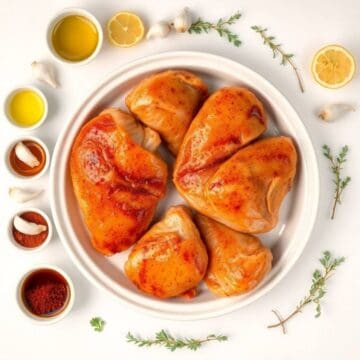
BEST GRILLED CHICKEN MARINADE FOR JUICY BBQ EVERY SINGLE TIME
Equipment
- Mixing bowl or ziplock bag
- Grill or grill pan
- Tongs
- Whisk
Ingredients
For the Chicken Marinade:
- 1 ½ lb chicken breasts or thighs
- ¼ cup olive oil
- 3 tablespoons soy sauce
- 2 tablespoons lemon juice
- 1 tablespoon honey
- 4 cloves garlic, minced
- 1 teaspoon paprika
- ½ teaspoon black pepper
- 1 teaspoon salt
- 1 teaspoon dried oregano
Instructions
Make Marinade
- In a bowl, whisk olive oil, soy sauce, lemon juice, honey, garlic, paprika, salt, pepper, and oregano until well combined.
Marinate Chicken
- Add chicken to the marinade and coat well. Cover and refrigerate for at least 30 minutes (or up to 8 hours for best flavor).
Preheat Grill
- Preheat grill or grill pan to medium-high heat and lightly oil the grates.
Grill Chicken
- Grill chicken for 6–8 minutes per side until fully cooked and nicely charred.
Rest & Serve
- Let chicken rest for 5 minutes before slicing. Serve hot with your favorite sides.
Notes
- Best Flavor Tip: Marinate overnight for maximum juiciness and taste.
- Protein Swap: Works great with turkey or shrimp.
- Spicy Option: Add chili flakes or hot sauce for heat.
- Cooking Tip: Don’t overcook—remove chicken once internal temp reaches 75°C (165°F).
- Serving Idea: Pair with rice, salad, or grilled vegetables.




Comments
No Comments