
I made my first mustard-based barbecue sauce completely by accident. I was out of ketchup, halfway through making a marinade for grilled chicken, and my husband suggested I just use the yellow mustard sitting in the back of the fridge. I was skeptical — mustard as a sauce base felt wrong to me. But twenty minutes later I had something tangy and sharp and a little sweet that my whole family scraped off the plate. That was three summers ago, and I've been making this Georgia mustard barbecue sauce ever since.
What I love about this sauce is that it doesn't try to be everything. It has a clear personality — tangy from the mustard and apple cider vinegar, rounded out with brown sugar and honey, with a little smokiness from the paprika. It tastes like something that took hours, but the whole thing simmers on the stove in about twenty minutes. I've used it as a basting sauce, a dipping sauce, and stirred it into pulled chicken for sandwiches. It works for all of them.
My husband is the grill person in this house, and he started requesting this specifically when he makes ribs. If you haven't tried it on smoky grilled ribs, I'd strongly recommend it — the tang cuts through the richness perfectly. Saad eats it on grilled chicken and asks for extra on the side for dipping. Zainab, who is suspicious of anything that isn't tomato-red, eventually came around when she tried it on a pulled pork sandwich.
One thing to know before you start: this sauce is noticeably sharper than a classic tomato barbecue sauce. If your family is used to the sweeter, thicker stuff, you might want to start with a little more honey than the recipe calls for and taste as you go. Also, it genuinely tastes better the next day after the flavors have had time to settle — so if you can make it the night before, do that.
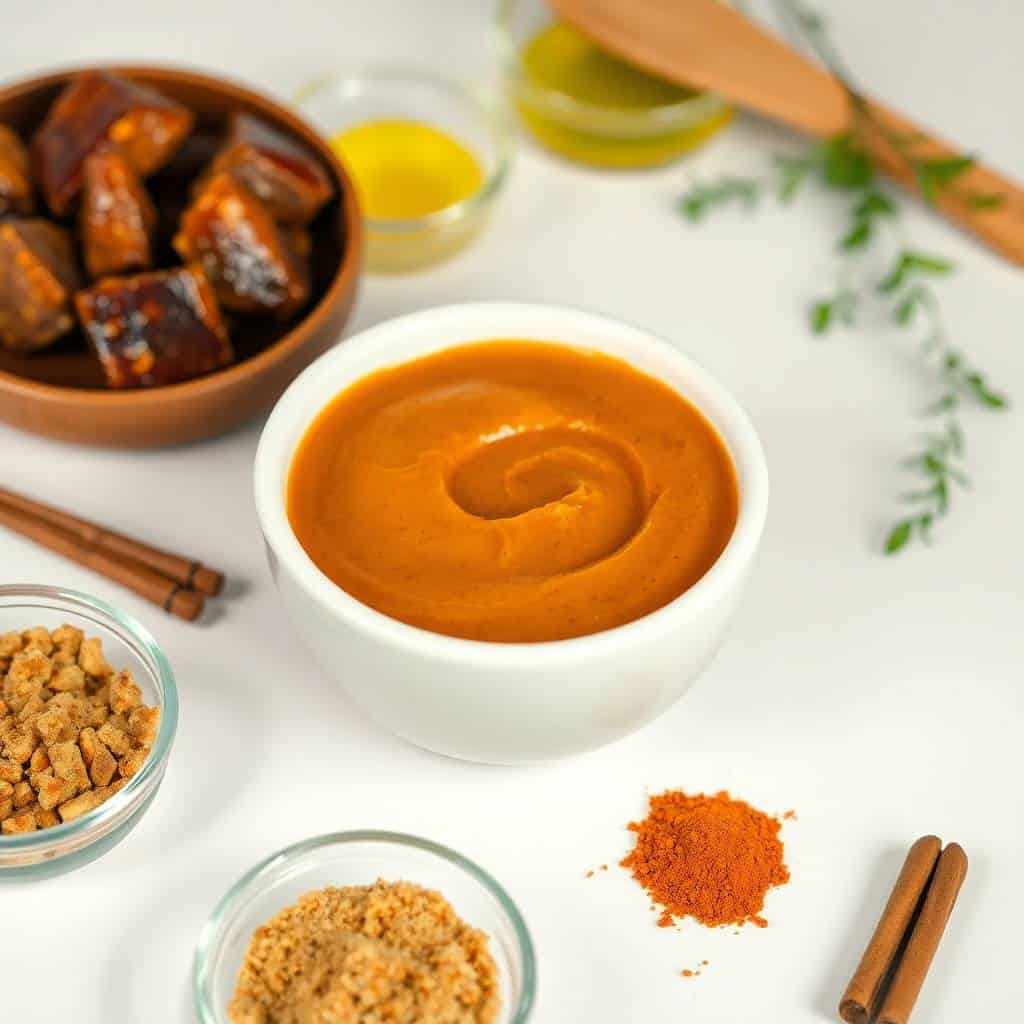
Why You'll Love This Recipe
- It comes together in one saucepan: There's no blending, no roasting, no special equipment needed. Everything goes into a medium saucepan and simmers for about fifteen to twenty minutes. I make this on weeknights when I don't want to be standing over the stove for long, and it's ready before the grill even finishes heating up.
- The tang is different from any tomato sauce: If you've only ever used ketchup-based barbecue sauces, this will be a genuine change. The mustard and apple cider vinegar give it a sharpness that wakes up grilled meat in a way that sweet sauces just don't. I grew up eating chutneys with a lot of tartness, so this clicked with me immediately.
- You probably already have everything for it: Yellow mustard, apple cider vinegar, brown sugar, honey, ketchup, Worcestershire sauce — all of this lives in a regular pantry. I've made this on a random Tuesday because I had everything on hand. No specialty store required, no ordering anything online.
- It's easy to adjust to what your family likes: Want more heat? Add more cayenne or a splash of hot sauce. Want it sweeter? Add another tablespoon of honey. Want it sharper? A little extra vinegar at the end. The base recipe is solid, but it's forgiving enough that you can steer it toward your own preference without breaking it.
- It keeps well in the fridge: I make a double batch most of the time because one jar disappears too quickly. It keeps for up to two weeks in the refrigerator, and I've found myself using it on leftover grilled chicken, stirring it into sandwiches, even using it as a dipping sauce for roasted vegetables. It earns its fridge space.
Ingredients
- 1 cup yellow mustard
- ½ cup apple cider vinegar
- ⅓ cup brown sugar
- 2 tablespoons honey
- 1 tablespoon ketchup
- 1 tablespoon Worcestershire sauce
- 1 teaspoon garlic powder
- 1 teaspoon onion powder
- ½ teaspoon smoked paprika
- ¼ teaspoon cayenne pepper (optional — skip if you want it mild)
- Salt and black pepper to taste
Directions
- Combine the base: In a medium saucepan over medium heat, add the mustard, apple cider vinegar, brown sugar, honey, and ketchup. Stir everything together until smooth — take your time here so the sugar starts to dissolve before you add anything else.
- Add the seasonings: Stir in the Worcestershire sauce, garlic powder, onion powder, smoked paprika, and cayenne if you're using it. Season with salt and black pepper. Give it a good stir so the spices are evenly distributed through the sauce.
- Simmer low and slow: Reduce the heat to low and let the sauce simmer for 15 to 20 minutes, stirring occasionally. You're not looking for a boil — just a gentle bubble. This is where the flavors start to come together and the sauce thickens slightly.
- Taste and adjust: Before you pull it off the heat, taste it. Add more honey if you want it sweeter, more vinegar if you want more tang, or more cayenne if you want heat. I almost always add another pinch of salt at this stage.
- Cool and store: Remove from heat and let it cool completely before transferring to a jar. It will thicken a little more as it cools. Store in the refrigerator for up to two weeks.
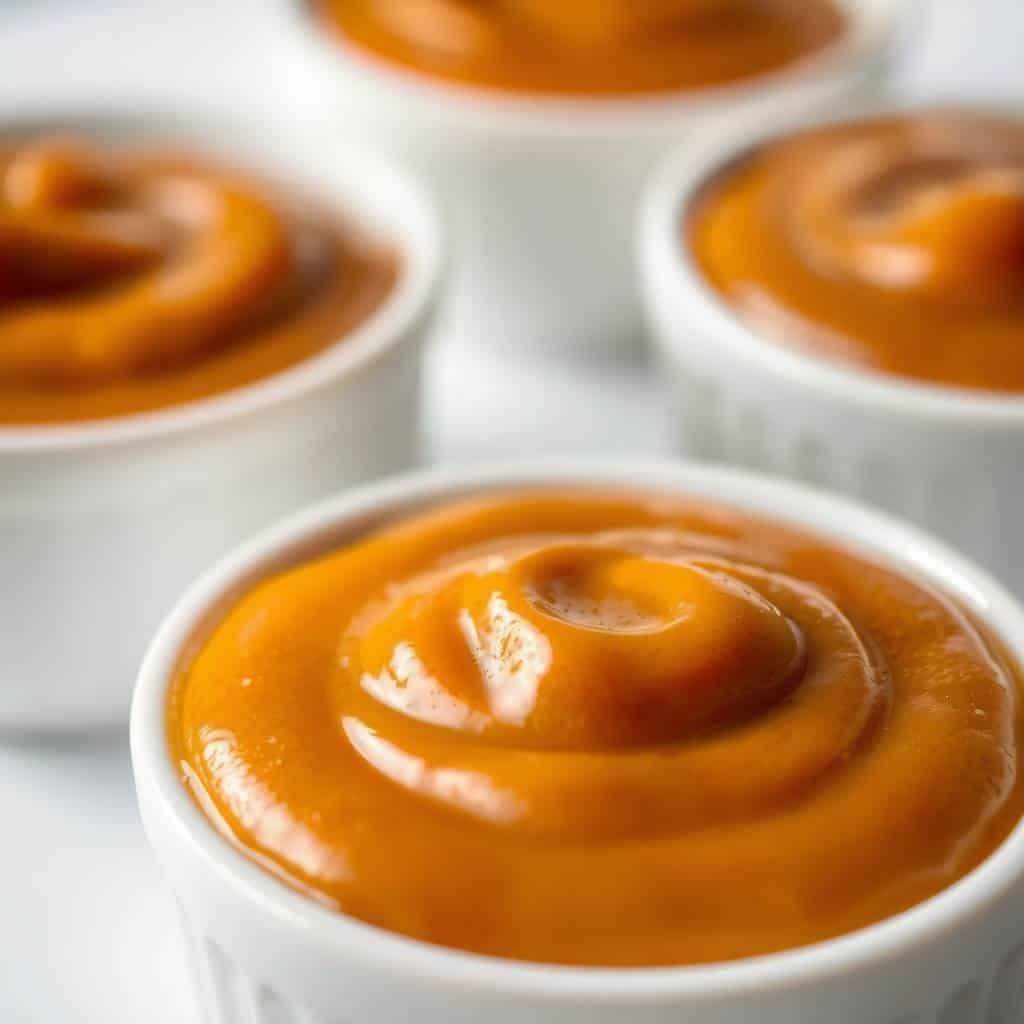
Tips for Success
- Don't let it boil: The first time I made this, I turned the heat up too high and the sugar started to scorch on the bottom of the pan. The sauce tasted slightly bitter and I had to start over. Keep it at a low simmer — you'll see small bubbles at the edges. That's exactly where you want it for the full fifteen to twenty minutes.
- Use a regular yellow mustard, not Dijon: I tried Dijon once because I was out of yellow mustard and thought it would work fine. The flavor was noticeably sharper and the color came out darker than expected. Yellow mustard gives you that classic Southern mustard-sauce character — mild, smooth, slightly tangy. Save the Dijon for something else.
- Let it rest before serving: I know it's tempting to dip something in it the moment it comes off the stove, and honestly it's fine warm. But if you can let it sit for even thirty minutes — or better, overnight in the fridge — the mustard mellows and the sweetness and smokiness come forward. It becomes a more balanced sauce with a little time.
- Stir occasionally while simmering: I've walked away and come back to find the bottom of the pan starting to stick. This sauce has sugar in it, which means it can catch if you leave it too long without stirring. Set a timer for every five minutes and give it a stir — it takes thirty seconds and saves you a burnt pan to clean.
- Taste at the end, not just the beginning: The flavor changes significantly after simmering. What tastes too sharp at the start will mellow by the time it's done. So don't adjust heavily right after mixing — wait until the sauce has cooked, then taste and correct. This is the single habit that improved my sauce-making more than anything else.
Variations
- Spicier version: Add ½ teaspoon of hot sauce — something like Frank's RedHot works well — or stir in finely minced fresh jalapeño along with the other seasonings. My husband does this to his portion every single time. He keeps a separate little jar of the "spicy version" in the fridge and uses it on everything from chicken to scrambled eggs, which I find a bit extreme but he's happy.
- Maple version: Swap the honey for an equal amount of pure maple syrup. It gives the sauce a slightly earthier, deeper sweetness that works really well with pork specifically. If you've ever had maple and mustard together on a pork chop, you already know this combination makes sense.
- Peach-mustard version: Stir in 2 tablespoons of peach preserves along with the other ingredients. This is a nod to Georgia's fruit heritage and it genuinely works — the fruitiness rounds out the acidity and pairs beautifully with grilled chicken. I served this version at a cookout last summer alongside a watermelon feta salad and people kept asking what was in the sauce.
- Extra smoky version: Add ¼ teaspoon of liquid smoke along with the smoked paprika. This is especially good if you're not actually grilling or smoking your meat — it adds that BBQ-pit depth even to oven-baked chicken or ribs. Go easy on the liquid smoke because it's strong; a little does a lot.
- Vegan-friendly version: Use a vegan Worcestershire sauce (Lea & Perrins is not vegan, but there are several brands that are — check the label) and swap the honey for maple syrup or agave. Every other ingredient in this recipe is already plant-based, so it's an easy adjustment.
Serving and Storage
Serving
This sauce works warm or at room temperature. For grilling, I brush it on chicken or ribs during the last five minutes of cooking so it caramelizes slightly without burning. For pulled pork or brisket, I stir a few tablespoons right into the meat and serve extra on the side. It's also a solid dipping sauce for roasted vegetables or even a simple spread on a sandwich — try it on a pulled chicken sandwich with coleslaw and you'll understand why people in Georgia have been making mustard sauce for generations. If you're planning a cookout spread, this pairs well next to something like a dill pickle dip for variety.
Storage
Store in a clean glass jar or airtight container in the refrigerator for up to two weeks. The sauce will thicken in the cold — just give it a stir or a quick shake before using. I don't recommend freezing it; mustard-based sauces tend to separate when thawed and the texture gets grainy. Label your jar with the date so you know when you made it. In my experience it rarely lasts two weeks anyway.
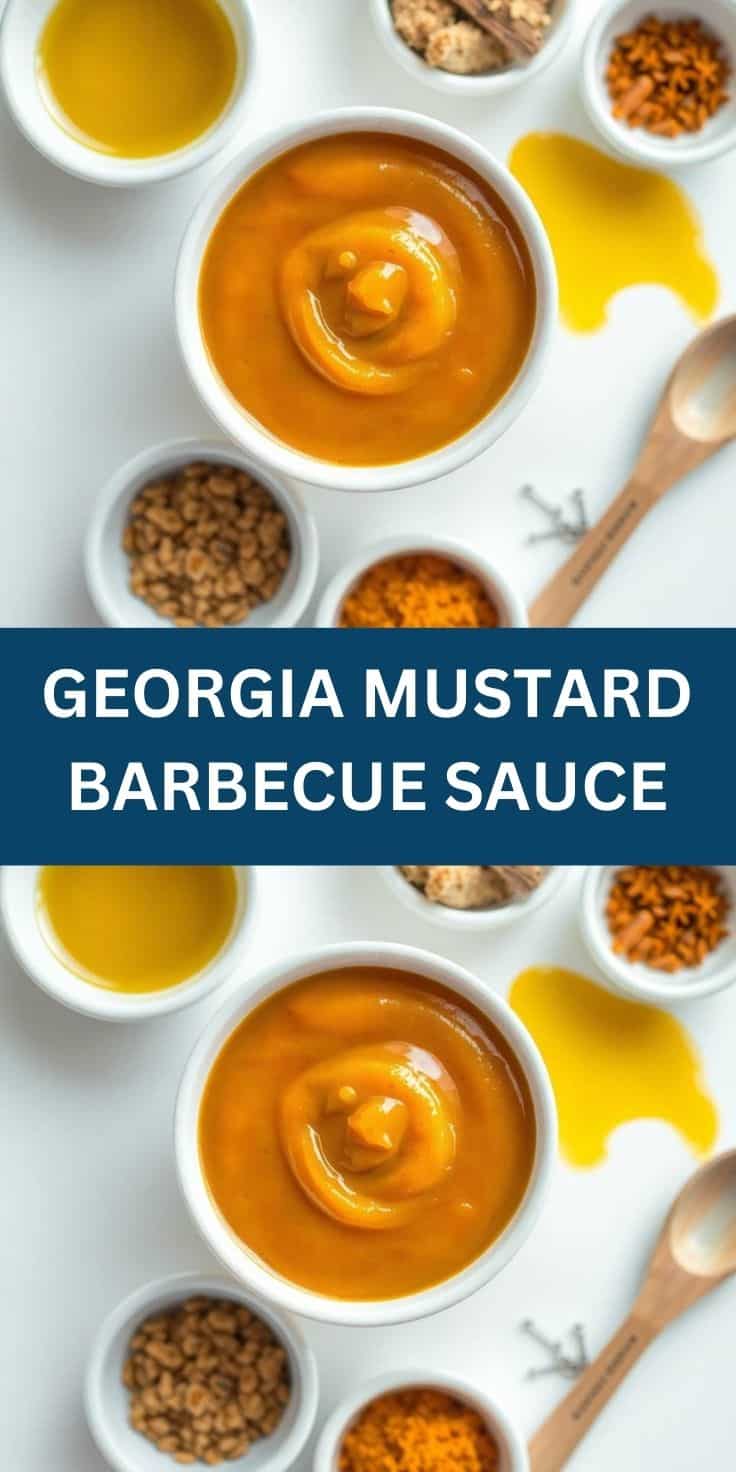
Frequently Asked Questions
Can I make this sauce ahead of time?
Yes, and I'd actually encourage it. The sauce tastes noticeably better after sitting in the fridge overnight — the mustard mellows, the sweetness settles, and everything rounds out. I usually make it the evening before a cookout so it's ready to go the next day.
Is this sauce gluten-free?
Most of the ingredients are naturally gluten-free, but Worcestershire sauce is the one to check — some brands contain malt vinegar which has gluten. If you need this to be strictly gluten-free, look for a Worcestershire sauce that's labeled as such. The rest of the recipe is fine.
Can I freeze this barbecue sauce?
I wouldn't. Mustard-based sauces tend to separate when frozen and thawed, and the texture gets unpleasant — grainy and watery at the same time. It keeps well in the fridge for two weeks, which is usually enough time to use it up. If you're making a big batch, just store it in jars in the refrigerator rather than the freezer.
How do I make the sauce thicker?
Just simmer it a little longer on low heat. Every few extra minutes of simmering reduces the liquid and thickens the sauce naturally. Don't add cornstarch or flour — it changes the texture and muddies the flavor. Also remember it thickens more as it cools, so give it time before you decide it's too thin.
What meats work best with Georgia mustard barbecue sauce?
Pork is the classic pairing — pulled pork, ribs, pork chops. It's also excellent on grilled chicken, both as a basting sauce and for dipping. My husband uses it on brisket and sausages too. Honestly, I've tried it on burgers and it works there as well. The tang cuts through fatty meats especially well, which is why it became a Southern staple in the first place.
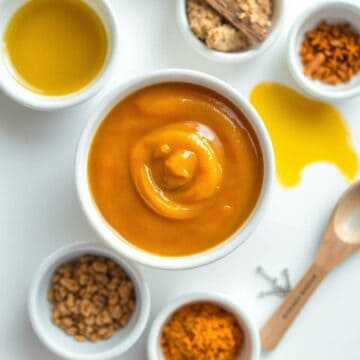
GEORGIA MUSTARD BARBECUE SAUCE
Ingredients
- 1 cup yellow mustard
- ½ cup apple cider vinegar
- ¼ cup honey or brown sugar
- 2 tablespoons ketchup
- 1 teaspoon Worcestershire sauce
- 1 teaspoon smoked paprika
- ½ teaspoon garlic powder
- ½ teaspoon onion powder
- Salt and black pepper to taste
Instructions
- Combine Ingredients: In a medium saucepan, whisk together all ingredients until smooth.
- Simmer: Heat over medium heat until the sauce begins to simmer. Reduce heat to low and simmer for 10–15 minutes, stirring occasionally.
- Cool and Store: Remove from heat and let cool. Store in an airtight container in the refrigerator.
- Serve: Use as a marinade, basting sauce, or dipping sauce for grilled meats.
Notes
- Make Ahead: Sauce can be prepared up to 1 week in advance and stored in the refrigerator.
- Flavor Variations: Add a pinch of cayenne pepper for heat or more honey for sweetness.
- Serving Suggestions: Perfect with chicken, pulled pork, ribs, or roasted vegetables.
- Storage Tips: Keep refrigerated in a sealed container for up to 2 weeks.
This is one of those recipes I keep coming back to because it's genuinely useful. It's not a once-a-year special occasion sauce — it's the kind of thing I make on a weeknight when we're grilling chicken and I want something better than a store-bought bottle. The whole process takes less time than preheating the grill. Twenty minutes, one saucepan, ingredients already in the pantry.
I'll be honest: I'm not a Southerner, and I have no family history with Georgia barbecue. I came to this sauce out of curiosity and a lack of ketchup. But I've made it enough times now that it's become part of our regular rotation, and I think that says something. Good food has a way of crossing over like that. I know real Georgia pitmasters probably have strong opinions about the "right" way to make this — my version is what works in my kitchen, for my family.
If you're planning a cookout, this sauce is worth making the night before. Pair it with smoky grilled ribs and you've got a spread that'll keep people at the table. Round it out with a watermelon feta salad on the side and something sweet to finish — my kids always want dessert after a cookout, and lately they've been requesting fresh strawberry pie to end the meal. That combination has become our summer. 🥄🔥
If you made this sauce and found your own way to use it, I'd genuinely love to know. Drop a comment below — these are the recipes I learn the most from reading other people's versions of.
If you liked this, you'll probably like these too:
- Smoky Grilled Ribs with Bourbon Glaze
- Dill Pickle Dip with Cream Cheese
- Watermelon Feta Flag Salad
- Fresh Strawberry Pie (No Bake)
- Steak Fajitas



Comments
No Comments