
Saad asked for this three weeks in a row before I finally wrote down the recipe. The first two times I made it from memory and it was slightly different each time — not bad, just inconsistent. The third time I paid attention, and this is what I landed on.
What makes this work is that the noodles cook directly in the sauce. They absorb every bit of that honey-garlic flavor instead of sitting in plain water and getting tossed with sauce afterward. It's a small change but it makes a real difference in how the finished dish tastes. The sauce clings to everything instead of pooling at the bottom of the bowl.
I make this on nights when I genuinely don't have a plan for dinner — it's a 30-minute meal from cold pan to table, and the cleanup is one pot. My husband likes it with a little chili flake on top. Saad wants it exactly as written. Zainab picks out the spinach, but she eats everything else without complaint, which counts as a win in my house. If you like one-pot dinners like this, my One-Pot Chicken Parmesan Pasta follows the same idea and is equally low-effort.
One thing to know going in: the sauce thickens as it sits, so if you're eating in two rounds or reheating the next day, add a splash of broth to loosen it back up. Fresh off the stove it's silky and coats the noodles well. Ten minutes later it starts to tighten. Plan accordingly.

Why You'll Love This Recipe
- One pot, one cleanup: I hate doing dishes after a long day, and this keeps it to a single pot. The noodles cook in the sauce, the chicken goes back in at the end — nothing extra to wash. Most nights I'm done cleaning up before my husband has finished his first bowl.
- The sauce actually sticks to the noodles: Because the noodles cook in the broth and honey-garlic sauce, they soak it all up as they soften. You don't get that watery, under-flavored problem you sometimes get when you cook pasta separately and toss it in at the end. Every strand has flavor all the way through.
- 30 minutes start to finish: I timed it once out of curiosity — 28 minutes from turning on the burner to sitting down with a bowl. The only prep is cutting the chicken and mincing the garlic, and you can do both while the oil heats up. On weeknights that half hour matters.
- Works with what you have: I've made this with chicken breasts, chicken thighs, and once with leftover rotisserie chicken I shredded in at the end. I've used egg noodles, spaghetti, and even linguine when that was all I had. The sauce is forgiving enough that small swaps don't break it.
- Leftovers hold up well: This reheats better than most noodle dishes I make. Add a tablespoon or two of broth when you microwave it and the sauce loosens right back up. Saad takes it to school in a thermos the next day and says it's still good cold, though I don't understand how he eats it that way.
Ingredients
- 2 tablespoons olive oil
- 1 pound boneless, skinless chicken breasts or thighs, cut into bite-sized pieces
- Salt and pepper to taste
- 3 cloves garlic, minced
- ¼ cup honey
- ¼ cup soy sauce (use tamari for gluten-free)
- 2 cups low-sodium chicken broth
- 8 ounces egg noodles (or spaghetti — whatever you have)
- 2 cups fresh spinach
- 1 teaspoon cornstarch mixed with 1 tablespoon water (optional, for a thicker sauce)
- Optional garnish: sliced green onions, sesame seeds, red pepper flakes
Directions
- Step 1: Sear the chicken. Heat olive oil in a large pot or deep skillet over medium heat. Season the chicken pieces with salt and pepper, then cook for 5–6 minutes, stirring occasionally, until golden and cooked through. Don't rush this step — getting a little color on the chicken adds flavor to the whole pot. Remove the chicken and set it aside on a plate.
- Step 2: Build the sauce. In the same pot, add the minced garlic and sauté for about 1 minute over medium-low heat. Watch it carefully — garlic burns fast and bitter garlic will ruin the whole sauce. Once it's fragrant, pour in the honey, soy sauce, and chicken broth. Stir everything together and bring it up to a gentle simmer.
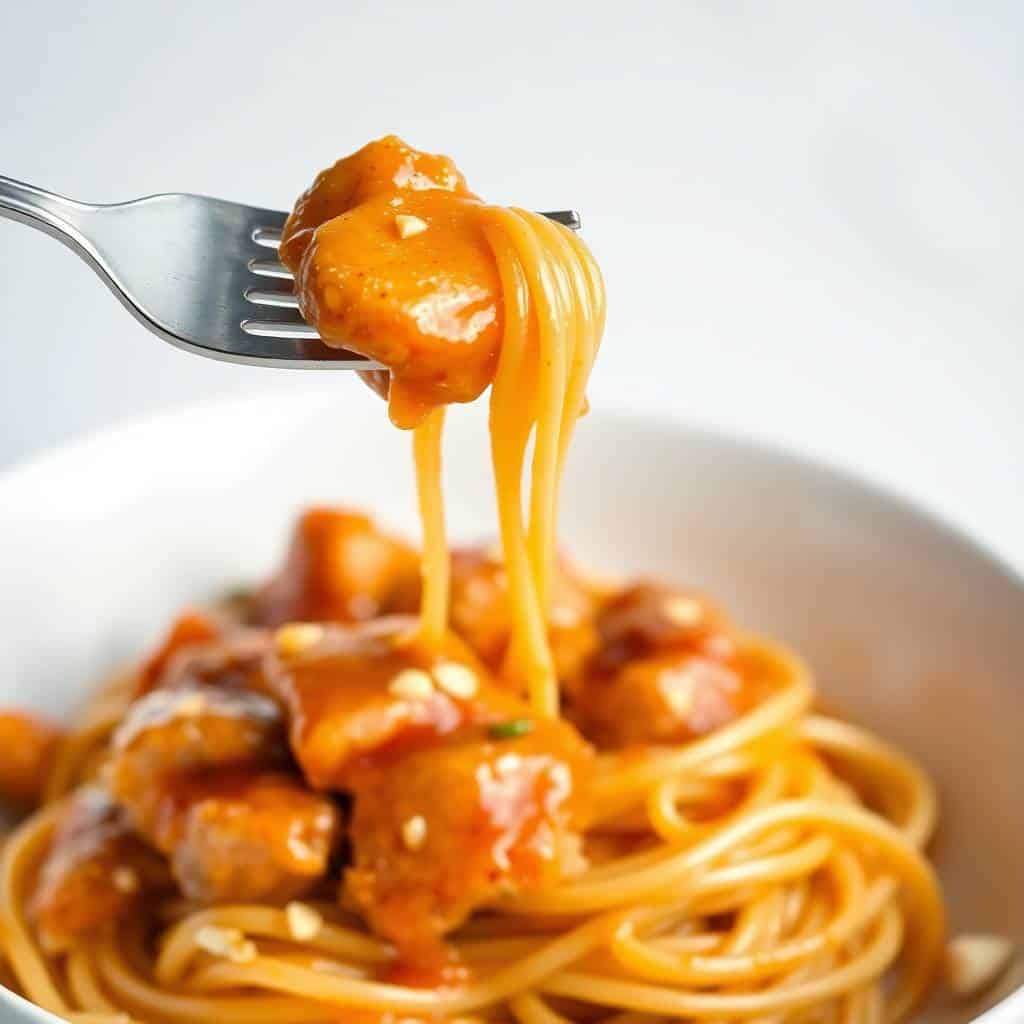
- Step 3: Cook the noodles in the sauce. Add the egg noodles directly to the pot and push them down into the liquid. Stir every couple of minutes so they cook evenly and don't clump. Simmer for 8–10 minutes until the noodles are tender and have soaked up most of the sauce. If the liquid reduces too fast before the noodles are done, add a splash more broth.
- Step 4: Add the chicken and spinach. Return the cooked chicken to the pot and stir it in. Add the fresh spinach and let it wilt for 1–2 minutes — it cooks down quickly. If you want a thicker sauce, stir in the cornstarch slurry now and cook for another minute or two until it tightens up.
- Step 5: Taste and serve. Give the pot one final taste and adjust salt if needed. Dish it up hot and garnish with green onions and sesame seeds if you have them. They're not just decoration — the green onions add a little sharpness that balances the sweetness of the honey.
Tips for Success
- Don't skip browning the chicken: I used to pull the chicken off the heat as soon as it turned white — no color, no caramelization. The dish came out fine but flat. Now I give it a proper sear until it's golden on the outside. Those browned bits left in the pan dissolve into the sauce and add a depth you can actually taste.
- Watch the garlic like a hawk: One minute over medium-low heat is all it needs. The first time I made this I had the heat too high and the garlic went from raw to burnt in about 45 seconds. Burnt garlic is bitter and you can't fix it — you have to start over. Keep the flame low and stay at the pot.
- Stir the noodles regularly while they cook: Noodles cooking in a thickening sauce will stick to each other and to the bottom of the pot if you walk away. I stir every 2 minutes or so, scraping the bottom to make sure nothing catches. A wooden spoon works fine — no need for anything fancy.
- Adjust the sauce consistency before serving: If the sauce looks too thin when the noodles are done, add the cornstarch slurry and cook for a minute — it thickens quickly. If it's too thick (usually happens if the heat was too high), add broth a tablespoon at a time. The sauce should coat the noodles, not drown them and not dry them out.
- Add any vegetables late: If you're throwing in broccoli, snap peas, or bell peppers, add them in the last 3 minutes of cooking. I made the mistake of adding broccoli too early once and it turned an ugly olive color and went mushy. Late addition keeps vegetables bright and slightly crisp, which is a much better texture against the soft noodles.
Variations
- Spicy honey garlic: Add ½ teaspoon red pepper flakes to the garlic when you sauté it, or stir in a teaspoon of sriracha with the honey. My husband does this every single time — he says the heat cuts through the sweetness and makes it more interesting. Saad would disagree strongly, so we keep the chili on the side for people to add themselves.
- Creamy peanut version: Stir 1 tablespoon of peanut butter into the sauce along with the honey and soy sauce. It makes the sauce slightly thicker and gives it a nutty richness that works really well. This variation reminds me a little of a peanut noodle dish — not traditional, just good. If you're into peanut flavors, you'd probably also like my Peanut Butter Cake with Peanut Butter Frosting for dessert after.
- Vegetarian swap: Replace the chicken with firm tofu, cubed and pressed dry before searing. Use vegetable broth instead of chicken broth. The honey-garlic sauce coats tofu just as well as it does chicken — just make sure you get a good sear on the tofu first or it'll be bland and soft all the way through.
- Different proteins: Shrimp works well here — add it raw when you'd add the chicken back in (Step 4) and it cooks through in about 3 minutes. Ground turkey is also good; brown it fully before making the sauce. I haven't tried pork yet but I think thinly sliced pork tenderloin would be excellent with this sauce.
- Gluten-free version: Swap regular soy sauce for tamari and use your preferred gluten-free noodles. Rice noodles or gluten-free spaghetti both work. The cook time may vary slightly depending on the noodle, so check the package and taste as you go rather than following the timing exactly.
Serving and Storage
Serving
Serve straight from the pot while it's hot. The garnishes — sliced green onions, sesame seeds, a pinch of red pepper flakes — are worth the extra 30 seconds. They add sharpness and texture that the dish needs. In Pakistan I'd probably pair something like this with steamed rice on the side, but in my house we eat it as-is, sometimes with a simple side salad or steamed broccoli. It's a complete meal in the bowl. If you want a one-pan dinner with a similar energy, my Chicken with Garlic Parmesan Rice is another good weeknight option.
Storage
Store leftovers in an airtight container in the fridge for up to 3 days. The noodles will absorb more sauce as they sit, so when you reheat — stovetop or microwave — add a splash of chicken broth or even plain water to loosen everything back up. I don't recommend freezing this one. Noodles that have been frozen and thawed tend to go mushy, and the texture won't be the same. It's best eaten fresh or within the next day or two.

Frequently Asked Questions
Can I use pre-cooked or rotisserie chicken?
Yes — skip Step 1 entirely and just shred or cube the cooked chicken. Add it back in at Step 4 with the spinach. It won't have the same seared exterior, but it works perfectly well and saves you even more time. I've done this with leftover rotisserie chicken from Costco and it was great.
What noodles work best for this recipe?
Egg noodles are my first choice — they're soft, slightly chewy, and cook quickly in the sauce. Spaghetti or linguine work fine if that's what you have. I've also used udon noodles (add them frozen, they break apart as they warm) and ramen noodles with the seasoning packet discarded. Avoid very thin noodles like angel hair — they overcook too easily in a thickening sauce.
Can I make this ahead of time?
You can cook the chicken ahead and refrigerate it separately. When you're ready to eat, build the sauce, cook the noodles, and add the chicken back in at the end. I don't recommend cooking the whole dish ahead and refrigerating it assembled — the noodles will absorb all the sauce and turn dense. If you do make it fully in advance, add extra broth when reheating.
Can I freeze honey garlic chicken and noodles?
I wouldn't. Noodles don't freeze well once they've been cooked in sauce — they go soft and lose their texture when thawed. If you want to freeze part of this meal, freeze just the cooked chicken in a little of the sauce, then make fresh noodles when you're ready to eat. That way you get the best of both.
My sauce is too thin — how do I fix it?
Mix 1 teaspoon of cornstarch with 1 tablespoon of cold water and stir it into the pot. Cook for 1–2 minutes over medium heat, stirring constantly, and the sauce will thicken noticeably. Don't add dry cornstarch directly — it clumps. If you've over-thickened it, a splash of broth loosens it back up immediately.
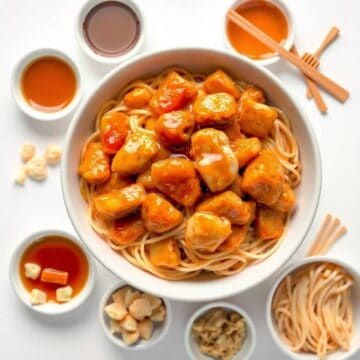
ONE-POT HONEY GARLIC CHICKEN AND NOODLES
Ingredients
- 2 tablespoons olive oil
- 1 pound boneless skinless chicken breasts, cut into bite-sized pieces
- Salt and pepper to taste
- 3 cloves garlic minced
- ¼ cup honey
- ¼ cup soy sauce
- 2 cups chicken broth
- 8 ounces egg noodles
- 2 cups fresh spinach
- 1 teaspoon cornstarch optional, for thickening
Instructions
Cook Chicken:
- Heat olive oil in a large pot over medium heat. Season chicken with salt and pepper, then cook until golden and cooked through. Remove and set aside.
Make Sauce:
- In the same pot, add garlic and sauté 1 minute. Stir in honey, soy sauce, and chicken broth. Bring to a simmer.
Cook Noodles:
- Add egg noodles to the pot and cook until tender, about 8–10 minutes. Return chicken to the pot.
Add Spinach:
- Stir in fresh spinach until wilted. If desired, mix cornstarch with a little water and add to thicken the sauce.
Serve:
- Serve hot, garnished with extra pepper or sesame seeds if desired.
Notes
- Make Ahead: Can prepare chicken in advance; reheat with noodles and sauce.
- Customizing: Add vegetables like bell peppers or carrots for extra nutrition.
- Storage Tips: Store leftovers in an airtight container for up to 3 days; reheat on stovetop or microwave.
This is the kind of dinner I wish I'd had in my recipe rotation years ago. One pot, real flavor, ingredients I always have on hand, and a family that actually finishes their bowls without negotiation. The fact that the noodles cook in the sauce instead of separately is what makes this different from most chicken noodle recipes I've tried — it's a small technique shift that changes the whole result.
I make a double batch roughly once a month because it disappears so fast. When I do, I use my biggest pot — a wide, deep Dutch oven — and it handles the volume fine. Nothing fancy required. Just a pot, a wooden spoon, and 30 minutes. If you've made my One-Pot Chicken Parmesan Pasta and liked it, this one will feel familiar. Different flavor profile, same approach, same easy cleanup.
And if you're after dessert after this — something easy that doesn't require turning on the oven for long — my Cinnamon Honey Butter spread over some toast is a surprisingly satisfying end to a weeknight meal. Simple, but it works. Give this one a spot in your weekly rotation — I think you'll reach for it again. 🍜❤️
If you liked this, here are a few more recipes worth trying:
- One-Pot Chicken Parmesan Pasta (30-Min Weeknight Dinner)
- Chicken with Garlic Parmesan Rice (One-Pan Skillet Dinner)
- Cinnamon Honey Butter (Creamy Spread Ready in 5 Minutes)
- Peanut Butter Cake with Peanut Butter Frosting (Rich, Nutty, and Fudgy)
- Pineapple Cream Cheese Pound Cake



Comments
No Comments