
I started making this parsley pesto because I kept buying big bunches of flat-leaf parsley for one recipe and then watching the rest of it slowly go sad in my fridge. It felt wasteful. So one evening I threw the leftover bunch into my food processor with some garlic, walnuts I had from a baking project, and a glug of olive oil — and honestly, I couldn't believe how good it was. Brighter than basil pesto, a little more peppery, and it came together in maybe five minutes.
What I like about this version is that it's straightforward without being boring. Parsley has this clean, slightly bold flavour that holds up really well against the richness of good olive oil and Parmesan. I've made it with pine nuts when I'm feeling indulgent and with walnuts when I'm not — both work. The lemon juice isn't strictly necessary but I almost always add it because it lifts the whole thing. If you've been making creamy pasta sauces all winter, this is the kind of bright, green sauce that makes you feel like it's finally spring.
My husband puts this on everything — grilled chicken, bread, rice, you name it. Zainab once dipped her toast into it and declared it "better than ketchup," which in this house is the highest possible praise. I make a double batch when I have a full bunch of parsley because one batch disappears within a day or two, and the second batch I freeze in an ice cube tray so I always have some ready to drop into soups or toss with pasta on a rushed weeknight.
One thing worth knowing upfront: this pesto is on the thicker side as written, which I actually prefer because it works as a spread too. If you want it thinner and more sauce-like for pasta, just add another tablespoon or two of olive oil at the end. Also — and I say this from experience — make sure your parsley is dry before you blend it. Wet parsley makes a watery pesto and I made that mistake the first time I was rushing and skipped the drying step.
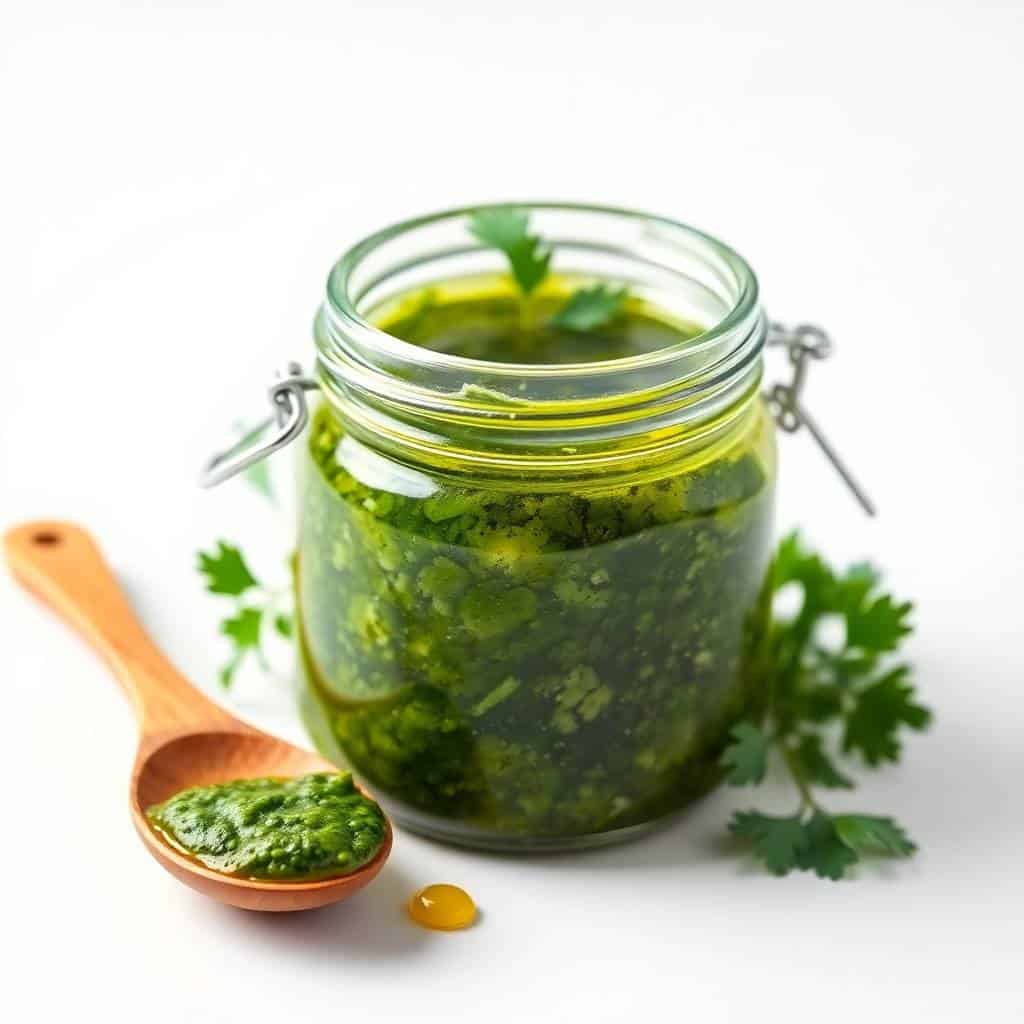
Why You'll Love This Recipe
- It comes together in under 10 minutes: I'm not exaggerating — this is genuinely one of the fastest things I make. Everything goes into the food processor, you pulse it a few times, drizzle in the oil, done. On nights when I need something fast but don't want a boring meal, this is my go-to sauce for pasta or grilled meat.
- Parsley stays green — unlike basil pesto: Basil pesto oxidizes fast and turns a murky grey-green within a day or two in the fridge. Parsley holds its colour much better, which means this pesto still looks fresh and vivid when you pull it out two days later. That matters when you're serving it to guests or photographing your lunch.
- You can use whatever nuts you have: Pine nuts are traditional but they're expensive. I almost always use walnuts because I keep them in the pantry for baking. Almonds work too. If there's a nut allergy in your house, sunflower seeds are a real option — I've tried it and the flavour is milder but still good.
- It goes on almost everything: I've tossed it with pasta, spread it inside a grilled cheese sandwich, drizzled it over roasted salmon and vegetables, stirred it into chickpea soup, and used it as a dipping sauce for bread. It's one of those condiments that makes everything taste like you put in more effort than you did.
- It freezes beautifully: Spoon it into an ice cube tray, freeze overnight, then transfer the cubes to a zip-top bag. Each cube is roughly one serving's worth. I pull one out when I'm making a quick weeknight pasta or want to add flavour to a broth-based soup without much fuss.
Ingredients
- 2 cups fresh flat-leaf parsley leaves, tightly packed (curly parsley works too, but flat-leaf has better flavour)
- 2 cloves garlic
- ⅓ cup grated Parmesan cheese (or nutritional yeast for dairy-free)
- ⅓ cup toasted walnuts or pine nuts (almonds or sunflower seeds also work)
- ½ teaspoon salt
- ¼ teaspoon black pepper
- ½ cup extra-virgin olive oil
- 1 tablespoon lemon juice (optional but I almost always add it)
Directions
- Step 1: Wash and dry the parsley. Give the parsley a good rinse, then shake off the water and pat it dry with a clean towel or spin it in a salad spinner if you have one. Dry parsley blends cleanly — wet parsley makes the pesto watery, which I found out the hard way the first time I was rushing.
- Step 2: Toast the nuts. If your nuts aren't already toasted, throw them in a dry skillet over medium heat for 3-4 minutes, shaking occasionally, until they smell nutty and look lightly golden. This step takes barely any time but it genuinely makes a difference in how rich the pesto tastes.
- Step 3: Pulse the dry ingredients. Add the parsley, garlic, toasted nuts, Parmesan, salt, and pepper to a food processor. Pulse 8-10 times until everything is finely chopped and roughly combined. You're not blending smooth yet — just breaking everything down.
- Step 4: Stream in the olive oil. With the processor running, slowly pour in the olive oil in a steady stream. This gradual addition helps emulsify the oil into the pesto and gives it that silky texture instead of a greasy one. Stop and scrape down the sides once or twice to make sure everything gets blended evenly.
- Step 5: Taste and adjust. Add the lemon juice if using, then taste. Adjust salt, pepper, or lemon to your liking. Blend once more briefly to incorporate. The pesto should be smooth but still have some texture — not a completely uniform paste.
- Step 6: Store or serve. Transfer to a small jar or airtight container. Use right away or refrigerate for up to 5 days. To store longer, freeze in an ice cube tray, then transfer the cubes to a freezer bag. They keep well for up to 3 months.
Tips for Success
- Dry the parsley before blending: I know I already mentioned this but it's worth repeating because I made this mistake twice. Wet herbs release water as they blend and the result is a thinner, slightly diluted pesto. A quick pat with a paper towel or a spin in a salad spinner is all it takes.
- Don't skip toasting the nuts: Raw walnuts have a slight bitterness that can make the pesto taste a bit flat. Three minutes in a dry pan wakes up the natural oils and adds a warm, nutty depth that really comes through in the final sauce. It's a tiny step that has a noticeable payoff.
- Stream the oil in slowly: Dumping all the oil in at once tends to make the pesto separate or turn greasy. I pour it in with the processor running — takes maybe 20 extra seconds — and the texture comes out much smoother and more cohesive. If you don't have a food processor, you can make this by hand with a mortar and pestle or just very fine chopping; it just takes a bit longer.
- Scrape the sides of the food processor: I always stop at least once mid-blend and scrape down the sides with a spatula. Chunks of parsley or garlic hide at the edges and don't get processed otherwise, so you end up with uneven bits in the finished pesto.
- Taste before you finish: Every bunch of parsley is slightly different in bitterness, and every Parmesan varies in saltiness. I always taste the pesto before I call it done and adjust from there. Sometimes it needs a pinch more salt, sometimes a squeeze more lemon. Don't just follow the measurements blindly — trust your palate at the end.
Variations
- Make it dairy-free or vegan: Just swap the Parmesan for an equal amount of nutritional yeast. It gives you that same slightly salty, savoury quality without any dairy. I make this version when a friend who's lactose-intolerant comes over — she loves it on pasta and can never tell the difference until I tell her.
- Try a spicy version: Add ¼ teaspoon of red pepper flakes or a small fresh green chili when you blend. The heat doesn't overpower the herb flavour — it just adds a little warmth at the back of your throat. My husband prefers this version drizzled over grilled chicken.
- Go citrus-forward: Add the zest of one lemon along with the juice. This makes the pesto noticeably brighter and more aromatic — almost floral. I use this version when I'm making it to go alongside fish. It pairs really well with something like my garlic herb salmon with asparagus.
- Swap the herbs: Half parsley, half cilantro is a combination I've been making lately and it's really good — slightly more complex and works especially well over rice or grilled meat. You can also use arugula or baby spinach for a milder, earthier pesto. This isn't authentic Italian pesto by any definition, it's just a versatile green sauce concept.
- Use it as a marinade: Thin the pesto with an extra tablespoon of olive oil and a tablespoon of water, then coat chicken thighs or shrimp and let them marinate for 30 minutes before cooking. The garlic and herbs really get into the meat and it makes for a beautifully flavoured grilled protein with almost zero effort.
Serving and Storage
Serving
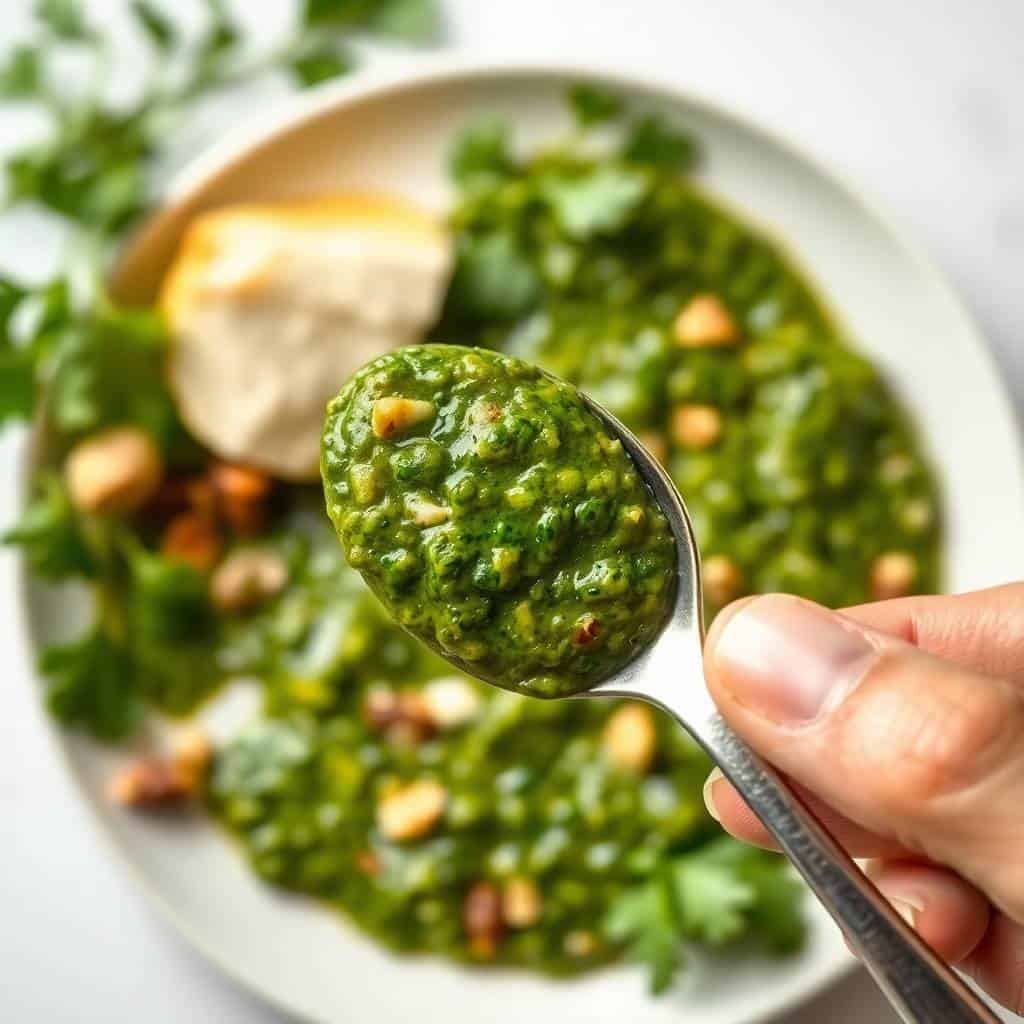
The most obvious way is tossed with warm pasta — about 3-4 tablespoons of pesto per serving is usually right, with a splash of pasta water to loosen it if needed. But I also spread it on toasted sourdough with a fried egg on top for a quick lunch, stir a spoonful into white bean soup, or use it as a sauce under roasted chicken. It's also surprisingly good as a dipping sauce for bread at the table — I put it out in a small bowl with a little extra olive oil pooled on top and it looks a lot more impressive than the effort involved.
Storage
Keep leftover pesto in a small jar or airtight container in the fridge for up to 5 days. Press a piece of plastic wrap directly onto the surface before sealing the lid — this limits air exposure and helps it stay green. For longer storage, freeze in an ice cube tray (each cube is roughly 1-2 tablespoons), then transfer the frozen cubes to a zip-top freezer bag. They keep well for up to 3 months and thaw at room temperature in about 20 minutes.
Frequently Asked Questions
Can I use curly parsley instead of flat-leaf?
You can, and I've done it when that's all I had. Flat-leaf parsley has a cleaner, more pronounced flavour and blends to a smoother texture. Curly parsley is slightly more bitter and a little tougher, so the pesto can taste a bit more sharp. Not bad, just different — add a touch more lemon juice to balance it out.
Can I make this without a food processor?
Yes. A high-speed blender works fine — just stop and scrape down the sides frequently since the smaller jar makes it harder for everything to circulate. You can also do it by hand: finely chop the parsley, garlic, and nuts with a sharp knife, then mix in the cheese and stir in the olive oil. It'll be more rustic in texture but genuinely delicious.
How do I freeze parsley pesto properly?
Spoon the finished pesto into a standard ice cube tray, filling each well about three-quarters full. Freeze overnight, then pop the cubes out and transfer them to a labelled zip-top bag. Each cube is roughly one to two tablespoons — just right for a single pasta serving or to drop into a soup. They thaw on the counter in about 20 minutes, or you can stir a frozen cube directly into hot pasta.
Can I make parsley pesto without cheese?
Absolutely. Just leave the Parmesan out entirely, or swap it for 3-4 tablespoons of nutritional yeast. Nutritional yeast gives you that same slightly savoury, umami quality without any dairy. You might also want to add an extra pinch of salt since Parmesan carries a lot of saltiness that the nutritional yeast doesn't fully replicate.
Does parsley pesto taste like basil pesto?
Not exactly, but they're in the same family. Parsley pesto is brighter and a little more peppery, with a cleaner finish. Basil pesto is sweeter and more fragrant. I actually find parsley pesto a bit more versatile because it doesn't compete as much with other strong flavours — it works with fish, chicken, and even in soups in a way basil pesto sometimes doesn't.
PARSLEY PESTO
Ingredients
- 2 cups fresh flat-leaf parsley tightly packed
- ½ cup grated Parmesan cheese
- ⅓ cup toasted nuts pine nuts, walnuts, or almonds
- 2 cloves garlic
- ½ cup olive oil
- Juice of ½ lemon
- Salt and pepper to taste
Instructions
Blend Ingredients:
- Add parsley, Parmesan, toasted nuts, and garlic to a food processor. Pulse until finely chopped.
Add Oil and Lemon:
- With the processor running, slowly drizzle in the olive oil and lemon juice until smooth.
Season and Store:
- Season with salt and pepper to taste. Transfer to a jar and refrigerate for up to 5 days.
Notes
- Nut-Free Option: Omit nuts or replace with sunflower seeds for allergy-friendly pesto.
- Dairy-Free Version: Use nutritional yeast instead of Parmesan for a vegan version.
- Texture Tip: Add more oil for a thinner sauce or keep it thick as a spread.
- Storage: Store in an airtight container in the fridge or freeze in ice cube trays.
- Serving Ideas: Toss with pasta, spread on sandwiches, or spoon over grilled meats or veggies.
This parsley pesto has genuinely become one of those things I make without thinking — it's just what happens when I have a bunch of parsley that needs using up. I've given small jars of it to neighbours, stirred it into lentil soup, spread it on sandwiches for the kids' lunchboxes, and used it as a marinade for chicken the night before grilling. It's one of those recipes that quietly earns its place in the regular rotation without making a fuss.
If you're making a bigger meal around this, I'd pair it with something simple that lets the pesto do the work — a plate of pasta, some roasted vegetables, or a piece of fish. It also works as part of a table spread alongside other sauces, breads, and dips if you're having people over.
And if you're on a green sauce kick, I'd also point you toward my garlic herb salmon with asparagus and potatoes — the herb flavours in that recipe are in the same territory and the two go really well together as a complete meal. Once you get comfortable making sauces like this from scratch, it changes how you cook on weeknights. 🌿✨
If you liked this recipe, here are a few more from my kitchen you might enjoy:
- Garlic Herb Salmon with Asparagus and Potatoes — a simple sheet pan dinner that pairs beautifully with this pesto
- Cajun Steak Alfredo — spicy, creamy pasta when you want something a bit more indulgent
- No-Bake Lemon Pie — bright and citrusy, great for finishing a meal that started with herby food
- Chili Cheese Dog Casserole — for the nights when the kids need something completely different
- Protein Overnight Oatmeal — what I make for myself the morning after a big cooking session




Comments
No Comments