
The smell of lemon zest hitting a warm bowl is what gets everyone drifting into my kitchen without being called. These lemon meltaway cookies have been on my baking rotation for a few years now, and I still look forward to making them every single time. There's something almost meditative about rolling little dough balls and watching them puff up just slightly in the oven.
What makes these work is the ratio — enough butter to make the cookie dissolve on your tongue, enough lemon zest to make it actually taste like something, and a double roll in powdered sugar so every bite has that soft, snowy coating. I've tried versions with lemon extract, versions with only zest, versions with only juice. The combination of both zest and fresh juice is the one I keep coming back to. The zest carries the floral, aromatic part of the lemon, and the juice adds the actual tartness. You need both.
I started making these around the holidays, but honestly we've eaten them in June with glasses of cold water and they felt completely right for that too. My husband will eat almost any cookie I put in front of him, but he specifically asks for these when I'm doing a baking day. Zainab likes them still slightly warm, before the second powdered sugar coating — she says they taste "softer" that way, which is a seven-year-old's very accurate observation.
One thing to know going in: you need to chill the dough. I skipped this step the first time I made these because I was impatient, and the cookies spread out flat and sad on the pan. The chill time firms up the butter so the balls hold their shape while baking. At minimum 30 minutes, but an hour is better. If you're planning ahead, the dough keeps in the fridge for two days, which makes these great for gifting — you can bake them fresh the morning you need them. If you're a fan of light, elegant desserts, my meringue cookies follow that same general philosophy and are worth bookmarking too.
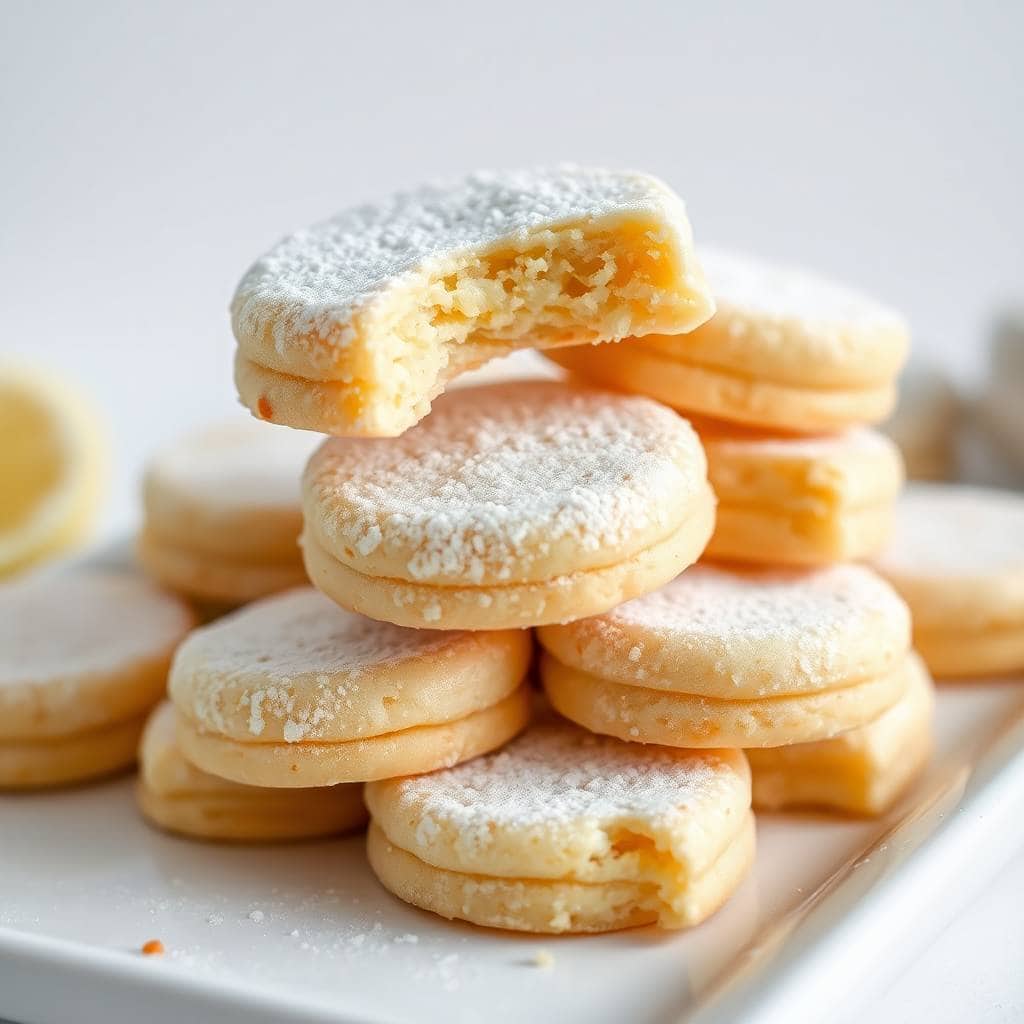
Why You'll Love This Recipe
- They actually melt in your mouth: This isn't just a name — the texture is genuinely unlike a typical cookie. The high butter-to-flour ratio creates a crumb that falls apart the moment it hits your tongue. I've given these to people who say they don't really like cookies, and they always end up reaching for a second one.
- Real lemon flavor, not artificial: Using both zest and fresh juice makes a noticeable difference. The zest gives you that bright, slightly floral lemon quality that no bottled juice can replicate. I keep a zester (a cheap $8 one from Walmart) specifically for recipes like this.
- Only 6 ingredients: Butter, powdered sugar, lemon, flour, salt, vanilla — that's it. Everything on this list is already in most kitchens, or costs almost nothing at any grocery store. No specialty ingredients, no trips to a baking supply shop.
- Great for gifting and making ahead: The dough refrigerates well for two days, and the baked cookies stay soft at room temperature for up to a week in an airtight container. I usually make a double batch around the holidays because a single batch disappears before I can even box them up properly.
- The powdered sugar coating is its own reward: Rolling warm cookies in powdered sugar, then doing it again once they're cool, builds up this soft, thick coating that's almost like a light frosting. It balances the tartness of the lemon and makes them look like they came from a proper bakery.
Ingredients
- 1 cup unsalted butter, softened (not melted — this matters)
- ½ cup powdered sugar, plus extra for rolling
- 1 teaspoon vanilla extract
- 1 tablespoon fresh lemon zest (from about 1 large lemon)
- 1 tablespoon fresh lemon juice
- 2 cups all-purpose flour
- ¼ teaspoon salt
Directions
- Preheat the oven: Set your oven to 350°F (175°C) and line a baking sheet with parchment paper. I use a regular sheet pan — nothing fancy, just the standard one from any store.
- Cream butter and sugar: In a large bowl, beat the softened butter and ½ cup powdered sugar together until the mixture is light and fluffy. This takes about 2-3 minutes by hand with a wooden spoon, or about a minute with a hand mixer. The mixture should look pale and slightly increased in volume.
- Add lemon and vanilla: Mix in the vanilla extract, lemon zest, and lemon juice. The dough will smell amazing at this point — the zest really blooms when it hits the butter. Scrape down the sides of the bowl so everything gets incorporated evenly.
- Add flour and salt: Gradually mix in the flour and salt. I add it in two additions and stir gently — you don't want to overwork this dough. Stop mixing as soon as you don't see dry flour streaks. The dough will be soft but not sticky.
- Chill the dough: Cover the bowl and refrigerate for at least 30 minutes, ideally an hour. This is the step I skipped once and regretted — chilling firms up the butter so the cookies hold their round shape in the oven instead of spreading flat.
- Shape the cookies: Roll dough into 1-inch balls and place them on the prepared baking sheet about 2 inches apart. You can flatten them very slightly with the heel of your hand or the bottom of a glass — just a gentle press, not flat.
- Bake: Bake for 12-14 minutes, until the edges are just barely set and the bottoms are very lightly golden. The tops should not brown. They'll look almost underdone when you pull them out, which is exactly right — they firm up as they cool.
- First sugar roll: Let cookies cool on the pan for about 5 minutes, then while they're still warm (not hot), roll each one in powdered sugar. The warmth helps the sugar stick and creates the base layer.
- Cool and roll again: Let the cookies cool completely on a wire rack (or just on the counter), then roll them in powdered sugar a second time. This second coating is what gives them that thick, snowy look. Don't skip it.
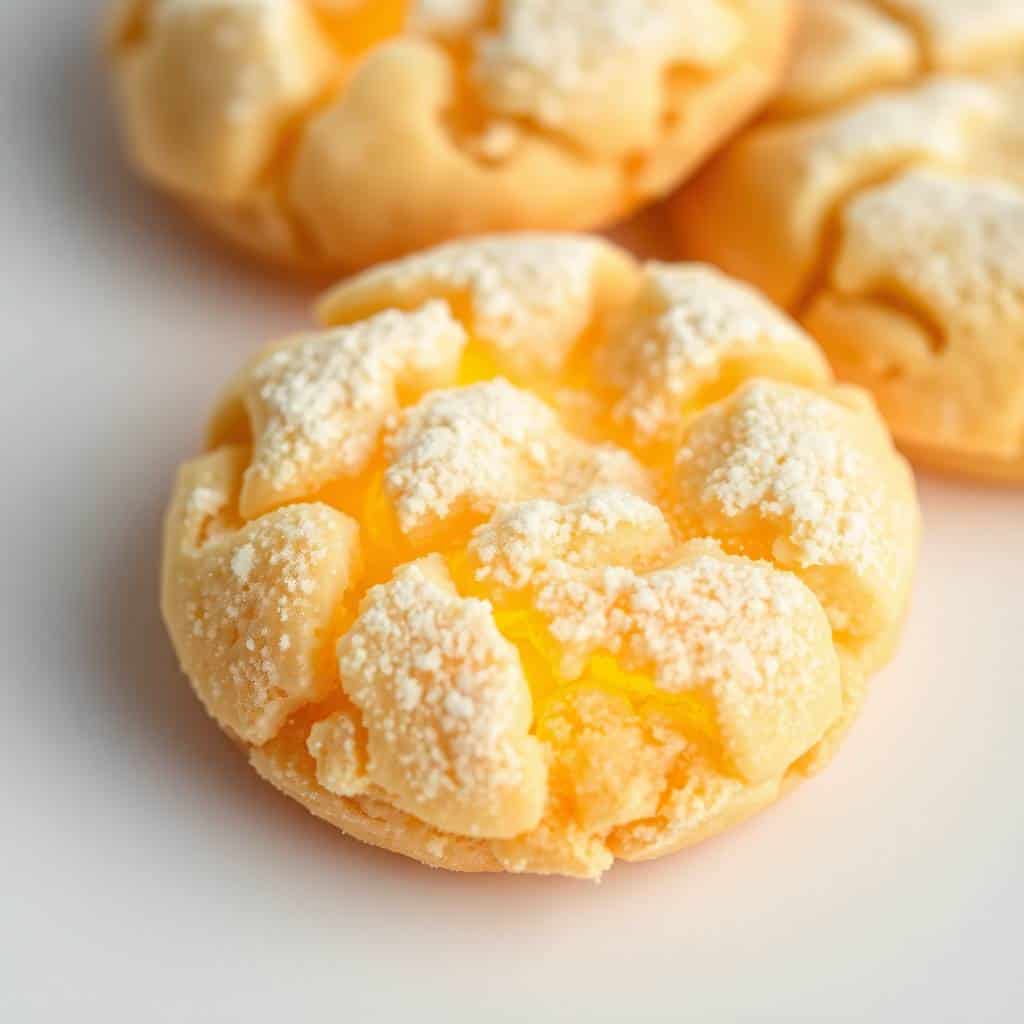
Tips for Success
- Softened butter, not melted: This is probably the most important variable in this recipe. Softened butter traps air when you beat it, which creates that light, crumbly texture. Melted butter makes the dough greasy and the cookies flat. I leave mine out on the counter for about an hour before I start. If you forget, slice it thin and let it sit 15 minutes — that speeds things up.
- Don't skip the chill: I know I already said this in the directions, but I mean it. The first time I made these I was in a hurry and baked them straight from mixing. They spread thin and lost their round shape entirely. Thirty minutes minimum in the fridge makes all the difference. If you're really pressed for time, 15 minutes in the freezer also works.
- Use fresh lemon, not bottled juice: Bottled lemon juice is mostly citric acid — it gives you tartness but not the full lemon flavor. Fresh zest contains the lemon oils, which is what makes these cookies smell and taste like an actual lemon rather than lemon candy. One large lemon is usually enough for both the zest and juice this recipe needs.
- Roll while warm for the first coat: Timing matters here. If you wait until the cookies are completely cool for the first roll, the powdered sugar won't stick properly and you'll get a patchy coating. Warm — not hot enough to burn your fingers — is the sweet spot. Then let them cool fully before the second roll.
- Don't overbake: These cookies should come out of the oven looking like they need another two minutes. That's correct. The edges should be set but the tops should still look soft and pale. They continue cooking on the hot pan for a few minutes after you pull them, and they firm up as they cool. Overbaked lemon meltaways get dry and crumbly in the wrong way — not the melt-in-your-mouth way we're going for.
Variations
- Lime version: Swap the lemon zest and juice for lime. The result is a little more tart, a little more tropical. This is actually the version I made once when I'd used all my lemons for something else, and it went over just as well. Lime zest has a slightly different character — a bit more intense — so you can use a touch less if you want a milder flavor.
- Orange meltaways: Use orange zest and juice instead. The flavor is sweeter and softer than lemon, which my kids actually prefer. It works beautifully with the vanilla extract already in the dough. If you're making these for a crowd that skews toward sweeter rather than tart, the orange version is your move.
- Lemon with cardamom: Add ¼ teaspoon of ground cardamom to the dough along with the flour. This is a flavor combination that feels very natural to me — in Pakistan cardamom shows up in almost everything sweet. The warmth of cardamom cuts through the citrus in an interesting way. It's subtle but noticeable, and guests always ask what the extra flavor is.
- Lavender lemon: Add 1 teaspoon of dried culinary lavender (crush it lightly between your fingers first) to the dough with the flour. This version feels a bit more grown-up and works really well at afternoon tea situations. Make sure you're using culinary lavender, not decorative — the flavor is cleaner and less soapy. Pair these alongside a frosted blackberry mule and you have a pretty impressive spread.
- Dairy-free version: Use a good plant-based butter (I've had success with Earth Balance sticks) in a 1:1 swap. The texture changes slightly — the cookies are a bit less rich — but they still hold together well and have good flavor. This is worth knowing if you're baking for someone with a dairy restriction.
Serving and Storage
Serving
These are at their best at room temperature with a cup of tea or coffee. They're light enough that you can serve them alongside something richer — a slice of butter pecan praline poke cake, for instance — without either one overwhelming the other. For a holiday cookie tray, I usually put these next to something chocolate so the flavors contrast nicely. If you're serving them at a gathering, give them a fresh dusting of powdered sugar just before setting them out — they tend to absorb some of it as they sit.
Storage
Store baked cookies in an airtight container at room temperature for up to one week. They stay soft and the powdered sugar coating holds well. If you want to freeze them, freeze the cookies before the powdered sugar coating — just let them cool completely, layer them between sheets of parchment, and freeze in an airtight container for up to 2 months. When you're ready to serve, let them thaw at room temperature for about 30 minutes, then roll them in powdered sugar fresh. The uncoated dough balls can also be frozen and baked straight from frozen — just add 2-3 extra minutes to the bake time.

Frequently Asked Questions
Can I make the dough ahead of time?
Yes, and I'd actually encourage it. The dough keeps in the fridge for up to 2 days, tightly covered. If it's been in the fridge overnight it may be a bit firmer — just let it sit at room temperature for 10 minutes before rolling it into balls. This makes the recipe really easy to split across two days if you're baking for an event.
Can I freeze lemon meltaways?
Freeze them before the powdered sugar coating for the best results. Let baked cookies cool completely, then freeze in layers separated by parchment paper in an airtight container for up to 2 months. Thaw at room temperature for about 30 minutes, then roll in powdered sugar just before serving. You can also freeze the raw dough balls on a sheet pan, then transfer to a bag once solid, and bake from frozen with a couple extra minutes added.
My cookies spread flat in the oven — what happened?
Almost certainly the dough wasn't cold enough when it went in. Butter that's too warm at baking time melts before the cookie structure sets, which causes spreading. Make sure you chilled the dough for at least 30 minutes (an hour is better), and if your kitchen is warm, put the shaped cookie balls back in the fridge for 10 minutes before baking. Also double-check your butter wasn't accidentally melted rather than softened.
Can I use bottled lemon juice instead of fresh?
You can, though fresh really does make a difference in flavor here. The bigger thing you'd be missing is the zest — that's where most of the lemon flavor actually comes from. If you have a lemon for the zest but not quite enough juice, topping it up with a little bottled juice is fine. But if you're skipping the zest entirely and only using bottled juice, the cookies will taste noticeably flatter.
Why do I roll the cookies in sugar twice?
The first roll while the cookies are warm creates a base layer that absorbs slightly into the surface. The second roll once they're completely cool adds the thick, visible coating that makes these look the way they should. One roll leaves them looking a little bare and the sugar dissolves into the cookie. Two rolls is what gives you that proper snowy, bakery-style finish.
These lemon meltaways have stayed in my regular rotation because they're honest — no complicated techniques, no hard-to-find ingredients, just a well-balanced little cookie that delivers on what it promises. The lemon is real, the texture is genuinely soft, and the double powdered sugar coating makes them look like you put more effort in than you actually did.
I make a double batch around the holidays every year because a single batch is gone before I've finished boxing them up. They travel well, they keep well, and they work on a cookie tray next to something chocolate or something spiced without getting lost. If you want something to round out a holiday spread, my sugared cranberries sit beautifully alongside these — both have that dusted, jewel-like look that makes a dessert table feel put together.
If you try these, let the dough chill properly and don't skip that second sugar roll. Those are the two things that take this from "fine cookie" to the one people ask you for the recipe for. 🍋✨

LEMON MELTAWAYS
Ingredients
- 1 cup unsalted butter softened
- ½ cup powdered sugar plus extra for dusting
- 1 teaspoon vanilla extract
- 2 cups all-purpose flour
- 1 tablespoon lemon zest from about 1 lemon
- 1 tablespoon fresh lemon juice
- ¼ teaspoon salt
Instructions
Preheat the Oven:
- Preheat oven to 350°F (175°C). Line a baking sheet with parchment paper.
Make the Dough:
- In a large bowl, cream butter and powdered sugar until light and fluffy. Mix in vanilla, lemon zest, and lemon juice. Gradually add flour and salt, mixing until a soft dough forms.
Shape the Cookies:
- Roll dough into 1-inch balls and place on the baking sheet about 2 inches apart. Flatten slightly with the bottom of a glass or your palm.
Bake:
- Bake for 12–14 minutes or until the edges are just lightly golden. Cool for 10 minutes.
Dust with Sugar:
- While cool, dust cookies generously with powdered sugar.
Notes
- Make Ahead: Dough can be refrigerated for up to 2 days before baking.
- Customizing the Flavor: Add a pinch of cardamom for an exotic twist or substitute lime zest for lemon.
- Serving Suggestions: Perfect alongside tea or coffee, or packed as a sweet gift during the holidays.
- Allergy-Friendly Options: Use plant-based butter for a dairy-free option.
- Storage Tips: Store in an airtight container at room temperature for up to 1 week.
If you liked these, here are a few more recipes worth keeping in your back pocket:
- Meringue Cookies — light, crisp, and endlessly adaptable
- Sugared Cranberries — beautiful on a holiday table and surprisingly simple to make
- Butter Pecan Praline Poke Cake — when you want something richer and more substantial
- Frosted Blackberry Mule (Non-Alcoholic) — pairs nicely with a cookie spread for a tea or brunch situation



Comments
No Comments