
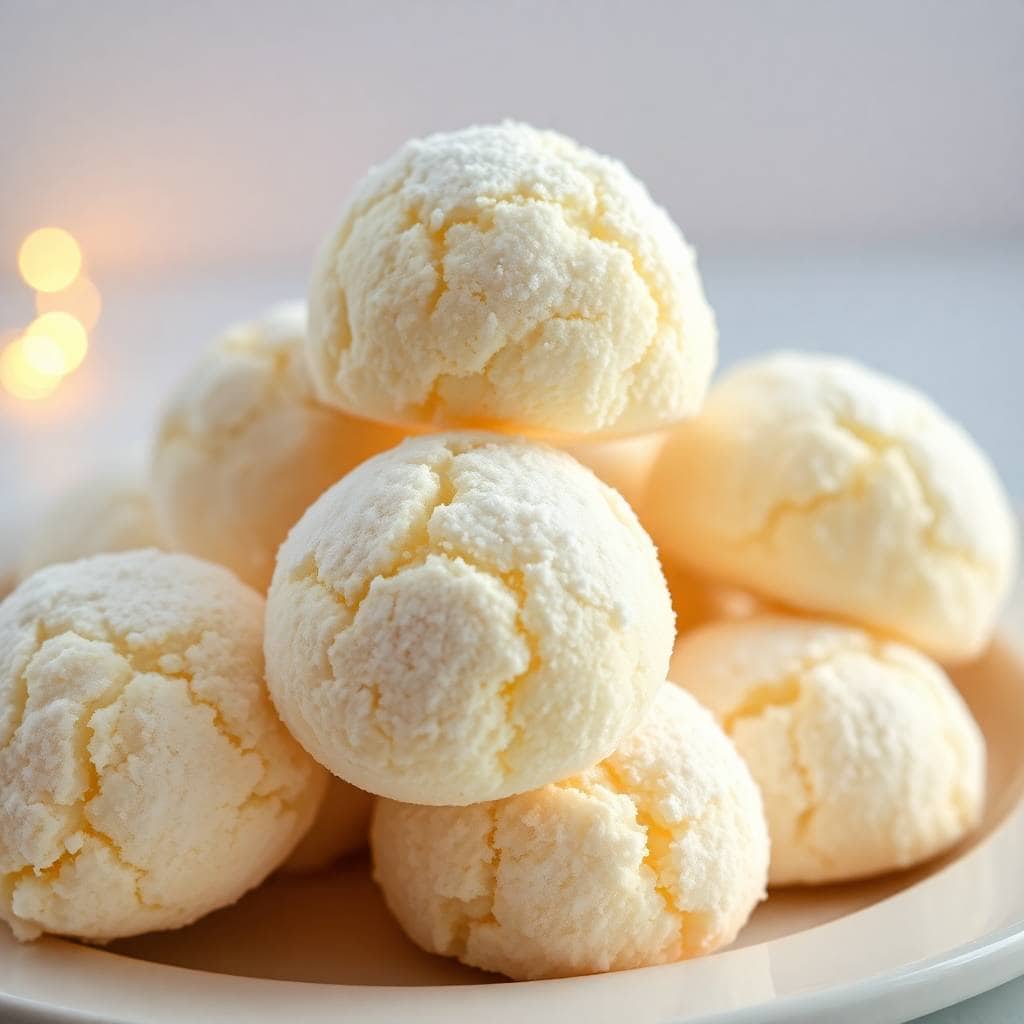
Every December, I end up making at least three batches of these snowball cookies — and every time, they disappear before I've had a chance to arrange them nicely on a plate. I've been making some version of this recipe for years, long before I started writing about food. My mother made a similar cookie when I was growing up, except she used walnuts and rolled them only once in sugar. I roll mine twice. That second roll is non-negotiable.
What makes these work is the ratio: enough butter to get that crumbly, melt-on-your-tongue texture, but enough flour to hold a clean ball shape. The first time I made them on my own, I used cold butter straight from the fridge because I was impatient. They turned out dense and dry — nothing like I remembered. Softened butter, properly creamed, is what gives you that light, sandy crumb that makes snowball cookies so addictive. I also finely chop my pecans rather than leaving them chunky. Smaller pieces mean the nut flavor runs through every bite instead of concentrating in one spot.
These go on my holiday cookie tray every single year alongside my cranberry pistachio shortbread — together they make the tray look like it took way more effort than it did. My husband eats them with his afternoon tea. Zainab will grab a handful and immediately have powdered sugar all down her front, which at this point I've accepted as part of the holiday tradition. I usually make a double batch because one batch simply doesn't survive long enough to gift.
One thing worth knowing before you start: this dough is forgiving, but it can get sticky if your kitchen is warm. If the balls aren't holding their shape cleanly when you roll them, just pop the dough in the fridge for 20 minutes. Also — and I cannot stress this enough — roll the cookies in sugar while they are still warm. Not hot, not cold. Warm. That first coat bonds to the surface and the second coat (once they're completely cool) sticks to that. Skip this and you end up with cookies that look patchy.
Why You'll Love This Recipe
- No eggs, no fuss: I didn't realize until I'd been making these for years that they're naturally egg-free — the butter is what holds everything together. That makes them a genuinely good option if you're baking for someone with an egg allergy. The texture is rich and tender without them, not a compromise at all.
- Five ingredients you already have: Butter, flour, powdered sugar, vanilla, and nuts — that's essentially the whole shopping list. I've made these at the end of December when I didn't want to go back to the store, and I had everything I needed already in my pantry. No specialty ingredients, no hunting around.
- Make ahead without stress: The dough keeps in the fridge for three days and in the freezer for a full month. I usually make the dough a day or two before I plan to bake, which means on cookie-baking day I'm just rolling and baking — no mixing, no waiting. It takes a lot of pressure off when you're juggling multiple holiday recipes at once.
- They actually taste better after a day: Most cookies are best straight out of the oven. These are good warm, but honestly the flavor deepens overnight. The powdered sugar settles into the surface, the butter flavor mellows, and they get this soft, almost sandy texture that's really hard to stop eating. I make them the day before a party on purpose now.
- Easy to gift: Stack them in a tin lined with parchment paper and they travel beautifully. They don't crumble the way some delicate cookies do, and the powdered sugar keeps them from sticking to each other. I've given tins of these with my double chocolate snowball cookies packed alongside and it always goes over well.
Ingredients
- 1 cup unsalted butter, softened (leave it out for at least an hour — this matters)
- ½ cup powdered sugar, plus 1½ to 2 cups extra for rolling
- 1 teaspoon vanilla extract
- 2¼ cups all-purpose flour
- ¼ teaspoon salt
- ¾ cup finely chopped pecans or walnuts (pecans are my preference — slightly sweeter, less bitter)
Directions
- Step 1: Preheat the oven. Set your oven to 350°F (175°C) and line a baking sheet with parchment paper. I use a regular sheet pan — nothing fancy — and I always use parchment because these cookies are delicate on the bottom and can stick to an unlined pan.
- Step 2: Cream the butter and sugar. In a large bowl, beat the softened butter and ½ cup of powdered sugar together until the mixture is pale and fluffy. I do this with a wooden spoon and some elbow grease — no stand mixer needed. It takes about 2 to 3 minutes of active mixing. Don't rush this step; it's what builds the light texture.
- Step 3: Add vanilla, flour, and salt. Mix in the vanilla extract, then gradually add the flour and salt. Stir until the dough comes together. It will look crumbly at first — keep going. Once it forms a cohesive dough that holds when pressed, you're there.
- Step 4: Fold in the nuts. Stir in the finely chopped pecans or walnuts. The dough should be soft but hold a ball shape without sticking too much to your hands. If it feels very sticky, refrigerate it for 20 minutes before rolling.
- Step 5: Shape and bake. Roll the dough into 1-inch balls — I use a small cookie scoop to keep them uniform — and place them about 1 inch apart on the prepared baking sheet. Bake for 12 to 15 minutes, until the bottoms are just lightly golden. The tops will look dry and barely set. That's correct. Don't wait for them to brown on top or they'll be dry.
- Step 6: First sugar coat. Let the cookies cool on the pan for about 5 to 8 minutes — they need to be warm but not so hot they fall apart when you handle them. Roll each cookie in powdered sugar and set on a wire rack to finish cooling completely.
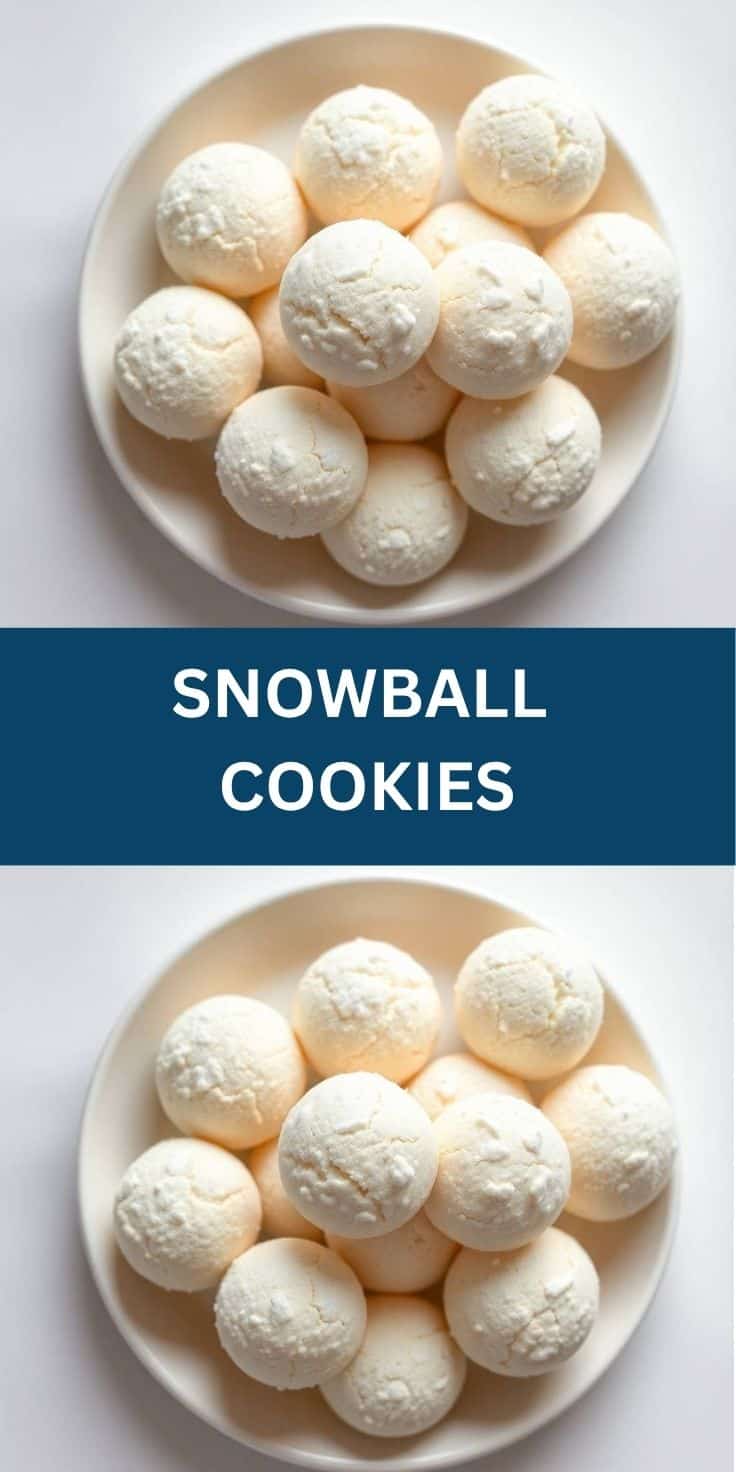
- Step 7: Second sugar coat. Once the cookies are fully cool (at least 20 minutes), roll them in powdered sugar again. This second coat is what gives them that thick, snowy finish. It's the step I used to skip when I was impatient, and it makes a visible difference.

Tips for Success
- Butter temperature is not optional: I know everyone says this and it sounds fussy, but cold butter genuinely will not cream properly with powdered sugar. You end up with a dense, heavy dough and cookies that don't have that characteristic melt-in-your-mouth crumb. Leave your butter out on the counter for at least an hour before you start. If you're in a cold kitchen in winter, it might need longer — press your finger into it and it should indent easily.
- Chop the nuts finely — I mean it: The first few times I made snowball cookies I left the pecan pieces a bit chunky because I liked the texture. What actually happened was the cookies cracked along the nut pieces and fell apart when I rolled them in sugar. Fine chopping gives you a smoother dough that holds together. I run my knife over the pecans on the cutting board until they're almost sand-like in places.
- Don't overbake: These cookies should come out of the oven looking a little underdone on top. The bottoms will be pale gold, the tops will look dry and set, but they won't have any color. That's exactly right. They firm up as they cool, and if you bake them until they look done, they'll be crumbly-dry rather than crumbly-tender. Set a timer and check at 12 minutes the first time you make them.
- Roll them warm, not hot: There's a window. If the cookies are too hot when you roll them in sugar, the sugar melts into a wet, translucent crust instead of a dry, white coating. If they're too cold, the sugar won't stick and just falls off. Warm — about 5 to 8 minutes out of the oven — is right. I set a small bowl of powdered sugar next to the cooling rack so I can work through them one by one as they hit the right temperature.
- Chill the dough if your kitchen is warm: In summer (yes, some people make these year-round) or if you have a naturally warm kitchen, the butter in the dough softens quickly and the balls lose their shape. I've had batches spread flat in a warm house. Thirty minutes in the fridge fixes this completely. You can also roll all the balls and refrigerate the whole tray before baking.
Variations
- Double chocolate version: Replace ¼ cup of the flour with unsweetened cocoa powder and add ⅓ cup mini chocolate chips to the dough. The result is a richer, darker cookie that still gets the powdered sugar treatment — though you can also roll them in a mix of powdered sugar and cocoa for an even deeper look. I make a batch of these alongside the classic ones at Christmas because not everyone in my house agrees on which is better. Check out my double chocolate snowball cookies for the full version.
- Cinnamon sugar coating: Mix 1 teaspoon of ground cinnamon into every ½ cup of powdered sugar you use for rolling. This version is especially good with pecans — the warm spice against the buttery nut flavor is really nice. My husband prefers these over the plain ones, actually.
- Almond extract version: Swap the vanilla extract for almond extract and use finely chopped blanched almonds in the dough. It gives the whole cookie a more delicate, floral flavor that's distinctly different from the pecan version. Use half the amount of almond extract compared to what you'd use with vanilla — it's stronger and can overwhelm easily.
- Lemon zest snowballs: Add the zest of one lemon to the dough along with the vanilla. The citrus cuts through the richness slightly and makes a bright, fresh version that works really well at spring or Easter gatherings, not just Christmas. I've also done orange zest with a tiny splash of orange extract and it's lovely.
- Nut-free option: Leave out the nuts and add 2 tablespoons of extra flour to compensate for the lost bulk. The texture will be slightly softer and more uniform — more like a classic shortbread ball. Good for anyone with a nut allergy. You can also fold in finely chopped dried cranberries for a little color and tartness, which makes them look especially festive on a tray next to the cranberry pistachio shortbread.
Serving and Storage
Serving
These are best served at room temperature with something warm to drink alongside — hot cocoa, tea, or coffee. I arrange them on a flat plate or tiered tray for holiday gatherings and let guests help themselves. They hold their shape well enough that they don't need individual wrappers on a tray, though if you're gifting them, layer them in a tin between sheets of parchment paper so the powdered sugar doesn't clump. For cookie platters, I like to pair them with something chocolatey — the contrast between the white snowy cookies and something darker looks nice and tastes even better.
Storage
Store in an airtight container at room temperature for up to 7 days. They actually improve after the first day — the texture softens slightly and the flavors settle. Keep them away from strong-smelling foods because powdered sugar absorbs odors. To freeze: freeze the baked, uncoated cookies in a single layer until solid, then transfer to a zip-lock bag or container for up to 2 months. When you're ready to serve, thaw at room temperature for about 30 minutes, then roll in fresh powdered sugar. The dough itself can be frozen before baking — shape into balls, freeze on a tray, then bag them. Bake from frozen, adding 2 to 3 minutes to the bake time.
Frequently Asked Questions
Can I make snowball cookie dough ahead of time?
Yes — and I actually recommend it. The dough keeps in the fridge for up to 3 days wrapped tightly, or in the freezer for up to a month. If it comes out of the fridge very firm, let it sit at room temperature for 10 to 15 minutes before rolling. Frozen dough balls can go straight into the oven — just add 2 to 3 extra minutes to the bake time.
Why did my snowball cookies spread and flatten?
The most common reason is that the dough was too warm when it went into the oven. If your kitchen is warm or you handled the dough a lot while rolling, the butter softens and the cookies spread before they set. Refrigerate the shaped balls for 20 to 30 minutes before baking and the problem usually goes away. Also check that you measured flour correctly — too little flour will cause spreading.
Can I use salted butter instead of unsalted?
Yes. Just leave out the salt called for in the recipe. The flavor difference is minimal — I've done it when I've run out of unsalted butter and no one at my table noticed. Unsalted gives you more control over the final salt level, which is why I default to it, but salted works fine in a pinch.
How do I freeze snowball cookies after they're baked?
Freeze them before the powdered sugar coating, not after. The sugar gets sticky and clumpy in the freezer. Let the baked cookies cool completely, freeze them on a baking sheet until solid, then transfer to an airtight bag or container. They keep well for 2 months. When you're ready to eat them, thaw at room temperature and roll in fresh powdered sugar — it takes about 5 minutes and they look just made.
Can I make these without nuts?
You can. Add 2 tablespoons of extra flour to make up for the bulk the nuts would have added. The cookies will be softer and more uniform in texture — still good, just different. If you want to add something back in, finely chopped dried cranberries or mini chocolate chips both work well as substitutes and don't require any other adjustments to the recipe.
SNOWBALL COOKIES
Ingredients
- 1 cup unsalted butter softened
- ½ cup powdered sugar plus extra for coating
- 1 teaspoon vanilla extract
- 2 ¼ cups all-purpose flour
- ½ teaspoon salt
- 1 cup finely chopped pecans or walnuts
Instructions
Preheat the Oven:
- Preheat oven to 350°F (175°C). Line a baking sheet with parchment paper.
Make the Dough:
- In a large bowl, cream butter and ½ cup powdered sugar until light and fluffy. Mix in vanilla. Gradually add flour and salt, mixing until combined. Stir in chopped nuts.
Shape the Cookies:
- Roll dough into 1-inch balls and place on the prepared baking sheet about 1 inch apart.
Bake:
- Bake for 12–15 minutes, or until the bottoms are lightly golden. Cool for 10 minutes.
Coat in Sugar:
- While still warm, roll cookies in powdered sugar. Once completely cool, roll again for a snowy finish.
Notes
- Make Ahead: Dough can be made ahead and refrigerated for up to 3 days or frozen for 1 month.
- Customizing the Flavor: Swap nuts for mini chocolate chips or use almond extract for a twist.
- Serving Suggestions: Serve with hot chocolate, coffee, or tea during the holidays. Great for cookie platters or edible gifts.
- Allergy-Friendly Options: Use a nut-free substitute like sunflower seeds if needed, or a plant-based butter for dairy-free version.
- Storage Tips: Store in an airtight container at room temperature for up to 1 week or freeze for longer shelf life.
These snowball cookies are the recipe I come back to every year without fail. They're one of those things that looks impressive on a tray but requires almost no skill — just patience with the butter temperature and the two-coat sugar method. I like that the ingredient list is short enough to memorize. By my second December making them, I wasn't looking at the recipe at all.
If you're putting together a holiday cookie box, I'd pair these with something that has a bit more chew or chocolate to contrast — something like the double chocolate snowball cookies makes the two look almost intentionally matched. And if you're looking to round out your dessert table beyond cookies, my classic apple pie has been my go-to for years when I need something that feeds a crowd and makes the kitchen smell like the holidays.
I hope these make it onto your holiday tray this year. Make a double batch if you're gifting any — one batch is never enough once people start eating them straight off the cooling rack. And don't skip that second sugar coat. Trust me on that one. 🍪❄️
If you liked this recipe, here are a few more you might want to try:
- Double Chocolate Snowball Cookies — the richer, darker sibling of this recipe
- Cranberry Pistachio Shortbread





Comments
No Comments