
Where I grew up in Pakistan, maash ki daal was on the table at least twice a week. My mother made it without measuring anything — just by feel, by smell, by the way the masala looked in the pan. It took me years to figure out how she got it so rich without it turning mushy or bland.
Maash ki daal (also called urad dal or white lentil curry) is one of those dishes that sounds simple but has a few things that can go wrong if you're not paying attention. The lentils overcook fast. The masala needs time to come together properly. And skipping the soak means you're standing at the stove for much longer than you need to be. Once I sorted those things out, this became my go-to meatless dinner — the kind of meal that doesn't feel like a compromise at all.
My husband asks for this regularly, which surprised me at first because he usually wants meat in everything. But maash ki daal is genuinely hearty — it has that thick, creamy texture that fills you up. Saad tolerates it. Zainab actually loves it, especially the next day when the flavors have settled even more. On nights when I'm running a Pakistani meal, I'll pair it with my garlic butter skillet concept of building flavor in one pan — same principle applies here.
One thing to know before you start: this isn't a 20-minute recipe. Plan for about an hour total, most of which is hands-off simmering time. But the active cooking is simple — onions, spices, boiled lentils combined at the right moment. I'll walk you through every step with photos so you know exactly what to look for at each stage.

Why You'll Love This Recipe
- It's genuinely filling without any meat: Maash ki daal has about 25 grams of protein per 100 grams — that's not a small number. When I serve this for dinner, nobody's hunting for a snack an hour later. The texture is thick and creamy in a way that most other lentils just aren't, which is probably why it earned the nickname "king of daals" in the first place.
- Freezer-friendly in a way most daals aren't: I make a double batch almost every time now. Most daals turn watery or lose their texture after freezing, but maash ki daal holds up well. I portion it into zip-lock bags flat, freeze them, and pull one out on nights when I have nothing planned. It reheats on the stove beautifully with just a splash of water.
- The spices are things you likely already have: Red chili powder, turmeric, coriander, cumin, black pepper — nothing exotic here. The only ingredient that might require a search is dried fenugreek leaves (sukhi methi), and honestly that's optional. If you can find it at an Indian or Pakistani grocery store, add it — it gives the daal a distinctive aroma. But the recipe works without it.
- Naturally vegan (or easily made so): The recipe uses chicken powder, which I like for the depth it adds, but you can swap it for vegetable bouillon and this becomes fully vegan. I've made it both ways. The vegan version is still very good — just use a good-quality veggie stock powder and you won't notice the difference much.
- Leftovers taste even better the next day: Like most curries, the flavors deepen overnight. Zainab actually prefers the leftover daal — she'll eat it cold straight from the fridge, which I can't argue with. If you're meal prepping for the week, this is a great option to make Sunday and eat through Tuesday.
Ingredients

- 1 cup maash daal / urad dal (white lentils, washed and soaked for at least 1 hour)
- 1 medium onion, chopped
- 1 tomato, pureed (or blend a canned whole tomato if fresh aren't great)
- 2–3 green chilies
- ½ tablespoon ginger and garlic paste
- 2 tablespoon fresh ginger slices (for garnish)
- ½ cup oil (any neutral cooking oil)
- Salt to taste
- ¾ teaspoon red chili powder
- ½ teaspoon red chili flakes
- ½ teaspoon turmeric
- ½ teaspoon chicken powder (or vegetable bouillon for vegan version)
- ½ teaspoon coriander powder
- ½ teaspoon cumin powder
- ¼ teaspoon garam masala powder
- ½ teaspoon black pepper powder
- Dried fenugreek leaves / sukhi methi (optional, but highly recommended)
- Fresh coriander leaves for garnish
Directions
Part 1: Make the Masala
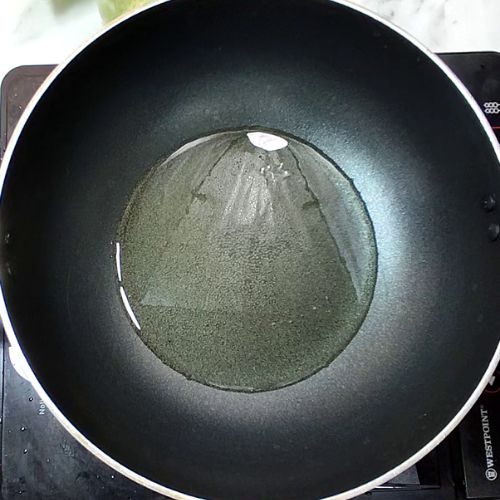
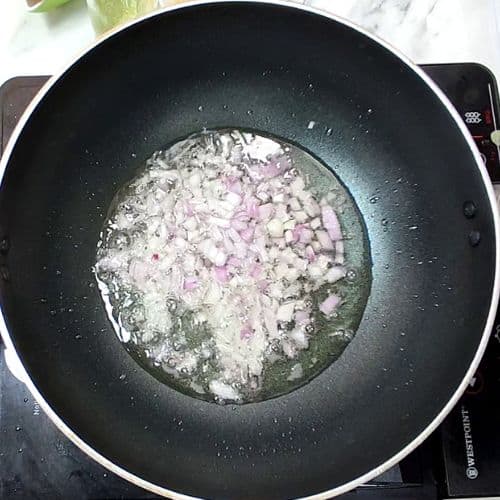
- Heat the oil and fry the onions. Add the oil to a large heavy pan over medium heat. Once hot, add the chopped onions and sauté, stirring occasionally, until they turn a deep golden brown. This takes about 10–12 minutes — don't rush it. Properly golden onions are the foundation of a good masala.
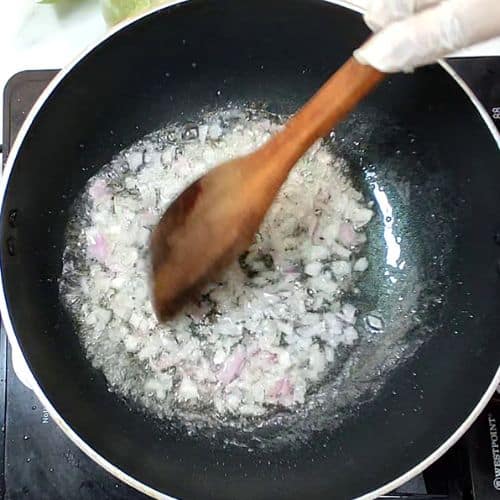
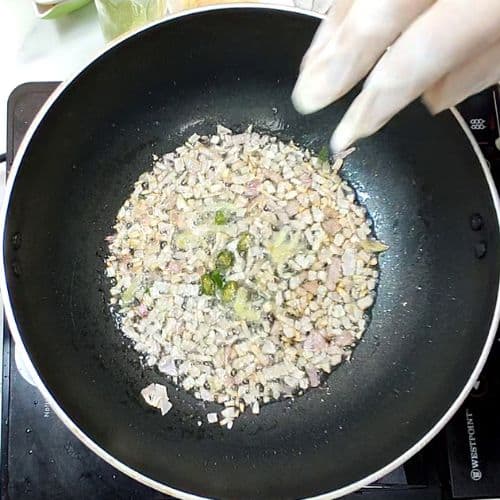
- Add green chili and ginger garlic paste. Add the chopped green chilies to the golden onions first, then add the ginger and garlic paste. Sauté everything together for about 2 minutes until the raw smell of the garlic cooks off. Keep stirring so nothing catches on the bottom.
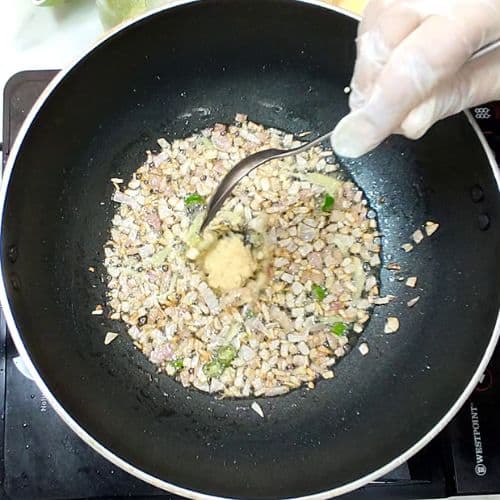
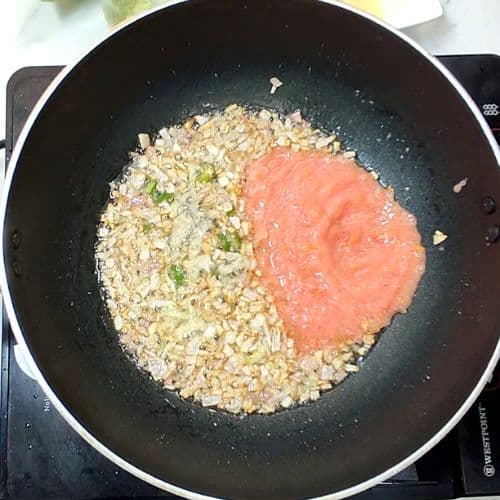
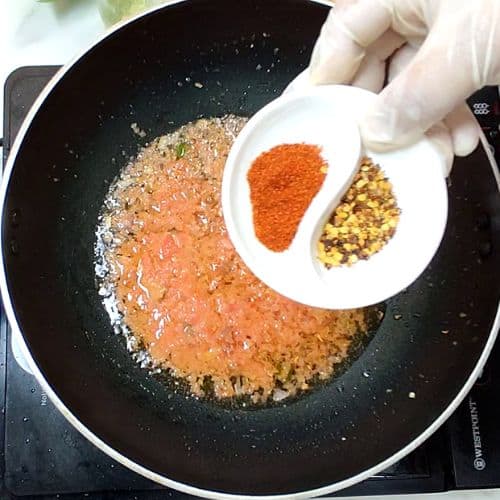
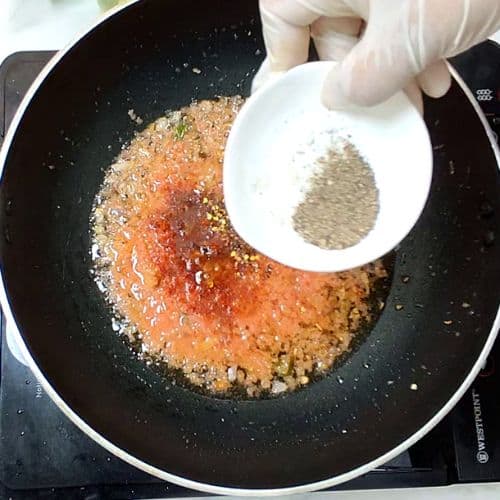
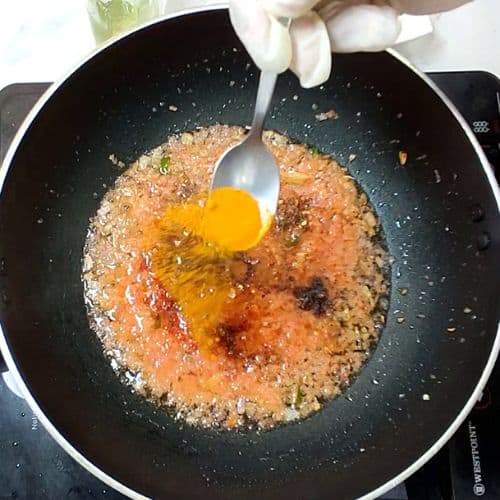
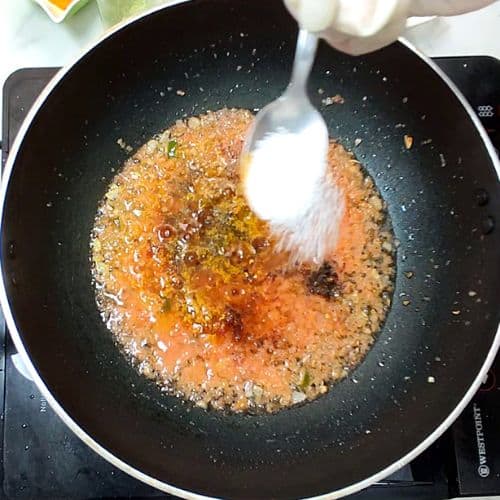
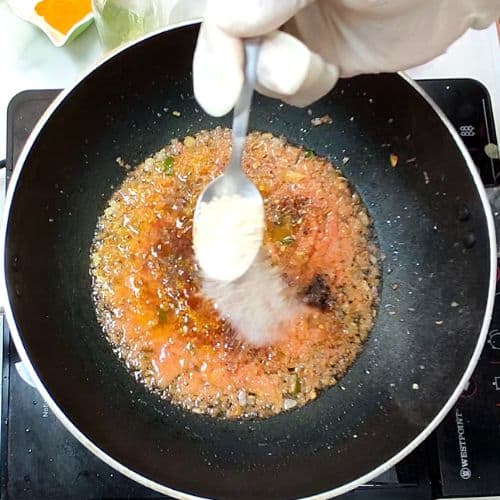
- Add tomato puree and all the dry spices. Pour in the pureed tomato, then add the red chili powder, red chili flakes, black pepper, turmeric, chicken powder, salt, coriander powder, cumin powder, and garam masala. Stir everything together so the spices coat the onion mixture evenly. Adding them all at once here is fine — the tomato liquid helps them bloom without burning.
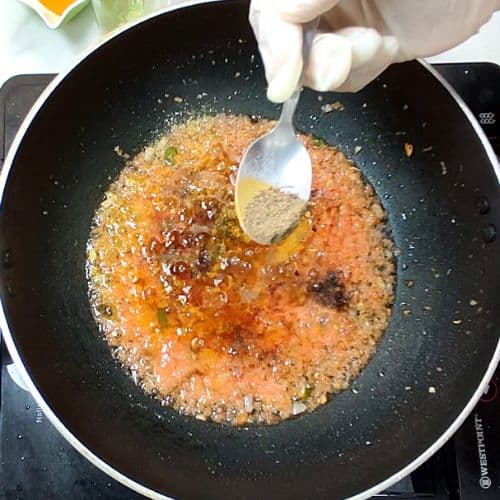
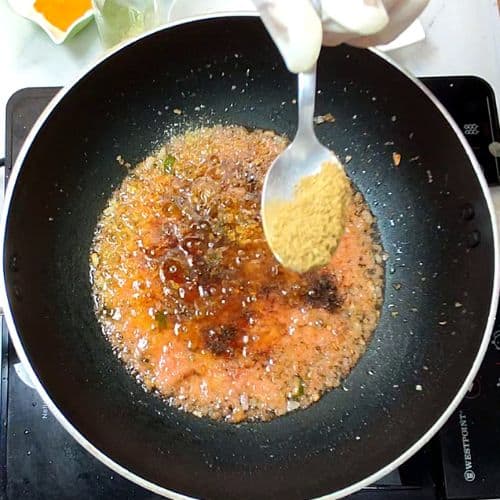
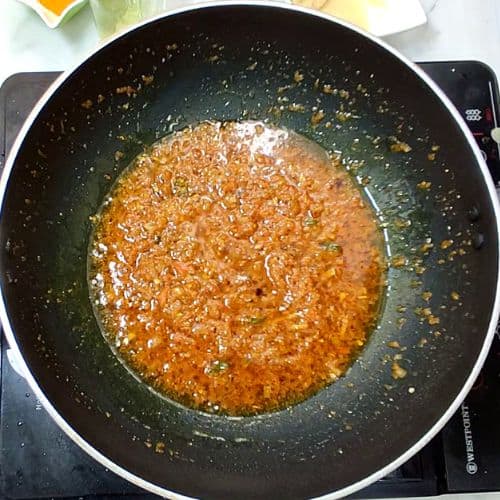
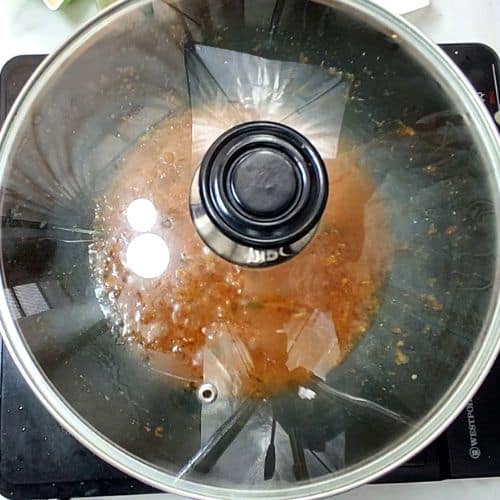
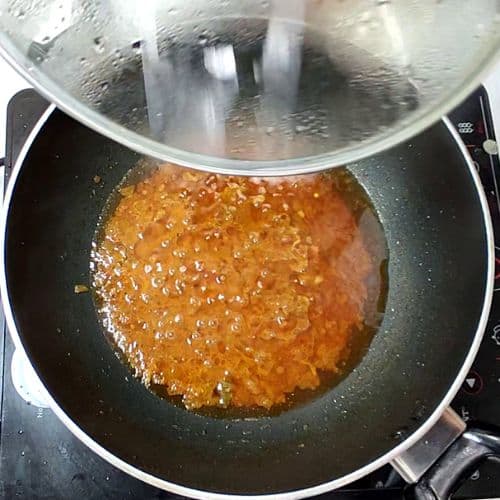
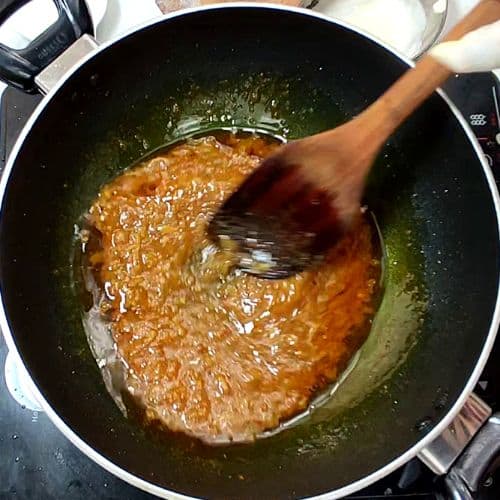
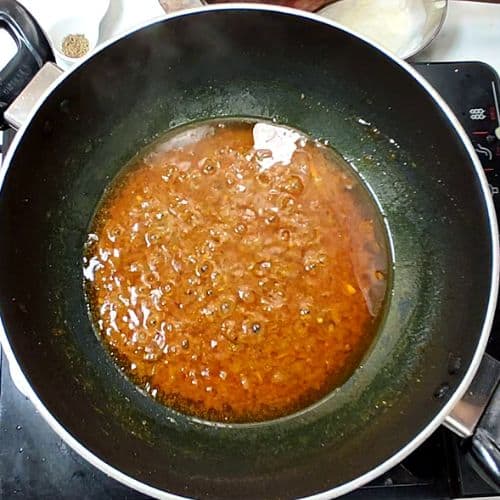
- Simmer the masala. Cover the pan and let the masala cook on low heat for 10 minutes. After 10 minutes, uncover and give it a good stir. You should see the oil starting to separate around the edges — that's when you know the masala is properly cooked. If the oil hasn't separated, give it another 5 minutes uncovered, stirring occasionally.
Part 2: Par-Boil the Daal
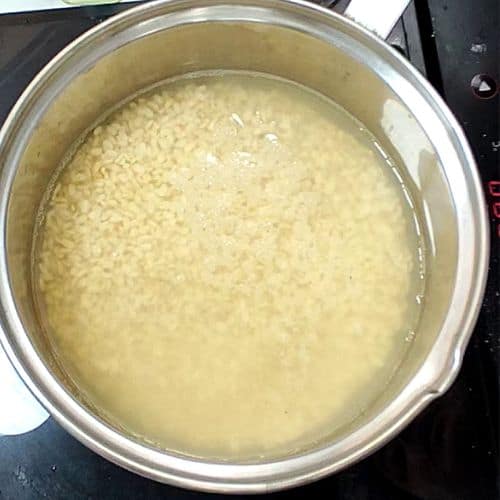
- Boil the soaked daal. In a separate pan, cover the soaked and drained daal with enough water (about 3 cups). Bring to a boil over medium-high heat. As it boils, foam will rise to the top — skim it off. This step keeps the daal clean-tasting. Add salt to taste, then cover and cook for 20–30 minutes until the lentils are tender but not falling apart.
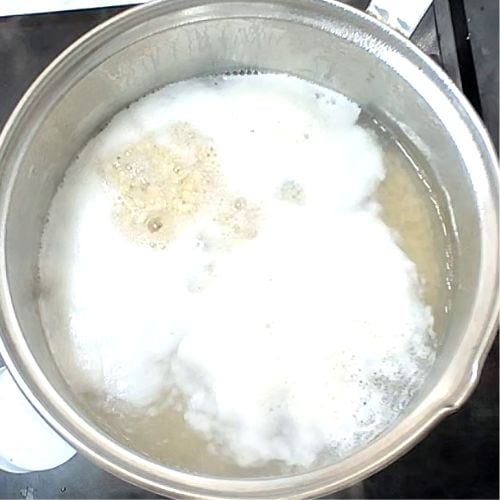
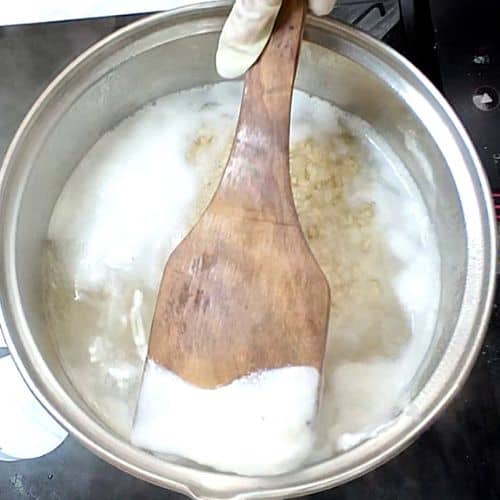
- Strain and set aside. Once the daal is tender, strain it through a colander. Don't rinse it — just drain the water and set the lentils aside while your masala finishes.
Part 3: Combine and Finish
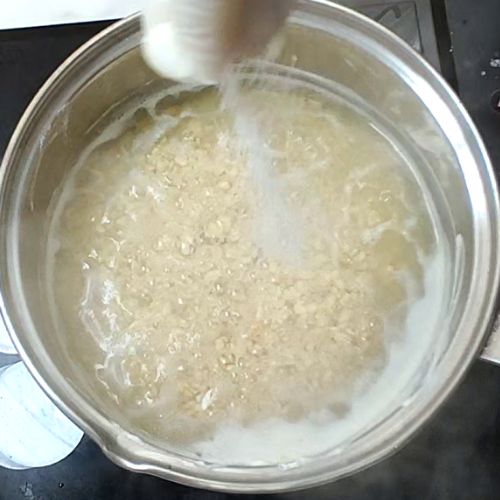
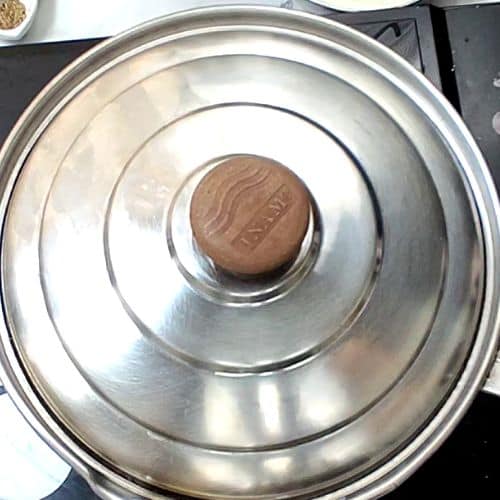
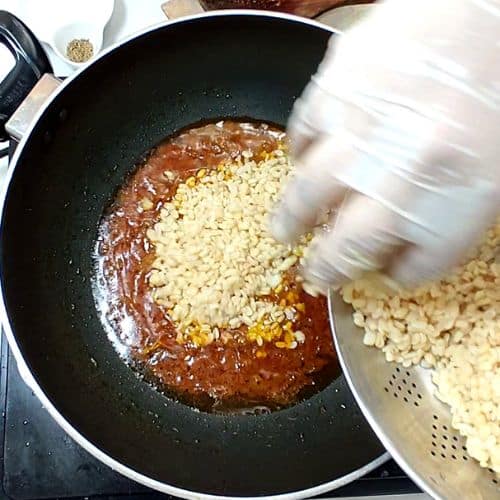
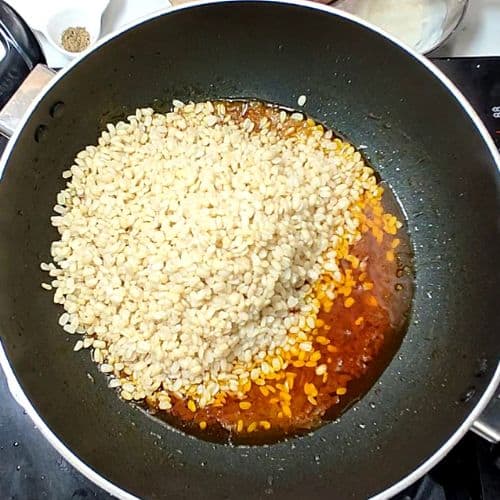
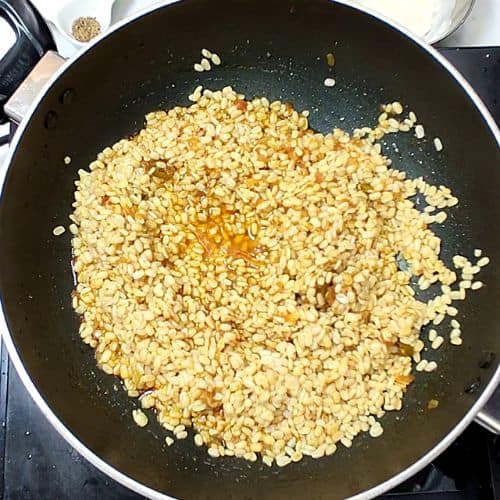
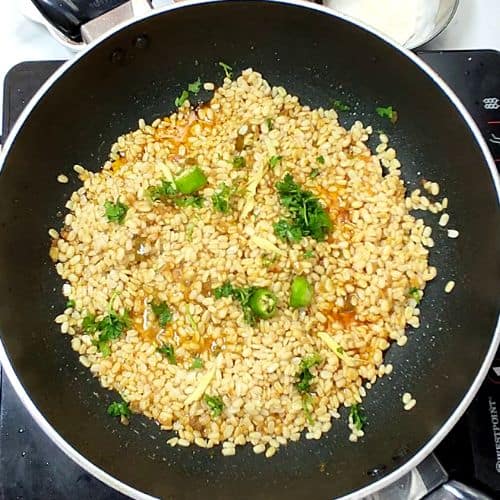
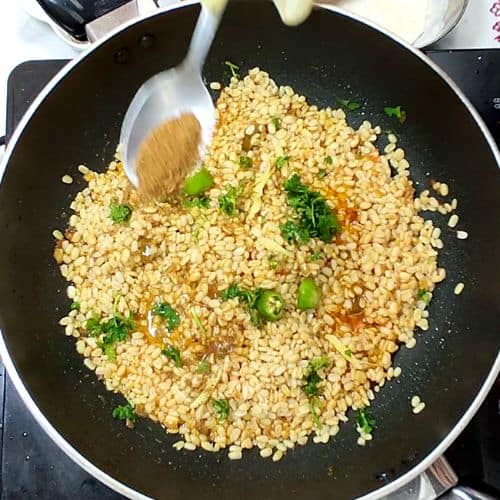
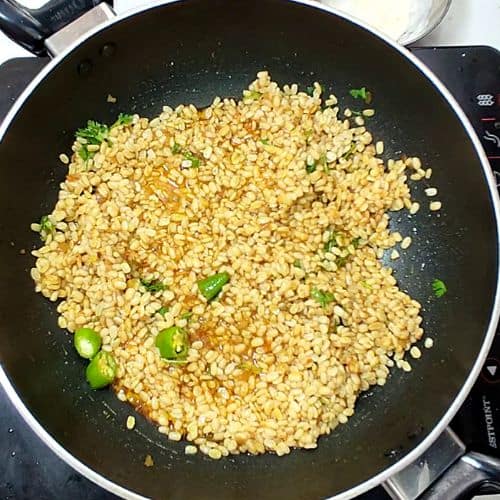
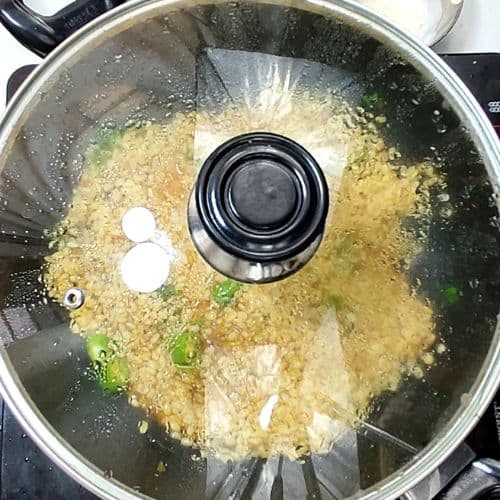
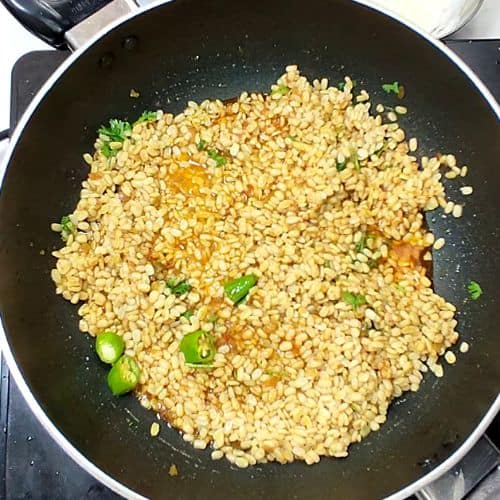
- Add the daal to the masala. Tip the strained daal into the prepared masala pan and stir gently to combine. Cover and cook together on low heat for another 10 minutes. This is where everything marries — the lentils absorb the spiced gravy and the whole thing comes together into a cohesive curry rather than lentils sitting in sauce.
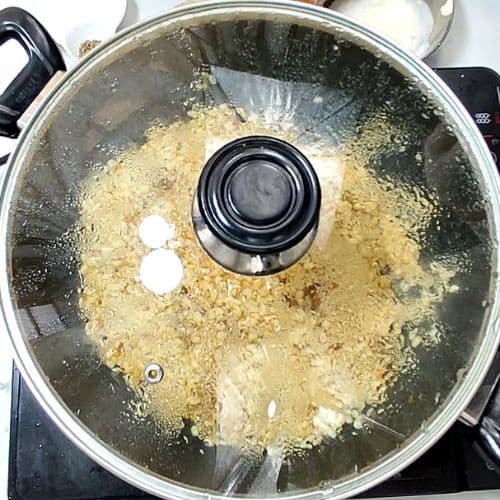
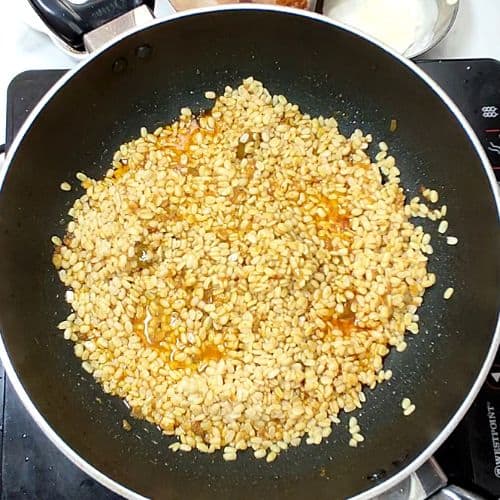
- Add garnish and finish. Uncover the pan and add the sliced ginger, green chilies, and fresh coriander leaves. If you're using dried fenugreek leaves, crumble them in now between your palms to release their aroma. Give everything a gentle stir, cover again, and let it rest on low heat for 2 more minutes. Your daal mash is ready.
Tips for Success
- Soak the daal — it matters: I know some people skip the soak to save time, and technically you can, but you'll be boiling the daal for much longer and there's a higher chance of it turning mushy before it's fully cooked through. One hour minimum, up to six hours is fine. I usually put it to soak in the morning when I know I'm making it for dinner.
- Watch the daal closely when it's boiling: This is the step I messed up most in early attempts. Maash ki daal goes from perfectly tender to falling-apart mush in just a few extra minutes. Start checking at the 20-minute mark by pressing a lentil between your fingers — it should give easily but still hold its shape. Once it does, get it off the heat and strain it immediately.
- Wait for the oil to separate before adding the daal: In Pakistani cooking, when oil floats to the top and around the edges of the masala, that's the signal the masala is done. If you add the daal before this happens, the spices haven't fully cooked and you'll end up with a raw, slightly harsh flavor. Give the masala its full 10–15 minutes.
- Add a spoonful of ghee at the end: This is optional but it makes a real difference. Just before serving, stir in 1 tablespoon of ghee (or unsalted butter if that's what you have). It adds a richness and gloss to the daal that makes it taste like something that took more effort than it did. I picked this up from watching my mother do it every single time.
- Use tomato puree, not chopped tomatoes: The original recipe calls for pureed tomato for a reason — it keeps the gravy smooth and saucy. Chopped tomatoes leave chunks and can make the masala uneven in texture. If you don't have a blender, just chop the tomato very finely and cook it down longer, pressing it with the back of a spoon.
Variations
- Fully vegan version: Swap the chicken powder for a good vegetable bouillon powder — I've used the Knorr vegetable stock cubes (crushed) and they work well. Leave out the ghee or use a neutral oil drizzle at the end instead. Everything else in this recipe is already plant-based. This is something I've served to guests who eat vegan and it goes over really well.
- Restaurant-style tarka (tempering): In many restaurant versions of maash ki daal, a separate tarka is prepared and poured over the finished daal just before serving. Heat 2–3 tablespoons of oil or ghee in a small pan, add sliced garlic and dried red chilies, let them sizzle for 30 seconds until fragrant, then pour the whole thing sizzling over the top of the daal. It adds a smoky, aromatic finish that's hard to argue with.
- Spicier version: My husband always adds more green chilies than the recipe says. He'll chop an extra two or three and throw them in with the garnish. If you like heat, go that route — the daal can handle it. You can also increase the red chili flakes by another ¼ teaspoon in the masala stage.
Daal Mash Recipe Pakistani Style (White Lentil Curry)
Ingredients
- 1 cup white lentils (maash) soaked for 30 minutes and drained
- 3 tablespoons ghee or vegetable oil
- 1 medium onion finely diced
- 2 cloves garlic minced
- 1 teaspoon ginger paste
- 1 teaspoon cumin seeds
- ½ teaspoon red chili powder adjust to taste
- ¼ teaspoon turmeric powder
- 3 cups water
- 1 teaspoon salt or to taste
- 2 tablespoons fresh cilantro chopped for garnish
- 1 green chili sliced optional for garnish
Instructions
- Rinse the white lentils under cold water and soak them in water for at least 30 minutes. This softens them and cuts down cooking time significantly. Drain and set aside.
- Heat the ghee or oil in a large, heavy-bottomed pan over medium heat. Once hot, add the cumin seeds and let them crackle for about 30 seconds until fragrant. This is where the flavor begins.
- Add the diced onion to the pan and cook for 4 to 5 minutes until golden and soft. Then add the ginger paste and minced garlic, stirring constantly for about 1 minute until the raw smell disappears.
- Sprinkle in the turmeric powder and red chili powder, stirring quickly to coat everything evenly. Cook for another 30 seconds so the spices bloom and release their oils. This prevents them from tasting raw.
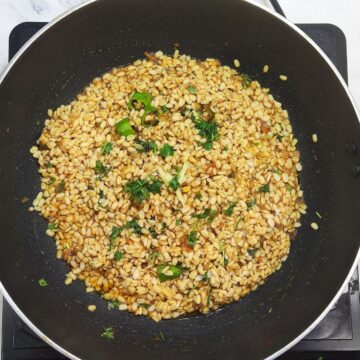
- Add the drained lentils to the pan and stir well to combine with the masala. Pour in 3 cups of water and add salt to taste. Bring everything to a boil, then reduce heat to medium-low and simmer uncovered for 18 to 20 minutes, stirring occasionally. The lentils should become soft and creamy while still holding their shape.
- The daal is ready when it reaches a thick, porridge-like consistency. If it seems too thin, simmer for another 2 to 3 minutes. If it is too thick, add a splash more water. Taste and adjust the salt and spices. Serve hot, garnished with fresh cilantro and sliced green chili. Pair with rice or warm roti.
Notes





Comments
No Comments