
I used to make chicken fettuccine Alfredo the old way — heavy cream, a lot of butter, a block of cream cheese — and it tasted amazing but left me needing to lie down afterward. I started experimenting with a lighter version a couple of years ago because I wanted the comfort of creamy pasta without the food coma that came with it. After a few failed attempts (one sauce that broke completely, one that tasted like paste), I landed on this version and haven't looked back.
The trick is using a simple flour-and-milk roux instead of heavy cream. I know that sounds like it won't work, but it does — especially when you use good Parmesan and cook the sauce low and slow. The roux gives you that thick, clingy texture that coats the fettuccine properly. The Parmesan does the flavor work. You don't miss the cream as much as you'd expect, and this is coming from someone who genuinely loves cream-based sauces.
My husband was skeptical the first time I served this. He's not someone who gets excited about the word "lighter" in a recipe title. But he had two helpings and asked me to make it again the following week, so that told me everything I needed to know. If you're looking for more weeknight pasta ideas, my creamy baked mac and cheese is another one that uses similar techniques to get richness without going overboard.
One thing I want to set expectations on: this isn't a restaurant Alfredo. It's lighter, the sauce is thinner than the cream-heavy version, and it won't taste identical to what you'd get at a sit-down Italian place. But it's genuinely good, it comes together in about 30 minutes, and you won't feel weighed down after eating it. That's the deal I'm offering here.
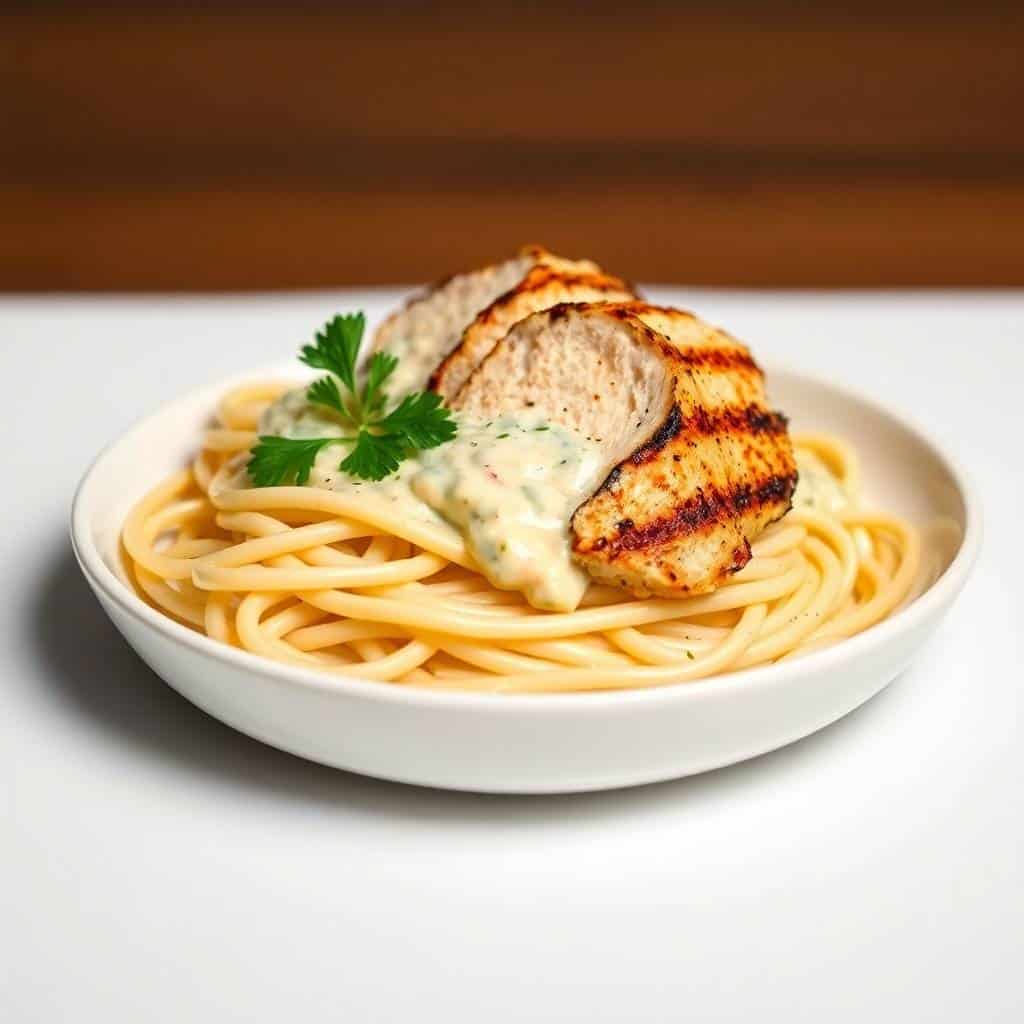
Why You'll Love This Recipe
- It comes together in under 30 minutes: I timed myself last week — pasta boiling, chicken cooking, sauce coming together in the same pan — and I had dinner on the table in 28 minutes. That's a real weeknight number. The one-pan sauce situation means I'm only dealing with one skillet and one pot to wash, which honestly matters more to me at 6pm than I'd like to admit.
- The sauce is actually creamy: I was worried a flour-and-milk roux would taste floury or flat. It doesn't — especially once the Parmesan goes in and the sauce has a few minutes to thicken properly. The key is whisking constantly and keeping the heat gentle. If you do that, the result is smooth and satisfying in a way that genuinely surprised me the first time it worked.
- Basic grocery store ingredients, nothing specialty: Every single thing in this recipe comes from a regular Walmart or Aldi shop. Low-fat milk, Parmesan from the green canister (or fresh if you want — both work), chicken breasts, fettuccine. There's nothing you need to hunt for. I know some "healthy" recipes require ingredients I can't find in my area, so I made sure this one doesn't.
- Leftovers reheat well: Pasta dishes can be a nightmare the next day — they dry out, the sauce disappears, the noodles clump. This one reheats surprisingly well with just a splash of milk stirred in before microwaving. I've been making a double batch on Sundays and eating it for lunch through Tuesday. Zainab takes it to school in a thermos and says it's still good at noon.
- High protein, filling meal: Between the chicken breast and the pasta, this keeps you full. I used to find lighter pasta dishes unsatisfying — you'd eat a bowl and be hungry an hour later. The chicken here pulls real weight (literally and figuratively). A full serving keeps me going through the afternoon without reaching for snacks.
Ingredients
- 8 oz whole wheat fettuccine (or regular fettuccine — both work)
- 2 boneless, skinless chicken breasts, cut into bite-sized pieces
- 2 teaspoons olive oil
- 2 cloves garlic, minced
- 2 tablespoons all-purpose flour
- 1 cup low-fat (1%) milk
- ¼ cup grated Parmesan cheese (freshly grated melts better, but the canister kind works in a pinch)
- ½ teaspoon salt, plus more to taste
- ¼ teaspoon black pepper
- ¼ teaspoon nutmeg (optional, but it adds a subtle warmth — I usually include it)
- Fresh parsley, chopped, for garnish (optional)
Directions
- Cook the pasta: Bring a large pot of well-salted water to a boil and cook the fettuccine according to package instructions until al dente. Drain and set aside. Don't rinse it — you want that starch on the pasta to help the sauce cling.
- Cook the chicken: In a large skillet over medium heat, warm the olive oil. Add the chicken pieces in a single layer and cook for 6–8 minutes, stirring occasionally, until golden and cooked through. Remove from the skillet and set aside. Don't crowd the pan — if your skillet is small, cook in two batches or the chicken steams instead of browning.
- Build the sauce: In the same skillet (don't wipe it out — those browned bits are flavor), add the minced garlic and sauté for about 1 minute over medium heat until fragrant. Whisk in the flour and cook for another 1–2 minutes, stirring constantly. This step cooks out the raw flour taste, so don't rush it.
- Add the milk and cheese: Slowly pour in the low-fat milk while whisking constantly. Keep whisking as the sauce comes to a gentle simmer — this is what keeps lumps from forming. Let it cook for 3–5 minutes until it thickens noticeably. Stir in the Parmesan, salt, pepper, and nutmeg if using. Taste and adjust seasoning here.
- Combine and serve: Add the cooked fettuccine and the chicken back into the skillet. Toss everything together until evenly coated and heated through. If the sauce looks too thick, add a small splash of milk and stir. Serve immediately, garnished with chopped parsley if you like.
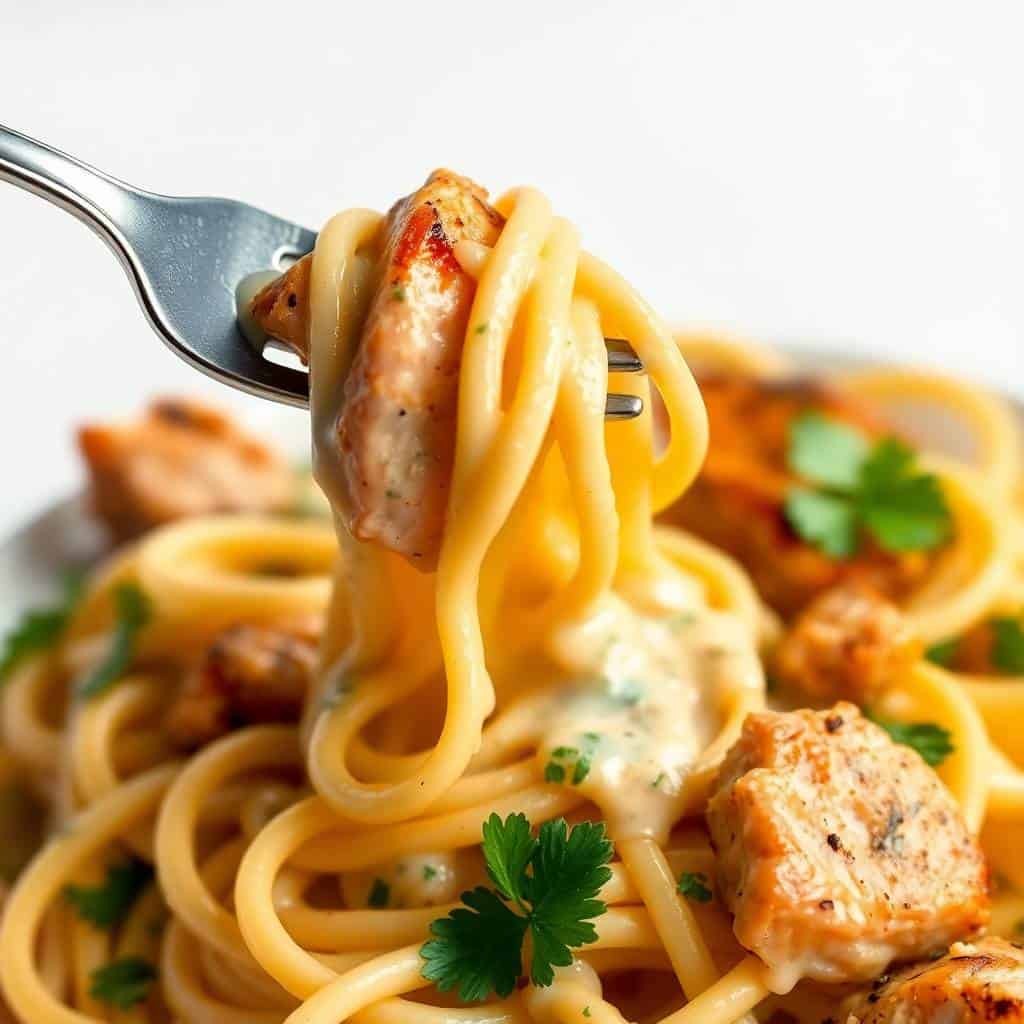
Tips for Success
- Don't rush the roux: The minute or two you spend cooking the flour in the pan before adding milk is doing important work. The first time I made this, I dumped the milk in too early and the sauce tasted like wet flour all the way through. Cook the flour until it looks slightly golden and smells a little nutty — that's when it's ready for the milk.
- Whisk constantly when adding the milk: I mean constantly — not mostly, not sometimes. Pour the milk in slowly with one hand and keep the whisk moving with the other. This is the step that makes or breaks a smooth sauce. A flat whisk works better than a balloon whisk here if you have one, but either is fine. I use a basic $8 whisk from Walmart and it does the job.
- Keep the heat gentle when the milk is in: Low-fat milk is more prone to scorching and breaking than heavy cream. Once the milk goes in, dial the heat down to medium-low and let it thicken slowly. If you crank it up to speed things along, you'll end up with a grainy, curdled sauce. I learned this the hard way on my second attempt and had to start over.
- Grate your own Parmesan if you can: Pre-shredded Parmesan has anti-caking agents that make it melt less smoothly into a sauce. If you buy a small block and grate it yourself, the sauce will be noticeably silkier. That said, the canister Parmesan still works — the sauce just might be slightly less glossy. Use what you have.
- Salt your pasta water properly: This is the one step in pasta cooking that most people skip when they're trying to eat lighter — they think salting the water adds too much sodium. The thing is, pasta absorbs water as it cooks, and if that water is bland, the pasta will be bland all the way through. Season the water enough that it tastes pleasantly salty. The actual sodium that ends up in the pasta is minimal.
Variations
- Add vegetables: Stir in a big handful of baby spinach right before you add the pasta — it wilts in about 30 seconds and you barely notice it's there. Steamed broccoli florets or sautéed mushrooms work well too. My husband actually prefers the mushroom version; he says it makes the whole dish feel more substantial. If you pair it with something fresh on the side, a quick tomato garlic salad takes maybe 10 minutes and rounds out the meal nicely.
- Swap in shrimp: Replace the chicken with peeled, deveined shrimp. Shrimp cook in about 2–3 minutes per side over medium heat — much faster than chicken — so add them at the same stage but pull them when they turn pink and curl. Overcooked shrimp go rubbery fast, so watch the pan closely. This version is a nice change if you're making it frequently and want variety.
- Make it spicy: Add ½ teaspoon of red pepper flakes to the garlic when you're building the sauce. The heat works well against the creaminess of the Alfredo — it cuts through in a good way. I've also tried a small spoonful of jarred jalapeños stirred in at the end, which gives a brighter kind of heat. Either way, start small and add more to taste.
- Gluten-free version: Use your favorite gluten-free fettuccine (Barilla makes a decent one) and swap the all-purpose flour for a 1:1 gluten-free flour blend or cornstarch. If using cornstarch, use 1 tablespoon instead of 2 — it thickens more aggressively. The sauce will still work; just whisk carefully and keep the heat low.
- Dairy-free version: Use unsweetened oat milk or almond milk in place of the low-fat milk, and a plant-based Parmesan alternative (Violife makes one that's available in most UK and US supermarkets). The sauce won't be quite as thick, so let it simmer a little longer than usual. It's not the same as the original version but it's still a solid bowl of pasta.
Serving and Storage
Serving
Serve this straight from the skillet while it's hot — the sauce tightens up as it cools and is much better fresh. I usually put it on the table with a simple green salad or steamed broccoli on the side. If you're feeding people who want something heavier alongside, a piece of garlic bread works well. In my house, my husband eats this on its own with no sides and considers it a complete meal. I won't argue with that logic.
Storage
Store leftovers in an airtight container in the fridge for up to 3 days. When reheating, add a splash of milk (about 2 tablespoons) before microwaving or warming on the stove — this loosens the sauce back up. Without it, the pasta tends to dry out and clump. I reheat mine on the stove over low heat because it gives me more control, but the microwave works fine in 90-second increments. I don't recommend freezing this one — the flour-based sauce tends to separate when thawed, and the texture gets grainy.
Frequently Asked Questions
Can I freeze this chicken Alfredo?
I don't recommend it. The flour-based sauce separates when frozen and thawed, and you end up with a watery, grainy texture that no amount of stirring will fix. This one is much better made fresh or stored in the fridge for up to 3 days. If you want to get ahead, you can make the sauce a day in advance and reheat it gently before adding the pasta and chicken.
What pasta can I use if I don't have fettuccine?
Linguine and spaghetti both work well here — the sauce clings to long pasta nicely. Penne is also a good option if that's what you have; the sauce gets into the tubes. Just cook whatever pasta you're using according to its package instructions and drain well before adding to the sauce.
Can I make this vegetarian?
Yes, easily. Just skip the chicken and add whatever vegetables you like — sautéed mushrooms, steamed broccoli, and wilted spinach all work well in this sauce. If you go the mushroom route, cook them in the skillet before making the sauce (same pan, just remove them before the garlic step and add them back at the end with the pasta).
Can I use pre-cooked or rotisserie chicken?
Absolutely. Rotisserie chicken is actually one of my favorite shortcuts for this recipe on nights when I'm really short on time. Shred or slice it and add it in at the same stage you'd add cooked chicken — right when you toss everything together. Just make sure it's warmed through before serving. The sauce does all the flavor work anyway, so pre-cooked chicken is totally fine here.
My sauce turned out lumpy — what went wrong?
Almost always it's one of two things: the milk went in too fast, or you stopped whisking. Pour the milk in slowly while whisking constantly, and don't walk away from the stove during this step. If you do end up with lumps, you can try whisking vigorously off the heat — sometimes that smooths it out. If it's really lumpy, strain it through a fine mesh sieve and return it to the pan. It's salvageable most of the time.
I've been making this low-fat chicken fettuccine Alfredo regularly for a couple of years now, and it's one of those recipes that earns its place in the rotation because it actually delivers on what it promises. Creamy enough to feel like a treat, quick enough for a Tuesday night, and filling enough that nobody leaves the table looking for something else to eat. That's a combination that's harder to find than it sounds.
What I like most about this version is the technique — once you understand how a flour-and-milk roux works, you can apply it to all kinds of lighter pasta sauces. It's a genuinely useful thing to have in your cooking toolkit. I use a similar approach in my creamy baked mac and cheese, which is another weeknight favorite in this house. Same idea, slightly different execution, equally good results.
If you make this, the one thing I'd ask you to pay attention to is the sauce-building step. Don't rush the roux, don't walk away when the milk goes in, and keep the heat gentle. Everything else in this recipe is pretty forgiving. Get those three things right and you'll have a smooth, satisfying sauce that coats the pasta properly and makes the whole dish come together the way it should. 🍝❤️
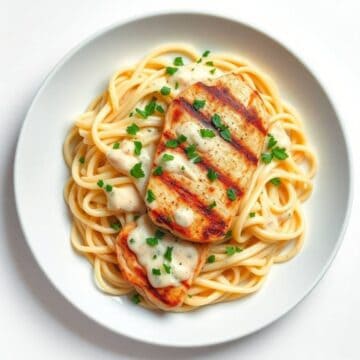
SKINNY LOW-FAT CHICKEN FETTUCCINE ALFREDO
Ingredients
- 8 oz whole wheat fettuccine
- 2 teaspoons olive oil
- 2 boneless skinless chicken breasts, cut into bite-sized pieces
- 2 cloves garlic minced
- 1 cup low-fat milk
- 2 tablespoons all-purpose flour
- ¼ cup grated Parmesan cheese
- ½ teaspoon salt
- ¼ teaspoon black pepper
- ¼ teaspoon nutmeg optional
- Fresh parsley chopped, for garnish
Instructions
- Cook Pasta: Cook fettuccine according to package instructions. Drain and set aside.
- Cook Chicken: In a large skillet, heat olive oil over medium heat. Add chicken and cook until golden and cooked through, about 6–8 minutes. Remove from skillet and set aside.
- Make Sauce: In the same skillet, add minced garlic and sauté for 1 minute. Whisk in flour and cook 1–2 minutes. Gradually add low-fat milk, whisking constantly until sauce thickens.
- Add Cheese and Seasoning: Stir in Parmesan, salt, pepper, and nutmeg (if using).
- Combine: Add cooked chicken and pasta to the sauce. Toss until everything is coated evenly and heated through.
- Serve: Garnish with chopped parsley and serve warm.
Notes
- Make Ahead: Sauce can be prepared a day in advance; reheat gently before tossing with pasta.
- Customizing Flavor: Add steamed broccoli or mushrooms for extra vegetables.
- Serving Suggestions: Serve with a side salad or garlic bread for a complete meal.
- Storage Tips: Store leftovers in an airtight container in the fridge for up to 3 days. Reheat on the stove or microwave.
If you liked this, here are a few more recipes from my kitchen that you might want to try next:
- Creamy Baked Mac and Cheese — another lighter take on a comfort food classic, great for weeknights
- Tomato Garlic Salad — a quick, fresh side that pairs well with any pasta dish
- Chicken Sliders — if you have leftover chicken breast, these come together fast
- Jalapeño Pepper Jack Cornbread — a good



Comments
No Comments