
My husband doesn't really request specific dinners very often — he's happy with whatever I put in front of him. But after the first time I made this Popeyes-style spicy fried chicken at home, he specifically asked me to make it again the following weekend. That doesn't happen often, so I wrote everything down immediately.
What makes this work is the buttermilk marinade — and I mean a real marinade, not a quick dip. The chicken sits in seasoned buttermilk and hot sauce for at least two hours, ideally overnight. That time in the fridge does two things: it tenderizes the meat and it gives the breading something wet and sticky to cling to. The result is that thick, craggy crust that actually stays on the chicken when you bite into it. I use a mix of paprika, cayenne, garlic powder, and thyme in the flour, which gets you surprisingly close to that signature Popeyes flavor.
This is my go-to when I want something indulgent on a weekend afternoon. Saad goes absolutely quiet when this is on the table — which, if you have a ten-year-old, you know is the highest possible compliment. I usually serve it with coleslaw and fries, but it also goes great next to my Garlic Butter Steak Fried Rice if you want to turn it into a full spread.
One expectation to set: this recipe requires patience. You cannot rush the marination step, and you cannot rush the frying. I tried shortcutting the marinade to 30 minutes once and the chicken was fine — but "fine" is not what we're going for here. Give it the full two hours minimum and the difference is genuinely noticeable. A meat thermometer is also not optional in my kitchen for fried chicken — you want 165°F internal to know it's done all the way through, especially with bone-in thighs.
Why You'll Love This Recipe
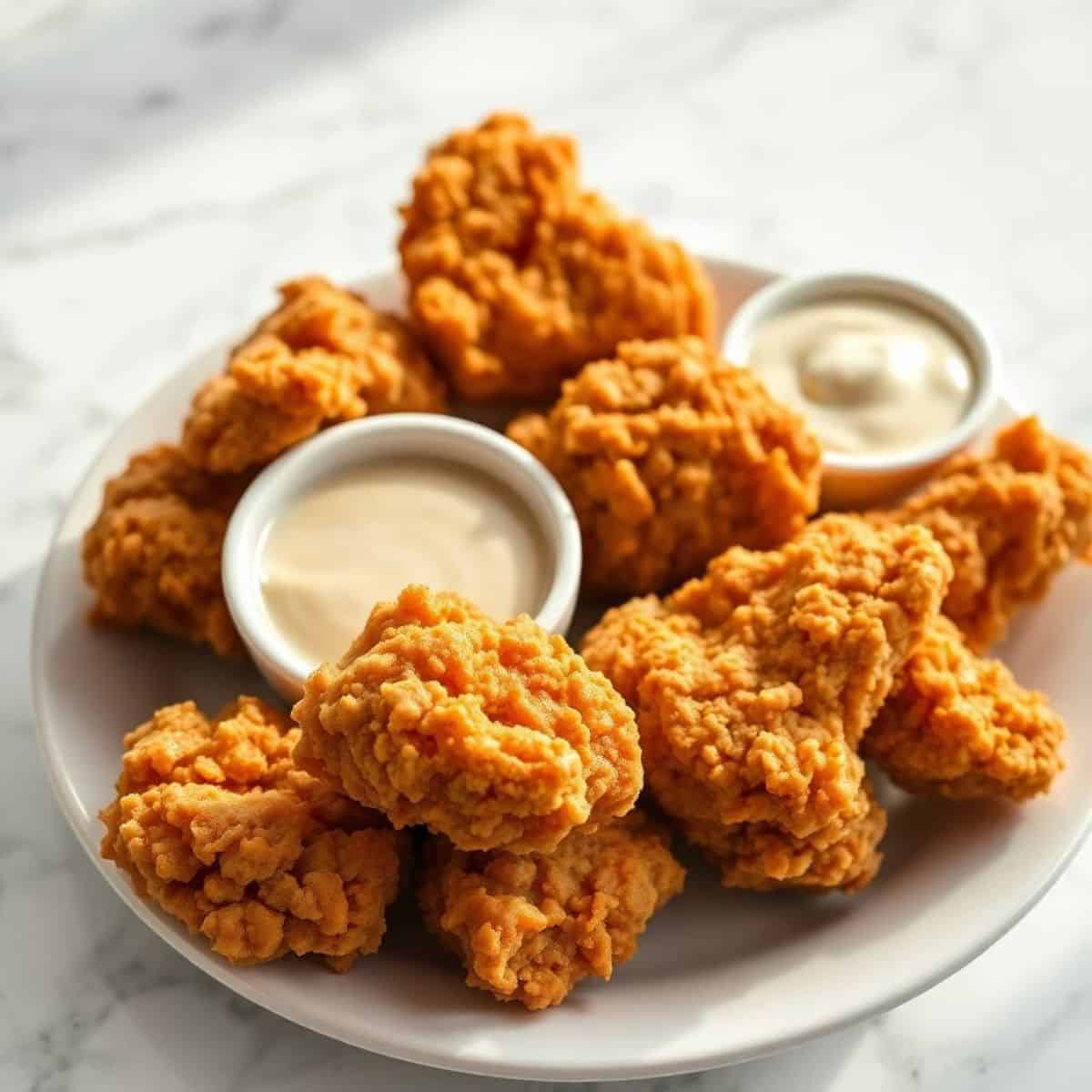
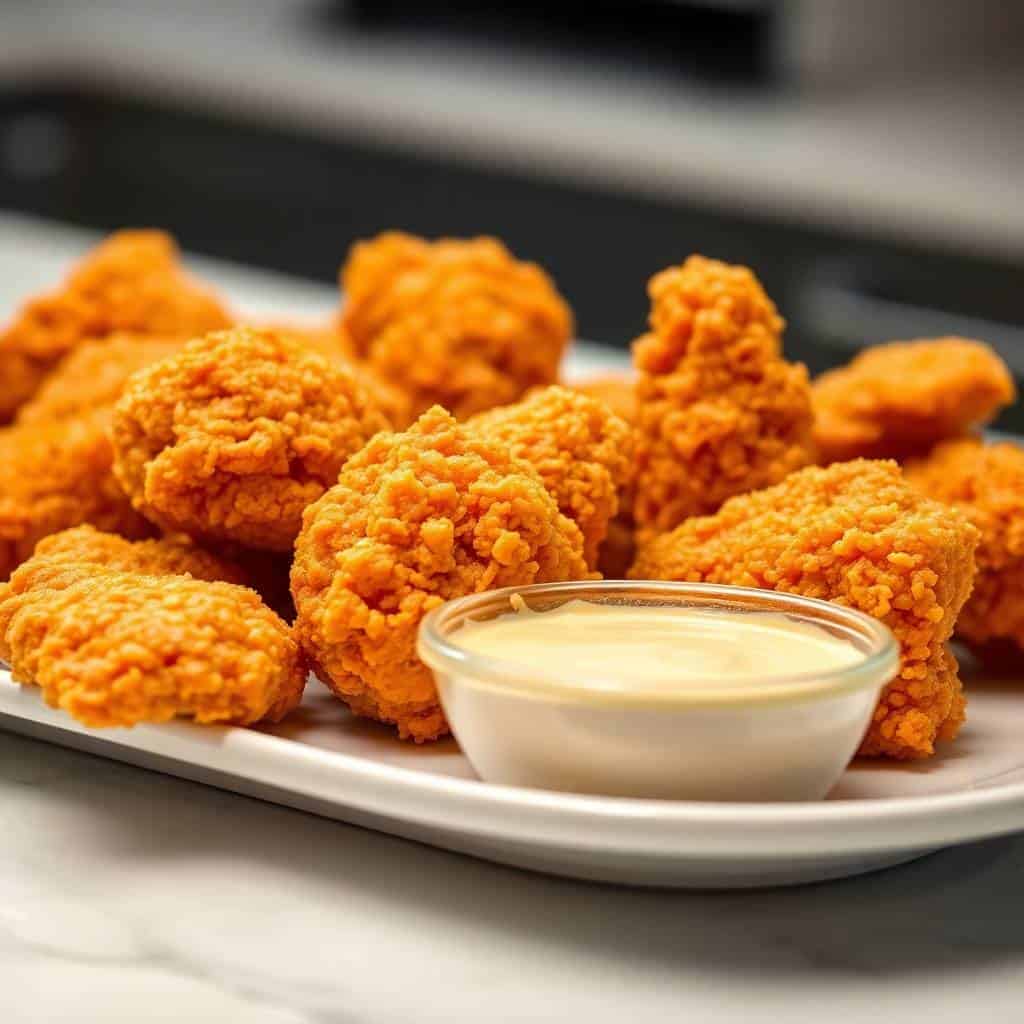
- That crust is genuinely crunchy: I've made a lot of fried chicken over the years and the crust on this one holds up better than most. The baking powder in the flour mixture is the trick — it creates tiny air pockets that make the coating lighter and crispier instead of thick and dense. Even after resting for a few minutes before serving, the crunch doesn't disappear.
- You control the heat level: The original Popeyes spicy chicken is genuinely spicy — not "a little tingle" spicy. At home, I can dial it up or down depending on who's eating. On nights when it's just my husband and me, I go heavy on the cayenne. When the kids are eating too, I pull back. One batch, two spice levels, nobody complains.
- Overnight marinating does the actual work: Most of the active effort in this recipe happens the night before, which means dinner itself comes together quickly. I mix the marinade, drop the chicken in, cover it, and go to sleep. The next day I'm just dredging and frying. It feels less like cooking and more like collecting something you already prepared.
- Works with whatever chicken pieces you have: I usually make this with bone-in thighs because they stay juicier and forgive you a little if the oil temperature dips. But I've made it with drumsticks, bone-in breasts, and even boneless thighs. Boneless pieces cook faster — just adjust your time and check with a thermometer.
- No specialty equipment needed: I fry this in a heavy-bottomed pot — the same one I use for pasta. No deep fryer required. A cheap clip-on thermometer from Walmart keeps the oil temperature honest, and that's honestly all the equipment you need beyond a sheet pan lined with paper towels.
Ingredients
- For the Chicken Marinade:
- 4 chicken thighs, bone-in, skin-on (drumsticks or breasts work too)
- 1 cup buttermilk
- 2 tablespoons hot sauce (Tabasco, Frank's RedHot, or whatever you have)
- 1 teaspoon cayenne pepper
- 1 teaspoon paprika
- 1 teaspoon garlic powder
- 1 teaspoon onion powder
- ½ teaspoon salt
- ½ teaspoon black pepper
- For the Breading:
- 1½ cups all-purpose flour
- 1 tablespoon paprika
- 1 tablespoon cayenne pepper (reduce to 1 teaspoon for a milder version)
- 1 teaspoon garlic powder
- 1 teaspoon onion powder
- 1 teaspoon dried thyme
- 1 teaspoon salt
- ½ teaspoon black pepper
- ¼ teaspoon baking powder
- For Frying:
- Vegetable oil or canola oil, enough to fill your pot about 2–3 inches deep
Directions
- Step 1: Make the marinade and soak the chicken — In a large bowl, whisk together the buttermilk, hot sauce, cayenne, paprika, garlic powder, onion powder, salt, and pepper. Add the chicken pieces and turn them so every surface is coated. Cover the bowl with plastic wrap and refrigerate for at least 2 hours — overnight is better. The acid in the buttermilk breaks down the muscle fibers slightly, which keeps the inside tender even after time in hot oil.
- Step 2: Mix the breading — In a shallow dish or wide bowl, combine the flour, paprika, cayenne, garlic powder, onion powder, thyme, salt, pepper, and baking powder. Stir until everything is evenly distributed. Don't skip the baking powder — it's a small addition that makes a real difference in how light and crunchy the crust comes out.
- Step 3: Dredge the chicken — Pull each piece of chicken out of the marinade and let the excess drip off for a few seconds — but don't wipe it dry. You want some of that wet marinade on the surface so the flour has something to stick to. Press each piece firmly into the flour mixture, turning and pressing a few times to build up a good coating. Set the coated pieces on a plate while you heat the oil.
- Step 4: Heat the oil — Pour oil into a heavy pot or deep skillet until it's 2–3 inches deep. Heat over medium-high until it reaches 350°F (175°C) — use a thermometer, don't guess. Too cool and the chicken absorbs oil and turns greasy. Too hot and the outside burns before the inside cooks through. 350°F is the sweet spot.
- Step 5: Fry in batches — Carefully lower chicken pieces into the oil one at a time. Don't crowd the pot — fry 2 to 3 pieces at a time depending on their size. Fry for 12–15 minutes, turning once or twice, until the crust is deep golden brown and an internal thermometer reads 165°F (74°C). Bone-in thighs take closer to 15 minutes; boneless pieces will be done around 10–12.
- Step 6: Drain and rest — Transfer cooked chicken to a paper towel-lined plate or a wire rack set over a sheet pan. Let it rest for at least 3–4 minutes before serving. Resting gives the juices a chance to redistribute so you don't lose them all the second you bite in.
Tips for Success
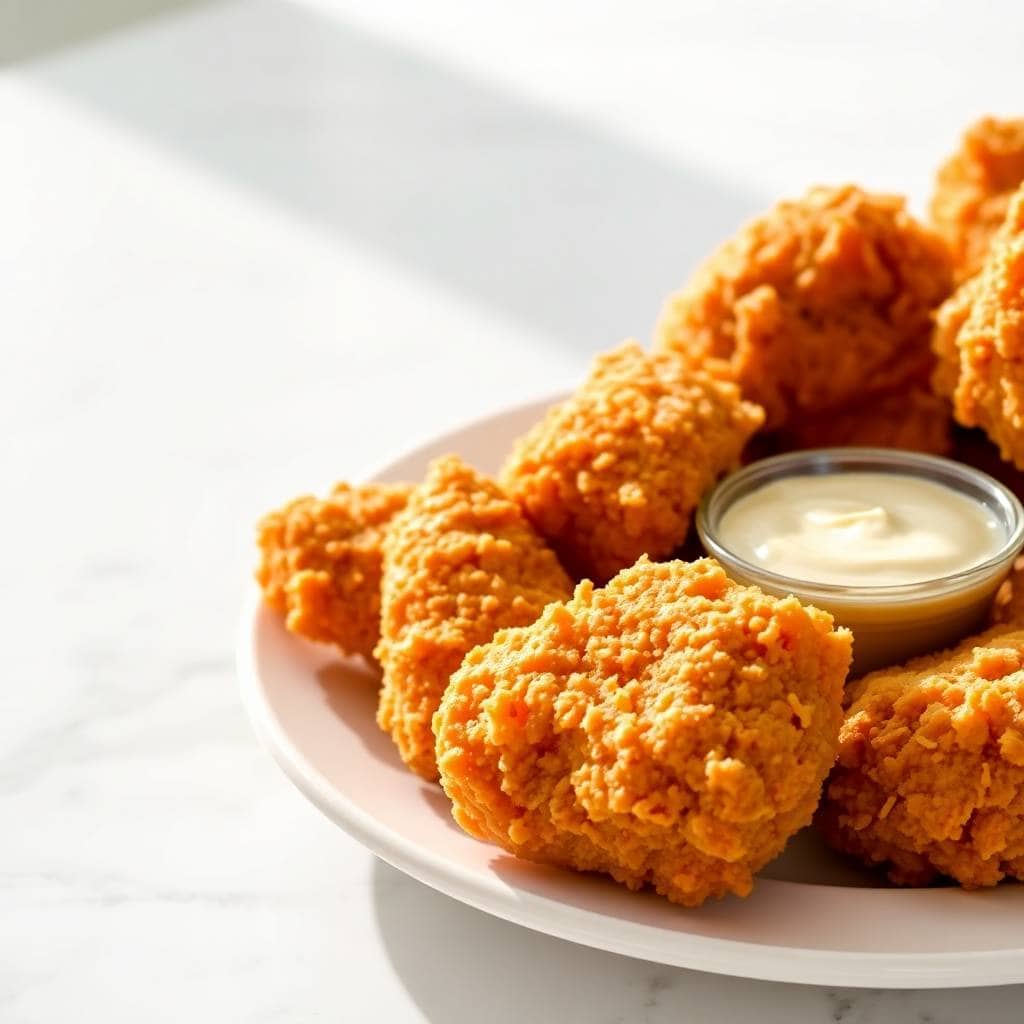
- Don't shortcut the marinade time: I know it's tempting to just do 30 minutes when you're hungry. I've done it. The chicken is still edible but noticeably less tender and the breading doesn't stick as well. The overnight marinade is when this recipe goes from good to genuinely great. If I know I want fried chicken on Saturday, I put the chicken in the marinade Friday night before I go to bed.
- Keep the oil temperature steady: Every time you add cold chicken to hot oil, the temperature drops. I add pieces slowly and let the oil come back up to 350°F between batches. I check with my thermometer between every batch — it takes maybe 90 seconds to recover. Chicken fried in oil below 325°F comes out greasy and pale. Worth the patience.
- Press the breading on firmly: Don't just dip and shake. When I coat the chicken, I press the flour mixture into every crevice and then press again from both sides. That double-press is why the crust stays thick and craggy instead of thin and flaky. Those craggy bits are where all the crunch lives.
- Use a wire rack if you have one: Resting fried chicken on paper towels works, but the bottom can get a little soft from the steam trapped underneath. If you have a wire rack set over a sheet pan, that's better — the air circulates all around the chicken and the crust stays crisp on every side. I use the rack from my toaster oven. Works perfectly.
- A meat thermometer is non-negotiable for bone-in pieces: The color of the crust does not tell you whether the inside is cooked. I've had chicken look perfectly golden on the outside and still need another 4 minutes. 165°F at the thickest part — not touching the bone — is the only reliable indicator. A basic instant-read thermometer costs about $10 at any store and it's one of the most useful things in my kitchen.
Variations
- Honey Hot Version: This is my husband's favorite variation. Right after the chicken comes out of the oil and rests for a minute, drizzle it with about 2 tablespoons of honey and a pinch of extra cayenne. The honey hits the hot crust and gets just slightly sticky. It's that sweet-spicy combination that makes it hard to stop eating. Saad also loves this version, though he asks me to go easy on the cayenne.
- Lemon Pepper: Swap out the cayenne in the breading for 1 teaspoon of coarsely cracked black pepper and the zest of one lemon. Add a teaspoon of lemon pepper seasoning if you have it. This version is noticeably less spicy and has a bright, tangy quality that's really different from the original. Good if you're cooking for people who don't love heat.
- Garlic Parmesan: After frying, toss the chicken pieces in 3 tablespoons of melted butter mixed with a teaspoon of garlic powder, then immediately sprinkle with finely grated Parmesan. It's a completely different flavor profile — rich and savory instead of spicy — but it uses the exact same base recipe. If you love my Garlic Parmesan Cheeseburger Bombs, this one will appeal to you for the same reasons.
- Air Fryer Version: I know this isn't authentic fried chicken — the crust is slightly thinner and doesn't have that same deep-fried crunch — but it works when I don't want to deal with a pot of oil. Spray the coated chicken generously with cooking spray and air fry at 375°F for 18–22 minutes, flipping halfway through. Still crispy, still well-seasoned, just a different texture. Not the same as the real thing, but honest about what it is.
- Gluten-Free: Substitute the all-purpose flour with a 1:1 gluten-free flour blend or use cornstarch. Cornstarch actually makes an incredibly light, crispy coating — some people prefer it over flour. The marinade stays the same. Just make sure your hot sauce is also gluten-free (most are, but check the label).
Serving and Storage
Serving
I serve this with coleslaw and fries most often — it's the combination that makes it feel like the real thing. Biscuits with a smear of Texas Roadhouse Cinnamon Honey Butter alongside it turns it into a proper Southern-style spread. If I'm doing a bigger dinner, I'll add mashed potatoes and cornbread. The spice in the chicken plays well against something creamy or starchy, so lean into that contrast with your sides.
Storage
Leftover fried chicken keeps in an airtight container in the fridge for up to 3 days. To reheat and get the crust back, put it on a wire rack over a sheet pan in a 375°F oven for 10–12 minutes. Do not microwave it — microwaving turns the crust soft and rubbery and the whole point of this recipe is that crust. For freezing: let the chicken cool completely, then freeze in a single layer on a sheet pan first before transferring to a freezer bag. Reheat from frozen at 375°F for about 20 minutes. It won't be quite as crispy as fresh but it's still very good.
Frequently Asked Questions
Can I use boneless chicken instead of bone-in?
Yes, boneless thighs or breasts work fine with this recipe. The marinade and breading stay exactly the same. The main difference is cooking time — boneless pieces cook faster, usually 10–12 minutes depending on thickness. Use your thermometer to check for 165°F rather than relying on timing alone.
Can I make this in the air fryer?
You can. Spray the breaded chicken well with cooking spray and air fry at 375°F for 18–22 minutes, flipping halfway through. The crust won't be quite as thick or deeply crunchy as the deep-fried version, but the seasoning and flavor are identical. It's a reasonable weeknight option when I don't want to deal with a pot of hot oil.
Can I freeze the fried chicken after cooking?
Yes. Let the chicken cool fully, then freeze in a single layer on a sheet pan before transferring to a freezer-safe bag or container. It keeps for up to 3 months. Reheat from frozen in a 375°F oven for about 20 minutes until heated through and the crust is crisped back up. Don't microwave frozen fried chicken — it goes completely soft.
How do I make it less spicy without losing the flavor?
Reduce the cayenne in the breading from 1 tablespoon down to 1 teaspoon, and use just 1 teaspoon of hot sauce in the marinade instead of 2 tablespoons. All the other spices — paprika, garlic powder, onion powder, thyme — stay the same and give you the flavor without the intense heat. This is what I do when I'm making a batch the whole family is eating together.
What oil is best for frying this chicken?
I use vegetable oil or canola oil — both have high smoke points and neutral flavors that won't compete with the seasoning. Peanut oil is traditionally used for Southern fried chicken and gives a slightly richer result, but it's more expensive and not always easy to find. Vegetable oil from any grocery store works perfectly well here.


POPEYES SPICY FRIED CHICKEN
Ingredients
For the chicken marinade:
- 1 ½ lbs chicken pieces drumsticks, thighs, or breasts
- 1 ½ cups buttermilk
- 1 teaspoon hot sauce optional for extra heat
- 1 teaspoon garlic powder
- 1 teaspoon onion powder
- 1 teaspoon paprika
- ½ teaspoon salt
For the spicy flour coating:
- 2 cups all-purpose flour
- 1 tablespoon paprika
- 1 teaspoon cayenne pepper adjust for spice level
- 1 teaspoon garlic powder
- 1 teaspoon onion powder
- 1 teaspoon dried thyme
- 1 teaspoon black pepper
- 1 teaspoon salt
- 1 teaspoon baking powder to make the crust extra crispy
For frying:
- Vegetable oil for frying enough to fill the pan about 2 inches
Instructions
Marinate the chicken:
- In a large bowl, whisk together the buttermilk, hot sauce (if using), garlic powder, onion powder, paprika, and salt.
- Add the chicken pieces to the marinade and toss to coat. Cover the bowl and refrigerate for at least 2 hours, preferably overnight for maximum flavor.
Prepare the flour coating:
- In a separate shallow dish, mix together the flour, paprika, cayenne pepper, garlic powder, onion powder, thyme, black pepper, salt, and baking powder.
- Remove each piece of chicken from the marinade and dredge it thoroughly in the seasoned flour mixture, pressing down to ensure the coating sticks. Set the coated chicken aside on a plate.
Fry the chicken:
- Heat the vegetable oil in a large skillet or deep fryer over medium-high heat until it reaches 350°F (175°C).
- Carefully add the chicken pieces to the hot oil, frying in batches if necessary to avoid overcrowding. Fry the chicken for 12-15 minutes, or until the chicken is golden brown and cooked through (the internal temperature should reach 165°F or 74°C).
- Remove the chicken from the oil and place it on a paper towel-lined plate to drain excess oil.
Serve:
- Let the chicken rest for a few minutes before serving to allow the juices to settle. Serve with your favorite sides like fries, mashed potatoes, or coleslaw.
Notes
- If you like extra heat, you can increase the amount of cayenne pepper or add extra hot sauce to the marinade.
- For a gluten-free version, you can substitute the all-purpose flour with a gluten-free flour blend or cornstarch.
- Make sure the oil temperature stays around 350°F to ensure the chicken cooks properly and gets crispy. You can use a thermometer to check the oil temperature.
- Leftover chicken can be stored in the refrigerator for up to 2 days and reheated in the oven at 375°F (190°C) to restore crispiness.



Brigid says
My young adult kids love this! Thank you!!! 😊
Sana Umer says
Love hearing that! ❤️ Popeyes-style spicy fried chicken is always a hit with kids and adults alike!