
Two summers ago I planted basil in containers on our back patio for the first time, partly because Saad wanted to grow something he could see from his bedroom window and partly because I was tired of paying $4 for tiny grocery-store basil bunches that wilted within 2 days of bringing them home.
The basil exploded into a backyard jungle by mid-July (apparently basil is incredibly easy to grow in containers if you remember to water it daily), and suddenly I had more fresh basil than I knew what to do with — pesto became my answer to the abundance problem.
This pesto pasta salad emerged as the recipe that turned my homegrown basil surplus into the dish my husband requested every single weekend of that summer, and it has become our defining summer-entertaining pasta salad ever since because the vivid green color from fresh basil makes it visually striking on any buffet table.
Saad inhales the fresh mozzarella pearls (his "tiny cheese balls" obsession continues), Zainab eats the pasta and occasionally a cherry tomato, and my husband eats truly remarkable portions of this salad alongside grilled chicken throughout our summer evenings.
My mother in Pakistan would recognize the underlying principle of pesto as similar to the various herb-and-oil pastes used in South Asian cooking — green chutney made with cilantro, mint, and green chilies serves a similar herb-and-fat-as-flavor-base role in Pakistani cooking, just with different herbs and a different cuisine context.
Why You'll Love This Recipe
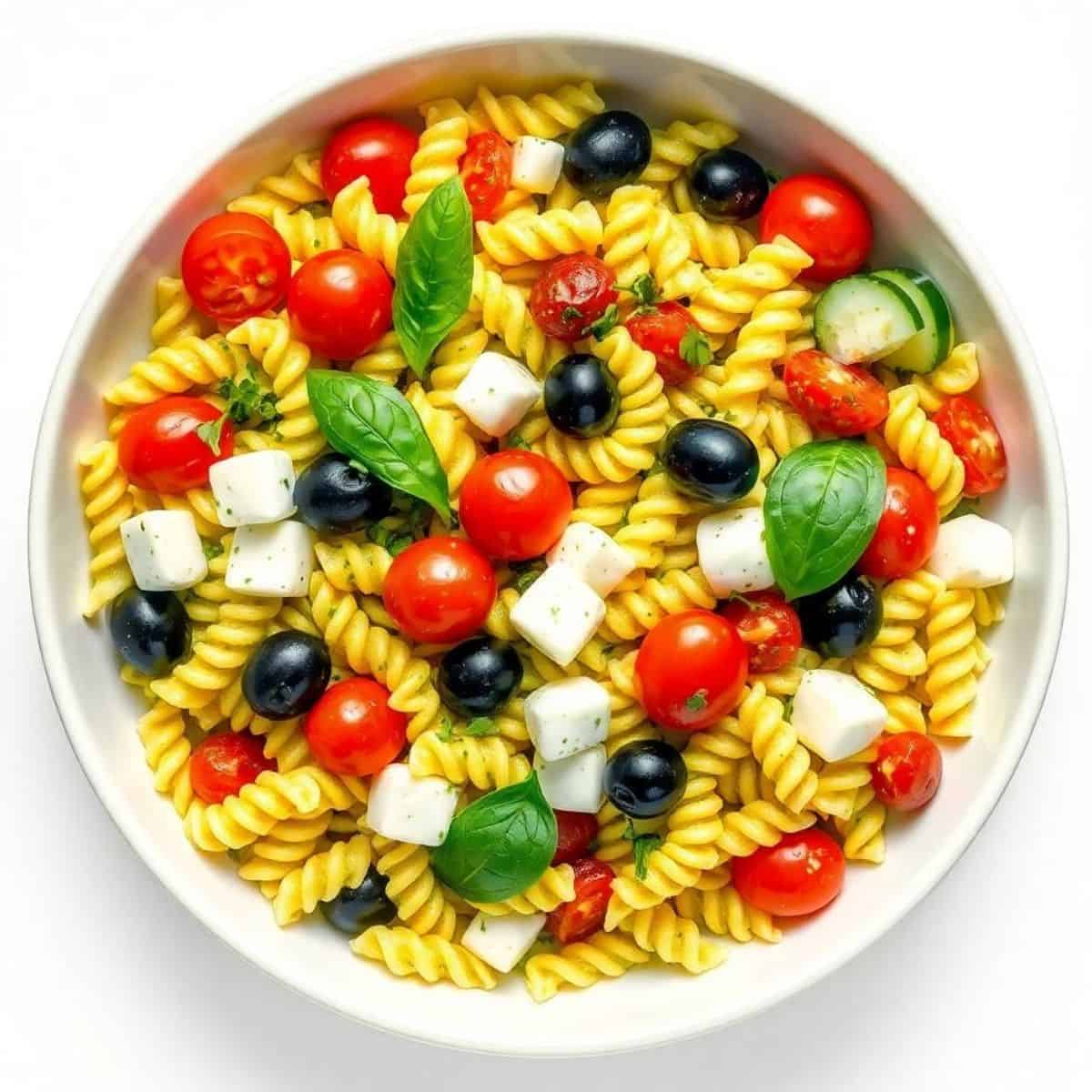
- Vibrant green color — visually striking on any buffet table: The single most defining feature of pesto pasta salad is the vivid bright green color from fresh basil pesto, which makes the dish visually striking against typical buffet-table backdrop of beige, brown, and white foods. The green color signals "fresh" and "summer" instantly, and the bright color holds beautifully throughout serving time without fading or browning (with proper technique — see Tips). For visual party impact, this salad genuinely earns the centerpiece spot on the buffet table rather than blending into the background. The visual appeal is half the dish's success at gatherings.
- Fresh basil flavor that's hard to find anywhere else: Quality fresh basil flavor is genuinely rare in American cuisine outside of specifically Italian restaurants. Most American household cooking uses dried basil (a pale shadow of fresh) or pre-made jarred pesto (which loses its vibrant flavor within hours of opening). This pasta salad showcases fresh basil prominently — either homegrown from your container garden (my preference) or fresh-bunch grocery store basil. The result is a flavor profile that genuinely tastes "summer Italian garden" in a way that few American salads achieve, and guests notice the difference immediately. The fresh basil hit is the recipe-defining flavor that sets this apart from generic pasta salads.
- Make-ahead friendly with proper technique — overnight rest deepens flavors: Despite concerns about pesto browning during refrigeration, this salad holds beautifully overnight when made with the proper technique (toss pasta with pesto BEFORE adding vegetables; reserve some pesto for refreshing at serving time; press plastic wrap directly onto the salad surface to minimize oxidation). The basil flavor deepens, the pasta absorbs the pesto thoroughly, the mozzarella firms up slightly, and the entire dish develops a cohesive Italian-garden character. For party-hosting realism, prep the night before and pull from the fridge cold the next day. The make-ahead approach genuinely works with proper technique despite what some sources claim about pesto.
- Endlessly customizable — same template, infinite seasonal variations: Same base technique (cooked short pasta + pesto + Mediterranean vegetables + mozzarella + olives + Parmesan) accommodates infinite variations through the year — daily protein needs-packed with grilled chicken or shrimp, sun-dried tomato pesto version, arugula pesto version (more peppery), creamy pesto version with extra cheese, Pakistani-American hybrid with cilantro-mint chutney and pomegranate. The template scales with what's growing in your garden, what's on sale at the grocery store, and what specific occasion you're serving for. One recipe becomes a permanent foundation for dozens of variations across the entire summer growing season.
- Crowd-pleasing across age groups — kids and adults both enjoy it: Saad picks out the mozzarella pearls first and eats the entire portion. Zainab eats the pasta and tomatoes while picking around the olives. My husband eats truly remarkable quantities throughout summer evenings. The adults at our garden parties consistently compliment the fresh-basil quality. For mixed-age gatherings where serving one dish that everyone enjoys is its own daily victory, this recipe is the kind of universal-acceptance winner that earns permanent rotation status. The basil-mozzarella-tomato combination is genuinely appealing to most palates from young children through adults, which is a rare combination.
Ingredients
- For the Pesto Pasta Salad:
- 1 lb short pasta (rotini, fusilli, or farfalle work best)
- 1 cup basil pesto (homemade preferred — recipe below — or high-quality store-bought)
- 2 pints cherry tomatoes, halved
- 8 oz fresh mozzarella pearls (or cubed fresh mozzarella, drained)
- 1 cup pitted black olives, halved (Kalamata or oil-cured)
- 1 red bell pepper, diced
- ½ cup shaved or shredded Parmigiano-Reggiano
- 2 tablespoon extra-virgin olive oil (for drizzling)
- 1 teaspoon salt + ½ teaspoon freshly cracked black pepper
- ¼ cup fresh basil leaves (for garnish)
- For Homemade Basil Pesto (Optional — Makes 1 cup):
- 2 cups fresh basil leaves, packed (about 2 large grocery store bunches OR generous container-grown harvest)
- ½ cup grated Parmigiano-Reggiano
- ⅓ cup pine nuts (or substitute slivered almonds or walnuts)
- 3 garlic cloves
- ½ cup extra-virgin olive oil
- 1 tablespoon fresh lemon juice (helps preserve green color)
- 1 teaspoon salt + ½ teaspoon black pepper
- Optional Add-Ins (for variations):
- 2 cups cooked diced grilled chicken
- 1 lb cooked grilled shrimp
- ½ cup sun-dried tomatoes, sliced
- 1 cup quartered marinated artichoke hearts
- ¼ cup toasted pine nuts (extra crunch)
Directions
- Step 1: Make homemade pesto if using (5 minutes). If making homemade pesto: in a food processor, pulse the basil leaves, garlic, pine nuts, and Parmesan until coarsely chopped. With the processor running, drizzle in the olive oil through the feed tube until a smooth pesto forms. Add lemon juice, salt, and pepper. Pulse 2-3 more times to combine. Taste and adjust. Set aside. (Skip this step if using store-bought pesto.) The fresh lemon juice in homemade pesto is critical for preserving the bright green color during refrigeration — don't skip it.
- Step 2: Cook the pasta properly al dente (10 minutes). Bring a large pot of HEAVILY salted water to a rolling boil. Add pasta and cook according to package directions, but pull it 1 MINUTE BEFORE the package's al dente time. Drain WELL and rinse briefly under cold running water to stop cooking and cool the pasta. Reserve ¼ cup of the pasta cooking water before draining — this starchy water helps the pesto cling to the pasta and creates a silkier final texture. Let drip-dry for 2-3 minutes.
- Step 3: Prep the vegetables while pasta cools (8 minutes). Halve the cherry tomatoes. Halve the larger black olives. Dice the red bell pepper into ¼-inch pieces. Shave or shred the Parmesan (block cheese hand-shaved with a vegetable peeler is the ideal — see Tips). Set all prepared ingredients aside. Drain the mozzarella pearls if they're stored in liquid (most fresh mozzarella pearls come packed in light brine — drain through a sieve before adding to the salad).
- Step 4: Toss pasta with ⅔ of pesto FIRST (3 minutes). Transfer the cooled drained pasta to a large mixing bowl. Add ⅔ cup of the pesto (reserve ⅓ cup for refreshing just before serving). Add 2 tablespoons of the reserved pasta cooking water and toss thoroughly until every piece of pasta is coated in vibrant green pesto. The pasta water creates a silkier consistency and helps the pesto cling. The pasta should be uniformly green throughout — if any pasta is uncoated, add the remaining pasta water and toss again.
- Step 5: Fold in vegetables, olives, and Parmesan (3 minutes). Add the cherry tomatoes, diced red bell pepper, halved black olives, and shaved Parmesan to the bowl with the pesto-coated pasta. Fold gently — do NOT vigorously toss because aggressive mixing breaks the tomatoes and crushes the cheese shavings. Once vegetables are evenly distributed, drizzle with the 2 tablespoons of olive oil and season with salt and pepper. Fold once or twice more.
- Step 6: Add fresh mozzarella pearls LAST (2 minutes). Add the drained mozzarella pearls last and fold once or twice to distribute throughout the salad. The mozzarella goes last because it's the most delicate ingredient — earlier addition risks breaking the pearls or covering them entirely in pesto (visual appeal benefits from visible white mozzarella moments contrasting with the green pesto-coated pasta).
- Step 7: Cover with plastic wrap pressed onto surface, refrigerate at least 30 minutes (overnight optimal). Press a piece of plastic wrap DIRECTLY onto the surface of the salad (not just over the top of the bowl) — this minimizes oxygen exposure that browns the basil pesto. Refrigerate for at least 30 minutes (minimum for flavor melding), 2-4 hours (good), or overnight (optimal). The plastic-wrap-on-surface technique is the key to maintaining vibrant green color through refrigeration. Overnight rest deepens the basil flavor throughout the entire salad.
- Step 8: Refresh and serve (5 minutes). Remove from refrigerator 15-20 minutes before serving. Drizzle the reserved ⅓ cup of fresh pesto over the top and gently fold to refresh the bright basil flavor (pesto can mute slightly during refrigeration). Garnish with fresh whole basil leaves on top, extra shaved Parmesan, and a final drizzle of olive oil. Serve cold or at slightly cool room temperature. The visual impact of the freshly-refreshed pesto on top is significant — guests notice the vibrant green color immediately.
Tips for Success
- Add LEMON JUICE to pesto — preserves the bright green color through refrigeration. The single biggest mistake home cooks make with pesto pasta salad is omitting lemon juice from the pesto, which causes the basil to oxidize and turn brown-green during refrigeration. The acid from lemon juice (1 tablespoon per cup of pesto) slows the enzymatic browning reaction that turns fresh basil from vivid green to muddy brown. The color difference between lemon-treated pesto and non-treated pesto is dramatic after 12 hours of refrigeration — vibrant green vs. olive-brown. If you're using store-bought pesto, stir 1 tablespoon of fresh lemon juice into it before adding to the pasta. This single step is the difference between visually-stunning pesto pasta salad and disappointing brown pesto pasta salad.
- Press PLASTIC WRAP DIRECTLY onto salad surface — minimizes oxidation. Standard refrigeration approach is to cover a bowl with plastic wrap stretched across the top, leaving an air gap between the salad and the wrap. For pesto pasta salad specifically, this air gap is the enemy — oxygen exposure browns the basil during refrigeration. The proper technique is to press plastic wrap DIRECTLY onto the surface of the salad, eliminating the air gap entirely. This minimizes oxygen contact and preserves the bright green color through overnight refrigeration. Same technique applies for storing leftover homemade pesto (press wrap directly onto pesto surface in the jar). The 30-second extra effort produces dramatically better visual results.
- Use HOMEMADE pesto if possible — the flavor difference is genuinely dramatic. Homemade pesto takes 5 minutes in a food processor and uses ingredients you likely already have (fresh basil, garlic, pine nuts or substitute, Parmesan, olive oil, lemon juice). The flavor difference between homemade and store-bought is genuinely dramatic — homemade tastes vivid, fresh, and herbal; store-bought tastes muted, oily, and slightly stale (even high-quality brands). For a recipe where pesto is the defining flavor, the homemade version is worth the 5 extra minutes. If you must use store-bought, choose a refrigerated fresh pesto (from the refrigerated cheese section) rather than shelf-stable jarred pesto — refrigerated has significantly better flavor. Buitoni and Mezzetta are the best widely-available store-bought options.
- Reserve pasta cooking water — creates silkier pesto coating. This is a borrowed technique from professional Italian cooking. The starchy water from cooking pasta contains dissolved pasta starch that acts as a natural emulsifier when mixed with pesto. Adding 2-3 tablespoons of the reserved pasta water to the pesto-and-pasta mixture creates a silkier, glossier coating that adheres better to each piece of pasta. The technique transforms a slightly oily-tasting pesto pasta into a properly-emulsified dish where the pesto coats the pasta uniformly. Reserve ¼ cup of pasta water just before draining — you may not need all of it, but it's better to have it available than to wish you had it.
- Shave Parmesan from a BLOCK with a vegetable peeler — visual and textural upgrade. Pre-grated Parmesan from a can or shaker is the wrong choice for pesto pasta salad — it has a powdery sandy texture that disappears into the dressing and the flavor is dramatically muted. The proper approach is to use a block of Parmigiano-Reggiano and either grate it fresh with a microplane (for fine grating to mix into the salad) OR shave it with a standard vegetable peeler into long thin curls (for visible Parmesan moments throughout the salad). For maximum visual impact, use a combination — half grated into the salad, half shaved into curls as a final garnish. The block-Parmesan upgrade costs about $3-5 more than canned but produces dramatically better results.
Variations
- Grilled chicken protein version (substantial main dish): Add 2 cups of cooked diced grilled chicken (seasoned with salt, pepper, garlic powder, and Italian seasoning, then grilled) to transform from side dish to complete main course. The mild chicken flavor doesn't compete with the basil pesto, and the protein addition turns this salad into a substantial main dish for weeknight family dinners or lunch boxes. For a "double-pesto" approach: marinate the chicken in 2 tablespoons of pesto for 30 minutes before grilling — this creates additional pesto flavor integration throughout the dish. My husband requests this version for his work lunch boxes during the summer when fresh basil is abundant.
- Sun-dried tomato pesto version (deeper, more intense flavor): Replace the basil pesto with sun-dried tomato pesto OR use ½ cup each of basil pesto and sun-dried tomato pesto for a hybrid version. Add ½ cup of additional chopped sun-dried tomatoes for visual interest and extra tomato concentration. The result is a deeper, more intense, slightly sweeter version that pairs beautifully with grilled meats and works particularly well during cooler weather when fresh basil isn't at peak quality. The sun-dried tomato version also has a more autumn/winter feel compared to the bright spring/summer feel of the basil version.
- Arugula pesto version (peppery, more sophisticated): Replace the basil pesto with arugula pesto (make using the same technique as basil pesto, substituting 2 cups packed arugula leaves for the basil). The result has a peppery, slightly bitter flavor that's more sophisticated and adult-leaning than the sweeter basil version. Pairs beautifully with grilled chicken, prosciutto (for non-halal households), or smoked salmon. This is the version I make for adult-only dinner parties when I want the pasta salad to feel especially elegant and grown-up. The arugula's peppery bite adds dimension that basil cannot replicate.
- Pakistani-American cilantro-mint pesto hybrid (Sana's adaptation): Make a "South Asian pesto" using 1 cup fresh cilantro + 1 cup fresh mint instead of basil, 2-3 green chilies (or 1 teaspoon Kashmiri red chili powder for milder heat), 3 garlic cloves, ⅓ cup unsalted cashews, ½ cup neutral oil (or olive oil), 2 tablespoons fresh lemon juice, 1 teaspoon salt. This is essentially "green chutney pesto" — bridging the Italian pesto technique with the Pakistani green chutney tradition my mother in Pakistan made for kebabs and pakoras. Use this pesto in place of basil pesto in the recipe. Add ½ cup pomegranate seeds and ¼ cup chopped cilantro as garnish. The result is a Pakistani-American pesto pasta salad that earns "what is this incredible green flavor" questions from guests at our family Eid potlucks.
- Creamy pesto version (richer, more indulgent): Add ½ cup of heavy cream OR ½ cup of mascarpone cheese to the pesto before tossing with the pasta. This creates a creamy pesto sauce that coats the pasta more luxuriously and feels more indulgent than the standard oil-based pesto version. The result is closer to a creamy pesto cold pasta dish — slightly richer, slightly heavier, but still bright and fresh. This version is best for slightly cooler weather (early fall, late spring) when you want the comfort-food creaminess without sacrificing the fresh basil character. For warm summer days, stick with the standard oil-based version which feels lighter and more refreshing.
Serving and Storage
How to Serve
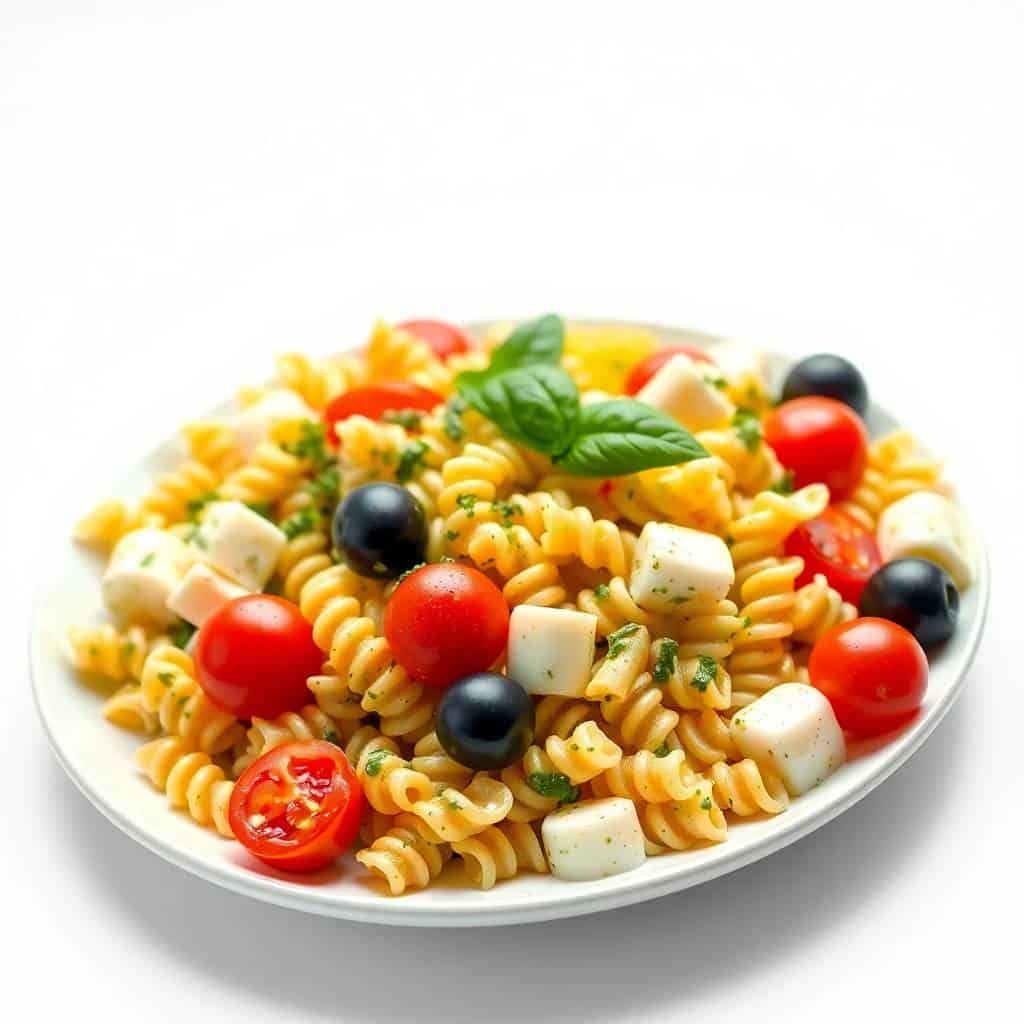
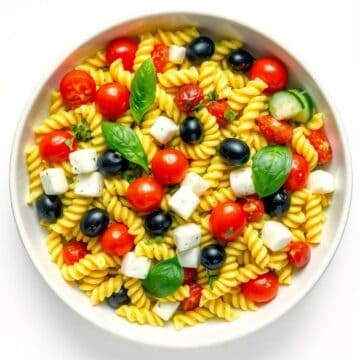
Serve chilled or at slightly cool room temperature (remove from refrigerator 15-20 minutes before serving). Transfer to a wide shallow serving bowl — the bright green pesto-coated pasta with red tomatoes, dark olives, white mozzarella pearls, and shaved Parmesan creates a visually stunning composition. Garnish generously with fresh whole basil leaves, extra shaved Parmesan curls, a final drizzle of olive oil, and a few extra mozzarella pearls scattered artfully on top. For drinks: iced tea with lemon and basil sprig (gorgeous visually and complementary to the salad), sparkling water with cucumber, white wine (Pinot Grigio, Sauvignon Blanc, or rosé pair beautifully), sparkling water for kids. For multi-dish Italian-inspired spreads: pair this pesto pasta salad alongside grilled chicken, Italian sausage (or halal beef sausage for our household), crusty Italian bread with olive oil for dipping, Caprese skewers, and a simple green salad for a complete Italian-summer-garden meal. For potluck-bringing: this salad holds beautifully at room temperature for 2-3 hours (oil-based dressing, food-safe). For garden parties and outdoor entertaining: the visual impact on the buffet table is significant — this dish genuinely earns the centerpiece position. For lunch-pack applications: portion into individual containers with a piece of crusty bread on the side for a complete portable Italian-summer-garden lunch. The leftovers improve in flavor for the first 2 days, making this an excellent meal-prep recipe.
How to Store
Store leftovers in an airtight container in the refrigerator for up to 3 days, with plastic wrap pressed directly onto the salad surface to minimize oxidation and preserve the green color. The flavor actually IMPROVES on day 2 as the pesto penetrates deeper into the pasta. By day 3, the color may darken slightly from bright green to olive green, but the flavor is still excellent. To refresh leftovers: drizzle with 1-2 tablespoons of fresh pesto and gently fold to redistribute moisture and refresh the bright basil flavor. Add a few fresh whole basil leaves at serving time for visual freshness. Skip freezing — the texture of fresh mozzarella, cherry tomatoes, and bell pepper doesn't survive freezing and thawing well, and the pesto color degrades significantly during freezing. For meal-prep applications, this pesto pasta salad transforms into multiple weekday meal applications: portion into individual containers for weekday lunches (days 1-2 are best, day 3 still good with refreshing), serve alongside leftover grilled chicken or salmon for quick Italian dinners, stuff into pita pockets or sandwich wraps for portable lunches, mix with extra greens for a salad-over-salad combination, top with a fried egg for breakfast-for-dinner Italian applications, fold into a quesadilla with mozzarella for a quick Italian-inspired snack. One batch easily transforms into 4-5 different meal applications across the week. For homemade pesto leftovers: store in an airtight jar with a thin layer of olive oil on top to minimize oxidation; refrigerate for up to 1 week or freeze in ice cube trays for up to 3 months.
Related Recipes You Might Like
If you loved this pesto pasta salad, here are more curated summer entertaining and Italian-inspired recipe collections from the site that pair beautifully with garden parties, cookouts, and family gatherings:
- Best Memorial Day Pasta Salad — another summer pasta salad essential
- Caprese Skewers 10-Minute Appetizer — Italian-inspired starter with similar flavors
- 31 Best Salad Recipes — more salad inspiration
- Mexican Street Corn Pasta Salad — bold-flavored alternative pasta side
- 35 Easy Dip Recipes — appetizer companions for Italian-summer-garden meals
Frequently Asked Questions
Can I make pesto pasta salad ahead of time?
Yes, with proper technique to preserve color and flavor. Prepare the salad up to 24 hours in advance. The crucial techniques: add 1 tablespoon of fresh lemon juice to the pesto (slows oxidation), press plastic wrap DIRECTLY onto the salad surface (eliminates air gap that browns basil), and reserve ⅓ of the pesto for refreshing just before serving (brightens both color and flavor). With these three techniques, the salad holds its bright green color and vibrant basil flavor through overnight refrigeration. By day 3, the color may darken slightly from bright green to olive green, but flavor stays excellent. For party hosting, the make-ahead approach with proper technique eliminates day-of stress while preserving the visual impact.
What pasta works best for pesto pasta salad?
Short pasta shapes with ridges, twists, or pockets work best because they capture the pesto in their crevices and provide more surface area for the pesto to cling to. Rotini (spiral shape) is excellent — every twist holds pesto. Fusilli (similar to rotini) works identically. Farfalle (bow tie shape) provides visual interest. Penne rigate (with ridges) is the most traditional Italian choice and works beautifully. Cavatappi (corkscrew shape) offers similar pesto-holding properties as rotini. Avoid: spaghetti, linguine, fettuccine, or any long flat pasta — wrong choices for cold salad applications because they don't hold pesto well and are awkward to eat with a fork at picnics and potlucks. For visual variety, mix two shapes (rotini + farfalle works well).
Can I use store-bought pesto?
Yes, but choose carefully. Refrigerated pesto (sold in the refrigerated cheese section of grocery stores) has significantly better flavor and color than shelf-stable jarred pesto (sold in the dry pasta aisle). Refrigerated brands like Buitoni, Kirkland Signature (Costco), and Mezzetta are widely available and produce respectable results. Shelf-stable jarred pesto tastes muted, oily, and slightly stale — even quality brands. For the pasta salad recipe, stir 1 tablespoon of fresh lemon juice into the store-bought pesto before adding to the pasta — this brightens flavor and preserves color. The 5 minutes saved by using store-bought is genuinely worth it when fresh basil isn't accessible, but if you have access to fresh basil (homegrown or fresh-bunch grocery), homemade is dramatically better.
How do I keep the salad from drying out?
Three techniques together prevent dry pesto pasta salad. First, reserve ¼ cup of the pasta cooking water and add 2-3 tablespoons to the pasta-and-pesto mixture during initial tossing — the starchy water creates a silkier emulsion that adheres better to each piece of pasta. Second, reserve ⅓ of the pesto to refresh just before serving — pasta absorbs pesto during refrigeration, so adding fresh pesto at serving time brings back the bright basil character. Third, drizzle with an extra tablespoon of benefits of olive oil just before serving if the salad still seems dry — the oil revitalizes the pesto coating. For leftovers on days 2 and 3, drizzle with 1-2 tablespoons of fresh pesto and gently fold to refresh. With these techniques, the pasta stays beautifully coated for up to 3 days of refrigeration.
Is this recipe served hot or cold?
Pesto pasta salad is fundamentally a cold-served dish — never serve hot. To serve: remove from refrigerator 15-20 minutes before serving to take the harsh chill off (very cold food mutes the bright pesto flavors). The texture and flavor are optimized for cold serving — the pesto has thickened slightly during refrigeration, the pasta has firmed up to perfect bite, and the cold mozzarella provides refreshing contrast. If you want a warm pesto pasta dish, that's a different recipe entirely (warm pesto pasta is served immediately after cooking with hot pasta and warm pesto). For pesto pasta SALAD specifically, cold serving is essential. For outdoor summer parties where temperatures are warm: serve from a bowl placed over ice (use a larger bowl filled with ice as a base) to maintain cool serving temperature throughout an extended buffet service.
This pesto pasta salad has earned its permanent rotation status in our household specifically because of how perfectly it solved my homegrown basil surplus problem two summers ago, and it has become the defining summer-entertaining pasta salad ever since because of the visual impact of the vivid green pesto color on any buffet table.
Saad's container basil garden has now expanded to include four different basil varieties (Genovese, Thai, Greek, and lemon basil) because his initial summer of basil growing genuinely sparked his interest in container gardening, and the resulting basil abundance has made this pesto pasta salad a constant summer-and-fall presence on our dining table.
My husband's truly remarkable summer-evening consumption of this salad alongside grilled chicken has confirmed its place as the dish that defines our family's summer-cooking identity, and the abundance of fresh basil from Saad's container garden means we never run out of the defining ingredient during peak basil season.
My mother in Pakistan would recognize the underlying herb-and-oil-paste principle that pesto represents — green chutney made with cilantro, mint, green chilies, and oil serves a structurally identical role in Pakistani cooking, just with different herbs and a different cuisine context. The Pakistani-American cilantro-mint pesto hybrid variation deserves special mention because it bridges the Italian pesto technique with the Pakistani green chutney tradition, creating a "South Asian pesto pasta salad" that earns genuine surprise-and-delight reactions from guests at our family Eid potlucks. 🌿🍅🧀✨
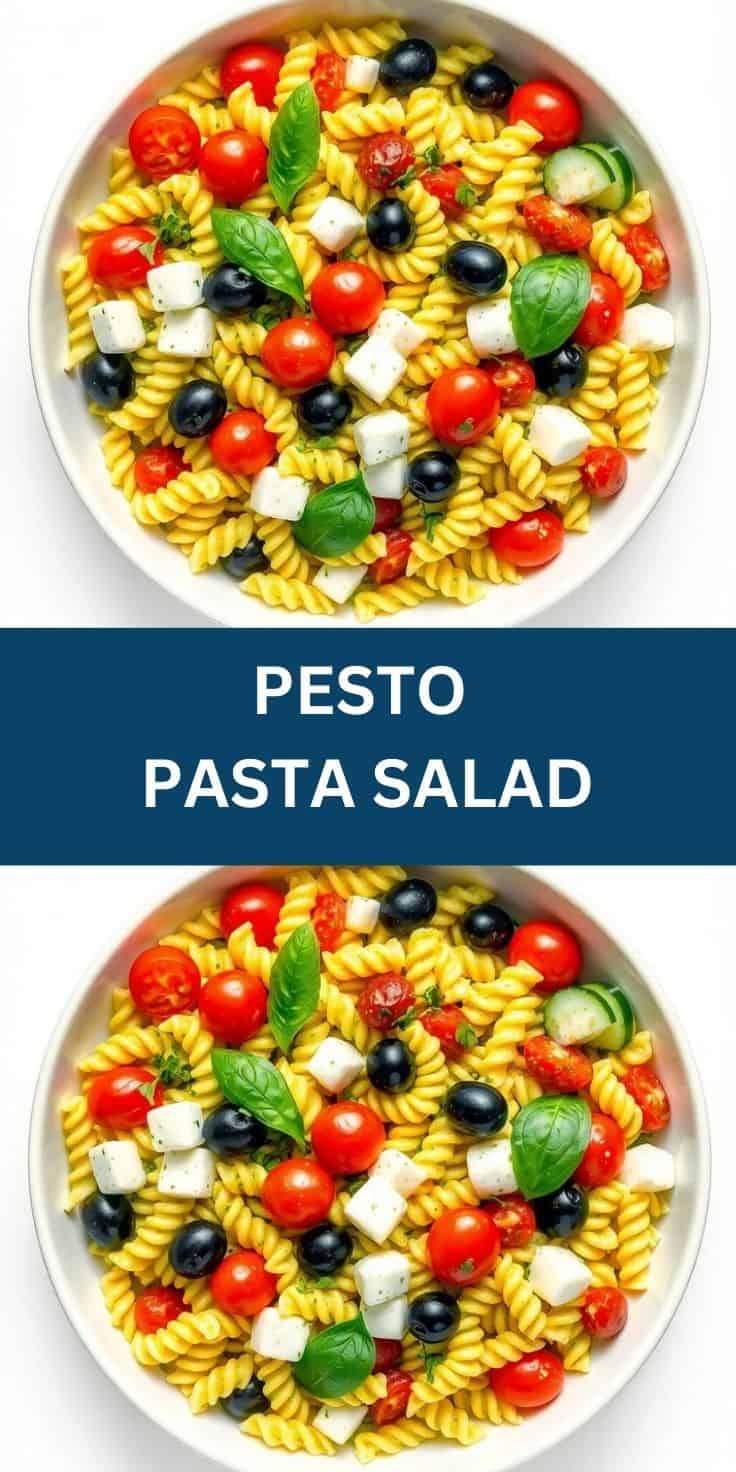
Pesto Pasta Salad Recipe (Vibrant Basil, Make-Ahead, Crowd-Pleasing)
Ingredients
For the Pesto
- 2 cups fresh basil leaves packed, preferably homegrown
- ½ cup pine nuts or walnuts as a budget-friendly alternative
- 3 cloves garlic minced
- ½ cup extra virgin olive oil
- ½ cup freshly grated Parmesan cheese
- 2 tablespoons fresh lemon juice
- ½ teaspoon sea salt
- ¼ teaspoon black pepper
For the Pasta Salad
- 1 pound tri-color rotini pasta or penne, uncooked
- 2 cups cherry tomatoes halved
- 1 cup fresh mozzarella pearls or diced mozzarella
- 1 cup Kalamata olives pitted and halved
- 1 medium cucumber diced
- ½ red onion red onion thinly sliced
- 2 tablespoons fresh basil leaves for garnish
Instructions
Make the Pesto
- In a food processor, combine fresh basil leaves, pine nuts, and minced garlic. Pulse until roughly combined.
- With the processor running, slowly drizzle in the extra virgin olive oil until the mixture becomes a thick, chunky paste.
- Transfer the pesto to a bowl and stir in the freshly grated Parmesan cheese, fresh lemon juice, sea salt, and black pepper. Taste and adjust seasonings as needed. Set aside.
Prepare the Pasta Salad
- Bring a large pot of salted water to a boil. Add the tri-color rotini pasta and cook according to package directions until al dente, approximately 10-12 minutes. Drain and rinse with cold water to stop the cooking process and cool the pasta completely.
- In a very large mixing bowl, combine the cooled pasta with the prepared pesto, tossing gently until every strand is well coated with the vibrant green sauce.
- Add the halved cherry tomatoes, fresh mozzarella pearls, Kalamata olives, diced cucumber, and sliced red onion to the pasta. Toss everything together gently but thoroughly until all ingredients are evenly distributed. Garnish with fresh basil leaves and serve immediately, or cover and refrigerate until serving time, as the flavors develop beautifully overnight.
Notes



Comments
No Comments