
I grew up in a household where moong dal appeared regularly on the dinner table and I spent years quietly moving it around my plate — the thin, plain version my mother made on weekday evenings had an earthy blandness that never appealed to me the way her biryani or her karahi did.
It wasn't until I tasted moong gosht at a family friend's wedding dinner years later — the Nawabi style, slow-cooked with bone-in lamb until the lentils and meat had melded into a single rich, deeply spiced pot — that I genuinely understood what moong dal was capable of when treated with the patience and spice depth it deserves.
My husband grew up eating this preparation regularly at his grandmother's house in Pakistan, and when I finally learned to make it properly — golden onions, bloomed whole spices, properly browned lamb, slow-cooked until the dal has broken down into a thick silky gravy — he declared it one of the best things I've cooked in our marriage, which is genuinely high praise from someone who grew up eating it made by a grandmother.
Saad, who normally shows zero interest in lentil-based dishes, eats this moong gosht over white rice and asks for second helpings — the richness from the lamb fat, the depth from the fried onions and ginger-garlic paste, and the soft melting texture of the dal all combine into something that reads to kid palates as "meat stew" rather than "lentil dish," which is honestly the most effective form of nutritional camouflage I've discovered.
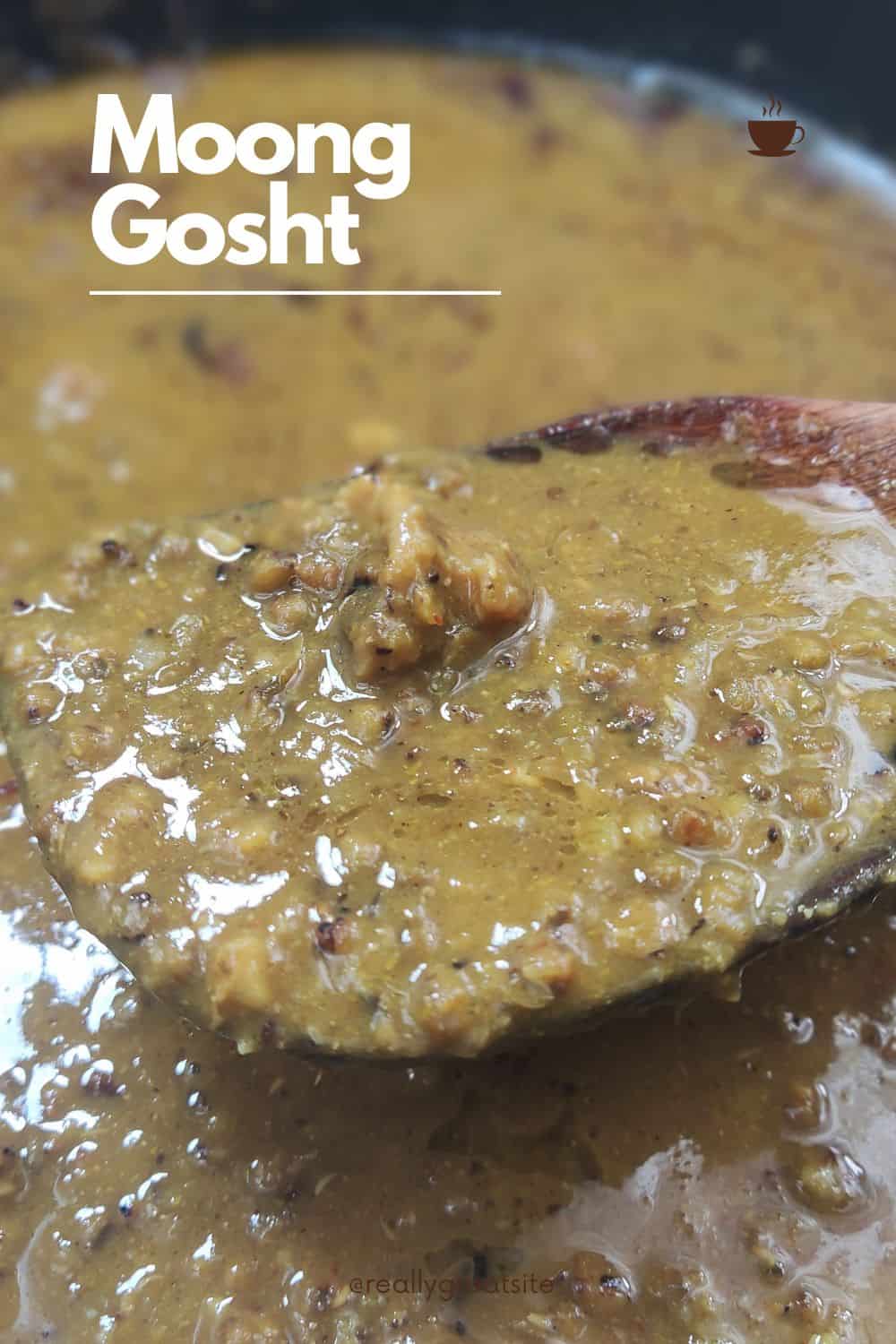
Why You'll Love This Recipe
- The Nawabi style transforms a humble dal into something genuinely special: The version of moong dal that most people find disappointing is the thin, plain weeknight version — watery, under-spiced, and texturally monotonous. This Nawabi preparation is fundamentally different: the dal is cooked with slow-braised lamb until both components meld into a single rich, deeply flavored pot that bears almost no resemblance to plain boiled lentils. The golden fried onions, bloomed whole spices, properly browned lamb, and long slow cook time produce a dish that feels celebratory rather than humble — exactly what "Nawabi style" (Nawab-style, meaning rich and indulgent) is supposed to deliver. For anyone who has written off moong dal as bland, this preparation is genuinely the recipe that changes the verdict.
- Moong dal with lamb delivers exceptional nutrition information in every bowl: Moong dal is among the most nutritionally complete legumes available — high in plant protein (24g per 100g dry weight), rich in fiber, iron, folate, potassium, and magnesium, and significantly easier to digest than other dals because of its low oligosaccharide content. When combined with bone-in lamb, the dish also delivers complete amino acids, zinc, and collagen from the slow-cooked bones. For families trying to incorporate more legumes into their diet, pairing moong dal with lamb is genuinely the most effective strategy — the lamb's richness and flavor carry the dal in a way that makes the lentil component feel like a feature rather than a filler. Saad eats multiple servings without knowing or caring that he's eating lentils.
- One-pot meal that works for both weeknight dinners and special occasions: The technique is straightforward — fry onions, bloom spices, brown the meat, add dal and water, simmer until done — but the result feels impressive enough for guests. My mother in Pakistan made moong gosht for both regular family dinners and for special guests, which is the hallmark of a genuinely versatile recipe. The same pot serves four people on a Tuesday or twelve people at an Eid gathering with simple scaling. For Pakistani-American households that want to serve authentic comfort food without the complexity of a full biryani preparation, moong gosht fills the "impressive but manageable" role perfectly.
- Pantry-friendly Pakistani staples you likely already have: Every ingredient in this recipe — moong dal, bone-in lamb, onions, ginger-garlic paste, whole spices (cardamom, cloves, black pepper, cinnamon), ground spices (coriander, turmeric, red chili, cumin), and ghee or oil — is a pantry staple in any Pakistani-American household and readily available at South Asian grocery stores. There are no specialty ingredients that require advance planning or specialty sourcing. For first-world audiences without Pakistani grocery stores nearby, all the ground spices are available online or at well-stocked international grocery sections, and the whole spices are increasingly available at standard American supermarkets. The dal itself is widely available at South Asian, Indian, and international grocery stores.
- Deeply satisfying comfort food that freezes and reheats beautifully: Moong gosht improves significantly with time — the flavors deepen overnight in the refrigerator, and the dal continues absorbing the lamb cooking juices in ways that fresh-made cannot replicate. It also freezes exceptionally well for up to 3 months without quality loss, which makes it genuinely one of the best Pakistani dishes for batch cooking and meal-prep applications. I make double batches regularly — one for the current week, one for the freezer — because having a ready portion of moong gosht in the freezer means a genuinely nourishing Pakistani dinner is always 10 minutes away (just reheat with a splash of water and serve with rice or roti). For busy weeks when cooking from scratch isn't realistic, a freezer full of moong gosht is one of the most useful things a Pakistani-American household can have.
Ingredients
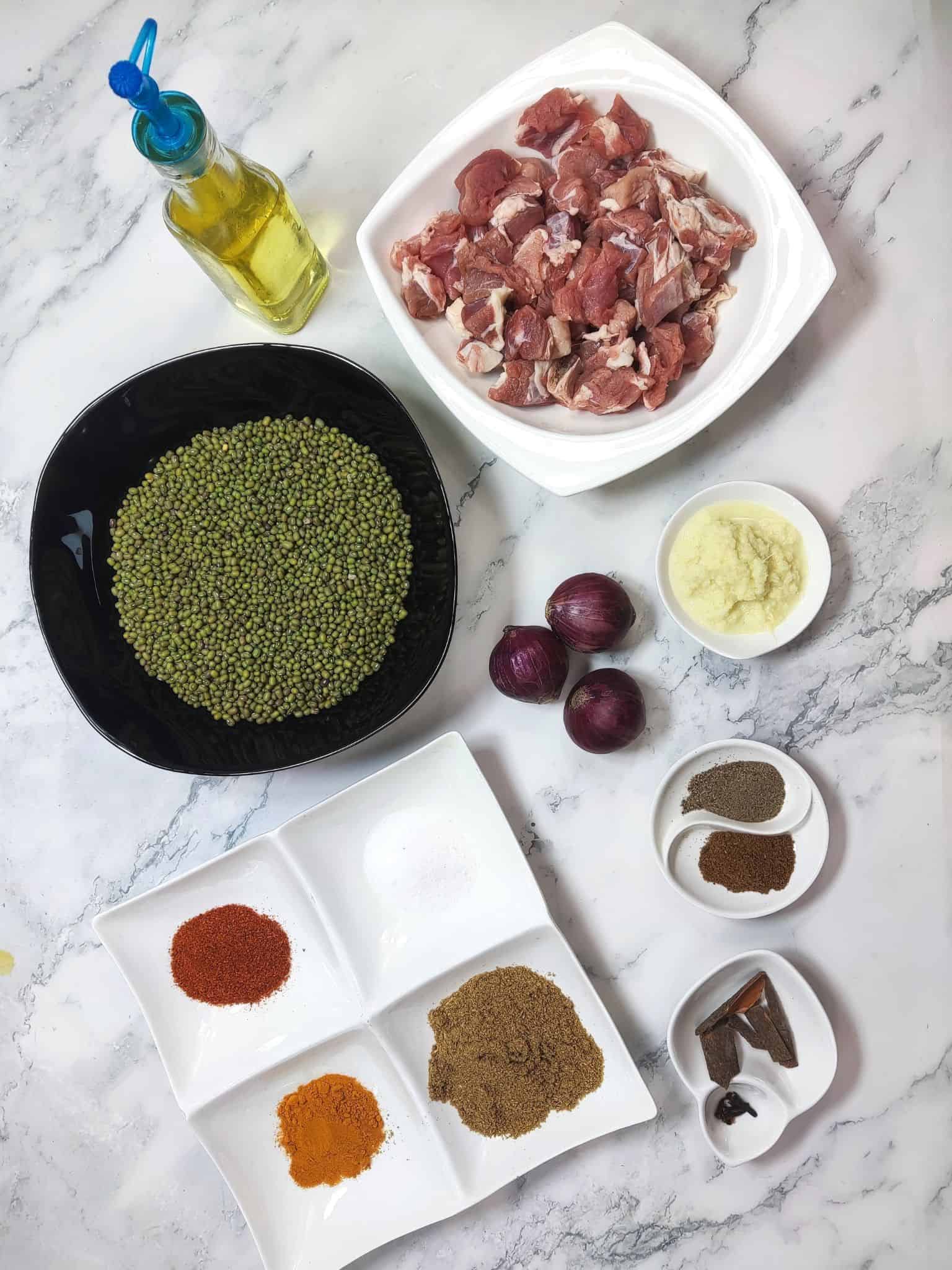
- 1.5 cups split moong dal (yellow moong lentils), soaked 30 minutes — Split and hulled yellow moong dal (the bright yellow kind, not the whole green variety) is what you want for this preparation. The soaking step is important — 30 minutes in cold water softens the lentils so they cook more evenly and reduces the cooking time by about 15 minutes. Drain completely before using. Available at all South Asian and Indian grocery stores and increasingly at well-stocked international supermarkets.
- 750g (1.5 lbs) bone-in lamb or goat pieces — Bone-in pieces from the shoulder, neck, or shank are best because the bones release collagen and flavor during slow cooking that boneless pieces simply cannot match. Goat (bakra) is more traditional and has a slightly more assertive flavor; lamb is milder and more widely available in American markets. For halal households, both are easy to source at Pakistani, Middle Eastern, or halal butcher shops. Ask the butcher to cut into medium pieces (about 2-inch) which cook more evenly than very large pieces.
- 2 large onions, thinly sliced — The onions are fried until deep golden brown before anything else is added — this fried-onion base (known in Pakistani cooking as the foundation of most gravies) provides the underlying sweetness and depth that makes the difference between flat and full-flavored moong gosht. Slice thinly and evenly so all the pieces brown at the same rate. This step takes patience but is non-negotiable for authentic flavor.
- ⅓ cup cooking oil or ghee — Ghee produces a noticeably richer, more aromatic result and is the traditional choice. Neutral cooking oil works as a practical substitute. My mother in Pakistan used a combination — half ghee, half oil — which delivers richness without the cost of using pure ghee for the full amount. For the finishing tarka (the hot-oil-and-spice drizzle at the end), pure ghee is worth using even if you cooked the main dish in oil.
- 2 tablespoon ginger-garlic paste — Fresh homemade ginger-garlic paste (equal parts fresh ginger and garlic blended with a splash of water) is significantly better than store-bought jarred versions, which can taste slightly fermented. To make fresh: blend 6 garlic cloves + 1-inch piece of fresh ginger with 1 tablespoon of water until smooth. The paste should be added after the onions are golden brown and allowed to cook until the raw garlic smell disappears (about 2-3 minutes) before adding the meat.
- 2 medium tomatoes, finely chopped — The tomatoes provide acid and body to the gravy. Finely chop so they break down completely during cooking and integrate into the gravy rather than remaining as visible tomato pieces. In winter when good fresh tomatoes aren't available, 3 tablespoons of tomato paste dissolved in ¼ cup water substitutes perfectly.
- Whole spices: 4 green cardamom pods, 4 cloves, 1 black cardamom pod, 1-inch cinnamon stick, 8 black peppercorns, 1 bay leaf — These whole spices bloom in the hot oil before the onions are added, releasing their aromatic oils in a way that ground spices added later cannot replicate. This is the tarka technique my mother in Pakistan used for every curry — hot fat + whole spices = the flavor foundation that the entire dish builds on. Don't skip or reduce the whole spices; they're the backbone of the Nawabi flavor profile.
- Ground spices: 1.5 teaspoon coriander powder, 1 teaspoon cumin powder, 1 teaspoon Kashmiri red chili powder (or regular red chili powder), ½ teaspoon turmeric, 1 teaspoon salt (adjust to taste) — These ground spices are added after the meat has been browned and the water is added — they need liquid to bloom properly without burning. Kashmiri red chili powder provides deep red color with moderate heat; regular red chili powder provides more heat with less color — adjust based on your household's spice preference. For Saad's portions, I reduce the chili powder and serve extra hot chili on the side for adults.
- For tarka garnish: 2 tablespoon ghee, 4 dried red chilies, 1 teaspoon cumin seeds, ½ teaspoon Kashmiri red chili powder — The finishing tarka is the final layer of flavor that transforms an already-good moong gosht into something genuinely special. Heat ghee until smoking hot, add cumin seeds (they should sizzle immediately), add dried red chilies, add chili powder, and pour immediately over the finished dal. The sizzling, fragrant tarka drizzled on top just before serving is the visual and aromatic signal that the dish is ready.
- For garnish: fresh cilantro, fresh ginger julienned, 2 green chilies sliced, 1 lemon cut into wedges — Fresh cilantro added at serving brightens the rich, heavy dish. Fresh julienned ginger is the traditional Pakistani garnish for moong gosht specifically — the raw ginger bite cuts through the fat richness and adds freshness. Green chilies are for adults who want extra heat. Lemon wedges for squeezing at the table are standard Pakistani dal service.
Directions
Before you start: soak the moong dal in cold water for 30 minutes, then drain thoroughly. This one advance step makes the entire cooking process smoother.
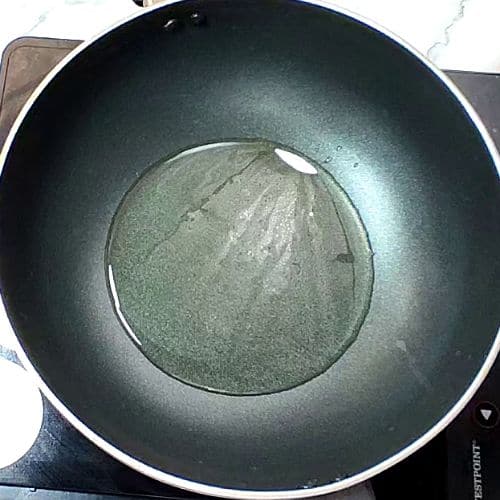
- Step 1: Bloom the whole spices in hot oil (2 minutes). Heat the oil or ghee in a heavy-bottomed pot or pressure cooker over medium-high heat until shimmering. Add all the whole spices — cardamom pods, cloves, black cardamom, cinnamon stick, black peppercorns, and bay leaf — directly into the hot oil. They should sizzle immediately on contact. Cook for 60-90 seconds, stirring constantly, until the spices are fragrant and slightly darkened. This blooming step releases the aromatic oils from the whole spices into the fat, which then carries those aromas throughout the entire dish. Watch carefully — whole spices can burn quickly in hot oil and burned spices produce bitter, acrid flavor that cannot be recovered from.
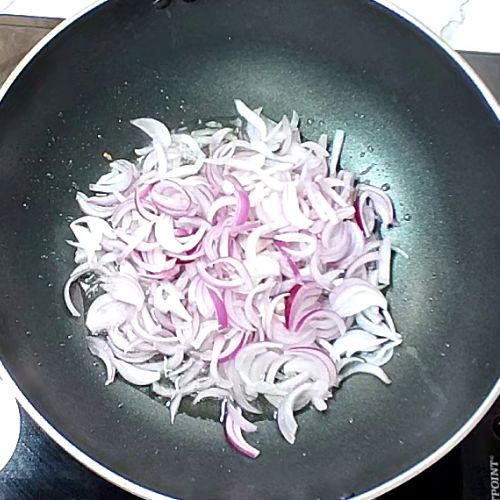
- Step 2: Fry the onions to deep golden brown (15-20 minutes). Add the thinly sliced onions to the spiced oil. Spread them out in the pan and cook over medium-high heat, stirring frequently. The onions will first soften and turn translucent (about 5 minutes), then begin to take on color (about 10 minutes), then develop deep golden-brown color (about 15-20 minutes total). This is the most time-consuming step but the single most important one for flavor depth — under-fried pale onions produce a flat, sweet gravy, while properly deep-golden onions produce the complex, slightly caramelized base that defines authentic Pakistani curry. Don't rush this step by raising the heat too high, which browns the outside while leaving the inside raw.
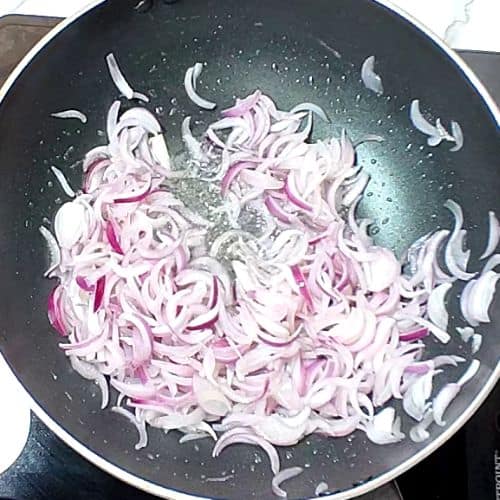
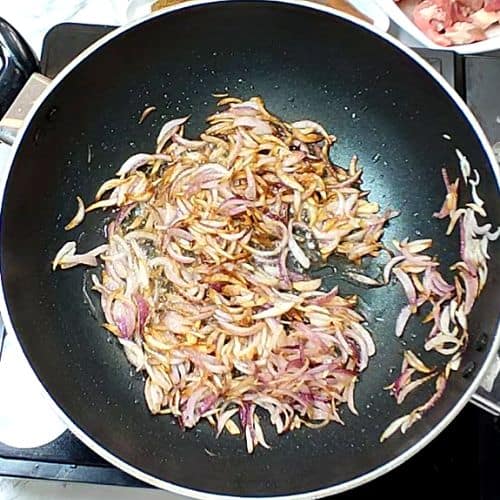
- Step 3: Add ginger-garlic paste and cook until raw smell disappears (3-4 minutes). Once the onions are deep golden brown, add the ginger-garlic paste directly to the pan. The paste will immediately start sputtering in the hot oil — stir vigorously and continuously to prevent it from burning on the bottom of the pan. Cook for 3-4 minutes over medium heat, stirring constantly, until the raw garlic smell has been completely replaced by a toasted, mellow garlic aroma. If the paste starts sticking to the bottom, add a splash of water (2-3 tablespoons) and scrape up any stuck bits — those browned bits are flavor. The ginger-garlic paste is fully cooked when it turns a slightly darker color and smells nutty rather than sharp and raw.
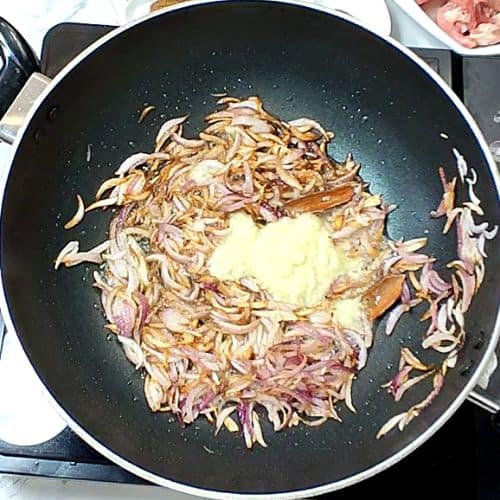
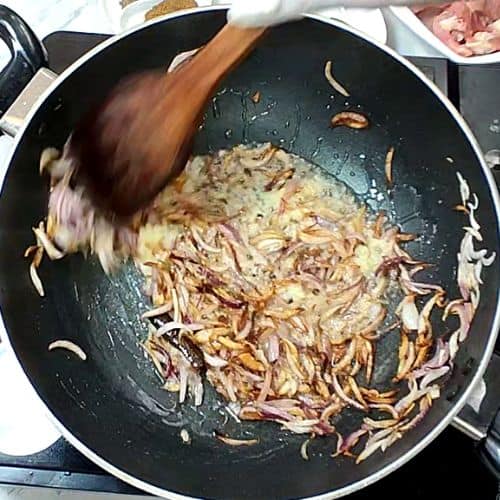
- Step 4: Add the lamb and brown properly (10-12 minutes). Add the bone-in lamb pieces to the pan. Increase heat to high. Add the salt now (salt draws moisture from the meat, which helps it brown). Stir the lamb into the onion-ginger-garlic base and cook over high heat for 10-12 minutes, stirring occasionally, until the meat pieces change from pink-grey to a proper golden-brown color on the outside. The meat should sizzle aggressively in the pan — if it's not sizzling, the pan isn't hot enough. Properly browned lamb develops the Maillard reaction crust on the outside that adds tremendous depth of flavor; improperly steamed lamb (which happens when too much water is released because the heat is too low) produces pale, flat-tasting meat. Work in batches if your pot is small — crowding the pot prevents browning.
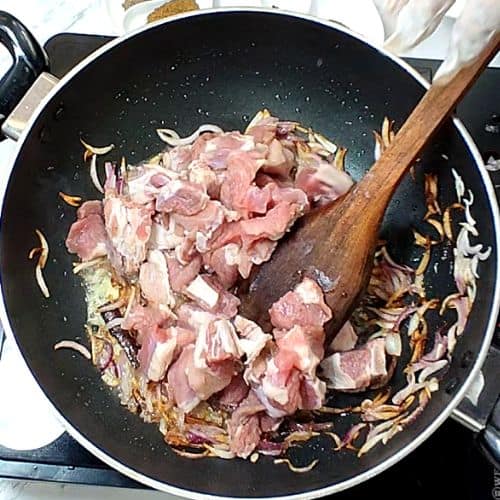
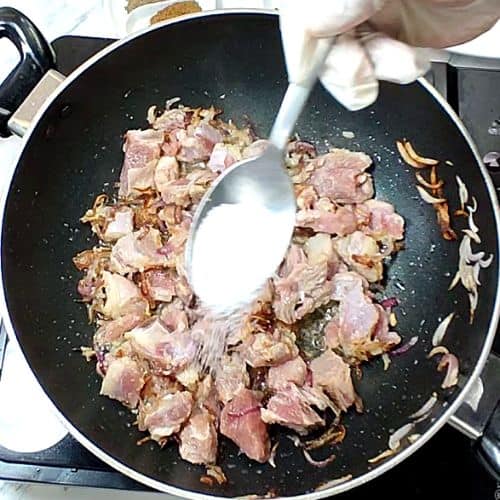
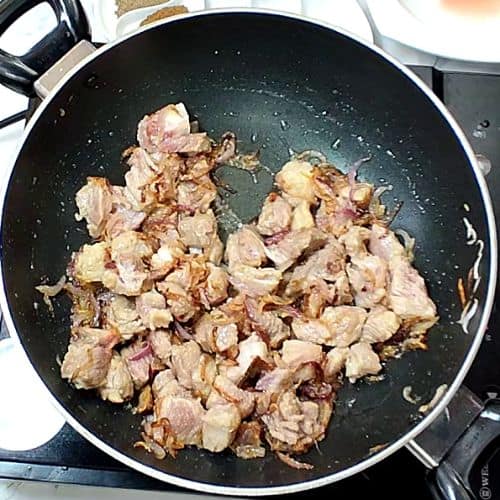
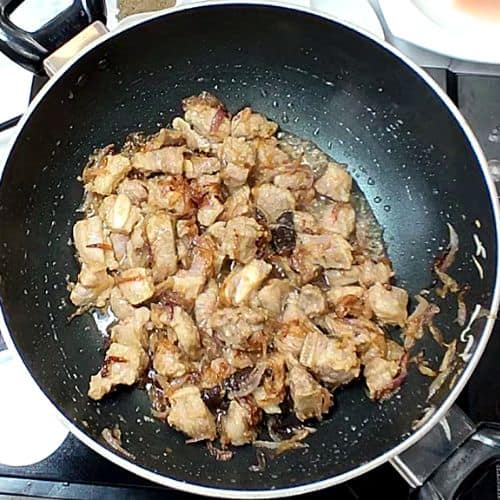
- Step 5: Add water and ground spices, then cook the lamb until tender (40-50 minutes). Add 2 cups of water to the browned lamb and stir to deglaze any browned bits from the bottom of the pan (those bits are pure flavor). Add all the ground spices — coriander powder, cumin powder, Kashmiri red chili powder, and turmeric. Stir to combine everything. The water should turn a deep orange-red color from the spices. Add the chopped tomatoes. Bring to a boil, then reduce heat to low-medium, cover the pot, and cook for 40-50 minutes until the lamb is just becoming tender but not yet falling off the bone. Check every 15 minutes and add small amounts of water if the gravy is reducing too quickly. Pressure cooker shortcut: cook on high pressure for 15 minutes, then natural release for 10 minutes.
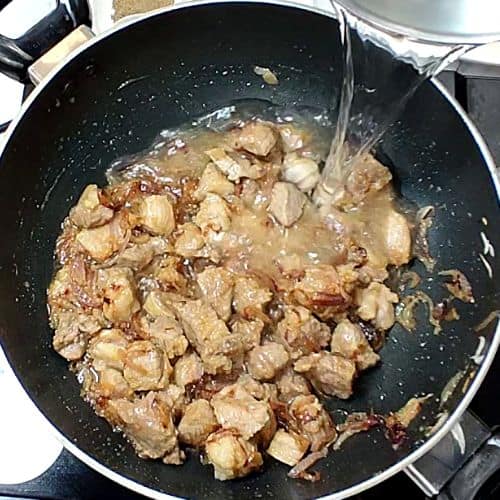
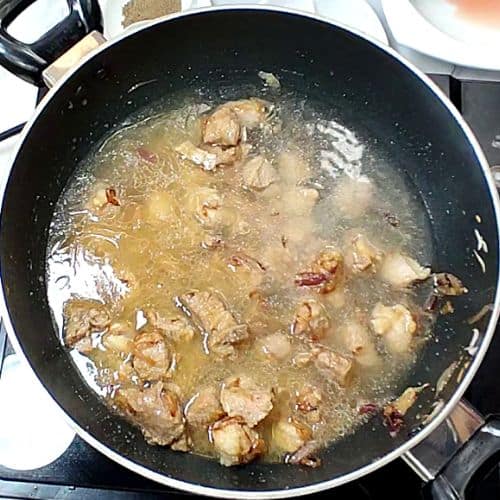
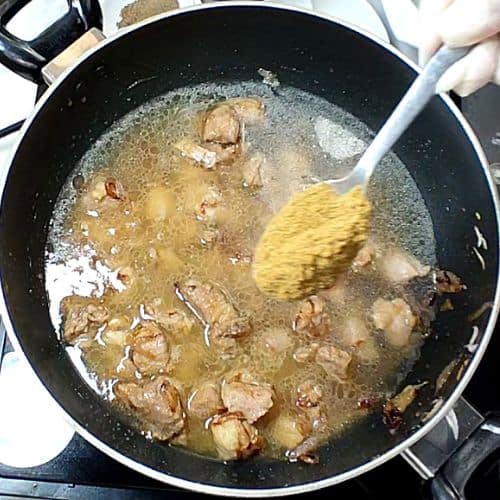
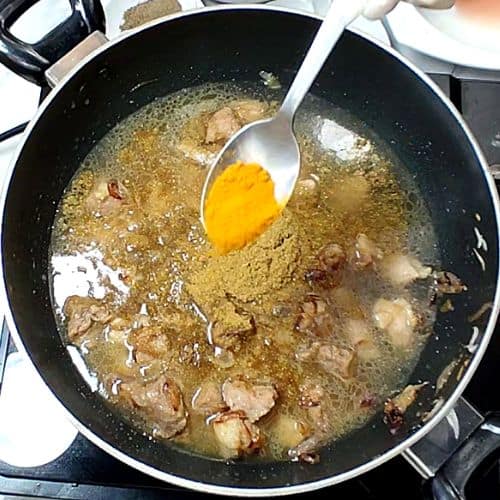
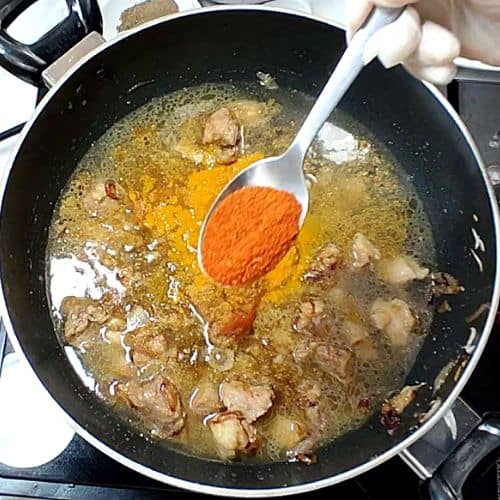
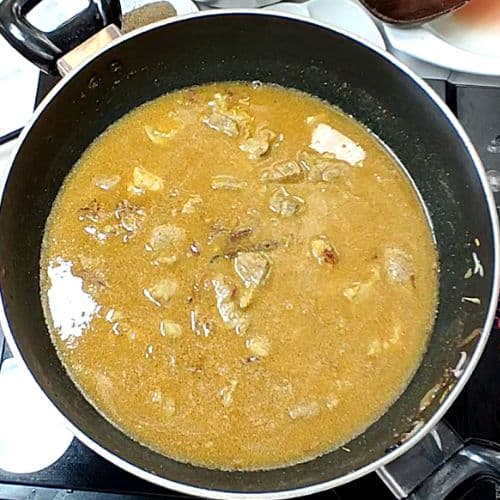
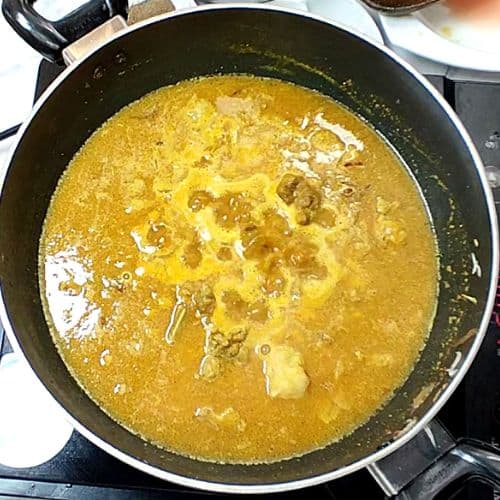
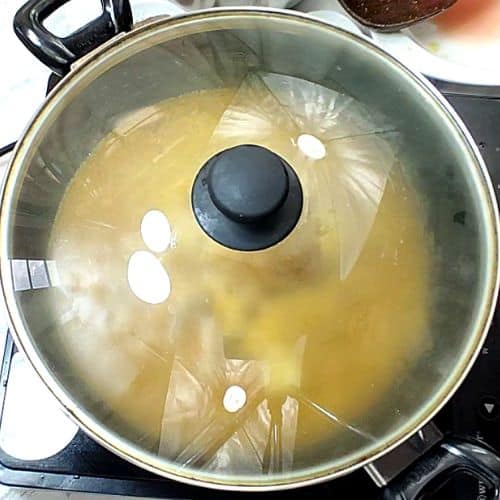
- Step 6: Cook the soaked moong dal separately until just softened (15 minutes). While the lamb is cooking, prepare the moong dal in a separate pot. Place the drained soaked dal in a medium saucepan with 3 cups of water and ½ teaspoon of turmeric. Bring to a boil over high heat, skimming off any white foam that rises to the surface (this foam is from the dal's starch and natural compounds — removing it produces a cleaner-tasting dal). Reduce heat to medium and cook for 12-15 minutes until the dal is just softened but still holding its shape — NOT fully mushy at this stage. It will continue cooking when added to the lamb pot. Drain any excess water. Cooking the dal separately gives you precise control over its texture; adding raw soaked dal directly to the lamb pot produces uneven cooking where some lentils are mushy and others are still hard.
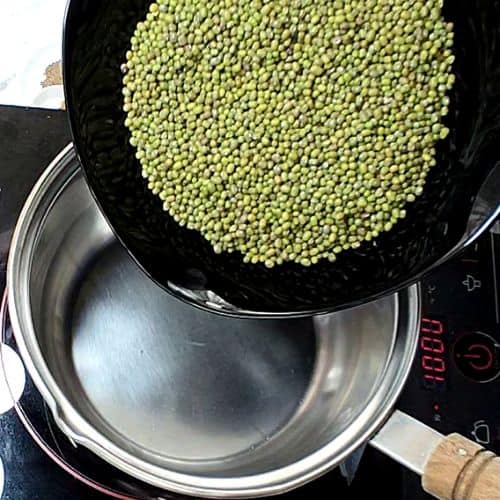
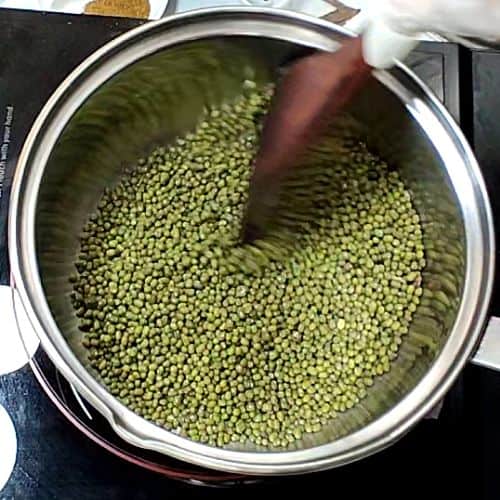
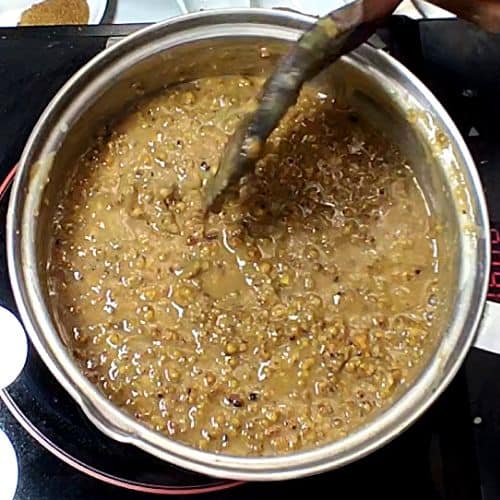
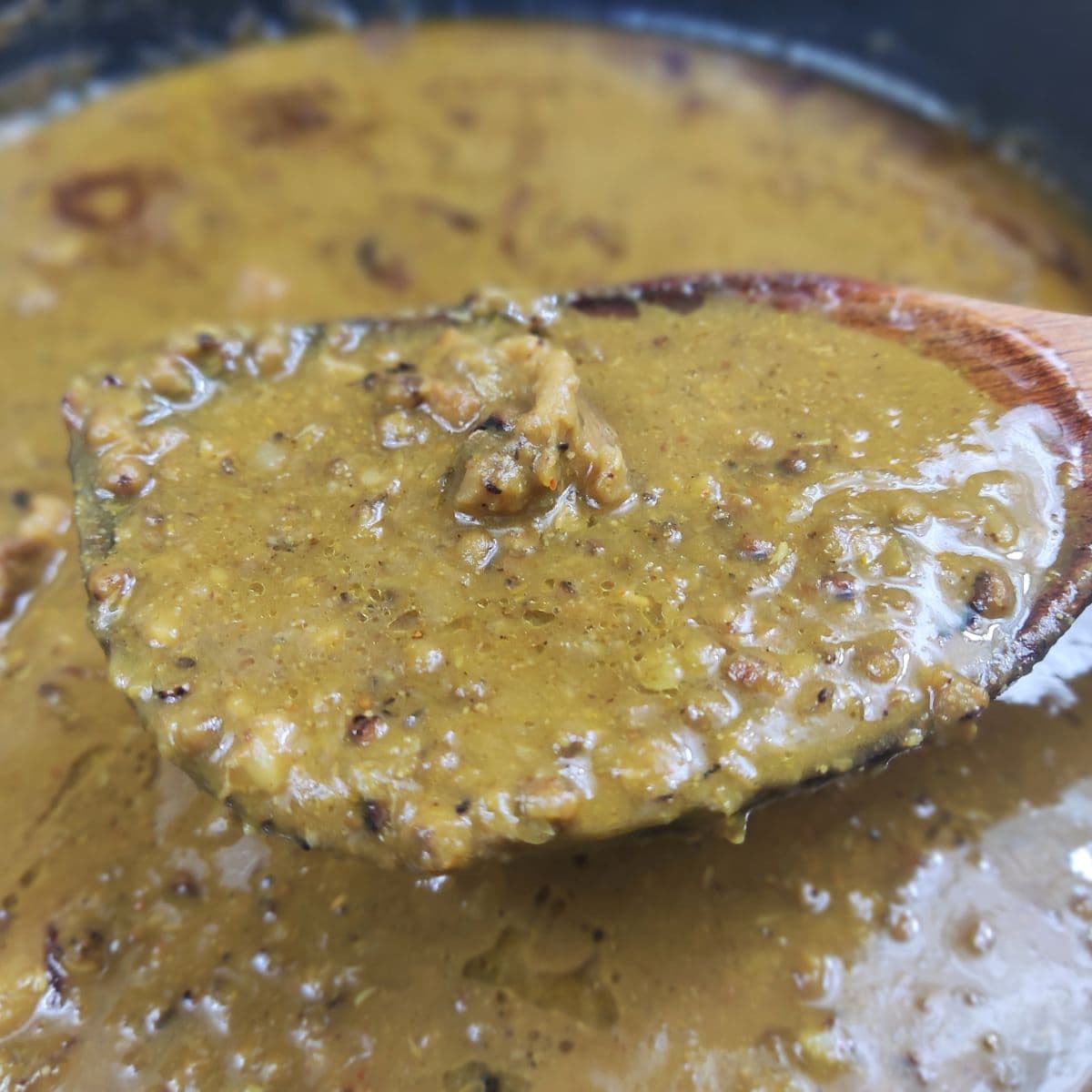
- Step 7: Combine dal with lamb and cook together until fully merged (20-25 minutes). Once the lamb is tender and the dal is just softened, add the partially cooked dal to the lamb pot. Stir gently to combine — fold the dal into the gravy carefully so the lentils don't break apart from aggressive stirring. Add additional water if needed (the combined pot should have enough liquid to keep the dal moving — not soup consistency, but not so thick it sticks). Cover and cook over low-medium heat for 20-25 minutes, stirring occasionally, until the dal has fully softened and broken down slightly into the gravy. The finished consistency should be thick and porridge-like — the dal and gravy should appear as one unified dish rather than separate lentils floating in meat curry. Taste and adjust salt.
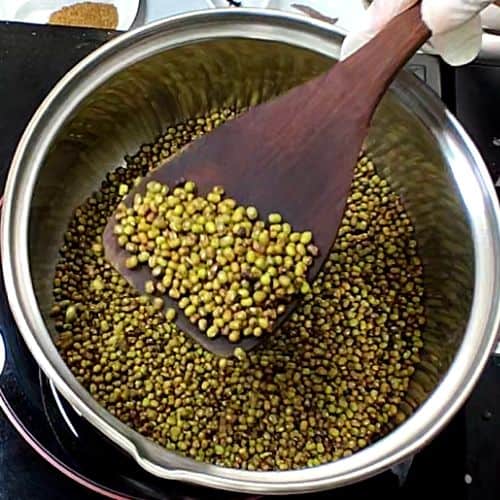
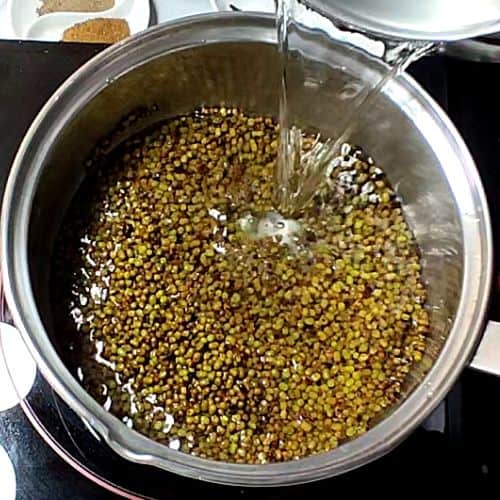
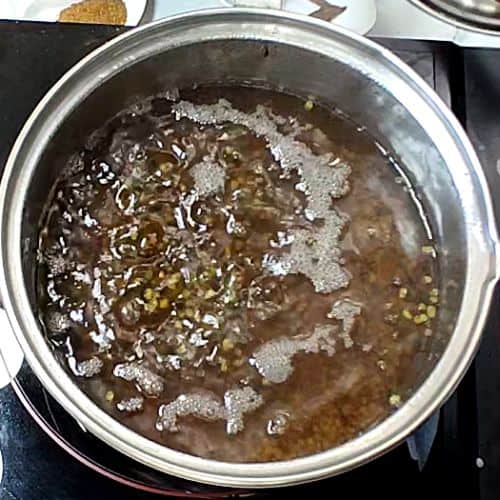
- Step 8: Make the finishing tarka and pour over the dal (3 minutes). In a small separate pan, heat 2 tablespoons of pure ghee over high heat until shimmering and just beginning to smoke. Add 1 teaspoon of cumin seeds — they should sizzle aggressively immediately on contact. Add 4 dried whole red chilies and let them darken for 10-15 seconds (they should puff slightly). Remove from heat and add ½ teaspoon of Kashmiri red chili powder directly into the hot ghee — it will sizzle and turn the ghee a deep red color. Immediately pour this sizzling, fragrant tarka directly over the finished moong gosht in the serving dish. The sizzling sound when the hot tarka hits the dal is the signal that the dish is done — this is the same technique my mother in Pakistan used for every dal preparation and the sound still makes me hungry immediately.
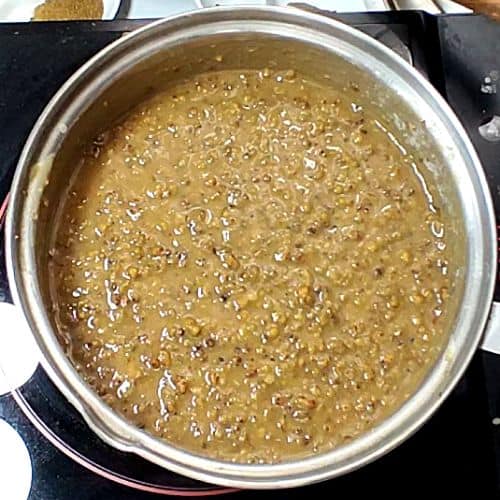
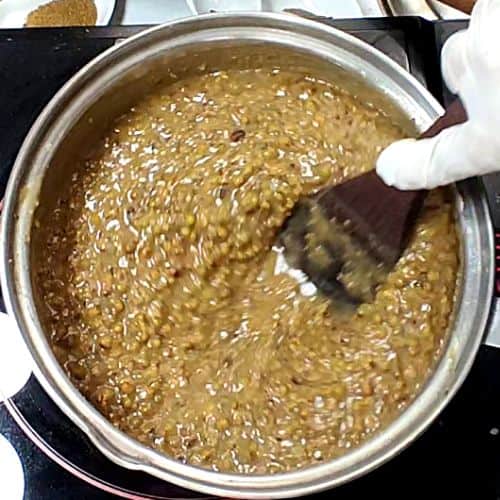
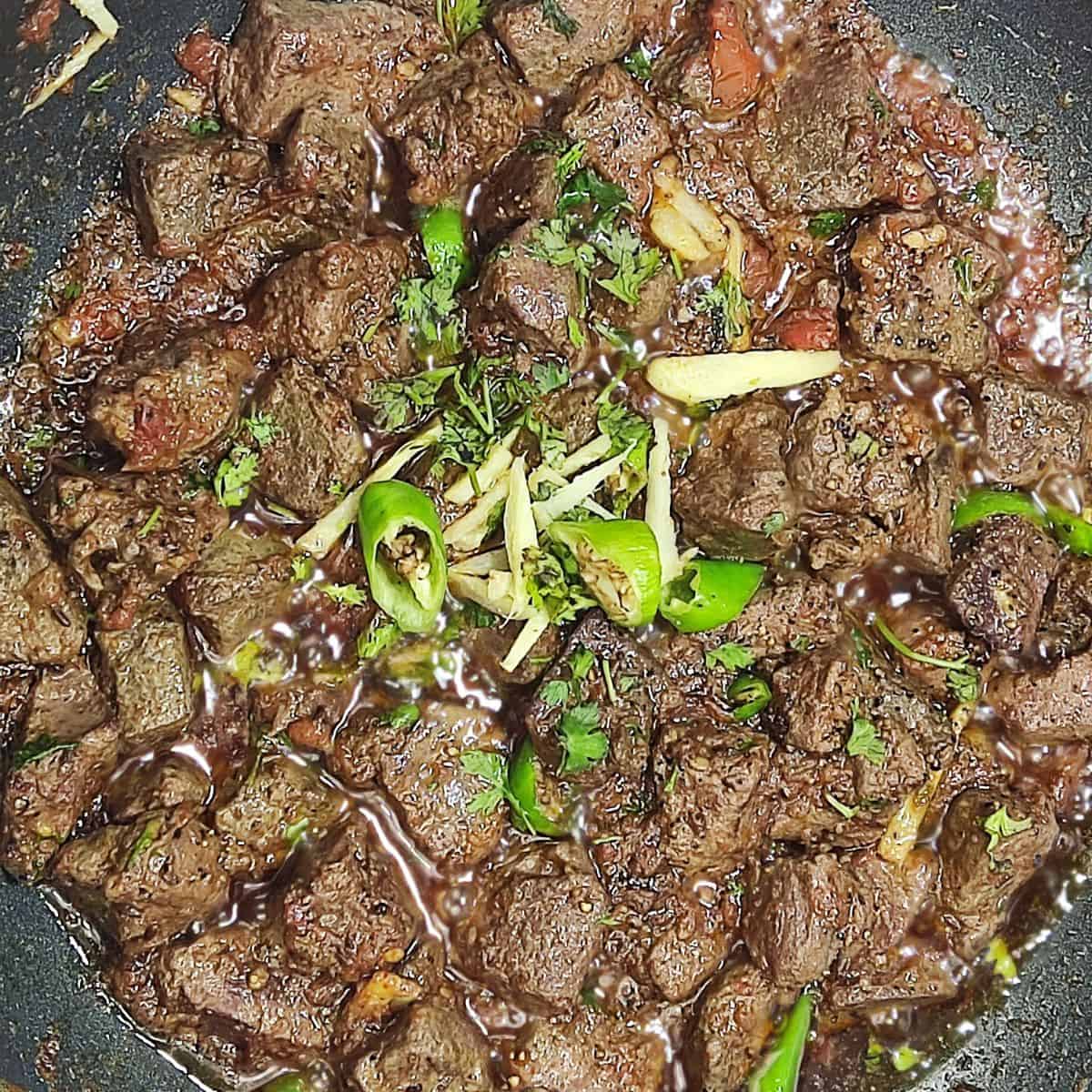
- Step 9: Garnish and serve (2 minutes). Transfer the finished moong gosht to a deep serving dish (a wide, shallow serving bowl shows the dish off beautifully). Scatter fresh cilantro leaves generously over the top — the bright green color against the deep orange-red gravy is visually striking and the fresh herb flavor cuts through the richness. Add the julienned fresh ginger in a small pile in the center of the dish (this is the traditional Pakistani moong gosht garnish — raw ginger at the table for those who want to mix it in). Add sliced green chilies for adult spice lovers. Serve immediately with steamed basmati rice, warm naan, or fresh paratha — the bread/rice choice is a household preference debate, but my husband's family serves moong gosht specifically with paratha.
Tips for Success
- Fry the onions to DEEP golden brown — this is the non-negotiable step. The single most common mistake in Pakistani curry cooking is under-frying the onions. Pale or lightly golden onions produce flat, sweet gravy without depth. Deep golden-brown onions — the color of caramel, not the color of honey — produce the complex, slightly bitter-sweet, deeply savory gravy that defines authentic Pakistani cooking. The process takes 15-20 minutes at medium-high heat with frequent stirring and cannot be rushed by turning the heat higher (which burns the outside of the onion slices while leaving the inside raw and undercooked). My mother in Pakistan's test for properly fried onions: they should be evenly golden with no pale pieces remaining, have reduced to about ⅓ of their original volume, and smell deeply sweet and caramelized rather than sharp and raw. If you're not sure whether your onions are done — they're not done. Keep cooking.
- Soak the moong dal 30 minutes BEFORE starting — and cook it separately. Two technique points that dramatically affect the final texture. Soaking: 30 minutes in cold water softens the dal's outer coating, reduces cooking time by 15+ minutes, and produces more evenly cooked lentils throughout. Don't skip soaking because you're in a rush — it's passive time while you prep other ingredients. Cooking separately: adding raw soaked dal directly to the lamb pot is the shortcut that produces uneven results where some lentils are mushy and others are still hard because the timing can't be controlled precisely. Cooking the dal separately to 70% done and then adding to the lamb pot gives you full control over the final texture. The extra pot is worth the extra washing up.
- Brown the lamb properly — don't let it steam. Browning lamb (or any meat) is about the Maillard reaction — the chemical process that produces hundreds of flavor compounds when meat's surface proteins react with heat above 280°F (140°C). This reaction only happens when the meat surface is in direct dry contact with a hot surface or hot fat — NOT when the meat is surrounded by steam from its own released moisture. To ensure browning rather than steaming: make sure the pan is properly hot before adding meat, add meat in batches if your pot is crowded (crowding drops the pan temperature and creates steam), and don't stir constantly — let the meat sit undisturbed for 2-3 minutes per side before flipping so a proper crust develops. Properly browned lamb is the flavor foundation that no amount of spices can replicate.
- Add the finishing tarka at the very end — not earlier. The finishing tarka (hot ghee with cumin, dried chilies, and chili powder poured over the finished dal) loses its impact entirely if it's added mid-cooking or if the oil is not hot enough when poured. The tarka needs to be prepared fresh in a separate small pan, heated until the ghee is shimmering and nearly smoking, and poured immediately over the served dal with the full sizzle intact. The heat of the tarka oil releases additional flavor compounds from the dried spices in a way that cold or warm oil simply cannot. For maximum aromatic impact: pour the tarka at the table just before serving so guests see and hear the sizzle — this theatrical presentation is the traditional Pakistani dal-service moment that signals the dish is truly ready.
- Use bone-in lamb pieces — not boneless, not chicken. The bones are genuinely important in this preparation. During the 40-50 minutes of covered slow cooking, the bones release collagen (which thickens the gravy naturally), marrow (which adds deep richness), and minerals (which add complexity). Boneless lamb produces a thinner, less rich gravy that requires additional oil or butter compensation. Bone-in goat (bakra gosht) is the most traditional and most flavorful choice for moong gosht specifically — the stronger goat flavor pairs especially well with the earthy moong dal. Chicken can substitute for a lighter version but produces a fundamentally different (and less interesting) dish. If using chicken: bone-in chicken pieces, reduce main cooking time to 20-25 minutes.
Variations
- Pressure cooker version (total time under 45 minutes): Complete Steps 1-5 as written using a pressure cooker pot. After adding water and ground spices to the browned lamb, close the pressure cooker lid and cook on high pressure for 15 minutes. Natural release for 10 minutes, then quick-release remaining pressure. Open, add the partially cooked dal (cook dal separately for 8-10 minutes only rather than 15), stir to combine, then cook open on medium heat for 10 minutes until the dal is fully integrated with the gravy. Finish with the tarka as written. The pressure cooker version is significantly faster and produces tender, falling-off-the-bone lamb that some prefer over the slightly firmer stovetop version. This is my weeknight shortcut when I want moong gosht without the 90-minute stovetop timeline. For those who use an Instant Pot: sauté mode for the onion-browning steps, pressure cook mode for the lamb stage.
- Channa dal gosht variation (substituting chickpea lentils): Replace the yellow moong dal with an equal quantity of split channa dal (Bengal gram). Channa dal requires longer soaking (2 hours minimum) and longer cooking (25-30 minutes separately before adding to lamb) because it's a harder, denser lentil than moong. The flavor profile shifts to nuttier and earthier — channa dal gosht is a different dish entirely but uses the same technique. Increase water quantities by ½ cup for channa dal because it absorbs more liquid during cooking. My mother in Pakistan makes channa dal gosht as the richer, more substantial alternative to moong gosht for special gatherings — the two dals are the most popular gosht-dal combinations in Pakistani cooking. Our easy chicken and rice recipes collection has a similarly satisfying one-pot comfort food for nights when you want something lighter.
- vegetarian diet moong dal (same technique, no meat): Skip the lamb entirely. In Step 4, add 2 medium potatoes (cubed) and 1 large carrot (diced) in place of the meat and cook them in the spiced oil for 5-6 minutes until slightly golden. Continue with water and spices as written. Cook the dal separately as written and combine with the vegetables. Cook together until both components are fully tender. The vegetarian version uses the same tarka finish and the same garnishes. The result is significantly less rich than the meat version (lamb fat contributes substantially to the depth of the dish) but still thoroughly flavorful from the spice base and tarka. For household members who don't eat meat, serve the vegetarian version alongside the lamb version at family gatherings — the base technique is identical.
- Restaurant-style Nawabi moong gosht (extra richness): At the end of Step 7 when the dal and lamb are fully cooked and combined, stir in 2 tablespoons of ghee directly into the pot. Add ½ cup of full-fat yogurt (whisked smooth before adding) and stir gently into the hot dal. Add 1 tablespoon of freshly ground garam masala. Cover and cook on very low heat for 5 more minutes. The yogurt adds creaminess and slight tang that balances the spice depth, while the extra ghee and garam masala produce the richness associated with restaurant-style Pakistani dal preparations. This is the version I make when my husband's brothers visit and I want the moong gosht to feel like a restaurant-caliber dinner rather than a weeknight family meal.
- Pakistani-American fusion: moong gosht grain bowl (Sana's adaptation): Serve the moong gosht over a bowl of mixed basmati and quinoa (half and half, cooked together in one pot) instead of the traditional all-rice or all-roti accompaniment. Top with the standard fresh cilantro and ginger garnish, add a spoonful of plain Greek yogurt as a cool counterpoint to the spiced gosht, and a squeeze of fresh lemon. The quinoa adds a complete protein boost and a slightly nuttier texture that complements the soft dal. This fusion approach is how I serve moong gosht at dinner parties where some guests are unfamiliar with traditional Pakistani bread accompaniments — the grain bowl format makes the dish visually approachable and familiar to first-world audiences who have embraced bowl-format meals, while preserving all the authentic Pakistani flavor of the moong gosht itself.
Serving and Storage
How to Serve
Serve moong gosht immediately after adding the finishing tarka, while the sizzle and aroma are still present. Transfer to a deep serving dish wide enough to show off the rich orange-red gravy with the tarka drizzled on top. Add fresh cilantro, julienned ginger, and sliced green chilies as garnish — the color contrast of bright green herbs against the deep amber gravy makes the dish visually striking on the table. For the bread accompaniment, warm naan and fresh paratha are both excellent choices — my husband's family serves this specifically with paratha, while my mother in Pakistan serves it with boiled rice for weekday dinners and naan for guests. For a complete Pakistani meal, pair with: raita (yogurt with cucumber and cumin) to cool the spice, a simple kachumber salad (diced tomatoes, onion, green chili, lemon juice, cilantro), and a glass of iced lassi for drinks. For cross-cultural serving: serve over steamed basmati rice with plain Greek yogurt alongside for those unfamiliar with Pakistani accompaniments. The dish pairs beautifully alongside a creamy cooling side for guests who want contrast with the spiced gosht. For children, serve a mild portion (less tarka, removed green chilies) over plain white rice — Saad specifically prefers it this way and eats it enthusiastically.
How to Store
Moong gosht stores exceptionally well and genuinely improves with time — the flavors deepen overnight as the lamb and dal continue to exchange flavors in the refrigerator. Refrigerator: transfer to an airtight container and refrigerate for up to 4 days. The dal will absorb remaining liquid during storage and the dish will thicken considerably — this is normal. To reheat: add 2-3 tablespoons of water per serving and warm over medium-low heat, stirring gently, until heated through. Alternatively microwave in 60-second bursts with a splash of water, stirring between bursts. Freezer: moong gosht freezes beautifully for up to 3 months. Cool completely, portion into individual freezer containers (I use 2-serving portions which match typical family meal needs), and freeze. To use: thaw overnight in the refrigerator OR thaw from frozen in a pot over very low heat with a small amount of water, stirring occasionally. For meal-prep applications: I make double batches specifically to stock the freezer — one batch produces enough for 2 fresh dinners plus 4 frozen portions, which represents exceptional value for 90 minutes of cooking. Having moong gosht in the freezer means a genuinely nourishing Pakistani dinner is always available on short notice. For packing in lunchboxes: moong gosht over rice in a thermos lunchbox stays warm for 4-6 hours and is one of my husband's most-requested work lunch options during cooler months.
Related Recipes You Might Like
If you loved this moong dal gosht, here are more Pakistani-inspired comfort food and family dinner recipe collections from the site that pair beautifully with Pakistani meals and weeknight family dinners:
- 18 Crockpot Chicken Freezer Recipes — slow-cooked comfort food for busy weeks
- 25 Easy Chicken and Rice Recipes — one-pot family dinners to rotate alongside moong gosht
- Creamy Chicken Enchilada Soup — hearty warming soup for cooler months
- Ground Turkey Skillet — another protein-and-vegetable one-pot weeknight dinner
- 31 Best Salad Recipes — fresh salads to serve alongside spiced Pakistani mains
Frequently Asked Questions
What is moong dal gosht?
Moong dal gosht is a classic Pakistani and North Indian dish that combines split yellow moong lentils slow-cooked with bone-in lamb or goat meat in a deeply spiced onion-tomato gravy. The Nawabi version uses ghee, whole spices bloomed in hot fat, deeply fried onions, ginger-garlic paste, and a finishing tarka poured over just before serving. The result is a dish where the lentils and meat gravy meld into a single thick, rich, deeply flavorful preparation served with naan, paratha, or steamed basmati rice.
Can I use chicken instead of lamb?
Yes, with modifications. Use bone-in chicken pieces and reduce the main cooking time in Step 5 from 40-50 minutes to 20-25 minutes. The flavor profile will be noticeably lighter and less rich than the lamb version because chicken doesn't release the same collagen and fat during cooking. The dish is still good with chicken but it's a different, lighter preparation. For best results with chicken: add 1 tablespoon of ghee directly to the pot when combining the dal with the chicken to compensate for the reduced fat.
Why cook the moong dal separately?
Cooking the moong dal separately gives you precise control over its texture in the finished dish. Moong dal cooks much faster than bone-in lamb — if added raw to the lamb pot, the dal will be completely mushy long before the lamb is tender. Cooking separately to 70% done, then adding to the lamb pot for the final 20-25 minutes, produces dal that is fully tender and slightly broken down into the gravy without becoming an undifferentiated mush. The technique is slightly more effort but dramatically improves the final texture quality.
How spicy is this recipe?
The recipe as written produces a medium-heat level appropriate for adults who enjoy Pakistani food. The primary heat sources are Kashmiri red chili powder and the dried red chilies in the tarka. To make it milder for kids: halve the Kashmiri red chili powder and reduce to 2 dried chilies in the tarka. I always separate a portion for Saad before adding the tarka so he gets a milder version while adults enjoy the full spiced preparation.
What is tarka and why is it important?
Tarka (also called tadka or baghar) is a technique where whole or ground spices are bloomed in very hot fat and poured over a finished dish just before serving. The extremely high temperature of the fat extracts volatile aromatic compounds from the spices that cannot be released at lower cooking temperatures, producing a burst of concentrated aroma and flavor. In this moong gosht recipe, the tarka of cumin seeds, dried red chilies, and Kashmiri chili powder in smoking-hot ghee provides the final aromatic layer that elevates the dish from good to great. The sizzling sound when the tarka hits the dal is the traditional Pakistani signal that the dish is truly ready.
This moong dal gosht has traveled a long personal journey in our household — from a dal I spent years avoiding on my mother's dinner table to the dish my husband's family considers a serious test of a home cook's Pakistani cooking foundation, and finally to the recipe I'm genuinely proud to serve both as a weeknight family dinner and to guests who expect authenticity.
Saad's enthusiasm for what he perceives as "the meat stew with the orange color" is genuinely one of the most satisfying outcomes of developing this recipe — a 7-year-old who requests a dal dish voluntarily is the most reliable quality indicator available in a Pakistani-American household.
My husband's declaration that this version comes close to his grandmother's recipe is the highest compliment this dish has received — Pakistani grandmothers are the gold standard for moong gosht, and any comparison to their cooking is worth more than any food blog review.
My mother in Pakistan's lesson that the tarka is theatre as much as technique rings true every time I pour the sizzling ghee over the finished dal at the dinner table — the sound and smell produce an immediate Pavlovian hunger response in everyone present, which is the most honest measure of whether a Pakistani dish has been properly prepared. The channa dal variation and the restaurant-style Nawabi version both deserve regular rotation alongside this base recipe — moong gosht is a category of dish worth mastering in all its variations, not just a single recipe to check off the list. 🍲🌶️✨
Moong Dal Gosht Recipe (Pakistani Slow-Cooked Lentils with Lamb)
Ingredients
- 1.5 cups yellow moong dal rinsed and drained
- 1.5 pounds bone-in lamb pieces preferably from the leg or shoulder, cut into 2-inch chunks
- 3 large onions finely sliced
- 3 tablespoons ghee or vegetable oil
- 1 tablespoon ginger-garlic paste
- 3 green chillies green chillies whole or finely chopped
- 4 cups water
- 1 teaspoon cumin seeds
- 4-5 whole black cardamom
- 2 inches cinnamon stick
- 4 whole cloves
- 1 teaspoon turmeric powder
- 1.5 teaspoons red chilli powder
- 1 teaspoon salt adjust to taste
- 1 tablespoon fresh coriander chopped, for garnish
Instructions
- Rinse the moong dal under cold running water until the water runs clear, then set aside. Cut the lamb into 2-inch pieces if not already done, leaving the bone intact for maximum flavor during the long cooking process.
- Heat the ghee in a large, heavy-bottomed pot or Dutch oven over medium-high heat. Add the sliced onions and cook, stirring frequently, for 8-10 minutes until deep golden brown and caramelized. This step is crucial for building the flavor foundation of the dish.
- Add the ginger-garlic paste and green chillies to the golden onions, cooking for 1-2 minutes until fragrant. Then add the lamb pieces and brown them on all sides for 5-7 minutes, allowing a flavorful crust to form while keeping the meat still slightly pink inside.
- Toast the cumin seeds, black cardamom, cinnamon stick, and cloves together for 30 seconds until aromatic. Add the turmeric powder and red chilli powder to the pot, stirring constantly for about 30 seconds to bloom the spices and release their deep flavors into the ghee.
- Add the rinsed moong dal to the pot along with 4 cups of water and the salt. Stir well to combine all ingredients, then bring to a boil over high heat. Once boiling, reduce the heat to low, cover partially with a lid, and simmer for 60-90 minutes, stirring occasionally to prevent sticking.
- Continue cooking until the lamb is completely tender, the moong dal has broken down into a thick, silky gravy, and the overall consistency resembles a thick curry rather than a soup. The lentils and meat should have melded together into one cohesive, deeply spiced dish. Taste and adjust seasoning if needed. Garnish with fresh chopped coriander and serve hot with naan, roti, or steamed rice.
Notes


Comments
No Comments