
Pan drippings are one of those things I used to pour straight down the drain, and I cringe thinking about it now. That dark, sticky liquid sitting at the bottom of your roasting pan is basically the most flavorful thing in your kitchen at that moment — concentrated beef, caramelized bits, rendered fat — and au jus is just the process of turning it into something you can actually serve.
What I like about au jus is that it's not gravy. There's no flour roux, no thickening, no fuss. You're building on what's already there — the drippings, some beef broth, a little Worcestershire — and letting it simmer down into something thin, savory, and deeply beefy. The flavor does the work. I add a small splash of soy sauce sometimes because it deepens the color and rounds out the saltiness without tasting like soy at all.
My husband makes a proper roast beef a few times a year — usually around the holidays or when he's feeling ambitious on a Sunday — and this is what I make while the meat is resting. It takes maybe 15 minutes, which is exactly how long you should be letting the roast rest anyway. If you're planning a bigger holiday spread, I usually pair it with my best ever cranberry sauce on the table — they go on completely different parts of the plate but they're both essential.
One thing to know going in: the quality of your au jus is almost entirely decided by your drippings. If you roasted a cheap, well-seasoned cut and let it caramelize properly, your jus will be incredible. If your drippings are pale and thin, the final sauce will reflect that. Use low-sodium broth so you're controlling the salt yourself — I've made it too salty before by using regular broth with already-seasoned drippings and it's a hard mistake to come back from.

Why You'll Love This Recipe
- It uses what you already have: The whole point of au jus is that the main ingredient — the drippings — comes free with your roast. You're adding broth, Worcestershire, garlic powder, a little onion powder. That's it. I've made this with nothing more than drippings and broth and it was still great. The other ingredients are just supporting characters.
- Ready before your meat is done resting: I start the jus the moment the roast comes out of the oven. By the time the meat has rested 15 minutes and I've sliced it, the sauce is done and warm. There's no last-minute scramble. It times perfectly with everything else you're doing at that point in a holiday meal.
- It's not gravy — and that's a feature, not a bug: I grew up eating Pakistani meat dishes with their own braising liquid, so I understand sauces that are thin and intensely flavored. Au jus works the same way. It doesn't coat the meat like gravy does — it soaks in, keeps things juicy, and adds flavor without heaviness. For French dip sandwiches the next day, it's non-negotiable.
- Works for leftover roast too: I make a double batch specifically because leftover au jus reheated with thinly sliced cold roast beef is one of the best sandwiches I know how to make. Slice the beef thin, warm it gently in the jus for two minutes, pile it on a roll. My husband eats three of those in a sitting.
- Scales easily for bigger meals: Hosting a holiday dinner and need more sauce? Just double the broth and drippings. It scales without any issues. I always make more than I think I need because it disappears fast — people dip their bread in it, pour it over everything, and then ask if there's more.
Ingredients
- 2 cups beef broth (low sodium — this matters, see tips)
- ½ cup pan drippings from roast beef or prime rib
- 1 tablespoon Worcestershire sauce
- 1 teaspoon soy sauce (optional, adds color and depth)
- 1 teaspoon garlic powder
- ½ teaspoon onion powder
- Salt and freshly ground black pepper, to taste
- 1 teaspoon cornstarch mixed with 1 tablespoon cold water (optional, if you want it slightly thicker)
Directions
- Step 1: Collect and strain the drippings — Once your beef comes out of the oven, pour the pan drippings into a heatproof bowl or measuring cup. Let it sit for a minute so the fat rises, then skim off the top layer of fat with a spoon or use a fat separator if you have one. You want the dark, flavorful liquid underneath — that's where all the beef flavor lives. Strain out any solid bits if needed.
- Step 2: Start the broth — In a medium saucepan over medium heat, pour in the beef broth and bring it to a gentle simmer. Don't rush this with high heat — you want a simmer, not a boil. If it boils hard, the sauce can turn bitter and reduce too fast before the flavors have time to come together.
- Step 3: Add the drippings and flavorings — Stir in the strained drippings, Worcestershire sauce, soy sauce (if using), garlic powder, and onion powder. Give it a good stir to combine everything. The drippings will look a bit separated at first — that's fine, it comes together as it heats.
- Step 4: Simmer and reduce — Let the sauce simmer on medium-low for 10 to 12 minutes, stirring occasionally. It will reduce slightly and the flavors will meld. You're looking for a thin, richly colored sauce — not thick, not watery. It should coat a spoon very lightly.
- Step 5: Optional thickening — If you want a slightly thicker consistency, whisk the cornstarch slurry into the simmering jus and cook for another 1 to 2 minutes until it tightens up just a little. I usually skip this step — I prefer it thin for dipping — but if you're spooning it over sliced meat on a plate, a little body helps it stay put.
- Step 6: Season and serve — Taste it. Add salt and pepper carefully — taste first, because the drippings and Worcestershire already carry a lot of seasoning. Serve warm in a small bowl or gravy boat alongside your roast, or as a dipping sauce for sandwiches.

Tips for Success
- Use low-sodium broth and season at the end: I cannot stress this enough. The first time I made au jus I used regular broth with well-seasoned drippings and Worcestershire on top of that — it was so salty I had to throw it out. Low-sodium broth gives you control. You can always add salt at the end but you can't take it away.
- Scrape up the browned bits from the pan: Those dark, sticky bits stuck to the bottom of your roasting pan — don't leave them behind. Add a small splash of broth directly to the hot roasting pan, scrape everything up with a wooden spoon, and add that liquid to your saucepan. That's the concentrated beef flavor you want. I do this every single time and it makes a noticeable difference.
- Keep the simmer gentle: A hard boil is the enemy here. It cooks off too much liquid too fast and can make the jus taste sharp or slightly bitter. Keep it at a steady gentle simmer — you should see small bubbles breaking the surface, not a rolling boil. A $15 saucepan from any grocery store works perfectly for this.
- Strain before serving: This is optional but worth it. If you added fresh garlic or herbs during cooking, strain the finished jus through a fine mesh strainer before serving. It takes 20 seconds and makes the sauce look clean and polished — especially if you're serving it for a holiday meal or a dinner where presentation matters.
- Make it while the meat rests: This is the move. Roast comes out of the oven, goes on a cutting board tented with foil, and you immediately start the jus. By the time 15 minutes has passed, the meat is properly rested and the sauce is ready. No juggling, no cold sauce poured over hot meat.
Variations
- Red wine au jus: Add ¼ cup of dry red wine — something like a Cabernet or Merlot — after you add the drippings, and let it simmer for the first few minutes before adding the broth. The wine adds acidity and complexity that makes the sauce taste like it came from a restaurant kitchen. I use whatever bottle is already open. Don't open a special bottle for this.
- Fresh herb version: Add two sprigs of fresh thyme and one sprig of rosemary to the simmering sauce, then fish them out before serving. This gives the jus an herby background note that pairs especially well with prime rib. My husband prefers this version when we're doing a proper Sunday roast — he says it tastes more "intentional."
- Mushroom au jus: Sauté a handful of finely sliced cremini mushrooms in a little butter in the same saucepan before adding the broth. Once they're soft and golden, add everything else and proceed as normal. The mushrooms add an earthy depth and make the sauce feel heartier — good if you're serving it over sliced beef rather than as a dipping sauce.
- No-drippings version: If you don't have pan drippings — say you're making au jus for French dip sandwiches with deli roast beef — use 2 cups of low-sodium beef broth, a tablespoon of butter, a teaspoon of beef bouillon concentrate (Better Than Bouillon works great, you can find it at Walmart or Costco), and all the same seasonings. It's not the same as dripping-based jus but it's genuinely good and still way better than anything from a packet.
- Holiday table version: When I'm making this for a holiday meal alongside things like my best ever cranberry sauce, I add a tiny pinch of dried thyme and a splash of red wine to the jus and double the batch. People always pour more than you expect. If you're looking for a full holiday menu, there are some great ideas in this Christmas party food roundup that pair well with a roast centerpiece.
Serving and Storage
Serving
Serve au jus hot, in a small bowl or gravy boat set right next to the meat so people can dip or pour as they like. For prime rib or roast beef, I pour a small amount over each plate of sliced meat and bring the extra to the table. For French dip sandwiches, I serve the jus in individual small bowls for dipping — the bread should go in and come out fast so it doesn't fall apart. In Pakistan, we'd never serve a sauce this way, but au jus is distinctly an American table thing and I've fully adopted it. If I'm making leftovers into sandwiches the next day, I reheat the jus gently in a small pan and warm the sliced beef right in it for two minutes before loading it onto the bread.
Storage
Store leftover au jus in an airtight container in the fridge for up to 3 days. It will gel when cold because of the collagen in the drippings — that's completely normal and actually a sign of a good jus. It will liquify again as soon as you heat it. To reheat, pour it into a small saucepan and warm it over low heat, stirring occasionally. Don't microwave it — the uneven heat can make it separate. You can also freeze au jus in small portions (an ice cube tray works perfectly) for up to 2 months — just pop out a cube or two whenever you need a flavor boost for a weeknight pan sauce.

Frequently Asked Questions
Can I make au jus without pan drippings?
You can, and it's still worth making. Use 2 cups of low-sodium beef broth and add a teaspoon of Better Than Bouillon beef concentrate (Walmart and Costco both carry it) plus a tablespoon of butter to approximate the richness that drippings provide. It won't have quite the same depth, but it's genuinely good — I've made it this way for French dip sandwiches when we didn't have a roast in the house.
What's the difference between au jus and gravy?
Gravy is thickened with flour or cornstarch and ends up with a heavier, coating consistency. Au jus is thin — it's essentially the cooking juices from the meat, extended with a little broth and simmered. It soaks into the meat rather than sitting on top of it. Neither is better, they just do different things. I make gravy for mashed potatoes; I make au jus for roast beef and sandwiches.
Can I freeze au jus?
Yes, and I actually recommend it. Pour cooled au jus into an ice cube tray, freeze until solid, then transfer to a freezer bag. Each cube is about 2 tablespoons, which is a useful amount to add to a pan sauce or to reheat for a quick sandwich dip. It keeps well for up to 2 months in the freezer.
My au jus tastes too salty — how do I fix it?
Add more unsalted broth and let it simmer for another few minutes to rebalance the flavors. A small squeeze of lemon juice can also help cut through saltiness without changing the flavor profile too much. This is exactly why I insist on low-sodium broth from the start — oversalted jus is hard to recover. If it's very far gone, honestly, starting over is faster than trying to fix it.
What cut of beef works best for au jus?
Prime rib gives you the most flavorful drippings because of its fat content and the way it roasts. Roast beef from a ribeye or chuck roast also works beautifully. The more caramelization and fond (the browned bits) you get in the pan during roasting, the better your jus will be. Lean cuts with pale drippings will give you a thinner, less complex sauce — not bad, just less impactful.
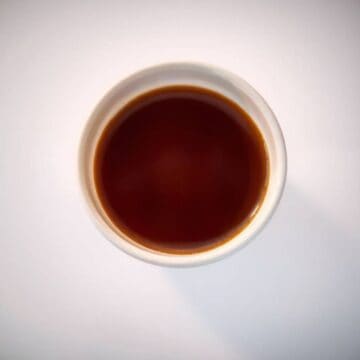
AU JUS RECIPE
Ingredients
- 2 cups beef broth preferably low sodium
- ½ cup pan drippings from roast beef or prime rib
- 1 tablespoon Worcestershire sauce
- 1 teaspoon soy sauce optional, for color and depth
- 1 teaspoon garlic powder
- ½ teaspoon onion powder
- Salt and freshly ground black pepper to taste
- 1 teaspoon cornstarch mixed with 1 tablespoon cold water optional, for thickening
Instructions
Collect Drippings:
- After roasting beef, pour pan drippings into a bowl and skim off excess fat.
Combine Ingredients:
- In a saucepan, combine beef broth, pan drippings, Worcestershire sauce, soy sauce, garlic powder, and onion powder.
Simmer:
- Heat over medium heat until simmering, stirring occasionally.
Thicken (Optional):
- If you prefer a slightly thicker au jus, whisk in the cornstarch slurry and cook for 1–2 minutes until thickened.
Season:
- Taste and add salt and pepper as needed.
Serve:
- Serve hot alongside prime rib, roast beef, or use as a dipping sauce for sandwiches.
Notes
- Make Ahead: Prepare au jus while roasting beef. It can be kept warm or reheated gently before serving.
- Customizing the Flavor: Add fresh herbs like thyme or rosemary for an herbal note, or a splash of red wine for depth.
- Serving Suggestions: Perfect for dipping French dip sandwiches, drizzling over prime rib, or roasted meats.
- Allergy-Friendly Options: Ensure beef broth and Worcestershire sauce are gluten-free if needed.
- Storage Tips: Store leftover au jus in an airtight container in the fridge for up to 3 days. Reheat gently.
Au jus is one of those recipes I wish I'd started making years earlier instead of pouring those drippings away. It takes the same amount of time as letting your meat rest and the payoff — that warm, deeply savory dipping sauce on the side — makes a regular Sunday roast feel like something you'd order at a steakhouse. Once you've made it properly from drippings, the packet versions taste like paper water by comparison.
The next-day French dip sandwiches might honestly be my favorite part of the whole thing. Thin-sliced leftover beef, warmed in the reheated jus for two minutes, piled onto a crusty roll. Saad will eat two of those without blinking. It's the kind of thing where making the roast on Sunday is partly just an excuse to have the sandwiches on Monday.
If you're building a holiday table around a roast centerpiece, I always put my best ever cranberry sauce right next to the au jus — they're for different things but they're both essential. And if you're looking for more ideas to round out the spread, the Christmas party food roundup has a lot of practical options that work alongside a beef roast without competing with it.