
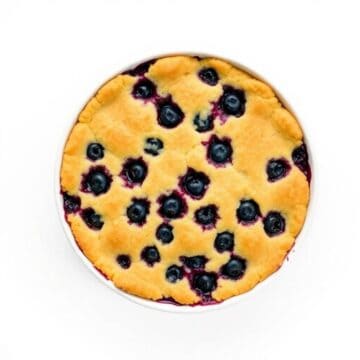
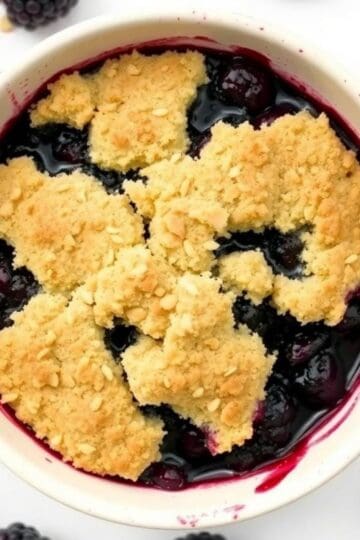
The Bisquick blueberry cobbler has a specific magic that is difficult to explain until you have watched it bake — the batter goes in first, the blueberries go on top, and during baking the batter rises up around and through the blueberries, producing a golden, slightly crispy top crust and a jammy, fruit-loaded interior without any layering, any topping application, or any technique more complex than measuring and stirring two separate mixtures and combining them in a baking dish in a specific order.
My sister-in-law made this during her first month of independent cooking — she called me halfway through the recipe to confirm that she was really supposed to pour the batter first and then add the blueberries on top without stirring, which seemed backwards to her and which I confirmed was correct, and which she confirmed 45 minutes later was indeed correct because the cobbler she pulled from the oven was genuinely the best thing she had baked to that point in her cooking life.
Saad's position on cobbler versus cake versus pie is that cobbler is the best category because of the ratio of fruit to pastry — cobbler has more fruit relative to the pastry component than either cake or pie, and Saad's dessert preference is always toward the fruit component rather than the cake or pastry component, which makes cobbler the structurally correct dessert for his specific preferences.
Zainab's approach to cobbler is identical to her approach to strawberry shortcake — she eats the fruit filling, leaves the biscuit topping, and considers this the correct version of the dessert. The remaining biscuit topping is consumed by whoever is sitting next to her, which in practice is usually Saad, who has no strong feelings about eating the component his sister has rejected.
The Bisquick specification in this recipe is not a compromise or a shortcut — it is the ingredient that makes this specific cobbler recipe accessible to first-time bakers because it provides the pre-measured leavening, fat, and flour combination that a from-scratch cobbler requires, which eliminates the variables (cold butter temperature, cutting-in technique, proper baking powder quantity) that cause scratch cobblers to fail for inexperienced bakers. The result of the Bisquick version is genuinely indistinguishable from the scratch version to most tasters in a side-by-side comparison.
My mother in Pakistan's approach to a dish this simple would be to make it completely from scratch and to express skepticism about the necessity of a pre-mixed baking product when the ingredients are individually straightforward — an entirely reasonable position from someone who has been making biscuits and flatbreads from scratch since childhood. My counter-position is that the Bisquick version removes the technique barrier that prevents a first-time baker from successfully producing a cobbler on their first attempt, and the goal is a good cobbler, not a demonstration of scratch technique.
Fresh or frozen blueberries both work in this recipe — fresh blueberries produce a slightly more defined fruit layer with better visual pop; frozen blueberries produce a juicier, more sauce-like fruit layer because the freezing process breaks down the cell walls and releases more liquid during baking. Both versions are excellent. The frozen version is the more economical year-round option.
Whether you are baking your first dessert from scratch and want the most forgiving, most reliable, most delicious result available, making a summer blueberry dessert that uses peak-season berries without requiring any baking skill or experience, feeding a crowd from a 9x13 dish that emerges from the oven looking and tasting like you know what you are doing, or simply wanting a warm blueberry cobbler on the table within an hour with minimal effort, this is that recipe.
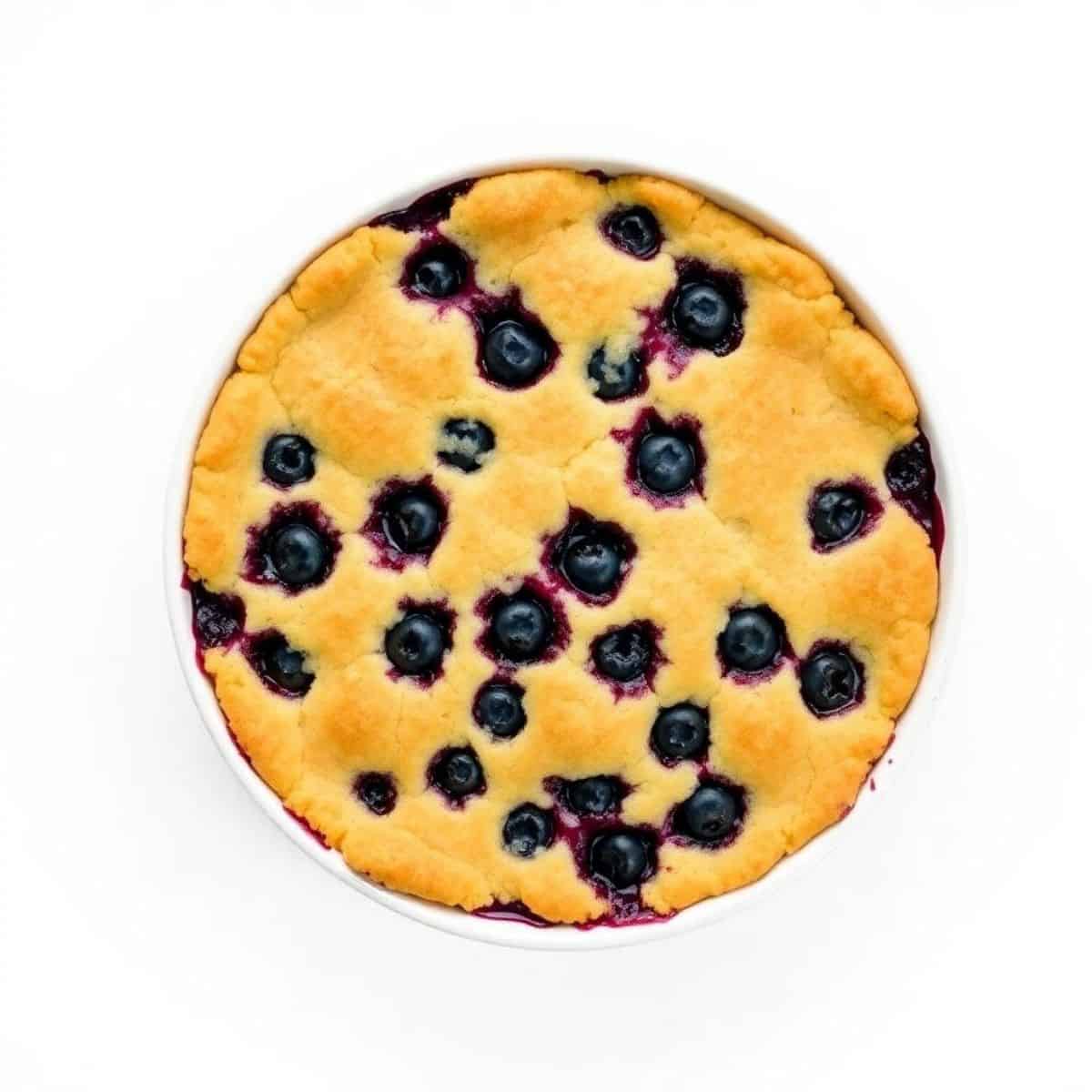
Why You'll Love This Blueberry Cobbler
- Pour the batter, add the blueberries, bake 45 minutes — that is the entire technique: There is no cutting in cold butter, no rolling out pastry, no making a separate fruit filling and a separate topping and combining them with any precision. The batter goes in the buttered dish, the blueberries go on top without stirring, and the oven produces the cobbler. The self-layering mechanism — where the batter rises around the blueberries during baking — is the technique. The first-time baker succeeds because the recipe is designed to succeed.
- Genuinely delicious — not "good for Bisquick" but actually good: The combination of blueberries, lemon zest, vanilla, and the slightly sweet Bisquick batter produces a cobbler that is genuinely, independently good — not a version of something better that has been simplified, but a recipe where the simplification produces the best version. The golden, slightly crispy top and the bubbling jammy fruit layer are the result of the specific baking chemistry, not a compromise.
- Works with fresh or frozen blueberries year-round: Peak-season fresh blueberries (June-August) produce the most visually defined cobbler with the best fresh berry flavor. Frozen blueberries produce a saucier, more jammy version that is equally delicious and available in every month of the year. The recipe requires no changes between fresh and frozen except adding 5 extra minutes of baking time for the frozen version to account for the additional moisture.
Ingredients
Ingredients
- 4 cups fresh blueberries (or frozen, not thawed) — approximately 2 pints of fresh berries
- 1 cup Bisquick baking mix
- 1 cup whole milk
- ¾ cup granulated sugar, divided (½ cup goes into the batter, ¼ cup goes over the blueberries)
- 1 teaspoon vanilla extract (use halal-certified vanilla extract)
- Zest of 1 lemon — the lemon zest is not listed in every cobbler recipe but it is the ingredient that elevates this from "good blueberry cobbler" to "memorable blueberry cobbler," providing the brightness that lifts the entire dessert
- 1 tablespoon lemon juice (tossed with the blueberries)
- ½ teaspoon cinnamon (optional — adds warmth without being detectable as a distinct spice)
- 4 tablespoon unsalted butter
- Vanilla ice cream or whipped cream for serving — the contrast of cold cream against warm cobbler is part of the dessert experience, not an optional garnish
Directions
Instructions
- Step 1: Preheat and prepare the butter in the baking dish. Preheat your oven to 350°F. Place the 4 tablespoons of butter in a 9x13 inch baking dish or a similar size oven-safe dish. Put the dish in the oven while it preheats, watching carefully — the butter should melt completely and the dish should be hot, but the butter should not burn or brown significantly. This takes approximately 5-7 minutes at 350°F. Remove the dish carefully when the butter is melted. The hot butter in the hot dish is the reason the batter develops a slightly crispy bottom edge — one of the textural pleasures of this cobbler.
- Step 2: Make the batter. In a medium mixing bowl, whisk together the Bisquick, milk, ½ cup of the sugar, vanilla, lemon zest, and optional cinnamon until smooth — a few small lumps are fine and expected from Bisquick batter. Do not overmix. The batter should be thin and pourable, similar to a thick pancake batter.
- Step 3: Prepare the blueberries. In a separate bowl, toss the blueberries with the lemon juice and the remaining ¼ cup of sugar. The lemon juice helps release the blueberries' juice during baking and the sugar draws out more liquid. If using frozen blueberries, do not thaw — add them frozen directly to the bowl and toss with the lemon juice and sugar.
- Step 4: Assemble in the correct order — batter first, blueberries on top, do not stir. Pour the batter over the melted butter in the hot baking dish. Do not stir the butter into the batter — let them exist as separate layers. Spoon the sugared blueberries and all their juice evenly over the batter. Do not stir. The blueberries should sit on top of the batter in a visible layer. The instruction not to stir is the most important instruction in this recipe — stirring defeats the self-layering mechanism that makes this cobbler work.
- Step 5: Bake 45-50 minutes. Bake at 350°F for 45 minutes (fresh blueberries) or 50 minutes (frozen blueberries). The cobbler is done when the top is deep golden brown, the batter has risen up around and through the blueberries to form a biscuit-like top crust, and the blueberry layer is visibly bubbling at the edges of the dish. If the top is golden but the blueberries are not yet bubbling, add 5 more minutes. If the top is browning too quickly before the blueberries bubble, cover loosely with foil for the final 10 minutes.
- Step 6: Rest 10-15 minutes before serving. The cobbler needs a rest period for the filling to set slightly from a fully liquid state to a scoopable one — cutting into a cobbler immediately produces a filling that is too loose to stay on the spoon. After 15 minutes of resting, the filling holds its shape adequately when scooped. Serve warm — not hot — in wide bowls with vanilla ice cream placed alongside the cobbler rather than on top, so the ice cream melts slowly into the warm cobbler rather than instantly from the direct heat of a just-pulled-from-oven dish.
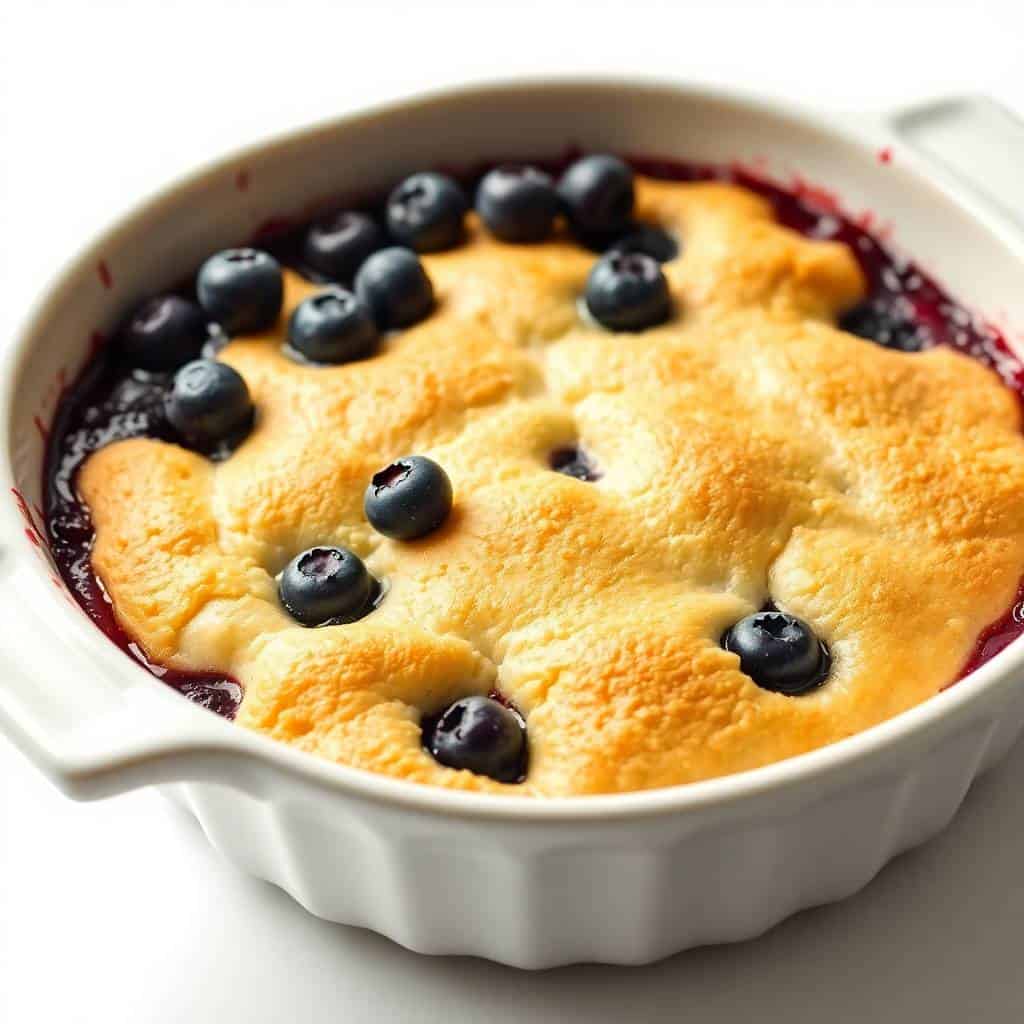
Tips for First-Time Bakers
- Do not stir after adding the blueberries — this is the only rule that matters. The recipe works because the dense batter sinks beneath the lighter blueberry layer and rises during baking to encase the fruit. Stirring at the blueberry-addition stage eliminates the layering and produces a mixed blueberry batter rather than a cobbler. Place the blueberries on top and put the dish directly in the oven without any further mixing.
- The batter will look too thin and the dish will look unfinished — this is correct. First-time bakers frequently add more Bisquick at this stage because the batter seems too liquid compared to cookie dough or cake batter. Resist this impulse — the thin batter is what allows it to rise around the blueberries during baking and produce the cobbler's characteristic texture. Trust the batter at this stage.
- The butter and batter should not be mixed — they will look separated in the dish. After pouring the batter over the melted butter, the dish will look like a strange separated mixture with butter pooling visibly around the edges of the batter. This is correct and expected. The butter bastes the bottom of the batter as it bakes, producing the slightly crispy bottom that distinguishes this cobbler from versions baked in an unbuttered dish.
- Golden brown top means done — not light golden, deep golden. The top of the cobbler should be a genuine, deep golden brown before it comes out of the oven. A light golden top means the batter beneath is still slightly underdone, and the texture of underdone Bisquick batter is gummy rather than biscuity. Let it go until truly golden.
Variations
- Mixed berry cobbler: Replace 2 cups of blueberries with 1 cup sliced strawberries and 1 cup raspberries. The mixed berry version is more visually dramatic (the different berry juices produce a range of purple, red, and blue in the filling) and has a more complex flavor. Strawberries release more liquid than blueberries, so the filling will be slightly saucier — increase the cornstarch to 1 tablespoon to compensate: toss the mixed berries with the cornstarch, sugar, and lemon juice before adding to the batter.
- Blueberry lemon cobbler (more citrus-forward): Double the lemon zest to 2 teaspoons and add 2 tablespoons of lemon juice to the batter (in addition to the lemon juice tossed with the blueberries). Replace ¼ cup of the milk in the batter with fresh lemon juice. The lemon-forward version is significantly brighter and more acidic — appropriate for those who prefer a dessert where the lemon is a flavor rather than a background note.
- Peach cobbler (Bisquick method): Replace blueberries with 4 cups sliced fresh peaches (peeled) or 2 cans (15 oz each) canned peaches, well-drained. Add ¼ teaspoon nutmeg and ½ teaspoon cinnamon to the batter. The peach version bakes in the same time and temperature as the blueberry version. This is the most popular variation in our household — my husband considers peach cobbler made this way the superior version of the recipe.
Serving and Storage
How to Serve
Serve warm, 15-30 minutes out of the oven, with vanilla ice cream alongside or good vanilla whipped cream on top. The ice cream placed beside rather than directly on top of the warm cobbler melts gradually at the edges rather than instantly from the heat, producing the warm cobbler / cold cream contrast that is the intended eating experience. For Saad: the fruit-heavy portions from the center of the baking dish where the filling is most concentrated. For Zainab: the fruit filling only, the biscuit topping relocated to the side. For adults: all components in proper proportion with a generous scoop of ice cream.
How to Store
Refrigerator: covered with foil or plastic wrap, up to 3 days. The biscuit topping softens significantly in the refrigerator and does not recover its crispiness fully during reheating — the cobbler is genuinely best on the day it is made. Reheat individual portions in a 325°F oven for 10-12 minutes or microwave covered for 90 seconds. Add a fresh scoop of ice cream at serving. Do not freeze — the biscuit topping becomes dense and doughy after thawing and the blueberry filling releases excess liquid that makes the bottom soggy.
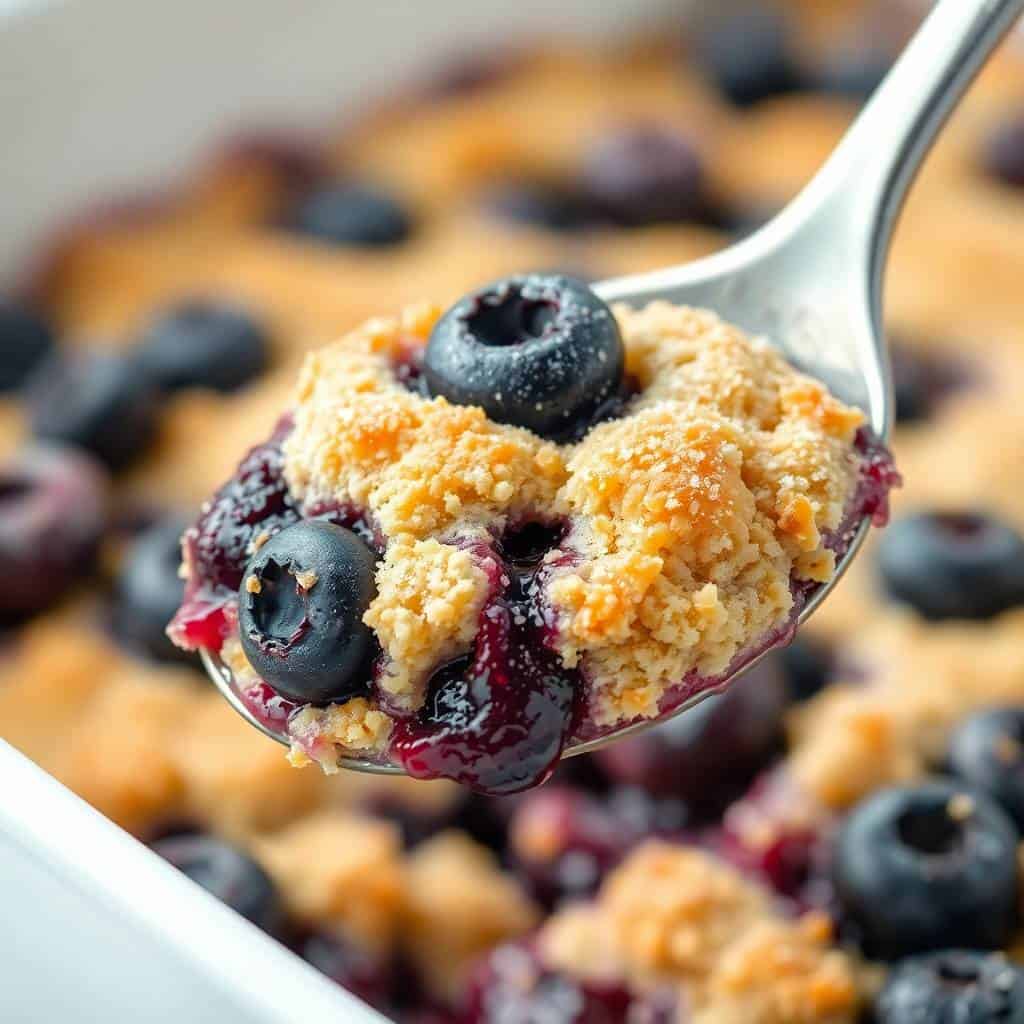
Related Recipes You'll Love
- Single-Serve Peach Cobbler Mug Cake
- 15 Small-Batch Strawberry Desserts for One or Two
- Small-Batch Strawberry Shortcake for Two
- Easy Southern Tomato Pie for First-Time Bakers
- Salted Caramel Apple Sheet Cake
Why does the Bisquick cobbler turn out gummy or underbaked?
Two causes: the batter was too thick (too much Bisquick relative to milk — measure the Bisquick by spooning it into the measuring cup and leveling off, not by scooping directly from the box, which packs the mix and produces more Bisquick per cup than the recipe intends), or the cobbler was underbaked (the top needs to be genuinely deep golden brown before the interior is fully set — light golden is not done). Check with a toothpick inserted into the batter portion (not the fruit portion) — it should come out with moist crumbs, not wet batter.
Can I make this cobbler gluten-free?
Yes — replace the regular Bisquick with Bisquick Gluten-Free baking mix in the same quantity. The Gluten-Free Bisquick version of this cobbler bakes identically to the standard version with no other changes required. The texture of the biscuit topping is slightly denser in the gluten-free version but still genuinely good. All other ingredients in this recipe are naturally gluten-free.
This Bisquick blueberry cobbler is the recipe I send my sister-in-law when she asks for something she can make that will impress her in-laws without requiring her to have baking experience she does not yet have — it works every single time, it looks far more complicated than it is, and the specific magic of watching the batter rise through the blueberries in the oven at the 30-minute mark never stops being satisfying regardless of how many times you have made it. Pour the batter first. Do not stir. Wait for deep golden. Rest 15 minutes. Add ice cream. 🫐✨
FOOLPROOF FIRST-TIMER'S BLUEBERRY COBBLER WITH BISQUICK
Equipment
- 8x8-inch baking dish
- Mixing Bowl
- Measuring Cups and Spoons
- Whisk
Ingredients
For the Blueberry Filling:
- 4 cups fresh or frozen blueberries
- ½ cup granulated sugar
- 2 tablespoons cornstarch
- 1 tablespoon lemon juice
- 1 teaspoon vanilla extract
For the Bisquick Topping:
- 1 cup Bisquick baking mix
- ½ cup milk
- 2 tablespoons melted butter
- 2 tablespoons granulated sugar
Optional Serving:
- as desired vanilla ice cream
- as desired whipped cream
Instructions
Prep Oven
- Preheat oven to 190°C (375°F) and lightly grease an 8x8-inch baking dish.
Make Filling
- In a bowl, toss blueberries with sugar, cornstarch, lemon juice, and vanilla. Spread mixture evenly in the baking dish.
Prepare Topping
- Mix Bisquick, milk, melted butter, and sugar until just combined.
Assemble Cobbler
- Drop spoonfuls of the Bisquick mixture over the blueberry filling, leaving small gaps for steam to escape.
Bake
- Bake for 30–35 minutes until the topping is golden brown and the blueberry filling is bubbly.
Cool & Serve
- Allow cobbler to cool for 10 minutes before serving with ice cream or whipped cream.
Notes
- Beginner-Friendly: Bisquick makes this cobbler nearly foolproof for first-time bakers.
- Frozen Blueberries: No need to thaw before using.
- Extra Flavor: Add a pinch of cinnamon or lemon zest to the filling.
- Serving Suggestion: Best enjoyed warm with vanilla ice cream.
- Storage: Cover and refrigerate leftovers for up to 4 days.

Comments
No Comments