
An anti-inflammatory diet is one of the most evidence-backed approaches to supporting long-term health — and it's also one of the most delicious, because the foods that fight inflammation most powerfully are among the world's most vibrant, flavorful, and satisfying ingredients. These anti-inflammatory recipes celebrate turmeric, ginger, berries, leafy greens, fatty fish, olive oil, and the rainbow of colorful vegetables that scientific research consistently identifies as the most powerful inflammation-fighting foods available.
Chronic inflammation is increasingly recognized as an underlying driver of many of the most prevalent health conditions — and while no single food is a cure, a consistent pattern of eating centered on anti-inflammatory ingredients is associated with meaningfully better health outcomes across decades of research.
These anti-inflammatory recipes are not a restrictive diet plan — they're simply beautiful, genuinely delicious meals built around the most powerful anti-inflammatory ingredients, designed for real weeknight cooking rather than complicated wellness protocols.
These 17 best anti-inflammatory recipes make eating for your health the most genuinely enjoyable part of every week. Let's cook!
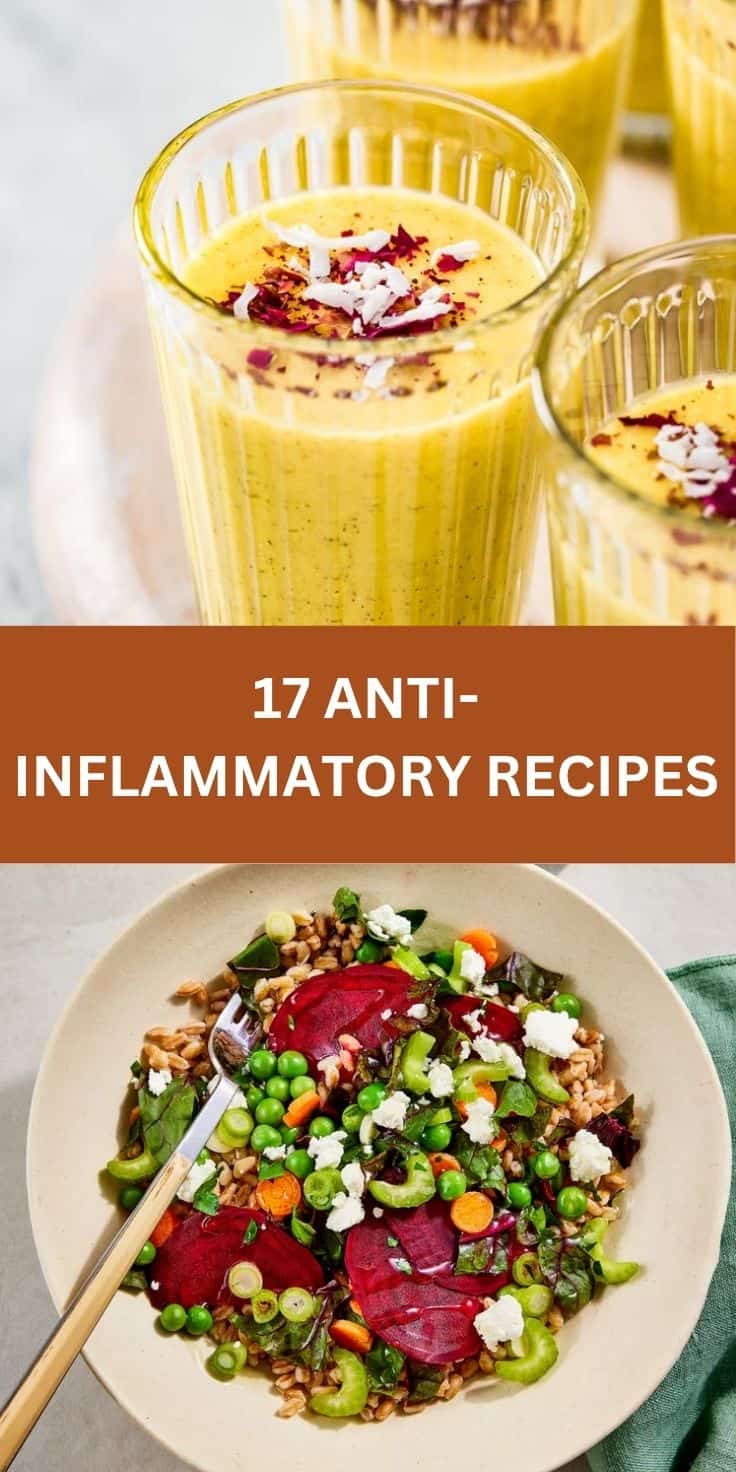
Anti-Inflammatory Recipes for Every Meal and Every Day
17. Golden Turmeric Latte (Haldi Doodh)
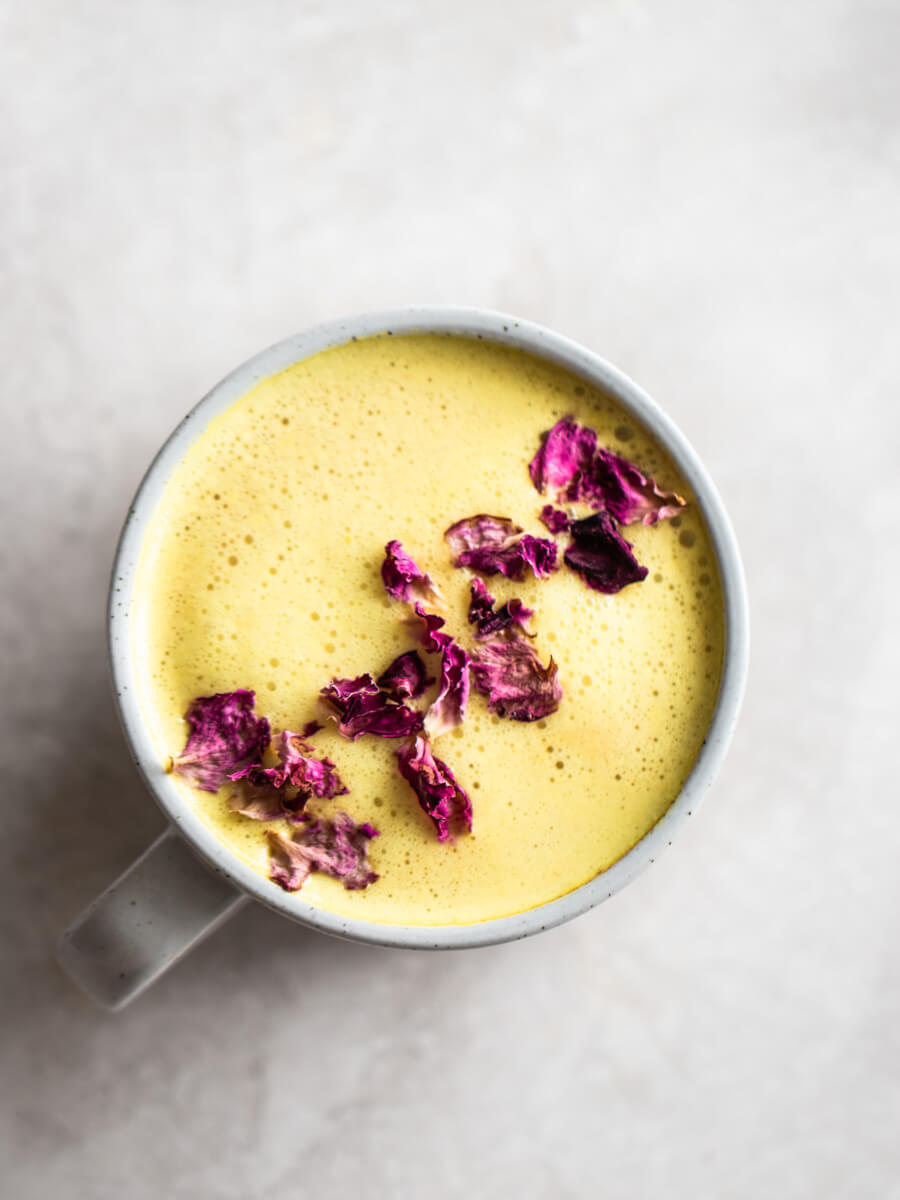
Warm milk with turmeric, ginger, cinnamon, black pepper, and honey — one of the most powerfully anti-inflammatory beverages possible and one of the most comforting. Black pepper is essential because it contains piperine, which increases the bioavailability of turmeric's active compound curcumin by up to 2000% — always include it. Ready in 5 minutes and genuinely delicious.
Ingredients:
- 2 cups whole milk or unsweetened coconut milk
- 1 teaspoon turmeric powder
- ½ teaspoon fresh ginger, grated (or ¼ teaspoon dried)
- ½ teaspoon cinnamon
- ¼ teaspoon black pepper — essential for curcumin absorption
- 1-2 teaspoons honey to taste
- Small pinch of cardamom (optional but beautiful)
Instructions:
- Combine all ingredients in a small saucepan over medium heat. Whisk continuously while heating — don't let turmeric settle at the bottom or it will clump. Heat until the milk is steaming hot and just beginning to simmer around the edges — about 4-5 minutes. Never boil as this degrades some of the beneficial compounds.
- Taste and adjust honey and spice levels. The latte should taste warm, slightly spicy, earthy from the turmeric, and sweet enough to be genuinely pleasant to drink rather than medicinal. The black pepper should be barely perceptible but present — add slightly more if you can't detect any pepper note at all.
- For a frothier, more latte-like result, transfer to a blender and blend for 20 seconds — the blending creates a beautiful foam and makes the color more vibrant. Alternatively, use a milk frother directly in the saucepan.
- Pour into a mug through a fine mesh strainer if you used whole fresh ginger to remove any fibrous pieces. Top with an extra pinch of cinnamon and a very small amount of turmeric dust for visual appeal. Drink warm immediately. This anti-inflammatory recipe is most effective when consumed consistently rather than occasionally.
16. Salmon with Lemon and Herbs Sheet Pan

Wild salmon fillets baked on a sheet pan with asparagus, cherry tomatoes, and olive oil — one of the most powerful anti-inflammatory meals possible in one pan. Salmon is extraordinarily rich in omega-3 fatty acids, which are among the most researched and evidence-backed anti-inflammatory nutrients. Ready in 25 minutes from a single pan.
Ingredients:
- 4 wild salmon fillets (wild-caught has higher omega-3 content than farmed)
- 1 lb asparagus, tough ends removed
- 1 pint cherry tomatoes
- 3 tablespoons good olive oil
- 4 cloves garlic, minced
- Juice and zest of 1 large lemon
- Fresh dill and parsley
- Salt, pepper, smoked paprika
Instructions:
- Preheat oven to 400°F. Whisk benefits of olive oil, garlic, lemon juice, lemon zest, smoked paprika, salt, and pepper. Arrange asparagus and cherry tomatoes on a large parchment-lined sheet pan. Drizzle with half the olive oil mixture and toss to coat. Place salmon fillets among the vegetables, skin-side down if skin-on.
- Spoon remaining olive oil mixture over each salmon fillet, distributing it evenly across the surface. Season the salmon with additional salt and pepper. The olive oil coating keeps the salmon moist during baking and adds its own significant anti-inflammatory benefit from oleocanthal, the active compound in good olive oil that has similar properties to ibuprofen.
- Bake at 400°F for 12-15 minutes depending on fillet thickness — salmon is done when it flakes easily along the natural lines when pressed gently with a fork and the center has changed from translucent to opaque. Don't overbake — overcooked salmon loses both its textural quality and some nutrition informational value.
- Transfer to plates immediately. Scatter fresh dill and parsley generously over the salmon and vegetables. The fresh herbs add their own anti-inflammatory phytonutrients and dramatic visual appeal. Serve with a wedge of lemon alongside for additional brightness at the table.
15. Turmeric Ginger Soup
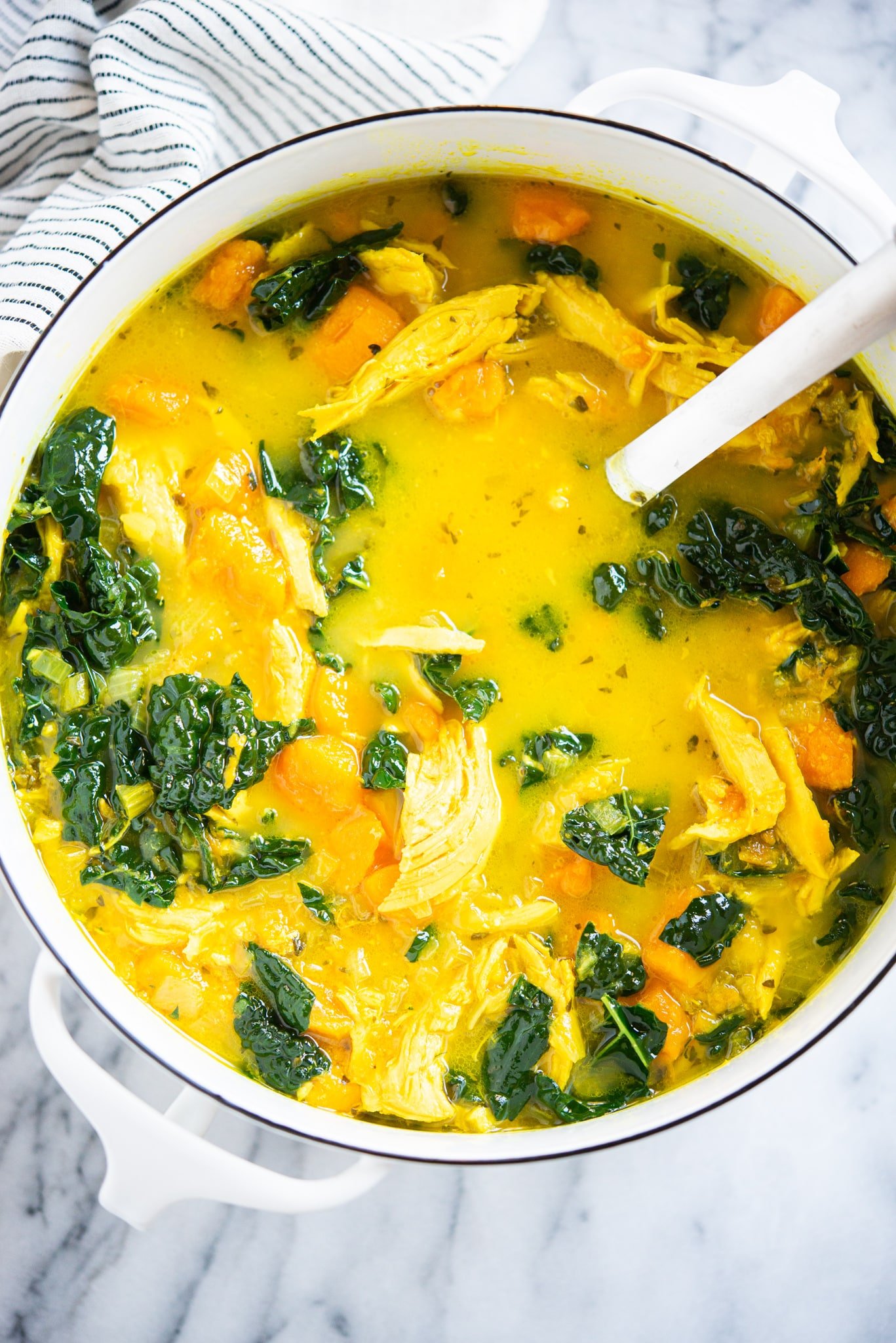
A deeply golden, warming soup of sweet potato, carrot, coconut milk, fresh ginger, and turmeric — one of the most powerfully anti-inflammatory soups possible and one of the most genuinely comforting. Every ingredient — sweet potato, carrot, ginger, turmeric, and coconut — contributes documented anti-inflammatory properties in a completely cohesive, beautiful bowl.
Ingredients:
- 3 large sweet potatoes, peeled and cubed
- 4 large carrots, peeled and roughly chopped
- 1 large onion, diced
- 4 cloves garlic, minced
- 2-inch piece fresh ginger, peeled and grated
- 2 teaspoons turmeric powder
- 1 teaspoon cumin
- 1 can (14 oz) full-fat coconut milk
- 3 cups vegetable broth
- Black pepper, salt, olive oil
- Fresh cilantro and lime for serving
Instructions:
- Heat olive oil in a large pot over medium heat. Add onion and cook 6-8 minutes until soft. Add garlic and fresh ginger — cook 2 minutes until fragrant. Add turmeric and cumin and stir constantly for 1-2 minutes until the spices are fragrant and deepening in color in the hot oil. Blooming spices in oil significantly increases their potency and bioavailability.
- Add cubed sweet potatoes, carrots, vegetable broth, and coconut milk. Stir well to combine everything. Season with salt and black pepper — include a generous pinch of black pepper specifically for its piperine content which enhances turmeric absorption. Bring to a boil, reduce to a simmer, and cook 20-25 minutes until sweet potatoes and carrots are completely tender.
- Blend the soup completely smooth in a blender on highest speed in batches, or use an immersion blender directly in the pot. The coconut milk creates an extraordinarily silky, creamy consistency without any dairy. Taste and adjust salt, ginger, and lime juice.
- Serve in warm bowls with a swirl of coconut cream, fresh cilantro leaves, a squeeze of lime juice, and a small additional pinch of turmeric dusted on top for visual appeal. This soup keeps refrigerated 5 days and freezes beautifully — make a large batch and freeze in individual portions for the most effortless anti-inflammatory meal prep.
14. Berry and Spinach Smoothie Bowl
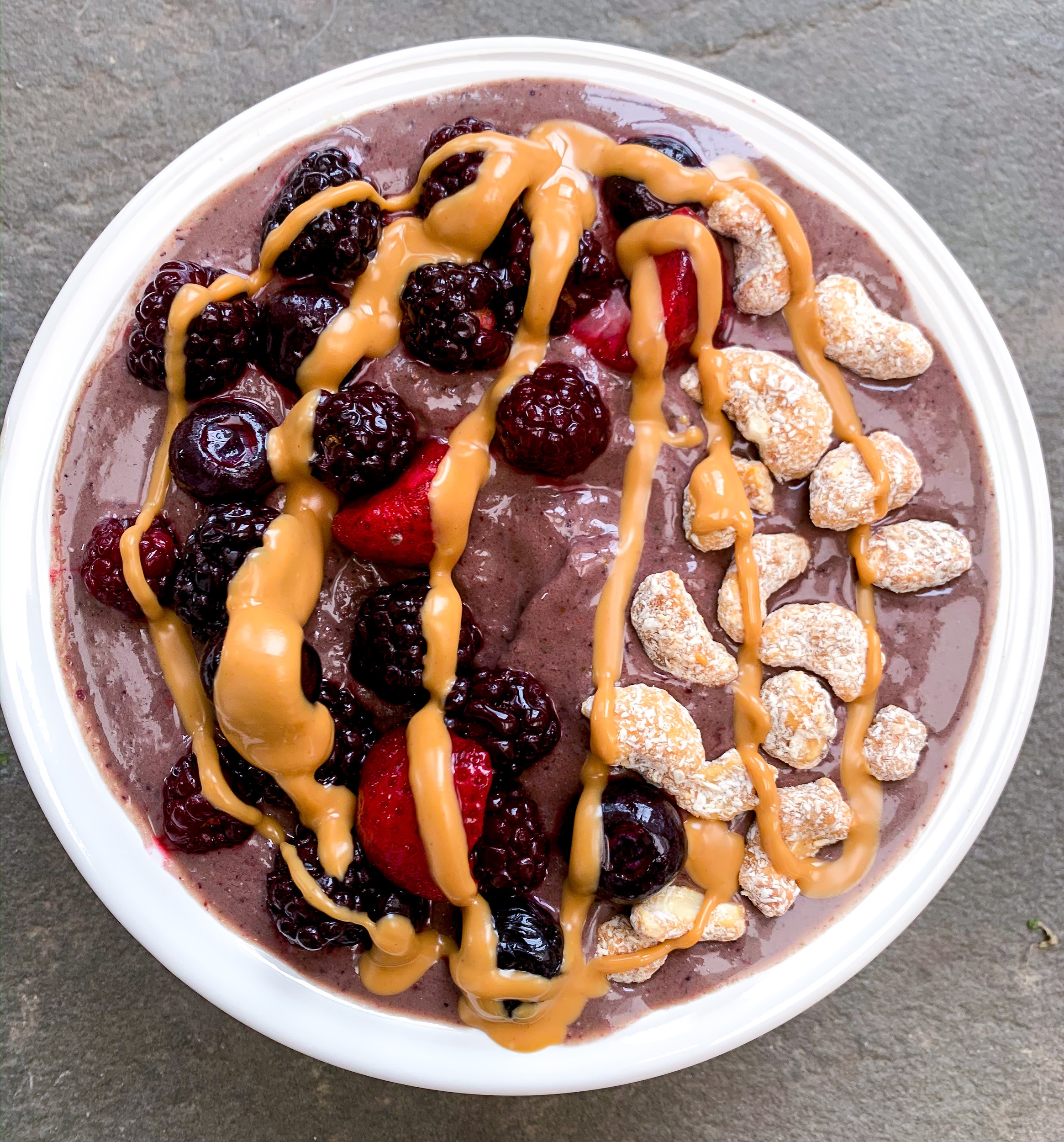
A thick, vibrant purple smoothie bowl built from frozen wild blueberries, spinach, banana, and flaxseed — topped with fresh berries, hemp seeds, granola, and a drizzle of raw honey. Wild blueberries have among the highest antioxidant content of any food, and the combination of omega-3 rich hemp and flax seeds, anti-inflammatory spinach, and fiber-rich berries makes this one of the most nutritionally powerful anti-inflammatory breakfasts possible.
Ingredients:
- 1 cup frozen wild blueberries (wild blueberries have significantly higher antioxidant content than cultivated)
- 1 cup frozen mixed berries (raspberries, blackberries, strawberries)
- 2 large handfuls baby spinach
- 1 frozen banana (for creaminess and natural sweetness)
- 1 tablespoon ground flaxseed
- ¼ cup unsweetened almond milk or coconut milk
- Toppings: fresh blueberries, sliced strawberries, hemp seeds, granola, raw honey drizzle, sliced almonds
Instructions:
- Add almond milk to the blender first — liquid at the bottom helps the blender process frozen ingredients without straining. Add spinach next, then frozen banana, then all frozen berries, then ground flaxseed on top. Blend on high speed until completely smooth — the mixture should be thick enough to eat with a spoon rather than drink through a straw. If it's too thick, add 1 tablespoon additional milk at a time.
- The correct consistency is thick enough that a spoon dragged through the surface leaves a clear trail that doesn't immediately fill in. This thick texture is what allows the toppings to sit on the surface rather than sinking. If your smoothie bowl is too thin, add more frozen fruit rather than more liquid.
- Pour immediately into a chilled bowl — pre-chilling the bowl keeps the smoothie bowl from melting too quickly while you add toppings. Work quickly once poured since room temperature exposure begins melting the frozen smoothie within minutes.
- Arrange toppings in distinct sections across the surface for the most visually appealing presentation — fresh blueberries in one area, sliced strawberries in another, a strip of granola, scattered hemp seeds throughout, sliced almonds, and a fine drizzle of raw honey in a spiral across the top. Each topping contributes its own anti-inflammatory properties: hemp seeds for omega-3s, raw honey for antioxidants, almonds for vitamin E.
13. Walnut and Kale Caesar Salad
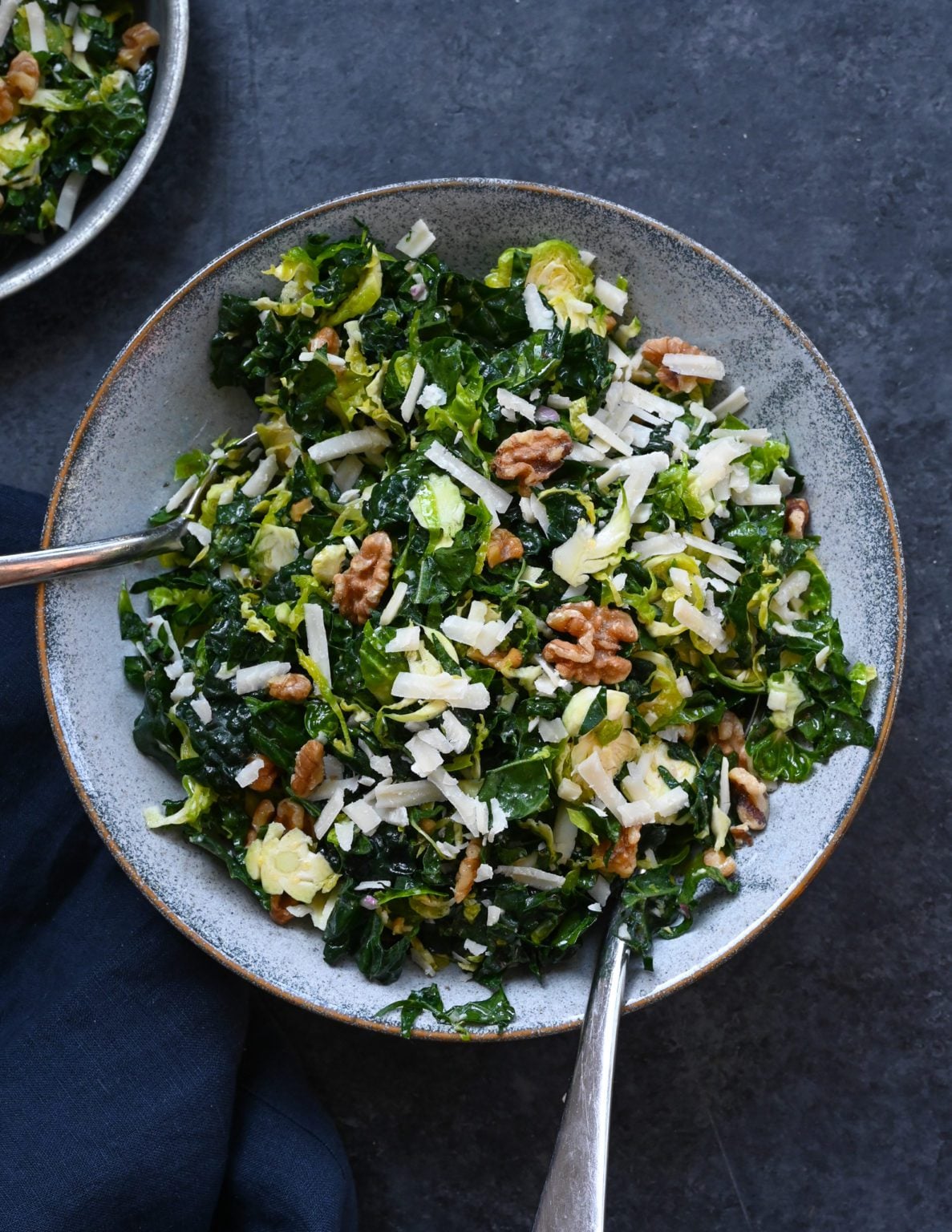
Massaged Tuscan kale with toasted walnuts, Parmesan, and a tahini-based Caesar dressing — a deeply anti-inflammatory version of the most beloved American salad that substitutes inflammation-fighting kale for romaine, anti-inflammatory omega-3-rich walnuts for croutons, and tahini for anchovy-based dressing. One of the most nutritionally powerful salads imaginable in a format everyone already loves.
Ingredients:
- 1 large bunch Tuscan kale, stems removed and leaves very finely chopped
- 1 cup walnuts, toasted and roughly chopped
- ½ cup Parmesan, shaved
- Anti-inflammatory Caesar dressing: 3 tablespoon tahini, juice of 2 lemons, 2 cloves garlic minced, 1 teaspoon Dijon, 1 teaspoon Worcestershire, 3 tablespoon olive oil, 2 tablespoon warm water, salt and pepper — whisk until smooth
- Fresh lemon wedges for serving
Instructions:
- Massage kale: place finely chopped kale in a large bowl. Add a generous squeeze of lemon juice and a drizzle of olive oil. Work the kale firmly between your hands for 3-4 full minutes until it darkens, softens, and loses its tough, fibrous quality completely. Massaged kale releases bitterness, becomes more digestible, and absorbs dressing dramatically more effectively than un-massaged kale.
- Toast walnuts in a dry skillet over medium heat for 4-5 minutes, tossing frequently, until fragrant and golden — watch carefully as walnuts transition from perfect to burnt quickly. Cool before adding to the salad. Walnuts are one of the highest plant sources of omega-3 fatty acids and the most anti-inflammatory nut available.
- Whisk the tahini dressing until smooth — the tahini may seize initially when lemon juice is added before the water thins it. Add warm water tablespoon by tablespoon while whisking until the dressing is pourable and creamy. Season assertively with salt and pepper. The dressing should taste very bold since it will dress a large amount of hearty kale.
- Pour most of the dressing over the massaged kale and toss very thoroughly. Transfer to a serving platter. Scatter toasted walnuts and shaved Parmesan generously across the top. Drizzle remaining dressing. This salad keeps dressed for 2-3 days in the refrigerator — the kale actually improves as it marinates, making this an excellent meal prep anti-inflammatory recipe.
12. Baked Turmeric Chicken Thighs
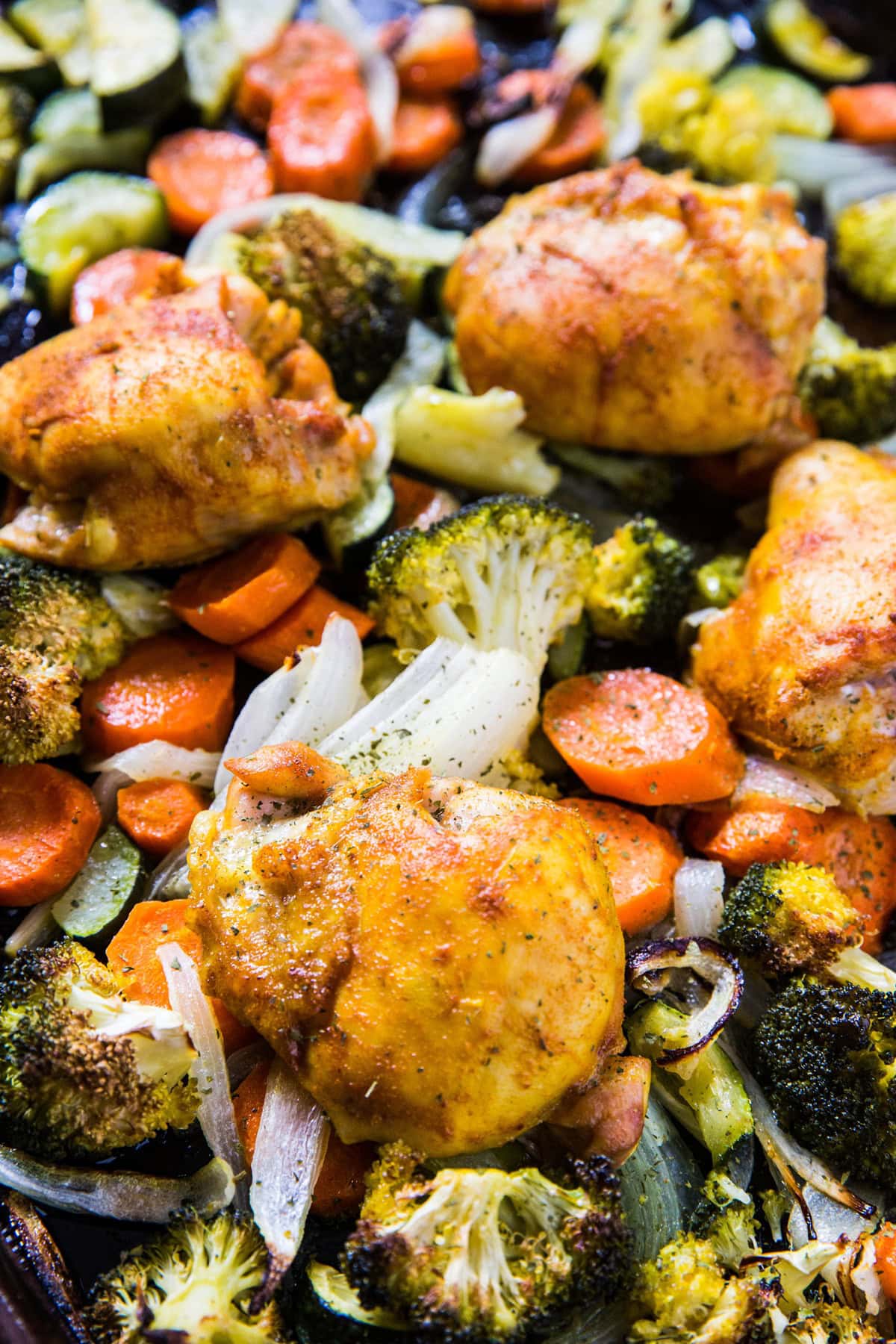
Bone-in chicken thighs marinated in turmeric, ginger, garlic, lemon, and olive oil — roasted until deeply golden and cooked through. Chicken itself is not specifically anti-inflammatory but when combined with turmeric, ginger, and good olive oil in the marinade, this simple dinner becomes a genuinely anti-inflammatory meal that's also one of the most flavorful and practical weeknight proteins possible.
Ingredients:
- 6 bone-in skin-on chicken thighs
- 3 tablespoons olive oil
- 1½ teaspoons turmeric powder
- 1 tablespoon fresh ginger, grated
- 4 cloves garlic, minced
- Juice and zest of 1 lemon
- 1 teaspoon cumin, ½ teaspoon black pepper
- Salt
- Fresh cilantro and lemon wedges for serving
Instructions:
- Combine olive oil, turmeric, ginger, garlic, lemon juice, lemon zest, cumin, black pepper, and salt in a bowl. Whisk together until combined into a bright yellow, fragrant marinade. Pat chicken thighs completely dry — dry skin is essential for crispy skin during roasting. Score each thigh 2-3 times through the skin to allow the marinade to penetrate the meat below.
- Coat chicken thighs completely in the turmeric marinade — use your hands to work the marinade under the skin as much as possible for maximum flavor penetration. The turmeric will stain your hands yellow temporarily — use gloves if preferred. Marinate minimum 30 minutes at room temperature or up to 24 hours refrigerated.
- Preheat oven to 425°F. Place marinated chicken thighs skin-side up on a parchment-lined baking sheet or in a cast iron skillet, leaving space between each piece. Roast at 425°F for 35-40 minutes until the skin is deeply golden and crispy and the internal temperature reaches 165°F at the thickest point away from the bone.
- Rest 5 minutes before serving. The finished chicken should have a beautiful deep golden-yellow skin from the turmeric and a fragrant, complex flavor from the ginger and garlic. Scatter fresh cilantro across the top and serve with lemon wedges, roasted vegetables, and a side of brown rice or quinoa for a complete anti-inflammatory dinner.
11. Overnight Oats with Berries and Chia
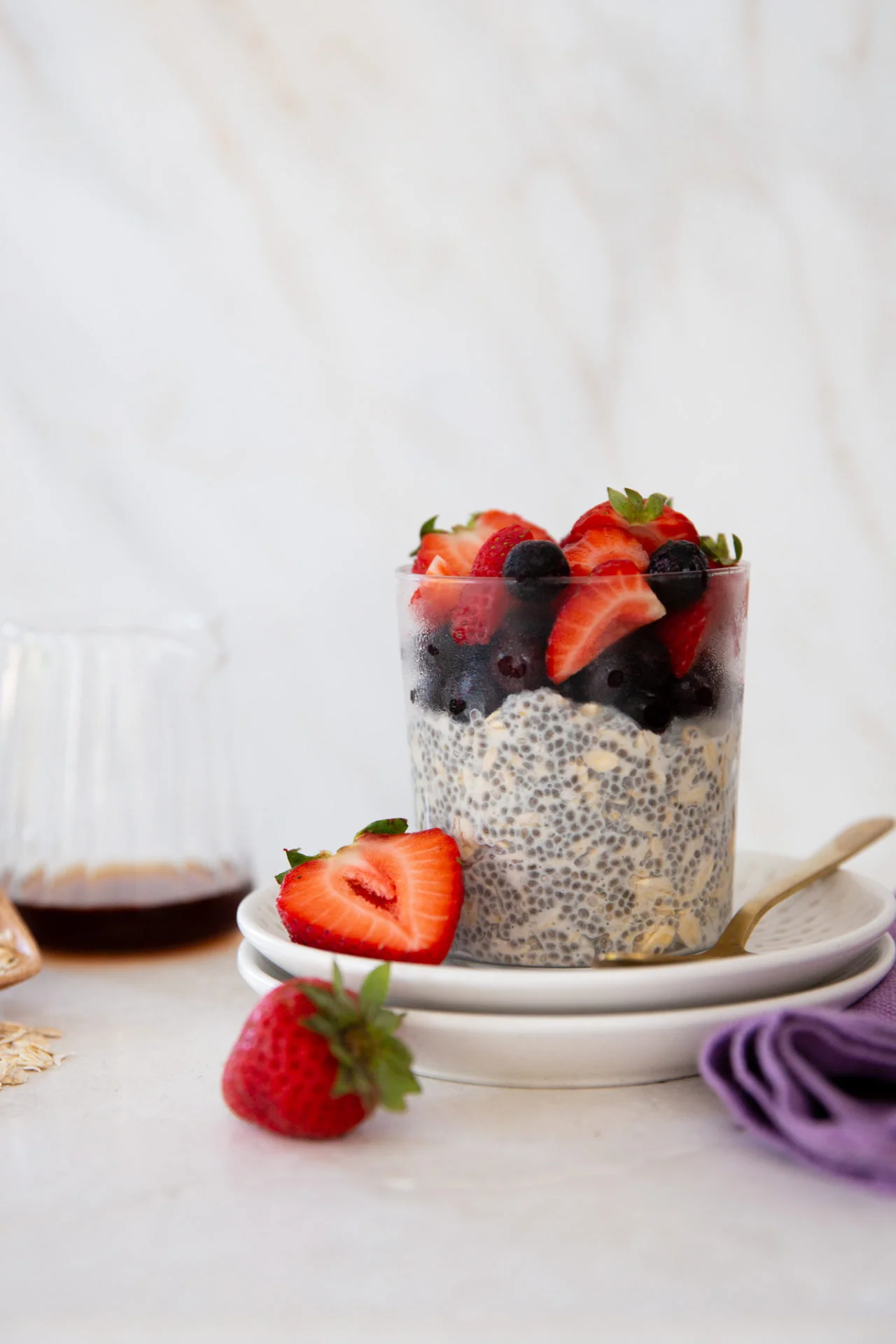
Rolled oats soaked overnight in almond milk with chia seeds, ground flaxseed, and cinnamon — topped in the morning with wild blueberries, sliced strawberries, hemp seeds, and a drizzle of raw honey. One of the simplest and most effortlessly anti-inflammatory breakfasts that requires 5 minutes of evening prep and delivers extraordinary nutrition every morning for the entire week.
Ingredients:
- 1 cup old-fashioned rolled oats
- 1¼ cups unsweetened almond milk or oat milk
- 2 tablespoons chia seeds
- 1 tablespoon ground flaxseed
- 1 teaspoon cinnamon
- 1 tablespoon maple syrup or honey
- ½ teaspoon vanilla extract
- Morning toppings: wild blueberries, sliced strawberries, hemp seeds, raw honey, sliced almonds, a sprinkle of extra cinnamon
Instructions:
- Combine oats, almond milk, chia seeds, ground flaxseed, cinnamon, maple syrup, and vanilla in a jar or sealed container. Stir very thoroughly to ensure the chia seeds are evenly distributed — chia seeds clump together if left to settle and create pockets of thick gel in the finished oats. Cover tightly and refrigerate overnight or minimum 6 hours.
- The next morning, the chia seeds and flaxseed will have absorbed the almond milk and the entire mixture will have thickened into a soft, creamy, pudding-like consistency. If it's too thick, stir in 2-3 tablespoons additional almond milk until you reach your preferred consistency. If it's too thin, the chia seeds may not have had sufficient time to hydrate — refrigerate another 2 hours.
- Prep a week's worth at once: multiply the recipe by 5 and store in individual mason jars in the refrigerator — each jar is one ready-to-eat breakfast that requires only opening the jar and adding fresh toppings. This is one of the most efficient anti-inflammatory meal prep strategies possible.
- Add toppings immediately before eating — wild blueberries, sliced strawberries, a tablespoon of hemp seeds, sliced almonds, and a thin drizzle of raw honey. Each topping contributes significant anti-inflammatory properties: wild blueberries contain the highest anthocyanin content of any common berry, hemp seeds provide plant omega-3s, cinnamon has documented blood sugar regulation properties, and raw honey contains beneficial enzymes and antioxidants.
10. Roasted Beet and Walnut Salad

Roasted golden and red beets over arugula with toasted walnuts, goat cheese, and an orange-balsamic vinaigrette — one of the most nutritionally powerful and visually beautiful anti-inflammatory salads possible. Beets contain betalains, uniquely powerful anti-inflammatory pigments, and the combination with omega-3-rich walnuts and vitamin-E-rich arugula creates an extraordinary nutritional profile in every bowl.
Ingredients:
- 4 medium beets (mix of golden and red), roasted and sliced
- 4 cups baby arugula
- ½ cup toasted walnuts
- 3 oz goat cheese, crumbled
- 2 tablespoons fresh tarragon
- Orange vinaigrette: juice of 1 orange, 2 tablespoon balsamic vinegar, 3 tablespoon olive oil, 1 teaspoon honey, salt and pepper
Instructions:
- Roast beets by wrapping each one individually in foil and roasting at 400°F for 45-60 minutes until a knife slides in with no resistance. Cool in the foil, then peel under cold running water — the skin slips off easily from properly roasted beets. Slice into rounds or half-moons. Store roasted beets refrigerated for up to 5 days — this advance prep makes anti-inflammatory meal planning significantly more efficient.
- Whisk orange vinaigrette ingredients until emulsified. The orange juice adds a sweetness that complements beets beautifully and adds its own vitamin C and anti-inflammatory citrus compounds to the dressing. Taste and adjust the balance.
- Dress arugula lightly with about half the vinaigrette — arugula wilts immediately with too much dressing. Arrange dressed arugula on a serving platter. Fan beet slices across the arugula, alternating red and golden if using both for the most dramatic visual effect.
- Scatter toasted walnuts and crumbled goat cheese across the entire salad. Drizzle remaining vinaigrette over the beets. Add fresh tarragon throughout. The finished salad should look abundant, colorful, and deeply attractive. Serve immediately after dressing.
9. Ginger Turmeric Stir-Fry with Brown Rice

A vibrant vegetable stir-fry with broccoli, snap peas, bell peppers, edamame, and bok choy in a fresh ginger-turmeric-tamari sauce served over brown rice — a completely plant-based, deeply anti-inflammatory dinner that delivers extraordinary nutritional density from every ingredient. Ready in 20 minutes and genuinely satisfying enough to be a complete weeknight meal.
Ingredients:
- 2 cups broccoli florets
- 1 cup snap peas, strings removed
- 2 bell peppers, sliced
- 1 cup edamame, shelled
- 2 heads baby bok choy, halved
- 2-inch piece fresh ginger, grated
- 4 cloves garlic, minced
- 1 teaspoon turmeric powder
- Sauce: 3 tablespoon tamari or soy sauce, 1 tablespoon sesame oil, 1 tablespoon rice vinegar, 1 teaspoon honey, ¼ teaspoon black pepper
- Brown rice, sesame seeds, and green onions for serving
Instructions:
- Whisk all sauce ingredients together and set aside within arm's reach. Cook brown rice according to package directions — brown rice has significantly more fiber and micronutrients than white rice and contributes to the anti-inflammatory profile of the meal. Prep all vegetables before turning on the heat since stir-frying moves very quickly.
- Heat a large wok or heavy skillet over the highest heat until smoking. Add 2 tablespoons avocado or sesame oil. Add broccoli first — it needs the most cooking time. Stir-fry for 2-3 minutes, leaving somewhat undisturbed for charring. Add bell peppers and snap peas and stir-fry 2 more minutes. Add bok choy and edamame.
- Add ginger and garlic to the pan — stir constantly for 30 seconds until extremely fragrant. Add turmeric powder and stir vigorously to distribute throughout the vegetables. Pour the sauce over everything and toss for 60-90 seconds until all vegetables are glazed in the sauce and the sauce has reduced slightly to a glossy coating.
- Serve over brown rice immediately. Top with sesame seeds, sliced green onions, and a final sprinkle of fresh ginger. The combination of turmeric and black pepper in this dish is particularly important — the piperine in the black pepper enhances turmeric absorption dramatically, which is why both are included together in this sauce.
8. Anti-Inflammatory Grain Bowl
:max_bytes(150000):strip_icc():format(webp)/7010038_CL-Bowls_Spring-Vegetable-Grain-Bowl_155-0f610c15202845038a8680674c103df6.jpg)
A complete, nutritionally extraordinary grain bowl built on a foundation of quinoa with roasted salmon, avocado, edamame, pickled ginger, roasted sweet potato, and a tahini-miso dressing — every single component chosen specifically for its documented anti-inflammatory properties. One of the most complete anti-inflammatory meals possible in a beautiful, satisfying bowl format.
Ingredients:
- 1½ cups cooked quinoa
- 4 oz baked or grilled salmon, flaked
- 1 ripe avocado, sliced
- ½ cup shelled edamame
- ½ cup roasted sweet potato cubes
- 1 tablespoon pickled ginger
- 1 cup baby spinach or arugula
- Tahini miso dressing: 2 tablespoon tahini, 1 tablespoon white miso, juice of 1 lemon, 1 teaspoon honey, 1 teaspoon grated ginger, 2 tablespoon warm water — whisk until smooth
- Sesame seeds, microgreens for topping
Instructions:
- Build the anti-inflammatory grain bowl as a complete meal prep project: cook a large batch of quinoa, roast a sheet pan of sweet potato cubes, and bake multiple salmon portions all at once on Sunday. Having these three components ready means bowl assembly takes 3 minutes on any weekday with zero cooking required — the most practical anti-inflammatory meal prep approach.
- Whisk the tahini-miso dressing until smooth. White miso paste is a fermented food that contributes beneficial probiotics alongside its rich umami flavor — it's an excellent anti-inflammatory dressing ingredient that also makes this dressing far more complex-tasting than a simple tahini lemon combination. Adjust the water quantity to achieve a pourable consistency.
- Warm quinoa if cold from the refrigerator. Build each bowl: quinoa as the base, then baby spinach arranged alongside it. Add flaked salmon, sliced avocado, edamame, roasted sweet potato, and pickled ginger in distinct sections across the bowl surface rather than mixing everything together — the composed arrangement makes the bowl visually beautiful and allows each ingredient to be tasted distinctly.
- Drizzle tahini-miso dressing generously over the entire bowl. Scatter microgreens and sesame seeds across the surface. The complete bowl contains omega-3s from salmon, anti-inflammatory compounds from ginger (fresh and pickled), vitamins from sweet potato and spinach, healthy fats from avocado and tahini, and complete protein from quinoa and edamame — one of the most comprehensively nutritious anti-inflammatory meals possible.
7. Blueberry Almond Overnight Oats

Overnight oats with a specific focus on wild blueberries — the single highest antioxidant content fruit available — combined with sliced almonds (vitamin E), cinnamon (blood sugar regulation), ground flaxseed (omega-3s), and almond milk for one of the most concentrated single-breakfast anti-inflammatory nutrient deliveries achievable in a 5-minute prep format.
Ingredients:
- 1 cup old-fashioned oats
- 1 cup frozen wild blueberries (used frozen so they thaw overnight and flavor the oats)
- ¼ cup sliced almonds
- 2 tablespoons ground flaxseed
- 1 tablespoon chia seeds
- 1½ cups unsweetened almond milk
- 1 teaspoon cinnamon
- 1 tablespoon maple syrup
- Fresh blueberries and extra almonds for topping
Instructions:
- Combine all ingredients including the frozen blueberries in a jar or sealed container. Stir thoroughly to distribute the chia seeds and flaxseed evenly. The frozen blueberries will thaw overnight and release their deeply purple, antioxidant-rich juice throughout the oats — by morning the entire batch will have turned a beautiful purple-blue color from the blueberry pigmentation permeating everything.
- Cover tightly and refrigerate overnight. By morning the oats will be soft and creamy, the chia seeds will have created a thick pudding-like consistency, and the blueberry color will be distributed throughout the entire batch. If the consistency is too thick, stir in additional almond milk 1 tablespoon at a time.
- This recipe scales perfectly for the week — prepare 5 individual jars on Sunday and add fresh toppings each morning in 30 seconds. The base keeps refrigerated for 5 days with no quality loss and actually improves as the flavors develop and the oats soften further.
- Top each jar with fresh blueberries, sliced almonds, and a very thin drizzle of raw honey immediately before eating. The visual contrast between the purple oats, bright fresh blueberries, and golden almonds makes this one of the most beautiful breakfast presentations in any collection — and each ingredient contributes powerfully to its anti-inflammatory impact.
6. Lemon Herb Baked Sardines
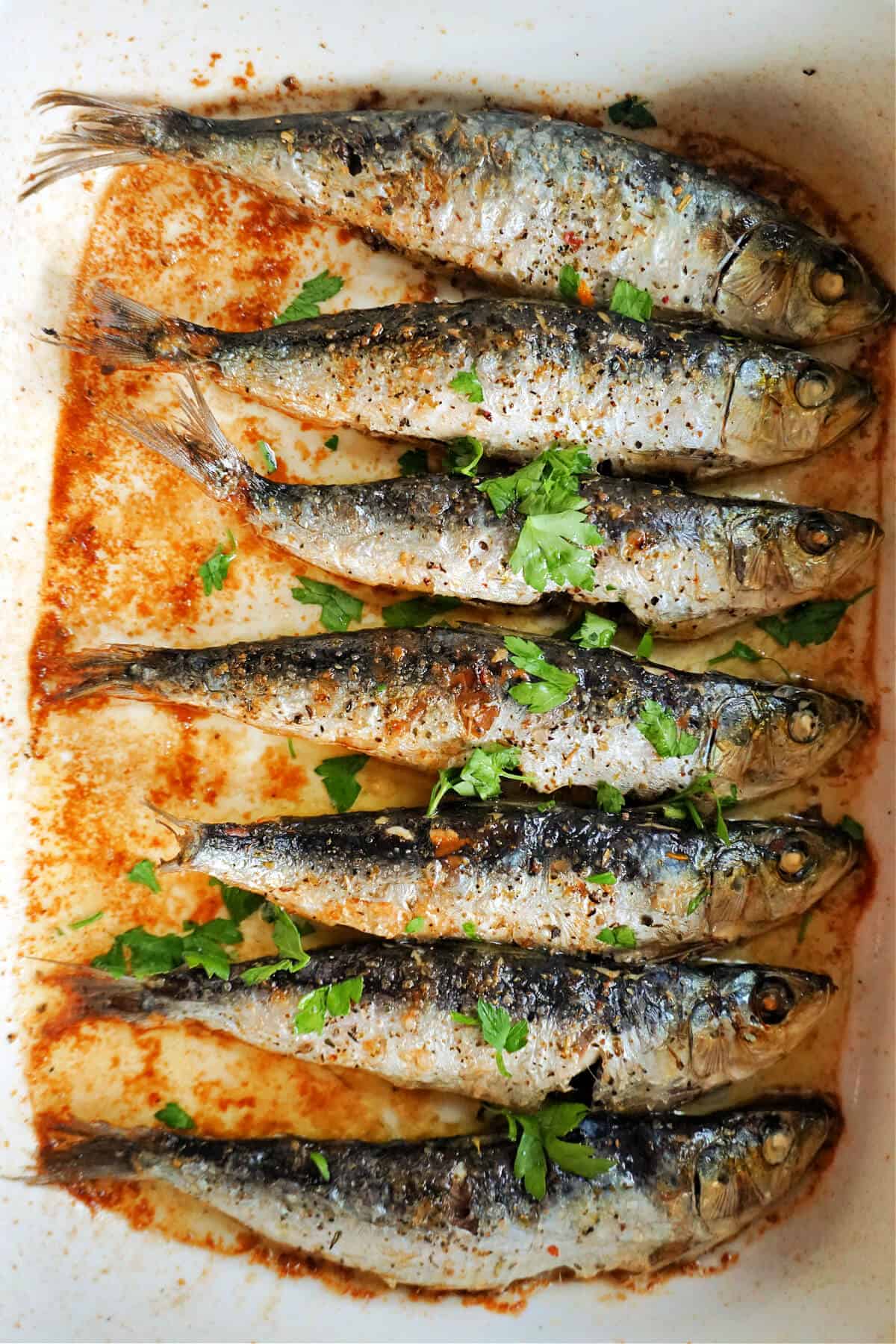
Canned or fresh sardines baked with lemon, garlic, olive oil, and fresh herbs — one of the most nutritionally dense and dramatically anti-inflammatory foods available at any price point. Sardines contain more omega-3 fatty acids per gram than salmon, have extraordinarily high vitamin D content, and are among the most sustainable and affordable seafood options. One of the most underrated anti-inflammatory recipes in any collection.
Ingredients:
- 2 cans sardines in olive oil (or 8 fresh sardines if available)
- Juice and zest of 2 lemons
- 4 cloves garlic, thinly sliced
- 3 tablespoons good olive oil
- Fresh parsley, thyme, and rosemary
- Cherry tomatoes, halved
- Salt, black pepper, red pepper flakes
- Crusty bread for serving
Instructions:
- Preheat oven to 400°F. If using canned sardines, drain them. Arrange sardines in a single layer in a small baking dish or cast iron skillet. Add halved cherry tomatoes around and between the sardines. Scatter sliced garlic across the surface. Season with salt, black pepper, and red pepper flakes.
- Drizzle olive oil generously over the sardines and tomatoes — be generous, as the olive oil creates the sauce that makes this dish extraordinary. Add fresh thyme sprigs and rosemary across the surface. Squeeze lemon juice over everything and add lemon slices directly in the dish.
- Bake at 400°F for 12-15 minutes until the cherry tomatoes have burst and caramelized, the garlic is golden, and the sardines are hot throughout and beginning to crisp at the edges. The tomatoes' juices combine with the olive oil and sardine oil to create a deeply savory, omega-3 rich sauce.
- Scatter fresh parsley generously over the entire dish immediately after removing from the oven. Serve with crusty whole grain bread for scooping up the extraordinary sauce. Sardines are one of the most powerful anti-inflammatory foods available — even people who think they don't like sardines frequently discover they enjoy them when prepared this way with olive oil, lemon, garlic, and tomatoes.
5. Mango Turmeric Smoothie
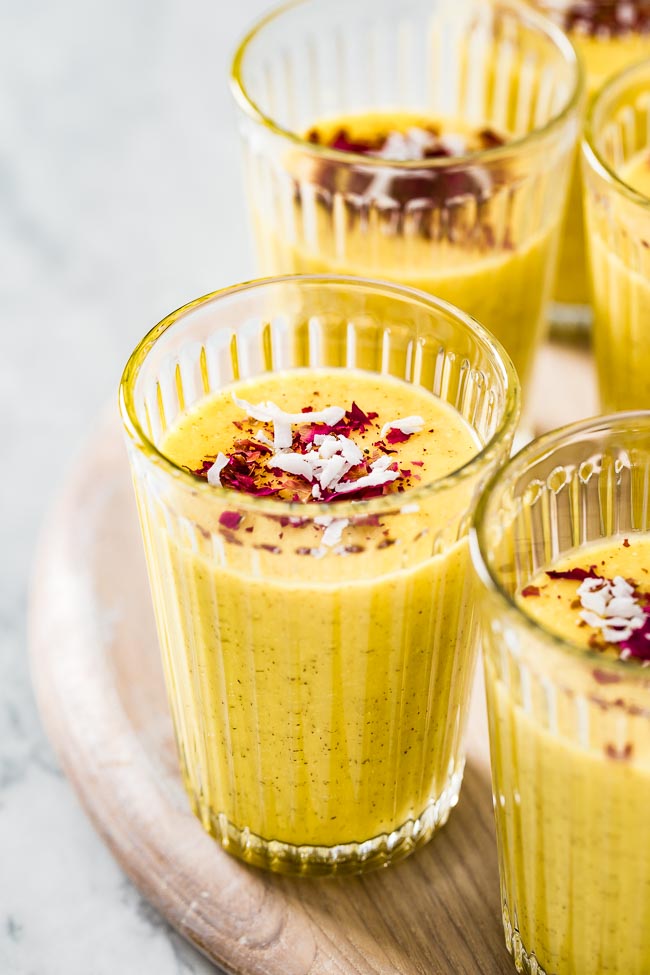
Frozen mango, fresh turmeric or turmeric powder, ginger, coconut milk, banana, and black pepper blended into a vibrant golden smoothie — one of the most beautifully colored and genuinely delicious anti-inflammatory recipes that doubles as a complete meal when made with full-fat coconut milk and a tablespoon of hemp seeds for protein and omega-3s.
Ingredients:
- 1½ cups frozen mango chunks
- 1 frozen banana
- 1 cup unsweetened coconut milk
- 1 teaspoon turmeric powder or 1-inch piece fresh turmeric, peeled
- ½-inch piece fresh ginger, peeled
- ¼ teaspoon black pepper — essential for curcumin absorption
- 1 tablespoon hemp seeds (for protein and omega-3s)
- Juice of ½ lemon
- Honey to taste (mango is already sweet — may not need any)
Instructions:
- Add coconut milk to the blender first. Add all remaining ingredients on top of the liquid. Blend on high speed for 60-90 seconds until completely smooth with no chunks of ginger or turmeric visible. If using fresh turmeric root, be aware it will stain any porous surface it contacts — blend thoroughly to break it down completely.
- Taste before pouring — the smoothie should taste strongly of mango with a warm ginger-turmeric undertone and a bright lemon note. The black pepper should be barely perceptible as heat but not as a specific spice flavor. Add honey only if needed — ripe frozen mango is typically sweet enough without any additional sweetener.
- Pour into glasses immediately and drink within 5-10 minutes. Smoothies lose nutritional potency rapidly after blending as the increased surface area from blending accelerates oxidation of heat-sensitive vitamins. The immediate bright golden color from the turmeric and mango makes this one of the most visually striking of all anti-inflammatory recipes.
- For a thicker smoothie bowl version: reduce coconut milk to ½ cup and top with granola, fresh mango chunks, a sprinkle of additional turmeric, and coconut flakes. Either format delivers the same powerful anti-inflammatory nutrients in a format that is genuinely delicious rather than medicinal.
4. Lentil and Vegetable Soup
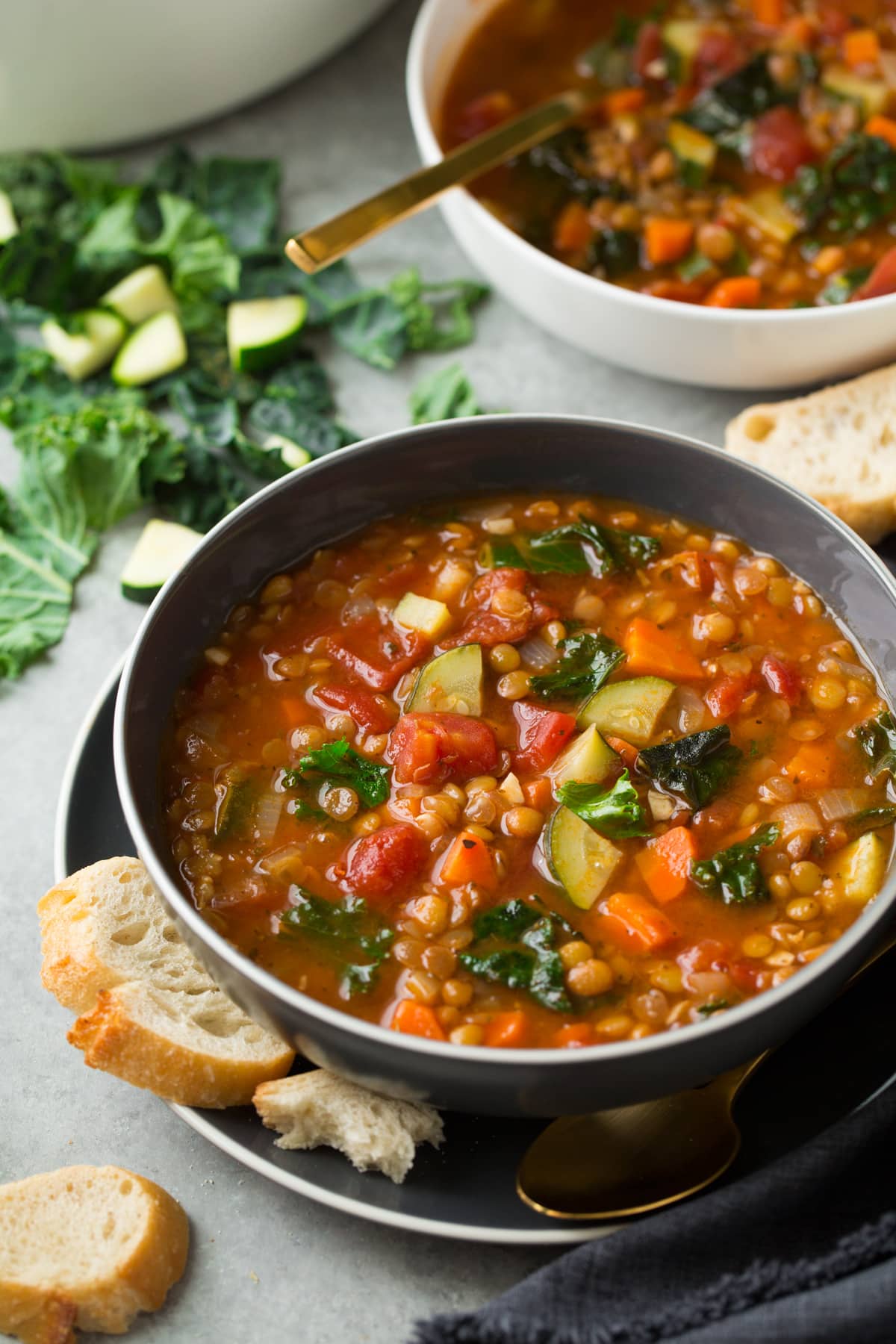
Red lentils with turmeric, cumin, coriander, ginger, tomatoes, and leafy greens — one of the most complete, economical, and deeply anti-inflammatory soups possible that provides extraordinary fiber, plant protein, and phytonutrients in a warming, satisfying bowl. Red lentils dissolve into a thick, silky soup without any blending required and are one of the highest anti-inflammatory plant foods available.
Ingredients:
- 1½ cups red lentils, rinsed
- 1 large onion, diced
- 4 cloves garlic, minced
- 2-inch piece fresh ginger, grated
- 1 (14 oz) can crushed tomatoes
- 5 cups vegetable broth
- 2 teaspoons turmeric, 1 teaspoon cumin, 1 teaspoon coriander
- 3 cups baby spinach or kale
- Juice of 1 lemon
- Fresh cilantro, olive oil drizzle for serving
Instructions:
- Heat olive oil in a large pot over medium heat. Sauté onion 8 minutes until soft. Add garlic and ginger 2 minutes. Add all spices — turmeric, cumin, coriander — and stir constantly for 1-2 minutes until bloomed in the oil and deeply fragrant. This spice-blooming step significantly enhances the anti-inflammatory potency and flavor of all three spices.
- Add rinsed red lentils, crushed tomatoes, and vegetable broth. Stir well. Season generously with salt and black pepper. Bring to a boil, reduce to a simmer, and cook uncovered for 25-30 minutes, stirring every 10 minutes, until the red lentils have completely dissolved into the broth and the soup has thickened to a rich, velvety consistency without any blending required.
- Add spinach or kale and stir until wilted — about 2-3 minutes. Add lemon juice and stir — the acid brightens all the flavors dramatically. Taste and adjust salt, lemon, and spices. The soup should taste deeply savory, warmly spiced, and bright from the lemon.
- Serve in deep bowls with a drizzle of good olive oil across the surface, fresh cilantro leaves, and crusty whole grain bread alongside. This soup improves dramatically overnight and keeps refrigerated for 5 days — it also freezes beautifully for 3 months in individual portions. The combination of turmeric, ginger, garlic, lentils, tomatoes, and leafy greens makes this one of the most comprehensive anti-inflammatory recipes in the collection.
3. Cherry Dark Chocolate Bark
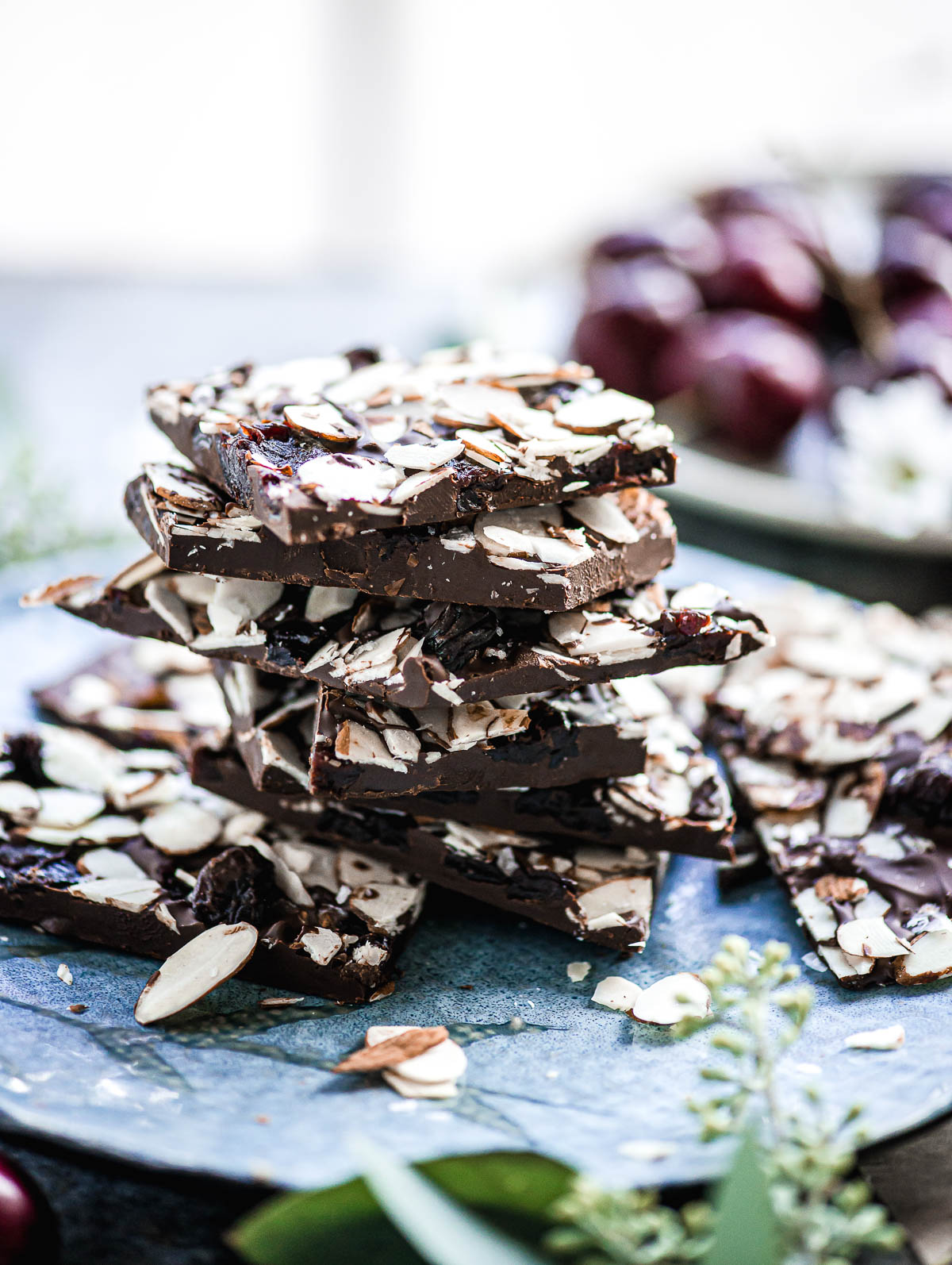
Melted dark chocolate (70%+ cocoa) topped with dried tart cherries, toasted almonds, pumpkin seeds, and a sprinkle of sea salt — one of the most genuinely indulgent anti-inflammatory desserts possible. Dark chocolate contains flavonoids that reduce inflammation, tart cherries contain some of the highest antioxidant concentrations of any fruit, and almonds and pumpkin seeds add vitamin E and omega-3s respectively.
Ingredients:
- 8 oz dark chocolate, 70% cocoa or higher, finely chopped
- ½ cup dried tart cherries (not sweetened if possible)
- ¼ cup toasted almonds, roughly chopped
- ¼ cup toasted pumpkin seeds
- 2 tablespoons hemp seeds
- Flaky sea salt for finishing
- Optional: 1 teaspoon coconut oil for extra shine and snap
Instructions:
- Melt chocolate using the double boiler method — place chopped chocolate in a heatproof bowl set over a saucepan of barely simmering water, stirring occasionally, until 75% melted. Remove from heat and stir until completely melted — the residual heat finishes melting without overheating the chocolate. If adding coconut oil for shine, stir it in now.
- Pour the melted chocolate onto a parchment-lined baking sheet and use an offset spatula or the back of a spoon to spread it into an even layer about ¼ inch thick — a rough, irregular shape looks more artisanal and attractive than a perfectly rectangular shape for this style of bark.
- While the chocolate is still warm and liquid, scatter dried tart cherries, chopped almonds, pumpkin seeds, and hemp seeds evenly across the entire surface. Press the toppings very gently into the chocolate so they adhere — toppings that aren't pressed in will fall off when the bark is broken.
- Sprinkle flaky sea salt generously across the entire surface — the salt amplifies the chocolate flavor and creates the sophisticated sweet-salty balance that makes dark chocolate bark genuinely irresistible rather than just healthy. Refrigerate 30-45 minutes until completely firm. Break into irregular pieces and store in a sealed container in the refrigerator for up to 2 weeks.
2. Mediterranean Chopped Salad

Cucumber, tomatoes, kalamata olives, red onion, chickpeas, roasted red peppers, fresh herbs, and feta in a lemon-olive oil dressing — the Mediterranean diet is the most evidence-backed anti-inflammatory dietary pattern in the world and this salad captures its core principles in one beautiful, satisfying bowl. Every ingredient has documented anti-inflammatory properties.
Ingredients:
- 2 English cucumbers, diced
- 2 cups cherry tomatoes, halved
- 1 (15 oz) can chickpeas, drained and rinsed
- ½ cup Kalamata olives, halved
- ½ cup roasted red peppers, diced
- ¼ red onion, finely diced and soaked in cold water 5 minutes
- ½ cup fresh parsley and mint, chopped
- 4 oz feta cheese, crumbled
- Juice of 2 lemons, 4 tablespoons olive oil, 1 teaspoon dried oregano, salt and pepper
Instructions:
- Drain soaked red onion and pat dry — soaking removes the harsh bite while preserving the pleasant flavor. Combine all diced vegetables, chickpeas, olives, and peppers in a large bowl. Add drained red onion and fresh herbs. The chickpeas add plant protein and fiber that make this salad genuinely filling as a main course rather than just a side dish.
- Whisk lemon juice, olive oil, dried oregano, salt, and pepper together until emulsified. The combination of good olive oil and lemon juice is the foundation of Mediterranean cuisine's anti-inflammatory power — oleocanthal in olive oil has documented anti-inflammatory properties similar to low doses of ibuprofen.
- Pour dressing over the salad and toss very thoroughly so every piece is coated. Let sit 10 minutes at room temperature — the brief marinating time allows the chickpeas and vegetables to absorb the dressing and the flavors to integrate beautifully.
- Add crumbled feta across the top just before serving — don't mix it in completely or it breaks into tiny pieces that coat everything in white. Serve at room temperature for the most developed flavors. This salad holds dressed for 24 hours in the refrigerator — the vegetables release liquid over time but the flavors improve significantly, making it genuinely better on day 2 as the chickpeas absorb the dressing thoroughly.
1. The Complete Anti-Inflammatory Eating Guide

The complete guide to building an anti-inflammatory diet from everyday foods — covering the most important anti-inflammatory foods to eat consistently, the most inflammatory foods to minimize, the key nutrients and compounds that drive inflammation reduction, and the simple daily food habits that research consistently identifies as the most powerful long-term approaches to eating for reduced inflammation.
The Top Anti-Inflammatory Foods:
- Fatty fish (salmon, sardines, mackerel, anchovies): Omega-3 fatty acids EPA and DHA — the most researched anti-inflammatory nutrients. Aim for 2-3 servings per week
- Turmeric with black pepper: Curcumin is turmeric's active compound — always pair with black pepper (piperine) to enhance absorption by up to 2000%
- Wild blueberries: Highest antioxidant content of any common fruit — frozen wild blueberries are as potent as fresh and available year-round
- Leafy greens (kale, spinach, arugula): Vitamin K, antioxidants, and phytonutrients — eat at every meal possible
- Extra virgin olive oil: Oleocanthal — the most potent anti-inflammatory compound in the Mediterranean diet. Use generously as the primary cooking and dressing fat
- Ginger: Gingerols and shogaols — powerful anti-inflammatory compounds most potent in fresh ginger. Add to smoothies, teas, and cooking daily
- Walnuts: Highest plant-based omega-3 content of any nut. Eat a small handful daily
- Dark chocolate (70%+): Flavonoids — concentrated in the cocoa solids. The higher the cocoa percentage the more potent the anti-inflammatory benefit
Instructions:
- Build around whole foods at every meal: The most anti-inflammatory eating pattern is the Mediterranean diet — centered on vegetables, fruits, whole grains, legumes, fish, olive oil, and nuts. Processed foods, refined sugars, and vegetable oils high in omega-6 fatty acids are the primary pro-inflammatory dietary components to minimize.
- Include turmeric and black pepper together daily: The research on curcumin's anti-inflammatory properties is extensive and the black pepper enhancement is well-established. Add turmeric and black pepper to soups, smoothies, marinades, eggs, and any dish where the warm, earthy flavor complements the other ingredients.
- Eat fatty fish at least twice per week: Omega-3 fatty acids EPA and DHA have the most extensive research support for reducing systemic inflammation of any dietary component. Wild salmon, sardines, mackerel, and anchovies are the most accessible and affordable options with the highest omega-3 content.
- Consistency matters more than individual meals: No single anti-inflammatory meal creates meaningful change — the cumulative effect of consistently eating anti-inflammatory foods over weeks and months is what research demonstrates produces measurable reductions in inflammatory markers. Focus on building sustainable daily habits rather than occasional perfect meals. Browse our easy weekly meal prep ideas for building consistent anti-inflammatory eating into your routine.
FAQs About Anti-Inflammatory Recipes
What foods reduce inflammation the fastest?
Fatty fish (omega-3s), turmeric with black pepper (curcumin + piperine), tart cherries (anthocyanins), wild blueberries (antioxidants), and extra virgin olive oil (oleocanthal) have the most consistent research support for reducing inflammatory markers. However, no food reduces inflammation overnight — consistency over weeks and months produces meaningful change. According to current medical research, chronic low-grade inflammation is implicated in many prevalent health conditions and dietary choices are among the most powerful modifiable factors for reducing it.
Is the anti-inflammatory diet the same as the Mediterranean diet?
The Mediterranean diet is the most researched and evidence-backed anti-inflammatory dietary pattern — they largely overlap. The Mediterranean diet emphasizes olive oil, fish, vegetables, fruits, whole grains, legumes, and nuts while limiting processed foods, refined sugars, and red meat. Most anti-inflammatory recipe collections are essentially Mediterranean diet recipes with extra attention to specific high-potency anti-inflammatory ingredients like turmeric and ginger. For more Mediterranean-inspired recipes, see our best spring pasta salads.
What should I avoid on an anti-inflammatory diet?
The most consistently pro-inflammatory foods are processed foods and ultra-processed snacks, refined sugars and sugary beverages, refined grain products (white bread, white pasta), vegetable oils high in omega-6 fatty acids (corn oil, soybean oil), and excessive alcohol. Reducing these while increasing the anti-inflammatory foods listed above creates the dietary shift with the most evidence for reducing chronic inflammation.
Can anti-inflammatory recipes help with joint pain?
Dietary patterns rich in omega-3 fatty acids, antioxidants, and anti-inflammatory phytonutrients are associated with reduced markers of inflammation and in some studies with reduced joint pain. However, dietary changes work best as part of a comprehensive approach to joint health alongside appropriate medical care. Always consult a healthcare provider for specific health concerns. For more health-focused recipe collections, see our easy gluten free dinner recipes.
Share This Post!
If you loved these anti-inflammatory recipes, share this post with everyone who wants to eat deliciously while supporting their long-term health! Pin it, share it on Facebook, or send it to a friend who's interested in eating to reduce inflammation. 🌿✨



Comments
No Comments