
Most Tuesdays I have no plan for dinner until about 4pm. Enchilada sauce is what pulls me out of that hole — I can make a batch in the time it takes my rice to cook, and suddenly the whole meal has direction.
What I like about making this from scratch is the roux base. It sounds fancier than it is — you're just cooking flour in oil for a minute before adding the spices. That one step is what makes this sauce thicker and more cohesive than just blending canned tomatoes with chili powder. The tomato paste goes in next, then broth, and the whole thing comes together in about 20 minutes. It's the kind of recipe where you're actually tasting and adjusting, which I find more satisfying than opening a can.
My husband would eat this on everything. He pours it over rice when we have leftover chicken, uses it as a dip for my no-oven stovetop bread, and has been known to add an extra spoonful directly to his bowl at the table. Saad uses it strictly on enchiladas and refuses substitutions. So I usually make a double batch because one batch disappears before I've even finished dinner.
One thing to know before you start: the flavor of this sauce depends heavily on your chili powder. If your chili powder has been sitting in the back of the spice cabinet for two years, it will taste like nothing. I learned this the first time I made it — the sauce came out pale and flat and I couldn't figure out why. Fresh spices matter here more than in most recipes. If you can smell the chili powder clearly when you open the jar, you're good. If you have to hold it to your nose, buy new.
Why You'll Love This Recipe
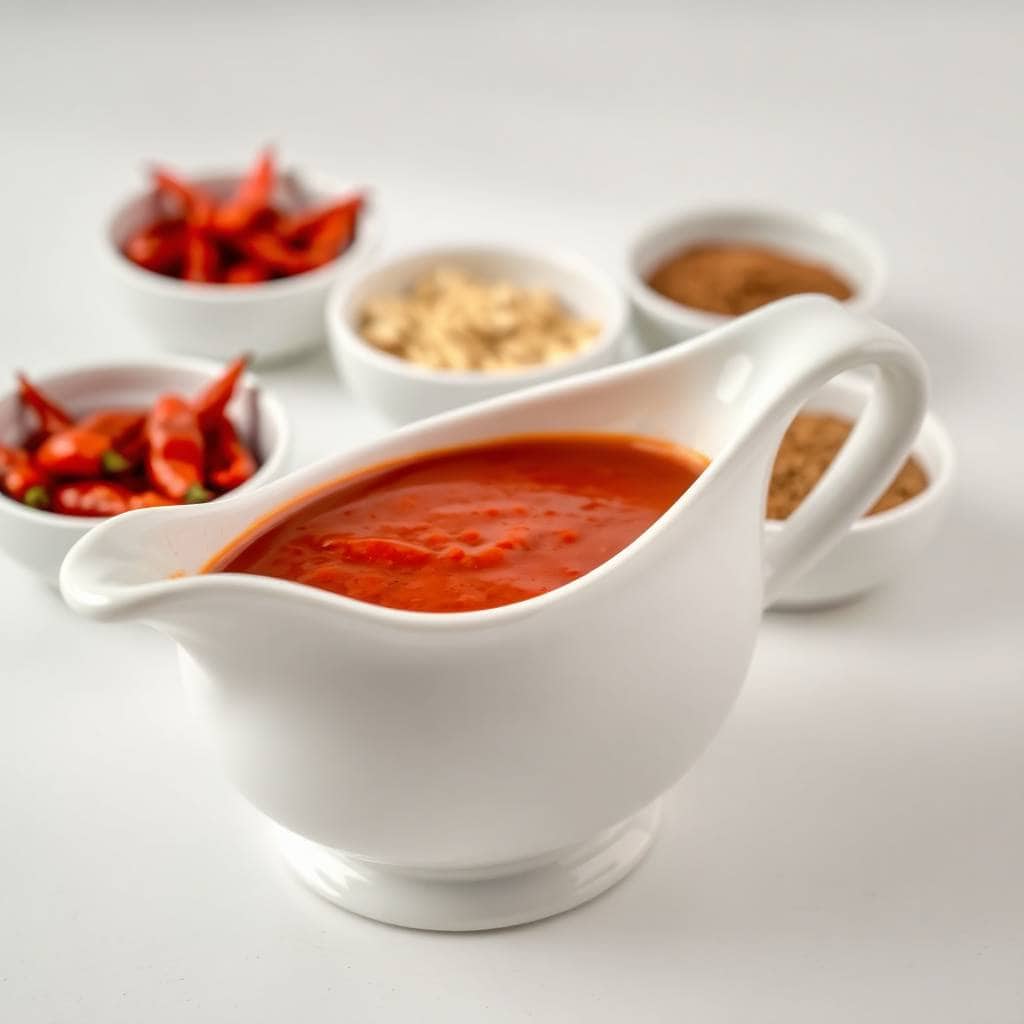
- It actually tastes like something: Store-bought enchilada sauce has always tasted thin and slightly metallic to me — like tomato water with a hint of chili. This one has a deep, toasty base from the roux and enough cumin and chili powder that you can smell it simmering across the kitchen. It's not pretending to be bold. It just is.
- 20 minutes, one saucepan: I'm not exaggerating on the time. The roux takes a minute, the spices bloom in 30 seconds, and then you just simmer for 8–10 minutes. I make this while something else is in the oven. The cleanup is one pan and a whisk, which I appreciate on a weeknight.
- You control the heat: My kids cannot handle spice, my husband wants more of it, and I'm somewhere in the middle. This sauce starts mild enough that everyone can eat it, and you can add cayenne at the end to your own portion. I've been making it this way for years — mild in the pan, hot sauce on the side.
- It freezes well: I freeze this in half-cup portions in zip-lock bags laid flat. They stack in the freezer and thaw in a bowl of warm water in about 15 minutes. Having frozen enchilada sauce on hand means I can put together a real dinner on a night when I genuinely have nothing planned.
- It costs almost nothing: The whole batch costs maybe $2 to make at Walmart prices. A can of decent enchilada sauce is $2.50 and half the flavor. I'm not a person who calculates grocery costs obsessively, but this one is obvious.
Ingredients
- 2 tablespoons vegetable oil
- 2 tablespoons all-purpose flour
- 4 tablespoons chili powder (American-style, the mild blended kind)
- 1 teaspoon ground cumin
- 1 teaspoon garlic powder
- ½ teaspoon onion powder
- ½ teaspoon dried oregano
- ¼ teaspoon cayenne pepper (optional — skip if cooking for kids)
- 2 cups chicken broth or vegetable broth
- 6 oz tomato paste (one small can)
- 1 teaspoon salt (or to taste)
- ½ teaspoon black pepper
Directions
- Make the roux: Heat the vegetable oil in a medium saucepan over medium heat. Whisk in the flour and cook, stirring constantly, for about 1 minute until the mixture turns golden and smells slightly nutty. Don't rush this step — that toasted flour flavor is part of what makes the sauce taste like more than just seasoned broth.
- Bloom the spices: Lower the heat slightly and add the chili powder, cumin, garlic powder, onion powder, oregano, and cayenne if using. Stir to coat the roux with the spices and cook for 30 seconds. They'll smell incredible almost immediately — that's the fat drawing out the flavor from the dried spices.
- Add the tomato paste: Spoon in the tomato paste and stir it thoroughly into the spiced roux. It will look very thick and deeply red, almost like a paste. Keep stirring for another 30 seconds. This step builds the body of the sauce.
- Whisk in the broth: Add the broth slowly — a splash at a time at first — while whisking constantly. This is how you avoid lumps. Once you've added about half the broth and the sauce is smooth, you can pour the rest in more steadily. Increase the heat to medium-high and bring it to a gentle simmer.
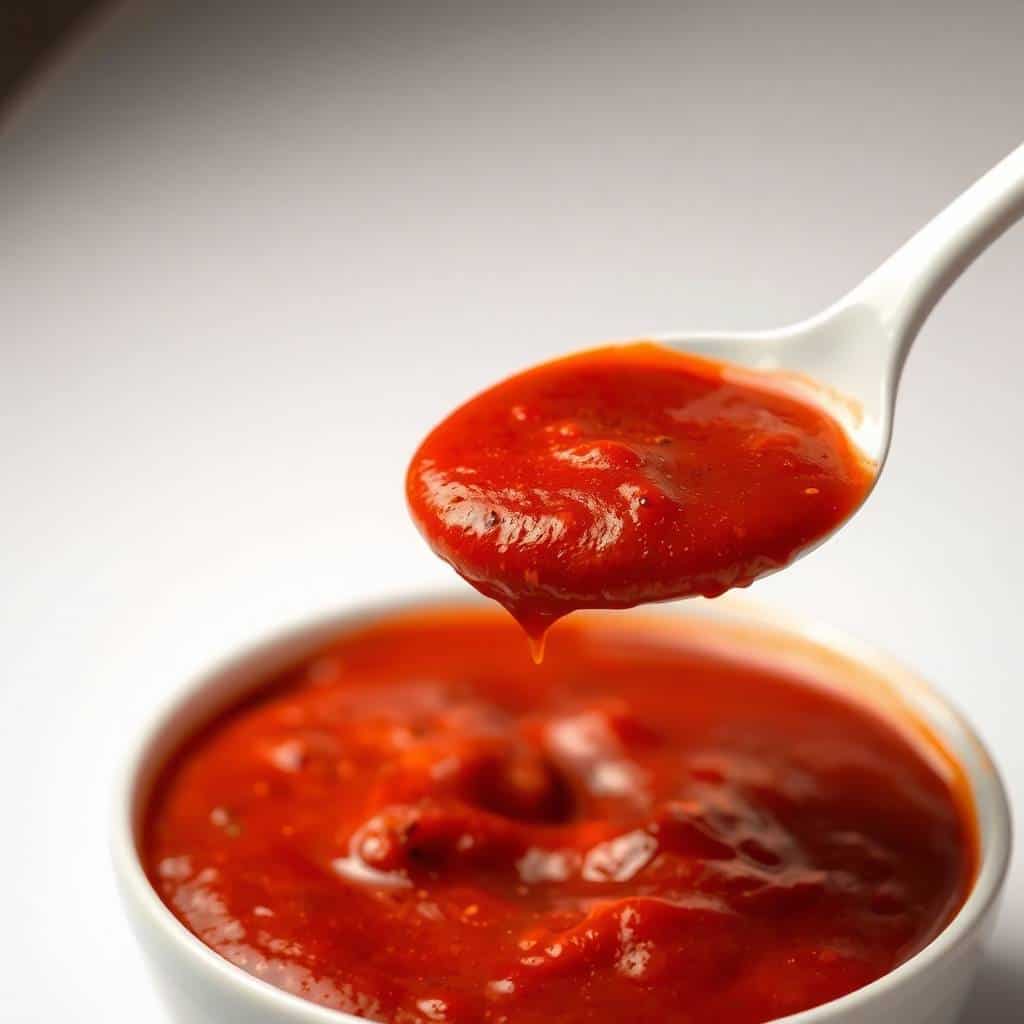
- Simmer and season: Let the sauce cook for 8–10 minutes, stirring every couple of minutes, until it thickens slightly and coats the back of a spoon. Taste it now and add salt and black pepper. If it tastes a little flat, a small squeeze of apple cider vinegar (about ½ teaspoon) brightens everything up.
Tips for Success
- Use fresh chili powder: I mentioned this in the intro because it really is the most important thing. Old chili powder makes a dull, brownish sauce with no presence. Fresh chili powder makes a sauce that smells like a Mexican restaurant kitchen. Check the date on the jar before you start — if it's been more than a year, replace it. The same goes for the cumin.
- Don't skip the roux stage: I tried making a shortcut version once where I just mixed everything together without cooking the flour first. The sauce tasted raw and starchy and I had to throw it out. The 60 seconds you spend cooking the flour in the oil makes a real difference. You're looking for a golden color and a faint nutty smell before you add anything else.
- Add broth slowly at first: The first time I made this I dumped all the broth in at once and ended up with lumpy sauce that I had to strain. Now I add maybe 2–3 tablespoons at a time for the first few additions, whisking until fully smooth, before I pour the rest in. It takes 30 extra seconds and the texture comes out perfectly smooth every time.
- Simmer uncovered on low-medium: You want a gentle simmer, not a rolling boil. If it's boiling hard, the sauce can scorch on the bottom of the pan and take on a bitter taste. Keep it at a lazy bubble, stir every couple of minutes, and you'll be fine. If it gets too thick before 8 minutes is up, add a splash more broth.
- Taste right before you use it: The salt level needs adjusting at the end, not the beginning. Broth varies a lot in saltiness — chicken broth from a carton is usually less salty than bouillon-based broth. I always taste the finished sauce and add salt then. The vinegar trick also works well if the whole thing tastes a bit one-dimensional: half a teaspoon of apple cider vinegar added at the end lifts the whole flavor.
Variations
- Smoky chipotle version: Add 1 tablespoon of minced chipotle peppers in adobo sauce when you add the tomato paste. It gives the sauce a smoky, slightly sweet heat that's different from just adding cayenne. This is the version my husband requests most often. The chipotles are in the international aisle at most grocery stores — look for a small can labeled "chipotle peppers in adobo."
- Creamy enchilada sauce: Once the sauce is finished and off the heat, stir in 3–4 tablespoons of sour cream or heavy cream. It turns the sauce a lighter terracotta color and gives it a richer, almost velvety texture. This version is excellent for chicken enchiladas and works really well as a topping sauce rather than a cooking sauce.
- Gluten-free version: Swap the all-purpose flour for an equal amount of cornstarch, but add it differently — don't try to make a roux with cornstarch. Instead, bloom your spices directly in the hot oil for 30 seconds, add the tomato paste, then whisk the cornstarch into the cold broth before adding it to the pan. It thickens just as well, slightly different texture but genuinely good.
- Extra spicy: Add ¼ teaspoon more cayenne at the spice stage and a splash of your favorite hot sauce right at the end. I do this to my own bowl rather than the whole batch since the kids are eating the same sauce. If you're cooking just for adults who like heat, though, go ahead and add it to the whole pan.
- Roasted garlic instead of powder: If you have roasted garlic on hand — or if you roast a head of garlic in the oven while you're cooking something else — mash 3–4 cloves and stir them in with the tomato paste instead of using garlic powder. It adds a softer, slightly sweet garlic flavor that works well in the creamy version especially.
Serving and Storage
Serving
Serve this warm — it thickens as it cools, so if you made it ahead and it looks too thick when you pull it from the fridge, just reheat it in a small saucepan over low heat with a splash of broth and it loosens right up. Use it to smother rolled enchiladas before baking, pour it over a burrito bowl, use it as a base for a quick braised chicken, or serve it as a warm dipping sauce alongside pinwheels or flatbread for something a little unexpected. In our house we also spoon it over scrambled eggs on weekends, which sounds odd but works really well.
Storage
Store in an airtight container in the refrigerator for up to 5 days. The flavor is actually better on day two once everything has had time to settle. For freezing, let it cool completely, then portion into ½-cup amounts in small zip-lock freezer bags or an ice cube tray. Frozen portions keep for up to 3 months. I thaw mine in a bowl of warm water — takes about 15 minutes — then reheat in a small saucepan.
Frequently Asked Questions
Can I make enchilada sauce ahead of time?
Yes, and honestly it tastes better the next day. The spices have more time to settle into the sauce and the flavor deepens. I regularly make a batch on Sunday and use it through the week. Store it covered in the fridge and reheat gently with a splash of broth if it's gotten too thick.
Can I freeze enchilada sauce?
Absolutely. Let it cool completely first, then freeze in airtight containers or zip-lock bags for up to 3 months. I portion mine into half-cup amounts so I can thaw exactly what I need without defrosting a whole batch. It reheats well on the stovetop over low heat.
What kind of chili powder should I use?
Use American-style chili powder, which is a mild, pre-blended spice mix — the kind you find in the regular spice aisle at any grocery store. This is different from pure ancho chili powder or cayenne, which are much hotter and would make the sauce very spicy at 4 tablespoons. If you only have pure ground chili, start with 1 tablespoon and taste as you go.
Can I use tomato sauce instead of tomato paste?
You can, but the sauce will be thinner and less rich. Tomato paste has a more concentrated flavor and helps build the body of the sauce in a way that tomato sauce doesn't quite replicate. If you only have tomato sauce, use about ¾ cup and reduce it in the pan for a few minutes before adding the broth. The end result will be lighter in both color and flavor.
Is this sauce gluten-free?
Not as written, because of the flour in the roux. To make it gluten-free, mix 1 tablespoon of cornstarch into the cold broth before adding it to the pan — don't try to make a cornstarch roux since it doesn't work the same way. Bloom your spices directly in the oil, add the tomato paste, then whisk in the cornstarch-broth mixture. It thickens well and the flavor is very close to the original.
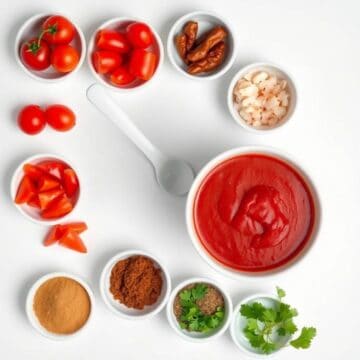
ENCHILADA SAUCE
Ingredients
- 2 tablespoon vegetable oil or olive oil
- 2 tablespoon all-purpose flour
- 4 tablespoon chili powder
- 1 teaspoon ground cumin
- 1 teaspoon garlic powder
- ½ teaspoon onion powder
- ½ teaspoon dried oregano
- ¼ teaspoon cayenne pepper optional
- 2 cups chicken broth or vegetable broth
- 6 oz tomato paste
- 1 teaspoon salt or to taste
- ½ teaspoon black pepper
Instructions
Make the Roux:
- Heat oil in a medium saucepan over medium heat. Whisk in flour and cook for 1 minute to form a roux.
Add Spices:
- Stir in chili powder, cumin, garlic powder, onion powder, oregano, and cayenne pepper. Cook for 30 seconds until fragrant.
Add Liquids:
- Gradually whisk in chicken broth, then tomato paste. Continue whisking until smooth.
Simmer:
- Bring to a simmer and cook for 8–10 minutes, stirring occasionally, until slightly thickened.
Season:
- Add salt and pepper to taste. Use immediately or store for later use.
Notes
- Make Ahead: Can be made up to 5 days in advance and stored in the refrigerator.
- Freezing: Freeze in an airtight container for up to 3 months.
- Adjust Heat: Add more cayenne or a splash of hot sauce for extra spice.
- Thicker Sauce: Simmer longer for a thicker consistency.
This is one of those recipes I kept meaning to write down for years and just never did because it felt too simple to bother with. Then someone asked me about it after I mentioned it in another post and I realized I'd been making it on autopilot for so long that I'd never actually explained how it works. The roux step is the one thing that makes it different from every other quick enchilada sauce — don't skip it.
I'm not claiming this is an authentic regional Mexican recipe — it's a Tex-Mex pantry sauce built from dried spices and tomato paste, and it's honest about that. What it is, is genuinely good and genuinely fast. I make it constantly. It lives in my freezer in little bags and gets pulled out whenever I need dinner to come together quickly. If you're looking for more things to make on a weeknight with minimal effort, my no-oven stovetop bread goes alongside this really well — the kids tear off pieces and dip them in the sauce before I've even finished assembling the enchiladas.
Make it once and taste it next to whatever jarred sauce you currently use. The difference is immediate. After that, the 20-minute investment will start feeling completely obvious. 🌶️🍲
If you made this, I'd love to know how you used it — leave a comment below. And if you're looking for other recipes to round out your week:
- No-Oven Stovetop Bread — great for scooping up this sauce
- Pesto and Mozzarella Pinwheels — a fun appetizer when you have guests
- Patriotic Party Grazing Board — for when you need a spread, not a recipe
- Snowy Pineapple Punch — something cold and sweet to finish the meal
- Funfetti Popcorn — Saad's requested after-dinner snack more times than I can count



Comments
No Comments