
I made this honey pineapple salmon on a Tuesday when I had absolutely nothing planned for dinner. I had four salmon fillets in the fridge, half a can of pineapple juice leftover from a smoothie, and honey in the pantry. Twenty minutes later I had something that looked like I'd actually tried. That's the kind of recipe I come back to.
What makes this work is the glaze. You're not just dumping sweet sauce on fish — you're cooking the salmon in a skillet first to get that crispy skin, then adding the pineapple-honey sauce and letting it reduce down until it thickens and coats everything. The edges of the salmon caramelise slightly and that's where all the flavour lives. I tried baking it the first few times I made it and it was fine, but the skillet version is better — more colour, more concentrated flavour, done faster.
My husband eats this over plain steamed rice, which is his default for anything with a sauce. Saad picks out the pineapple chunks and eats them separately before touching the fish, which is very on-brand for him. I've served it to guests twice and both times someone asked for the recipe. It's genuinely simple but it reads as effort, which I appreciate on a weeknight.
One thing to set your expectations on: this is a sweet glaze. The honey and pineapple juice together make it properly sweet, balanced by the soy sauce and garlic, but if you're expecting a subtle flavour, this isn't it. It's forward and bright. If you like that kind of thing (we do), you're going to keep making it. If you're looking for something more savoury and restrained, try my creamy sundried tomato white beans instead — totally different direction, also easy.
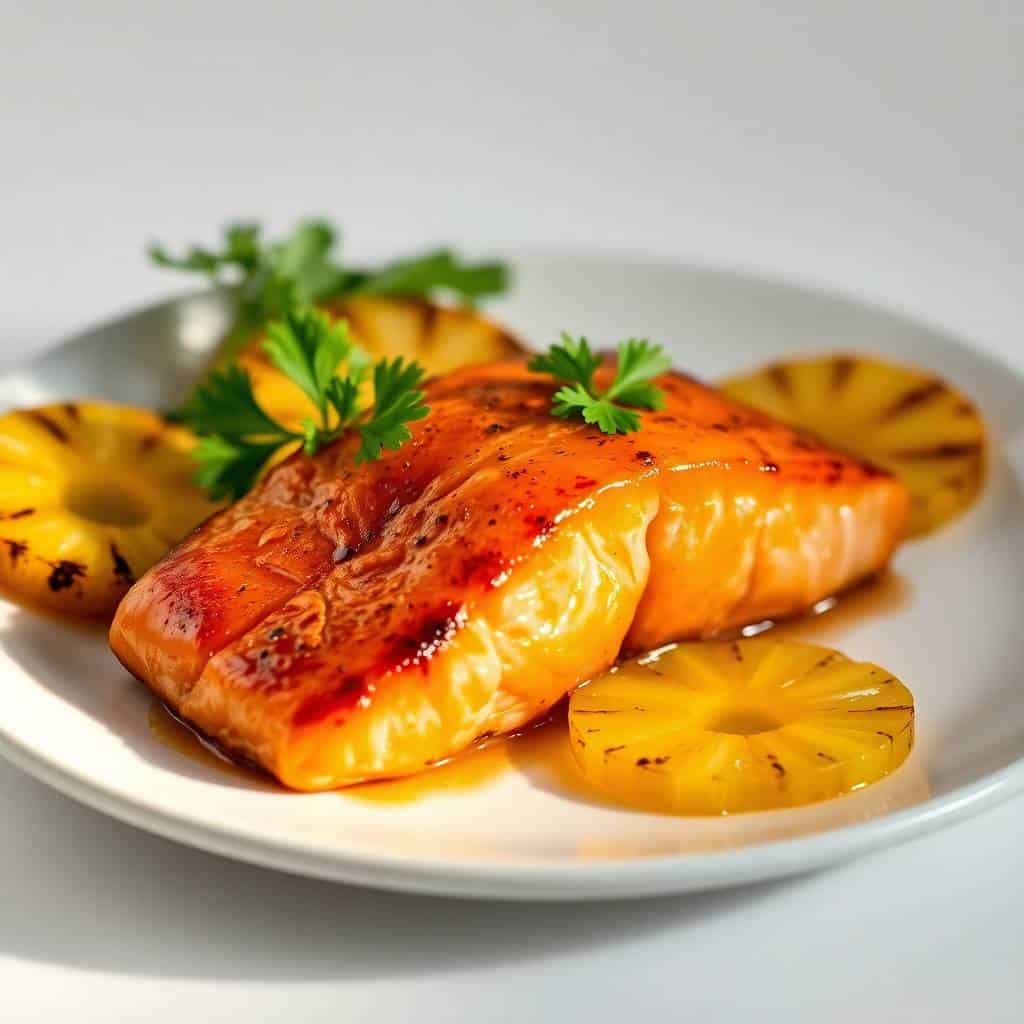
Why You'll Love This Recipe
- It's a genuine 30-minute dinner: I make the sauce while the skillet heats up, cook the salmon in two batches if needed, and the whole thing is on the table in under half an hour. No marinating required if you're in a rush — the sauce reduces right in the pan and coats the fish as it cooks. On nights when I haven't planned anything, this is one of the first things I reach for.
- The caramelised glaze does all the work: You don't need a complicated technique here. The sauce thickens naturally as it simmers, and you just spoon it over the fish as it cooks. By the time it's done, the salmon is glazed and glossy and looks like you put in far more effort than you did. I've never had this look bad coming out of the pan.
- Everything comes from a normal grocery shop: Salmon fillets, pineapple juice, honey, soy sauce, garlic, ginger. That's it. I get the pineapple juice from Walmart or Aldi — the small cans in the juice aisle, not the refrigerated section. You probably have half of this in your pantry already.
- It works for people who don't usually like fish: The sweetness of the honey and pineapple takes the edge off the salmon flavour, which means people who normally push fish to the side of their plate tend to eat this without complaint. My kids are not enthusiastic about most seafood. This one they eat.
- One pan, minimal cleanup: I use my heaviest skillet — a $20 cast-iron I've had for years — and that's it. The sauce cooks down in the same pan as the salmon. If you line your baking dish when you do the oven version, cleanup is even faster. Either way, it's not a pile of dishes at the end.
Ingredients
- 4 salmon fillets (about 6 oz each)
- 1 cup pineapple juice (from a can is fine — that's what I use)
- ¼ cup honey
- 2 tablespoons soy sauce (or tamari for gluten-free)
- 2 cloves garlic, minced
- 1 tablespoon fresh ginger, grated (or ½ teaspoon ground ginger in a pinch)
- 1 tablespoon olive oil
- Salt and pepper, to taste
- Pineapple chunks, for garnish (optional but nice)
- Fresh parsley or sliced green onions, for garnish (optional)
- Sesame seeds, for garnish (optional)
Directions
- Make the sauce: Whisk together the pineapple juice, honey, soy sauce, minced garlic, and grated ginger in a small bowl or measuring jug. Set it right next to the stove — you'll need it quickly once the fish goes in.
- Season the salmon: Pat the fillets dry with paper towels. This is important — wet fish doesn't sear, it steams. Season both sides with salt and pepper.
- Sear the salmon: Heat the olive oil in a large heavy skillet over medium heat. Once the oil shimmers, place the salmon fillets skin-side down. Cook for 4 to 5 minutes without moving them. You want that skin to get crispy. Then flip carefully.
- Add the sauce: Pour the pineapple-honey sauce directly into the pan over and around the salmon. Reduce the heat to low and let everything simmer together for 5 to 7 minutes, spooning the sauce over the top of the fish every minute or two. The sauce will thicken and start to look glossy — that's when you know it's ready.
- Check for doneness: The salmon should flake easily when pressed with a fork and be just slightly translucent in the very center. Pull it off heat a minute early if anything — it keeps cooking in the pan for a bit.
- Garnish and serve: Plate the salmon and spoon any remaining sauce from the pan over the top. Add pineapple chunks, green onions, or sesame seeds if you're using them. Serve immediately.
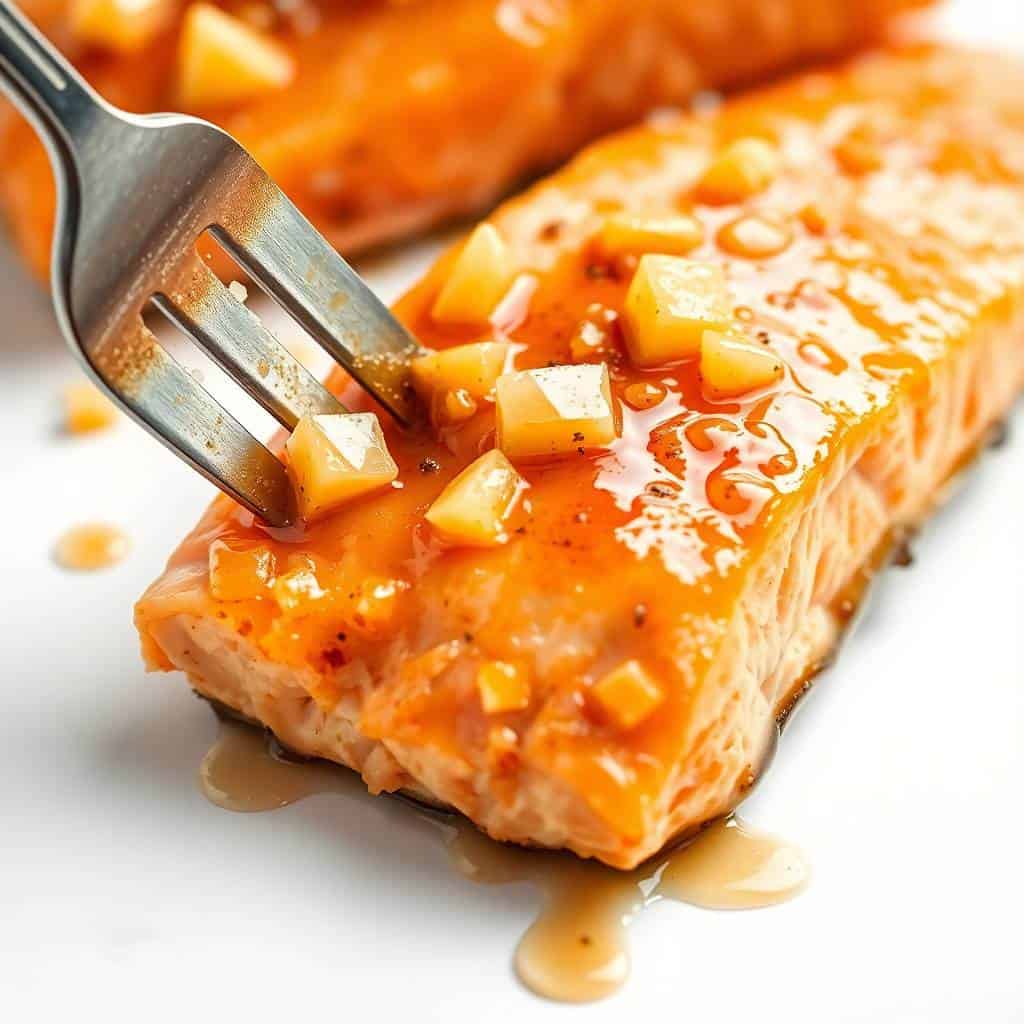
Tips for Success
- Pat the salmon completely dry before it hits the pan: I skipped this step the first time I made the skillet version and the skin didn't crisp — it just stuck and tore. A quick press with paper towels makes a real difference. Dry surface = proper sear. Wet surface = sad, grey fish.
- Don't walk away while the sauce is reducing: Honey burns faster than you expect, especially once the pan is already hot from searing the fish. I stay at the stove and spoon the sauce over the salmon every 60 seconds or so. If it starts bubbling too aggressively, turn the heat down. Low and slow is better than a scorched pan.
- Pull it off the heat slightly early: Salmon overcooks fast. I've dried it out more times than I'd like to admit. The fish continues cooking in the residual heat of the pan after you turn off the burner, so if it looks almost done, it probably is done. Aim for it to still look very slightly translucent in the thickest part and let it rest for two minutes.
- Use real pineapple juice, not a sugary pineapple drink: The canned 100% pineapple juice (the kind near the other juices at Walmart or Costco) is what you want. The sweetened pineapple-flavoured beverages make the sauce too sweet and don't reduce as cleanly. Dole makes a good canned version that I usually have on hand.
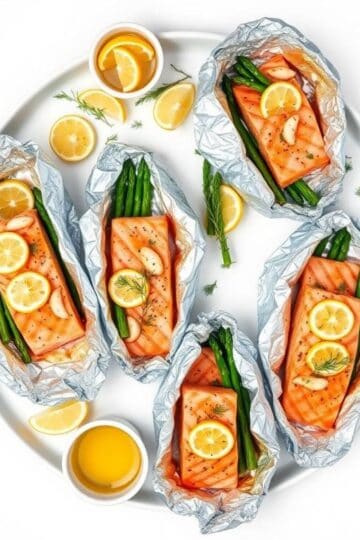
- If you're using the oven instead of the skillet: Preheat to 400°F (200°C), place the salmon in a foil-lined baking dish, pour the sauce over it with pineapple chunks, and bake 15 to 18 minutes. The oven version is slightly more hands-off but you won't get the same caramelisation on the edges. Both work — I just prefer the skillet.
Variations
- Spicy version: Add half a teaspoon of red pepper flakes to the sauce or a small squeeze of sriracha. My husband does this every single time without asking — he just reaches for the chili flakes while I'm plating. It works well because the heat cuts through the sweetness and gives the glaze more dimension. Start small and taste as you go.
- Coconut milk swap: Replace half the pineapple juice with full-fat coconut milk. It makes the sauce richer and creamier with a more tropical flavour. This version is especially good served over jasmine rice. It's not traditional anything — just something I tried once that turned out well.
- Grilled version: Brush the fillets with a little olive oil, grill over medium heat for about 4 minutes per side, and pour the sauce (already reduced slightly in a small saucepan) over the top. You get proper grill marks and a smoky edge that the oven can't replicate. Good for summer evenings when I don't want to heat up the kitchen.
- Use chicken instead: Boneless chicken thighs work really well with the exact same sauce and method. Cook the thighs a bit longer — about 6 to 7 minutes per side — and make sure they're cooked through before adding the sauce. This is what I make when salmon isn't on sale or the kids are being particularly picky about fish that week.
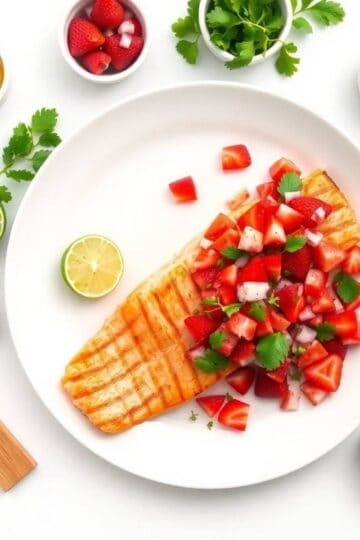
- Add a pineapple salsa on top: Dice fresh pineapple, a little red onion, cilantro, and a squeeze of lime. Spoon it over the finished salmon right before serving. It adds freshness and crunch against the sticky glaze. This is the version I'd make if I were serving it to guests — it looks very put-together for very little extra effort. If you enjoy bright, fresh flavours like that, you might also like the honey glazed ham on the site — similar sweet-savoury energy, different occasion.
Serving and Storage
Serving
We almost always eat this over steamed jasmine rice, which soaks up the extra glaze from the pan — that's the best part. It also works over noodles, alongside roasted broccoli or green beans, or with a simple cucumber salad if you want something lighter. In Pakistan, this kind of sticky, sweet-glazed fish would get served with plain basmati rice and that works just as well here. Spoon any extra sauce from the pan directly over the plate before serving.
Storage
Store leftover salmon in an airtight container in the fridge for up to 3 days. Reheat gently in a skillet over low heat with a splash of water to loosen the glaze, or in the microwave in 30-second bursts covered with a damp paper towel. I don't freeze this — salmon texture after freezing and reheating isn't great, and honestly there's never any left anyway. Zainab eats the cold leftovers straight from the container the next morning, which I've stopped arguing with.
Frequently Asked Questions
Can I use frozen salmon for this recipe?
Yes, but thaw it completely first and then pat it very dry before cooking. Frozen salmon releases extra moisture as it cooks, and if that moisture hits the pan before the fish has a chance to sear, you'll get steamed fish instead of a proper crispy skin. I thaw mine overnight in the fridge and it works fine.
Can I make the sauce ahead of time?
Yes — the sauce keeps in the fridge for up to 3 days in a sealed jar. On busy nights I mix it in the morning and just grab it when I'm ready to cook. You can also marinate the salmon in the sauce for up to 8 hours in the fridge before cooking if you want to get a bit more flavour into the fish itself.
Is this recipe gluten-free?
Not as written, because regular soy sauce contains wheat. To make it gluten-free, just swap the soy sauce for tamari — same amount, same flavour. Most large grocery stores carry it, and Costco usually has a big bottle for a decent price. Everything else in the recipe is naturally gluten-free.
Can I cook this in the air fryer?
Yes. Cook at 375°F for 10 to 12 minutes, depending on the thickness of your fillets. Line the basket with foil so the sticky sauce doesn't bond permanently to the tray — I learned that lesson after one very annoying cleanup session. Brush extra sauce over the fish halfway through cooking to get that glaze going.
What else can I serve this with besides rice?
Noodles work well — especially rice noodles or plain spaghetti tossed with a little sesame oil. Roasted sweet potatoes, steamed broccoli, or mashed potatoes are all solid options. I've also served it with a cold cucumber salad on hot days when I didn't want anything heavy on the side. Whatever you'd normally serve fish with will work here.
A Few Last Thoughts
This is the recipe I pull out when I want dinner to feel a little special without actually doing much. The combination of honey, pineapple juice, soy sauce, and garlic sounds simple because it is — but reduced down in a hot pan with salmon, it becomes something genuinely good. I've made it easily fifteen times now and I still look forward to it.
If you're new to cooking salmon, start here. It's forgiving, the sauce hides minor timing errors, and even a slightly overcooked piece of fish still tastes decent when it's coated in that glaze. That said, once you get the timing down, you'll notice how much better it is when the salmon is just barely cooked through. That's the goal.
On weeks when I make a big batch of rice anyway, I double the sauce so there's extra to drizzle over everything on the plate. It also works spooned over roasted vegetables the next day. Nothing fancy — just a good, reliable weeknight dinner that my family actually finishes. If you want something different for another night, my Southern Hoppin' John is another easy, satisfying one-pot meal worth bookmarking. 🍋🐟✨
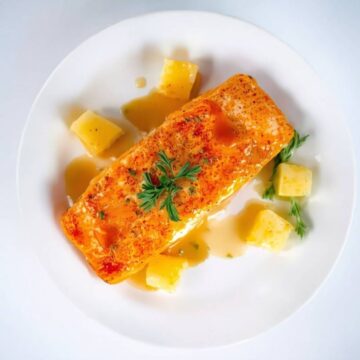
HONEY PINEAPPLE SALMON
Ingredients
- 4 salmon fillets about 6 oz each
- 1 cup pineapple juice
- ¼ cup honey
- 2 tablespoons soy sauce
- 2 cloves garlic minced
- 1 tablespoon fresh ginger grated
- 1 tablespoon olive oil
- Salt and pepper to taste
- Pineapple chunks optional, for garnish
- Fresh parsley or green onions optional, for garnish
Instructions
Prepare the Sauce:
- In a small bowl, whisk together pineapple juice, honey, soy sauce, garlic, and ginger.
Cook Salmon:
- Heat olive oil in a large skillet over medium heat. Season salmon fillets with salt and pepper. Cook salmon skin-side down for 4–5 minutes until crispy, then flip.
Add Sauce:
- Pour the pineapple sauce over the salmon. Reduce heat to low and simmer for 5–7 minutes, spooning sauce over the salmon as it cooks. The sauce will thicken slightly.
Serve:
- Remove salmon from heat. Garnish with pineapple chunks and fresh parsley or green onions if desired. Serve hot with rice or vegetables.
Notes
- Make Ahead: Prepare the sauce in advance to save time when cooking.
- Customizing the Flavor: Add a pinch of red pepper flakes for a spicy kick.
- Serving Suggestions: Serve with steamed rice and sautéed greens for a balanced meal.
- Allergy-Friendly Options: Use tamari instead of soy sauce for gluten-free.
- Storage Tips: Store leftovers in an airtight container in the fridge for up to 2 days.
If you liked this, here are a few more recipes from the site worth trying:
- Honey Glazed Ham (Sweet, Sticky Holiday Centerpiece) — same sweet-savoury glaze energy, scaled up for a crowd
- Creamy One Pot Sundried Tomato White Beans — a great vegetarian weeknight option that comes together just as fast
- Authentic Southern Hoppin' John — hearty, simple, and genuinely satisfying on a cold night
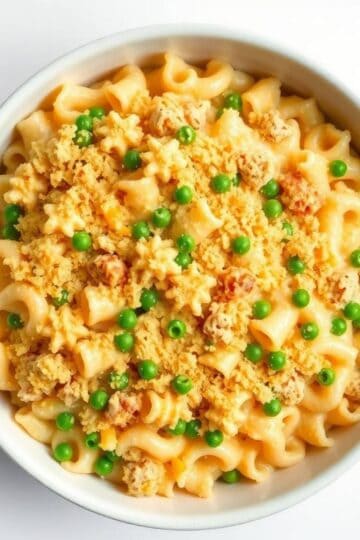
- Mac and Cheese Casserole (Creamy, Cheesy, Golden Baked) — what my kids ask for when they've decided fish is not happening
- Two-Ingredient Coconut Macaroons — a quick dessert that uses pantry staples, good for after a light dinner like this one


Comments
No Comments