
I didn't grow up eating Southeast Asian curries. My mother made saalan with mustard oil and whole spices, and that's what I thought curry meant. The first time I ordered coconut fish curry at a restaurant, I genuinely didn't know what to expect — and then I ate the whole bowl and sat there trying to reverse-engineer it. That was about four years ago. Now I make it on weeknights like it's nothing.
What I love about this recipe is that it comes together in one pot and takes about 30 minutes start to finish. The base is garlic, ginger, lemongrass, and shallots cooked down in a little oil until your kitchen smells incredible — and then coconut milk goes in with lime juice, fish sauce, and a spoonful of red curry paste. The fish poaches right in that sauce, which keeps it moist and means every bite is saturated with flavor. I use cod most often because it's easy to find at any grocery store, but tilapia or snapper work just as well.
My husband loves this over jasmine rice with extra lime squeezed on top. I usually make a double batch because the sauce is the kind of thing you want to keep eating even after the fish is gone. If you're looking for another easy weeknight dinner that doesn't require much cleanup, my Garlic Butter Chicken with Lemon Parmesan Pasta gets the same treatment in our house — one pan, one pot, done.
One thing I'll warn you about: fresh lemongrass can be tricky if you've never prepped it before. You need to peel off the tough outer layers, then smash the stalk hard with the flat side of your knife before chopping it. That smashing step is what releases the oils. I skipped it my first time and the flavor was flat. Don't skip it.
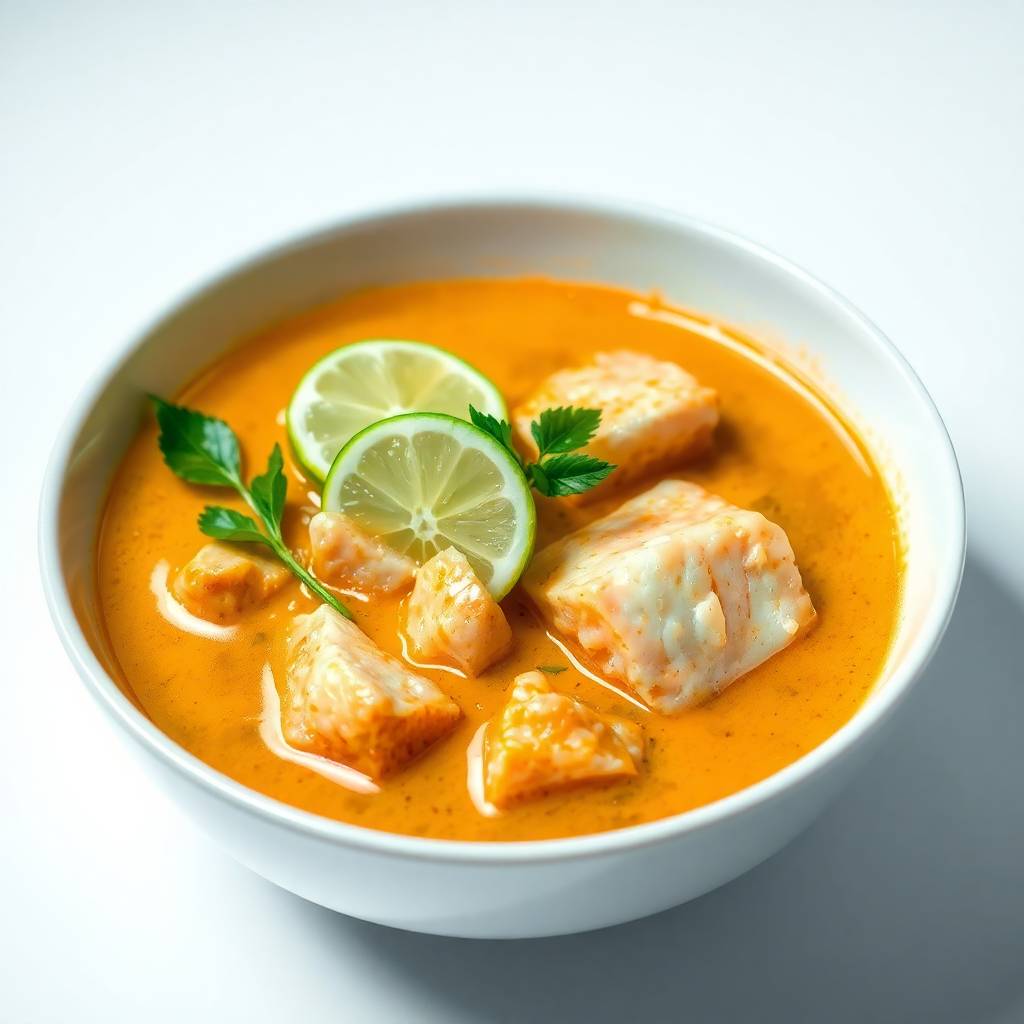
Why You'll Love This Recipe
- It's genuinely fast: I have this on the table in 30 minutes, and that includes prep. The fish cooks directly in the sauce, so there's no separate step where you're managing two things at once. On a Tuesday when everyone's hungry and tired, that matters more than I can explain.
- One pot, minimal mess: Everything happens in a single large pot or deep skillet. I'm not washing a cutting board, a sauté pan, and a saucepan at 9pm. You build the aromatics, add the liquid, add the fish — that's it. The cleanup takes about five minutes.
- The sauce is the star: Even before the fish goes in, that coconut-lime-lemongrass broth is something I want to eat with a spoon. It's tangy and a little sweet and has this background warmth from the curry paste that builds as you eat. I've poured it over rice noodles when I didn't have enough fish and it still worked beautifully.
- Easy to control the heat: My husband wants it spicy. I want something Zainab will actually eat. Red curry paste is the lever you pull — use 1 teaspoon for mild, 2 tablespoons if you want real heat. You can also add sliced fresh chilies at the end for the spice lovers at your table without making the whole pot fiery.
- Works with whatever fish you have: Cod, tilapia, snapper, even catfish — mild white fish all work here. I've used frozen cod fillets thawed overnight in the fridge and it was completely fine. You don't need to go to a specialty market; whatever's affordable at your regular grocery store works.
Ingredients
- 4 white fish fillets (cod, tilapia, or snapper — about 1.5 lbs total), cut into bite-sized pieces
- 2 tablespoons vegetable oil
- 1 medium onion, finely chopped
- 3 cloves garlic, minced
- 1 tablespoon fresh ginger, grated
- 1 stalk lemongrass, tough outer layers removed, smashed and finely chopped
- 1 to 2 tablespoons Thai red curry paste (adjust to your heat preference)
- 1 can (14 oz) full-fat coconut milk
- 1 cup fish stock or water
- 2 tablespoons fresh lime juice (from about 1 large lime)
- Zest of 1 lime
- 1 tablespoon fish sauce (or soy sauce / tamari for a gluten-free swap)
- 1 teaspoon sugar
- Salt and pepper to taste
- 2 tablespoons fresh cilantro or Thai basil, chopped (for garnish)
- Lime wedges for serving
Directions
- Step 1: Prep the fish. Cut your fish fillets into roughly 2-inch pieces and season lightly with salt and pepper. Set them aside on a plate. Keeping them at room temperature for a few minutes while you build the sauce means they'll cook more evenly once they go into the pot.
- Step 2: Build the aromatic base. Heat 2 tablespoons of vegetable oil in a large pot or deep skillet over medium heat. Add the chopped onion and cook for 3 to 4 minutes until softened and just starting to go golden at the edges. Add the garlic, ginger, and smashed lemongrass and cook for another 1 to 2 minutes, stirring constantly, until the kitchen smells really good. Don't rush this step — it's the foundation of the whole dish.
- Step 3: Add the curry paste and coconut milk. Stir in the red curry paste and let it cook for about 30 seconds with the aromatics before pouring in the coconut milk and fish stock (or water). Stir everything together so the paste dissolves fully into the liquid. Add the lime juice, lime zest, fish sauce, and sugar. Bring to a gentle simmer and cook for 10 to 15 minutes uncovered, letting the sauce thicken slightly and the flavors come together.
- Step 4: Taste and adjust. Before adding the fish, taste the sauce. This is the moment to fix the balance — a little more lime if it needs brightness, a pinch more sugar if it's too tart, a splash more fish sauce if it needs salt. Getting the sauce right before the fish goes in means you won't be fussing once the clock is ticking.
- Step 5: Poach the fish. Gently lower the fish pieces into the simmering sauce. Don't boil — keep it at a steady, quiet simmer. Cook for 5 to 7 minutes, or until the fish is opaque all the way through and flakes easily when you press it with a fork. It will continue cooking slightly from residual heat after you turn it off, so pull it just at the flaky stage.
- Step 6: Serve. Ladle the curry into bowls over jasmine rice or rice noodles. Scatter fresh cilantro or Thai basil on top, add a lime wedge on the side, and eat it while it's hot.
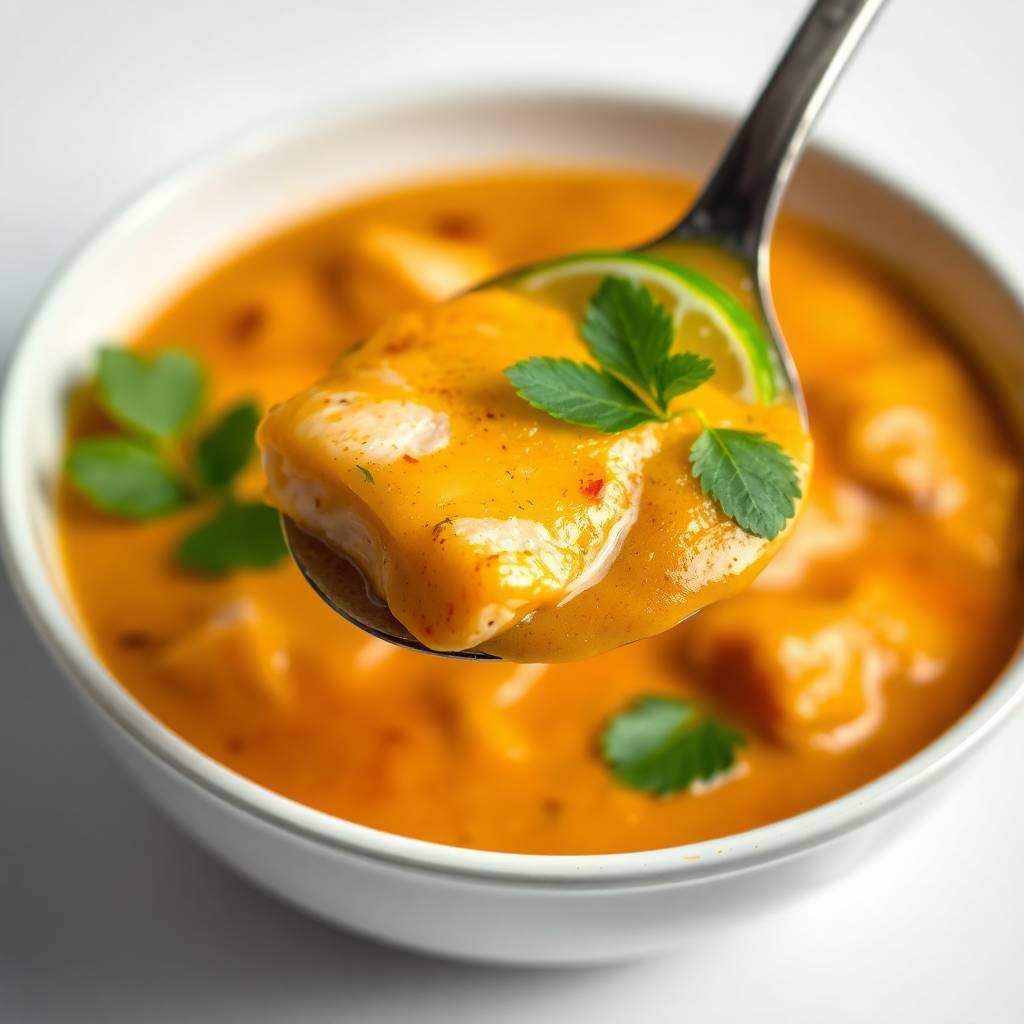
Tips for Success
- Smash the lemongrass before you chop it: Lay the trimmed stalk flat on your cutting board and whack it hard with the flat side of your knife. You'll hear it crack open. This breaks the fibers and releases the essential oils that give the dish its citrusy, herbal aroma. I didn't do this the first time and the sauce tasted noticeably flat. It's a 10-second step that makes a real difference.
- Never boil once the coconut milk is in: A hard boil makes coconut milk separate and go grainy. Keep it at a gentle simmer — you want to see small bubbles breaking the surface, not a rolling boil. If you notice the sauce starting to look oily or curdled, lower the heat immediately and stir. It usually comes back together.
- Pull the lemongrass pieces before serving: Lemongrass is aromatic and flavorful but the woody texture is not pleasant to bite into. I fish out the larger pieces with a spoon before I add the fish. You can also tie the lemongrass stalk into a knot before adding it to the pot — makes it easier to remove in one go.
- Use full-fat coconut milk: I tried this once with the light version from Trader Joe's and the sauce was noticeably thinner and less satisfying. Full-fat is what gives the curry that silky, rich consistency. The calorie difference for one meal is not worth sacrificing the texture.
- Don't overcrowd the pot: If your fish pieces are piled on top of each other in the sauce, they'll steam unevenly. Spread them out in a single layer as best you can. If your pot is small, cook the fish in two batches — take the first batch out, set aside, then finish the second batch and combine at the end to warm through.
Variations
- Add shrimp instead of (or alongside) fish: Peeled and deveined shrimp work beautifully in this sauce. They cook even faster than fish — about 3 to 4 minutes — so add them toward the end. I've done half shrimp, half cod when I had odds and ends in the freezer. It works really well and makes the dish feel a bit more special.
- Use green curry paste for a different flavor: Red curry paste gives a warmer, slightly smokier heat. Green curry paste is brighter and more herbal — almost grassy. Both work with the coconut-lime base, they just take the dish in a slightly different direction. Green curry version with shrimp is genuinely excellent if you want to try it.
- Make it vegan with tofu: Swap the fish for firm tofu cut into cubes, and use soy sauce or tamari in place of fish sauce. Tofu doesn't need as long — just 4 to 5 minutes in the simmering sauce. It won't flake the way fish does, but it absorbs the sauce flavor well. I've served this version to guests who don't eat seafood and they cleaned their bowls.
- Add vegetables to the sauce: A handful of baby spinach stirred in at the end wilts beautifully and adds color. Bell peppers (sliced thin) can go in when you add the coconut milk. Bok choy cut in half lengthwise also works well — add it in the last 3 minutes of simmering so it stays slightly crisp. This is a good way to stretch the dish further if you're feeding more people.
- Pakistani-style twist: I sometimes add a pinch of turmeric and a teaspoon of ground coriander to the aromatic base, and finish with a handful of fresh cilantro and a squeeze of lemon alongside the lime. It's not traditional Thai by any measure — it's my own cross between Pakistani masala instincts and Southeast Asian technique. My husband actually prefers this version, and honestly so do I on most nights.
Serving and Storage
Serving
Serve hot over steamed jasmine rice — it's the best vehicle for soaking up the sauce. Rice noodles are a close second. I set out lime wedges, extra cilantro, and a small dish of sliced fresh chilies on the table so everyone can finish their bowl the way they like it. If you're serving this to guests and want to round out the meal, my Stuffed Seafood Soup Bread Bowl is another seafood dish that goes over really well at the table. For a simpler weeknight spread, a side of sautéed bok choy or steamed broccoli is all you need.
Storage
Store leftovers in an airtight container in the refrigerator for up to 2 days. The fish will continue to firm up as it sits in the sauce, so when you reheat it, do it gently over low heat — don't bring it to a boil or the fish will toughen. If you want to get ahead, you can make the curry sauce up to 2 days in advance and refrigerate it, then add fresh fish when you're ready to serve. That's actually my preferred method when I know a busy week is coming. I don't recommend freezing the finished curry with the fish already in it; the texture suffers. Freeze the sauce alone if you need to.
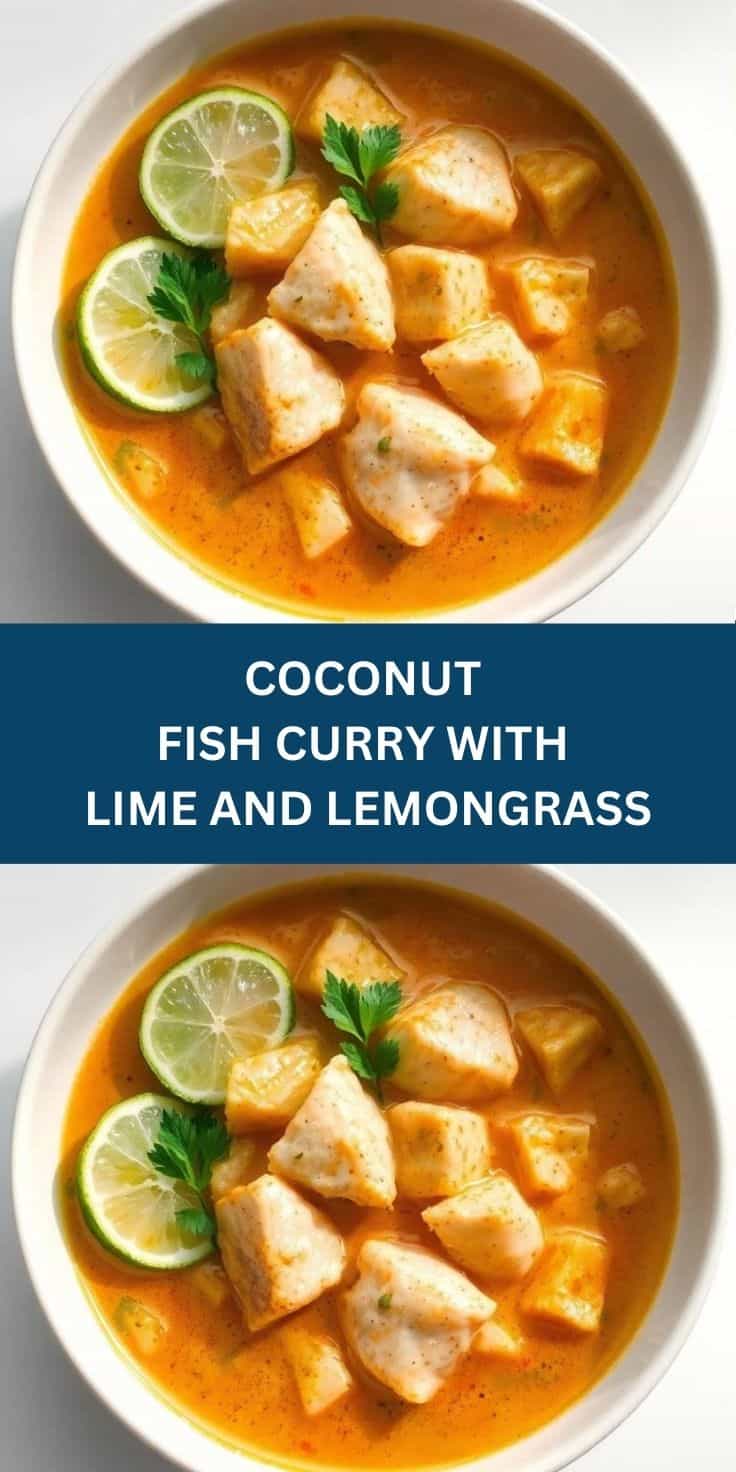
Frequently Asked Questions
Can I make the sauce ahead of time?
Yes, and I actually recommend it for busy nights. Make the curry sauce through the simmering step, let it cool, and refrigerate for up to 2 days. When you're ready to eat, reheat it gently over medium-low, then drop the fish in and cook from there. The sauce actually deepens in flavor overnight.
What's the best fish to use for this curry?
Mild white fish works best — cod, tilapia, snapper, or catfish are all good choices. Avoid strongly flavored fish like salmon or mackerel; they'll fight with the lemongrass and lime rather than absorb them. I use whatever looks fresh and affordable at my grocery store, which is usually cod or tilapia.
I can't find fresh lemongrass — what can I use instead?
Lemongrass paste from a tube works well and is available at most large supermarkets — look for it in the produce section near the fresh herbs. Use about 1 tablespoon of paste in place of one fresh stalk. In a real pinch, a combination of lemon zest and a little extra lime zest will get you some of that citrusy brightness, though it won't be quite the same.
Can I freeze the leftover curry?
Freeze the sauce on its own — yes, that works well for up to a month. Freeze it with the cooked fish already in it, and the texture of the fish becomes mushy and unpleasant when thawed. If I have leftover sauce after the fish is gone, I freeze it in a zip-lock bag flat in the freezer and use it as a quick base another time.
How do I make this less spicy for kids?
Use just 1 teaspoon of red curry paste or skip it entirely and add a pinch of turmeric and ground coriander instead for color and warmth without heat. The coconut milk already tones down spice significantly, so even a tablespoon of mild curry paste is usually fine for most kids. Zainab eats this version without complaint, which is saying something.
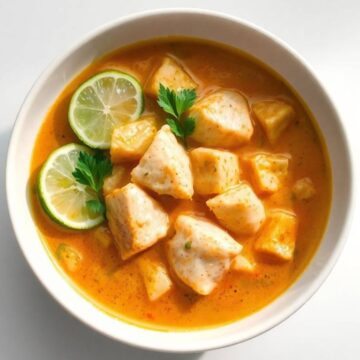
COCONUT FISH CURRY WITH LIME AND LEMONGRASS
Ingredients
For the Curry:
- 4 white fish fillets such as cod, tilapia, or snapper
- 2 tablespoons vegetable oil
- 1 medium onion finely chopped
- 3 cloves garlic minced
- 1 tablespoon grated fresh ginger
- 1 stalk lemongrass smashed and chopped
- 1 can 14 oz coconut milk
- 1 cup fish stock or water
- 2 tablespoons lime juice
- Zest of 1 lime
- 1 tablespoon fish sauce
- 1 teaspoon sugar
- Salt and pepper to taste
- 2 tablespoons fresh cilantro chopped (for garnish)
Instructions
Prepare the Fish:
- Cut the fish fillets into bite-sized pieces. Season lightly with salt and pepper. Set aside.
Cook the Aromatics:
- In a large pot, heat vegetable oil over medium heat. Add the chopped onion and sauté for 3-4 minutes, until softened. Add the garlic, ginger, and smashed lemongrass, and cook for another 1-2 minutes until fragrant.
Make the Curry Sauce:
- Pour in the coconut milk and fish stock (or water), stirring to combine. Add lime juice, lime zest, fish sauce, and sugar. Bring the mixture to a simmer and cook for 10-15 minutes, allowing the flavors to meld and the sauce to thicken slightly.
Cook the Fish:
- Add the fish pieces to the pot and cook for 5-7 minutes, or until the fish is fully cooked and flakes easily with a fork. Taste the curry and adjust seasoning with salt and pepper as needed.
Serve:
- Serve the curry hot, garnished with fresh chopped cilantro. Pair with steamed jasmine rice or a side of vegetables for a complete meal.
Notes
You can prepare the curry sauce and refrigerate it for up to 2 days. When ready to serve, heat it and add the fish. Customizing the Flavor:
For a spicier version, add sliced fresh chilies or a teaspoon of red curry paste. If you prefer a thicker curry, reduce the coconut milk by simmering it longer. Serving Suggestions:
Pair with jasmine rice, basmati rice, or a side of sautéed greens like spinach or bok choy for a complete meal. Allergy-Friendly Options:
Ensure the fish sauce is gluten-free if you need a gluten-free version. You can substitute with tamari or coconut aminos. Storage Tips:
Store any leftover curry in an airtight container in the fridge for up to 2 days. Reheat gently on the stove over low heat.
This is one of those recipes I keep coming back to because it never feels like a compromise. It's fast enough for a weeknight but it tastes like something you thought about — the kind of meal where someone at the table asks what's in it. I make it most often on Thursdays when I'm tired and the fridge is getting empty, and it reliably saves the evening.
I'm not going to pretend this is an authentic Thai recipe — it's my version, built from restaurant meals I liked and adapted to ingredients I can actually




Comments
No Comments