
I've made a lot of pasta in my kitchen, but this creamy sausage rigatoni is the one my husband keeps requesting on Friday nights. There's something about the combination of browned Italian sausage and that tomato cream sauce clinging to the ridges of rigatoni that just works — it's rich without being heavy, and it comes together in about 30 minutes, which matters a lot on the nights when I'm already exhausted.
What makes this version different from a lot of recipes I've seen is the chicken broth in the sauce. I accidentally grabbed the broth instead of more cream once and decided to keep it — it adds a little body and savory depth that straight cream alone doesn't give you. The ratio I landed on after a few tries is one cup cream to half a cup of broth, and I haven't changed it since. This isn't some fancy Italian restaurant recipe; it's my adaptation, and I'll be honest about that.
My husband could eat this twice a week. Saad, my son, picks out the sausage pieces first (every time, without fail), and Zainab goes straight for the pasta. I usually make a full pound of rigatoni on weekends because the 12-ounce batch disappears before anyone's even sat down properly. If you're feeding more than three or four people, double it — you won't regret it. On nights when I want something heartier and soupier, I'll make my Tuscan White Bean Soup instead, but this rigatoni is what I reach for when I want something that feels indulgent.
One thing to know going in: don't walk away when the cream goes into the pan. I've let it go too long on high heat twice and the sauce broke — it got greasy and grainy instead of smooth. Keep it on low-medium and stir it. Also, pull the pasta out of the water about a minute before the package says, because it finishes cooking in the hot sauce and you don't want mush.
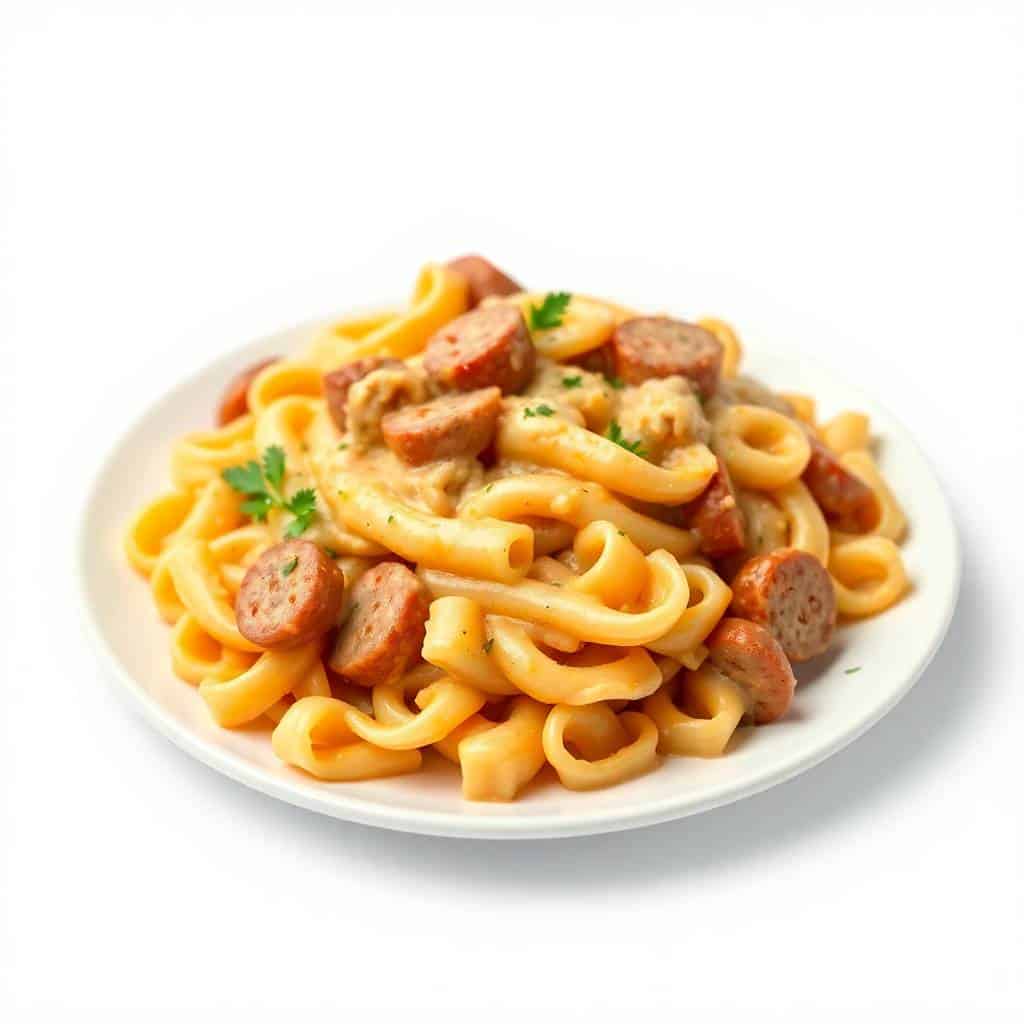
Why You'll Love This Recipe
- It's genuinely fast: From cold pan to table, this is 30 minutes on a normal weeknight. I'm not counting any soaking or marinating — you just start cooking and you're done. The pasta cooks while the sausage browns, and the sauce simmers while you drain the rigatoni. Everything lines up without any juggling.
- One skillet, one pot: I cook the pasta in a pot and everything else in a large skillet, so cleanup is two things. No roasting pan, no separate sauce pan, no baking dish. On a weeknight that matters more than it sounds.
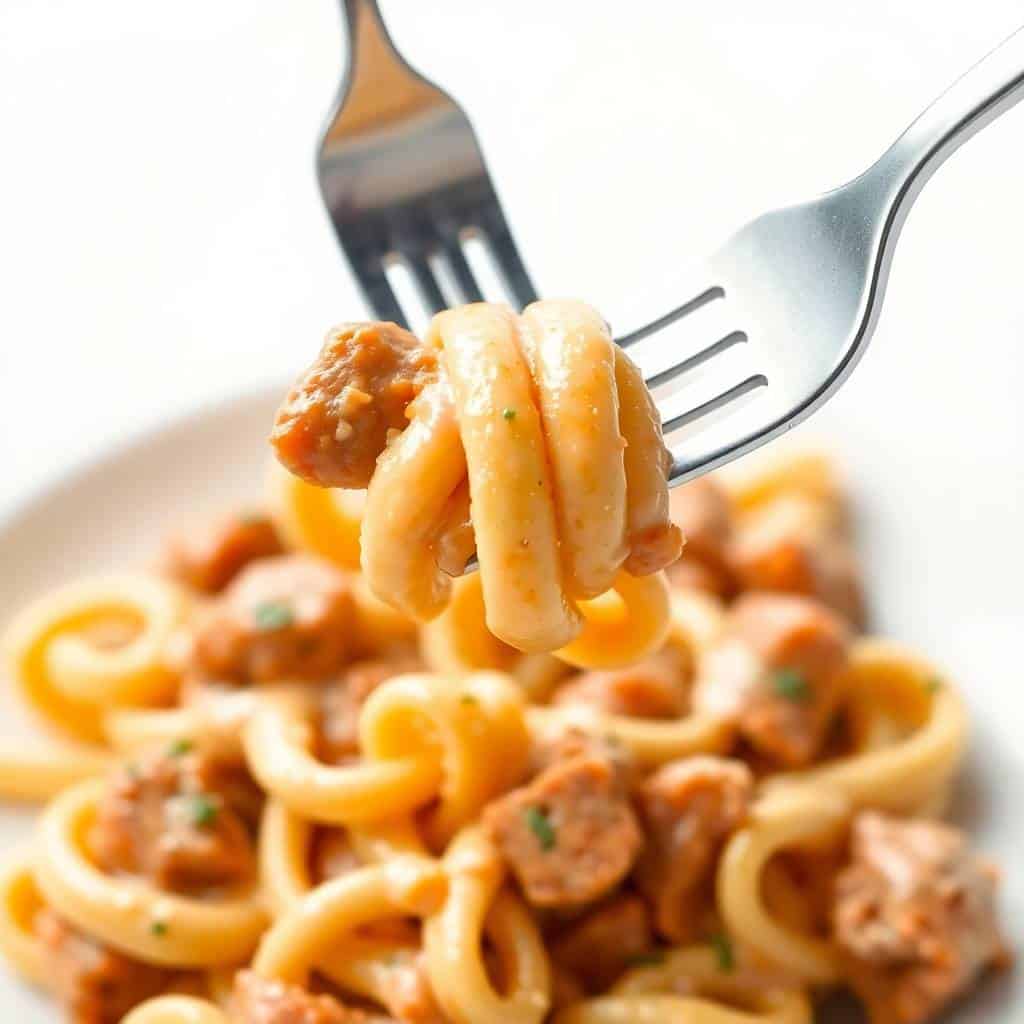
- The sauce actually sticks to the pasta: Rigatoni is not an accident here — those tubes and ridges grab the sauce in a way that penne sometimes doesn't. When you lift a forkful, the sauce comes with it instead of pooling at the bottom of the bowl. I've tried this with spaghetti and it's just not the same.
- Leftovers actually reheat well: A lot of cream sauces turn into a curdled mess the next day. This one holds together because of the broth-to-cream ratio. I reheat it in a skillet with a small splash of cream or broth, low heat, and it comes back to almost exactly what it was the night before. Zainab takes it to school in her thermos.
- You can find everything at any grocery store: Rigatoni, Italian sausage, a can of tomato sauce, heavy cream, Parmesan — all of this is at Walmart, Aldi, or any regular supermarket. Nothing requires a specialty store. I usually grab the Italian sausage from Costco when I'm buying in bulk and freeze half.
Ingredients
- 12 oz rigatoni pasta
- 1 tablespoon olive oil
- 1 lb Italian sausage, mild or spicy, casings removed
- ½ small onion, finely chopped
- 3 cloves garlic, minced
- 1 teaspoon Italian seasoning
- ½ teaspoon crushed red pepper flakes (optional — skip if you're cooking for kids who don't like heat)
- 1 (15 oz) can tomato sauce
- 1 cup heavy cream
- ½ cup chicken broth
- ½ cup grated Parmesan cheese (freshly grated if you can — pre-shredded from a bag doesn't melt as cleanly)
- Salt and black pepper to taste
- Fresh basil or parsley for garnish (optional)
Directions
- Cook the rigatoni: Bring a large pot of well-salted water to a boil and cook the rigatoni about one minute less than the package says — it'll finish in the sauce. Before you drain it, scoop out about half a cup of the starchy pasta water and set it aside. You may not need it, but it's useful if the sauce needs loosening later.
- Brown the sausage: Heat olive oil in a large skillet over medium heat. Add the sausage and break it up with a wooden spoon as it cooks. Let it get properly browned in spots — don't rush this part, it takes about 6–7 minutes. The browned bits at the bottom of the pan are flavor.
- Sauté the aromatics: Add the chopped onion to the skillet and cook until softened, about 3 minutes. Stir in the garlic, Italian seasoning, and red pepper flakes if using. Cook for one more minute — just until the garlic is fragrant but not browned.
- Build the sauce: Pour in the tomato sauce, heavy cream, and chicken broth. Stir everything together and bring to a gentle simmer over low-medium heat. Let it simmer for 5–7 minutes, stirring occasionally, until the sauce thickens slightly and the cream and tomato have fully combined. Don't let it boil hard.
- Add the pasta and cheese: Add the drained rigatoni directly to the skillet and toss to coat everything. Stir in the Parmesan and let it melt into the sauce for about a minute. If the sauce feels too thick, add a splash of that reserved pasta water. Taste and season with salt and pepper.
- Serve: Plate it up straight from the skillet and top with more Parmesan and some torn fresh basil or parsley. Serve immediately — this is at its best hot.
Tips for Success
- Don't skip the pasta water: I know it sounds like something you'll remember and then forget (I did, many times), but a splash of starchy pasta water right at the end is what saves the sauce if it's gotten too thick or started to separate. Keep a measuring cup near the pot and scoop before you drain. It takes five seconds and you'll be glad you did.
- Keep the heat low when you add the cream: The first time I made this I had the burner on medium-high and the cream started to separate — you get that oily, grainy look instead of a smooth sauce. Drop the heat to low before you pour in the cream and broth. Patience here saves the whole dish.
- Let the sausage actually brown: There's a temptation to keep stirring the sausage constantly so it doesn't stick. Resist it. Let it sit for a minute or two at a time so it gets color. Those brown bits are where the flavor comes from — they dissolve into the sauce when you add the liquid and make everything taste deeper and more complex.
- Grate the Parmesan fresh if you can: I learned this the hard way — the pre-shredded stuff in the green can or the resealable bag has anticaking agents in it that make the cheese clump instead of melt smoothly into the sauce. A block of Parmesan from the cheese aisle and a box grater takes two minutes and makes a noticeable difference. If all you have is the pre-shredded, it still works, just stir it in slowly over low heat.
- Use a large skillet — larger than you think you need: When I first made this I used a 10-inch skillet and ran out of room when the pasta went in. Get a 12-inch skillet or the biggest one you have. Everything needs to toss together comfortably or you end up with sauce on the stovetop and pasta falling out onto the counter. A basic heavy skillet from any store works fine — you don't need anything fancy.
Variations
- Spicy version: Use hot Italian sausage instead of mild and double the red pepper flakes. My husband adds a pinch more chili on his plate after serving. The tomato cream base handles heat really well — it softens it without killing it. This is the version I make when it's just the two of us after the kids are in bed.
- Add mushrooms: Sauté sliced cremini mushrooms in the same skillet right after browning the sausage, before you add the onion. They release water as they cook, so give them a few minutes to cook down before adding anything else. It adds an earthy depth to the sauce that I really like — this is my go-to when I want the dish to feel a bit more substantial.
- Chicken sausage swap: If you want something slightly lighter, chicken or turkey Italian sausage works in this recipe. The flavor is a little milder, so lean into the seasoning — an extra pinch of Italian seasoning and a little more garlic helps. It's a good weeknight swap when I don't have regular Italian sausage on hand.
- Stir in spinach: A big handful of fresh baby spinach stirred in right at the end — after the pasta is in the sauce but before you serve — wilts down in about 90 seconds and adds color without changing the flavor much. It's a good way to get a vegetable into dinner without anyone complaining about it.
- Different pasta shape: If you can't find rigatoni, penne is the closest substitute — same tube shape, holds sauce similarly. Ziti works too. I've made it with fusilli in a pinch and it was fine, just a different texture. Avoid long pasta like spaghetti or linguine here; the sauce is too chunky to cling properly to thin noodles. On nights when I'm doing a full Italian-themed dinner I sometimes follow this with a slice of my Coconut Ricotta Cloud Cake — the ricotta in it is a nice echo of the Italian flavors.
Serving and Storage
Serving
Serve this straight from the skillet while it's hot — the sauce tightens up as it cools and it's just not the same reheated as it is right off the stove. I always put extra grated Parmesan on the table because everyone in my house adds more. A green salad on the side works well, or some garlic bread to soak up the sauce at the bottom of the bowl. In Pakistan we'd naturally serve something like this with bread rather than a side salad, and honestly garlic bread wins every time. If I'm doing a full dinner spread, I sometimes start with a bowl of Cabbage Soup — it's light enough that it doesn't compete with the richness of the pasta.
Storage
Store leftovers in an airtight container in the fridge for up to 3–4 days. When reheating, do it on the stovetop over low heat rather than the microwave — add a small splash of cream or chicken broth and stir as it warms up, otherwise the sauce gets thick and gluey. The microwave works in a pinch but the texture suffers. I don't recommend freezing this one; cream sauces tend to separate when thawed and the pasta gets mushy.
Frequently Asked Questions
Can I make the sauce ahead of time?
Yes, and it actually works really well. Cook the sausage, build the sauce, and refrigerate it for up to 2 days. When you're ready to eat, reheat the sauce gently in a skillet over low heat, then cook fresh pasta and toss it in. I do this on nights when I know dinner has to be fast — the sauce is already done, the pasta takes 12 minutes, and we're eating in 15.
Can I use a different type of pasta?
Penne is the closest swap — same tube shape, holds the sauce well. Ziti works too. I've used fusilli when that's all I had and it was fine. I'd stay away from long noodles like spaghetti or linguine because the chunky sausage sauce doesn't cling well to them. The ridged, tube-shaped pastas are really the best fit here.
Can I freeze creamy sausage rigatoni?
I wouldn't recommend it. Cream-based sauces tend to separate when frozen and thawed, and the pasta goes soft. If you want to prep ahead for freezing, freeze just the sausage and sauce without the pasta, then thaw, reheat, and cook fresh rigatoni to toss in. That works much better than freezing the finished dish.
What can I use instead of heavy cream?
Half-and-half will work but the sauce will be thinner and less rich — not bad, just lighter. Full-fat coconut cream is an option if you're dairy-free, though it adds a faint sweetness that changes the flavor profile. If you go that route, skip the Parmesan too and maybe add a little extra Italian seasoning to compensate. It won't taste the same, but it'll still be good.
How do I stop the sauce from breaking or getting oily?
Low heat is the answer. I ruined a batch once by keeping the heat too high after adding the cream — it split into an oily mess. Add the cream and broth after you've turned the heat down to low-medium, then stir consistently while it simmers. Also add the Parmesan off the heat or right at the end with the burner on its lowest setting. High heat is what makes cheese clump and cream separate.
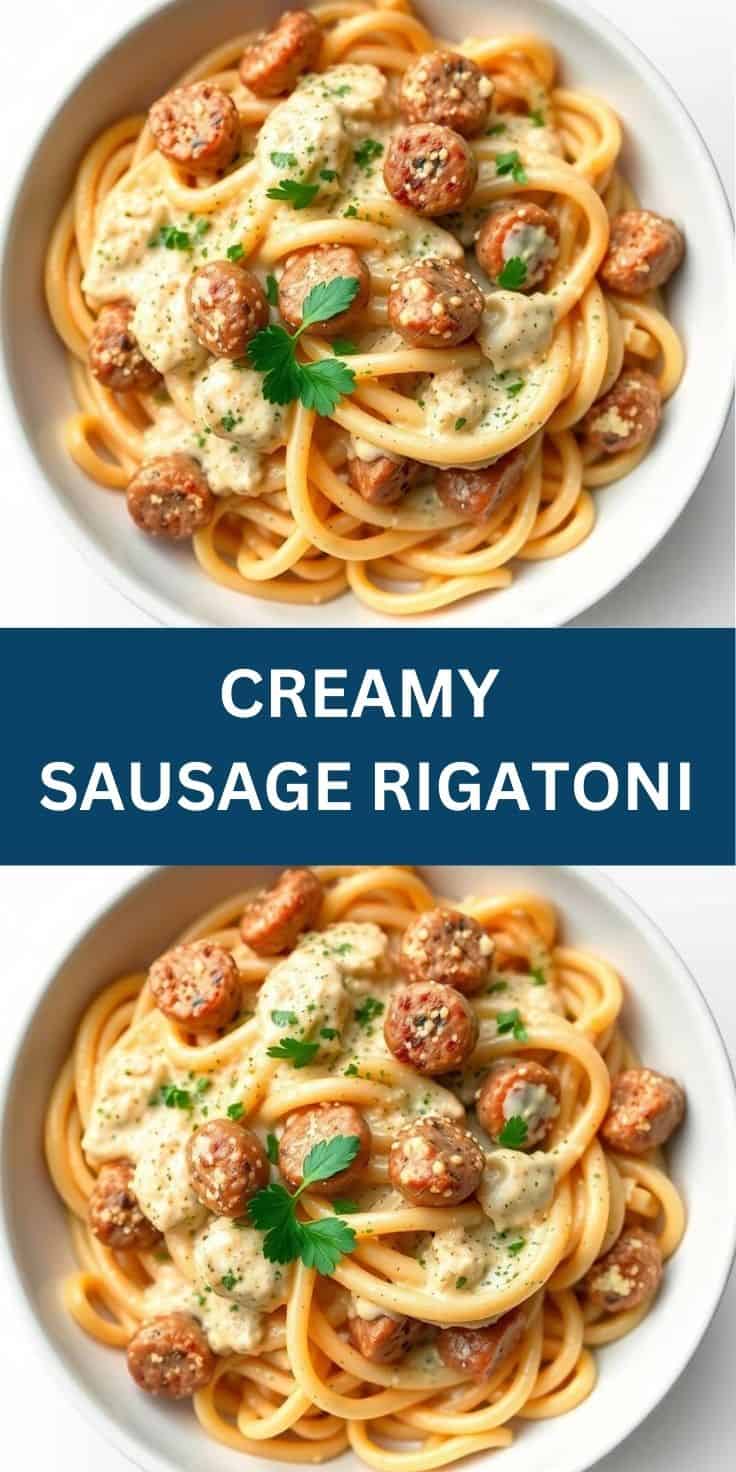
CREAMY SAUSAGE RIGATONI
Ingredients
For the Pasta:
- 12 oz rigatoni pasta
- 1 tablespoon olive oil
- 1 lb Italian sausage mild or spicy, casings removed
- ½ onion finely chopped
- 3 cloves garlic minced
- 1 teaspoon Italian seasoning
- ½ teaspoon crushed red pepper flakes optional
- 1 cup heavy cream
- ½ cup chicken broth
- ½ cup grated Parmesan cheese
- Salt and black pepper to taste
- Fresh basil or parsley for garnish
Instructions
Cook the Pasta:
- Bring a large pot of salted water to a boil. Cook rigatoni according to package directions until al dente. Drain and set aside.
Cook the Sausage:
- In a large skillet, heat olive oil over medium heat. Add sausage and cook until browned, breaking it apart. Add onion and cook until softened. Stir in garlic, Italian seasoning, and red pepper flakes.
Make the Sauce:
- Reduce heat to low. Add cream and chicken broth to the skillet. Simmer for 3–5 minutes. Stir in Parmesan cheese until melted and smooth.
Combine and Serve:
- Add cooked rigatoni to the sauce. Toss to coat evenly. Season with salt and pepper. Garnish with fresh basil or parsley and more Parmesan, if desired.
Notes
Cook sausage and sauce ahead of time, then reheat and add freshly cooked pasta when ready to serve. Variations:
Use penne or ziti instead of rigatoni. Swap Italian sausage for turkey or chicken sausage for a lighter version. Serving Suggestions:
Pair with garlic bread and a green salad for a complete meal. Storage Tips:
Store leftovers in an airtight container in the refrigerator for up to 3 days. Reheat gently on the stove with a splash of cream or broth.
This rigatoni has become a regular in my kitchen rotation for good reason — it's fast, it uses ingredients I almost always have on hand, and it's one of those dinners where everyone sits down and actually eats without complaints. That doesn't happen every night in my house, so when a recipe manages it consistently, I keep it around. The tomato cream sauce with the browned sausage is just a combination that works, and I haven't found a reason to mess with it much beyond what's in this post.
If you're looking for more cozy, one-pan dinners that come together on a weeknight without much effort, my French Onion Beef and Noodles is in a similar spirit — rich, savory, and very satisfying. And if you're planning a full dinner from scratch, the Tuscan White Bean Soup is a light starter that pairs well before a pasta main.
I hope this one earns a regular spot in your kitchen the way it has in mine. Make it once and see how your family reacts — mine lets me know within about two minutes of the first bite whether something is getting made again. This one passed that test a long time ago. 🍝❤️
If you liked this recipe, these are worth a look too:




Comments
No Comments