
Catfish isn't something I grew up eating in Pakistan — I first tasted it at a neighbor's backyard fish fry a few years after we moved, and I've been trying to recreate that crunchy, golden crust ever since. It took me a few tries to get it right, but I finally landed on a ratio of cornmeal to flour and a buttermilk soak that gives you that thick, shattering crust the way I remembered it.
What makes this recipe work is the combination of cornmeal for crunch, flour for structure, and a buttermilk-egg dip that binds everything together. The seasoning in the coating does most of the heavy lifting — paprika, garlic powder, onion powder, a little cayenne if you want it. Catfish has a mild, slightly sweet flavor on its own, so the crust is where all the personality comes from. I use a regular heavy skillet, about an inch of oil, and a cheap candy thermometer I picked up at Walmart for under $10.
My husband is the one who pushed me to keep making this. He'll eat anything, but fried fish on a Friday night has become something of a ritual in our house. I usually serve it with coleslaw and whatever hot sauce we have open — sometimes with hush puppies if I'm feeling ambitious. If you're looking for another Southern-style appetizer to go alongside it, these Crawfish Beignets with Jalapeño Cheddar Dip pair beautifully with a fish fry spread.
One thing I'll warn you about upfront: the oil temperature matters more than anything else here. The first time I made this I guessed at the heat and ended up with catfish that was dark on the outside and underdone inside. Get a thermometer and keep the oil at 350°F — it makes a real difference. Everything else in this recipe is forgiving. The oil temperature is not.
Why You'll Love This Recipe
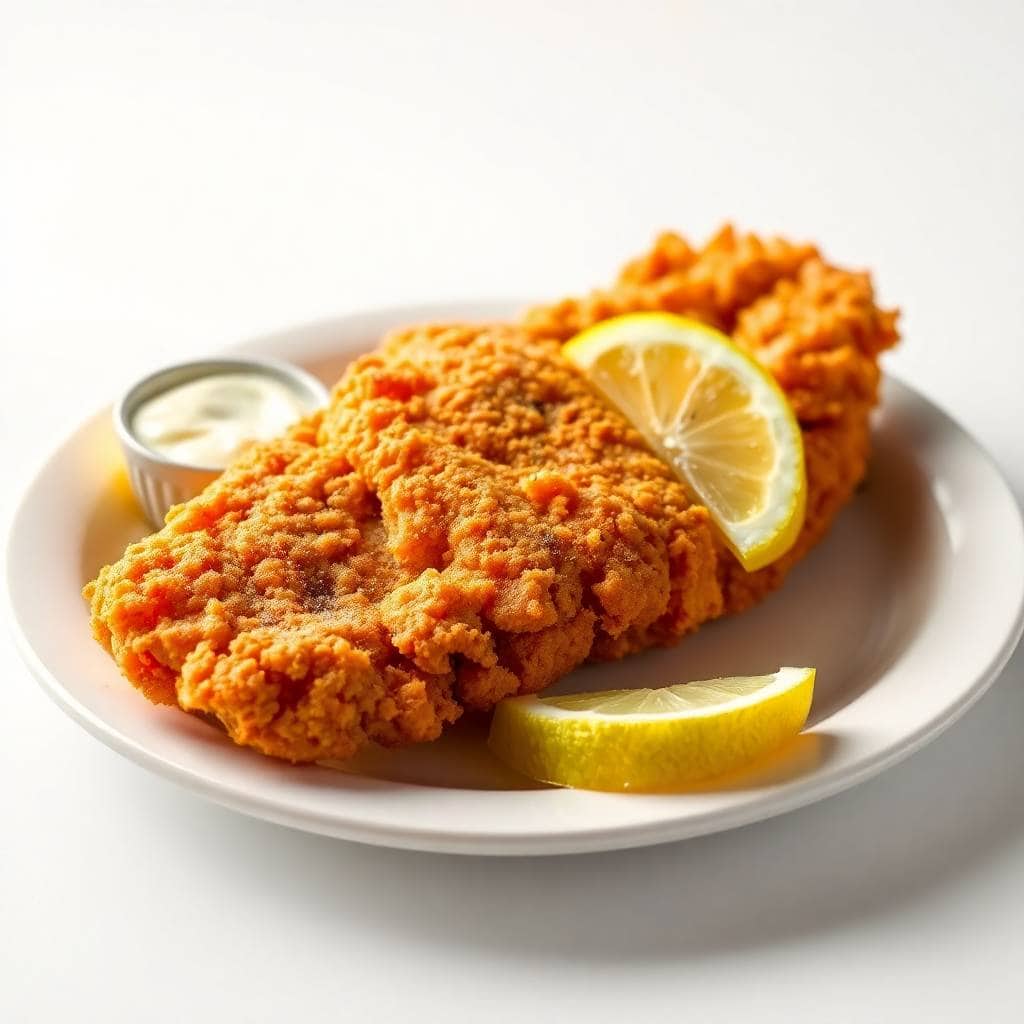
- That crust is genuinely crunchy: The cornmeal coating crisps up in a way that breadcrumbs never quite manage. It stays crunchy even as it cools down, which matters when you're frying in batches and the first pieces are waiting while you finish the rest. I've tried all-flour coatings and all-cornmeal coatings separately — the combination is better than either one alone.
- Everything comes from a normal pantry: Cornmeal, flour, a few spices, buttermilk, eggs, oil. There's nothing in this recipe you'd need to make a special trip for. I usually have all of it already, which means this can be a genuinely spontaneous dinner on a weeknight when I haven't planned anything.
- The fish itself is mild and forgiving: Catfish has a gentle flavor that doesn't taste "fishy" in the way that puts some people off. Even Zainab, who claims she doesn't like fish, will eat this with enough hot sauce. If you're cooking for picky eaters, this is a good starting point — serve it with ketchup, ranch, or tartar sauce and it feels familiar.
- Scales up easily for a crowd: I double the batch when we're having people over. The coating ratio scales perfectly and the process is the same — just fry in more batches. I keep the finished pieces warm in a 200°F oven on a wire rack while I work through the rest.
- One skillet, no special equipment: I don't use a deep fryer. A heavy cast iron skillet or any deep-sided pan works fine. You only need about an inch of oil, not a full pot of it. Cleanup is manageable, especially if you line your draining plate with paper towels ahead of time.
Ingredients
- 4 catfish fillets (about 6 oz each)
- 1 cup cornmeal
- 1 cup all-purpose flour
- 1 teaspoon paprika
- 1 teaspoon garlic powder
- 1 teaspoon onion powder
- ½ teaspoon cayenne pepper (optional — skip it or go up to ¾ teaspoon if you want real heat)
- 1 teaspoon salt
- ½ teaspoon black pepper
- 2 large eggs, beaten
- 1 cup buttermilk (see FAQ if you don't have any)
- Vegetable oil for frying
- Lemon wedges, for serving
Directions
- Pat the catfish dry: Rinse the fillets under cold water, then press them firmly with paper towels until the surface is dry. This step seems minor but it genuinely helps the coating stick. If the fish is wet, the buttermilk slides off and you get thin, patchy crust.
- Mix the coating: In a shallow dish — a pie plate works great — combine the cornmeal, flour, paprika, garlic powder, onion powder, cayenne, salt, and pepper. Stir everything together so the spices are evenly distributed throughout the dry mix.
- Make the wet dip: In a separate shallow dish, whisk together the beaten eggs and buttermilk until combined. This is what binds the coating to the fish, so make sure it's well mixed.
- Dredge the fillets: Dip each dry fillet into the buttermilk-egg mixture, letting the excess drip off for a few seconds, then press it firmly into the cornmeal coating on both sides. I press down a bit with my palm to make sure the coating really grabs onto the surface. Set coated fillets aside on a clean plate.
- Heat the oil: Pour about 1 inch of vegetable oil into a heavy skillet — cast iron is ideal, but any deep-sided pan works. Heat over medium-high until the oil reaches 350°F (175°C). Use a thermometer here; guessing doesn't work well with frying. If you drop a pinch of cornmeal in and it sizzles immediately, you're close.
- Fry in batches: Carefully lower fillets into the hot oil — don't crowd the pan. Two fillets at a time in a standard 12-inch skillet is usually right. Fry for 4 to 5 minutes per side until deep golden brown and crispy. Resist the urge to move them around while they fry; let the crust set before you flip.
- Drain and serve: Transfer fried fillets to a wire rack set over a sheet pan, or onto a paper towel-lined plate. A wire rack keeps the bottom crust crispy instead of steaming it soft. Serve hot with lemon wedges.
Tips for Success
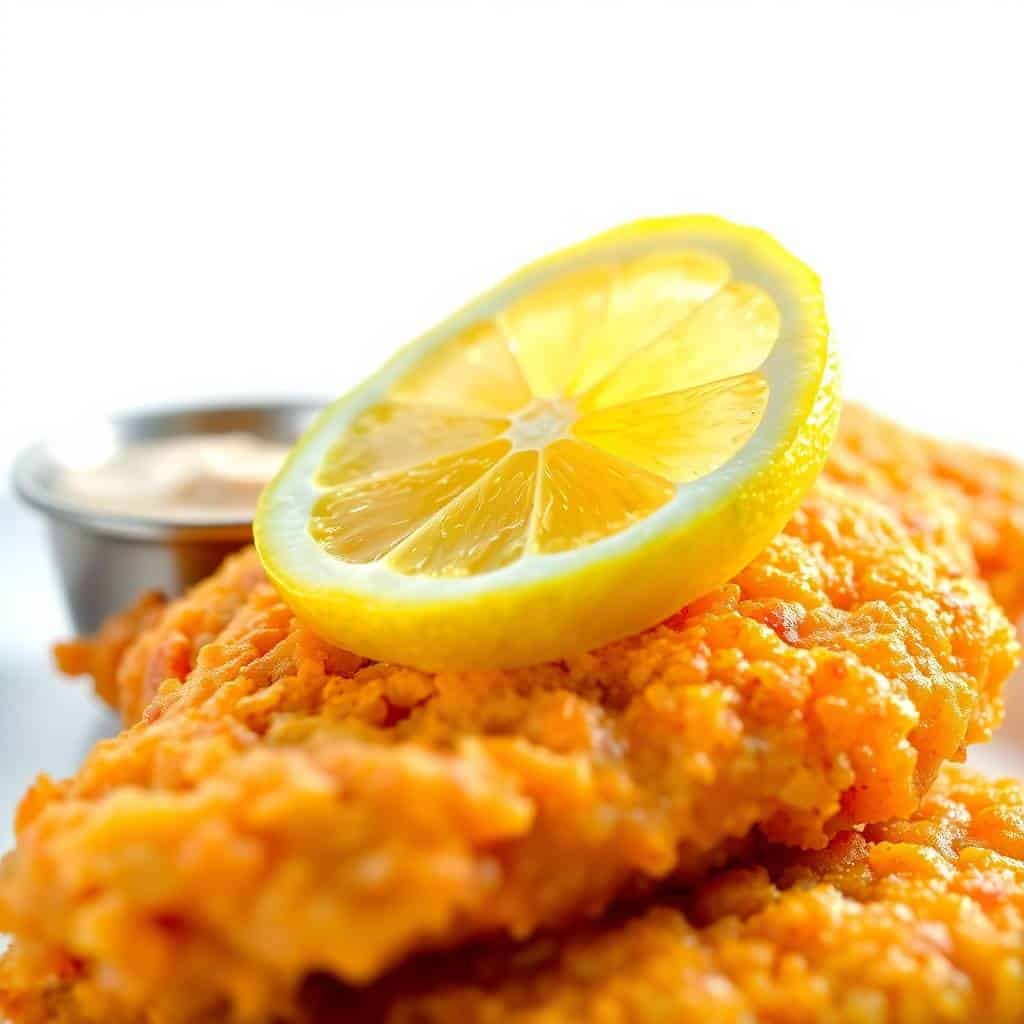
- Use a thermometer — seriously: My first batch was dark outside and undercooked in the middle because the oil was too hot, and my second batch was pale and greasy because it wasn't hot enough. 350°F is the sweet spot. The temperature will drop slightly when you add the fish, so let it come back up between batches. A cheap candy thermometer from any grocery store is all you need.
- Don't skip the drying step: Pat the catfish completely dry before it goes into the buttermilk. I know it seems like it doesn't matter since you're about to dunk it in liquid anyway — but a wet surface prevents the buttermilk from coating evenly, and uneven coating means the crust pulls away during frying. Two minutes with paper towels makes a noticeable difference.
- Fry in batches, not all at once: Crowding the pan drops the oil temperature fast and the fish steams instead of fries. I learned this after a soggy first batch where I tried to fit all four fillets in at once. Two at a time, let the oil recover between rounds, and every piece comes out properly crisp.
- Press the coating on firmly: Don't just dust the fillets — press the cornmeal mixture onto the surface with your palm. If the coating feels loose before it hits the oil, it'll fall off in the pan. A firm press helps it bond to the buttermilk layer and stay intact through the fry.
- Rest on a rack, not a flat plate: Putting fried fish directly on a plate traps steam underneath and turns the bottom crust soft within minutes. A wire rack over a sheet pan lets air circulate all the way around and keeps everything crispy while you finish the remaining batches. If you don't have a wire rack, even resting the fillets at a slight angle against the edge of the plate helps a little.
Variations
- Turn up the heat: Add ¾ teaspoon of cayenne to the coating and a few dashes of hot sauce into the buttermilk mixture before you dip the fish. This is how my husband prefers it. It gives the crust a slow, building heat without overwhelming the mild catfish flavor. Serve with extra hot sauce on the side for people who want more.
- Gluten-free version: Replace the all-purpose flour with your favorite gluten-free flour blend, or skip it entirely and use 2 cups of cornmeal total. The all-cornmeal crust is slightly denser but still very crunchy. Rice flour also works well here if you have it.
- Different fish: Catfish isn't always easy to find depending on where you shop. Tilapia works well with this same coating and cooks a bit faster since the fillets are thinner. Cod and haddock are also good options — both have mild, flaky flesh that holds up to the crust. Adjust fry time depending on thickness.
- Air fryer version: Coat the fillets the same way, then spray them generously with cooking spray on both sides. Air fry at 400°F for about 10 to 12 minutes, flipping halfway through. The crust won't be quite as deeply golden as pan-fried, but it's a solid weeknight shortcut when I don't feel like dealing with hot oil. I'd still go with pan-frying if I'm cooking for a group.
- Add herbs to the coating: Mix ½ teaspoon of dried thyme or dried parsley into the cornmeal mixture. It adds a subtle earthiness that complements the paprika and garlic nicely. I've also tried a small amount of dried oregano, which works well if you're serving the fish in tacos with a lime squeeze.
Serving and Storage
Serving
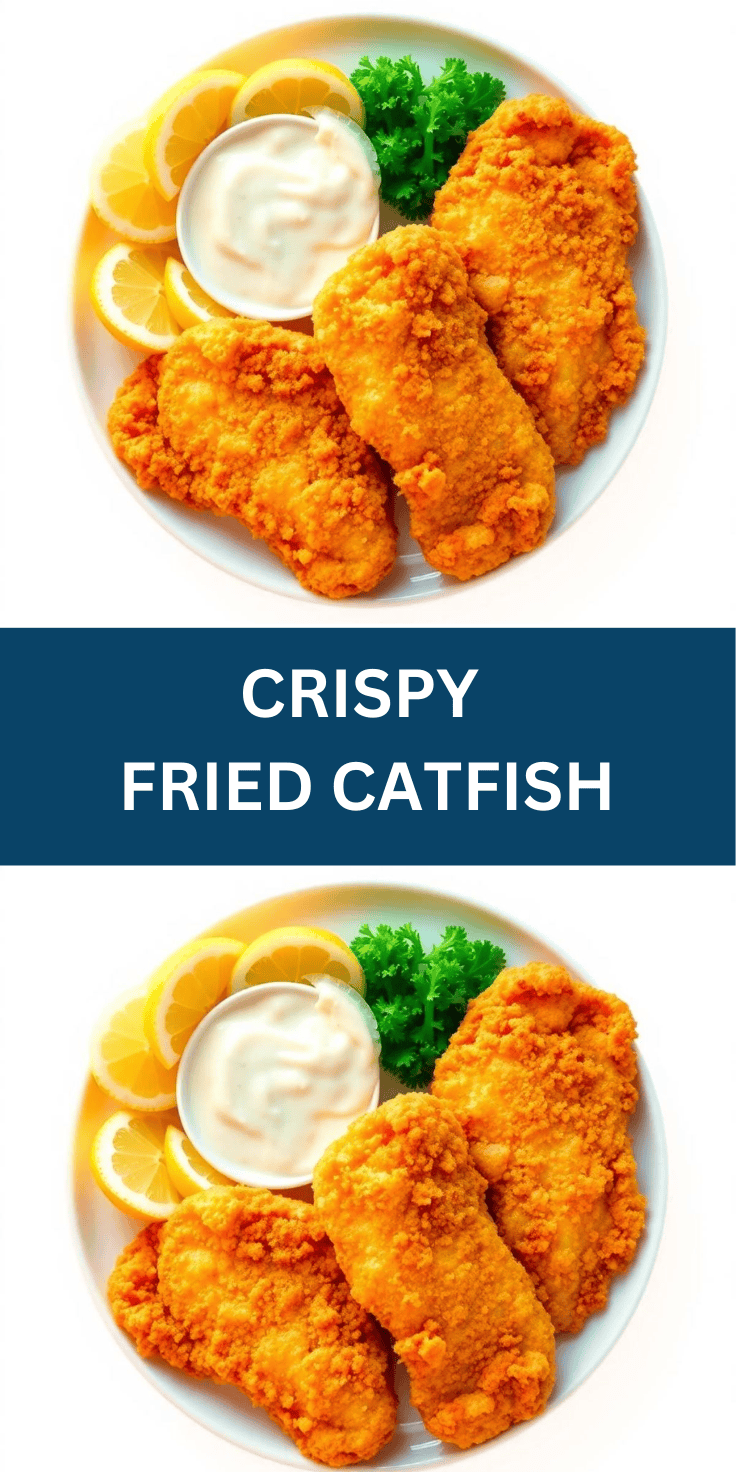
Serve the catfish hot, straight off the rack. At our house it usually goes with coleslaw, lemon wedges, and whatever dipping sauce is already in the fridge — tartar sauce, hot sauce, or even just ketchup for the kids. For a fuller Southern-style spread, cornbread or hush puppies on the side make it feel like a proper meal. If you want something to start the meal before the fish is ready, these Cheddar-Stuffed BBQ Bacon Bombs are easy to prep ahead and keep everyone occupied while you fry in batches.
Storage
Leftover fried catfish keeps in an airtight container in the fridge for up to 2 days. To reheat it, put it on a wire rack on a sheet pan and warm it in a 375°F oven for about 10 minutes. Don't use the microwave — it turns the crust completely soft. The oven isn't perfect, but it gets the crust back to something close to crispy. I wouldn't recommend freezing it; the coating tends to get soggy when it thaws.
Frequently Asked Questions
Can I use frozen catfish fillets?
Yes, but you need to thaw them completely first and then pat them very dry. Frozen fish releases a lot of water as it thaws, and that moisture is what makes the coating go soggy or fall off. I usually thaw mine overnight in the fridge, then give them a good press with paper towels right before I start dredging.
Why is my coating falling off during frying?
Usually it comes down to one of three things: the fish wasn't dry enough before dipping, you didn't press the coating on firmly, or the oil wasn't hot enough when the fish went in. Cold oil causes the coating to absorb fat and separate before it can set. Make sure your oil is at 350°F, press the coating on firmly with your palm, and don't move the fillets for the first couple of minutes — let the crust form before you flip.
I don't have buttermilk — what can I use instead?
The easiest substitute is regular whole milk with a splash of white vinegar or lemon juice — about 1 tablespoon of acid per 1 cup of milk. Stir it together and let it sit for 5 minutes before using. It curdles slightly and mimics buttermilk well enough for this recipe. Plain yogurt thinned with a little water also works in a pinch.
How do I know when the catfish is fully cooked?
The fish should be opaque all the way through and flake easily when you press it with a fork. If you have an instant-read thermometer, the internal temperature should hit 145°F (63°C). For a 6-ounce fillet that's about ¾ inch thick, 4 to 5 minutes per side at 350°F is usually enough. If your fillets are thicker, give them an extra minute per side rather than cranking up the heat.
Can I make the coated fillets ahead of time?
Yes — I do this when I'm cooking for a group. After you coat the fillets, place them in a single layer on a plate or sheet pan and refrigerate uncovered for up to an hour. The coating actually adheres better when it has time to dry out slightly in the fridge. Don't go much longer than that or the coating starts to get gummy from the moisture in the fish.
CRISPY FRIED CATFISH
Ingredients
- 4 catfish fillets about 6 oz each
- 1 cup cornmeal
- 1 cup all-purpose flour
- 1 teaspoon paprika
- 1 teaspoon garlic powder
- 1 teaspoon onion powder
- ½ teaspoon cayenne pepper optional for heat
- 1 teaspoon salt
- ½ teaspoon black pepper
- 2 large eggs beaten
- 1 cup buttermilk
- Vegetable oil for frying
Instructions
- Prepare the Catfish: Rinse the catfish fillets under cold water and pat dry with paper towels. Set aside.
- Make the Coating: In a shallow dish, combine the cornmeal, flour, paprika, garlic powder, onion powder, cayenne, salt, and pepper. Mix well.
- Dip the Fillets: In another shallow dish, whisk together the eggs and buttermilk. Dip each catfish fillet in the buttermilk mixture, then dredge in the cornmeal mixture, pressing lightly to coat evenly.
- Fry the Catfish: Heat about 1 inch of vegetable oil in a large skillet over medium-high heat. Once the oil is hot (around 350°F), carefully add the catfish fillets and fry for 4-5 minutes on each side until golden brown and crispy. Remove from the oil and drain on paper towels.
- Serve: Serve immediately with your favorite dipping sauce, lemon wedges, and sides like coleslaw or fries.
Notes
- Make Ahead: Catfish fillets can be prepped ahead and kept in the refrigerator until ready to fry.
- Customization: Add a squeeze of lemon juice or hot sauce for an extra zing.
- Storage: Store leftover fried catfish in an airtight container in the fridge for up to 2 days. Reheat in a hot oven to retain crispiness.
This isn't a dish I grew up with, but it's become a genuine regular in my kitchen — which is saying something given how many recipes I try and abandon. The thing I keep coming back to is how straightforward the technique is once you understand why each step matters. Dry the fish. Soak it. Coat it firmly. Hot oil, uncrowded pan. That's really the whole recipe.
I also love that it's a recipe with room to move. I make the mild version when the kids are eating with us, and the spicy version on nights when it's just me and my husband. The coating formula stays exactly the same — it's just the cayenne that changes. After a big fish fry dinner, if there's any appetite left for something sweet, I sometimes put out a plate of Martha Washington Candy — it's a quick no-bake thing that everyone picks at while they're still at the table.
If you're new to frying and this feels a little intimidating, I promise it's more manageable than it seems. The first time I tried it I was nervous about the hot oil and kept second-guessing the temperature. Now it's a relaxed Friday night dinner. Get the thermometer, give yourself enough time to fry in batches without rushing, and the rest takes care of itself. 🍋🐟✨
If you liked this recipe, here are a few more from the site you might want to try next:
- Crawfish Beignets with Jalapeño Cheddar Dip — a Southern appetizer that works great alongside a fish fry spread
- Cheddar-Stuffed BBQ Bacon Bombs — easy finger food for when you want something to put out before the main event
- Crockpot Crack Chicken — a slow cooker dinner for nights when you don't want to stand over a skillet
-
{"@context":"https://schema.org","@type":"Article","headline":"CRISPY FRIED CATFISH","description":"Golden, crispy fried catfish made with seasoned cornmeal coating—perfectly crunchy outside and tender inside.","datePublished":"2025-04-23T03:29:18+00:00","dateModified":"2026-05-04T03:58:21+00:00","author":{"@type":"Person","name":"Sana Umer","url":"https://forfoodiefriends.com/about/","description":"Self-taught home cook with 10+ years of kitchen experience. Mom of two who develops every recipe in her own kitchen.","jobTitle":"Recipe Developer & Food Blogger","image":"https://forfoodiefriends.com/wp-content/uploads/sana-umer-author-photo.jpg"},"publisher":{"@type":"Organization","name":"For Foodie Friends","url":"https://forfoodiefriends.com/","logo":{"@type":"ImageObject","url":"https://forfoodiefriends.com/wp-content/uploads/forfoodiefriends-logo.png"}},"mainEntityOfPage":{"@type":"WebPage","@id":"https://forfoodiefriends.com/crispy-fried-catfish/"},"image":"https://forfoodiefriends.com/wp-content/uploads/2025/04/CRISPY-FRIED-CATFISH.jpg"}



Comments
No Comments