
Zainab calls these "the butter cookies" and refuses to eat any other kind. I've made proper decorated sugar cookies, fancy sandwich cookies, even those chewy chocolate chip ones she usually loves — and she still comes back to shortbread. Three ingredients, no fuss, and somehow they win every time.
What makes this version different from a lot of shortbread recipes out there is the cornstarch. I know the ingredient list in the WPRM card shows it, and that's the version I actually bake. That small addition is what takes these from good to genuinely melt-in-your-mouth. The starch softens the crumb in a way that flour alone can't, and once you've had shortbread made this way, the regular version feels a little dense by comparison.
I make these most during the winter months — Eid, Christmas season, whenever I'm putting together a cookie tray for guests. But honestly, they're low-effort enough that I've also made them on a random Tuesday because I needed something sweet and didn't want to think too hard. If you're looking for something simple to bake alongside a batch of festive Grinch cookies, this shortbread fits right in on the same tray.
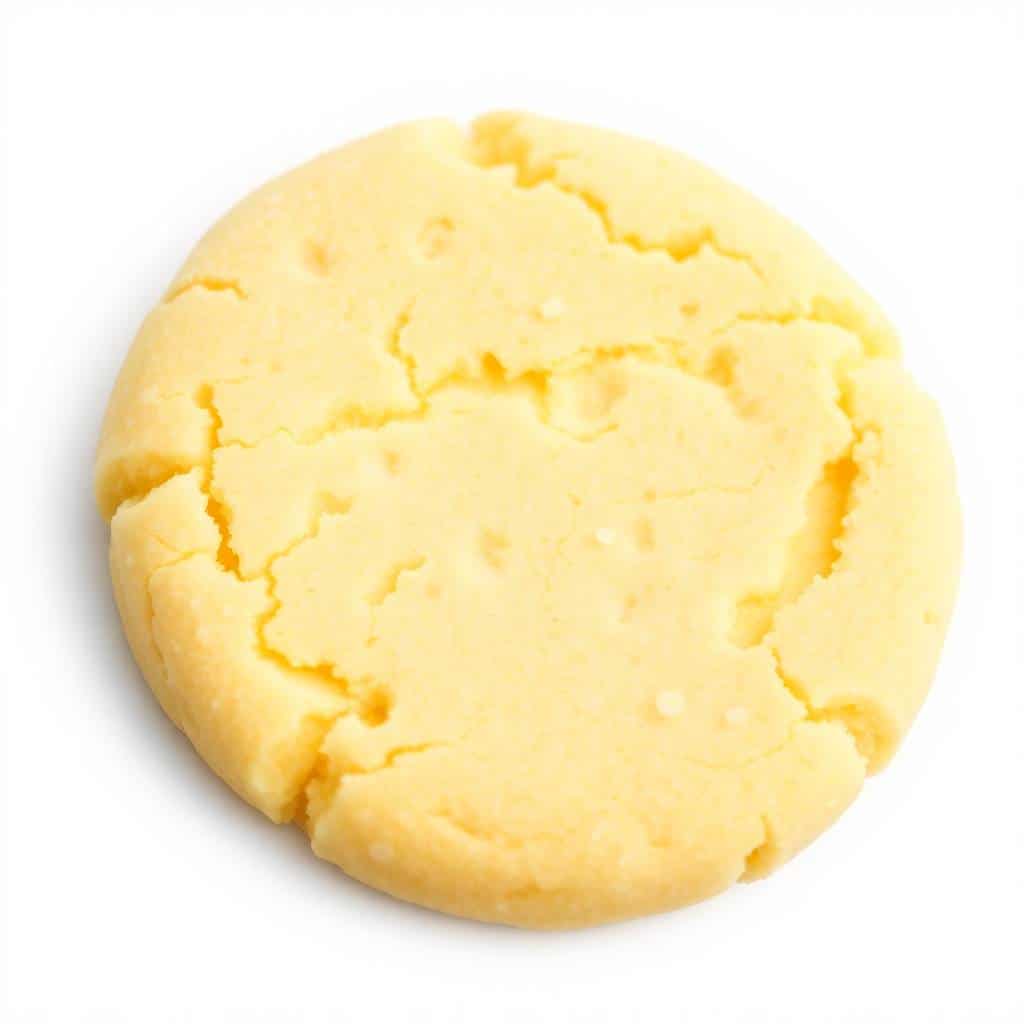
One thing to know going in: shortbread bakes at a lower temperature than most cookies, and it won't look done when it actually is. You're pulling them out when the bottoms are just barely golden — the tops stay pale. The first time I made these I left them in too long because I kept waiting for that golden top that never comes. Don't make that mistake. Light on the bottom, pale on top, that's the goal.
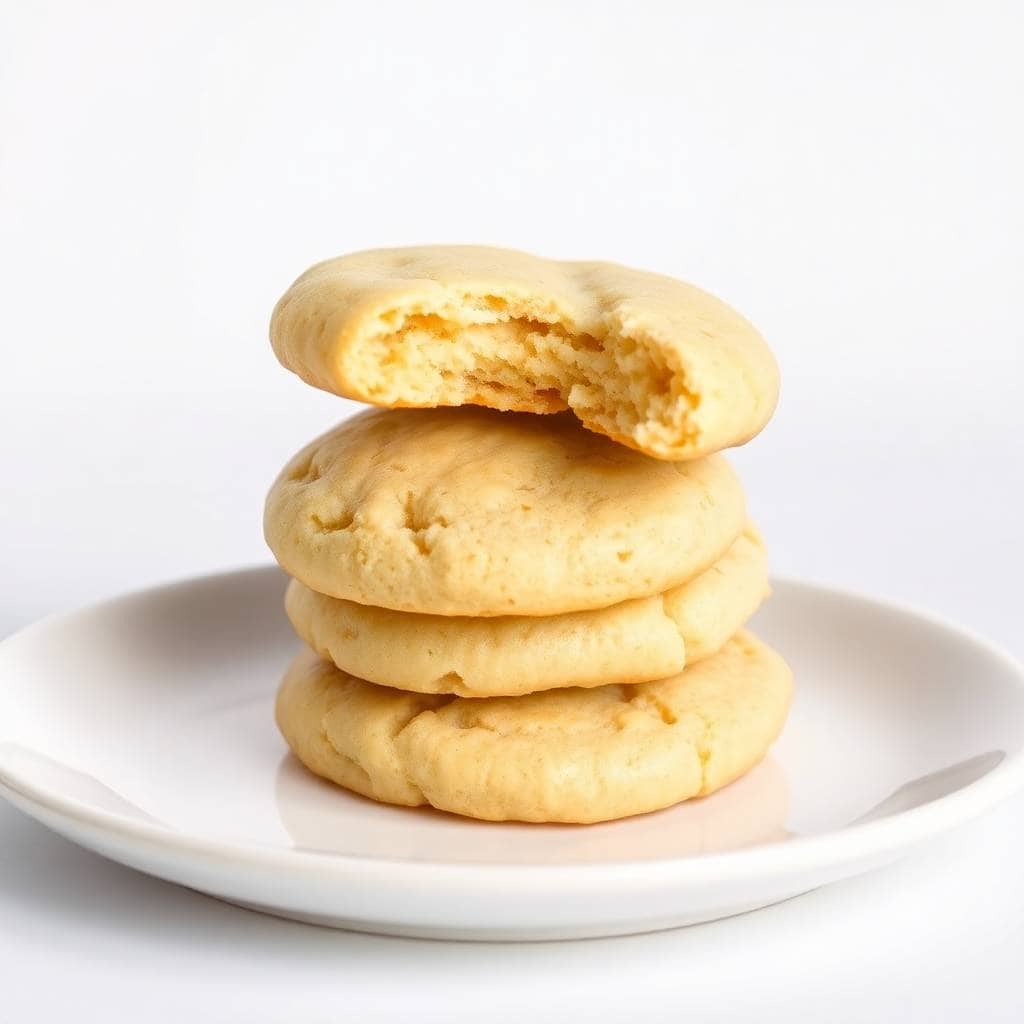
Why You'll Love This Recipe
- Only a handful of ingredients: Butter, powdered sugar, flour, cornstarch, vanilla, and salt. That's it. I almost always have everything already in my kitchen, which means I can pull these together with zero planning. No trip to the store, no specialty items, nothing that requires a South Asian grocery run.
- The texture is genuinely different: Shortbread has a specific thing it does — this sandy, dissolving crumb that feels nothing like a regular cookie. The cornstarch in this recipe pushes that texture even further. When I first tried a batch with cornstarch versus without, I understood immediately why some recipes include it.
- Incredibly forgiving for beginner bakers: There's no leavening to worry about, no eggs to temper, no finicky steps. The dough is soft and easy to work with. If your balls aren't perfectly round, it doesn't matter — they still taste the same. This is genuinely one of the first baked things I'd hand to someone who's never baked before.
- Great for gifting and holiday trays: These pack well, they keep well, and they look pretty dusted with powdered sugar or dipped in chocolate. I've packed them into tins and given them as Eid gifts, and I've put them on Christmas cookie trays alongside rhubarb cookies for a bit of variety. They hold up in transit better than most cookies.
- Works as a base for countless variations: The plain version is already excellent. But the dough takes to add-ins really well — citrus zest, almond extract, spices — without needing to rework the whole recipe. I'll get into specifics in the Variations section, but the point is this is a recipe you can come back to differently every time.
Ingredients
- 1 cup (2 sticks) unsalted butter, softened
- ½ cup powdered sugar
- 1½ cups all-purpose flour
- ¼ cup cornstarch
- ½ teaspoon vanilla extract
- Pinch of salt
- Extra powdered sugar for dusting (optional)
Directions
- Step 1: Preheat and prep your pan — Set your oven to 300°F (150°C) and line a baking sheet with parchment paper. This lower temperature is intentional — shortbread bakes slowly so it cooks through without browning on top.
- Step 2: Cream the butter and sugar — In a large bowl, beat the softened butter and powdered sugar together until light and fluffy. I don't have a stand mixer, so I use a hand mixer here — it takes about 2 minutes on medium speed. If you only have a wooden spoon and strong arms, that works too, it'll just take a few extra minutes of elbow grease.
- Step 3: Add the remaining ingredients — Add the vanilla extract, then gradually mix in the flour, cornstarch, and salt. Mix until just combined and a soft dough forms. Stop as soon as you don't see dry streaks — overmixing makes the dough tough, and shortbread should be tender.
- Step 4: Shape the cookies — Scoop or roll the dough into 1-inch balls and place them on the prepared baking sheet with a little space between each. Flatten gently with a fork or the bottom of a glass. The fork tines leave those classic marks that shortbread is known for.
- Step 5: Chill before baking — Pop the whole tray into the refrigerator for 20–30 minutes. This step keeps the cookies from spreading and helps them hold their shape. I used to skip this when I was impatient, and my cookies always came out flatter than I wanted.
- Step 6: Bake — Bake for 18–20 minutes, until the bottoms are just barely golden. The tops will still look pale — that's correct. Pull them when you see that light color on the bottom edge. Let them cool on the tray for 5 minutes before moving them to a wire rack.
- Step 7: Dust and serve — Once completely cool, dust with a little extra powdered sugar if you like. They need to be fully cooled before storing or the steam will make them soft in the container.
Tips for Success
- Your butter needs to be soft, not melted: This is the most important thing I can tell you. If the butter is melted or even close to it, the dough will be greasy and the cookies will spread too much. Leave the butter out at room temperature for about an hour before you start. If you forgot (I forget constantly), cut it into small pieces and let it sit for 20 minutes — it gets there faster that way.
- Don't skip the chill time: I know 20–30 minutes feels like a lot when you just want cookies. But cold dough holds its shape in the oven. Warm dough spreads. The first time I skipped the chill because I was rushing, they came out flatter than I intended and the texture was slightly off. It's worth the wait — go do the dishes or something.
- Use powdered sugar, not granulated: This isn't interchangeable. Powdered sugar dissolves completely into the butter and gives you that smooth, fine crumb. Granulated sugar stays grittier and changes the whole texture. I've seen people try to substitute it and wonder why their shortbread doesn't taste right — this is usually why.
- Size your cookies consistently: Uneven cookies bake unevenly. The small ones finish early and overbake while you're waiting for the big ones to catch up. I use a small cookie scoop (about a tablespoon) to keep them close to the same size. If you don't have a scoop, just eyeball a tablespoon of dough and roll it between your palms — it doesn't have to be perfect, just roughly the same.
- Watch the bottoms, not the tops: Shortbread doesn't brown on top the way most cookies do. If you wait for color on top, they'll be overbaked. Peek at the bottom of one cookie at the 18-minute mark — you want a very light golden color there. If you have a thin spatula, just tilt one up carefully to check. That's the signal they're done.
Variations
- Lemon zest shortbread: Add 1 tablespoon of fresh lemon zest to the dough when you add the vanilla. The citrus cuts through the richness of the butter in the best way. This is my personal favorite variation — I made a batch this way last spring and my husband ate half of them before dinner. It's a small change that makes the cookies feel completely different.
- Chocolate-dipped: Once the cookies are fully cooled, melt about ½ cup of chocolate chips (dark or white, both work) in a small bowl in 30-second microwave bursts, stirring between each. Dip half of each cookie, let the excess drip off, then set them on parchment to firm up. This is what I do when I want to dress them up for a cookie tray or gift tin.
- Almond extract version: Swap the vanilla extract for ½ teaspoon of almond extract. Almond is stronger than vanilla, so less is more here. This gives the cookies a slightly marzipan-like note that works really well. It's not traditional, but it's good — Zainab actually prefers these over the plain version when I make them this way.
- Cardamom spiced: Add ¼ teaspoon of ground cardamom to the flour mixture. This is the variation I make most often for Eid — cardamom is such a familiar flavor in Pakistani sweets that it feels right at home in a shortbread cookie. If you want it slightly warmer, add a tiny pinch of cinnamon alongside it.
- Shortbread bars: Instead of rolling the dough into balls, press the entire batch into a parchment-lined 8x8-inch pan, smooth the top, prick all over with a fork, and bake the same way. Cut into fingers while still slightly warm — they'll crumble if you try to cut them fully cooled. This is the classic way shortbread is made in Scotland, and it's less fussy than shaping individual cookies.
Serving and Storage
Serving
Shortbread is a natural alongside tea or coffee — that's mostly how I serve it at home. In Pakistan, we'd have something like this with chai, and that combination still feels right to me. It's also lovely with a small spoonful of jam on top, or alongside chocolate-covered cheesecake strawberries if you're putting together a dessert spread. For holiday trays, I usually double the batch — a single recipe disappears faster than I expect when there are guests.
Storage
Store completely cooled shortbread in an airtight container at room temperature for up to 7 days. I've found a tin works better than a zip-lock bag — the cookies stay crisper. If you want to freeze them, lay them in a single layer on a sheet pan first until solid, then transfer to a freezer bag. They freeze well for up to 2 months and thaw in about 30 minutes at room temperature. The dough itself can also be refrigerated for up to 3 days before baking, which makes these easy to prep ahead.
Frequently Asked Questions
Can I use salted butter instead of unsalted?
Yes, you can. Just leave out the pinch of salt the recipe calls for and taste the dough before shaping — different brands have different salt levels. I prefer unsalted because it gives me more control, but salted butter shortbread is actually a thing in some traditional recipes, so you're not ruining anything by using it.
Why is my shortbread too crumbly and falling apart?
Usually this means the butter wasn't creamed enough with the sugar, or the flour was packed too tightly when measured. Spoon flour into your measuring cup and level it off — don't scoop directly from the bag. Also make sure you're beating the butter and sugar until it's actually fluffy and pale before adding anything else. Under-creamed butter doesn't hold the dough together properly.
Can I freeze the dough before baking?
Absolutely. Shape the dough into balls, freeze them on a sheet pan until solid, then transfer to a freezer bag. They'll keep for up to 3 months. When you're ready to bake, put them on a lined sheet pan straight from the freezer and add 3–4 minutes to the bake time. No need to thaw first — I've done this plenty of times and the cookies turn out just as good.
Do I really need the cornstarch, or can I skip it?
You can skip it and replace with an equal amount of flour, but the texture will be noticeably different. The cornstarch is what gives this shortbread that extra-tender, dissolving quality. Without it, the cookies are still good, but they're a bit more dense. If you bake shortbread both ways side by side like I did once, you'll taste the difference immediately. I wouldn't skip it.
Can I make these gluten-free?
A 1:1 gluten-free baking flour blend should work here — brands like Bob's Red Mill or King Arthur make a direct substitute that handles baked goods well. I haven't personally tested this recipe with GF flour, so I can't promise identical results, but shortbread is one of the simpler recipes to adapt because the structure doesn't depend on gluten development the way bread does.
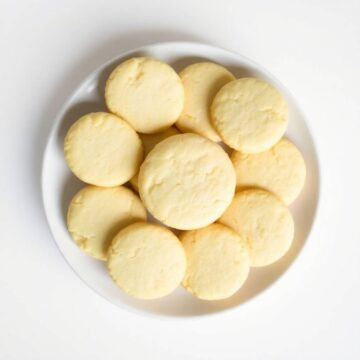
MELT IN YOUR MOUTH SHORTBREAD
Ingredients
- 1 cup 2 sticks unsalted butter, softened
- ½ cup powdered sugar
- 1½ cups all-purpose flour
- ¼ cup cornstarch
- ½ teaspoon vanilla extract
- Pinch of salt
- Extra powdered sugar for dusting optional
Instructions
- Preheat oven to 300°F (150°C) and line a baking sheet with parchment paper.
- In a large bowl, beat softened butter and powdered sugar together until light and fluffy.
- Add vanilla, flour, cornstarch, and salt. Mix until just combined and dough forms.
- Scoop or roll dough into 1-inch balls and place on the prepared baking sheet.
- Flatten gently with a fork or the bottom of a glass.
- Bake for 18–20 minutes or until bottoms are lightly golden.
- Let cool on the pan for 5 minutes, then transfer to a wire rack to cool completely.
- Dust with extra powdered sugar if desired.
Notes
- Make Ahead: Dough can be made in advance and chilled for up to 3 days before baking.
- Customizing the Flavor: Add lemon zest, almond extract, or dip in chocolate for variety.
- Serving Suggestions: Pair with tea or serve on a holiday cookie tray.
- Allergy-Friendly Options: Substitute gluten-free flour for a gluten-free version.
- Storage Tips: Store in an airtight container at room temperature for up to 1 week. Freeze for longer storage.
Shortbread is one of those recipes I keep coming back to because it's genuinely simple and the results are consistently good. Three ingredients at its core, a handful more if you use the full version — and what comes out of the oven every time is something I'm actually proud to put on a plate. I don't say that about everything I bake.
I mentioned Zainab loves these, but my husband is the one who requests the lemon zest version specifically. He doesn't really have a sweet tooth, so when he asks for something twice I write it down. These he's asked for more times than I can count. That feels like the most honest endorsement I can give a recipe.
If you're putting together a baking day and want something to make alongside these, the rhubarb cookies on the site are a great contrast — they're soft and fruit-forward where shortbread is buttery and dry. The two together on a tray cover a lot of ground. And if you're looking for a no-bake dessert option to round things out, the chocolate covered cheesecake strawberries are always a good call.
Make a batch, chill the dough overnight if you want to spread out the work, and dust them with powdered sugar right before serving. That's all there is to it. 🍪✨
If you liked this recipe, here are a few more from the site you might want to try next:
- Rhubarb Cookies — soft, fruity, and a great contrast to shortbread on a cookie tray
- Grinch Cookies — Soft, Chewy & Festive Holiday Treat — a fun holiday cookie that kids love to help make
- Chocolate Covered Cheesecake Strawberries — no-bake, elegant, and pairs well with a cookie spread
- Amish Macaroni Salad — for when you need something savory to balance all the baking
- Marry Me Chicken Tortellini — a weeknight dinner worth bookmarking while you're here


Comments
No Comments